Waitangi Treaty Grounds: Why New Zealand Marks 6 February
On 6 February 1840, the first signatures went on the Treaty of Waitangi on a lawn above the Bay of Islands. Video and photos tell the story of that day, of the treaty's two texts and why they differ, and of how the grounds became the heart of a national day.
Every 6 February, New Zealand takes a public holiday called Waitangi Day. The name comes from a stretch of coast near the top of the North Island, on the Bay of Islands, where in 1840 representatives of the British Crown and Māori chiefs put the first signatures on a treaty. Start with the short video to see how that day unfolded.

 Watch the one-minute video on YouTube
A lawn above the bay
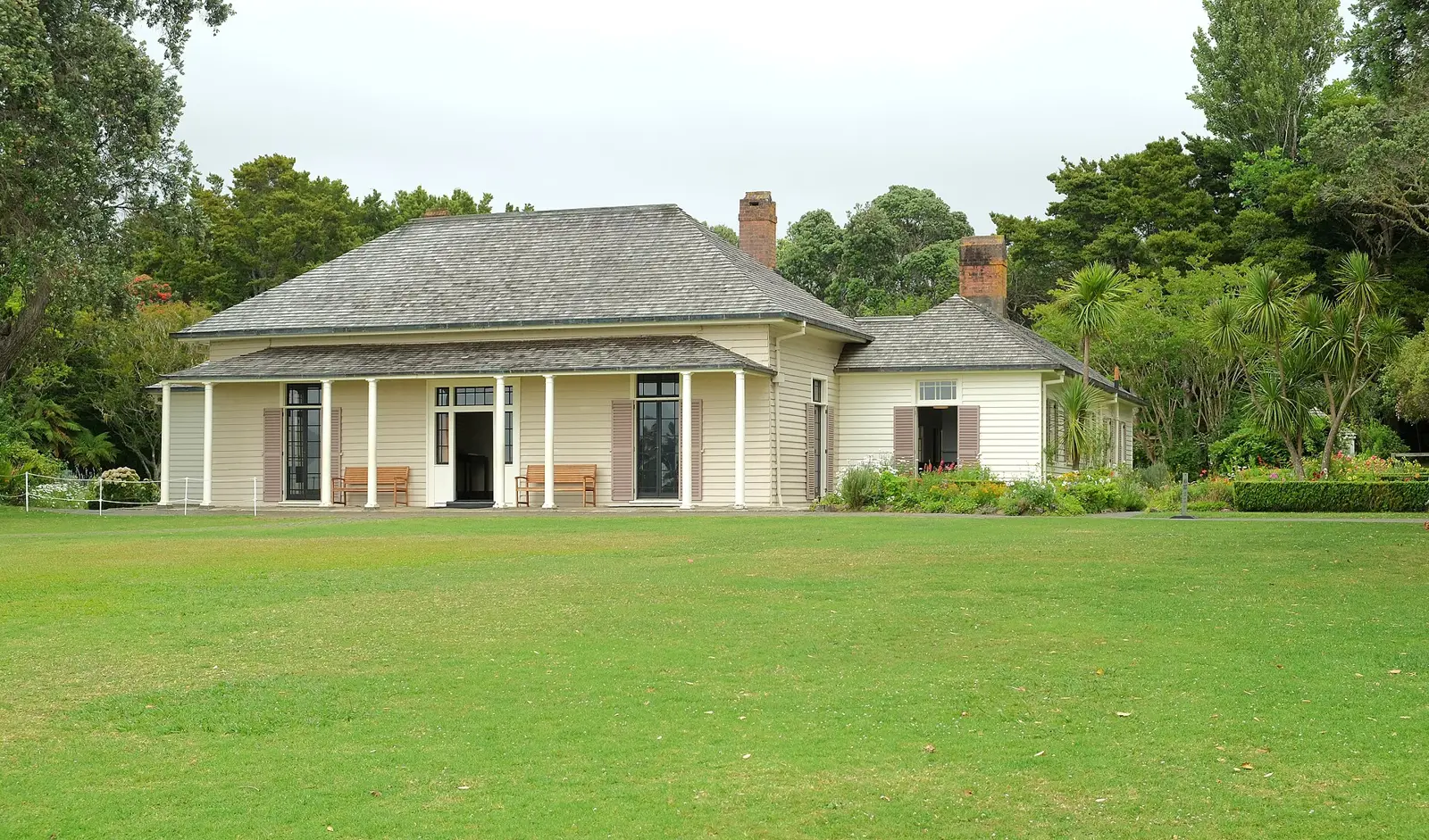
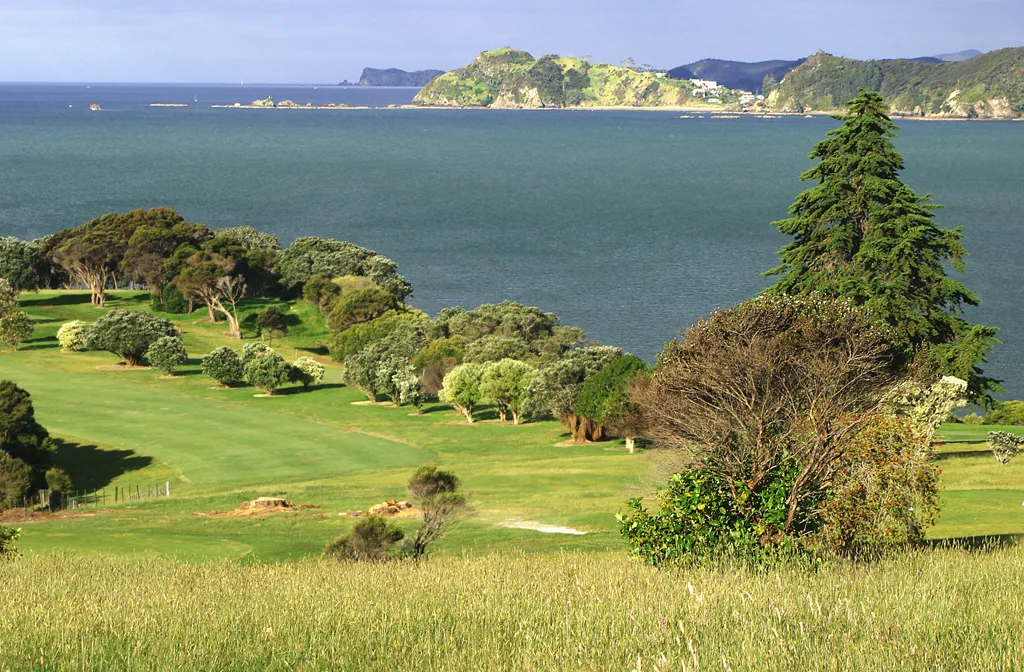
The Waitangi Treaty Grounds are a broad sweep of grass running down toward the sea, with low green islands and headlands layered across the water beyond. Gathered close together on the grounds are the Treaty House, the Māori meeting house Te Whare Rūnanga, and a great ceremonial waka, or canoe.

A flat-pack house from Sydney
The story begins with a British official. In 1832 the Crown appointed James Busby as its representative here, and his house arrived in an unusual way: it was pre-cut from Australian hardwood in Sydney, shipped across to New Zealand, and assembled on site in 1834. It was the first residence in New Zealand built for a British government official. Today it is called the Treaty House.
Read aloud one day, signed the next
In 1840 William Hobson arrived in the Bay of Islands under orders from the British government to make a treaty with Māori. On 5 February the treaty was read to the chiefs, and hundreds of Māori gathered at Waitangi to debate it.
The next day, 6 February, the first signatures were added on these grounds. According to the Waitangi Tribunal, between 43 and 46 Māori chiefs signed alongside Hobson that day.
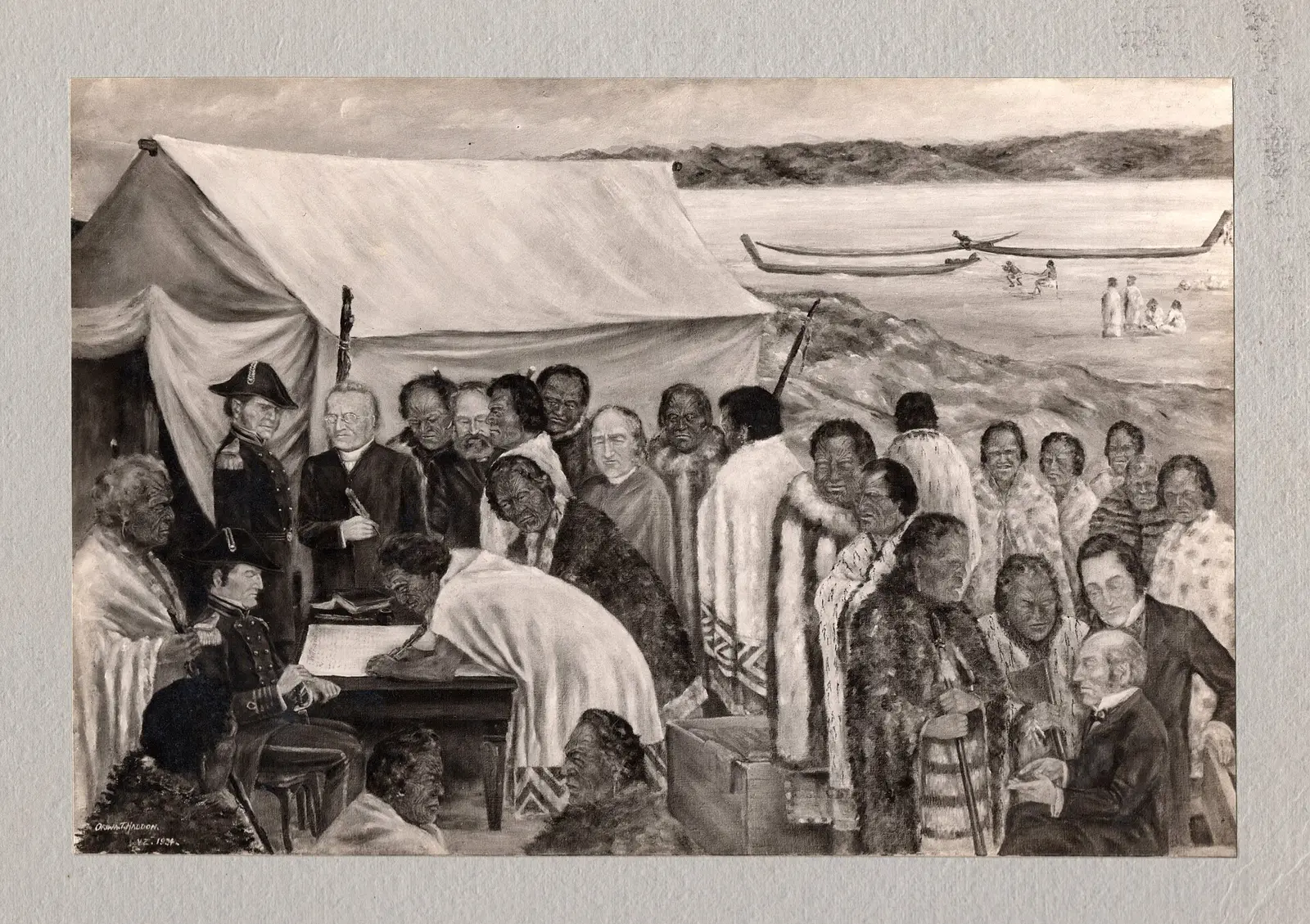

Ōriwa Haddon painted this scene long after the fact. It is an artist's imagining of the signing, not a record of the day.
One treaty, two texts
The treaty was written twice: once in English and once in te reo Māori, where it is known as Te Tiriti o Waitangi. The signing did not end at Waitangi. Copies were carried to other parts of the country to gather more names, and by the end of 1840 more than 500 Māori had signed, 13 of them women.
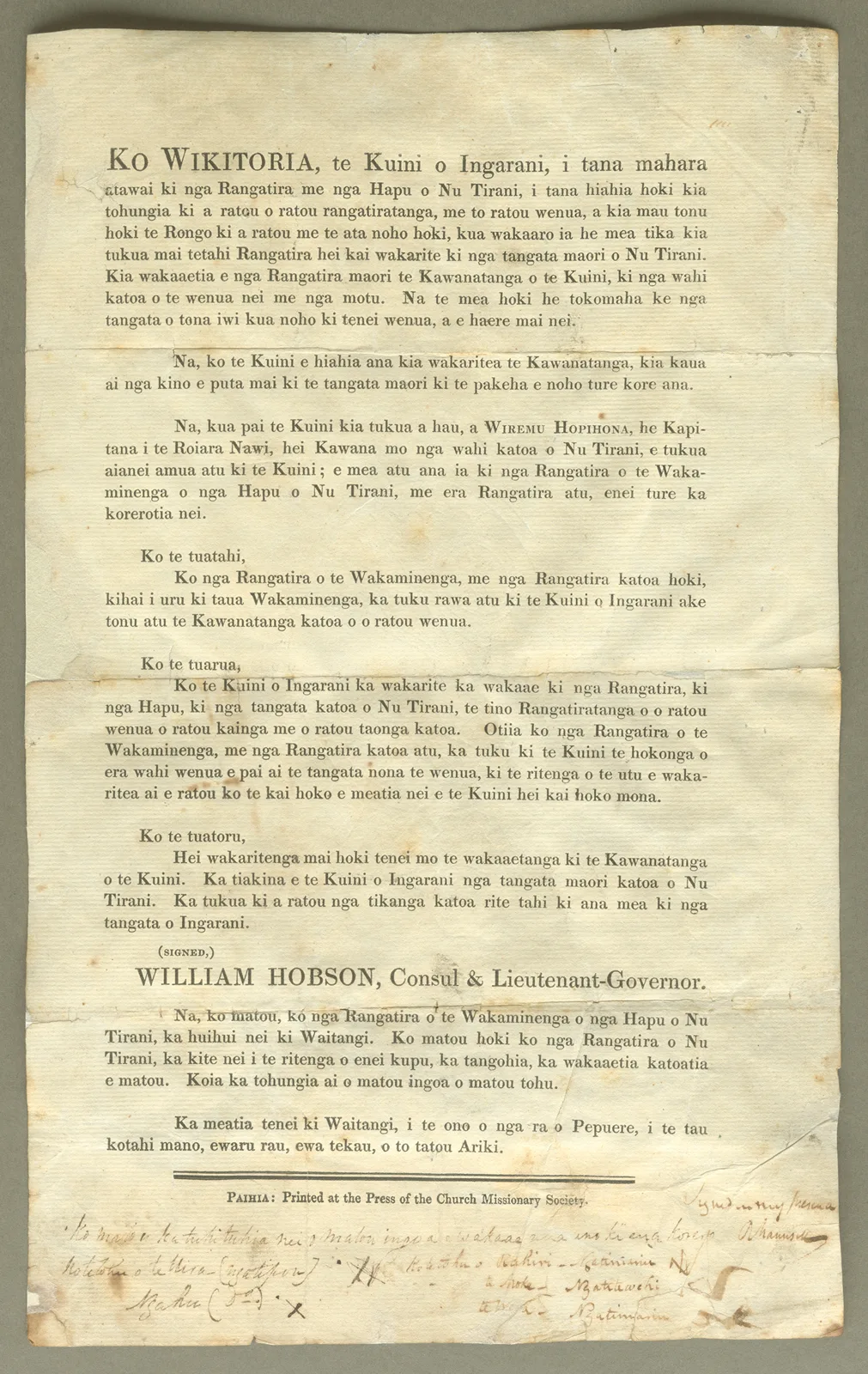

The sheet above is the only printed copy that survives. It was printed at Paihia on 17 February 1840 and signed by five Waikato chiefs.
The two texts, however, do not say the same thing. The Waitangi Tribunal notes that the Māori text is not an exact translation of the English. In Article 1, the English text speaks of ceding "sovereignty," while the Māori text uses kawanatanga, the right to govern. Article 2 diverges too: the Māori text stresses the authority of the chiefs, while the English text stresses ownership of land and property.
Those differences still matter. Under the Treaty of Waitangi Act 1975, the Waitangi Tribunal is charged with determining what the treaty means and how it applies. Even so, New Zealand regards the treaty as a founding document of the nation, which is why 6 February is the day the country remembers.
How a lawn became a national day
It took nearly a century for the grounds to become what they are now. In 1932 the Governor-General, Lord Bledisloe, and Lady Bledisloe bought Busby's house and land and gave them to the nation. The first Waitangi Day commemoration was held here on 6 February 1934, and in 1974 the day became a national holiday.
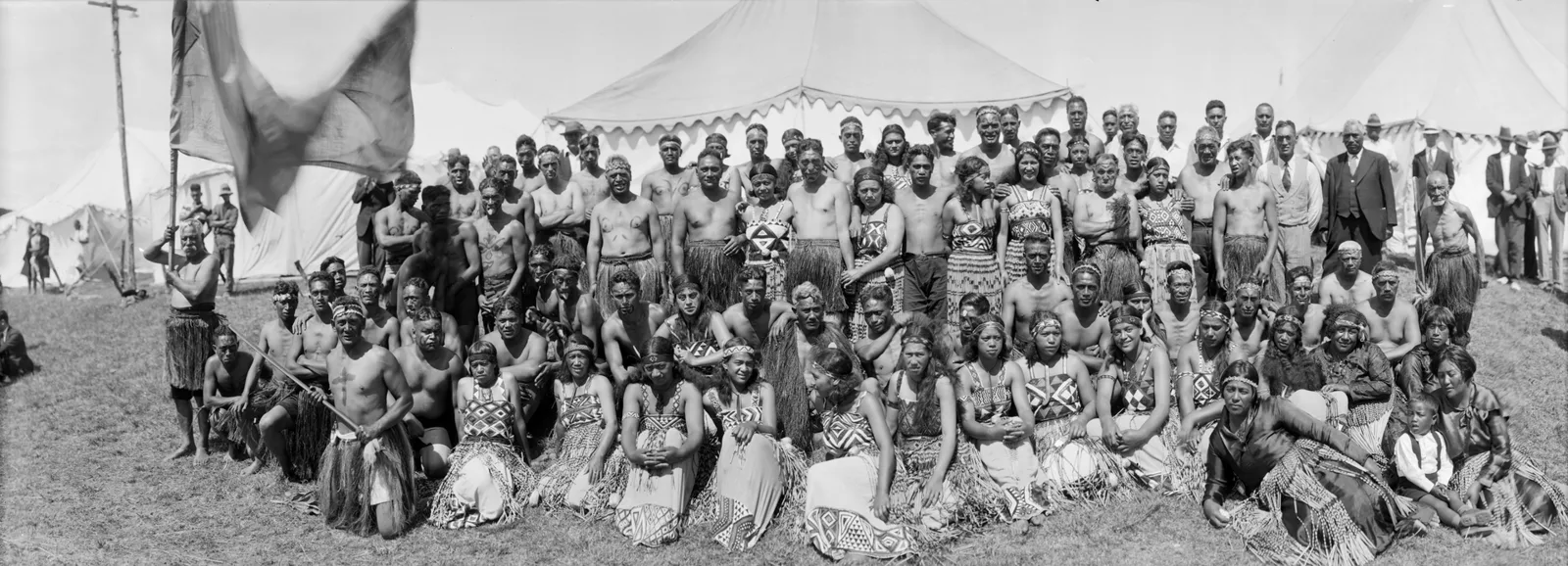

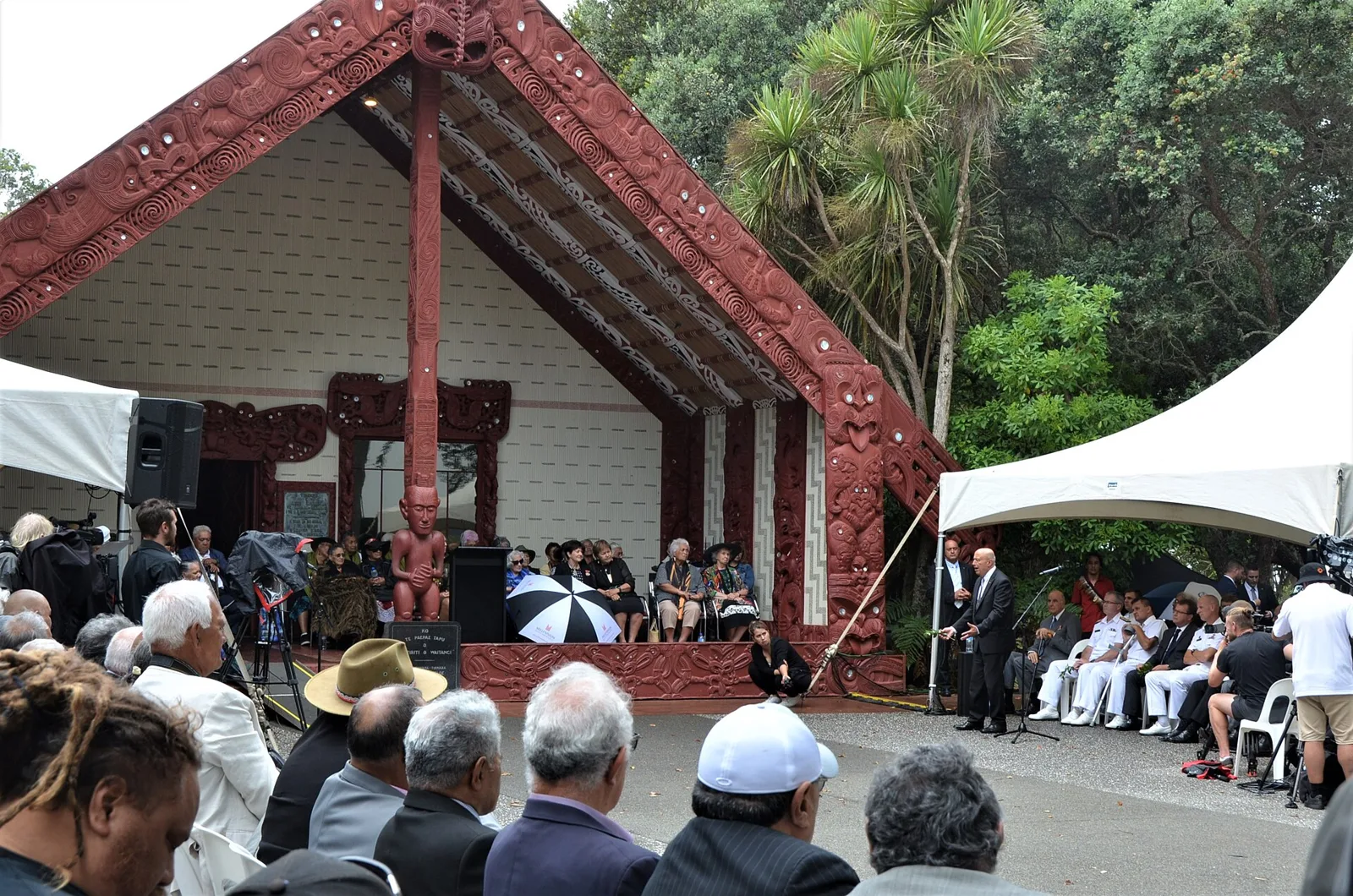
On 6 February 1940, the treaty's centenary, Te Whare Rūnanga opened its doors. The meeting house brings together carving styles from many iwi, or tribes, across the country.

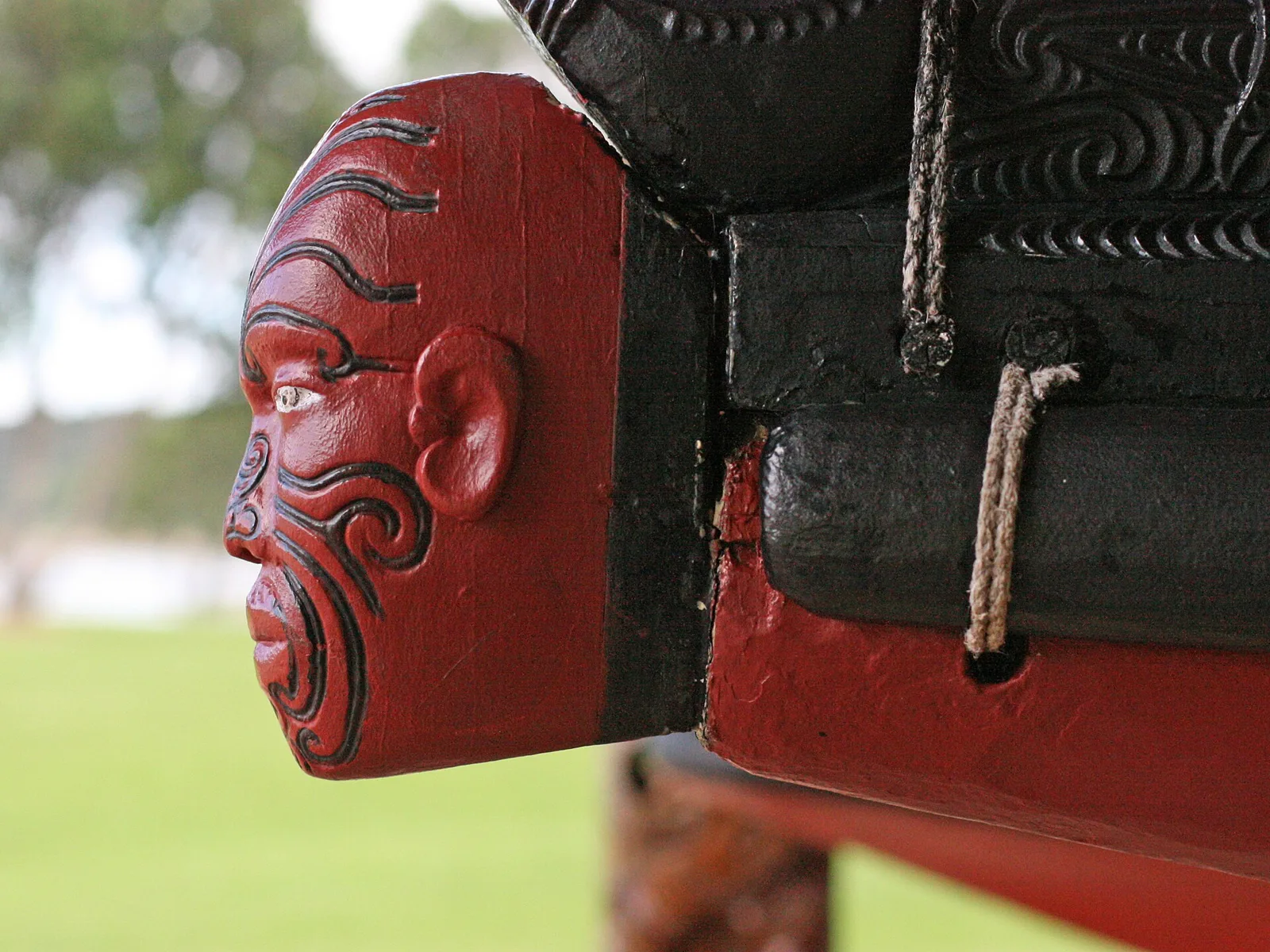
The centenary was also marked by the building of Ngātokimatawhaorua, one of the largest ceremonial waka in the world. It is still launched every February as part of the Waitangi Day commemorations.

Find the Waitangi Treaty Grounds on Wooriyeojido
A house shipped over from Sydney, a day of debate, and two texts that never quite matched: New Zealand's 6 February began on this lawn. The Waitangi Treaty Grounds are pinned on the Wooriyeojido map. Look them up in the app, and if you visit, leave your photos and stories from the day right beside the pin.
View this place in the Wooriyeojido appVideos of nearby places
 Where Captain Cook first landed in Australia: Kamay Botany Bay
 Which island did Columbus step onto first? Guanahani and Lucayan, 1492
 Was the Opera House roof inspired by an orange peel? Sydney Opera House
Sources
- Waitangi Tribunal — About the Treaty
- Waitangi Tribunal — Māori and English texts
- Waitangi Treaty Grounds — History
- Waitangi Treaty Grounds — Treaty House
- Waitangi Treaty Grounds — Te Whare Rūnanga
- Waitangi Treaty Grounds — Ceremonial Waka
- Te Ara, the Encyclopedia of New Zealand — Bledisloe, Charles Bathurst