Sydney Opera House: Did Those Famous Shells Really Come From an Orange?
The Sydney Opera House stands on Bennelong Point in Sydney Harbour. Did its architect really dream up the roof while peeling an orange? Video and photos reveal the 'spherical solution', in which every piece of the roof was cut from a single sphere.
You may have heard that the Sydney Opera House's shell-like roofs came to its architect while he was peeling an orange. Is it true? Half true, at best. The real key was a single giant sphere. Start with the short video.
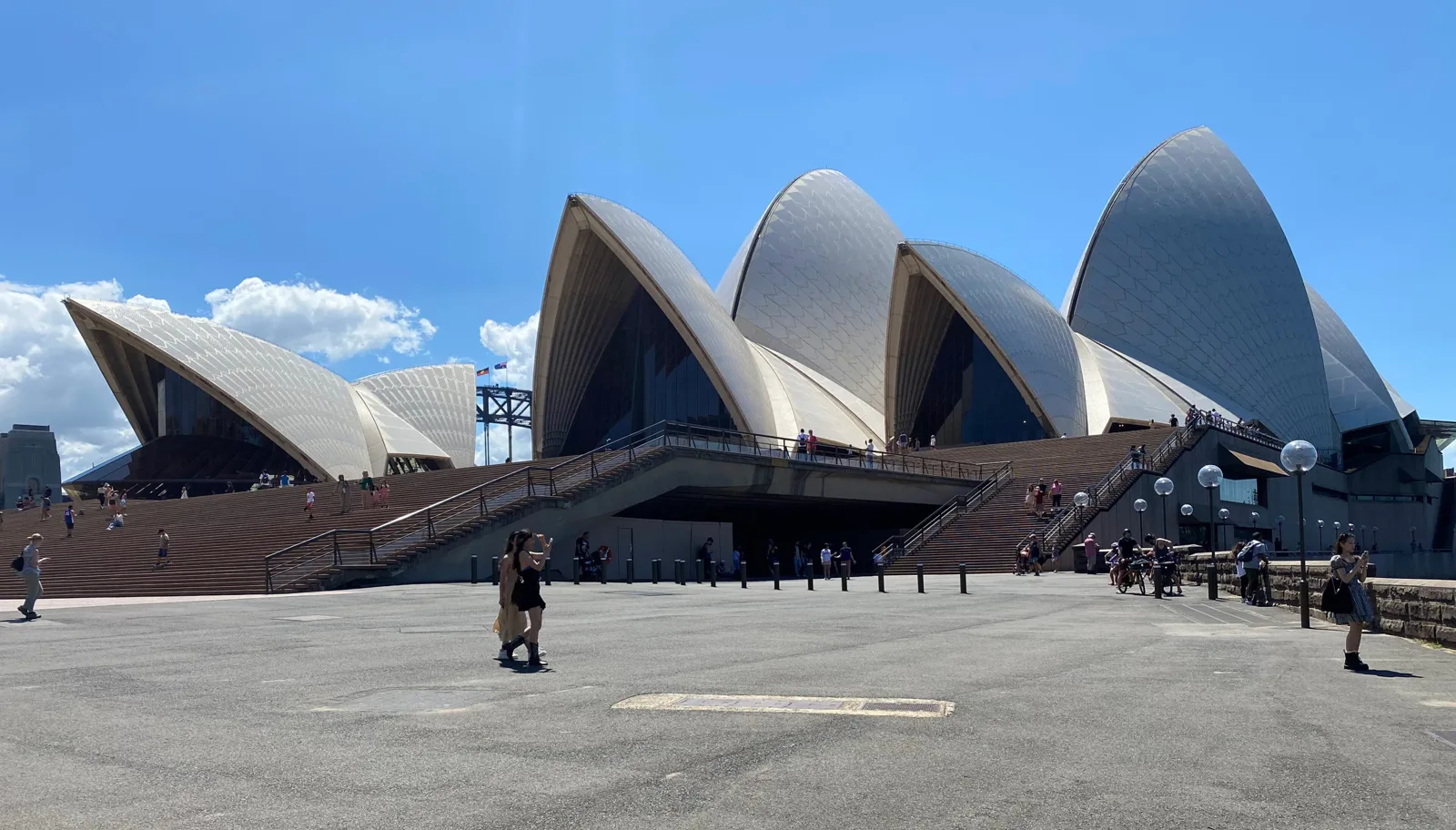

 Watch the one-minute video on YouTube
A headland in Sydney Harbour
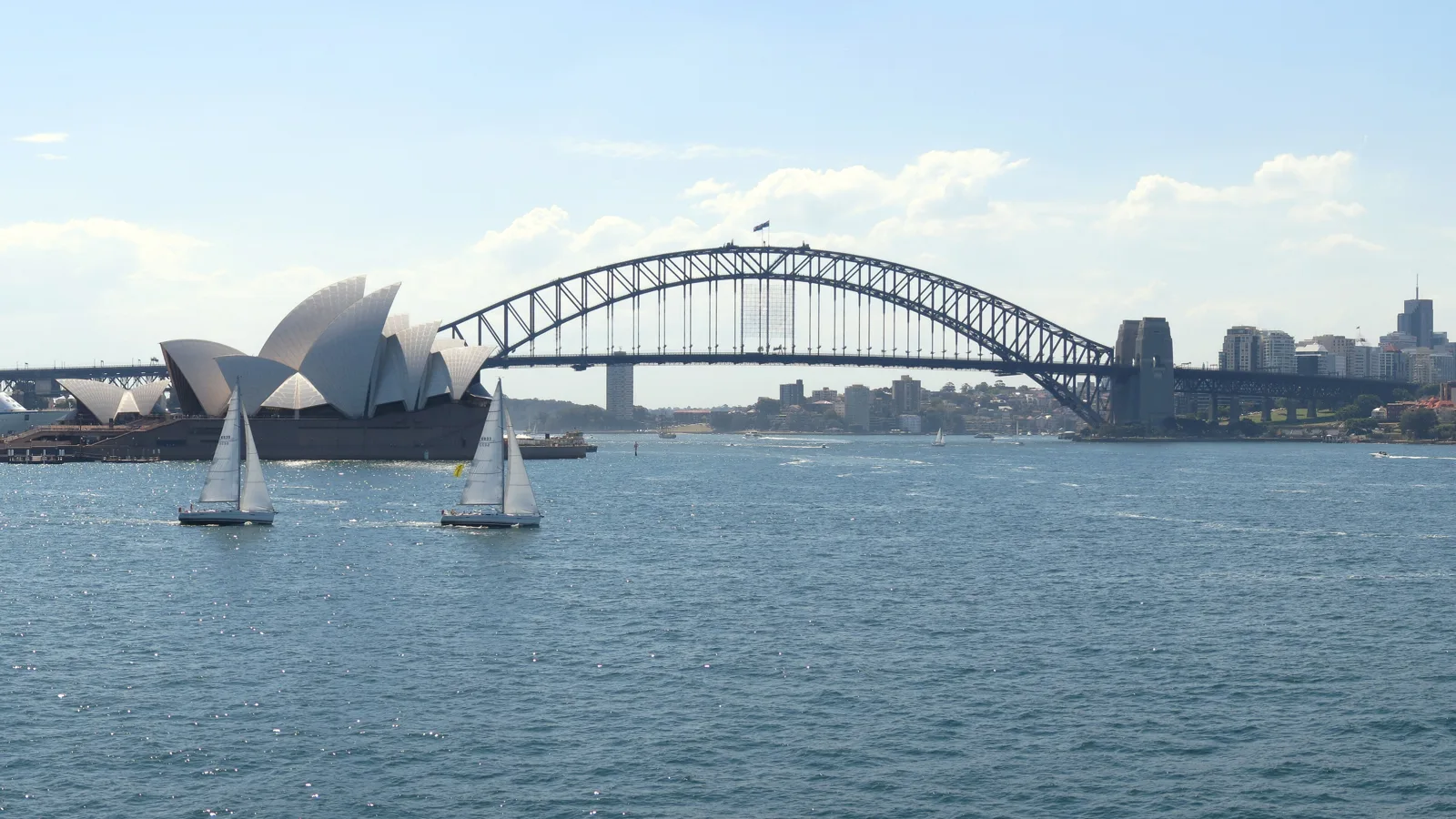
The Opera House stands on Bennelong Point, a headland jutting into Sydney Harbour. According to the Opera House, the point takes its name from Woollarawarre Bennelong, a man of the Eora people who lived here. In 2007 the building was added to UNESCO's World Heritage List, just 34 years after it opened.
From tram depot to competition winner
Before the Opera House, the point was occupied by the Fort Macquarie tram depot, a building made to look like a castle.
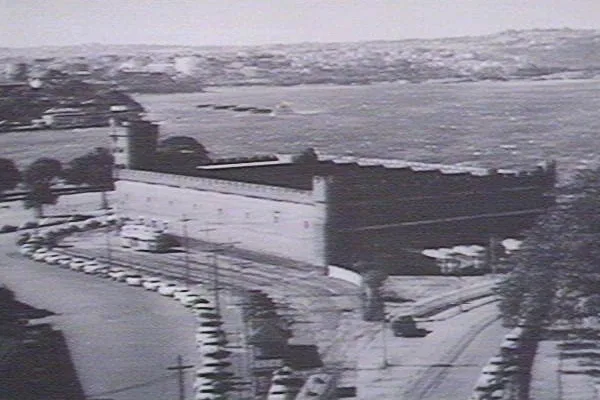

In 1956 an international design competition was launched for a new opera house on the site, and more than 200 designs were submitted. In January 1957 the judges chose a scheme crowned with shell-shaped roofs. Its author was Jørn Utzon, a then-unknown 38-year-old architect from Denmark.
A roof nobody knew how to build
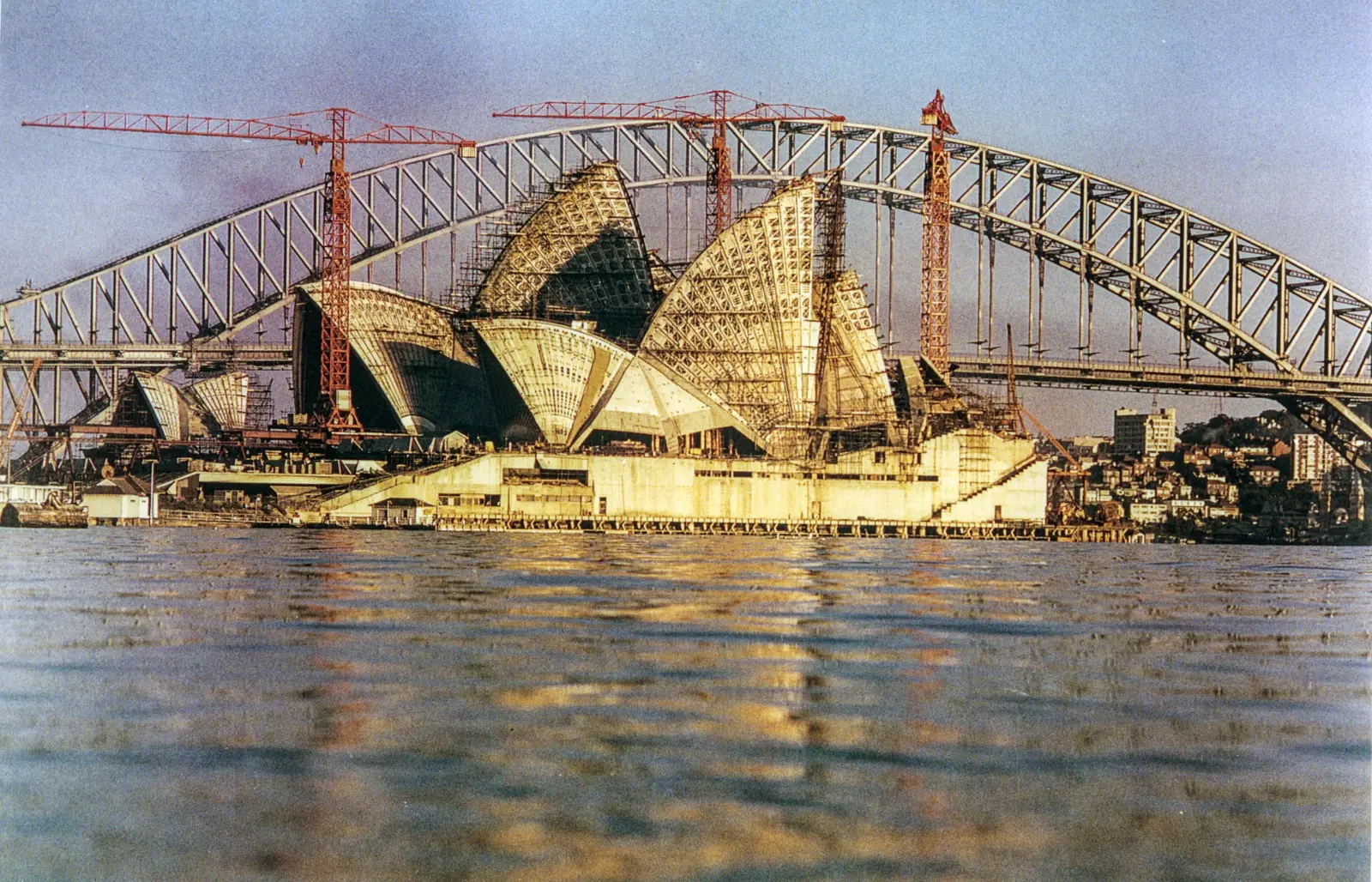
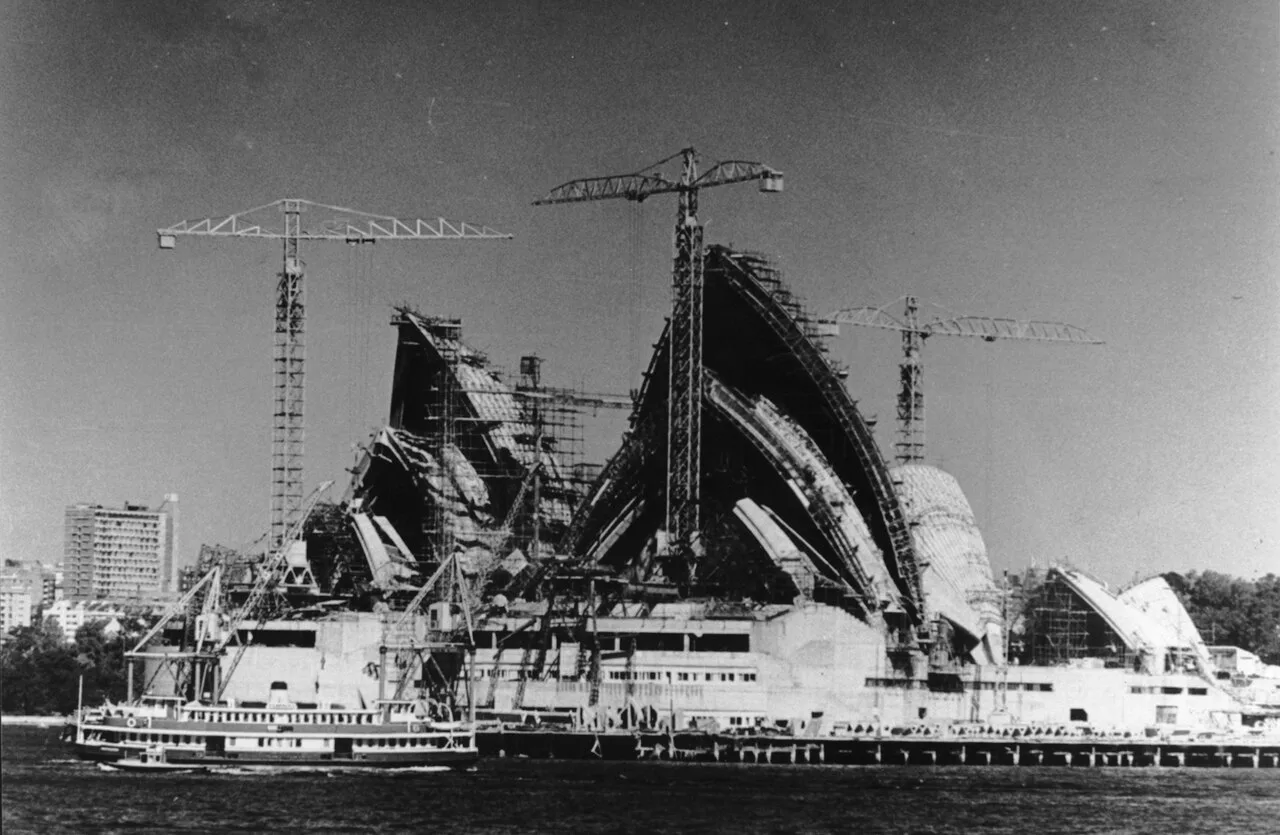
There was one big problem. No one knew how to actually build those sweeping white shells. Construction began in 1959, but the roof design kept changing from 1958 to 1962. According to the Opera House, Utzon and his team worked through parabolic and then ellipsoid shapes before finally arriving at spherical geometry.
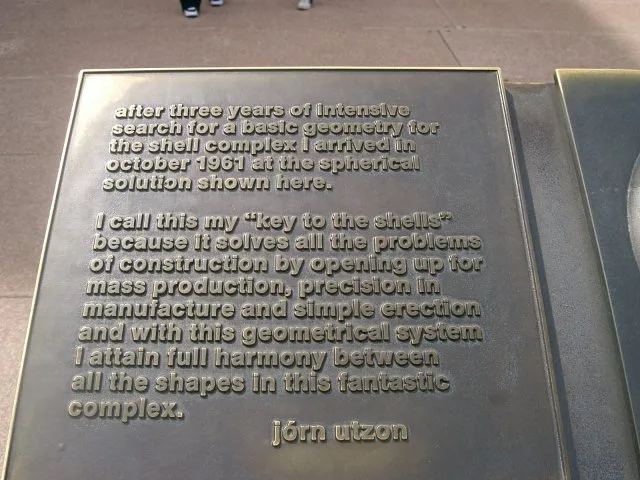
At the Opera House there is a plaque carrying Utzon's own words: "After three years of intensive search for a basic geometry for the shell complex, I arrived in October 1961 at the spherical solution shown here. I call this my 'key to the shells' because it solves all the problems of construction by opening up for mass production, precision in manufacture and simple erection."

Every shell from one sphere
The idea was elegantly simple. Every piece of the roof would be cut from the surface of one giant sphere. Because each piece came from the same sphere, every part curved in exactly the same way. That meant identical components could be mass-produced in advance and lifted into place one by one.
So where does the orange come in?
The orange story isn't pure invention. The National Library of Australia relates a memory of Utzon's assistant, Helge Hjertholm: early one morning in 1961, Utzon walked into the office holding an orange and, by slicing spherical triangles from the peel, showed how a whole range of shell shapes could be formed.
The Opera House itself, however, calls the tale of Utzon's eureka moment while peeling an orange "one of the more popular myths." The solution can be demonstrated with an orange, but that is not where it came from. In short, the orange was a way of showing the idea; the real answer was the sphere.
More than a million tiles
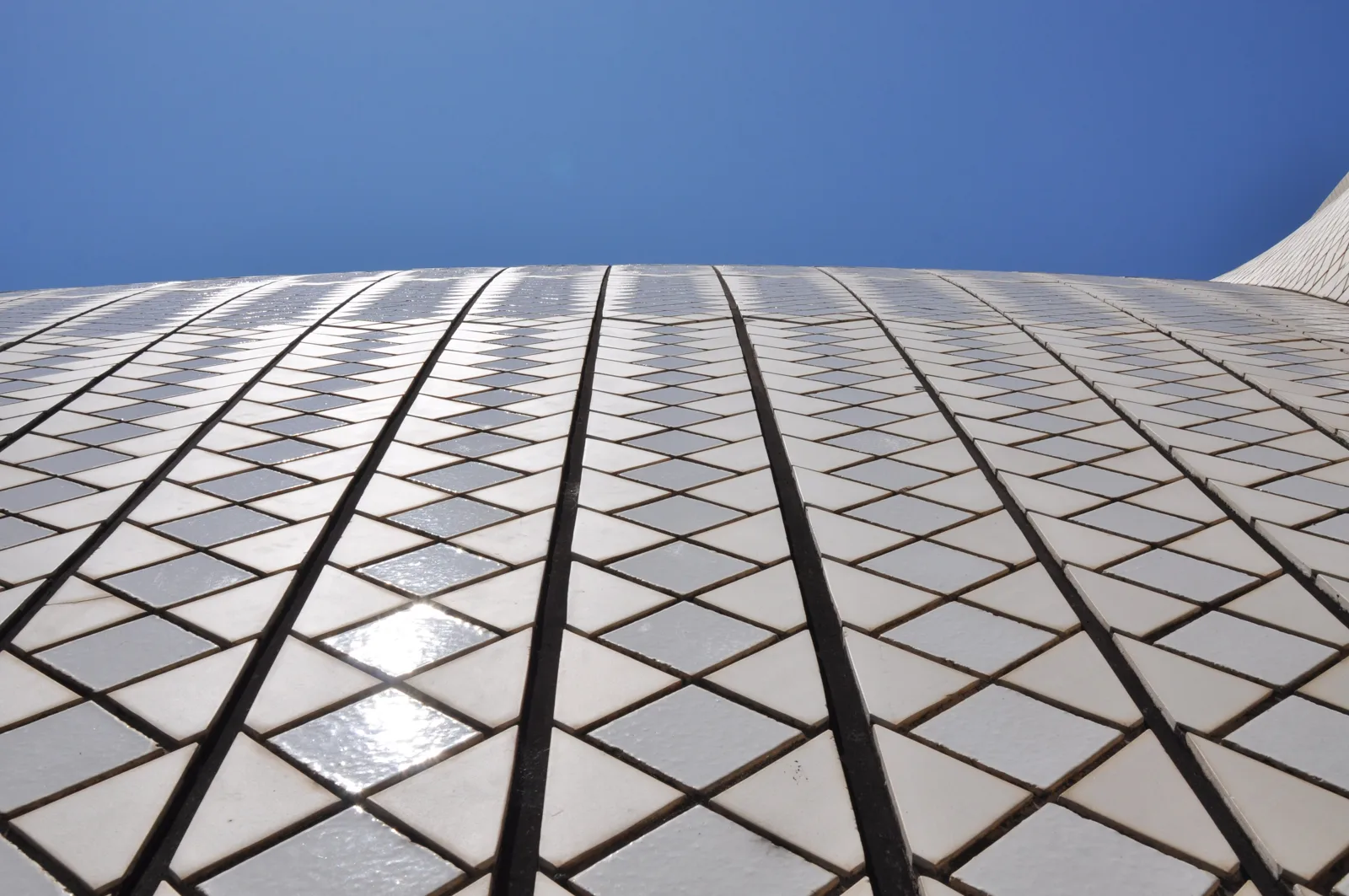
Up close, the shells turn out to be covered in small tiles. According to the Opera House, there are 1,056,006 of them, each 120 millimetres square. From a distance the roofs look like smooth white shells; up close you can see the tiles running in a chevron pattern.

Opening day, 20 October 1973
Utzon himself never saw the finished building. He resigned from the project in 1966, left Sydney that April, and never returned. Fourteen years after construction began, on 20 October 1973, Queen Elizabeth II opened the Sydney Opera House. The answer Utzon spent three years searching for has now stood on the harbour for more than half a century.

Find the Sydney Opera House on Wooriyeojido
Beneath roofs that look like orange peel lies an architect's three-year hunt for a solution, and the single sphere that provided it. The Sydney Opera House is pinned on the Wooriyeojido map. Find the Sydney Opera House in the Wooriyeojido app, and if you go, leave your photos and stories from the day right beside it.
View this place in the Wooriyeojido appVideos of nearby places
 Who stopped Cook on the beach where he first landed in Australia? Kamay Botany Bay
 A helicopter lifted the antenna in 39 pieces? Toronto's CN Tower, completed 1975
 A 102-story building finished in 410 days? The Empire State Building, completed in 1931