Kamay Botany Bay: Who Stood on the Beach When Cook First Landed in Australia?
In 1770 Cook's Endeavour anchored in Botany Bay, south of Sydney. A short video and photos on the two Gweagal men who challenged his landing, how the bay got its name, and the spears that came home after 254 years.
In 1770 the British ship Endeavour, under James Cook, dropped anchor in a bay just south of present-day Sydney. It was here that Cook first set foot on the Australian continent. But on the beach that day, two men stood their ground and tried to stop him from landing. Who were they? Start with the short video.

 Watch the one-minute video on YouTube
The Kurnell Peninsula
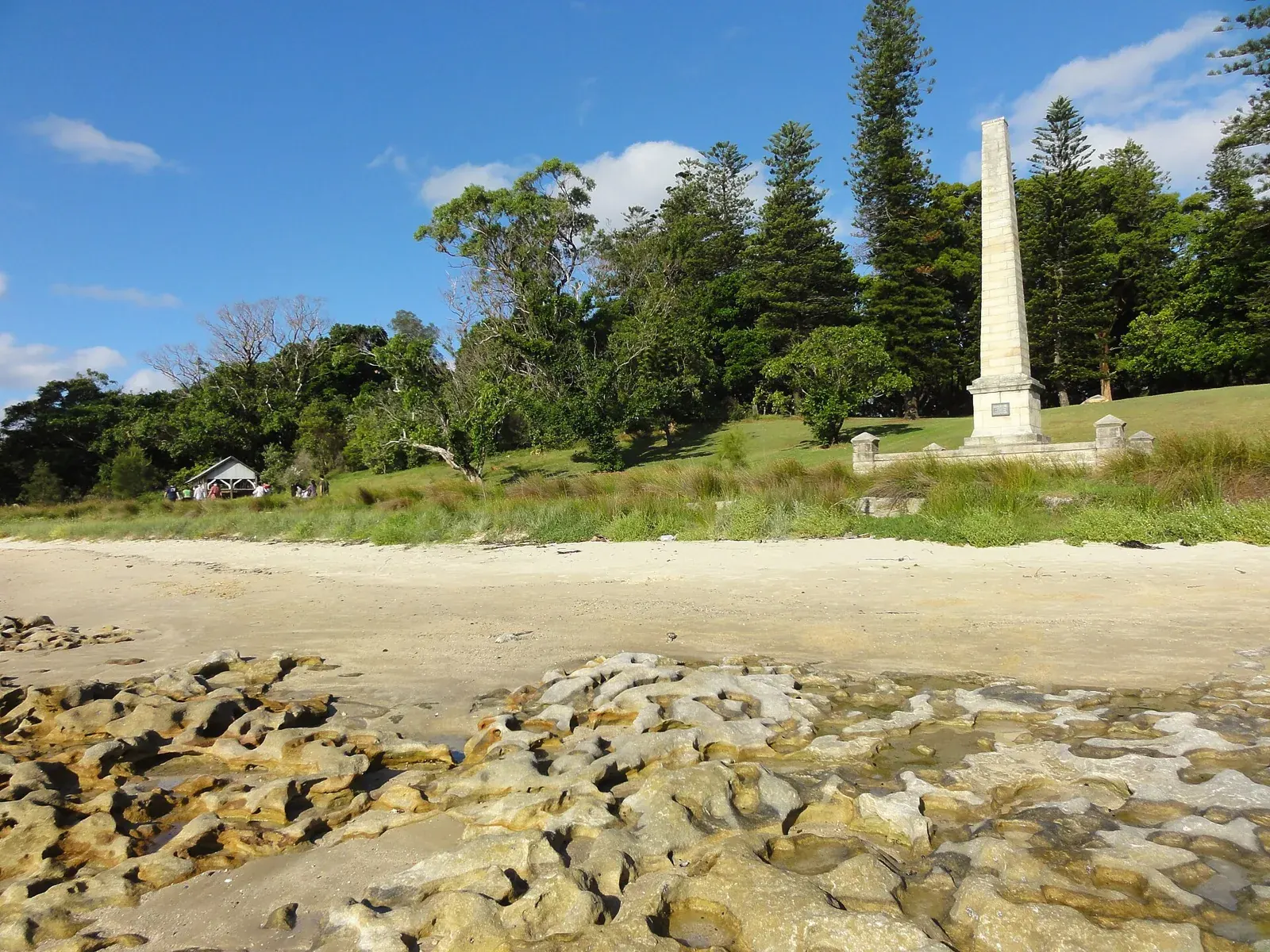
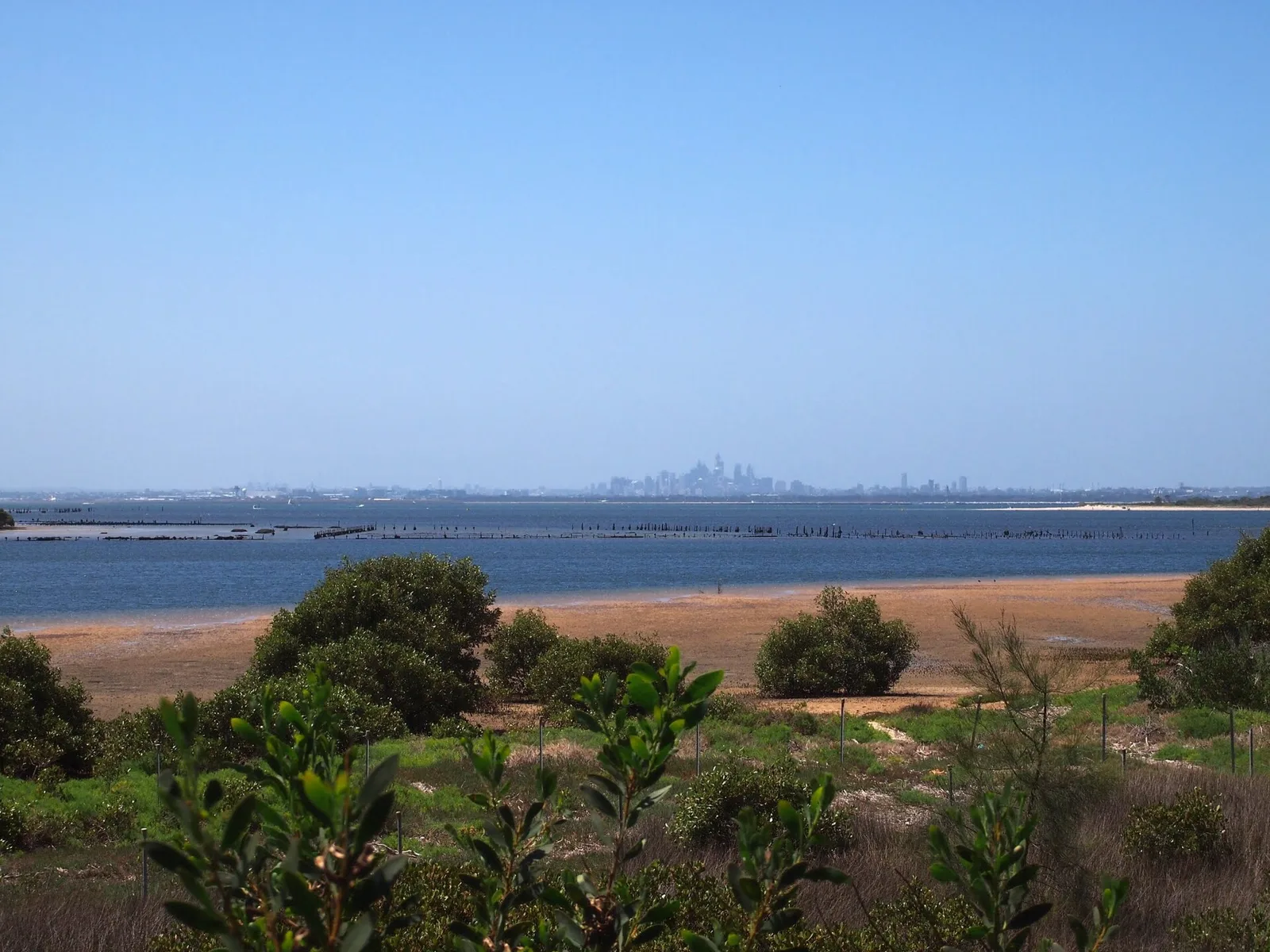
Kamay Botany Bay National Park lies south of Sydney in New South Wales. Cook came ashore on the Kurnell Peninsula, on the bay's southern side. A small plaque near Silver Beach marks the landing spot, and a memorial obelisk stands on the grassy foreshore. Kamay is the original name for the bay. Parts of Kurnell are under construction through 2025 and 2026, including a new visitor centre, so check the park's official updates before you go.

A bay already home to people
The shores of the bay were home to the Gweagal clan of the Dharawal nation. The National Museum of Australia notes that Kamay gave the local Aboriginal people the resources they needed to thrive for many generations. Cook was not anchoring off an empty coast. He was arriving on someone's doorstep.
29 April 1770: two men on the beach
According to Cook's journal, the Endeavour anchored inside the bay on 29 April 1770. Cook, then a lieutenant and later a captain, set off for the southern shore in a boat with the naturalists Joseph Banks and Daniel Solander and with Tupaia.
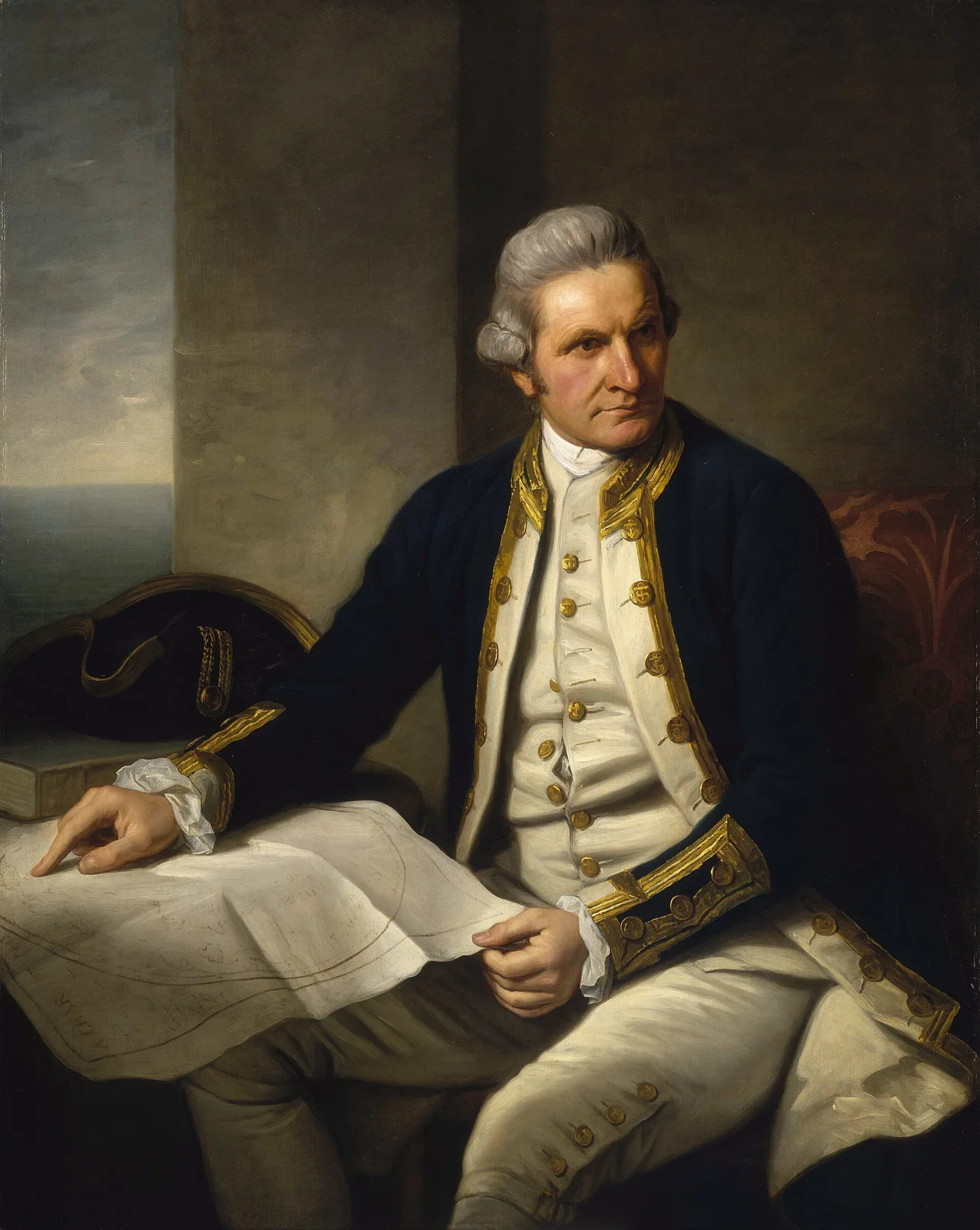

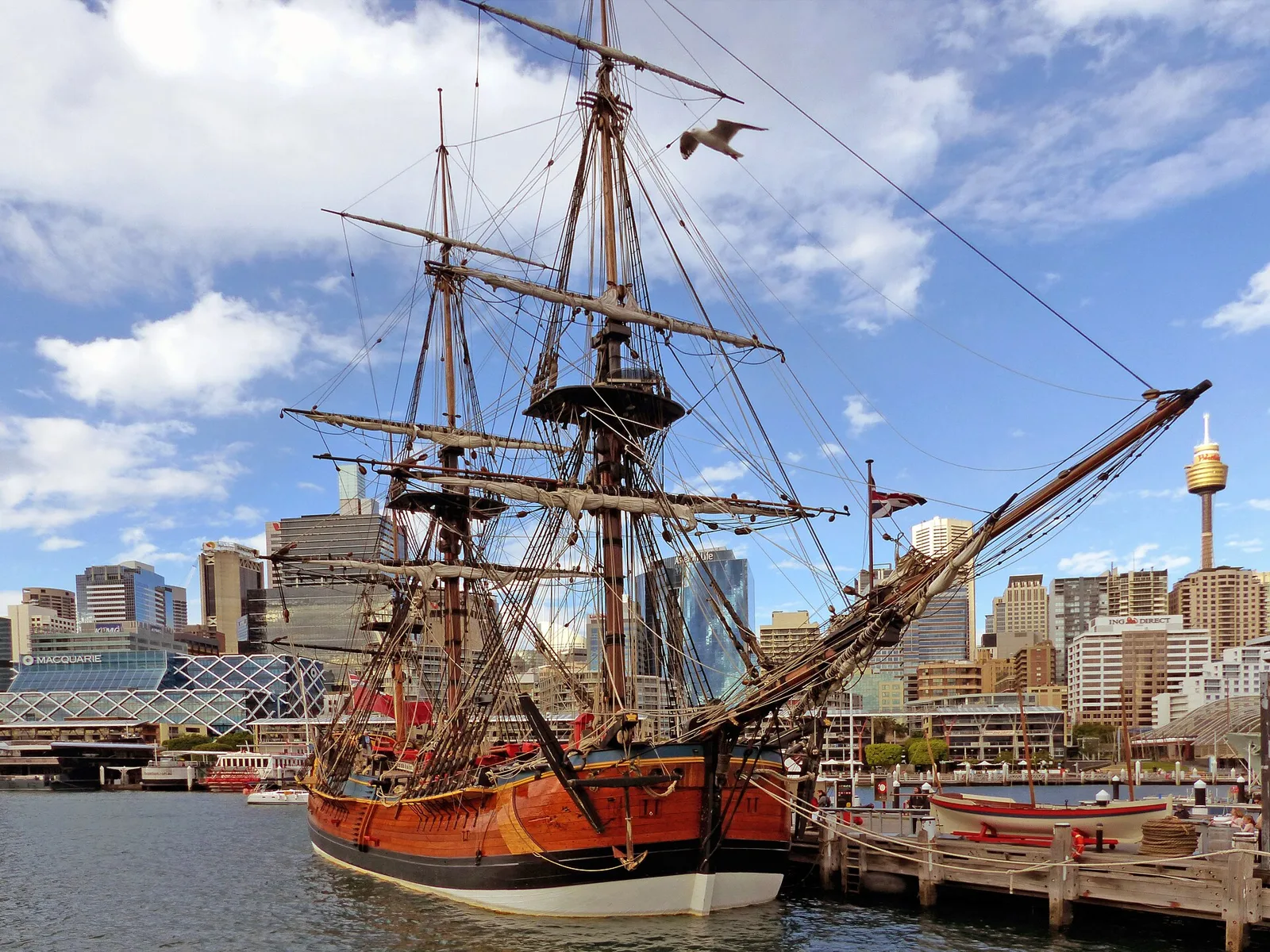

From the ship they could see men, women and children on the shore. As the boat came closer, nearly everyone withdrew, except two men who, as Cook put it, "seem'd resolved to oppose our landing." Cook threw them nails and beads, but neither side could understand a word the other said. As the boat tried to land, according to the museum, the two men threw stones and spears. Cook loaded a musket with small shot and fired, wounding one of them. Only then did the party get ashore.
A Dharawal voice in the museum's exhibition puts it plainly: the spears were never meant to hit anyone, only to scare the strangers away. Cook's party took the spears they found lying around the huts.
From Sting-Ray Harbour to Botany Bay
The crew stayed for eight days and nights, restocking supplies and collecting plants. Cook wrote that on the first morning he sent men to dig holes in the sand where they had landed, and they found fresh water. A plaque still marks the spot.
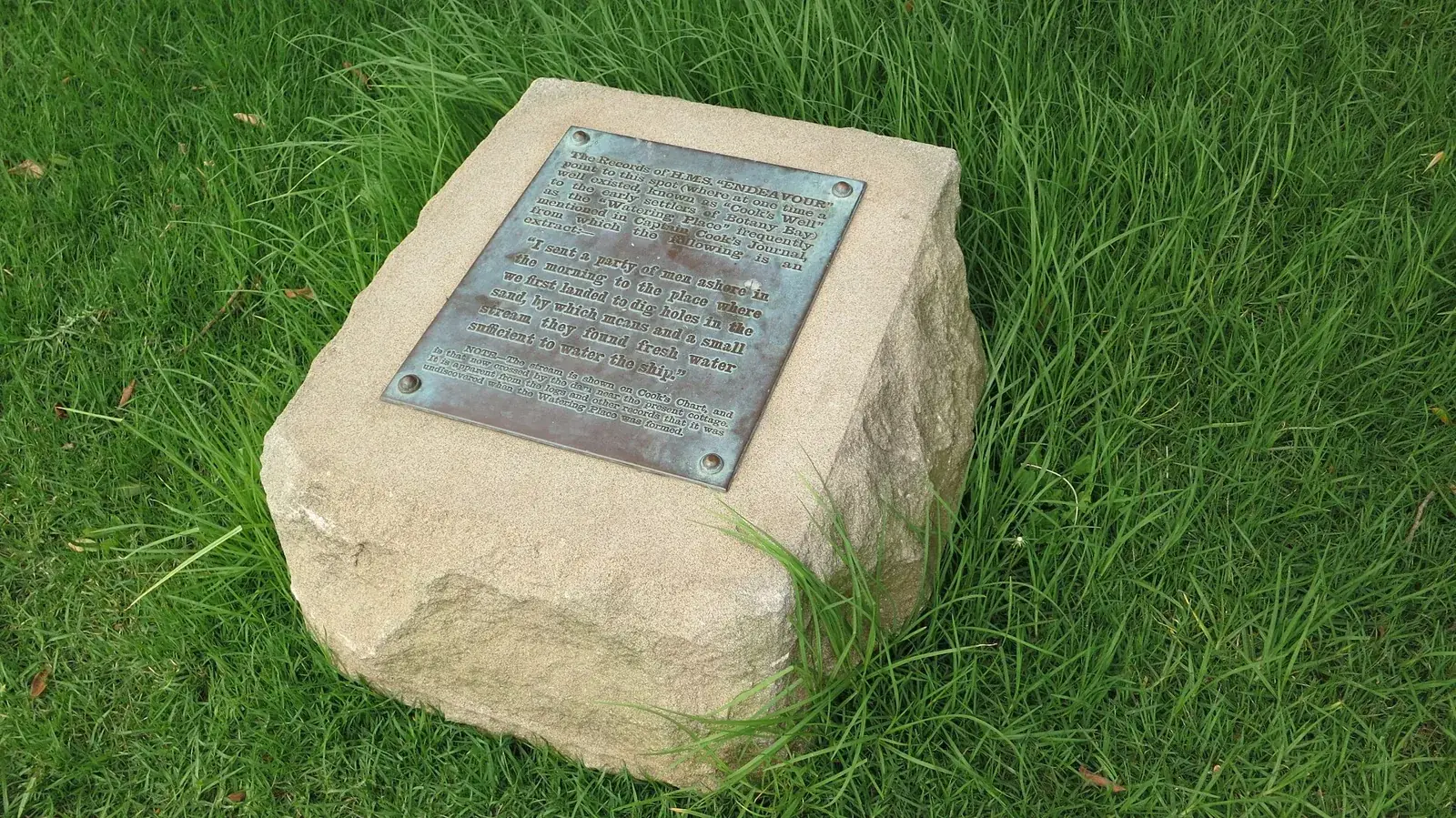

For the most part, the Gweagal people ignored or avoided the visitors. Cook noted that they had not so much as touched the things left in their huts. The museum explains that in Dharawal culture, contact with strangers or with spirits from the afterlife was mostly avoided.
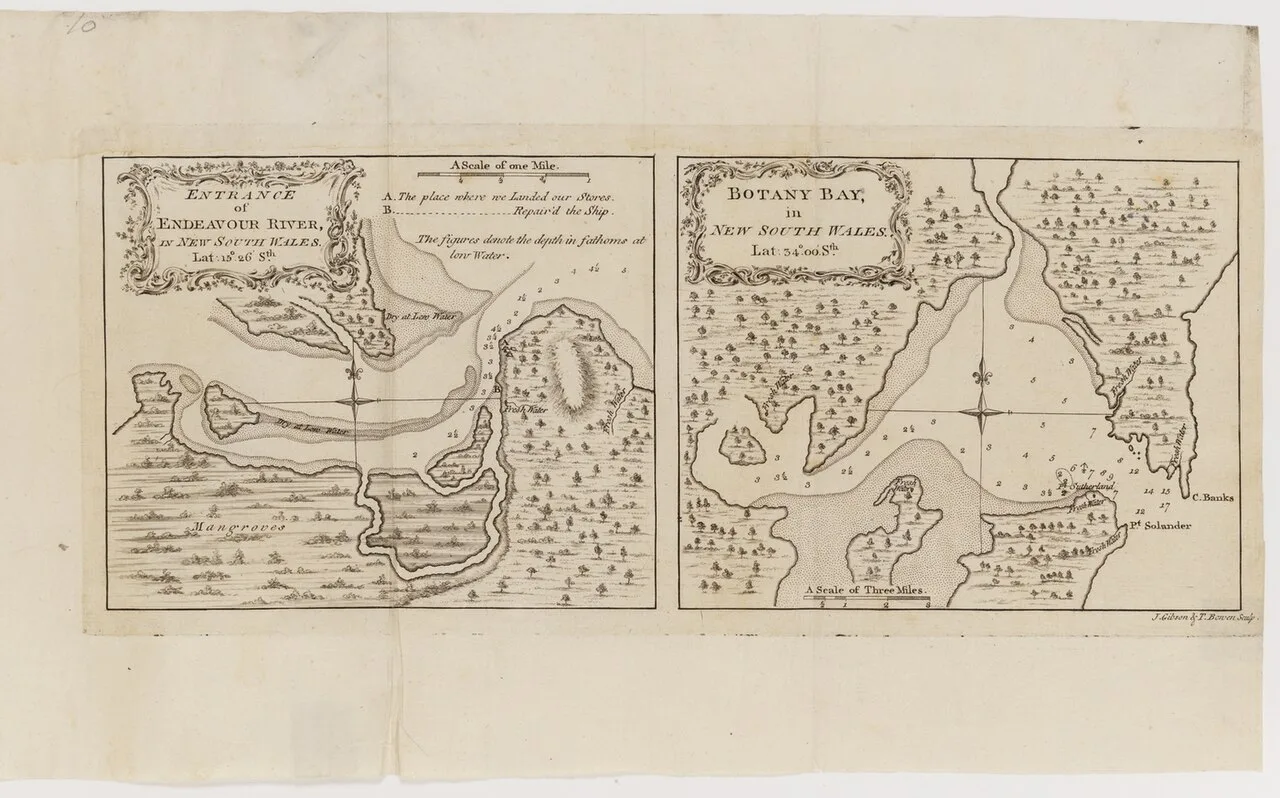
The bay's name dates from this visit too. In his journal Cook first wrote "Sting-Ray Harbour," then struck it out and wrote "Botanist Bay," because of the great quantity of new plants Banks and Solander had collected. In time it became Botany Bay.

Stories along the walk
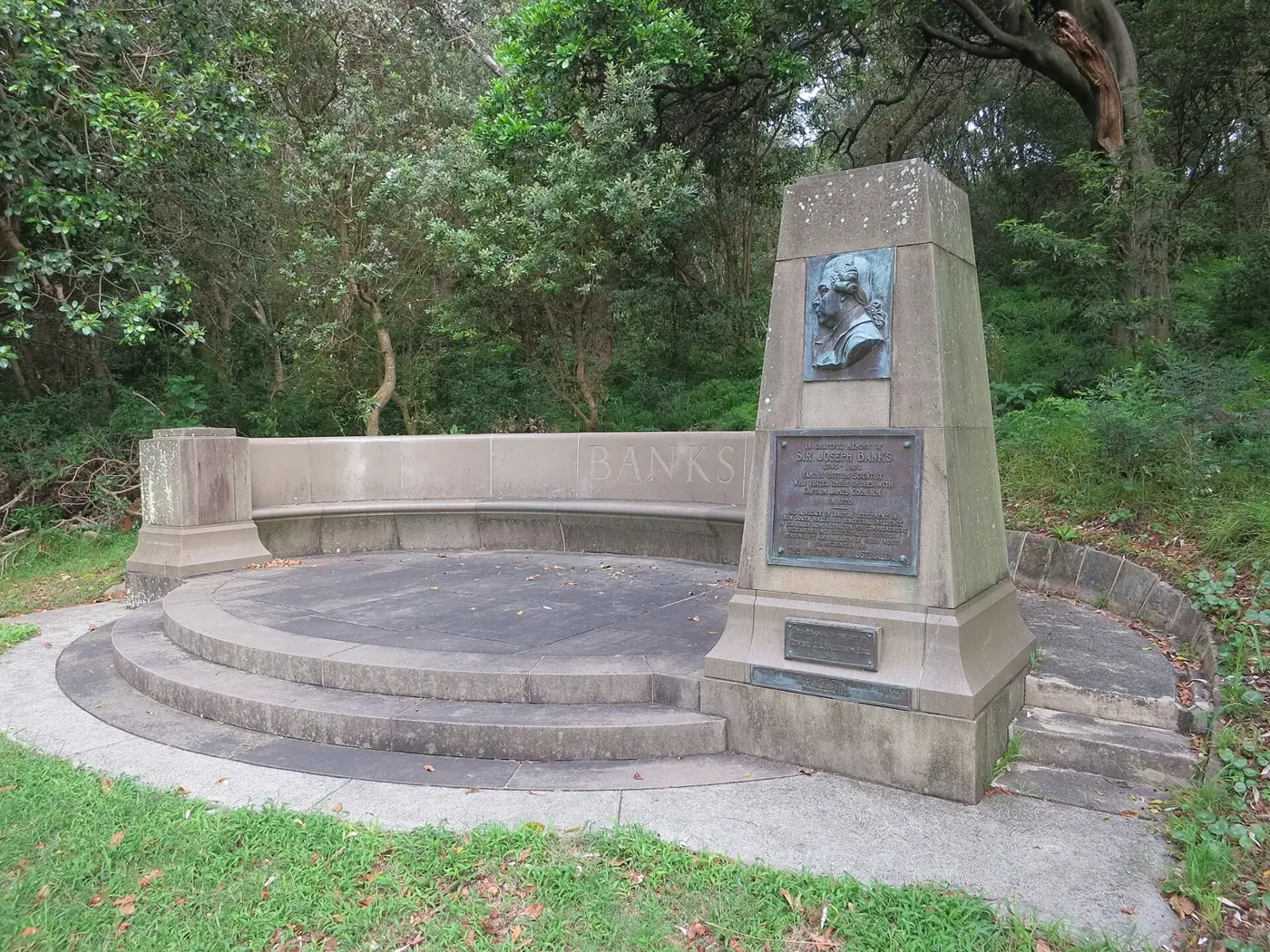
The park's Burrawang Walk passes a freshwater stream, the meeting place, the Sir Joseph Banks Memorial and Captain Cook's landing place. In 2020, the 250th anniversary of the encounter, three large bronze sculptures of significance to the Gweagal people were installed along the way.

The spears come home
Cook recorded taking about 40 spears from the Gweagal villages. Only four survive. They were presented to Trinity College, Cambridge, in 1771, and in 2024, 254 years after they were taken, they were permanently returned to the La Perouse Aboriginal Community. They are due to go on display in the new visitor centre at Kurnell.
Find Kamay Botany Bay on Wooriyeojido
The beach where Cook first stepped onto Australia, and where two Gweagal men who called this place home stood in his way. Kamay Botany Bay is pinned on the Wooriyeojido map. Look it up in the app, and if you go, leave your photos and stories right beside it.
View this place in the Wooriyeojido appVideos of nearby places
 Waitangi: why does New Zealand mark February 6? The 1840 treaty
 Sydney Opera House: did its roof come from an orange peel?
 Where is the island Columbus first set foot on? Guanahani, 1492
Sources
- NSW National Parks and Wildlife Service — Captain Cooks landing place
- NSW National Parks and Wildlife Service — Kamay Botany Bay National Park
- NSW National Parks and Wildlife Service — Burrawang walk
- National Museum of Australia — Endeavour Voyage: Kamay – Botany Bay
- James Cook, Journal of H.M.S. Endeavour (National Library of Australia MS 1), transcription for 29 April 1770
- James Cook, Journal of H.M.S. Endeavour, transcription for 6 May 1770
- Trinity College, Cambridge — Return of the Gweagal Spears to the La Perouse Aboriginal Community (2024-04-23)