Where Did Columbus First Land in 1492? The White Cross at Long Bay, San Salvador, Bahamas
Which island did Christopher Columbus reach on 12 October 1492? A look at the cross on Long Bay in the Bahamas, a scholarly debate that has never been settled, and the Lucayan people who lived on the island first.
On 12 October 1492, Christopher Columbus's ships reached an island in the Caribbean. More than five centuries later, nobody can say for certain which island it was. Our story starts at a slender white cross on a beach in the Bahamas and goes back further still, to the Lucayan people who called the island home before any European arrived. Watch the short video first.

 Watch the one-minute video on YouTube
A small island on the edge of the Atlantic
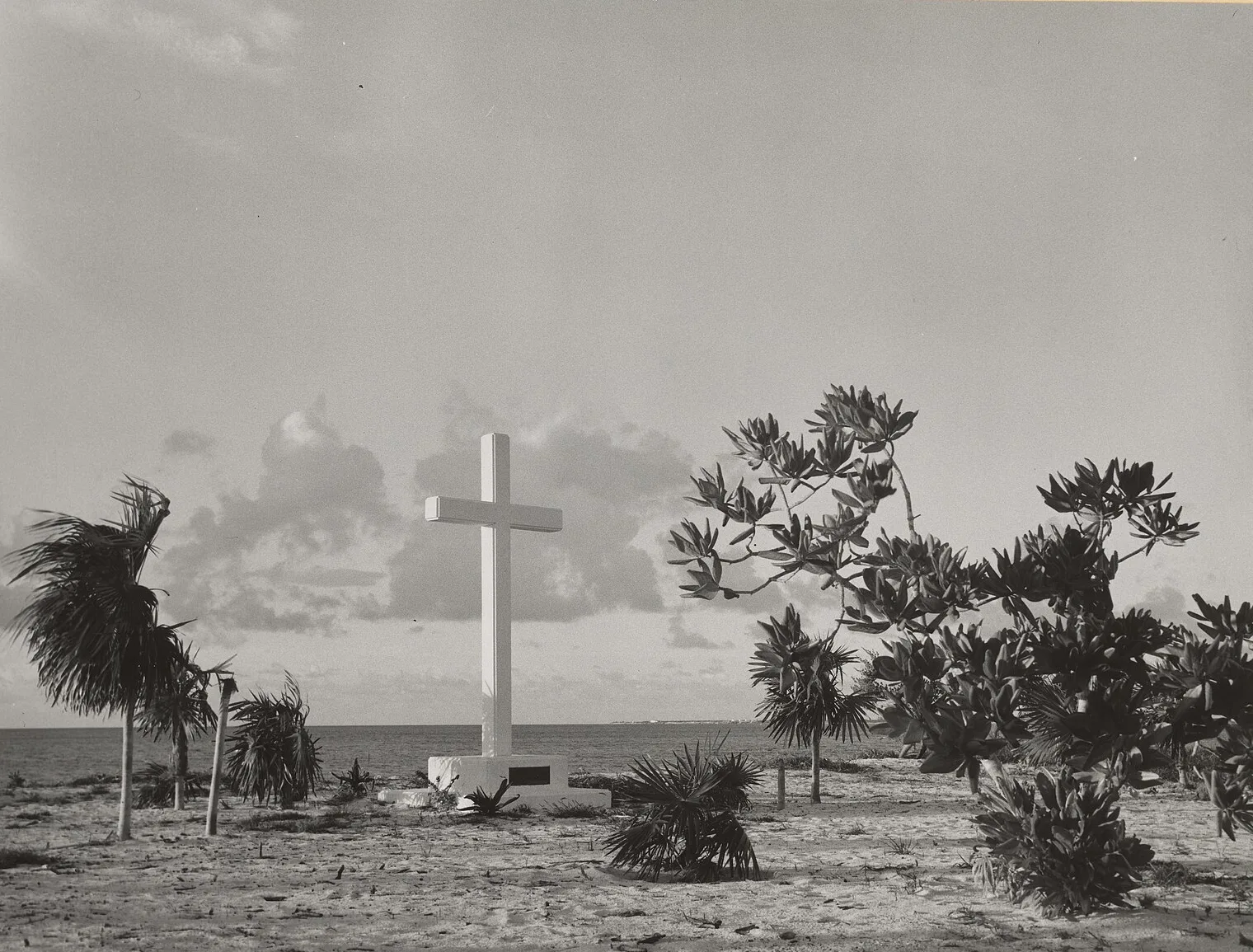
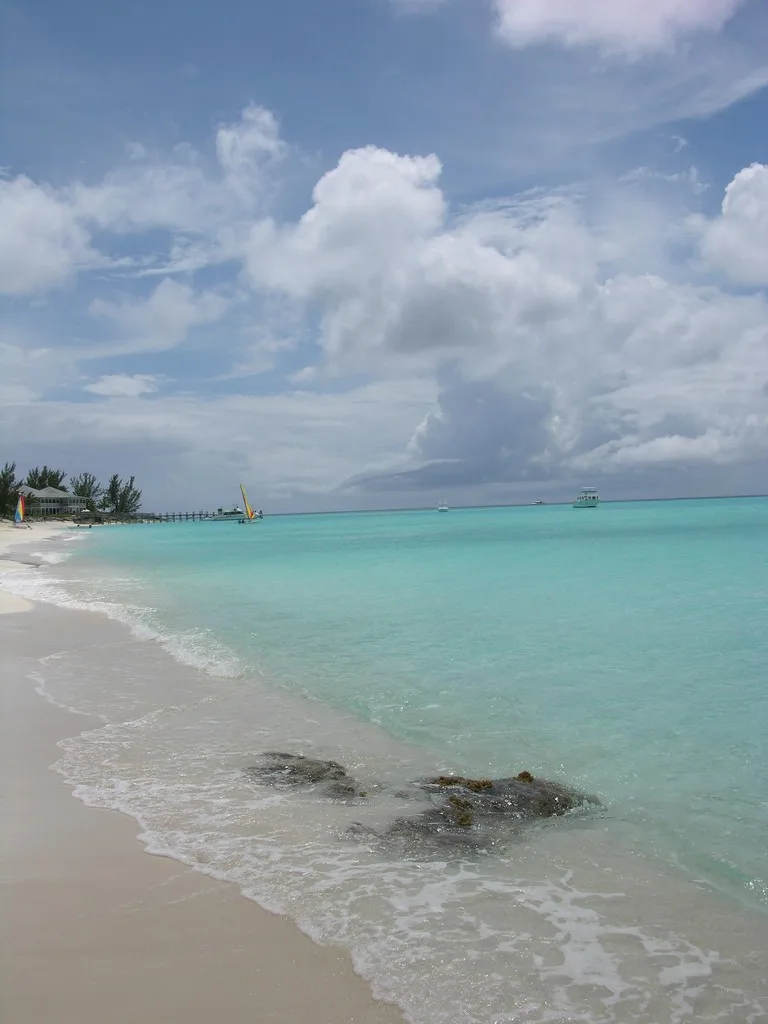
San Salvador is a small island on the eastern, Atlantic side of the Bahamas. At Long Bay, on its west coast, a tall white cross marks the spot where Columbus is believed to have come ashore. According to the Bahamas tourism ministry, the monument was put up in 1956, and a black-and-white photograph from 1958 already shows it standing on the beach.

Two months at sea
Sailing for the Spanish crown, Columbus left the port of Palos in southern Spain on 3 August 1492 with three ships. According to the Florida Museum of Natural History, after a September stop at La Gomera in the Canary Islands the fleet made no further landfall. Then, at about two in the morning on 12 October, land finally appeared.
The people living there, the Lucayans, called their island Guanahani. Columbus gave it a new name, San Salvador, "Holy Saviour." In the words of the Bahamian prime minister, he "drove a sword into the earth" and declared the land the property of the Spanish crown.

An island that was already home
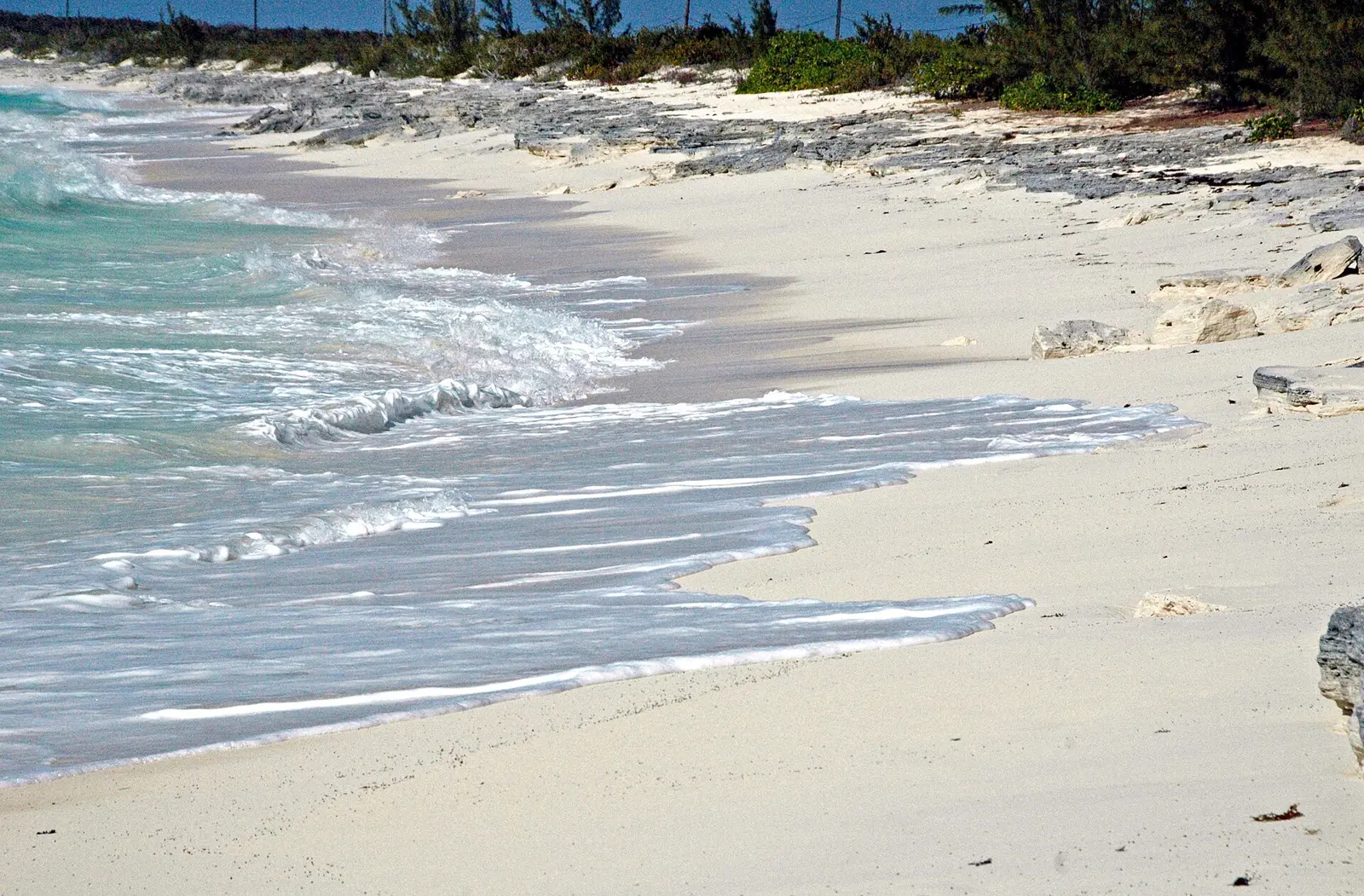
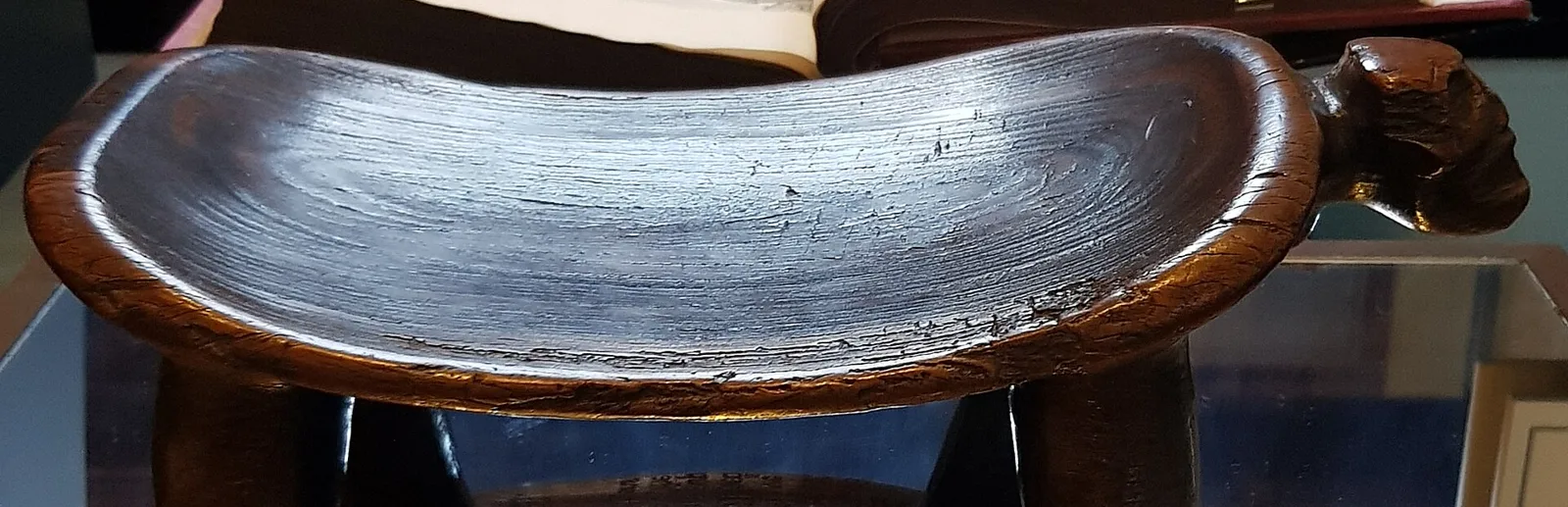
The island was anything but empty. The Lucayans were the original inhabitants of the Bahamas, part of the broader Taíno culture of the Caribbean. The prime minister has described them as skilled fishermen, hunters and farmers who made remarkable work in clay, stone and wood. Island names such as Inagua, Mayaguana and Exuma come from the Lucayans. The British Museum holds a Taíno ceremonial seat, called a duho, that was found on the Bahamian island of Eleuthera.

What came next was devastating. National Geographic's education materials note that Columbus took several Lucayans as slaves and that the colonizers who followed did the same. Through enslavement, killing and diseases such as smallpox, the Lucayan people were all but wiped out in less than 30 years.
So which island was it?
The true identity of Guanahani is still argued over. As the Florida Museum puts it, scholars agree that it lies somewhere in the Bahamas, "but that is where agreement ends." Ten different islands have been put forward as the first landfall, and in 1986 National Geographic magazine told its 40 million readers that the answer was Samana Cay.
Even so, the most widely accepted candidate is the island now called San Salvador. It was once known as Watling Island, and its official name was changed to San Salvador in the 1920s.
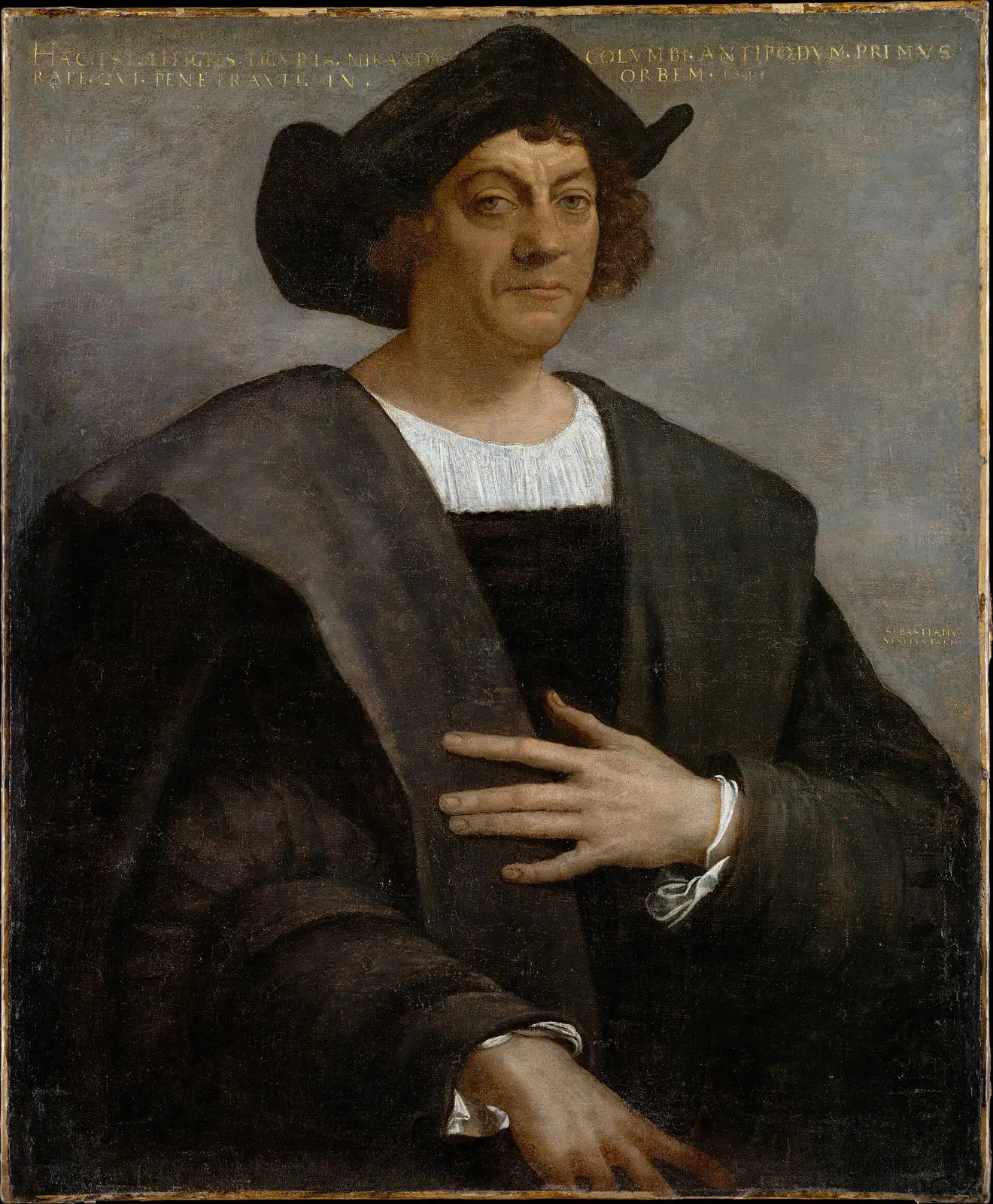

The short answer, then: most scholars believe today's San Salvador is where Columbus first set foot, but rival theories pointing to other islands have never gone away.
Remembering the first inhabitants
On 12 October 2022, exactly 530 years after Columbus arrived, the prime minister of the Bahamas opened an exhibition called "Lucayans: The Valor of the Vanquished." In his speech, he said the nation has a duty to honour and remember the islands' original inhabitants.

Find Long Bay, San Salvador on Wooriyeojido
It is the island most often named as Columbus's first landfall, and the island the Lucayans lived on long before that. The white cross at Long Bay is pinned on the Wooriyeojido map. Look it up in the app, and when you visit, add your own photos and stories right beside it.
View this place in the Wooriyeojido appVideos of nearby places
 Who stopped Cook on the beach where he first landed in Australia? Kamay Botany Bay
 How did a city on a lake become Mexico City? The fall of Tenochtitlan, 1521
 In 1453, ships were hauled over a hill? The Fall of Constantinople
Sources
- Prime Minister's Office, The Bahamas — Remarks at the opening of Lucayans: The Valor of the Vanquished (2022-10-12)
- Florida Museum of Natural History, Caribbean Archaeology — Christopher Columbus
- National Geographic Education — Columbus Makes Landfall in the Caribbean
- The Metropolitan Museum of Art — Portrait of a Man, Said to be Christopher Columbus