The Lorelei: Did a Siren Really Sink Ships on the Rhine?
The Lorelei rock rises above a narrow bend of the Rhine in Germany. Who actually invented the singing maiden, and what made this stretch of river so deadly? A short video and photos tell the story.
High above the Rhine in western Germany stands a rock with a famous story. A maiden sits on the summit and sings, and boatmen who look up at her are lost, boats and all. But was it really a song that sent ships to the bottom? Start with the short video.

 Watch the one-minute video on YouTube
A slate cliff on a bend in the Rhine
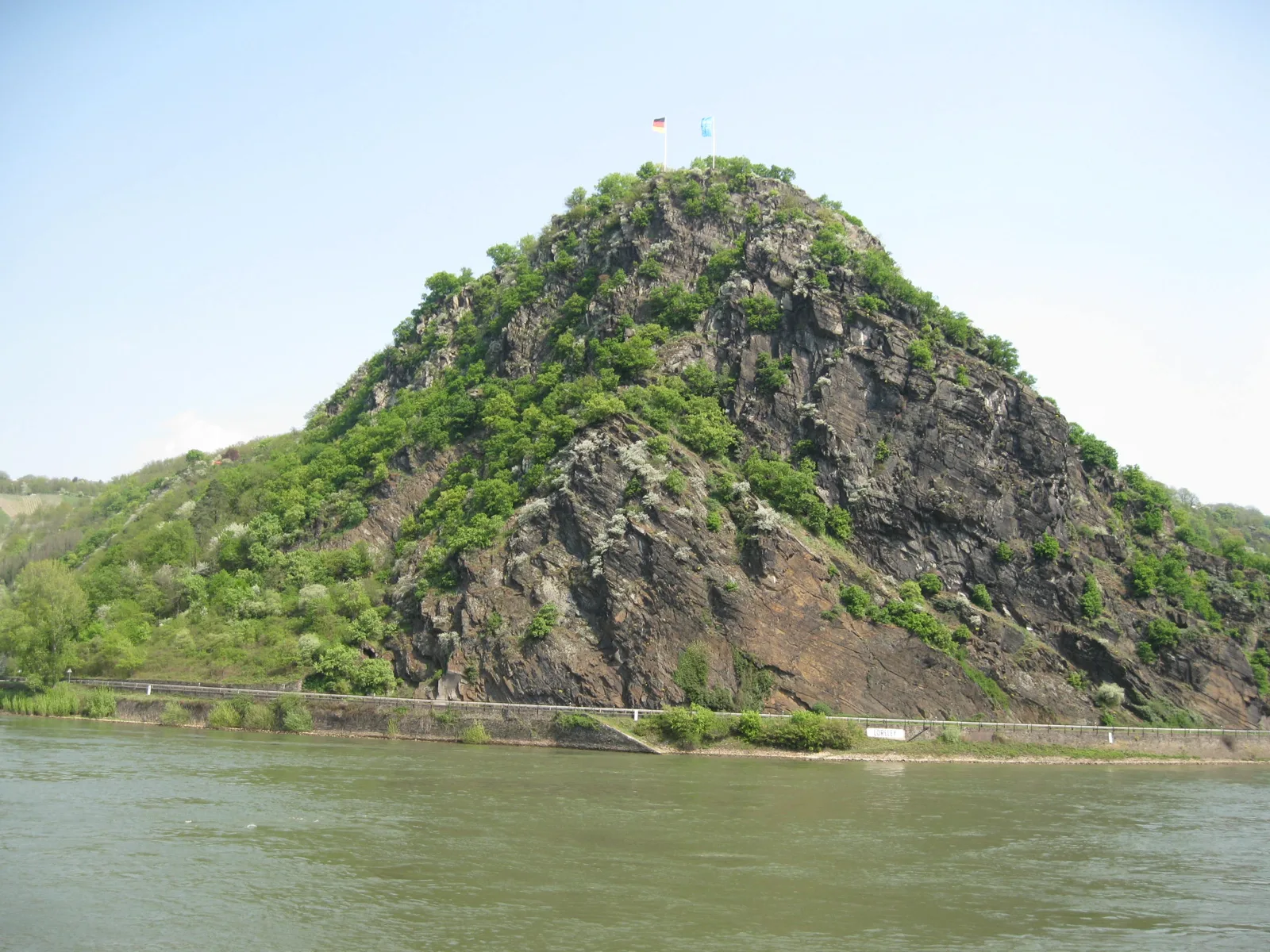
The Lorelei rises from the right bank of the Rhine beside the small town of Sankt Goarshausen, in the state of Rhineland-Palatinate. It is a near-vertical slate cliff more than 120 meters (about 400 feet) high. Since 2002 the surrounding stretch of river has been a UNESCO World Heritage Site, the Upper Middle Rhine Valley.

The rock is right there in the name. "Ley" is an old word for rock, and the cliff's earlier name was Lurleifels. The local tourist office reads the name as "ley" plus "loren," to listen. That fits, because the Lorelei is known for its powerful echo. It is easy to see how people might hear a voice in the sound bouncing back off the stone.
The real danger on the river
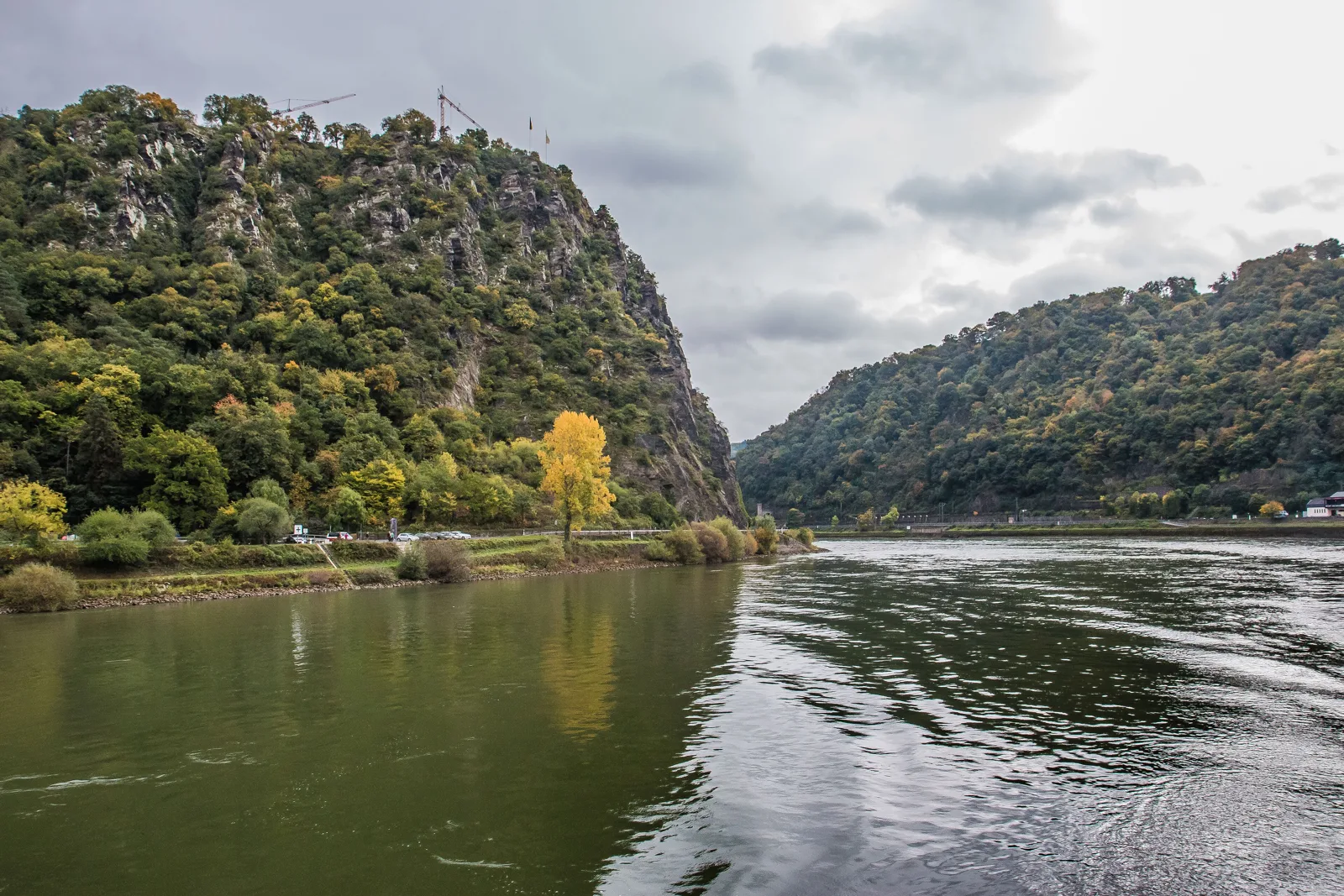
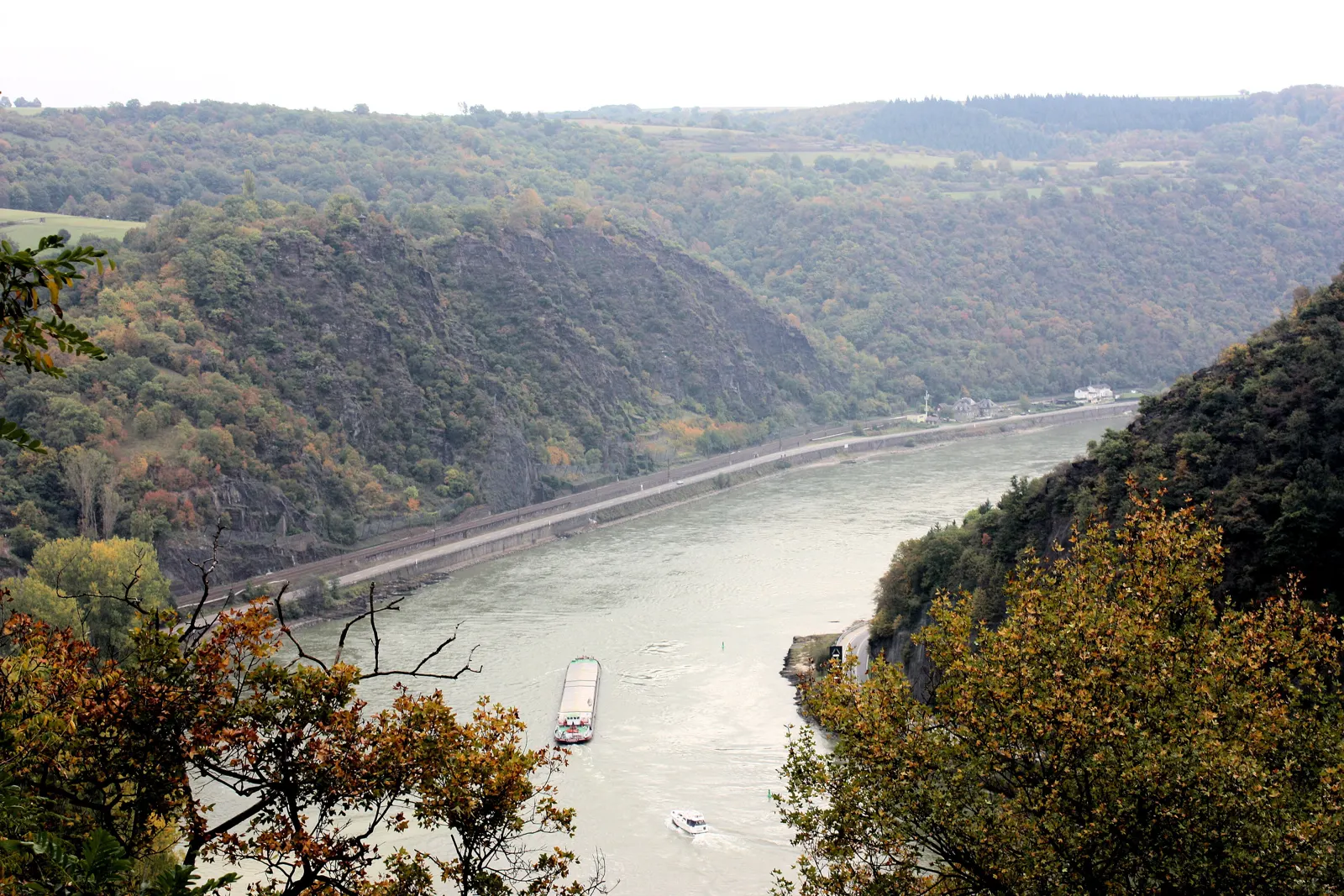
At the Lorelei the Rhine squeezes into a narrow channel, and the current runs fast. In the past, reefs of rock also lay hidden under the water. According to the local tourist office, many ships went down here and many people drowned.
The hazard has not vanished. The river still bends sharply and the bed is strewn with rock, so traffic through this stretch is controlled by light signals.

A younger legend than you think
The Lorelei sounds like a story passed down for centuries, but it is not. The tourist office credits the poet Clemens Brentano with first linking the rock to a woman, in a ballad published in 1801. The Institute for Regional History of Rhineland-Palatinate goes further and calls the whole tale a free invention. It was only later that people began to count it, wrongly, among the old legends of the Rhine.
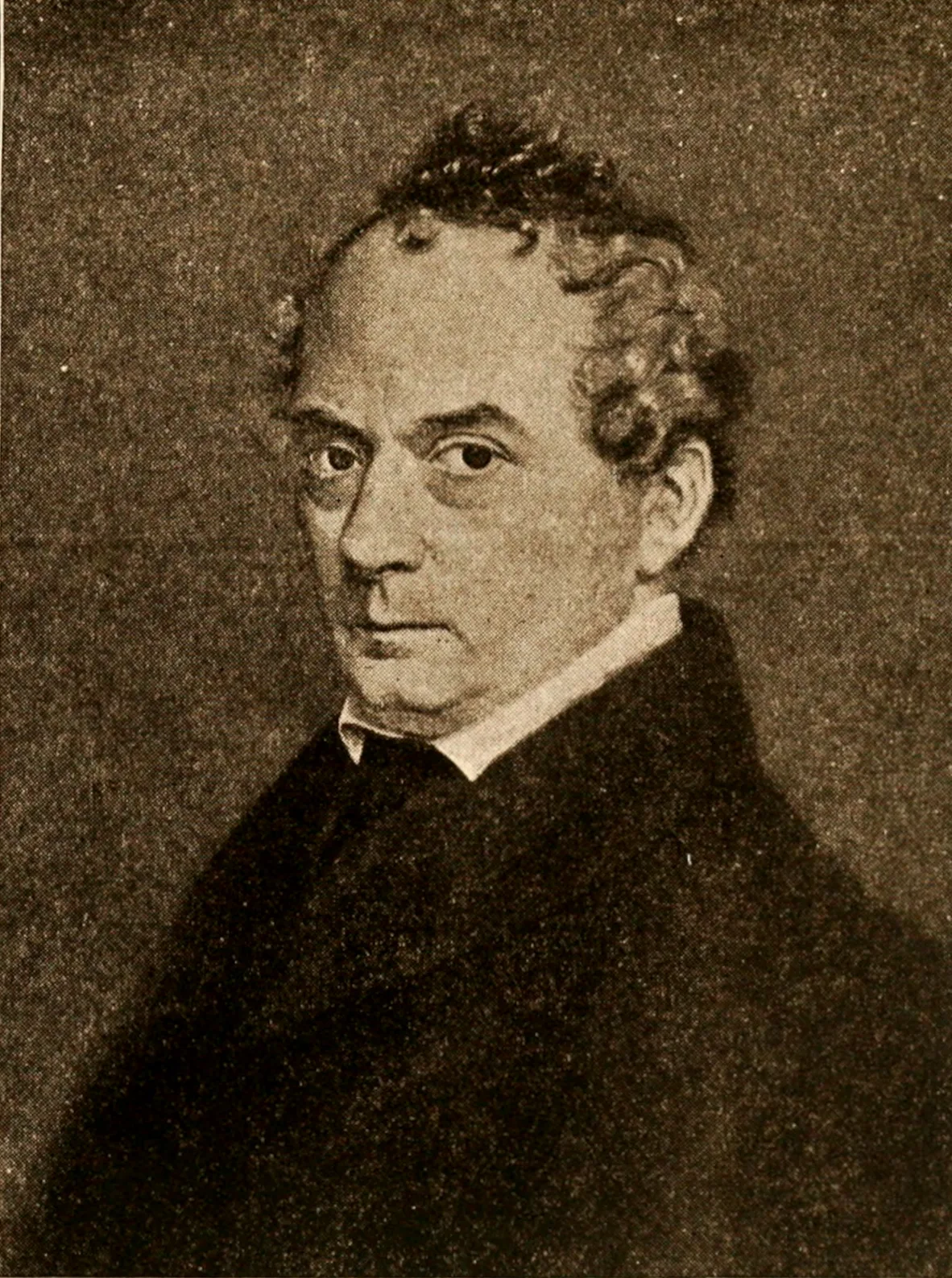

Brentano's heroine, Lore Lay, is unhappy in love and longs to die. Climbing the rock, she believes she can see her lover's boat, leans too far over the edge, and falls to her death. Ever since, the story says, her name has rung out from the cliff as an echo.
Heine's poem and the golden comb
The singing Lorelei most people know took shape in 1824, in a poem by Heinrich Heine. In the poem, a maiden sits on the peak in the glow of the evening sun, combing her golden hair with a golden comb and singing. A boatman below, spellbound, gazes only upward and never sees the rocks in the water. The poem closes with the narrator's guess that in the end the waves swallowed boatman and boat.
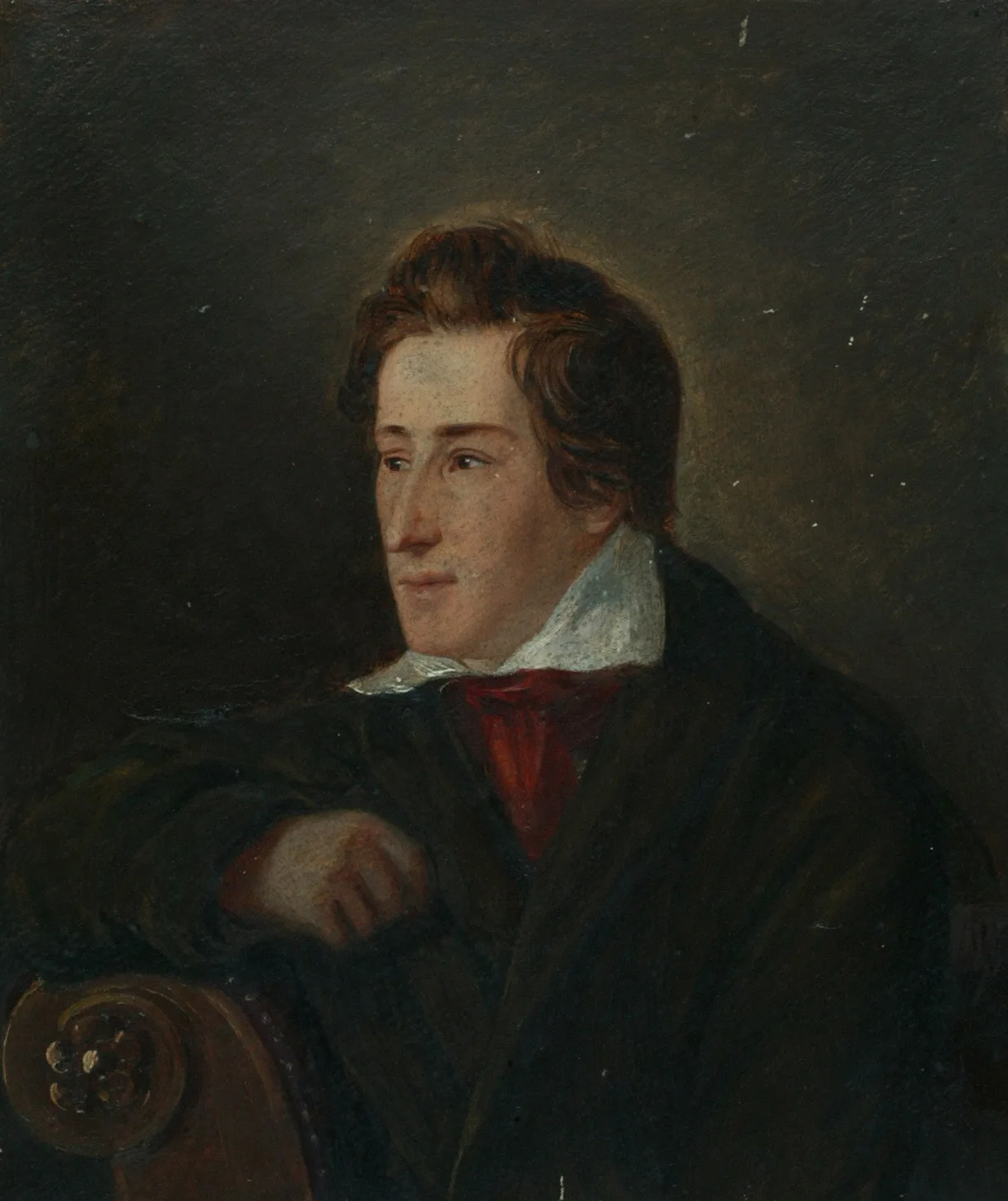

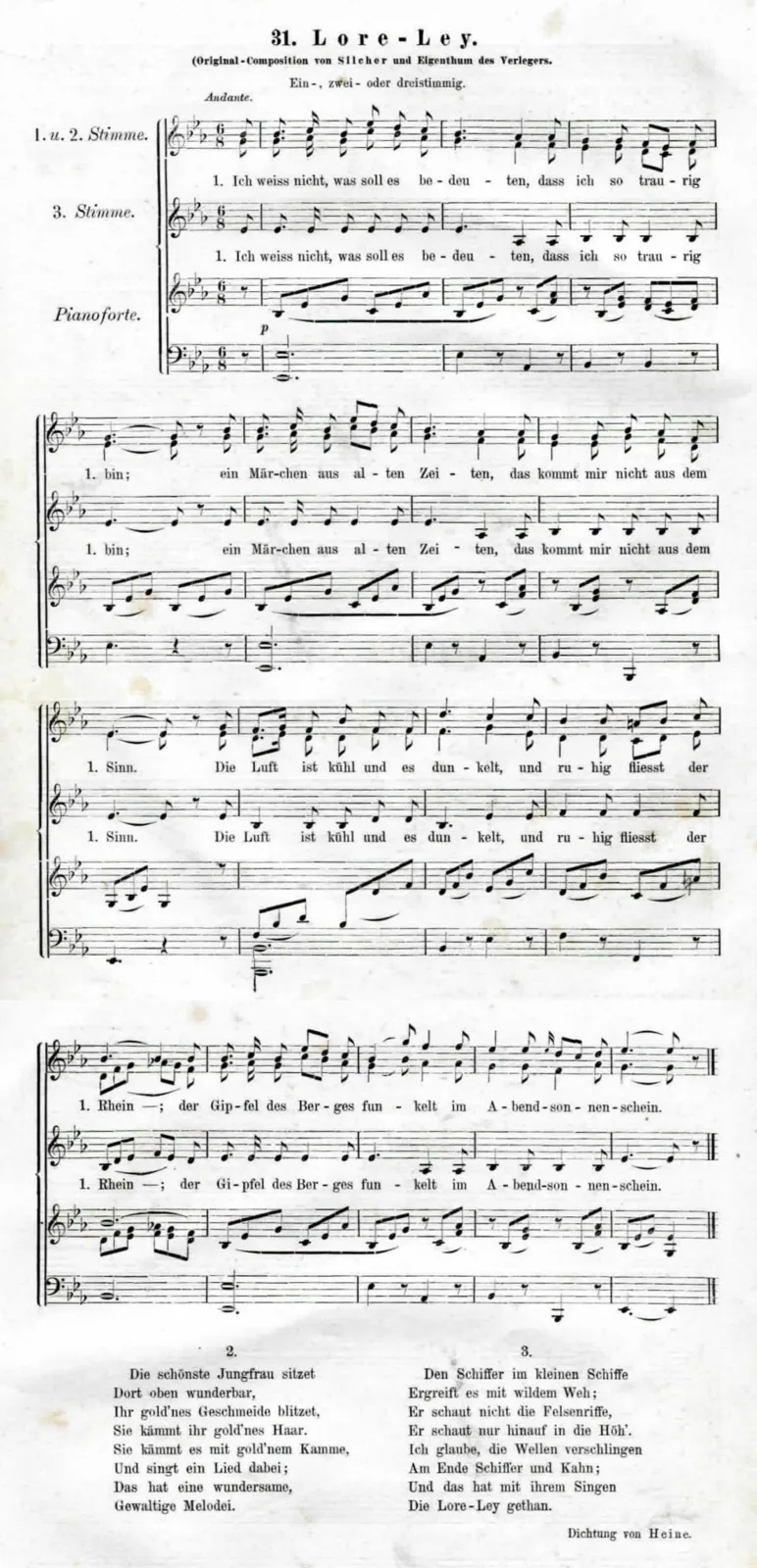
In the 1830s the composer Friedrich Silcher set Heine's verses to music. As the song spread, so did the legend.

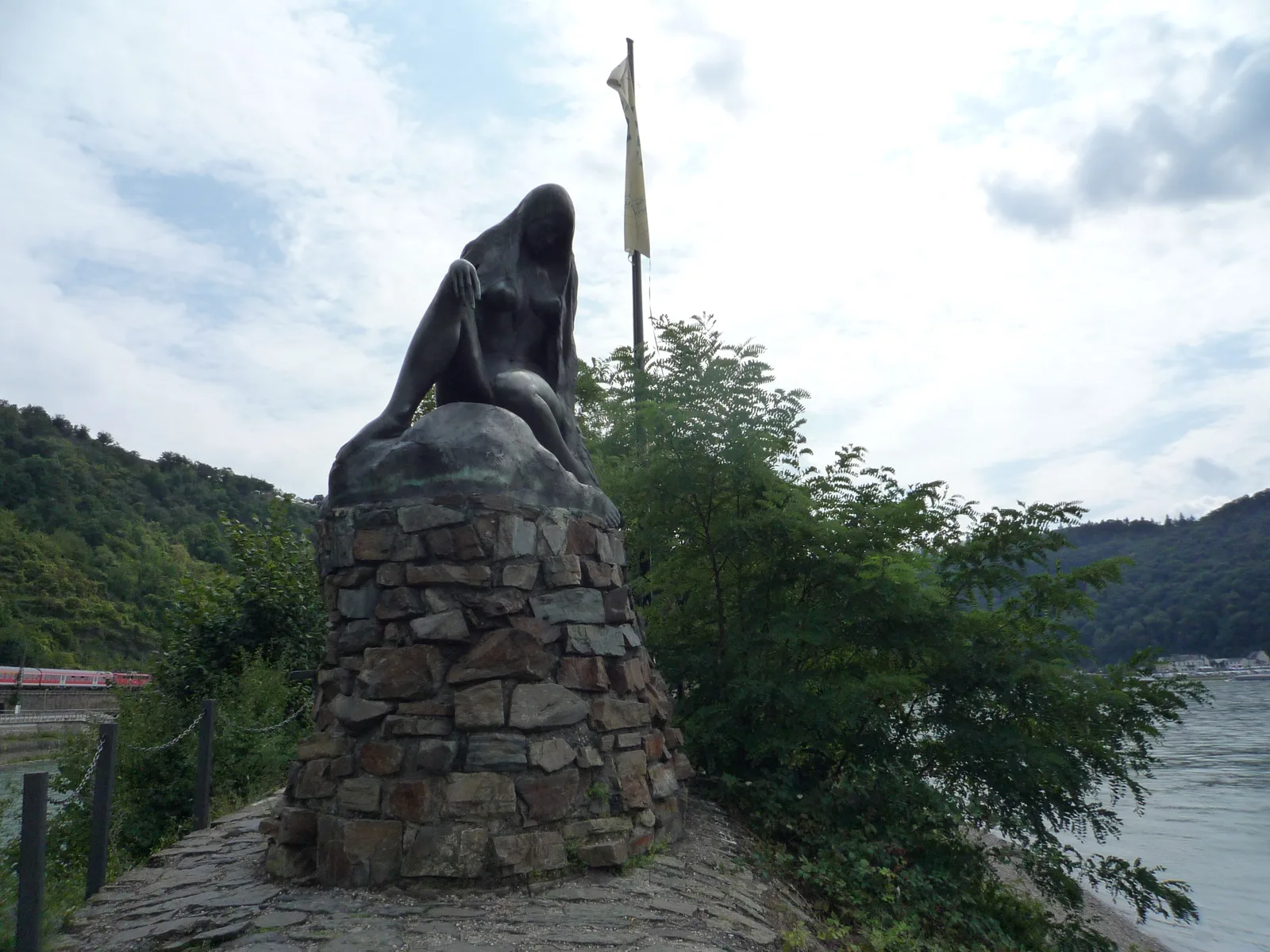
The Lorelei at the harbor
Down in Sankt Goarshausen, at the tip of the harbor mole, a statue of the Lorelei sits looking out over the water. The statue was made by a Russian-born sculptor and presented to the town in 1983. Passing boats get a clear view of her on her stone base.

Find the Lorelei on Wooriyeojido
What sank ships here was not a song but a fast current in a tight channel, with rocks waiting below. The singing maiden came later, a gift from nineteenth-century poets to an already dangerous rock. The Lorelei is pinned on the Wooriyeojido map. Look it up in the Wooriyeojido app, and if you make the trip, leave your photos and your story right beside it.
View this place in the Wooriyeojido appVideos of nearby places
 Where did the children following the piper go? The Pied Piper of Hamelin, Germany
 Who really owned the castle called Dracula's? Bran Castle, Romania
 The archer who shot an apple from his son's head: William Tell in Altdorf, Switzerland
Sources
- Loreley Touristik GmbH — Sagen und Mythen
- Romantischer Rhein / Loreley Touristik — Loreley-Felsen
- Loreley Touristik GmbH — Loreley Statue
- Institut für Geschichtliche Landeskunde Rheinland-Pfalz — Die Sage von der Loreley
- deutschland.de — The siren song of the Lorelei (2018-05-18)
- Heinrich Heine — Buch der Lieder (Project Gutenberg #3498)
- UNESCO World Heritage Centre — Upper Middle Rhine Valley (1066)