The William Tell Monument in Altdorf: Where Did the Apple-Shooting Archer Come From?
In the Swiss town of Altdorf, a bronze William Tell stands in the square where legend says he shot an apple off his son's head. Video and photos explore where the story comes from, how the 1895 monument came to be, and the nearby village of Bürglen, said to be Tell's home.
You probably know the story: an archer is forced to shoot an apple off his own son's head, and hits it with a single shot. That archer is William Tell, the hero of Swiss legend, and the place where he is said to have taken that shot is the main square of Altdorf, in central Switzerland. A bronze statue of Tell stands there today. Start with the short video.

 Watch the one-minute video on YouTube
A small town in an Alpine valley
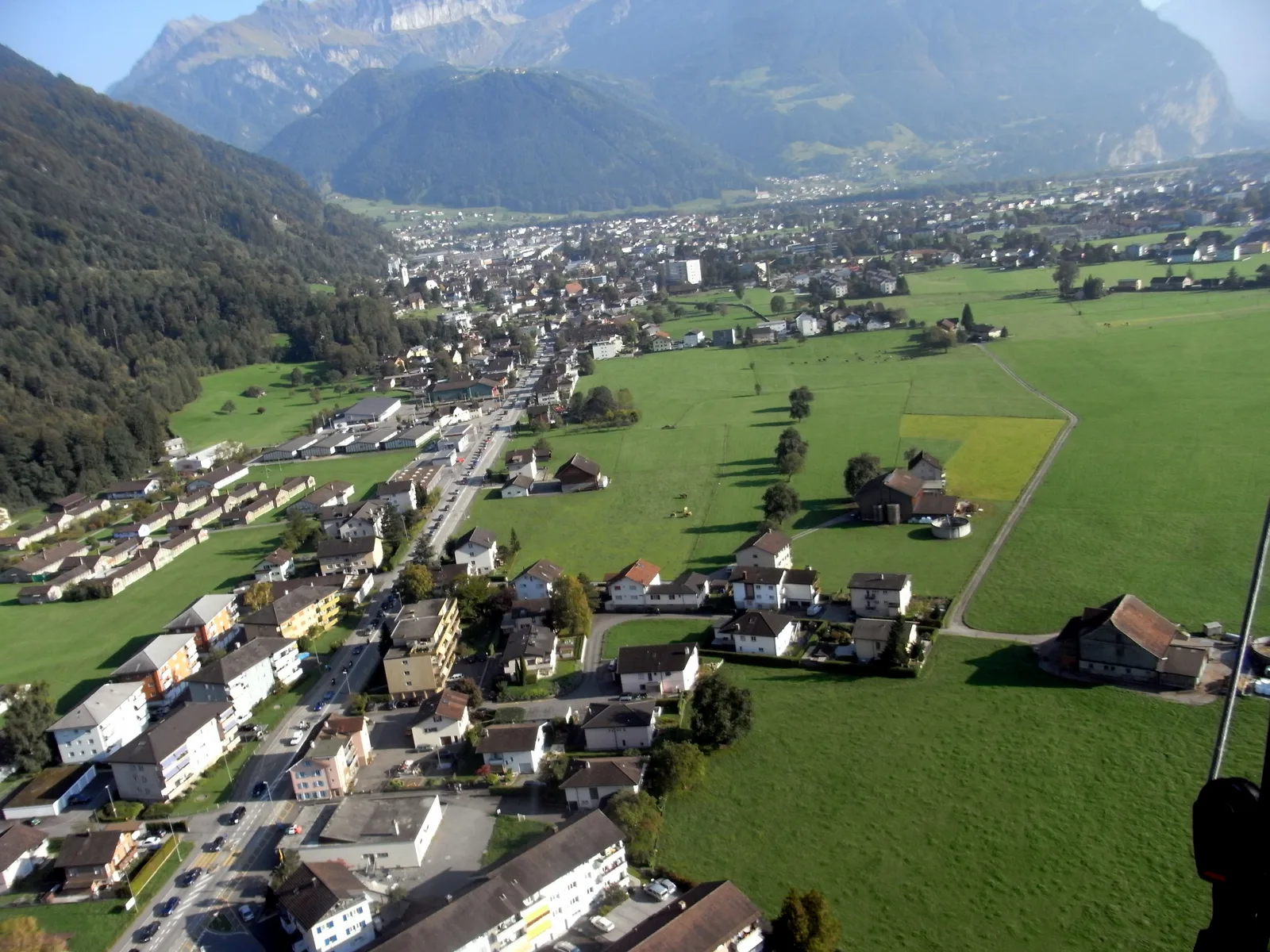
Altdorf is the capital of the canton of Uri, in the heart of Switzerland, south of Lake Lucerne. Fields and houses fill the floor of a valley ringed by high mountains.
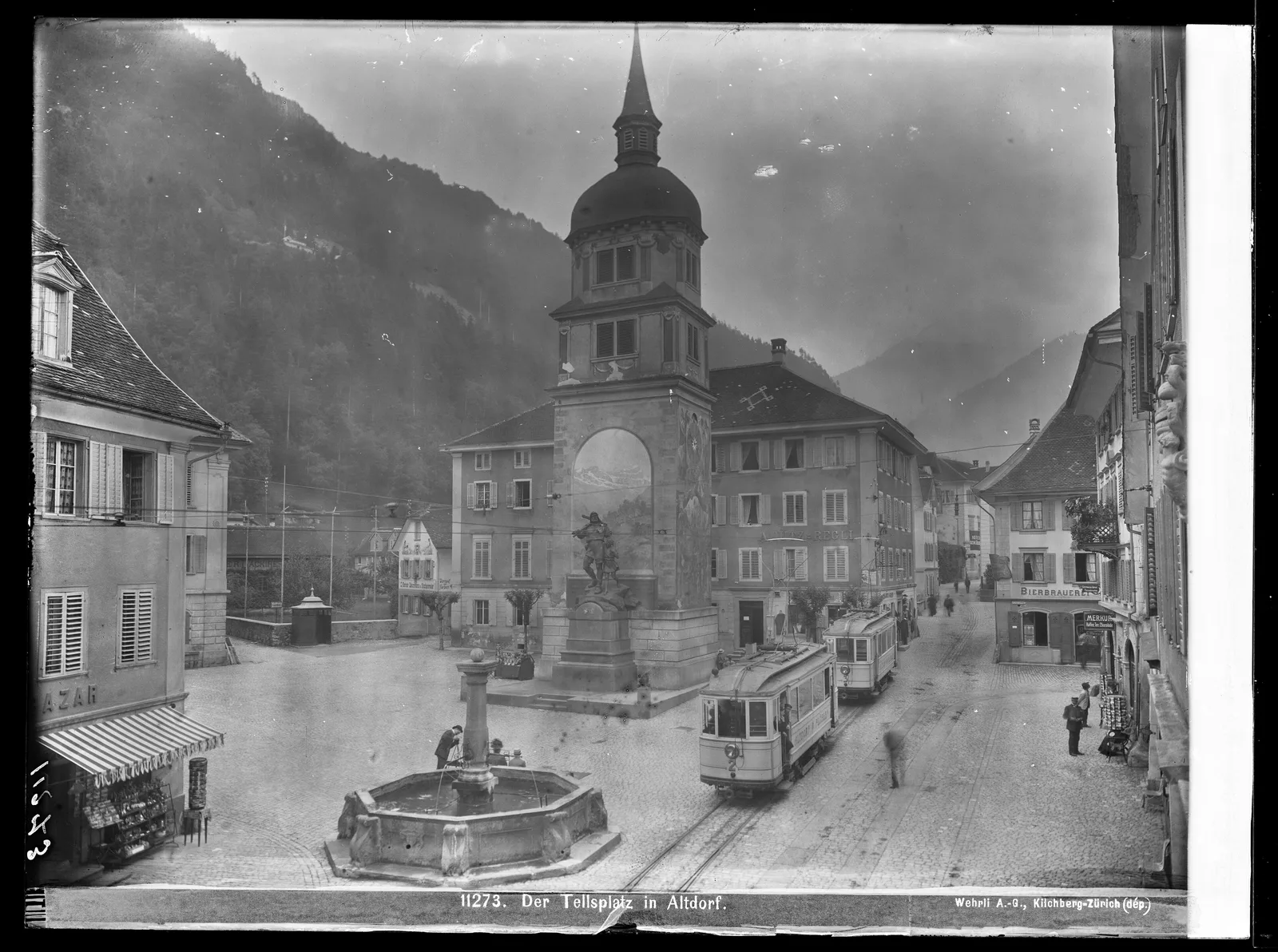
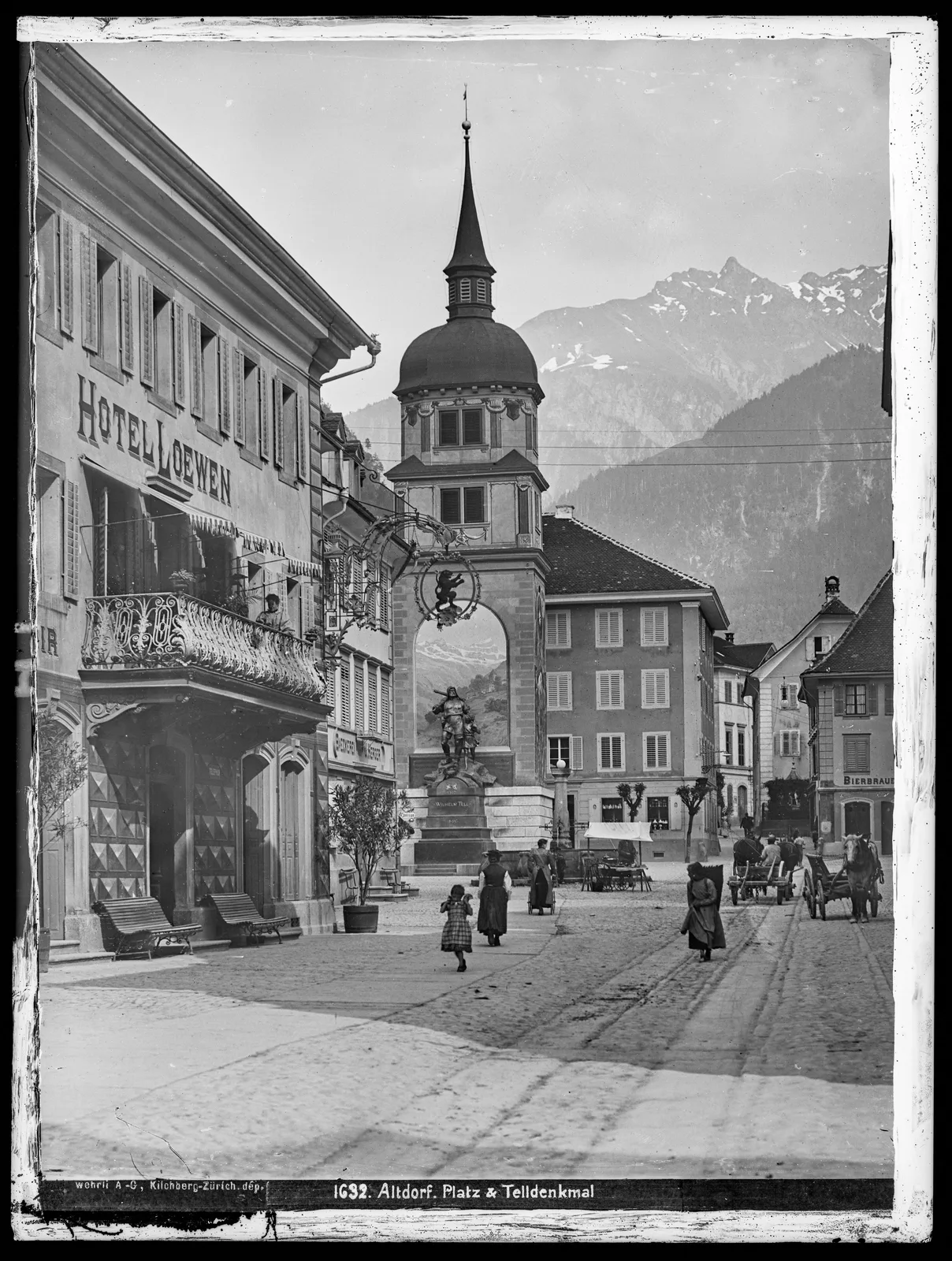
The Tell Monument stands in the Rathausplatz, the town hall square. Right behind it rises an old tower known as the Türmli; according to a guide published by the canton of Uri, its foundations were laid in the mid-13th century.

A hat on a pole, an apple on a head
Here is the story as it is told in Uri. Gessler, the official who ruled the region, set up a pole in the square at Altdorf, hung a hat on top, and ordered everyone who passed to bow to it. Tell, a man from the neighboring village of Bürglen, walked by without bowing.
Gessler's punishment was cruel. Tell would have to shoot an apple placed on the head of his son, Walter, from a hundred paces away. Tell split the apple with a single shot, the story goes. The canton's guide takes the tale as far as Tell's arrest afterward.
Did Tell really exist?
The story first appears in writing around 1470. The Historical Dictionary of Switzerland calls Tell a "legendary hero," and historians who have combed through medieval records have found no evidence that he ever lived. None of that has dimmed his appeal. Altdorf put up its first Tell memorial as early as 1583, and since 1899 the town has staged the Tell story as a play.
Two fountains for two spots in the legend
Around the square, two fountains recall the places where father and son are said to have stood. Walter, legend has it, stood in front of a linden tree; in 1567 the tree was cut down and a stone fountain set in its place. A second fountain marked the spot a hundred paces away where Tell is said to have shot from. It now stands at the entrance to Altdorf's church square.
A bronze unveiled in 1895
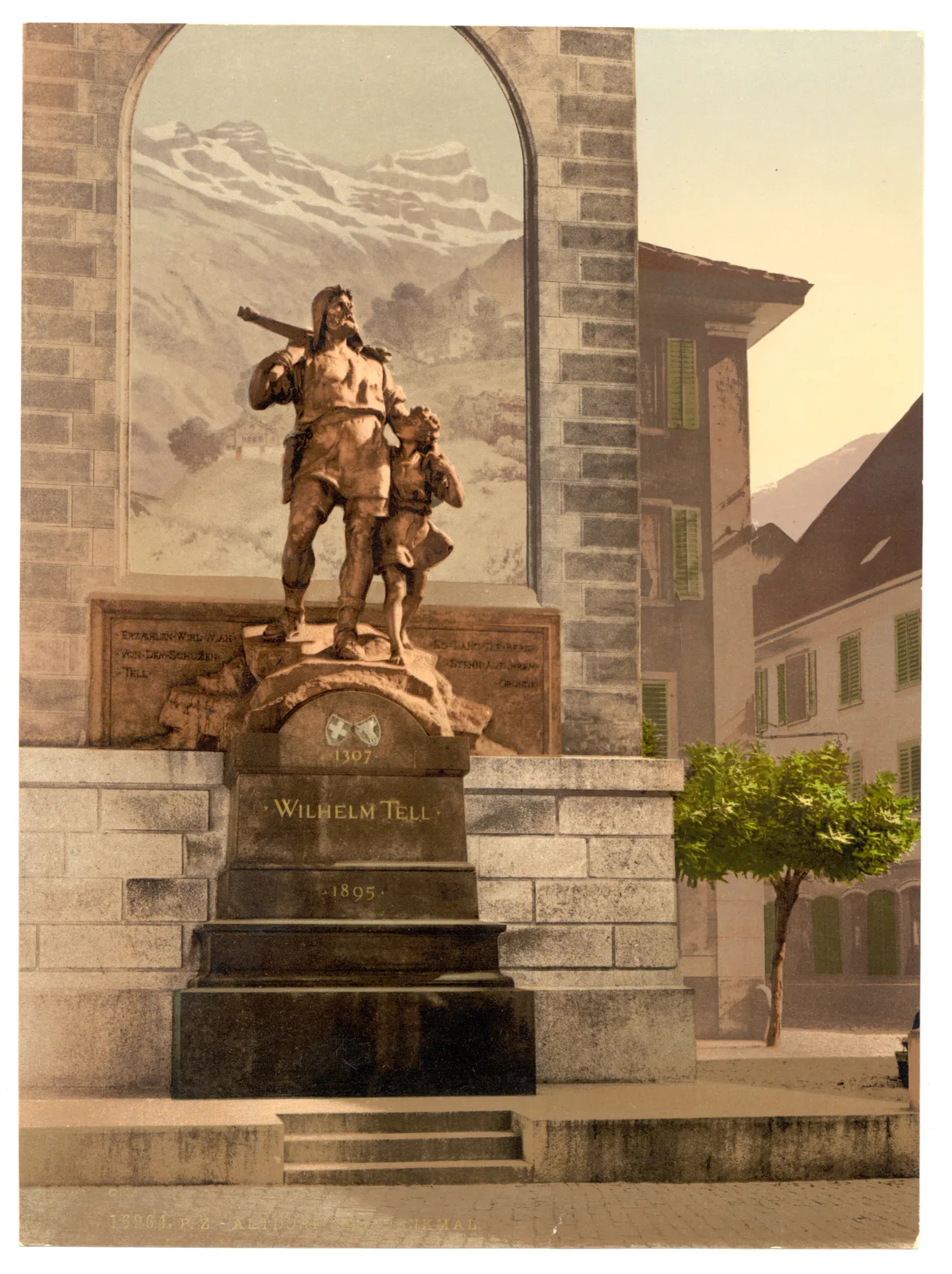
The present monument began with a committee formed in 1888. Thirty artists entered the design competition, and the jury unanimously chose the entry by Richard Kissling, a sculptor from Solothurn. The work cost about 142,000 francs, and the bronze was unveiled in August 1895.
Tell stands with a crossbow over his shoulder and one hand resting on the shoulder of his son, Walter, at his side. It is not a scene of aiming but of a father and son standing together. Uri's own literature counts it among the best-known monuments in Switzerland.
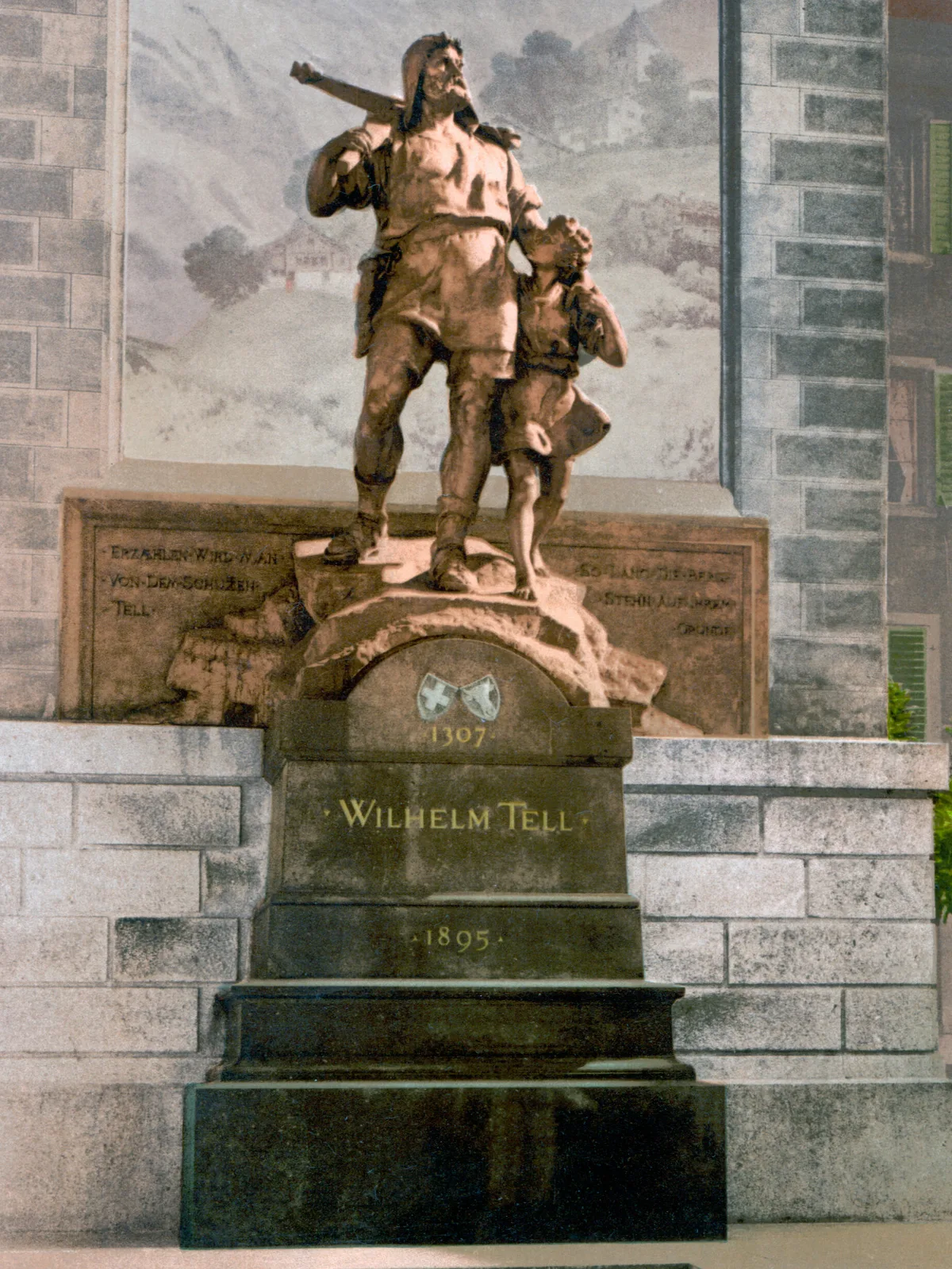

On the tower wall directly behind the statue is a large mural. According to the canton's guide, it shows Bürglen, the village Tell came from.
Bürglen, the archer's home
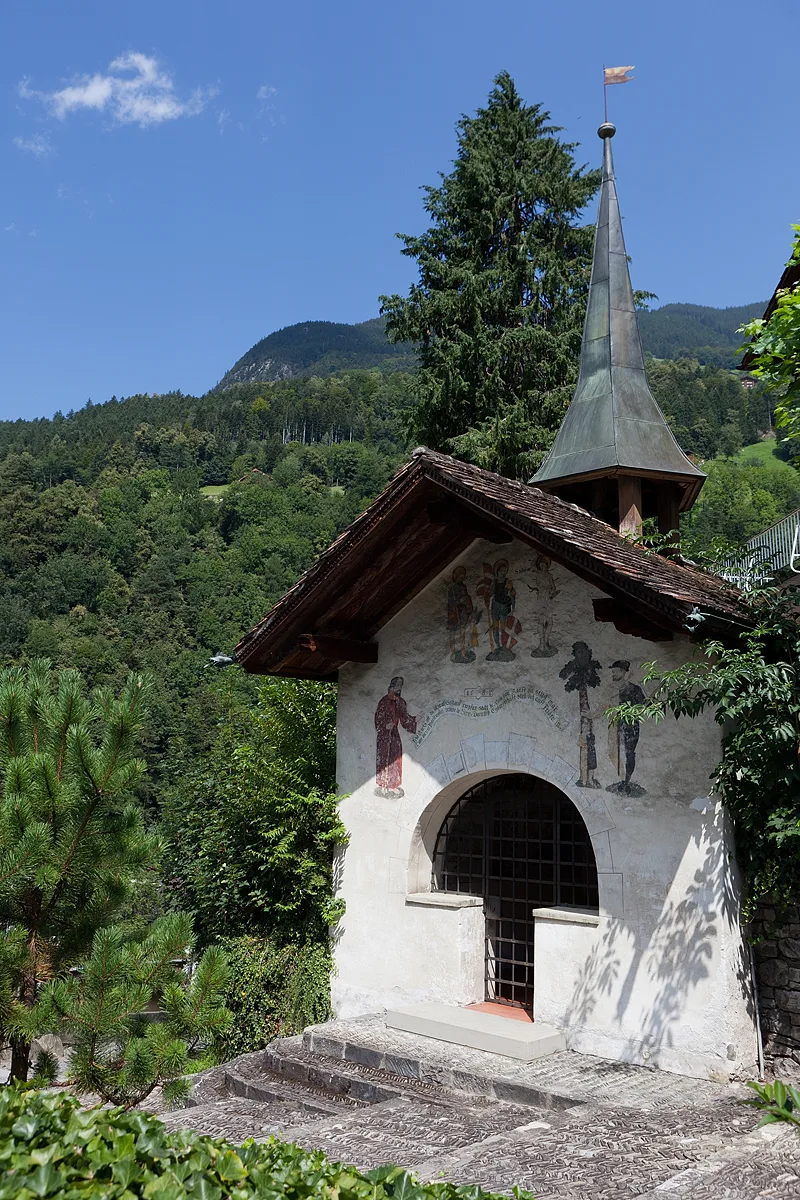
So where was the archer from? Legend says Tell came from Bürglen, a village right next to Altdorf. According to the Historical Dictionary of Switzerland, a chapel honoring Tell was built in 1582 in Bürglen, his supposed home.
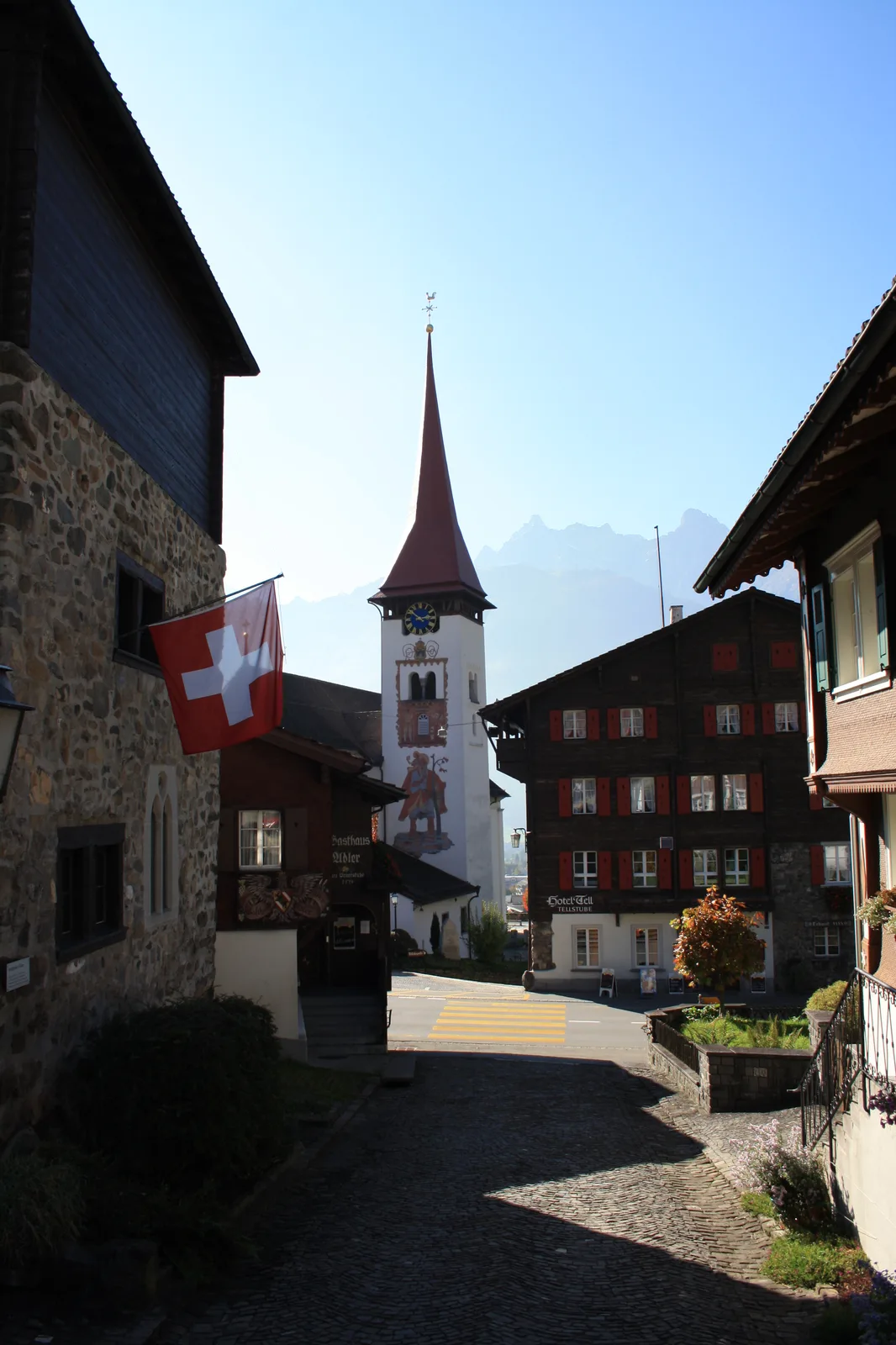

The shot was fired in Altdorf's square; the archer's home was next door in Bürglen. That is how the legend, as told in Uri, ties the two places together.

Find the William Tell Monument on Wooriyeojido
A hat on a pole, an apple a hundred paces off, and a story told for more than 500 years. The William Tell Monument is pinned on the Wooriyeojido map. Look it up in the app, and if you visit, leave your photos and stories from the day right beside the pin.
View this place in the Wooriyeojido appVideos of nearby places
 Where did the children who followed the piper go? The Pied Piper of Hamelin, Germany
 Ships lost to a siren song? The Lorelei rock on the Rhine, Germany
 When did the lake monster story begin? Loch Ness, Scotland