Loch Ness: When Did the Monster Story Really Begin?
Loch Ness is a long, deep loch in the Scottish Highlands. From a water beast in a book written some 1,300 years ago to the Nessie craze of 1933, a faked photograph and what scientists actually found, in a short video and photos.
When did people first start saying a monster lived in the lake? Loch Ness, a long, deep loch in the Scottish Highlands, is home to both a very old story and a very famous frenzy. Start with the short video.

 Watch the one-minute video on YouTube
Long, deep and full of water
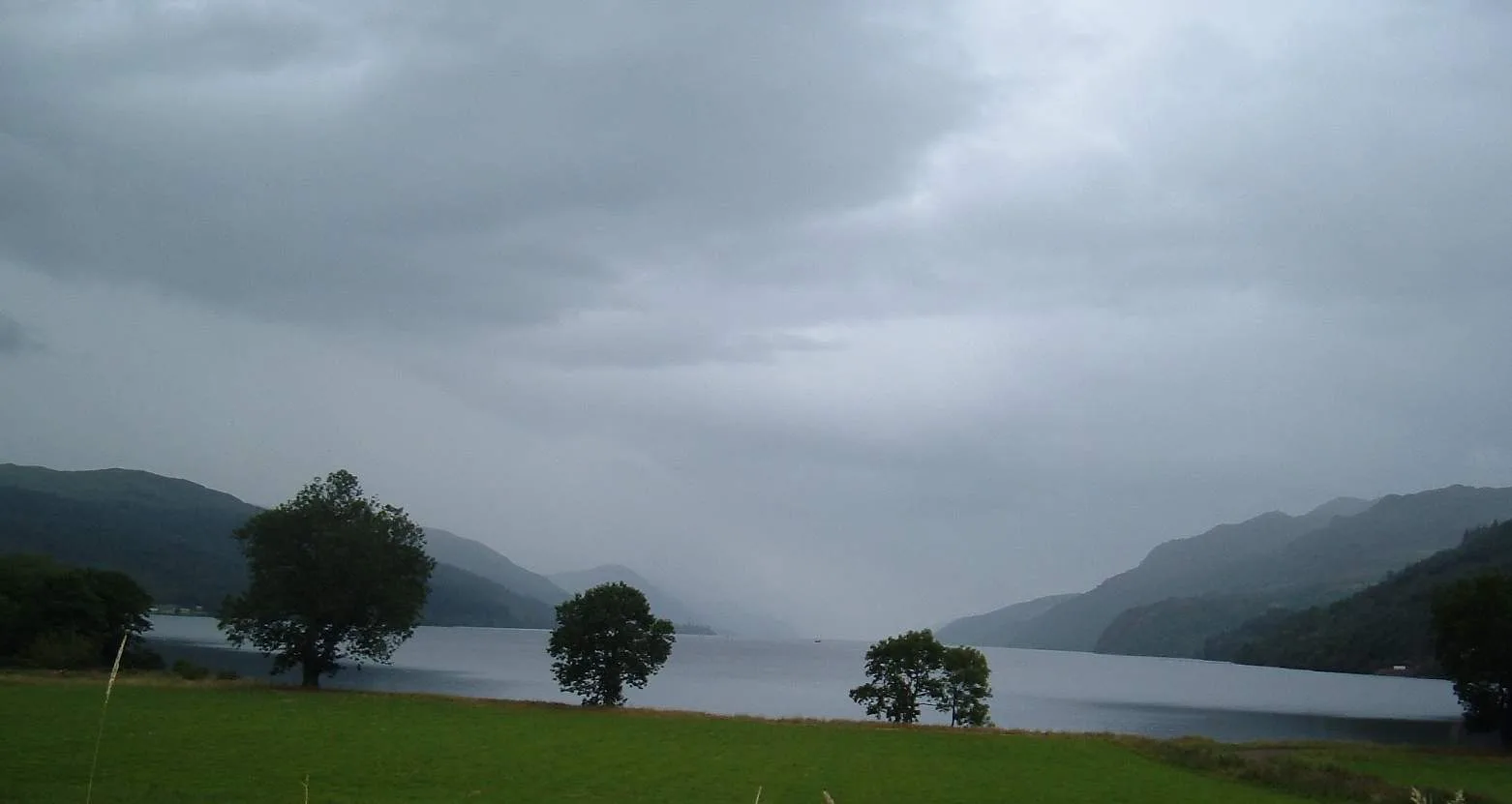
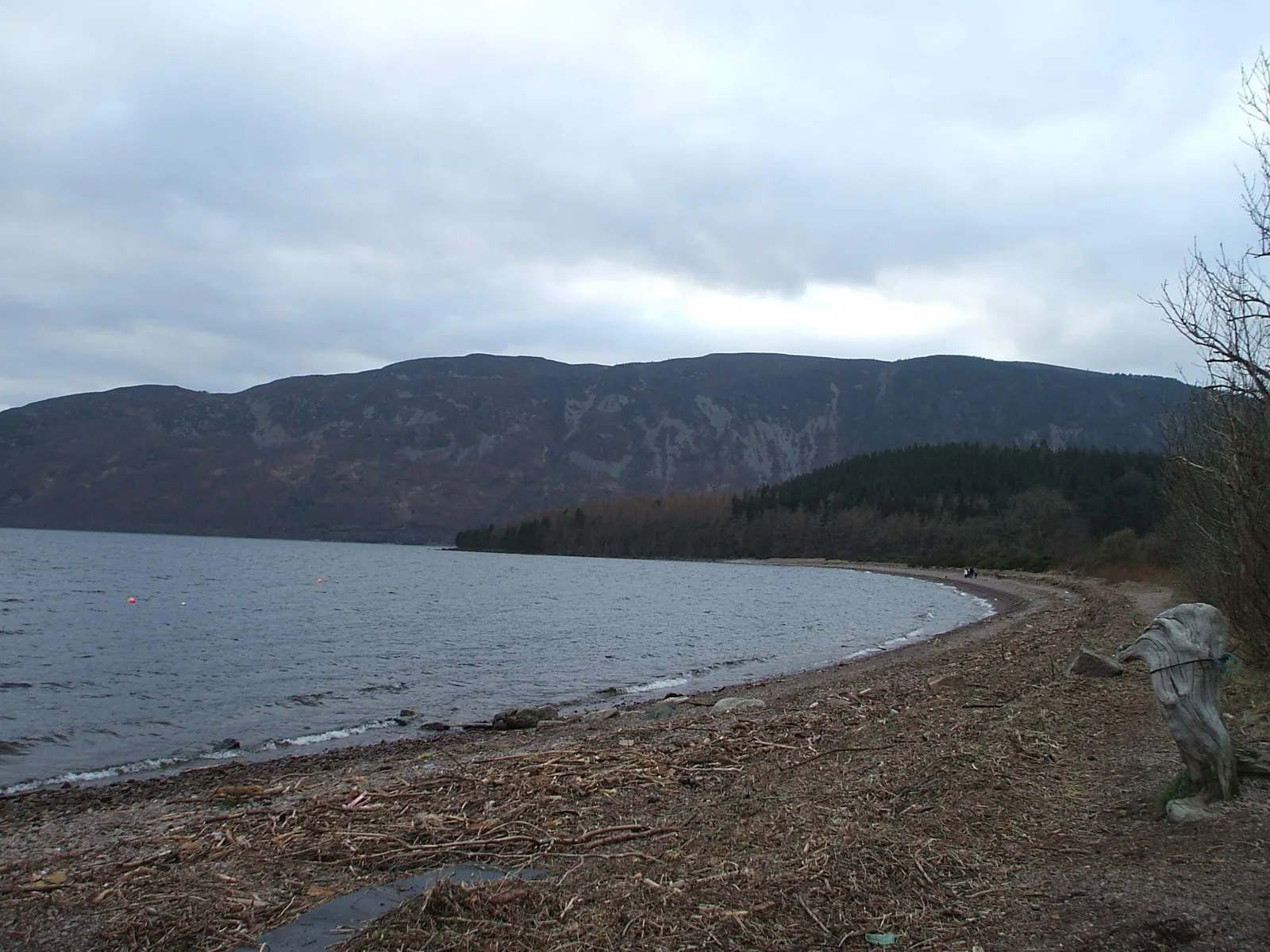
Loch Ness lies along the Great Glen, a great fault valley running through the Scottish Highlands. According to VisitScotland, the loch is about 37 kilometres long and around 230 metres deep at its deepest point. Only Loch Morar is deeper in Scotland, and Loch Ness holds more water than all the lakes of England and Wales combined, making it the largest body of fresh water in Britain by volume.
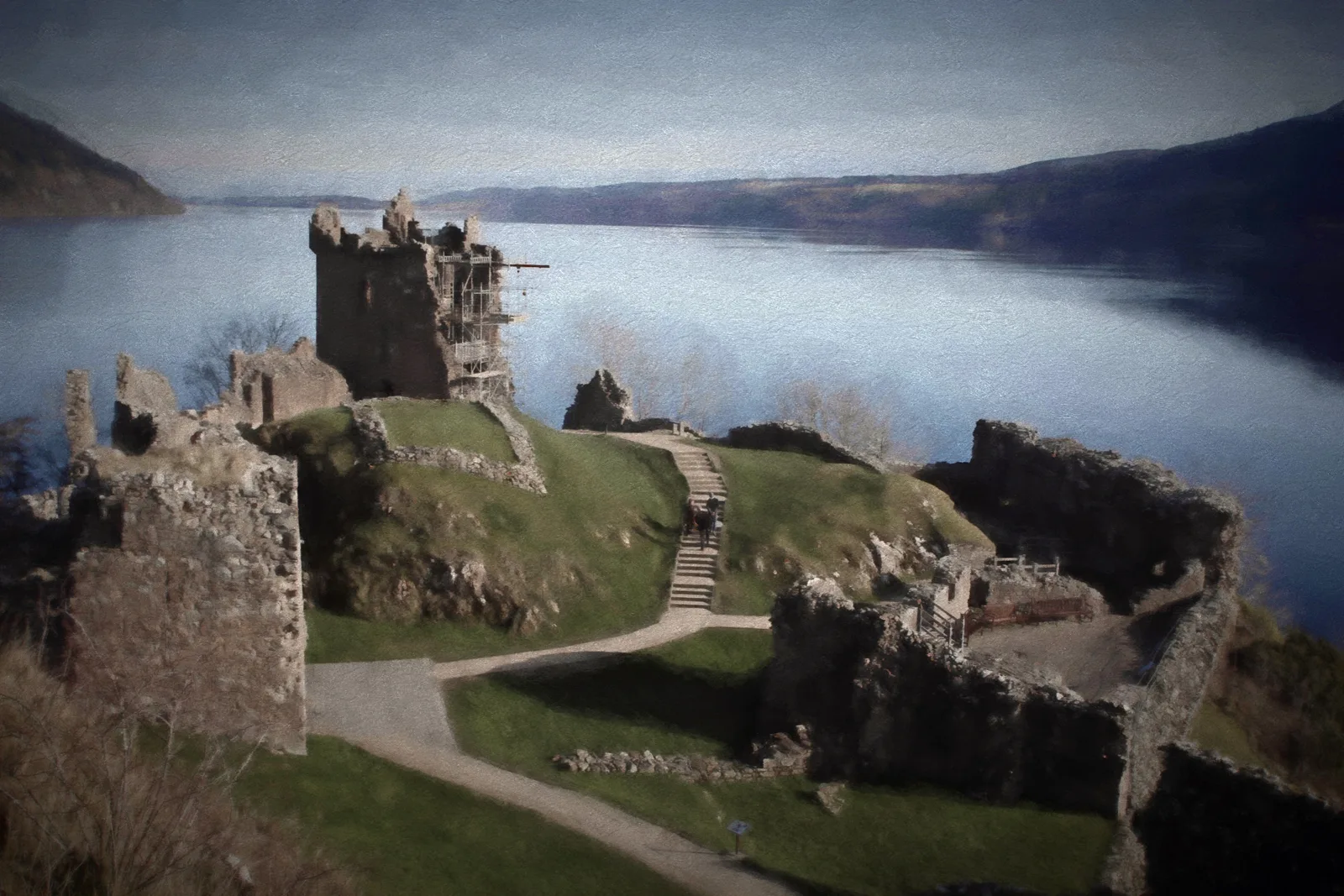
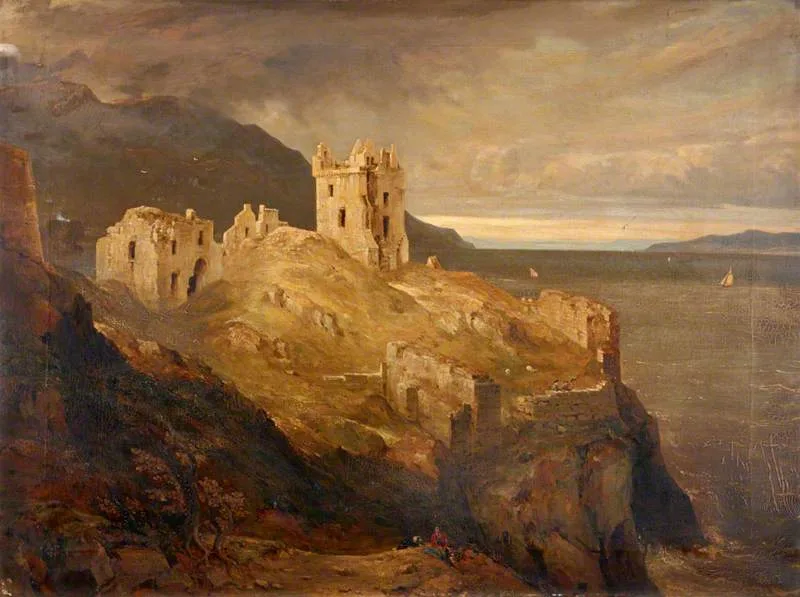
The ruins of Urquhart Castle stand on its shore, and at Fort Augustus, at its southern end, the loch meets the Caledonian Canal.


The oldest story is set on a river
VisitScotland points to the *Life of St Columba* as the first written record of the Nessie story. It is a Latin account of the life of the monk Columba, written by a man named Adomnán about 1,300 years ago. A very early copy, made between 688 and 713, survives in the city library of Schaffhausen in Switzerland.
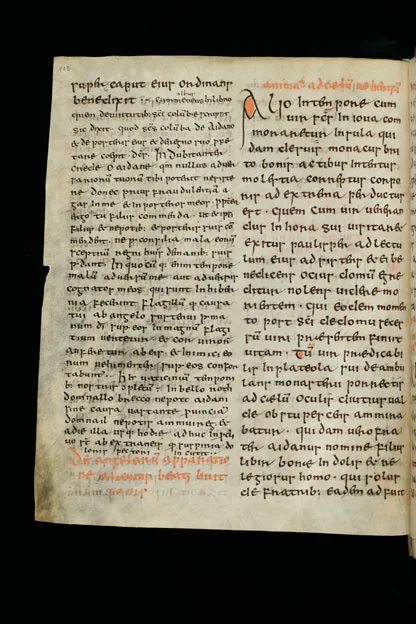

The book tells of an episode in the 6th century. Columba was in the land of the Picts and needed to cross the River Ness. On the bank, he came upon people burying a man who had been mauled by a water beast. When one of Columba's companions swam across to fetch a boat, the creature surged up and went for him. Columba made the sign of the cross and commanded it to go no further and turn back at once, and the beast fled in terror.
There is one detail worth noticing. The story takes place not on the loch, but on the River Ness, which flows out of it towards Inverness.

Spring 1933: a sighting makes the papers
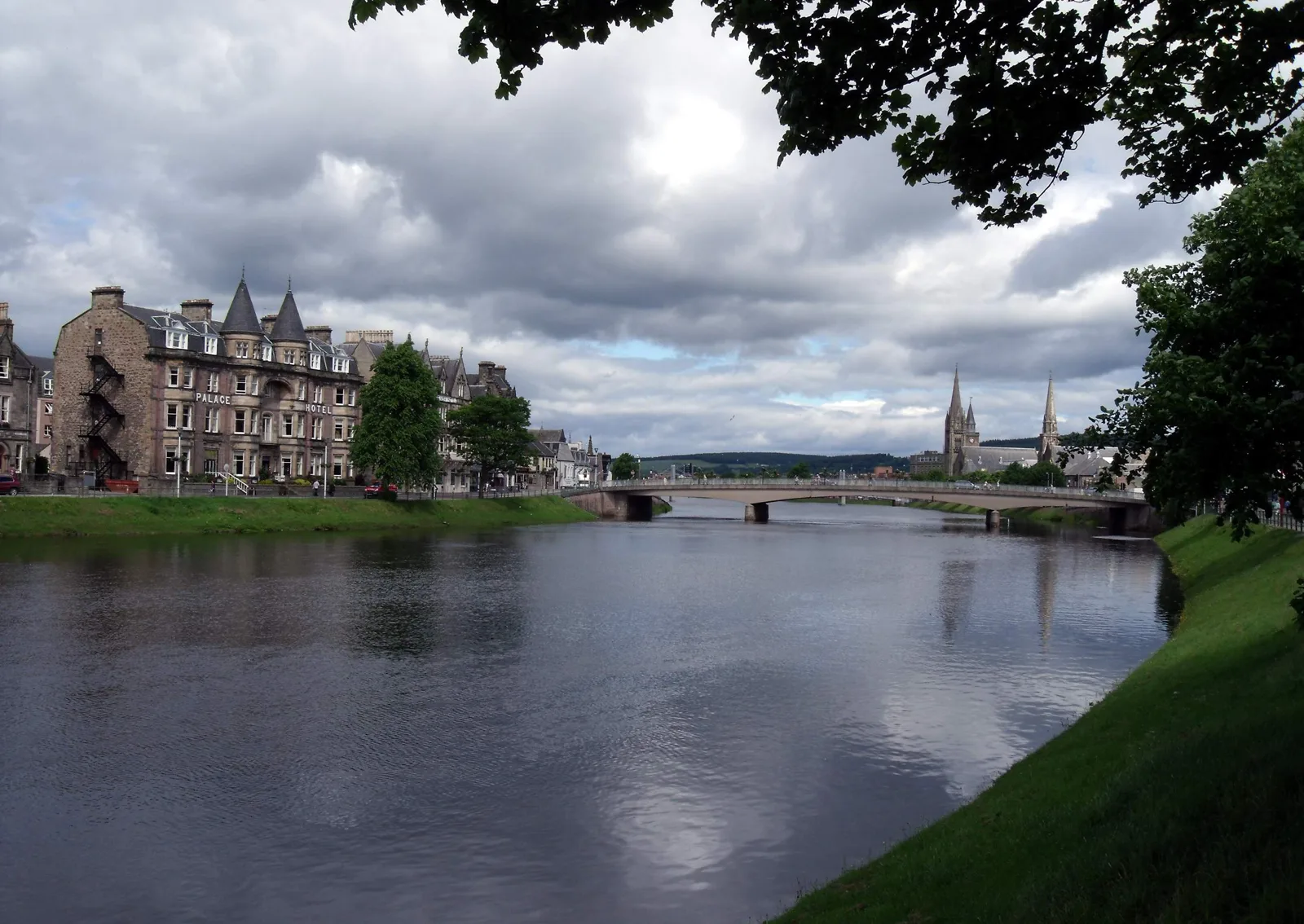
The Nessie we know today took off in 1933. According to VisitScotland, on 14 April that year Aldie Mackay, manageress of the Drumnadrochit Hotel on the loch shore, reported seeing a "whale-like fish" in the water.
Her account ran in the local paper, the Inverness Courier, under the headline "Strange Spectacle in Loch Ness." Another couple reported seeing a large creature that same year, and from then on, sightings came thick and fast.

The famous photo was a fake
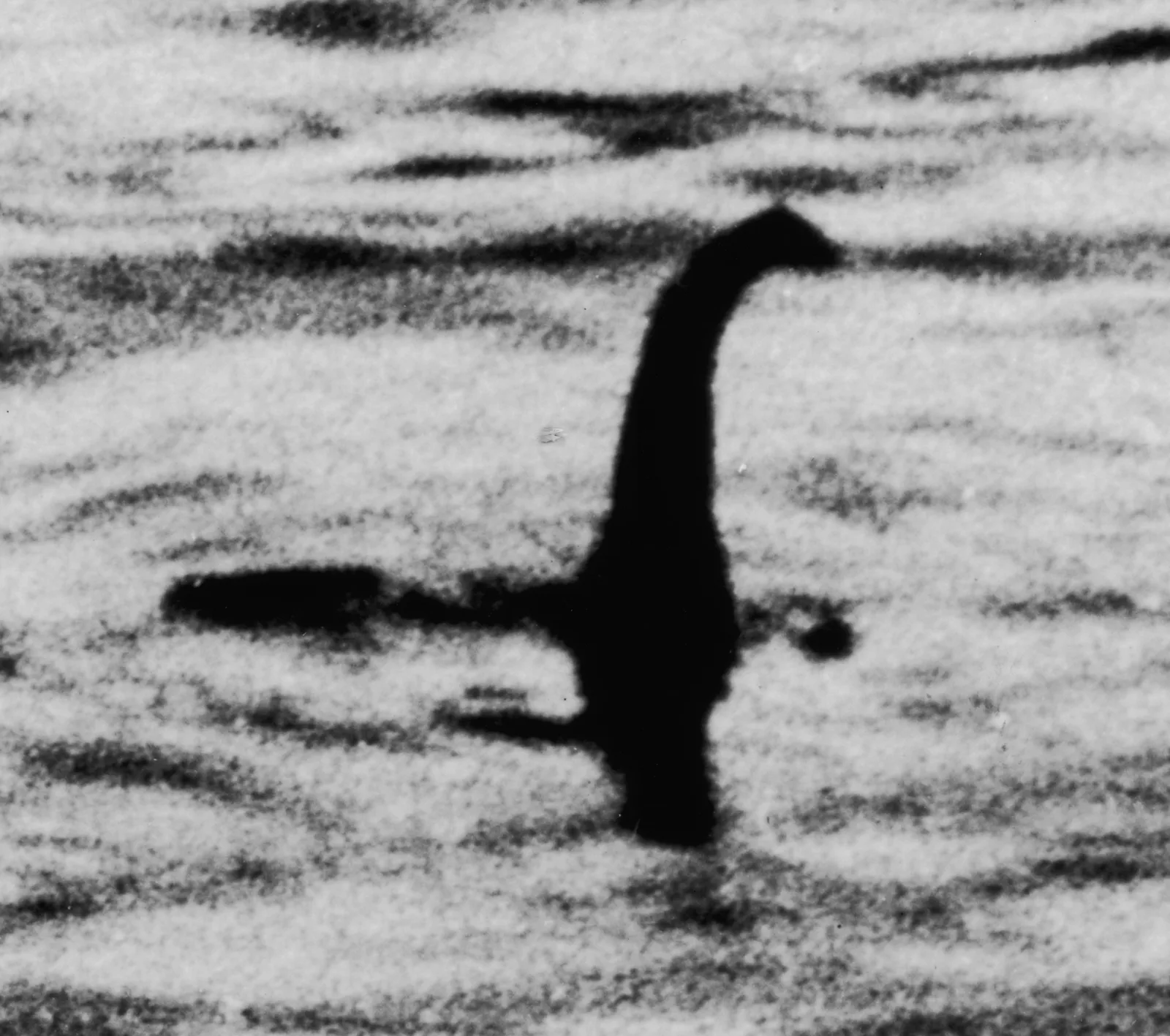
In 1934, the Daily Mail published a photograph that seemed to show a long neck rising out of the water. Because it was credited to a London surgeon, it became known as the "Surgeon's Photograph."
Sixty years later, in 1994, one of the men behind it confessed at the age of 93. The "monster" was a model head and neck stuck on top of a toy submarine.

What science found
In 1987, a large-scale sonar sweep of the loch called Operation Deepscan was carried out. It picked up some unidentified contacts underwater, but no monster was ever confirmed.
In 2019, an international team led by the University of Otago in New Zealand published the results of a survey of environmental DNA, the traces living things leave in the water. There was absolutely no sign of any reptile DNA. What turned up instead was a surprising amount of eel DNA, at almost every sampling point. Whether it came from one very big eel or lots of small ones, the researchers could not say.
The story so far
The oldest record is a tale about a water beast in the River Ness, in a book written some 1,300 years ago. The loch's monster became famous with a newspaper story in 1933. And to this day, no one has confirmed that it exists.
Find Loch Ness on Wooriyeojido
A deep, dark Scottish loch with old stories drifting over its waters. Loch Ness is pinned on the Wooriyeojido map. Look it up in the app, and if you go, leave your photos and stories from the day right beside it.
View this place in the Wooriyeojido appVideos of nearby places
 Where does the giant's road of stone lead? Giant's Causeway, Northern Ireland
 Stones carried across the sea by a wizard? Stonehenge
 A tomb lit by the winter solstice sun: whose home was it? The legends of Newgrange, Ireland
Sources
- VisitScotland — Nessie
- VisitScotland — Loch Ness
- VisitScotland press release — There's still something in the water (2013-04-12)
- CELT, University College Cork — Adomnán, Life of St Columba, Book II, ch. 28
- Historic Environment Scotland — Urquhart Castle history
- e-codices — Stadtbibliothek Schaffhausen, Gen. 1 (Adomnán, Vita Columbae)
- PBS NOVA — The Legend of Loch Ness
- CORDIS (European Commission) — Is the Loch Ness monster a really big eel? (2019-09-12)