Stonehenge: Where Did Merlin's Stones Really Come From?
A ring of giant stones on England's Salisbury Plain. Medieval legend said Merlin shipped them over from Ireland; archaeology has traced where they actually came from. Here is the story in video and photos.
On an open plain in southern England, stones several times the height of a person stand in a ring. In the Middle Ages, people said a wizard had carried them across the sea from Ireland. Is there anything to it? Start with the short video.

 Watch the one-minute video on YouTube
A ring of stone on Salisbury Plain
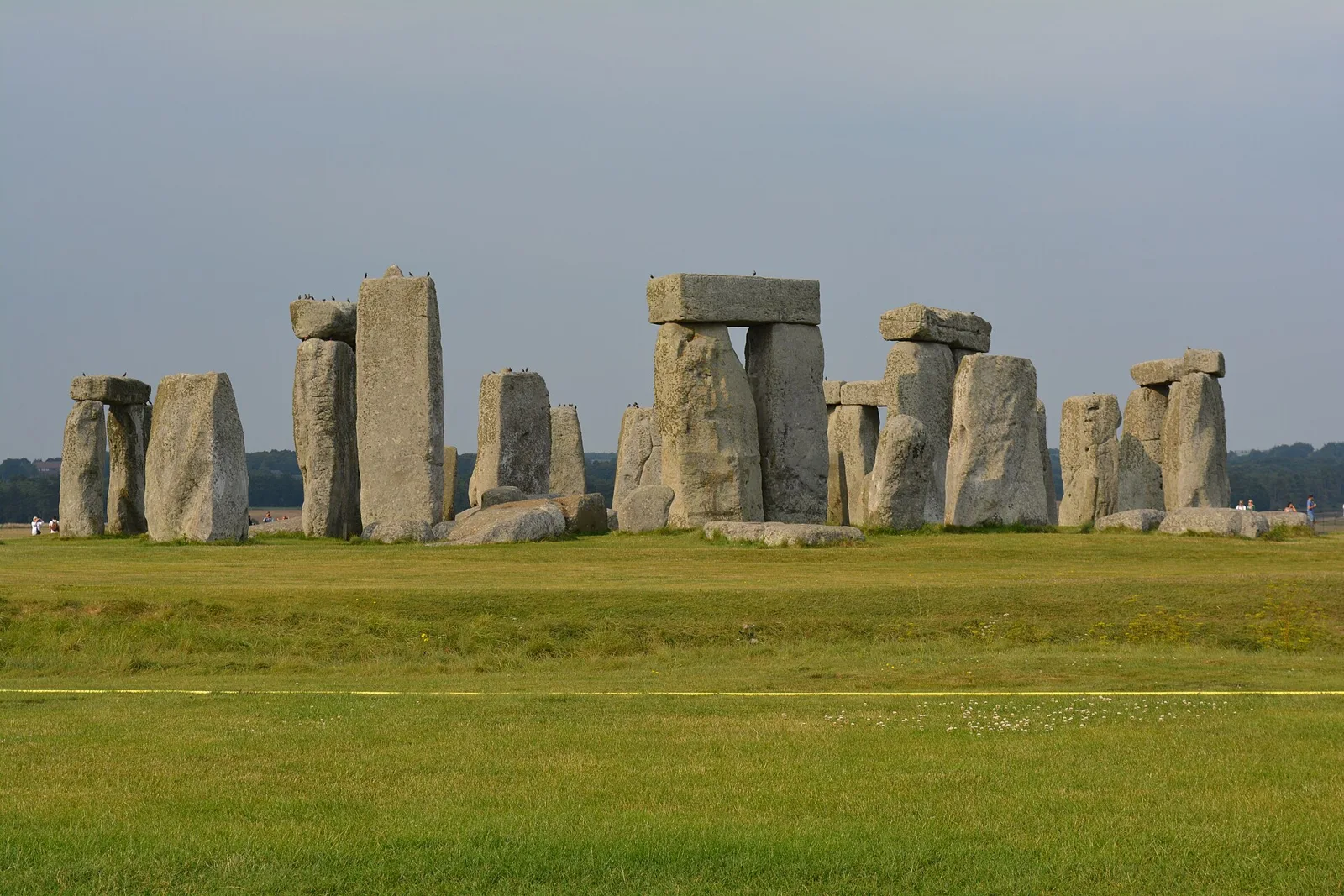
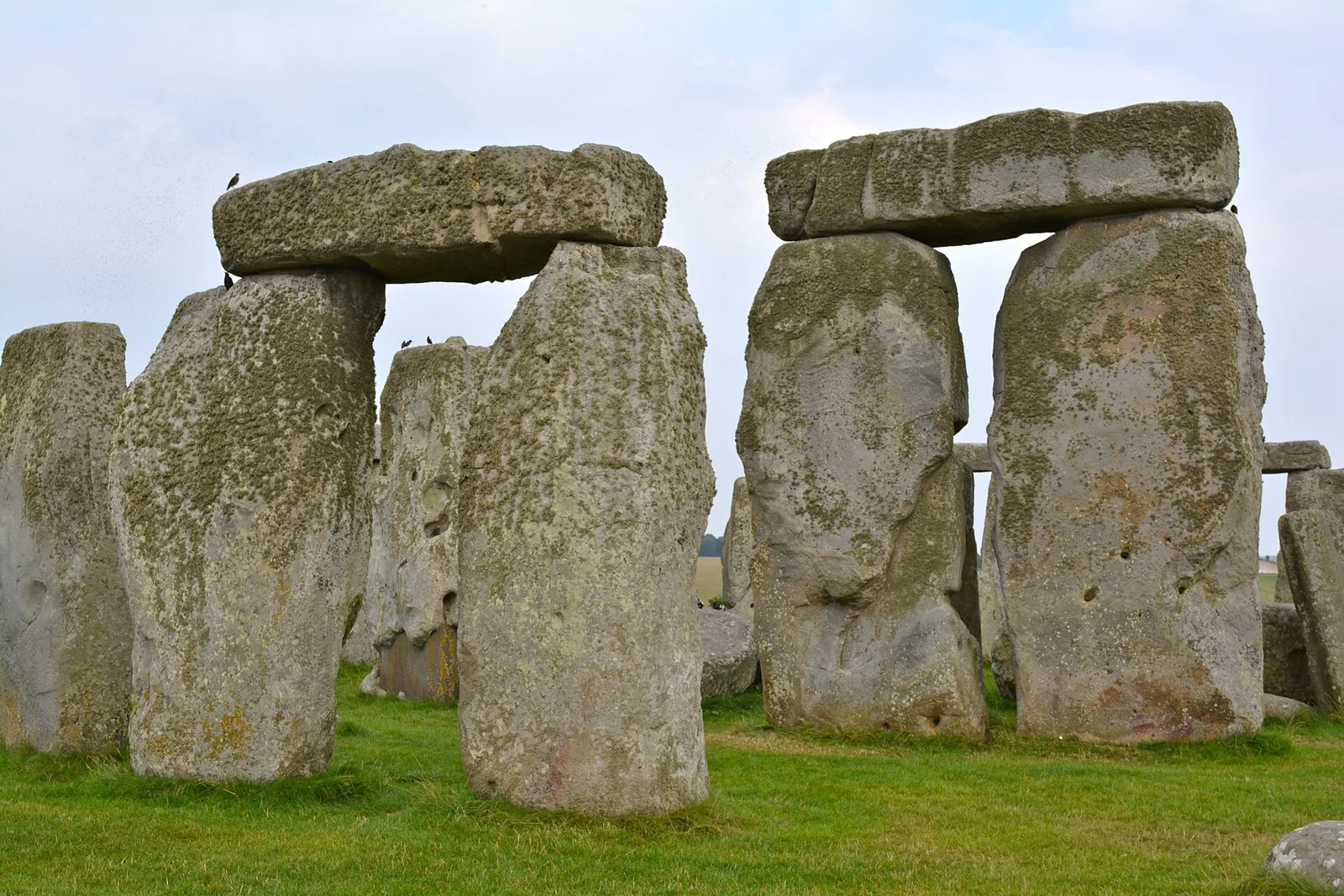
Stonehenge stands on Salisbury Plain in Wiltshire. In 1986 it was inscribed, together with nearby Avebury, as the UNESCO World Heritage Site "Stonehenge, Avebury and Associated Sites." UNESCO calls it the most architecturally sophisticated prehistoric stone circle in the world. The largest stones weigh more than 40 tonnes, and massive horizontal lintels cap both the outer circle and the great stone archways known as trilithons.
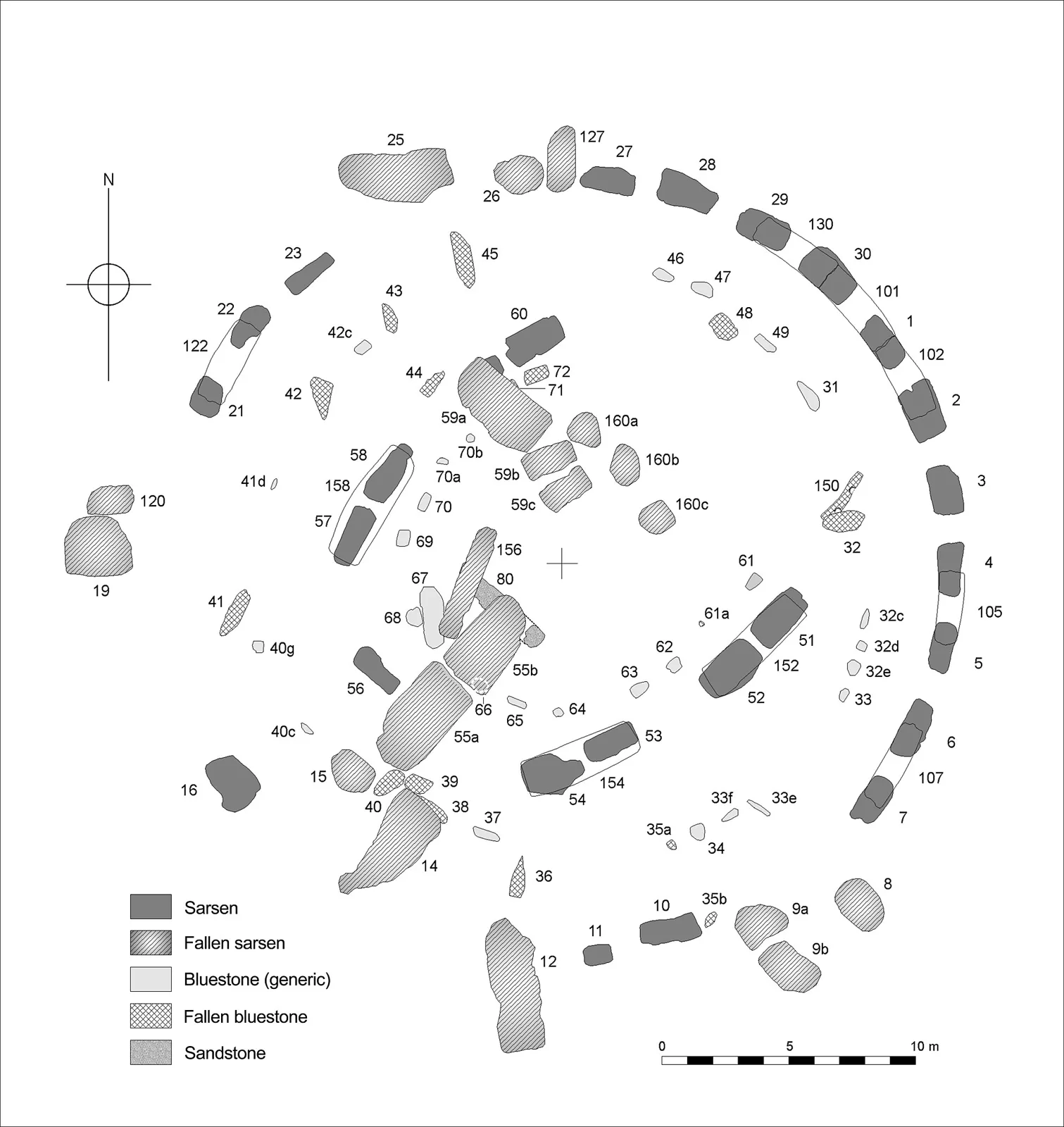
The layout follows a clear plan. Large sarsen stones form the outer ring, while inside them the trilithons stand in a horseshoe. Between the two sit the smaller bluestones. Many stones have since fallen or vanished, so what you see today is not the monument as it was first built.

Merlin and the Giants' Dance
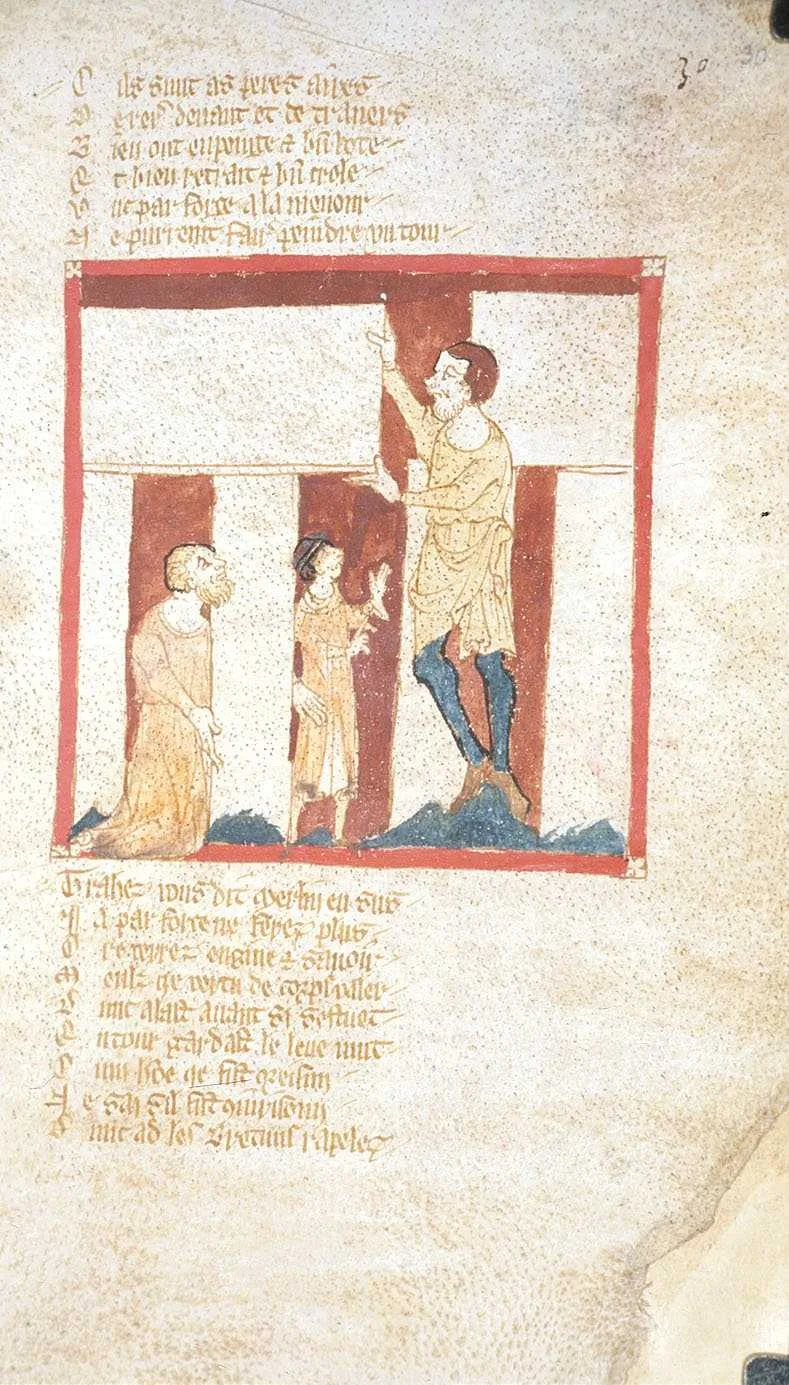
Who could have raised stones like these? Medieval Britain had an answer: Merlin. The story comes from Geoffrey of Monmouth, who told it in his History of the Kings of Britain in 1136. A manuscript from the mid-14th century even shows Merlin lending a hand as a giant lifts a stone into place.

In Geoffrey's telling, a British king wanted a monument that would stand forever over the graves of the dead. Merlin told him to fetch the Giants' Dance, a ring of stones on Mount Killaraus in Ireland. Giants of old, he said, had brought them from the farthest coast of Africa, and water poured over the stones could cure the sick.
The Britons tried cables, ropes and ladders, and got nowhere. Merlin then took the stones down with his own contrivances, as easily as anything, and loaded them onto ships. They crossed the sea and were set up again exactly as they had stood on the Irish mountain.
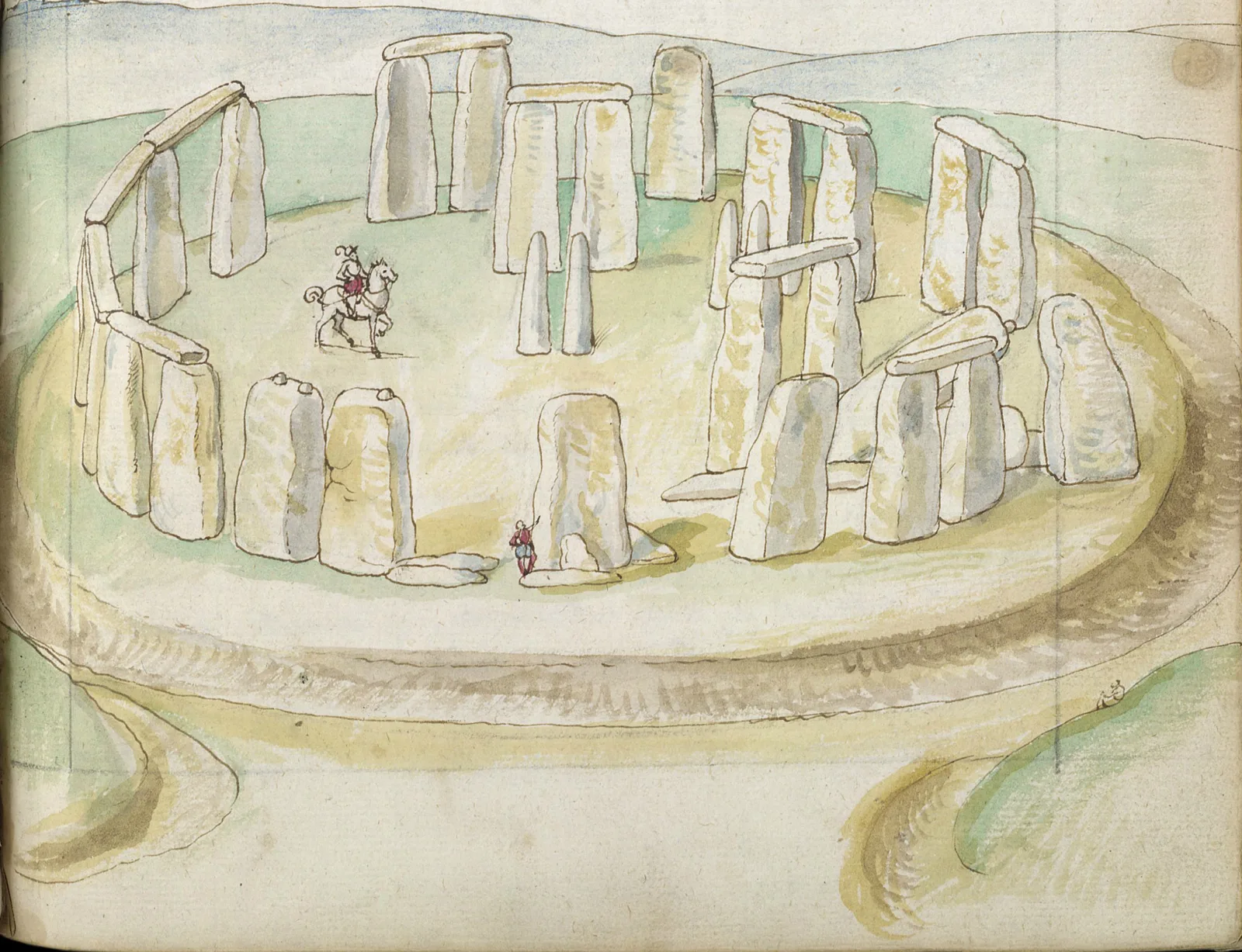
Remarkably, the tale held. According to English Heritage, it was accepted as fact for centuries, right up to the 16th century.

What archaeology found
The real Stonehenge is far older than the legend. English Heritage, which cares for the site, says the first monument was a circular ditch and bank dug around 3000 BC. The stones went up in the centre around 2500 BC, some five centuries later.
So where did they come from? The big sarsens weigh about 25 tonnes on average. A geochemical study published in 2020 found that they most likely came from West Woods, about 25 kilometres (15 miles) to the north.

The smaller bluestones travelled much farther. They came from the Preseli Hills in south-west Wales, and UNESCO notes that some of the stones were moved as far as 240 kilometres.
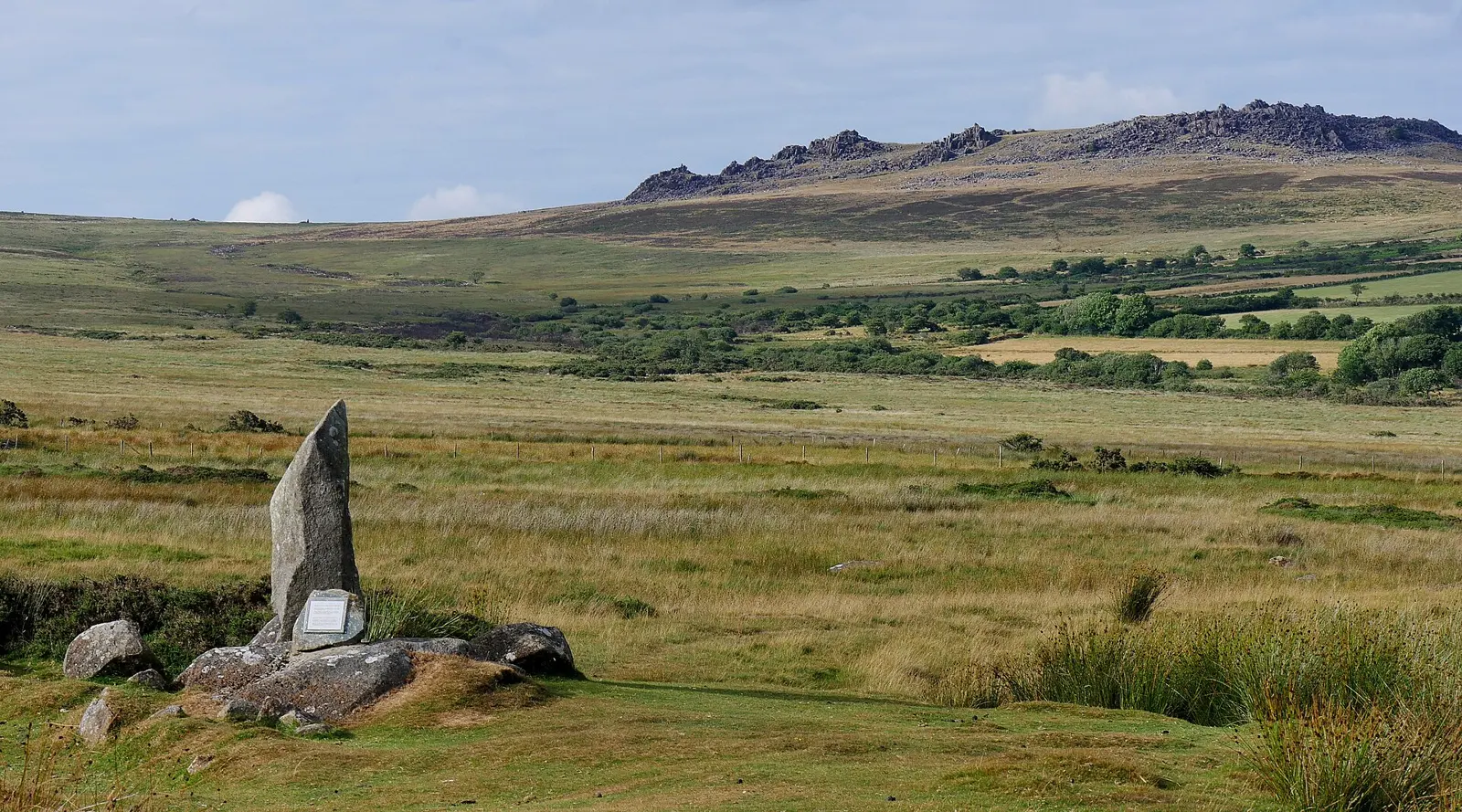

So the wizard who shipped the stones from Ireland belongs to medieval legend. In reality, people about 4,500 years ago hauled the big stones from nearby and the small ones all the way from Wales. It is a nice coincidence that the bluestones, like the legendary ones, came from far to the west, but that does not mean the legend remembered the truth.
Find Stonehenge on Wooriyeojido
Faced with the same stones, medieval storytellers saw a wizard's work, while today's researchers see the trail of stones dragged across great distances. Stonehenge is pinned on the Wooriyeojido map. Find Stonehenge in the Wooriyeojido app, and if you go, leave your photos and stories from the day right beside it.
View this place in the Wooriyeojido appVideos of nearby places
 Where Does the Giant's Stone Road Lead? Giant's Causeway, Northern Ireland
 A Tomb Lit by the Winter Solstice Sun: Newgrange, Ireland
 When Did the Monster Story Begin? Loch Ness, Scotland