Bran Castle: who really owned "Dracula's Castle"?
High on a mountain pass in Transylvania stands the castle the whole world calls Dracula's. The real story of Bran Castle, from a toll fortress built by the people of Brașov to Queen Marie's favourite retreat.
On a mountain pass in Transylvania stands a castle the whole world knows as Dracula's Castle. But Count Dracula never existed outside a novel. So who actually owned this place? Start with the short video.

 Watch the one-minute video on YouTube
A castle on a Carpathian pass
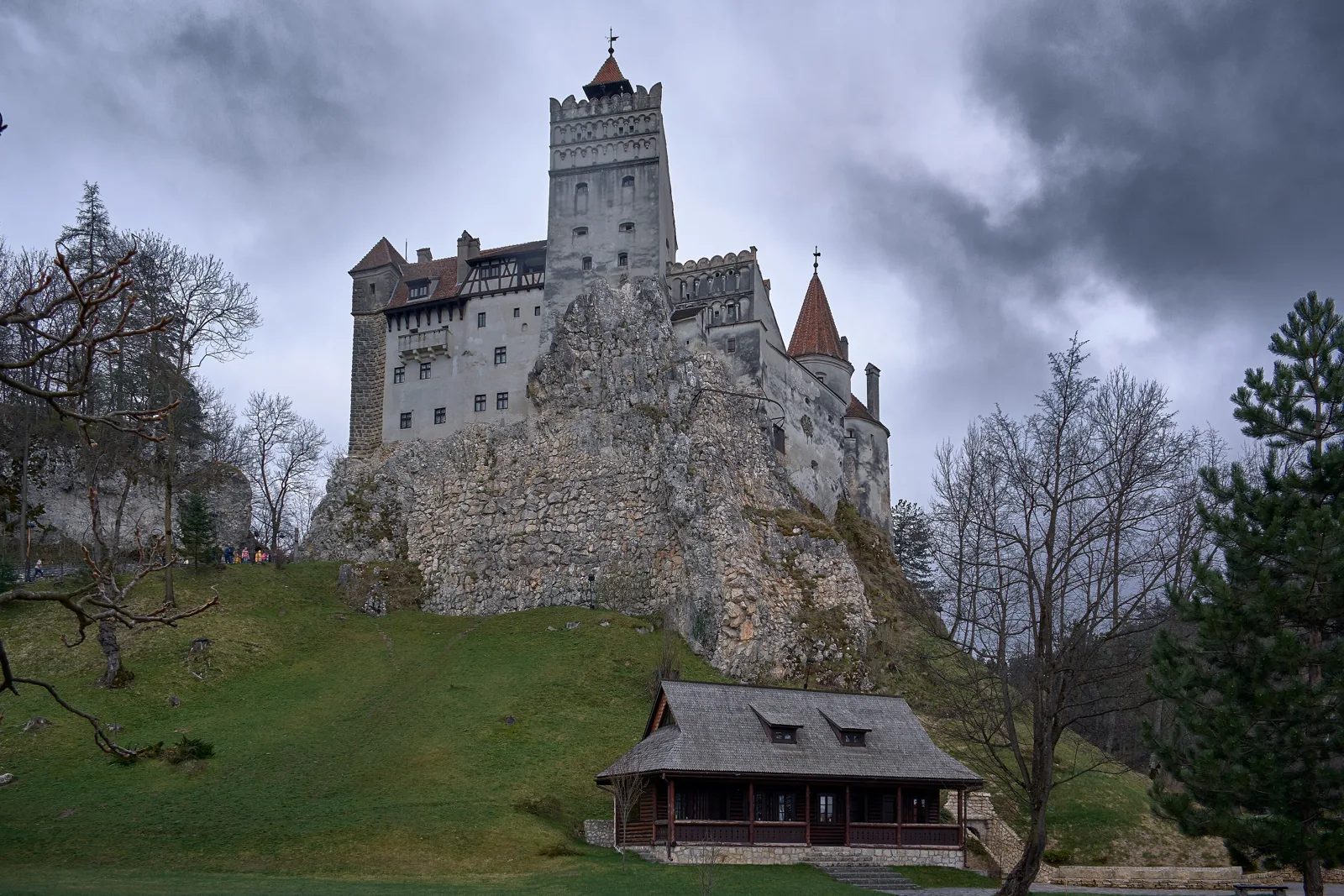
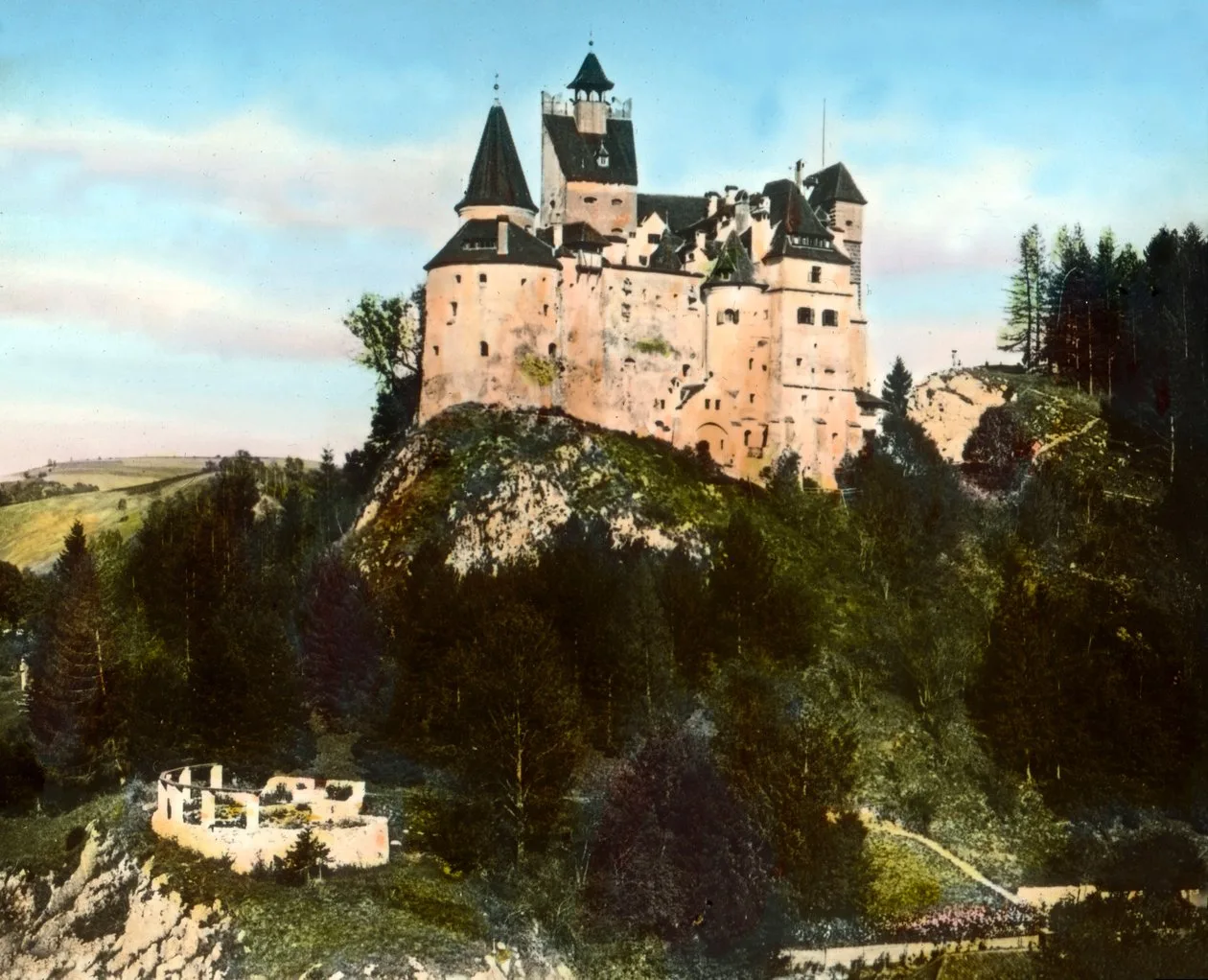
Bran Castle stands in the village of Bran in Romania's Brașov County, southwest of the city of Brașov, guarding the Bran Pass, one of the key routes through the Carpathians. It sits directly on a crag that old documents call the rock of Dietrich.
Dracula never lived here
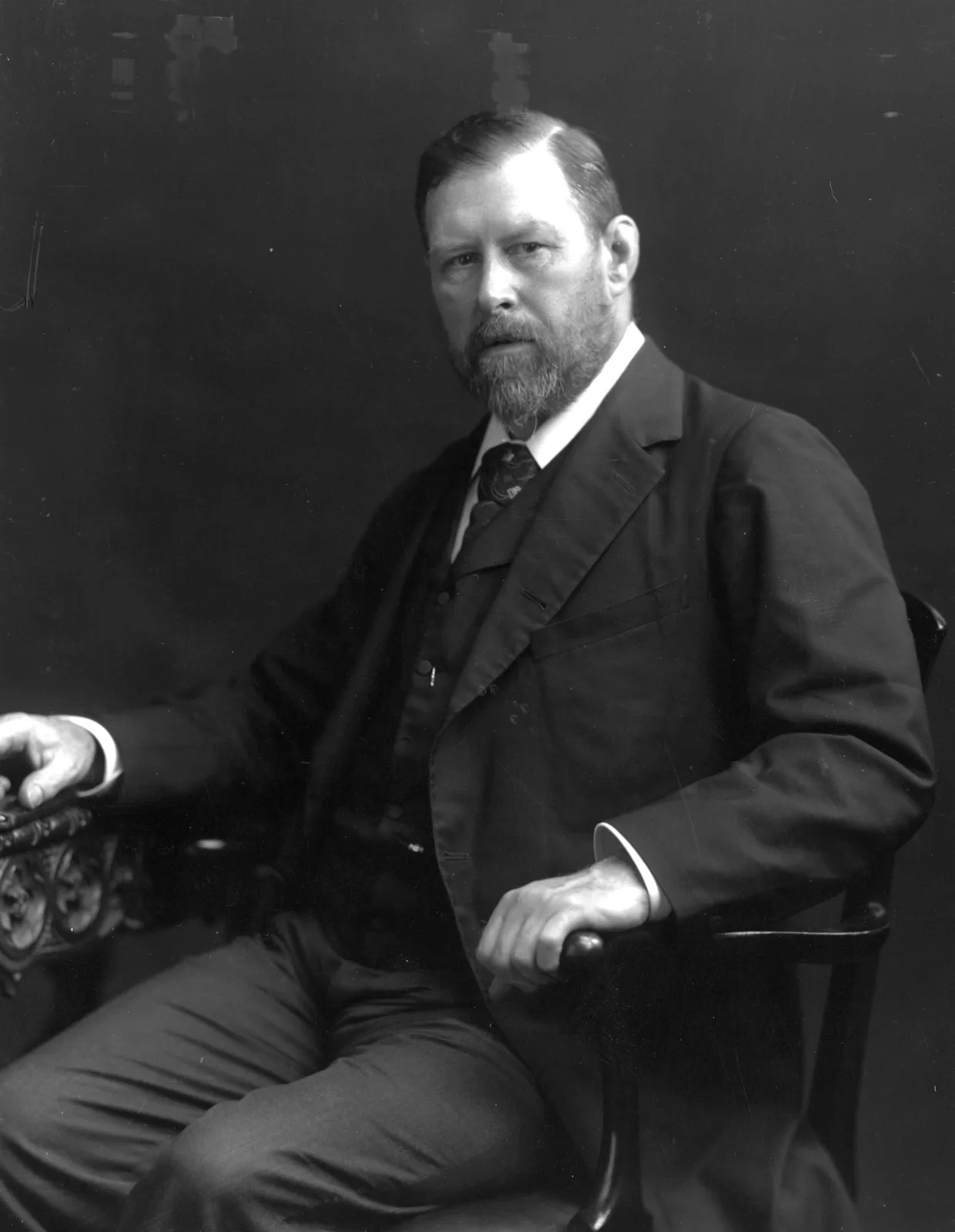
Count Dracula is a fictional character, the creation of Bram Stoker in a novel published in England in 1897. The castle's official website is blunt about it: the count is certainly not Vlad, the real prince of Wallachia, either.
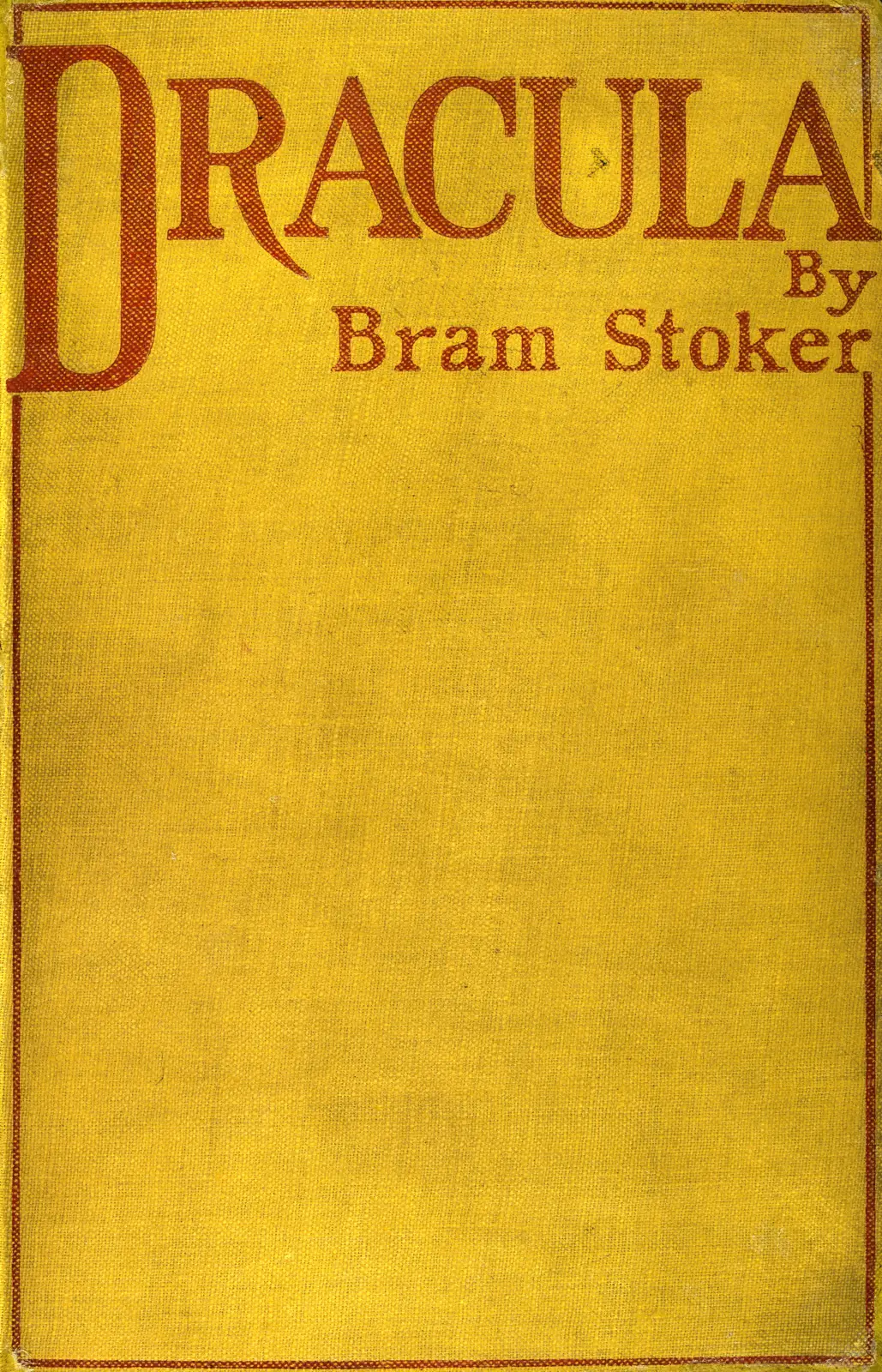

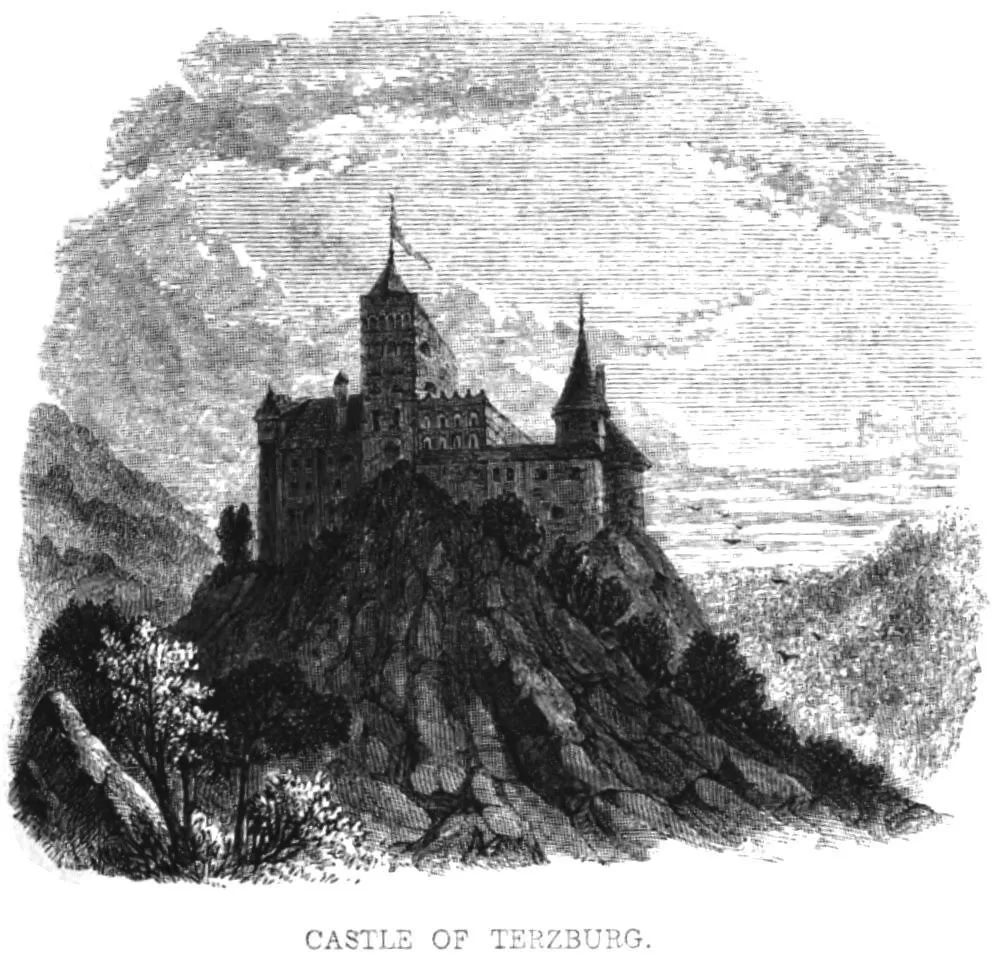
So why this castle? According to the castle, Stoker never set foot in Romania. He is thought to have based Dracula's home on a picture of Bran that was available in England, most likely an engraving in Charles Boner's 1865 book *Transylvania: Its Products and Its People*. That is how the "Dracula's Castle" label came to stick.


A toll fortress built by the people of Brașov
The castle's real story begins in 1377. On 19 November that year, King Louis I of Hungary granted the people of Brașov the right to build a new castle on the rock. The townspeople supplied the stone, lime and wood themselves, and paid the workers out of their own pockets.
The castle's job was to guard the pass. It watched the road between Transylvania and Wallachia and served as a customs post, collecting 3 percent of the value of goods coming in and out of Transylvania. In 1836, when the border moved higher into the mountains, it lost its role as a customs house.

A queen's favourite retreat
On 1 December 1920, Brașov's city council presented the castle to Queen Marie of Romania, in gratitude for her work during the war. Marie restored it with a careful hand, keeping the feel of a mountain fortress while adding running water, electricity and a lift. The fading border fort became a royal home, and her favourite retreat.
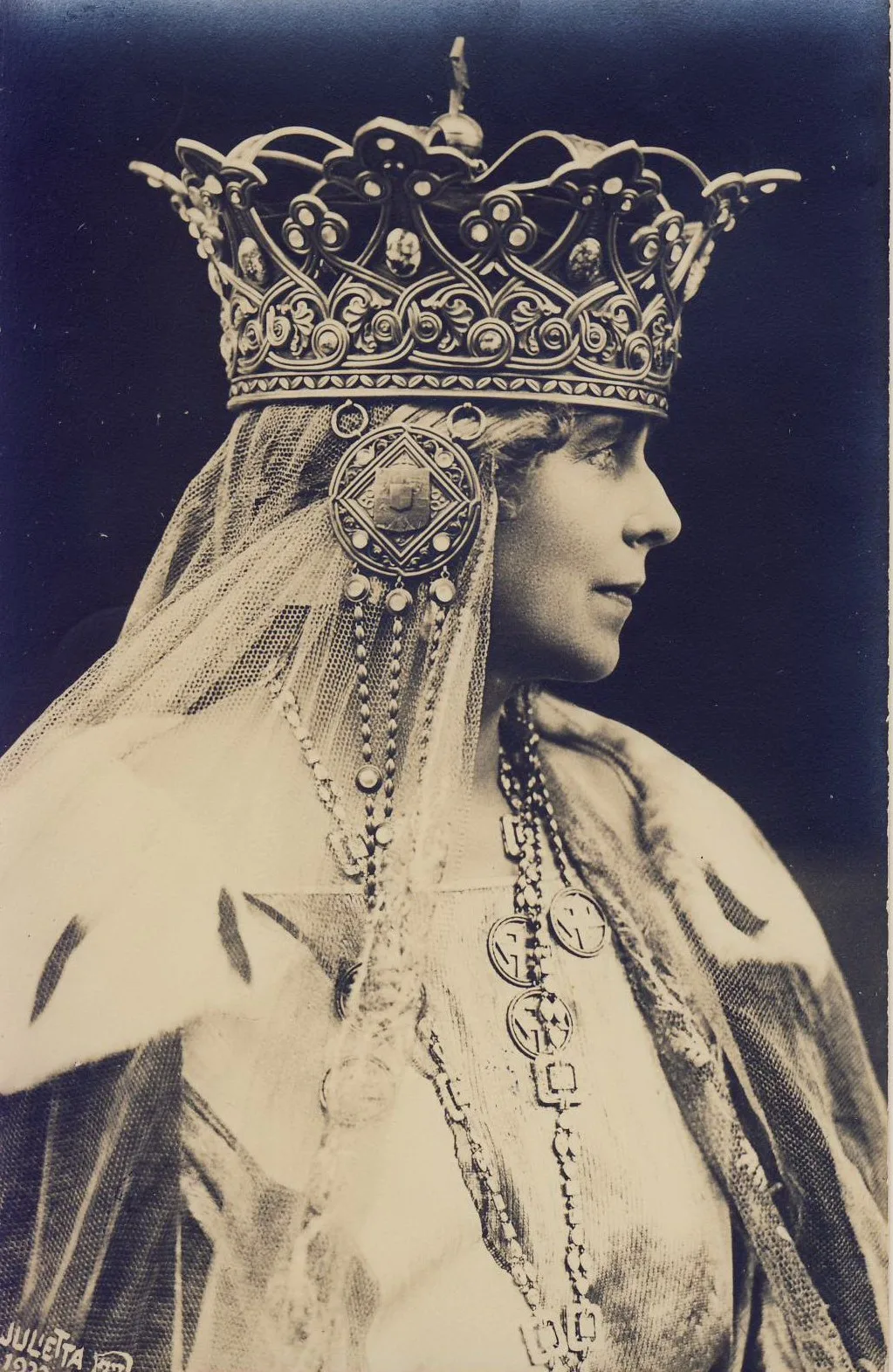

When Marie died in 1938, the castle went to Princess Ileana, who inherited it from her mother. In 1948 the new communist government forced Ileana's family out of the country, and the castle was taken by the state. From 1956 it served as a museum. Then, on 18 May 2006, it was legally returned to Ileana's heirs.
So the castle's true owners were never a vampire count. First came the people of Brașov who guarded the pass, and later Queen Marie and her family.
Telling fiction from history
The castle itself asks visitors to keep the fictional character and Bran's real history apart. By all means come with Dracula in mind. But know the story of a fortress that has watched over this pass for more than six centuries, and the same walls start to look rather different.
Find Bran Castle on Wooriyeojido
Behind the "Dracula's Castle" nickname is a mountain toll fortress and a queen's retreat. Bran Castle is pinned on the Wooriyeojido map. Find Bran Castle in the Wooriyeojido app, and if you go, leave your photos and stories from the day right beside it.
View this place in the Wooriyeojido appVideos of nearby places
 A Pig That Broke a Siege? Lady Carcas and the Name of Carcassonne
 Where Did the Children Follow the Pipe? The Pied Piper of Hamelin
 When Did the Monster Story Begin? Loch Ness, Scotland