Varanasi: The City of Light on the Ganges, Called the World's Oldest
Eighty-four stone ghats line the Ganges at Varanasi, India. Find out why it is counted among the oldest living cities on Earth, and hear the legend of the first ray of light behind its ancient name, Kashi.
Varanasi, on the banks of the Ganges in northern India, is often called the oldest city in the world. Is it really? And its ancient name hides a legend: that this is where the first light ever touched the earth. Start with the short video.

 Watch the one-minute video on YouTube
Eighty-four ghats along the river
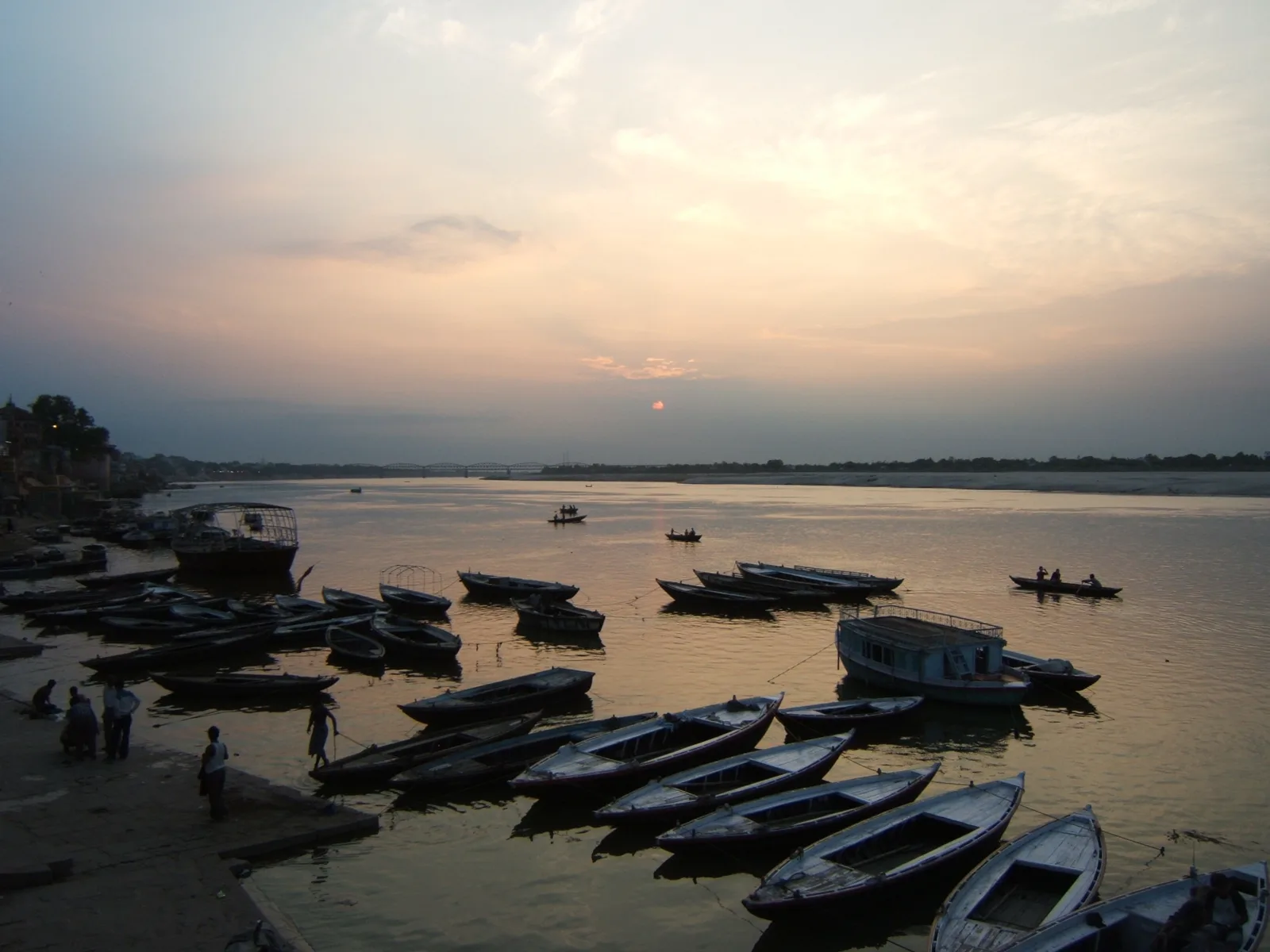
Varanasi lies on the west bank of the Ganges, or Ganga, in the state of Uttar Pradesh. It also goes by the names Kashi and Banaras.
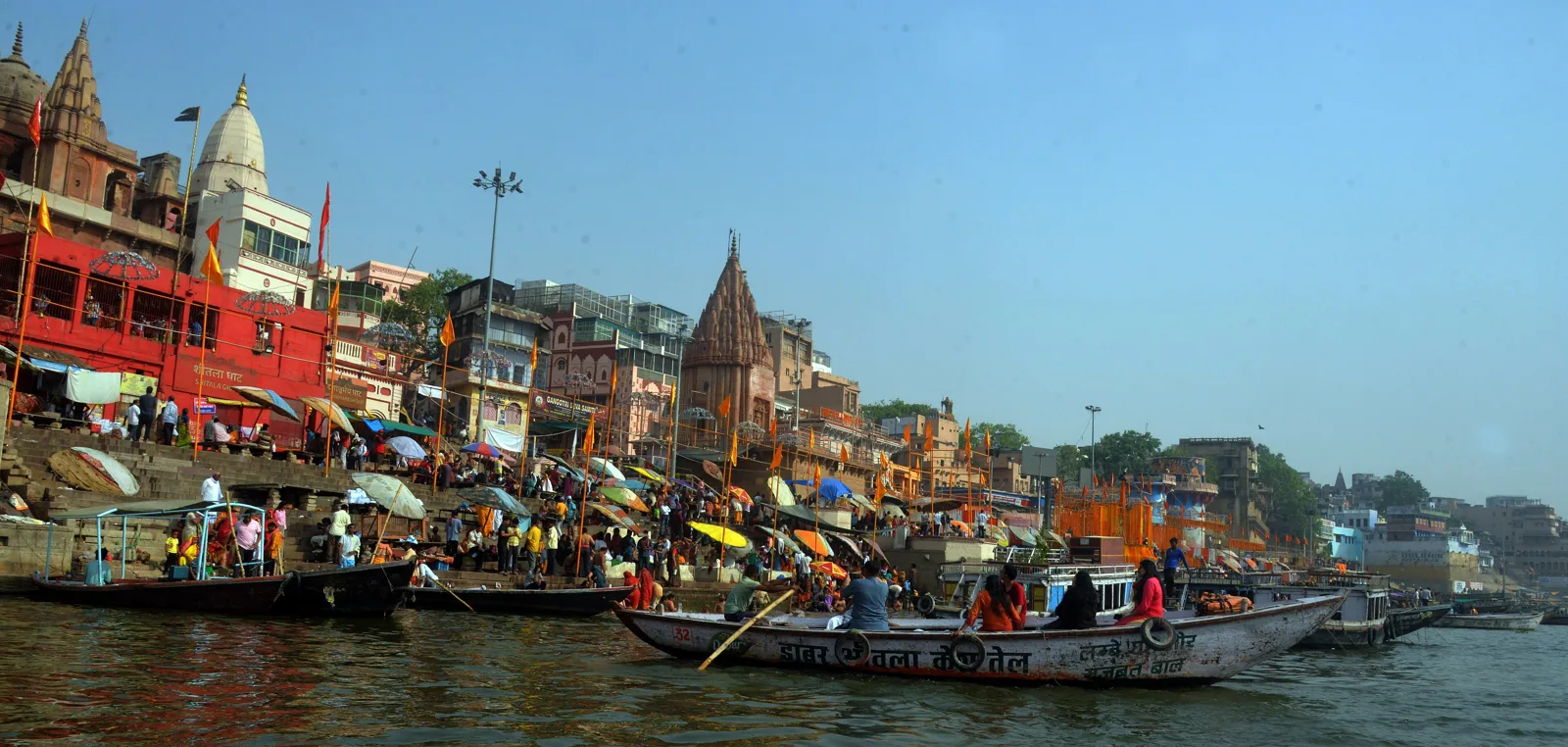
The city's signature sight is its ghats, the broad flights of stone steps that run down to the water. According to the description India submitted in 2021 for UNESCO's World Heritage Tentative List, 84 ghats stretch along a 6.5-kilometre riverfront, each with roughly 40 to 60 steps. Pilgrims walk down them to bathe in the river and pray. Sacred spots on the waterfront date back to the 8th or 9th century, but the stone steps themselves began to go up in the 14th.

The oldest city in the world?
India's Ministry of Tourism and the Varanasi district administration both describe it as one of the oldest living cities in the world. The UNESCO submission says people have lived here continuously since at least 1200 BCE, and that between the 11th and 17th centuries the city was destroyed at least four times, rising again after each.
Yet the district administration also admits that the origins of Varanasi are still unknown. So rather than calling it the oldest city, it is more accurate to say it is one of the cities that lay claim to the title.
Mark Twain put it more memorably in his 1897 travel book Following the Equator: "Benares is older than history, older than tradition, older even than legend, and looks twice as old as all of them put together."
Where the first light fell
An Indian legend holds that this is the place where the first ray of light touched the earth. That is said to be how it got the name Kashi, from the Sanskrit word kash, "to shine," and why Varanasi is still revered as the City of Light. Many believe the city was founded by Lord Shiva himself.
The river has its own symbolism. Here the Ganges makes a sudden turn to the north, curving like a crescent moon, and that shape is often compared to the crescent moon on Shiva's forehead.

Palaces and lamplight
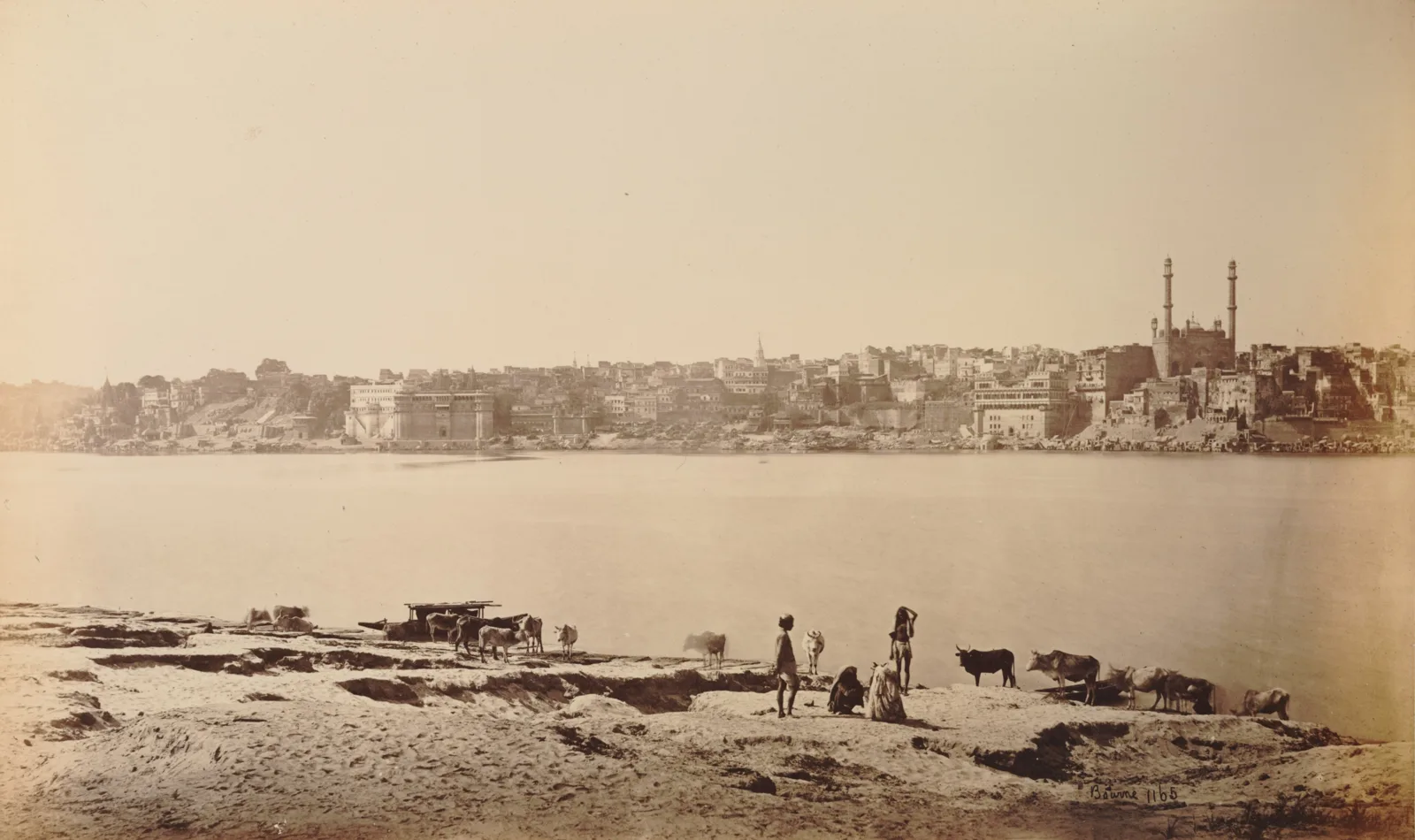
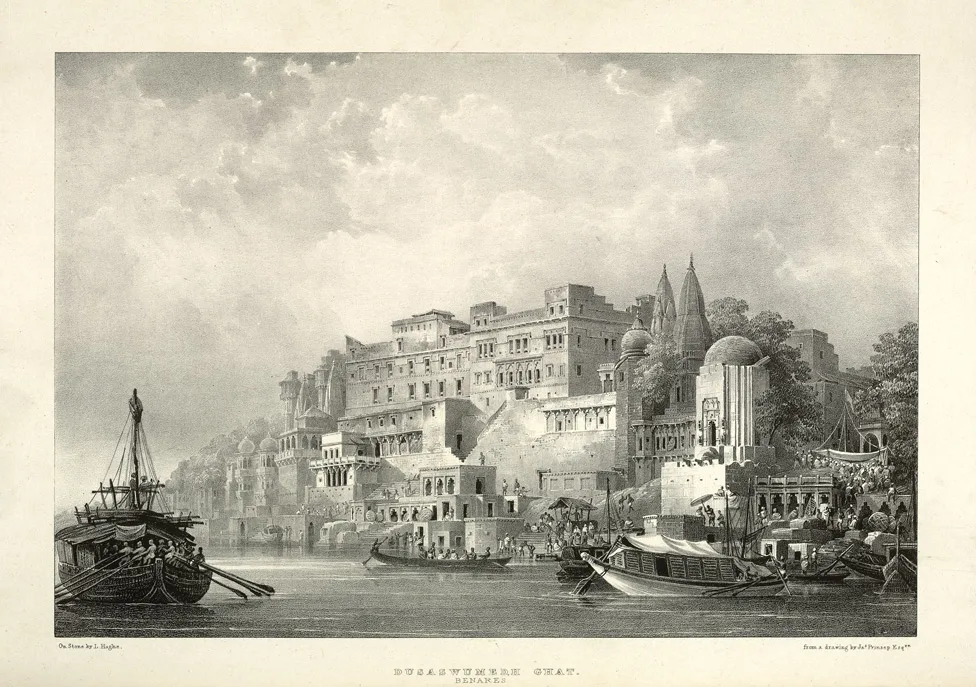
Most of the palatial buildings that now crown the ghats were built in the 18th and 19th centuries under the patronage of the Marathas. Below is Dashashwamedh Ghat as James Prinsep drew it in 1834.

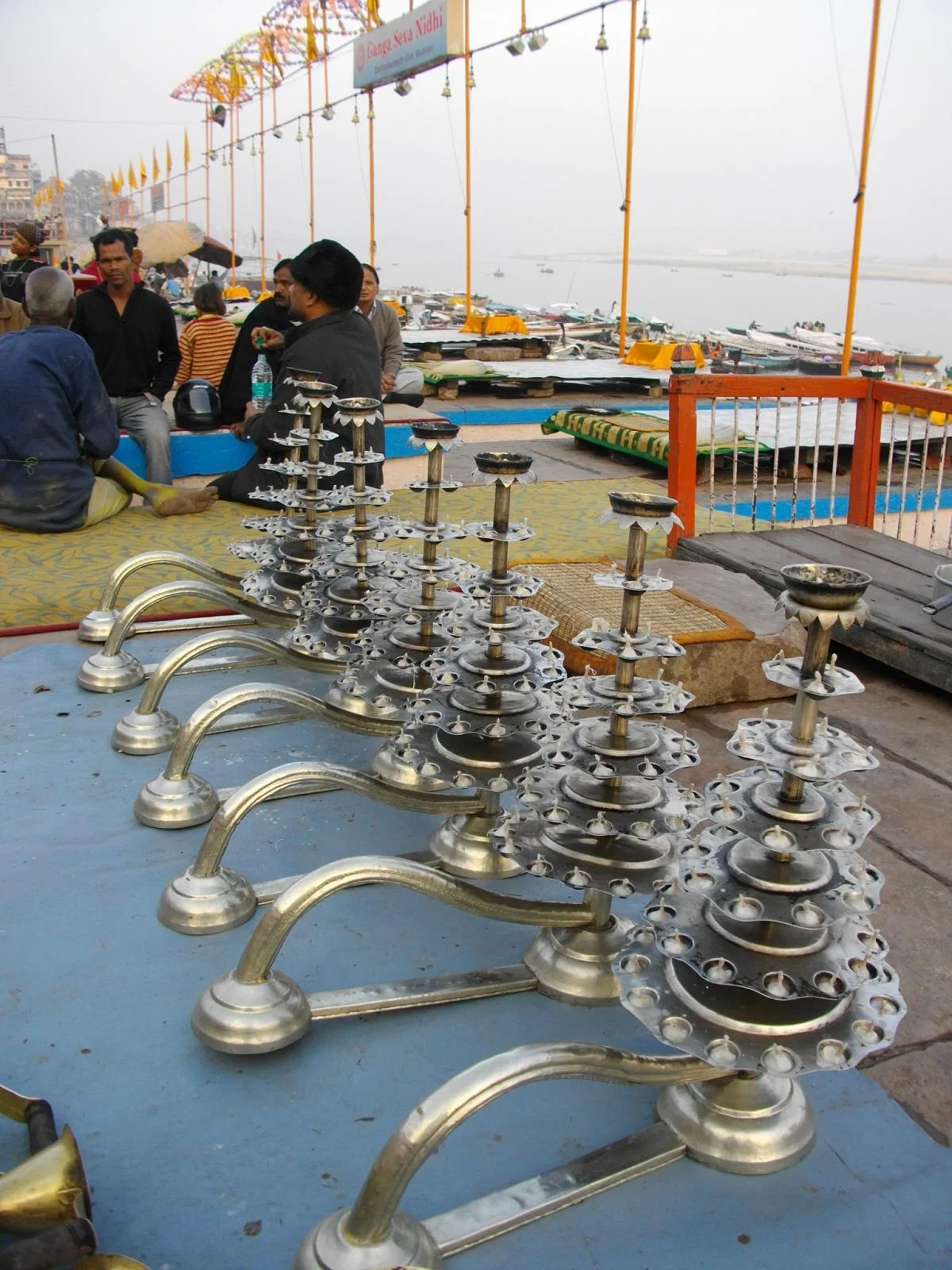
Every evening at Dashashwamedh Ghat, crowds gather for the Ganga aarti, the evening river ceremony. Before it begins, rows of brass lamps are set out ready on the steps.

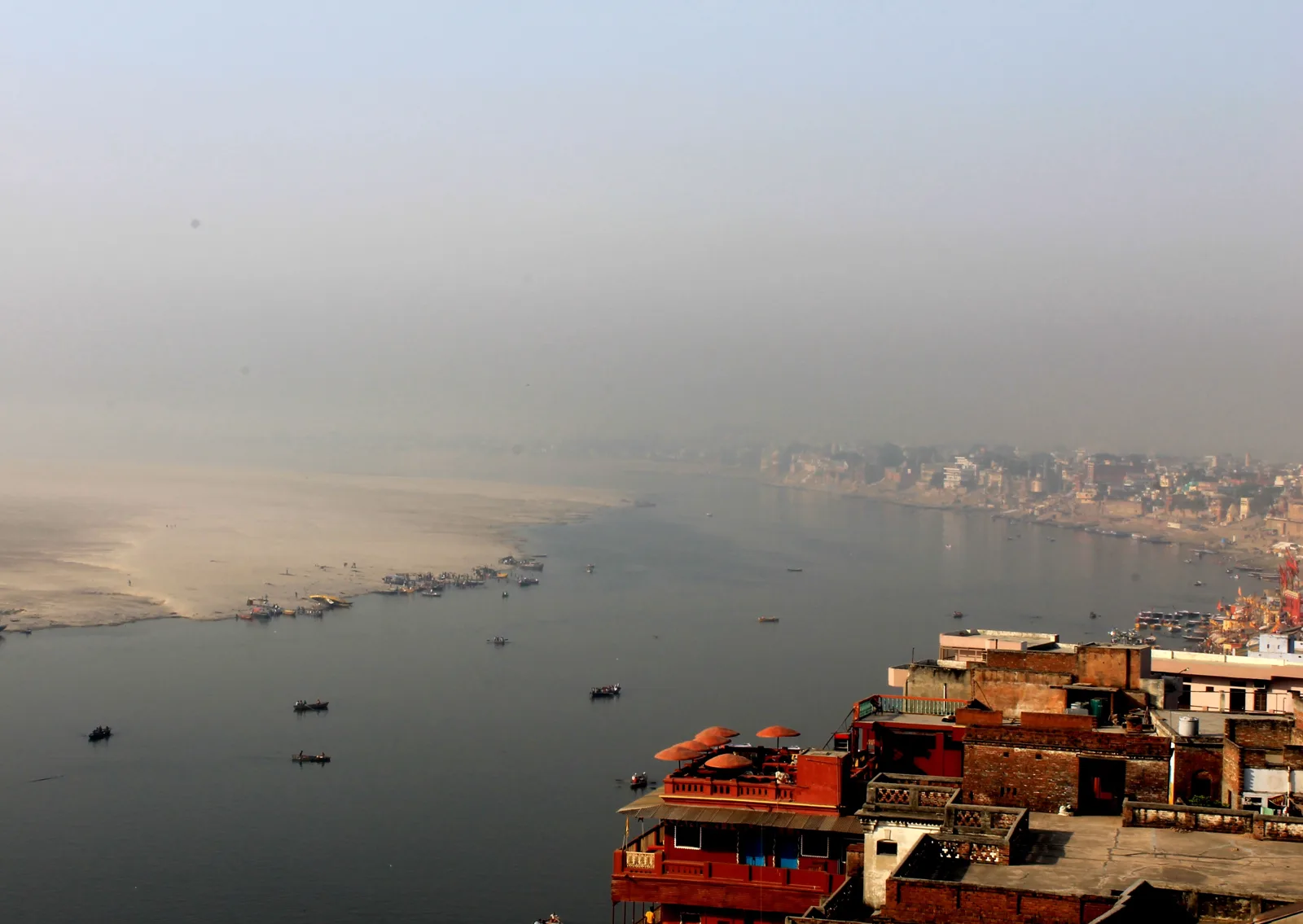
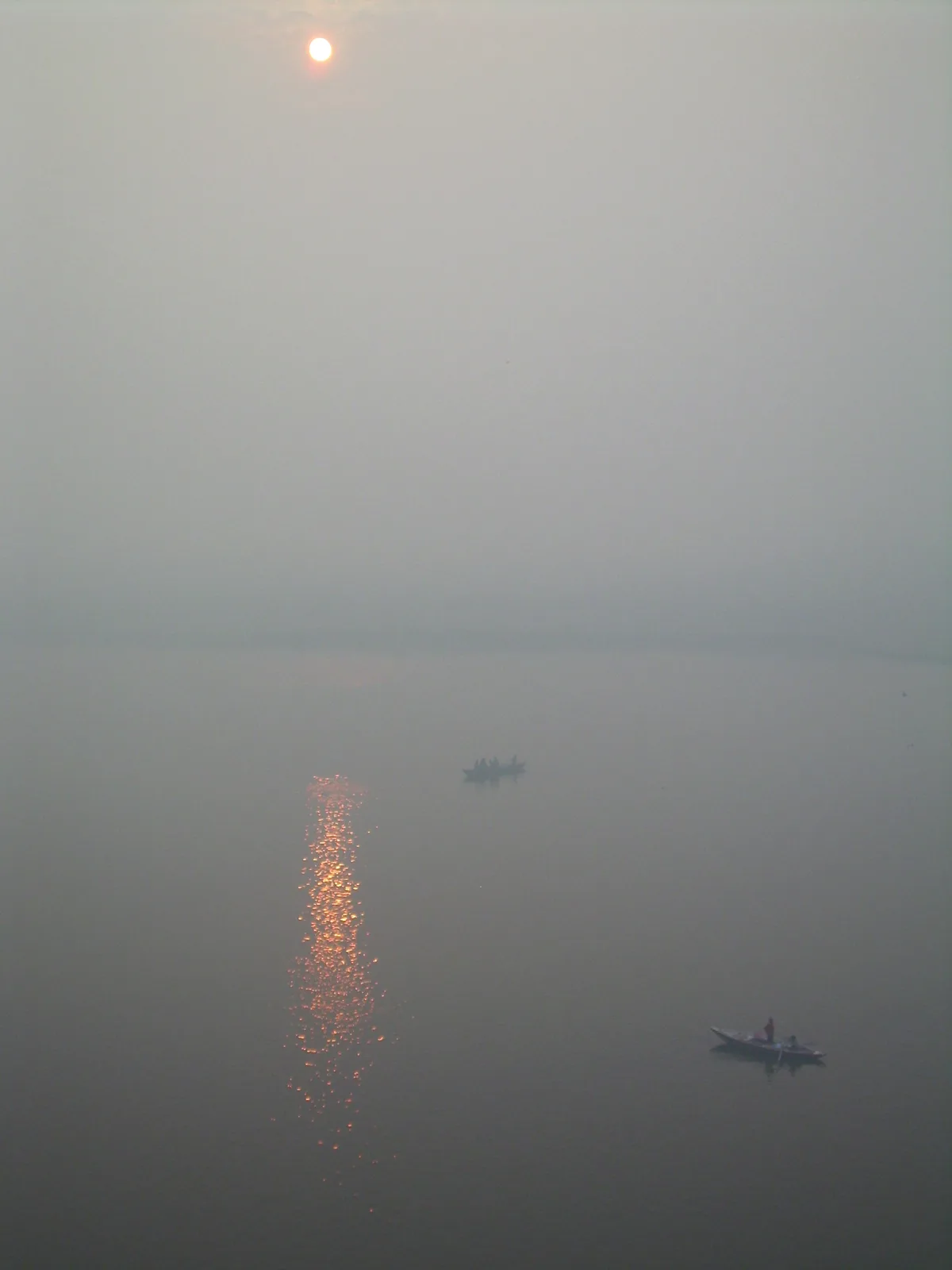
At Dev Deepawali, held fifteen days after Diwali, thousands of lamps light up the ghats. The most pleasant time to visit is from October to March. On winter mornings, fog often settles over the river and the sun rises as a soft, hazy disc.

Find Varanasi on Wooriyeojido
More than three thousand years of life and prayer along one riverbank: Varanasi is pinned on the Wooriyeojido map. Look it up in the Wooriyeojido app, and if you visit, leave your photos and stories from the day right beside it.
View this place in the Wooriyeojido appVideos of nearby places
 Where is the garden where the Buddha was born? Lumbini and Ashoka's pillar
 Where did the Buddha first teach? The Deer Park at Sarnath and the Dhamek Stupa
 The lake dried up and a hill appeared? Swayambhunath