Lumbini: How Do We Know Where the Buddha Was Born?
Lumbini lies on the plains of southern Nepal. Here is the birth story told in Buddhist scripture, and the hard evidence carved into a pillar by Emperor Ashoka in 249 BCE, in a short video and photos.
Where was the Buddha born? Buddhist scripture names a garden called Lumbini. But how can anyone be sure that garden is this exact spot in southern Nepal? The answer is carved into a stone pillar raised in the third century BCE. Start with the short video.

 Watch the one-minute video on YouTube
A garden on the Terai plains
Lumbini sits in the Terai, the flat lowlands of southern Nepal near the Indian border. It was inscribed on the UNESCO World Heritage List in 1997 as "Lumbini, the Birthplace of the Lord Buddha." The site is owned by the government of Nepal and managed by the Lumbini Development Trust. UNESCO describes it as a place that became a center of pilgrimage very early on.
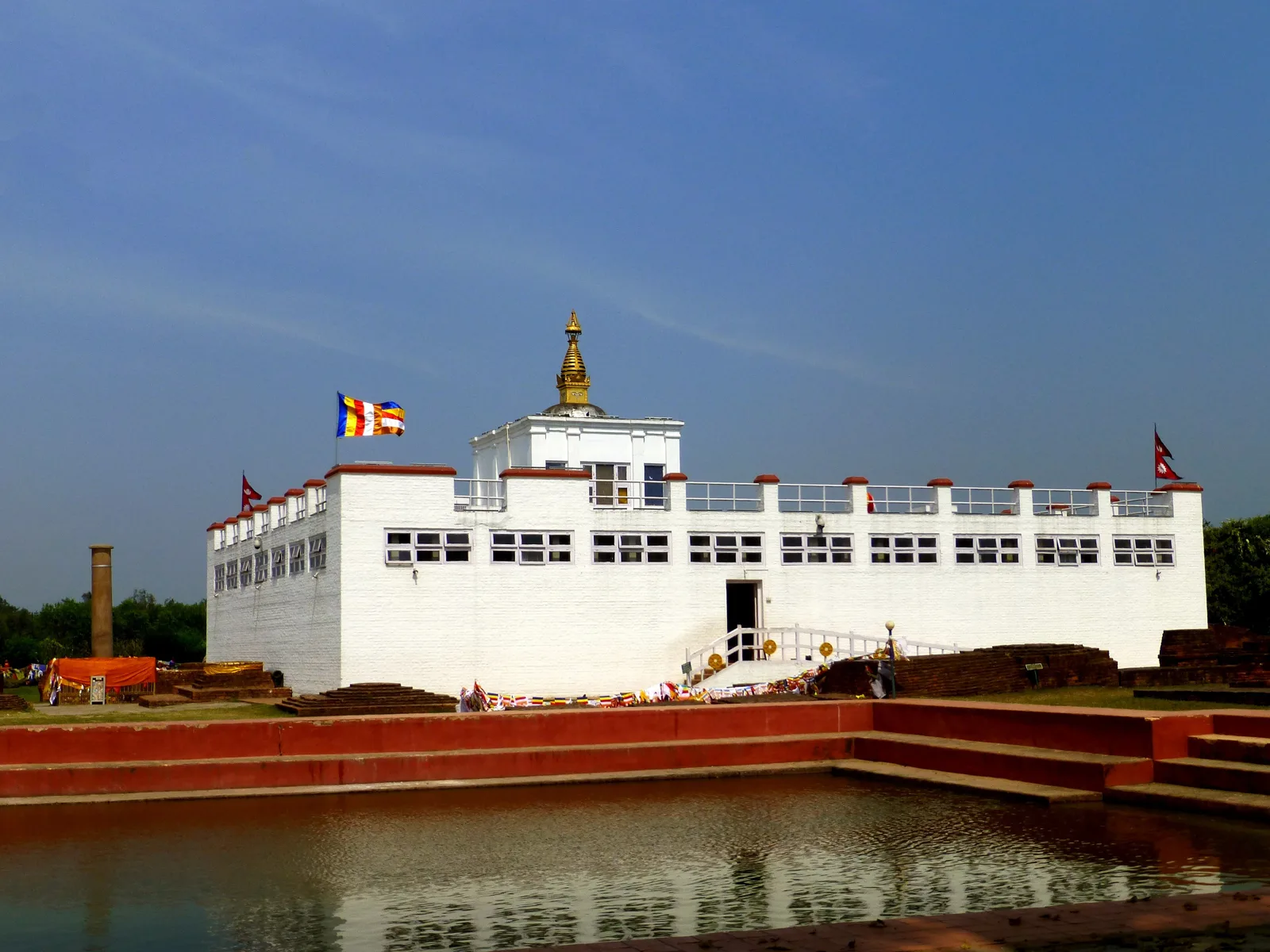
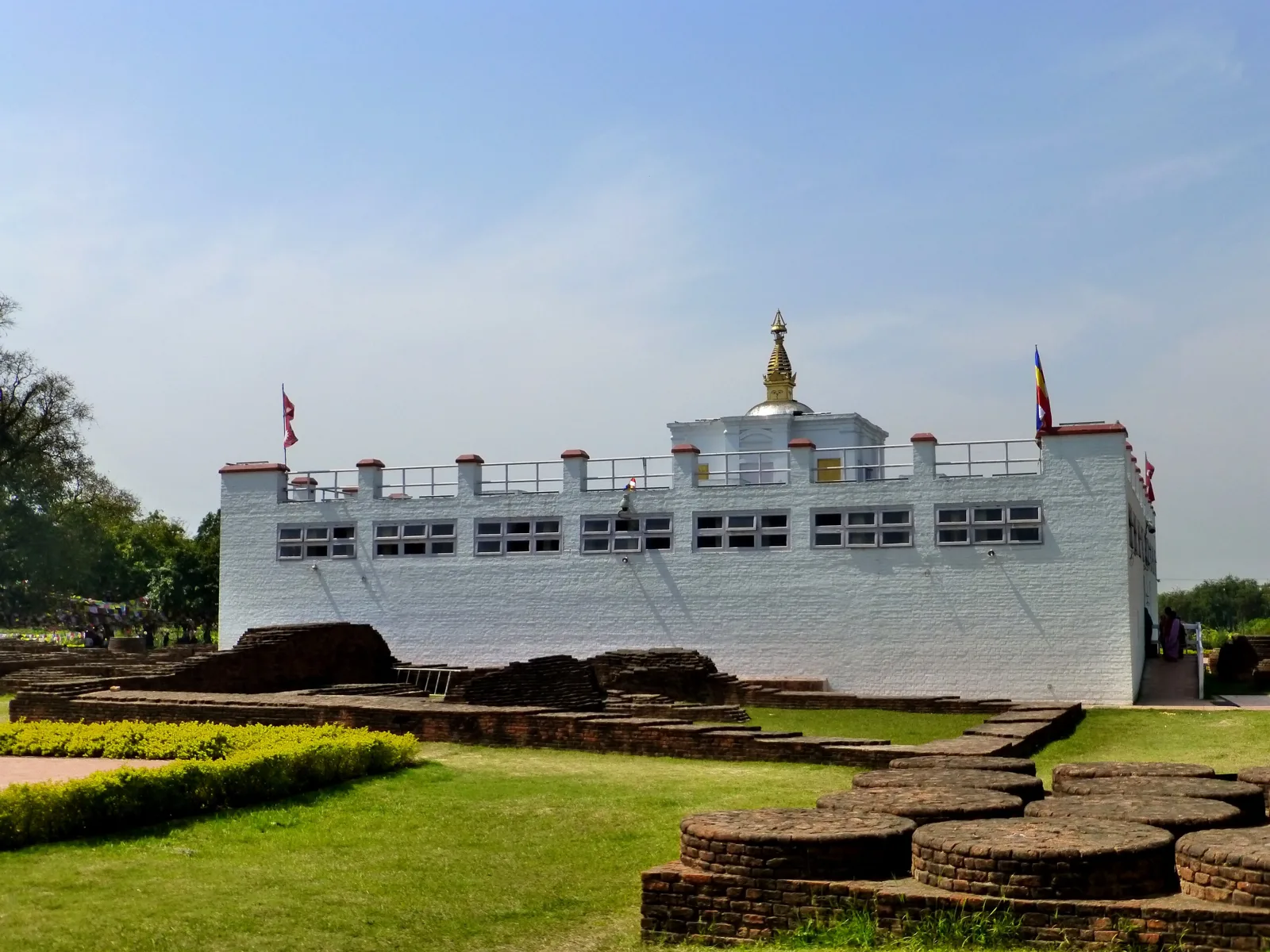
At the heart of the garden stands a white building, the Mayadevi Temple, named for the Buddha's mother, Queen Maya. Inside are very old brick remains.

The birth, as scripture tells it
First, the story handed down in Buddhist texts, as the Lumbini Development Trust summarizes it. Queen Maya was traveling to her family home in Devadaha when she stopped in the garden at Lumbini. She bathed in a pond, walked about 25 paces north, and, holding on to the branch of a tree, gave birth to Prince Siddhartha. According to the scriptures, the newborn prince took seven steps and declared that this would be his last birth.
The pond where the queen is said to have bathed is believed to be today's Puskarini pond. It lies about 25 paces southwest of the stone that marks the birthplace.

Words cut in stone
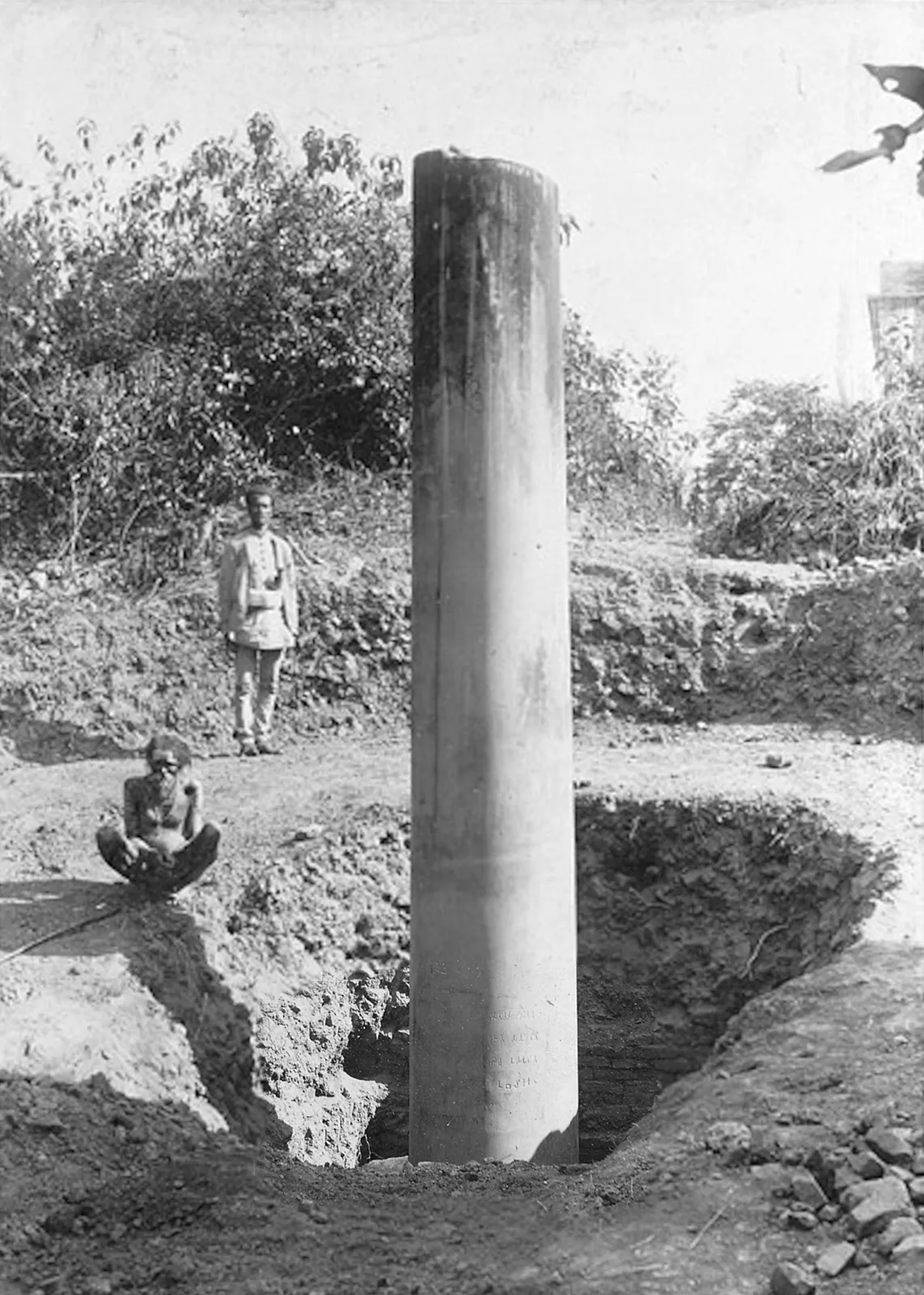
The birth scene belongs to tradition. What pins Lumbini to this spot is an inscription. In 249 BCE, Ashoka, emperor of the Mauryan dynasty, came here and set up a sandstone pillar. It stands 9.41 meters (about 31 feet) tall, and nearly half of it is underground.
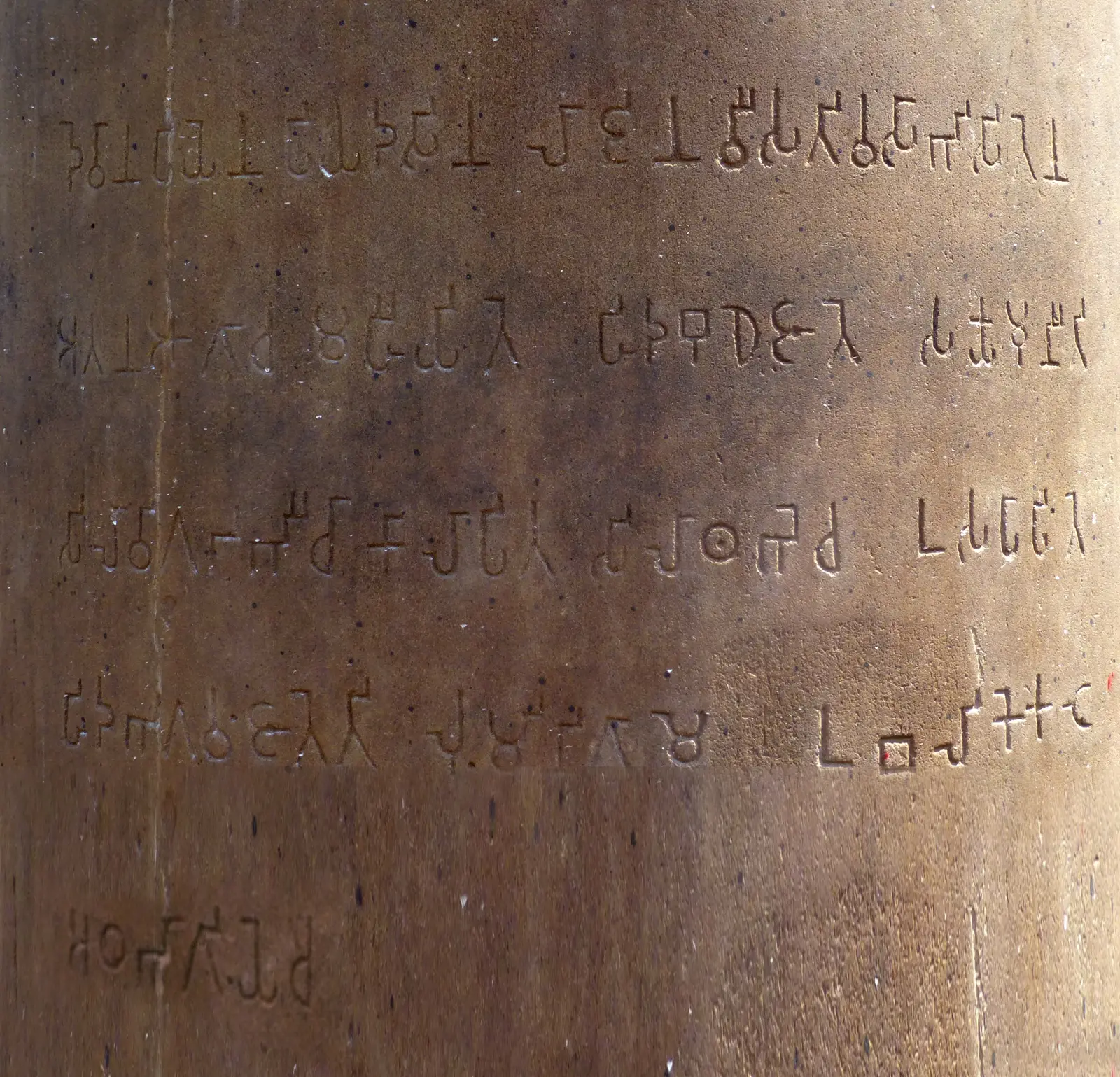

The inscription is usually translated along these lines: "King Piyadasi, in the twentieth year of his reign, himself made a royal visit. Sakyamuni Buddha was born here... The lord having been born here, the tax of the Lumbini village was reduced to the eighth part." In other words, the village got a tax break for being the Buddha's birthplace. UNESCO cites the inscription as the evidence that this is where the Buddha was born.
The pillar was rediscovered in 1896. The Lumbini Development Trust calls it the most reliable testament to the birthplace.

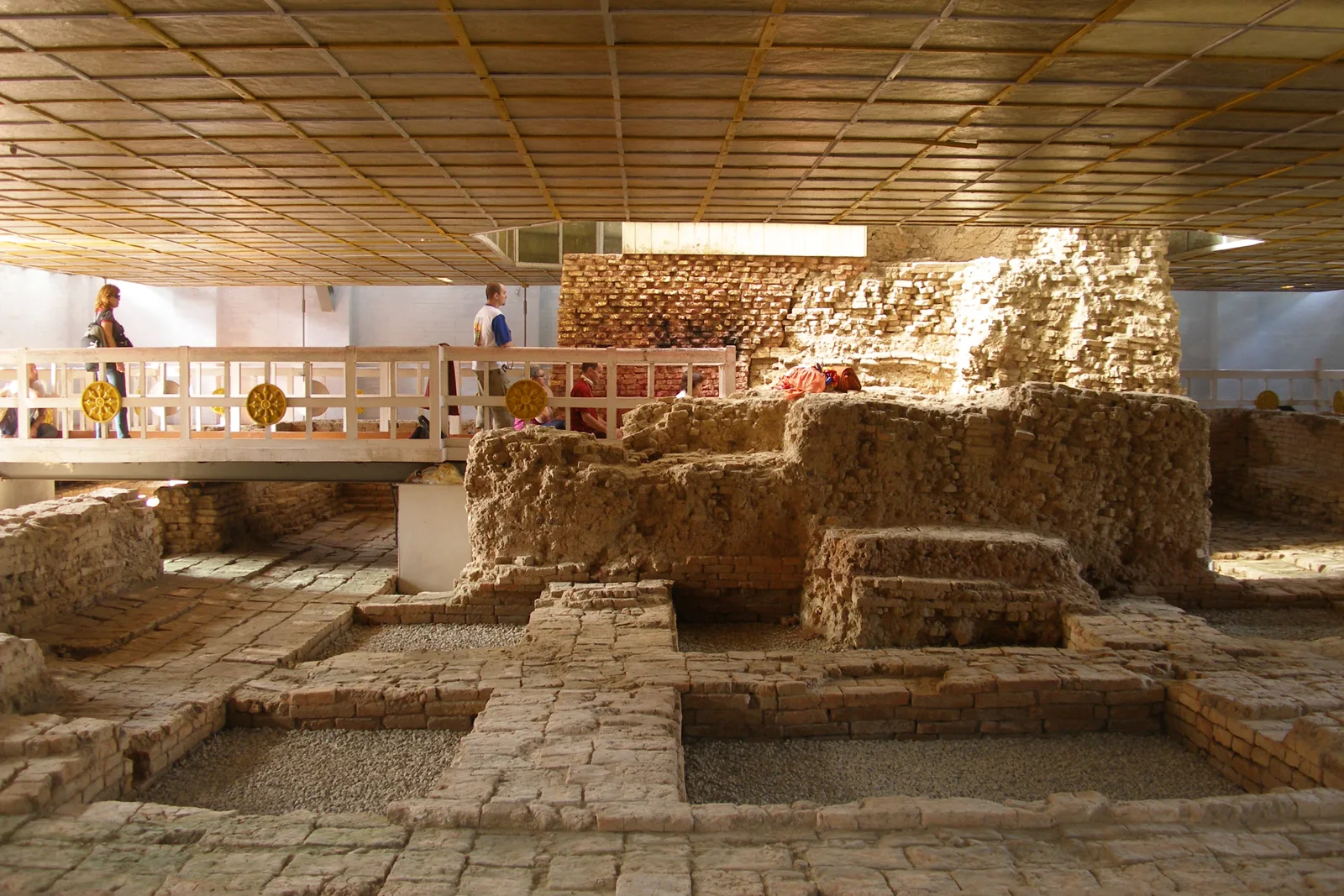
Layers of brick beneath the temple
Inside the Mayadevi Temple, brick structures from the third century BCE to the present day are stacked one on another. Excavations between 1992 and 1996 turned up a stone resting on a platform of seven courses of third-century-BCE brick. The trust says this marker stone designates the exact spot of the birth. The white temple standing today was rebuilt by the trust in 2003.

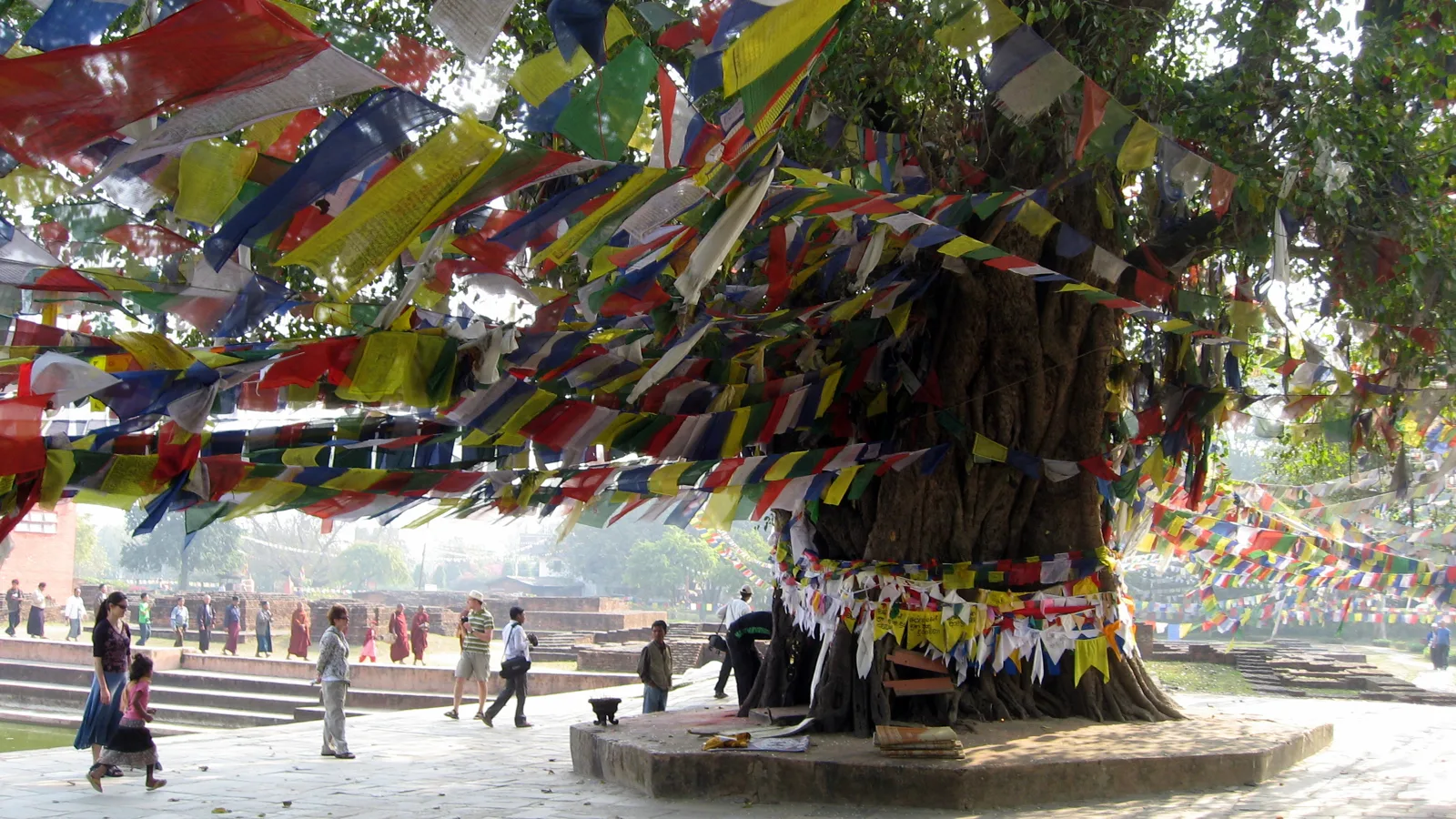
The great tree by the pond
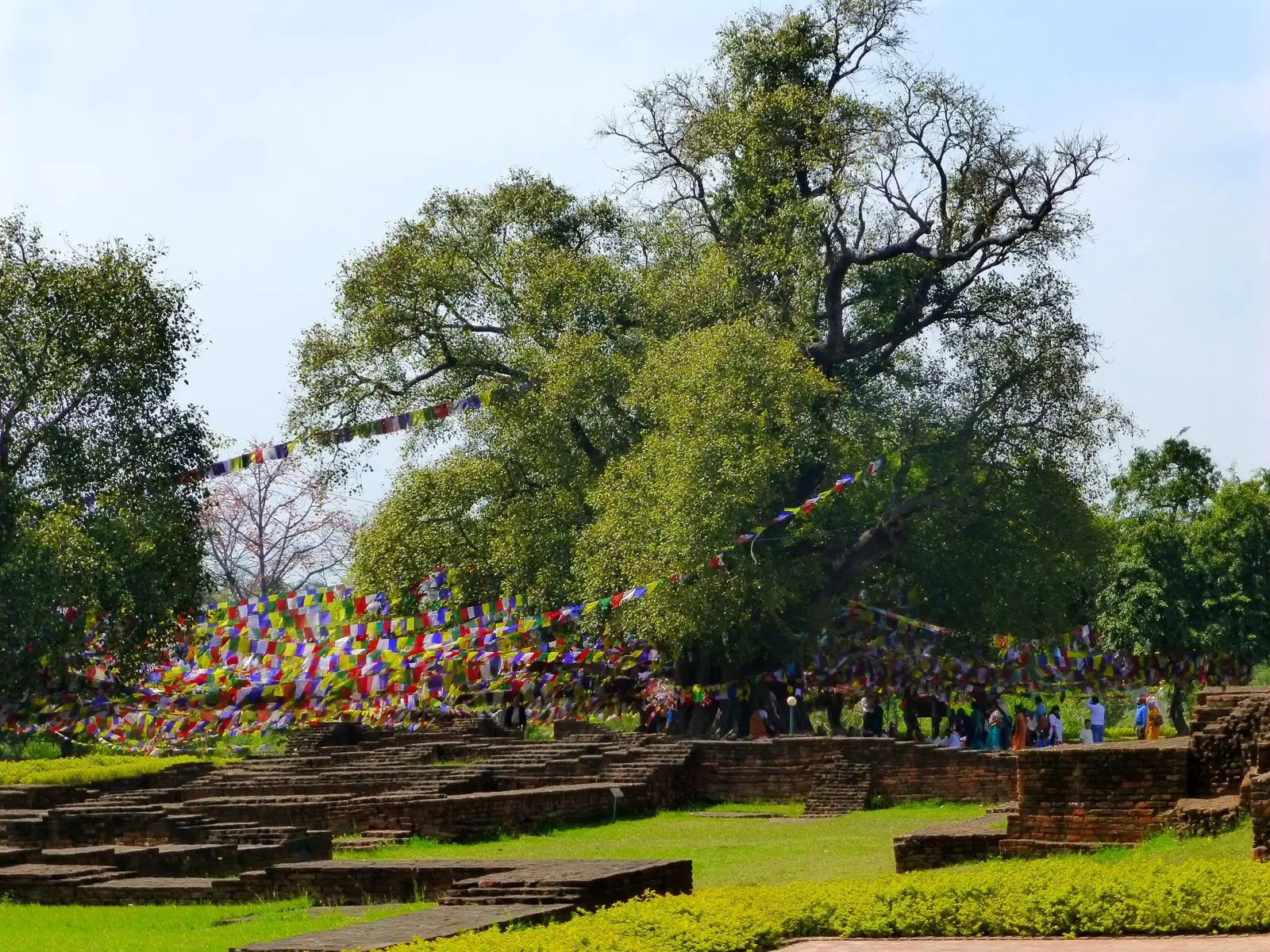
Beside the pond rises a huge tree, its branches strung with rows of prayer flags, and visitors come and go beneath it.

Before you go
The Lumbini Development Trust asks visitors to take off their shoes before entering the Mayadevi Temple and to dress modestly.
Find Lumbini on Wooriyeojido
A birth story kept alive by scripture, and a line of text carved in stone in 249 BCE: Lumbini holds both. It is pinned on the Wooriyeojido map. Find Lumbini in the Wooriyeojido app, and if you go, leave your photos and your story right beside it.
View this place in the Wooriyeojido appVideos of nearby places
 Where is the Deer Park where the Buddha first taught? Sarnath, Dhamek Stupa
 The lake dried up and a hill appeared? Swayambhunath
 Called the oldest city in the world? Varanasi on the Ganges, India