Sabarmati Ashram: Where Gandhi's Salt March Began
Gandhi's ashram on the banks of the Sabarmati River in Ahmedabad, India. Why a 1930 walk to the sea to pick up a lump of salt shook the British Empire, told through a short video and photos.
How could picking up a handful of salt on a beach shake an empire? In 1930, Mahatma Gandhi set out on foot from a riverside settlement in Ahmedabad, in western India, and walked to the sea. That first step was taken at Sabarmati Ashram. Start with the short video.
 Watch the one-minute video on YouTube
Gandhi's home by the river
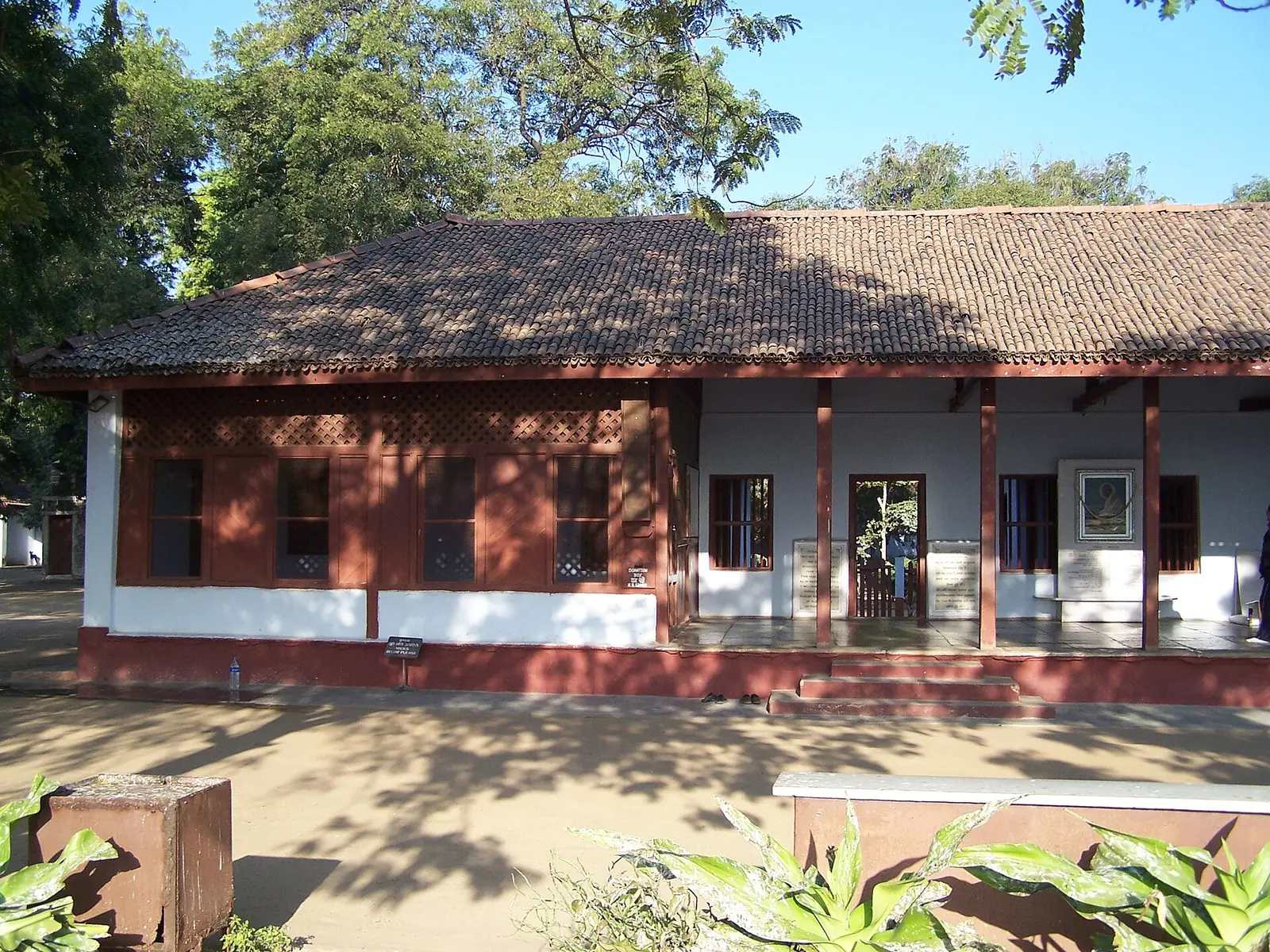
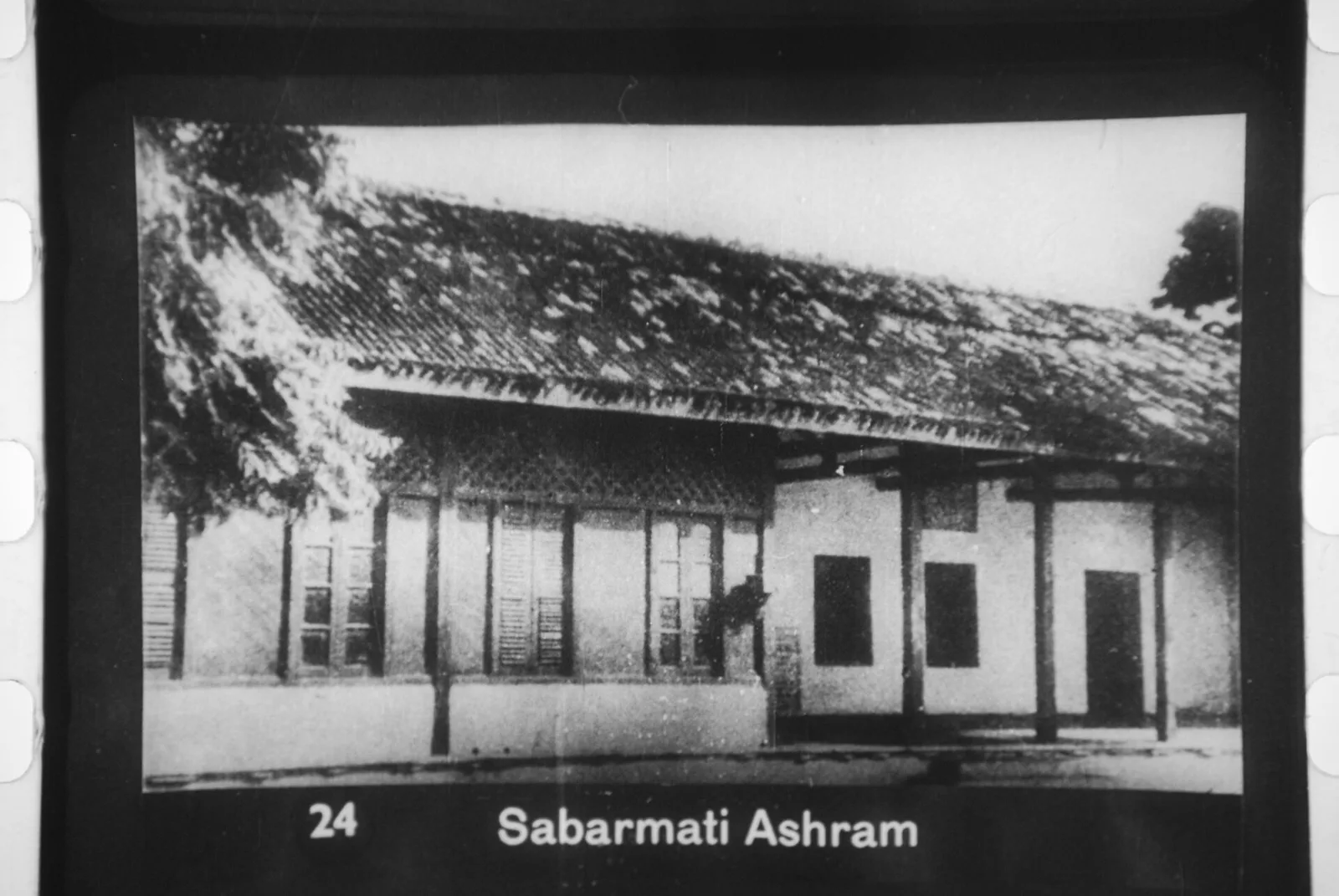
Sabarmati Ashram stands on the banks of the Sabarmati River in Ahmedabad, in the state of Gujarat. Gandhi lived here, and his modest house, with its low tiled roof, still stands. In the spring of 1930, the Salt March set off from this very spot.
Why salt?
India was then under British rule, and salt was a British monopoly. Indians who made or sold their own salt were breaking the law. Even gathering the salt that formed naturally along the shore was forbidden.
Everyone eats salt, every day, so the law fell hardest on the poor. On 2 March 1930, Gandhi wrote to the British viceroy that, from the poor man's standpoint, the salt tax was "the most iniquitous of all."
6:30 a.m., 12 March 1930
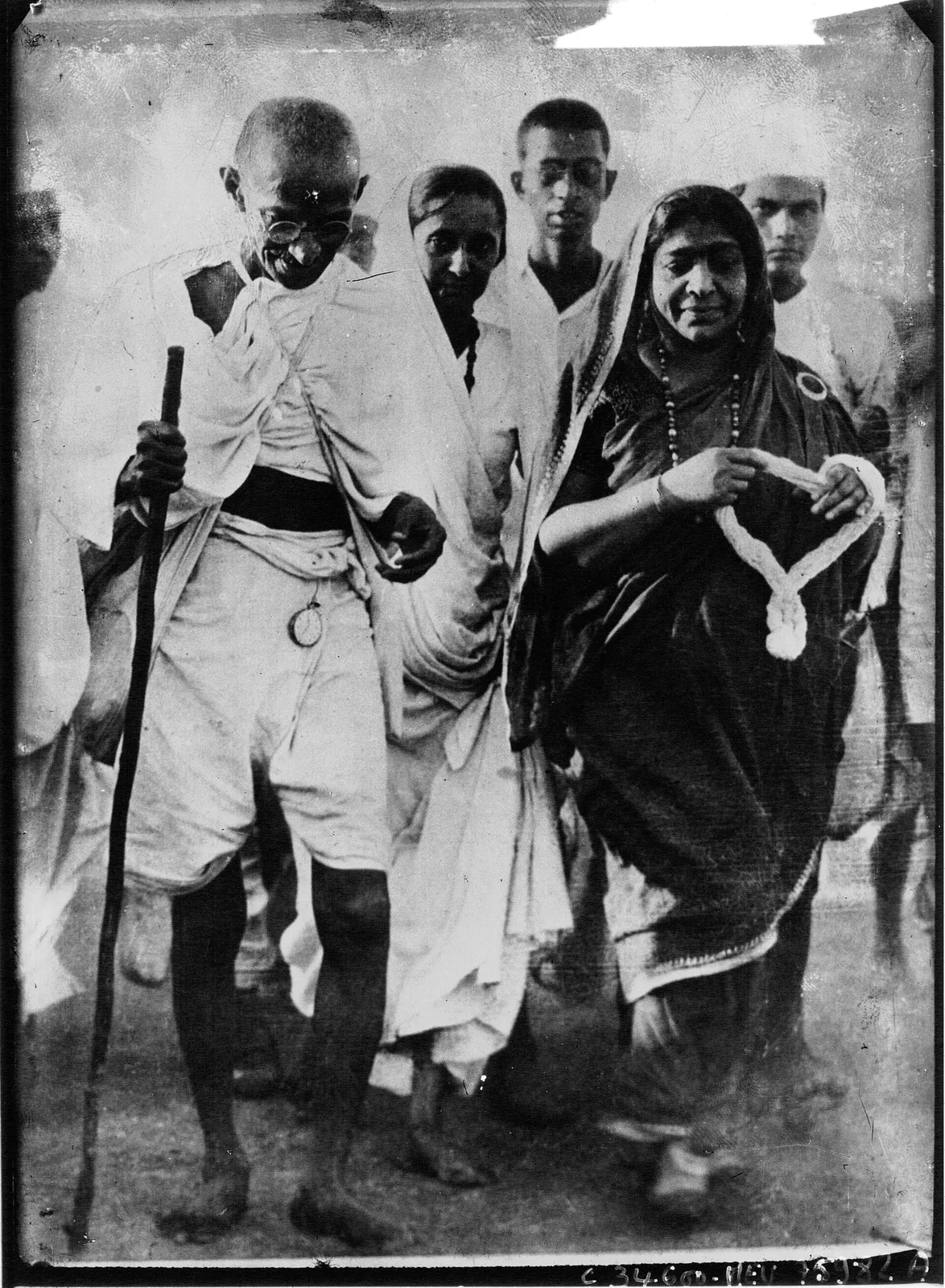
At half past six on the morning of 12 March, Gandhi, then 61, left the ashram with a staff in his hand. Close to eighty followers walked with him. Before setting out, he vowed not to return to the ashram until the Salt Act was repealed and India had won self-rule.
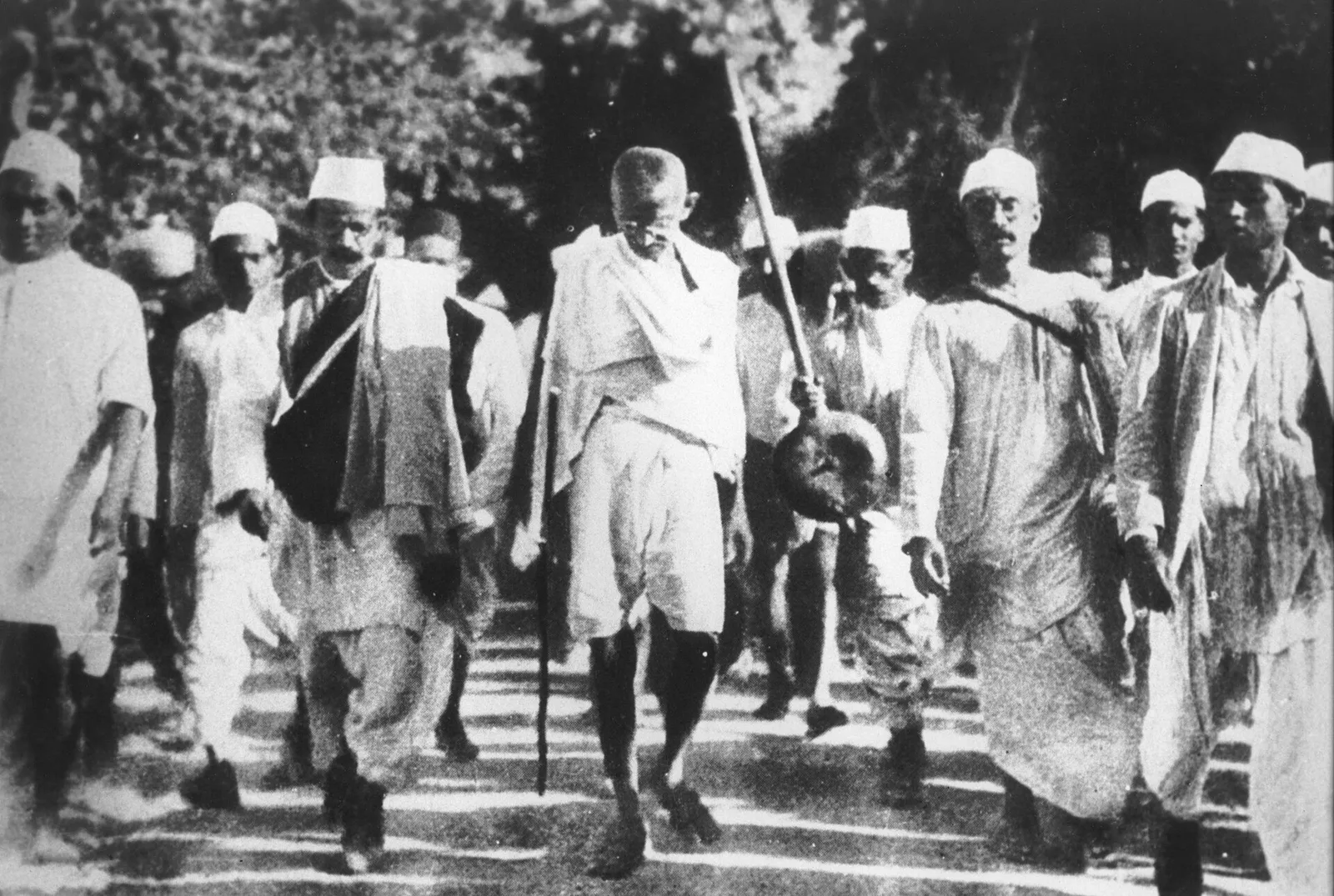
Their destination was Dandi, a seaside village in Gujarat, about 390 kilometres away. Gandhi covered ten miles or more each day and spoke at meetings along the route. Villagers watered the roads and decorated them with arches and flags to welcome the marchers, and more and more people joined in.
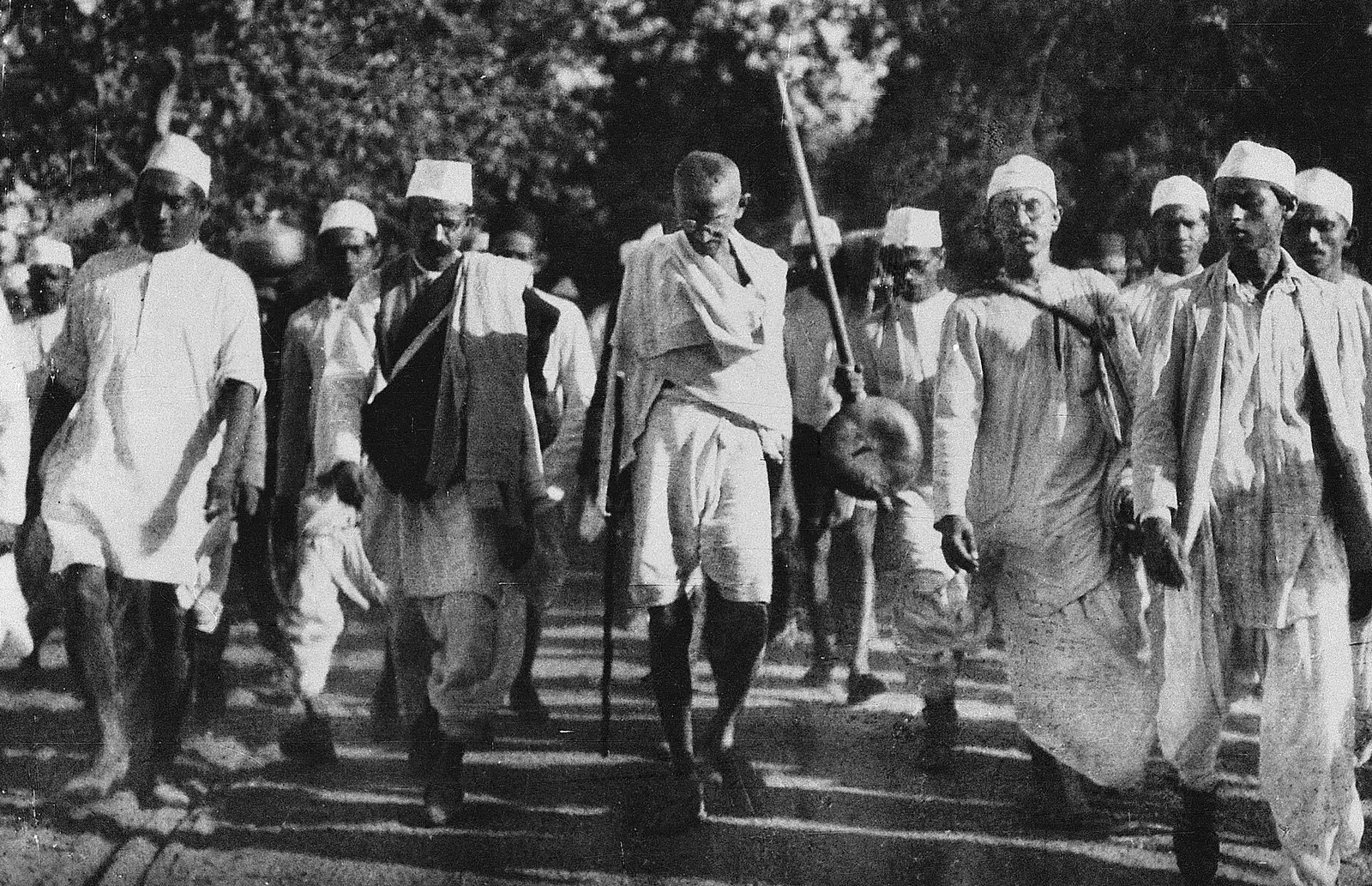
The independence leader Sarojini Naidu also joined the march.
6 April, on the beach at Dandi
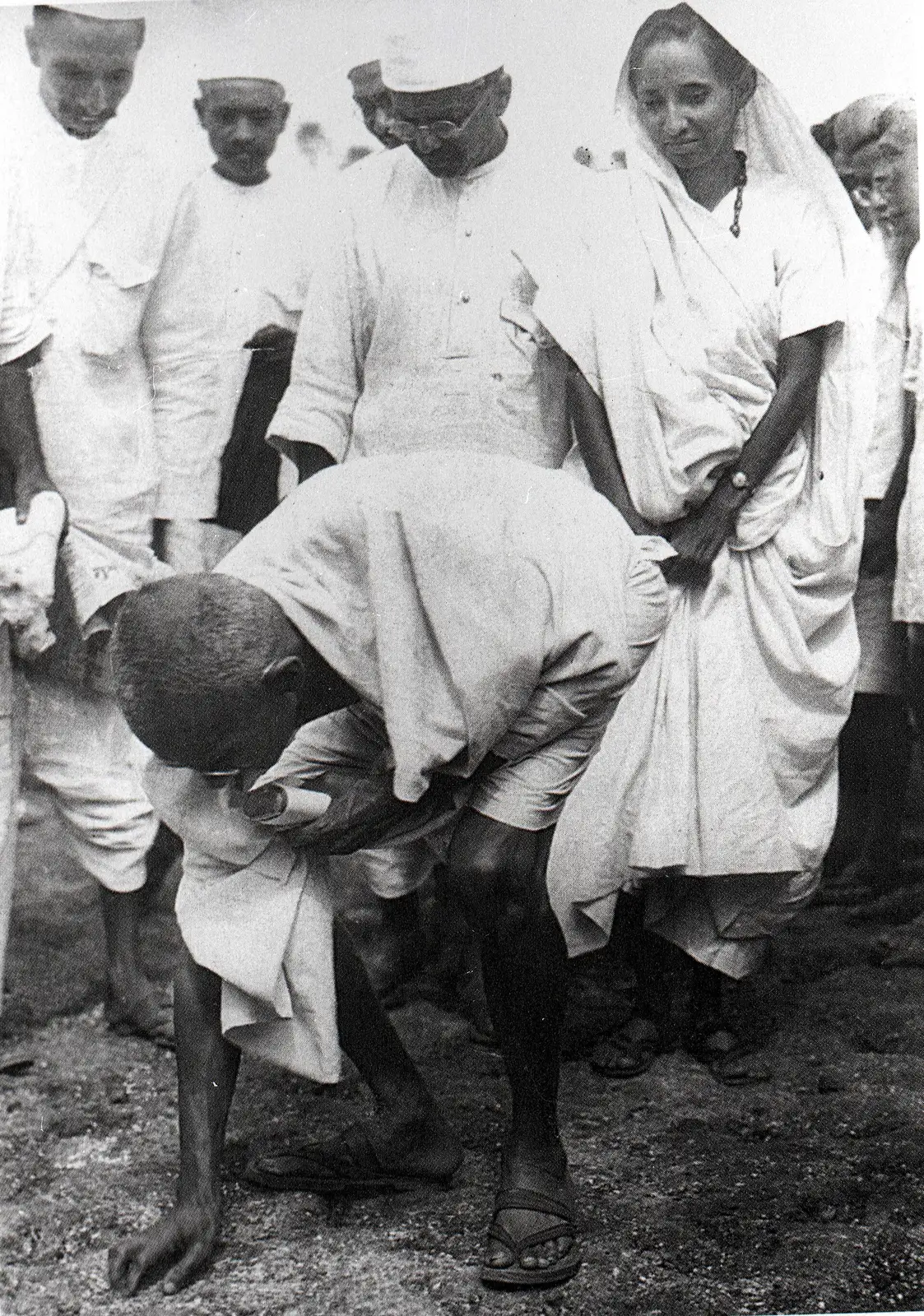
After 24 days on the road, the marchers reached Dandi. On the morning of 6 April, after prayers and a bath in the sea, Gandhi picked up a lump of salt at 8:30 a.m. With that small gesture he broke the Salt Law, deliberately and in public.
The National Salt Satyagraha Memorial at Dandi records his words that day: "With this salt I am shaking the foundations of the British empire."
A nation starts making salt
Gandhi then declared that anyone willing to risk prosecution could make salt wherever they wished. Across India, people did exactly that. Millions broke the Salt Law and accepted prison rather than back down. Gandhi himself was arrested shortly after midnight in early May.
Later that month, police beat a peaceful, unarmed group of volunteers outside the salt works at Dharasana. The American reporter Webb Miller telegraphed the story, and it appeared in 1,350 newspapers around the world. Suddenly everyone could see what was happening in India.
Why a small act carried so much weight
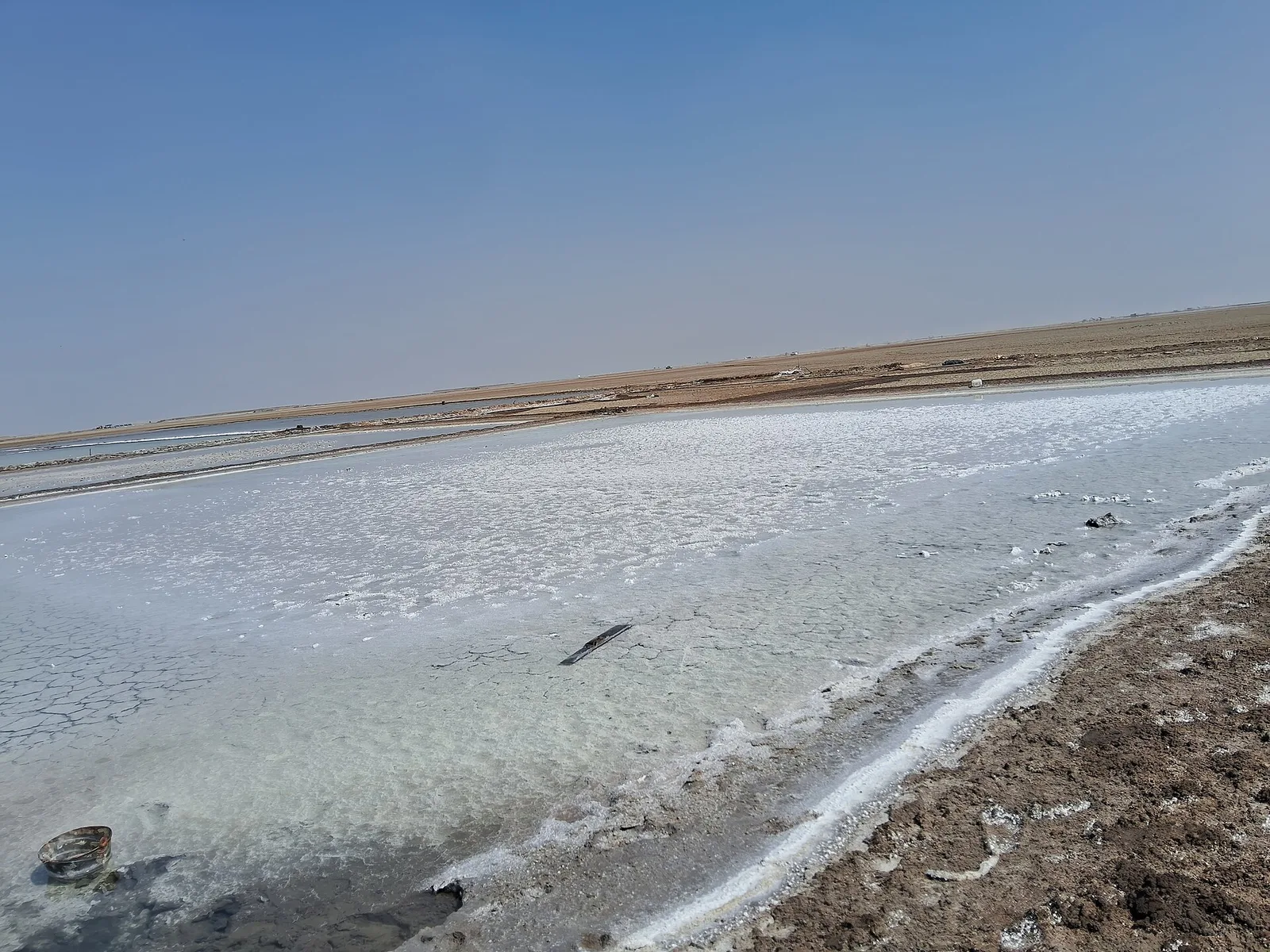
Because everyone ate salt, anyone could join in. Without weapons, with nothing more than a pinch of salt picked up on a beach, ordinary people defied an unjust law, and that defiance shook colonial rule. India's Prime Minister's Office describes the Salt March as the moment "a pinch of salt rocked the colonial rule." Seventeen years later, in 1947, India won its independence.
Find Sabarmati Ashram on Wooriyeojido
Sabarmati Ashram, the riverside home where the Salt March took its first step, is pinned on the Wooriyeojido map. Look it up in the Wooriyeojido app, and if you visit, leave your photos and stories from the day right beside it.
View this place in the Wooriyeojido appVideos of nearby places


Sources
- Press Information Bureau, Government of India — Dandi March and India's Freedom Struggle (2021)
- National Salt Satyagraha Memorial, Dandi
- National Salt Satyagraha Memorial — About
- Prime Minister's Office of India — Honouring the legacy of Mahatma Gandhi (2019)
- Mahatma Gandhi Foundation (mkgandhi.org) — Salt Satyagraha and Dandi March
- Gandhi through Stories and Interactions (gandhistory.in) — The Awakening: Salt Satyagraha