The Berlin Wall: how a wall that stood for 28 years opened in one night
Thrown up overnight in the summer of 1961, the Berlin Wall divided the city for 28 years, then suddenly opened on the night of 9 November 1989. Why it was built, how it fell, and the memorial on Bernauer Strasse.
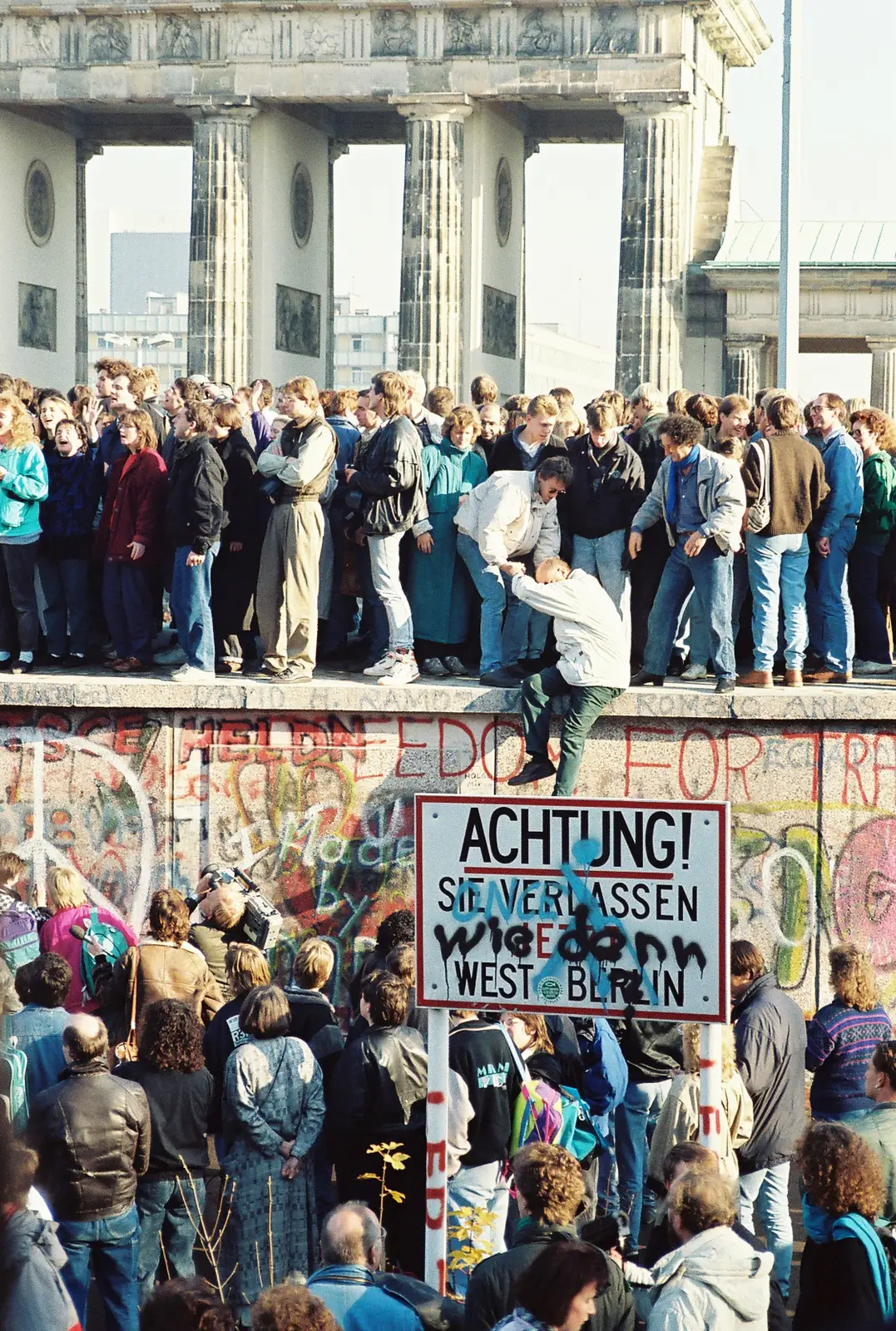
In November 1989, Berliners climbed onto the Wall and cheered. For 28 years it had cut their city in two, and on the night of 9 November it opened, almost overnight. Why was it built, and why did it give way so suddenly? Start with the short video.

 Watch the one-minute video on YouTube
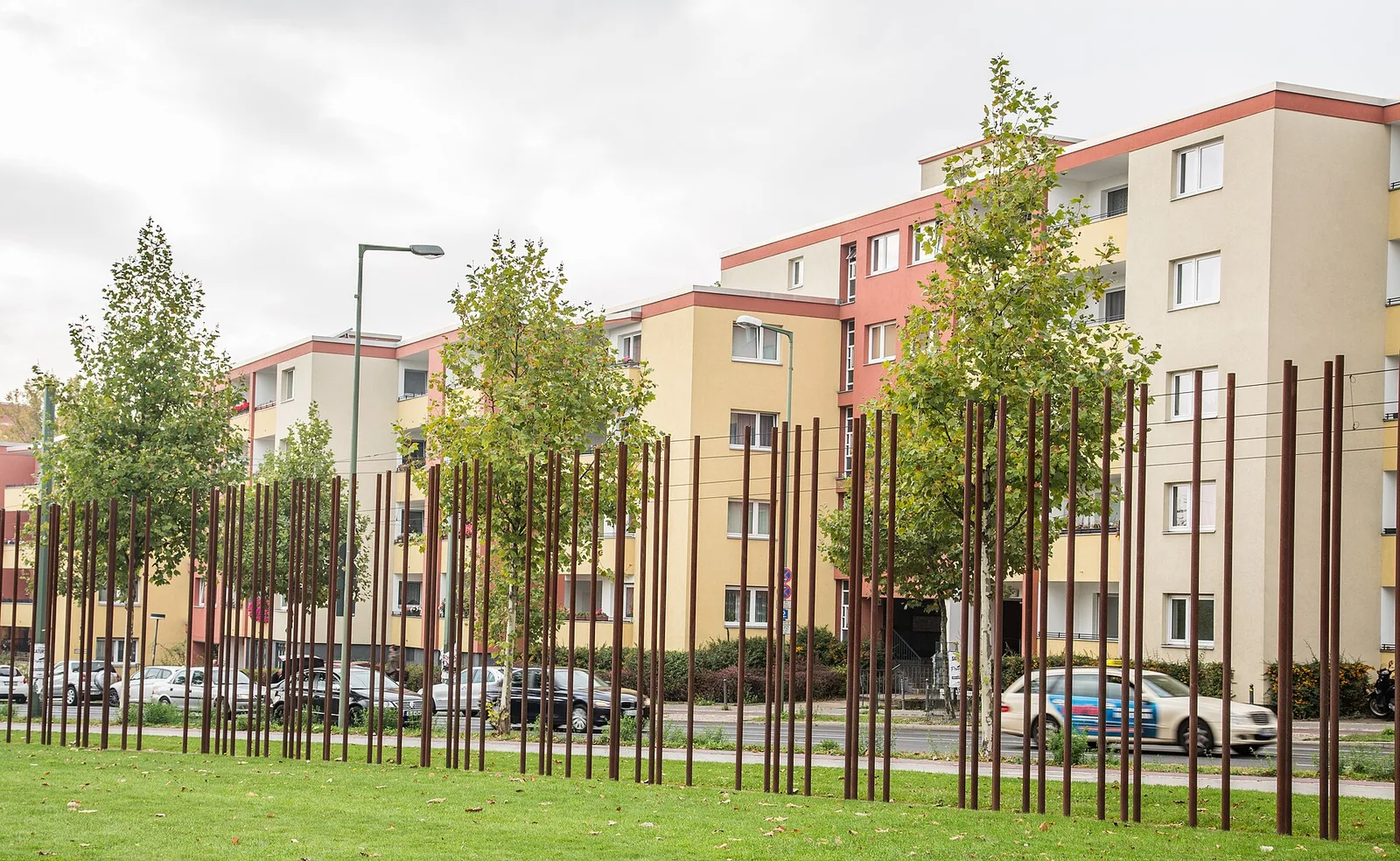
Rusting rods on Bernauer Strasse
The best place to see what the Wall was like is the Berlin Wall Memorial on Bernauer Strasse. Sections of the Wall and a watchtower still stand here, and where the Wall has gone, rows of rusting steel rods trace its course. Slits in the surviving concrete let you look into the old "death strip." The outdoor site is open daily from 8am to 10pm, and entry is free.
August 1961: closed overnight
Between September 1949 and August 1961, somewhere between 2.7 and 3 million people left East Germany. West Berlin was an island of the West surrounded by East German territory.
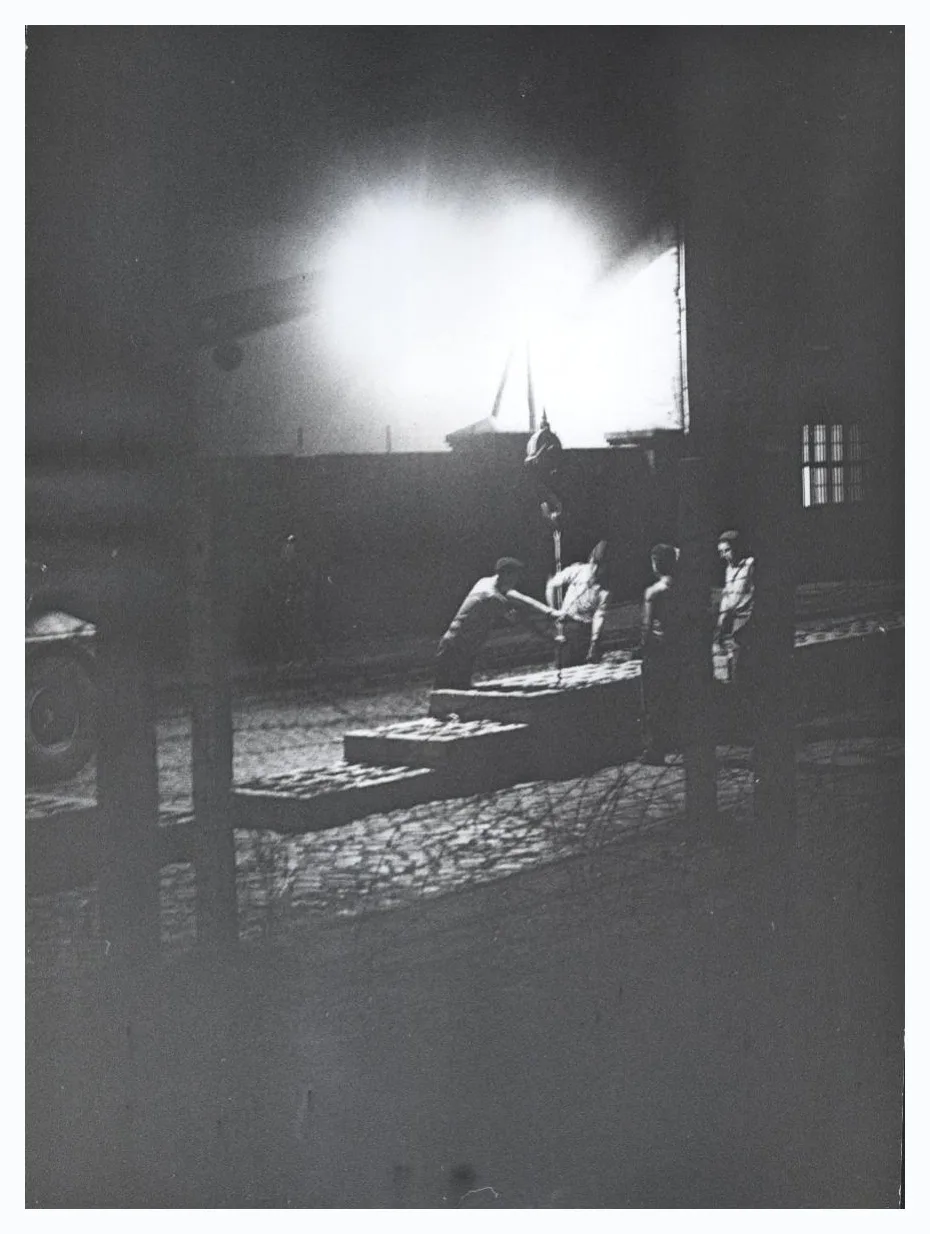
On the night of 12–13 August 1961, East Germany began sealing off West Berlin with tank traps and barbed wire. Concrete walls soon followed, built day and night.

More than one wall
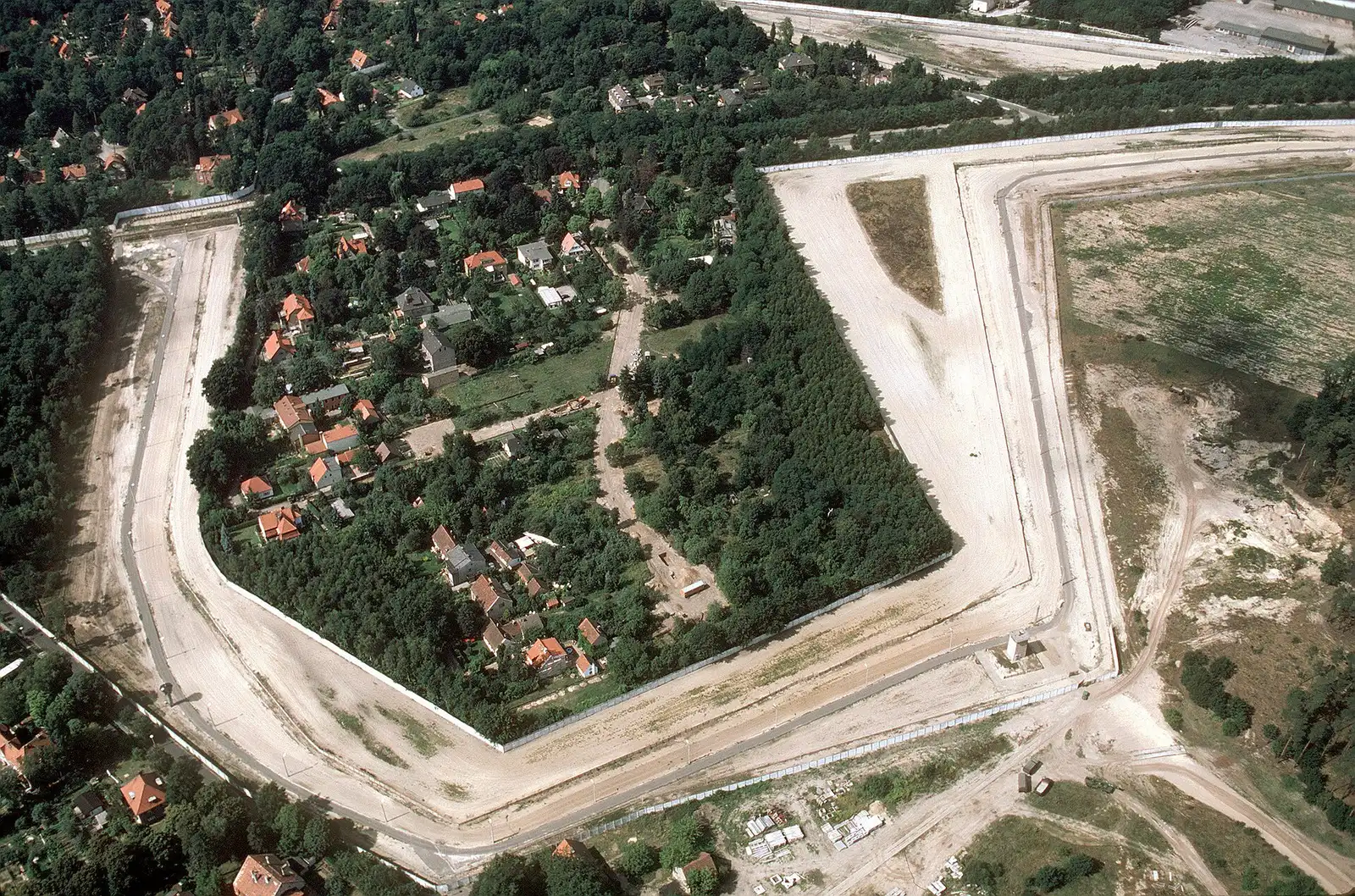
The border fortifications around West Berlin ran for 155 kilometres. From the 1970s a second, inner wall was added, leaving an empty strip between the two. From the air you can see it snaking between the houses.

Bernauer Strasse became the most famous street the Wall divided. The houses on its south side were in the Soviet sector of the city, while the pavement outside their front doors was already in the French sector, part of West Berlin. In August 1961 residents escaped by jumping from upper-floor windows into the West, until border troops bricked up the ground-floor windows. The houses were demolished in 1965. Today the rusting rods mark the line where the Wall stood.

According to the Berlin Wall Foundation, at least 140 people were killed at the Berlin Wall between 1961 and 1989. Their photographs hang in the memorial's Window of Remembrance.
"Immediately, without delay"
In the autumn of 1989, East Germans were leaving in their thousands, first through Hungary and then through Czechoslovakia. From September, peaceful Monday demonstrations were held in Leipzig and other cities. In the words of the German federal government, the pressure of the protests and the mass exodus was beginning to tell.
Shortly before 7pm on 9 November, Günter Schabowski, a senior Communist Party official, read out new travel rules at a live press conference. Asked when they took effect, he replied, "immediately, without delay," apparently unaware of the weight of his answer. In fact the plan had been to bring them in later, and only for people who applied.
East Berliners who saw the broadcast headed for the border crossings, several thousand of them, according to the federal government. After 11pm the barrier went up at Bornholmer Strasse, the first crossing to open fully, and by midnight every crossing in the city was open. Counting from 13 August 1961, the Wall had stood for 28 years, or 10,315 days.
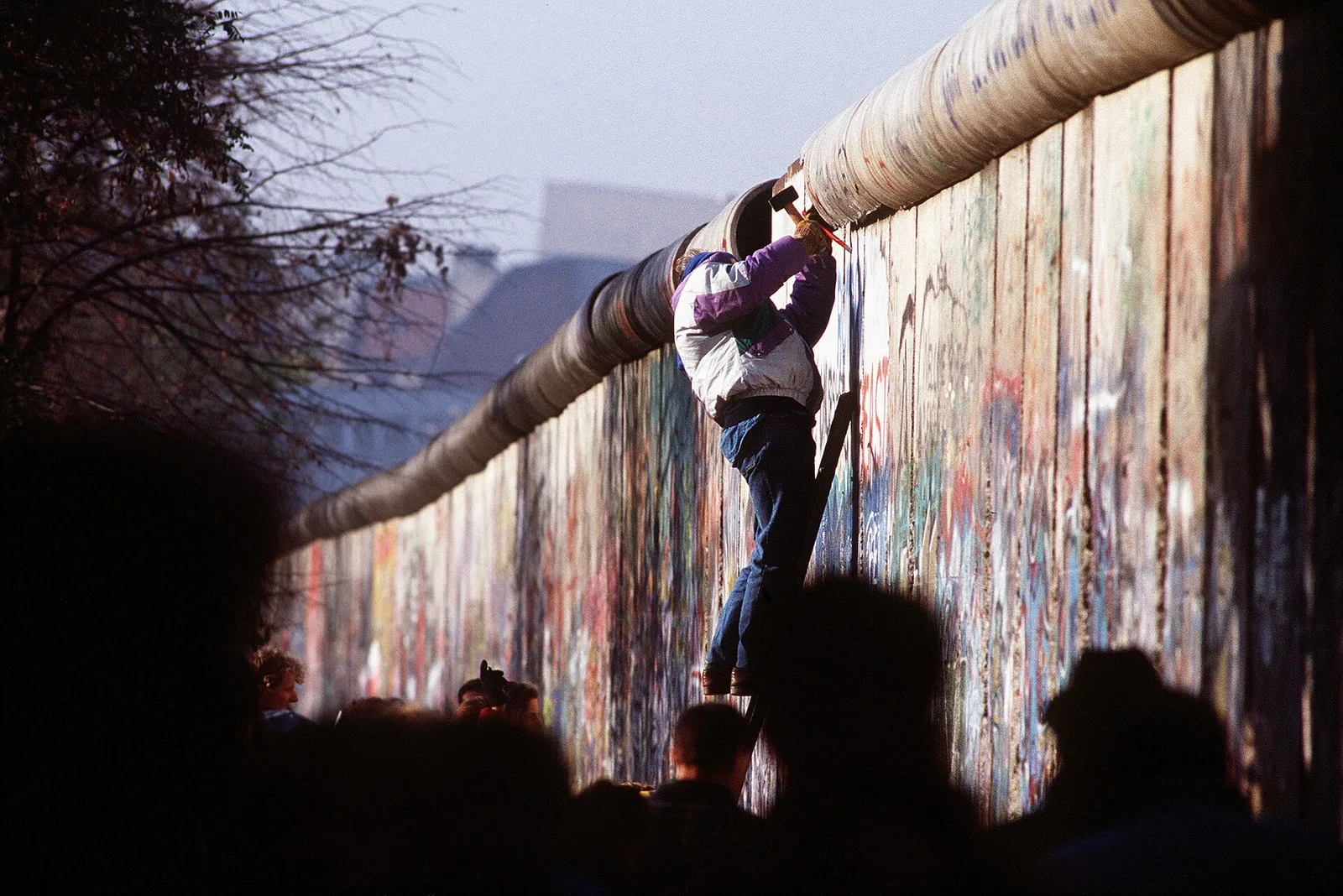

So it wasn't one sentence that brought the Wall down. The exodus and the protests had built up the pressure; "immediately" was the spark; and the people who crowded the checkpoints did the rest.
The Brandenburg Gate reopens
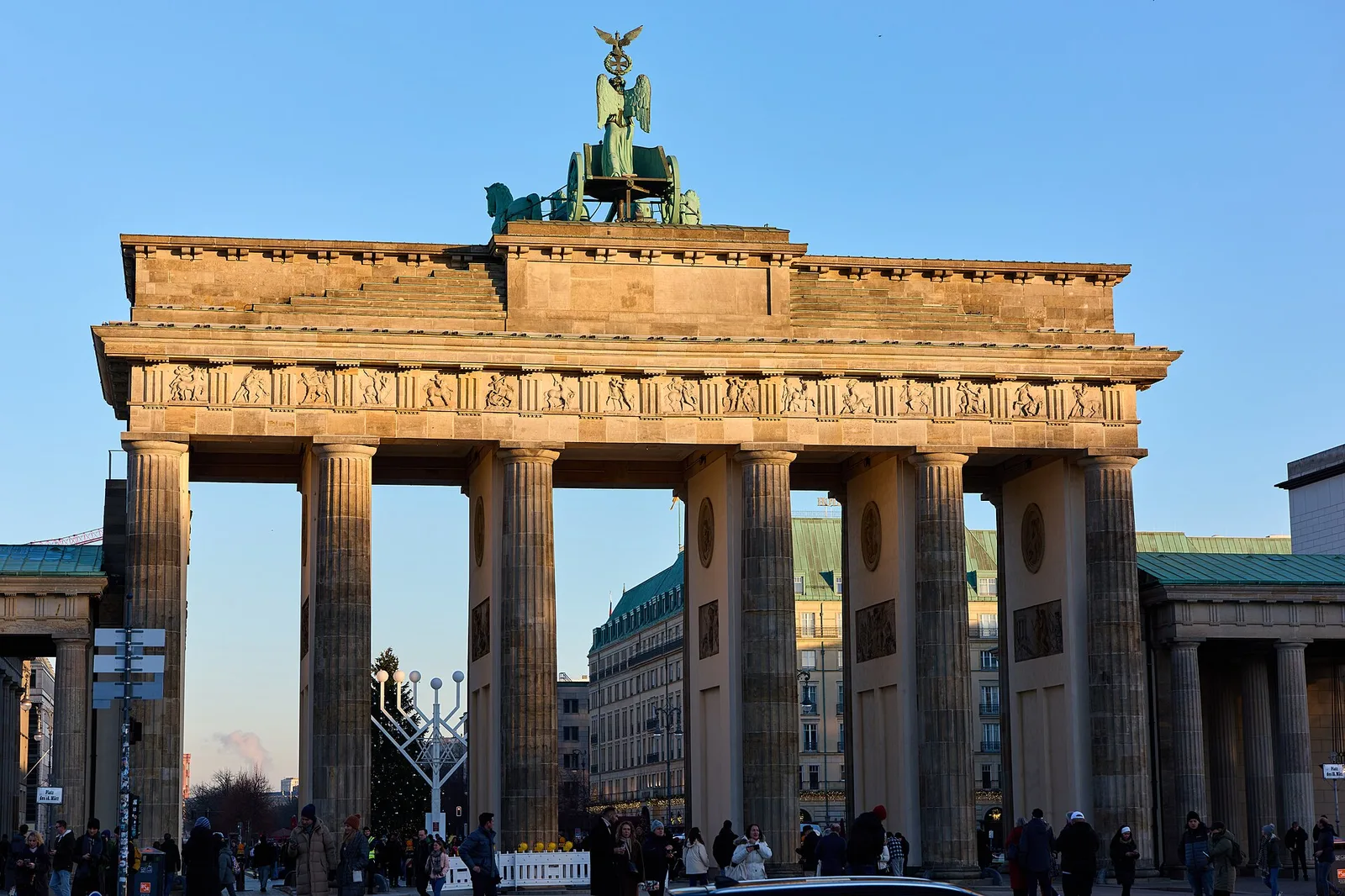
The Wall also ran right in front of the Brandenburg Gate, which didn't open until 22 December 1989. That night the crowds gathered all around it. Most of the Wall in the city centre was torn down between June and November 1990.
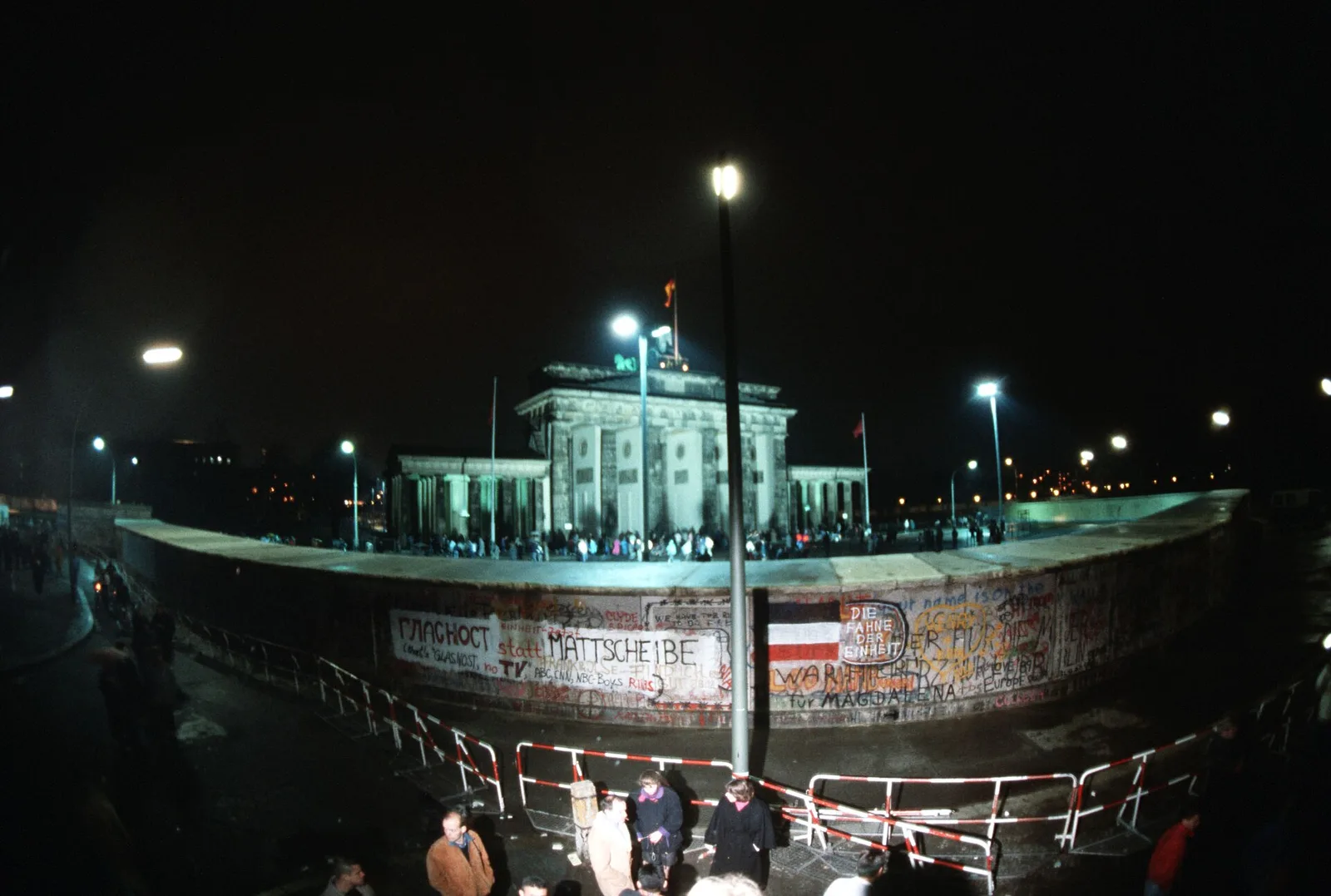

Today anyone can simply walk through it.

Find the Berlin Wall Memorial on Wooriyeojido
The Wall is gone, but the steel rods on Bernauer Strasse still show exactly where it ran. The Berlin Wall Memorial is pinned on the Wooriyeojido map. Find the Berlin Wall Memorial in the Wooriyeojido app, and if you go, leave your photos and stories from the day right beside it.
View this place in the Wooriyeojido appVideos of nearby places
 How did the 'ugly' iron tower survive? The Eiffel Tower, Paris
 A 102-storey skyscraper in 410 days? The Empire State Building, 1931
 A ship that crosses a mountain? The Miraflores Locks, Panama Canal
Sources
- Stiftung Berliner Mauer — Todesopfer an der Berliner Mauer
- Stiftung Berliner Mauer — Gedenkstätte Berliner Mauer
- bpb — 13. August 1961: Bau der Berliner Mauer
- bpb — Deutschland Chronik: 9. November 1989
- Bundesregierung — Die Mauer ist offen
- Land Berlin — Öffnung und Fall der Mauer
- Landesdenkmalamt Berlin — Bernauer Straße
- Land Berlin — Gedenkstätte Berliner Mauer (Museums)