The Eiffel Tower: How Radio Saved Paris's "Monstrous" Tower
Built for the 1889 World's Fair, the Eiffel Tower was denounced by leading artists as "useless and monstrous," and with only a 20-year permit it could have come down in 1910. Here is how radio kept it standing.
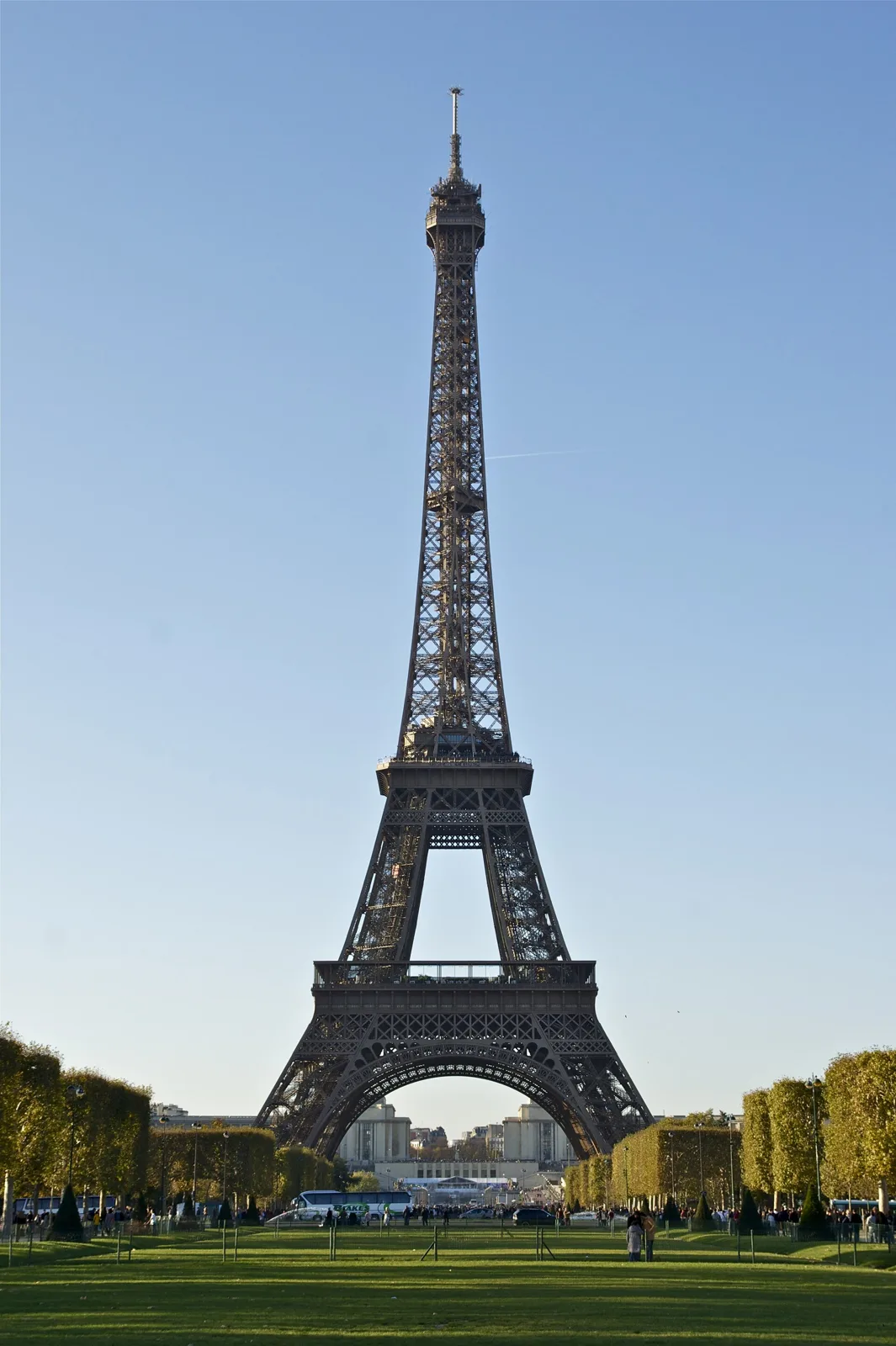
Today the Eiffel Tower is the very image of Paris. When it went up, though, many people thought it was hideous, and once its permit ran out it could easily have been torn down. So how is it still standing? Start with the short video.

 Watch the one-minute video on YouTube
A tower for a World's Fair
The Eiffel Tower stands at the end of the Champ de Mars in Paris's 7th arrondissement. Work began on 26 January 1887. The year 1889 would mark a century since the French Revolution, and Paris was celebrating with an Exposition Universelle, a World's Fair. The tower was to be its centrepiece.
"Useless and monstrous"
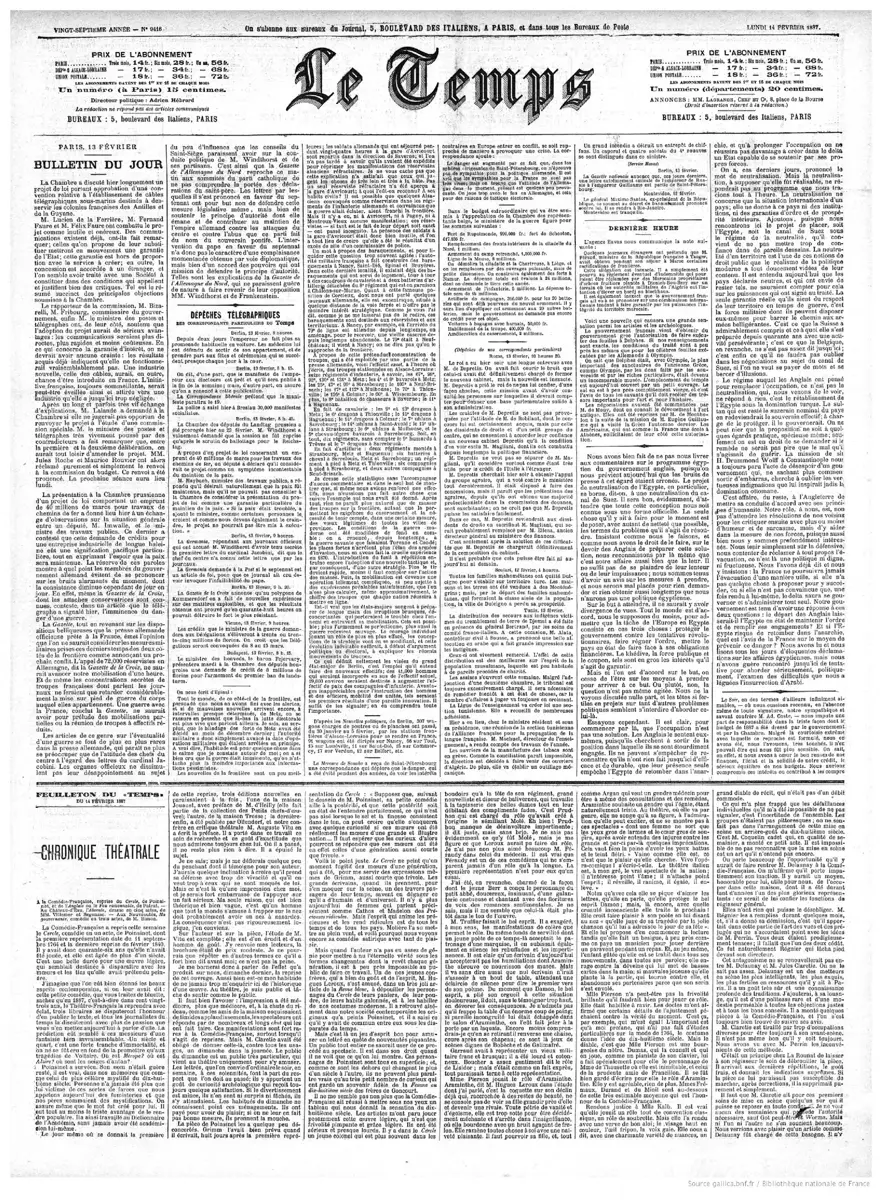
Less than a month into construction, on 14 February 1887, the newspaper *Le Temps* printed a protest from a group of artists. It was addressed to Alphand, and among the signatures were some of the biggest names in French culture: Charles Garnier, architect of the Paris Opera; the composer Charles Gounod; the writer Guy de Maupassant.
They called it "the useless and monstrous Eiffel Tower" and warned that it would look like "a gigantic black factory chimney."
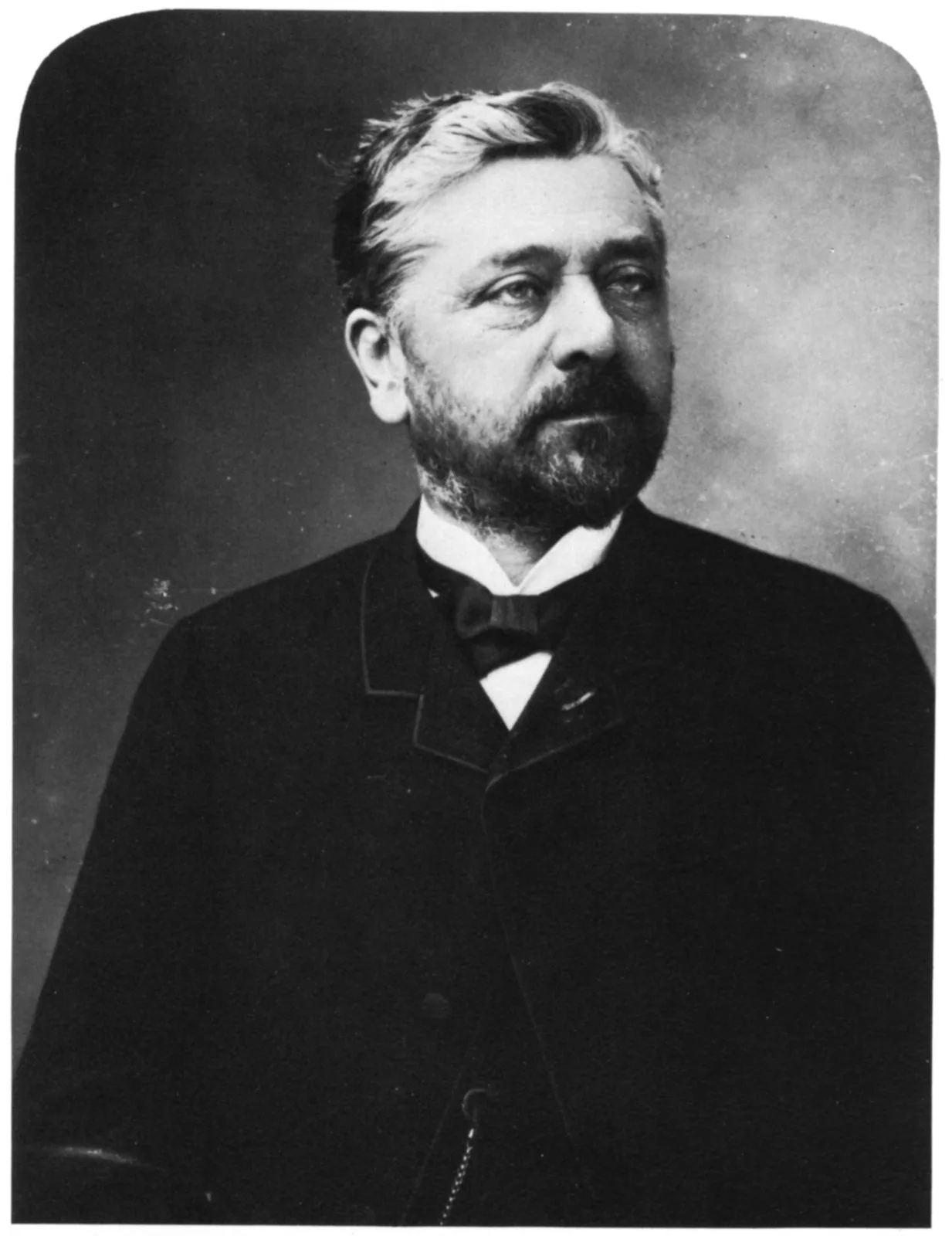
Gustave Eiffel, whose company was building the tower, replied in the same paper on the same day. "I, for my part, believe that my tower will be beautiful," he wrote. He also argued that it would serve science, offering a platform for observations in astronomy, meteorology and physics. That argument would turn out to matter more than he could have known.

Two years, two months and five days
The tower was put together from 18,038 metal parts held by 2.5 million rivets. By 1888 the first and second platforms were in place, and the ironwork was climbing toward the top.
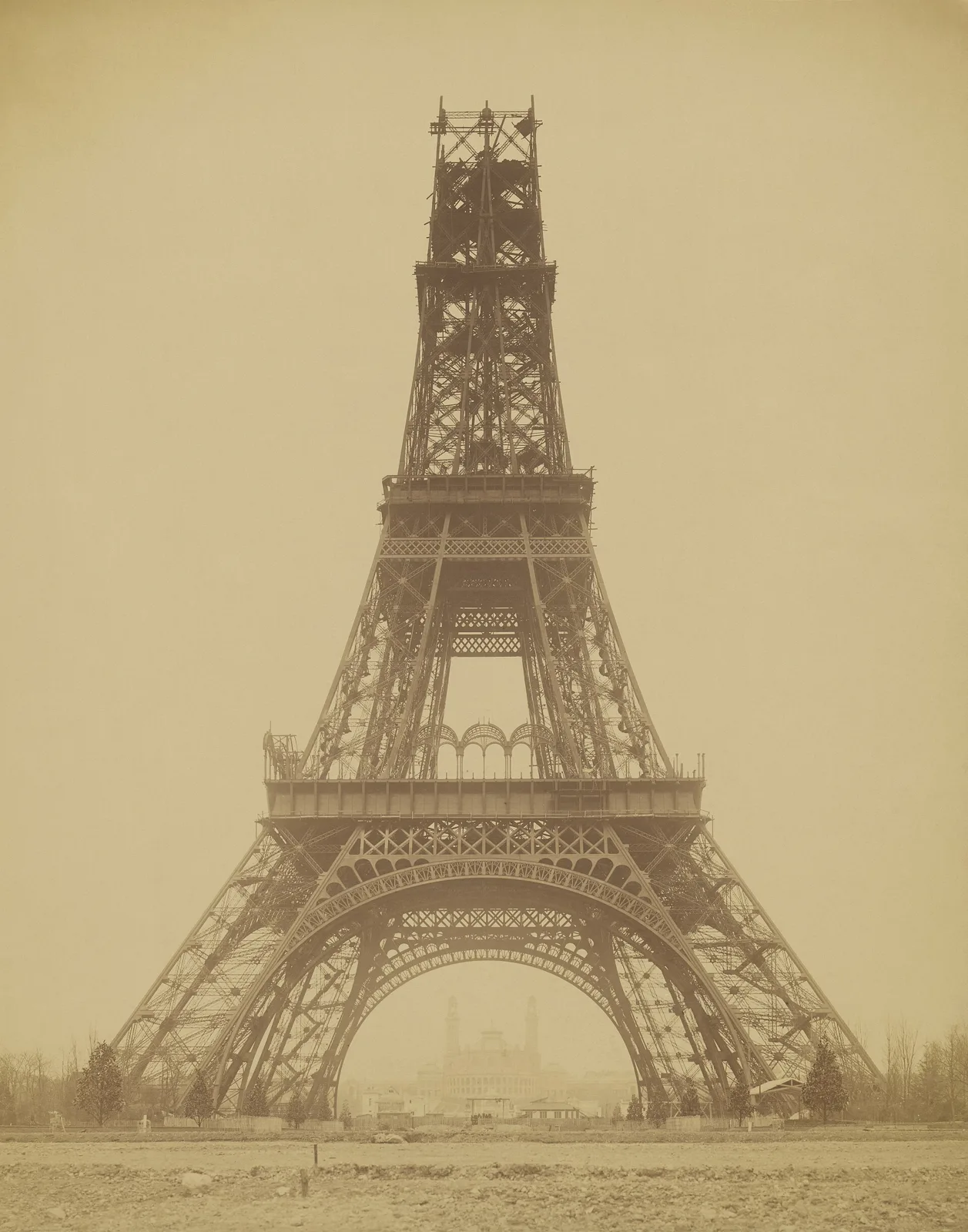

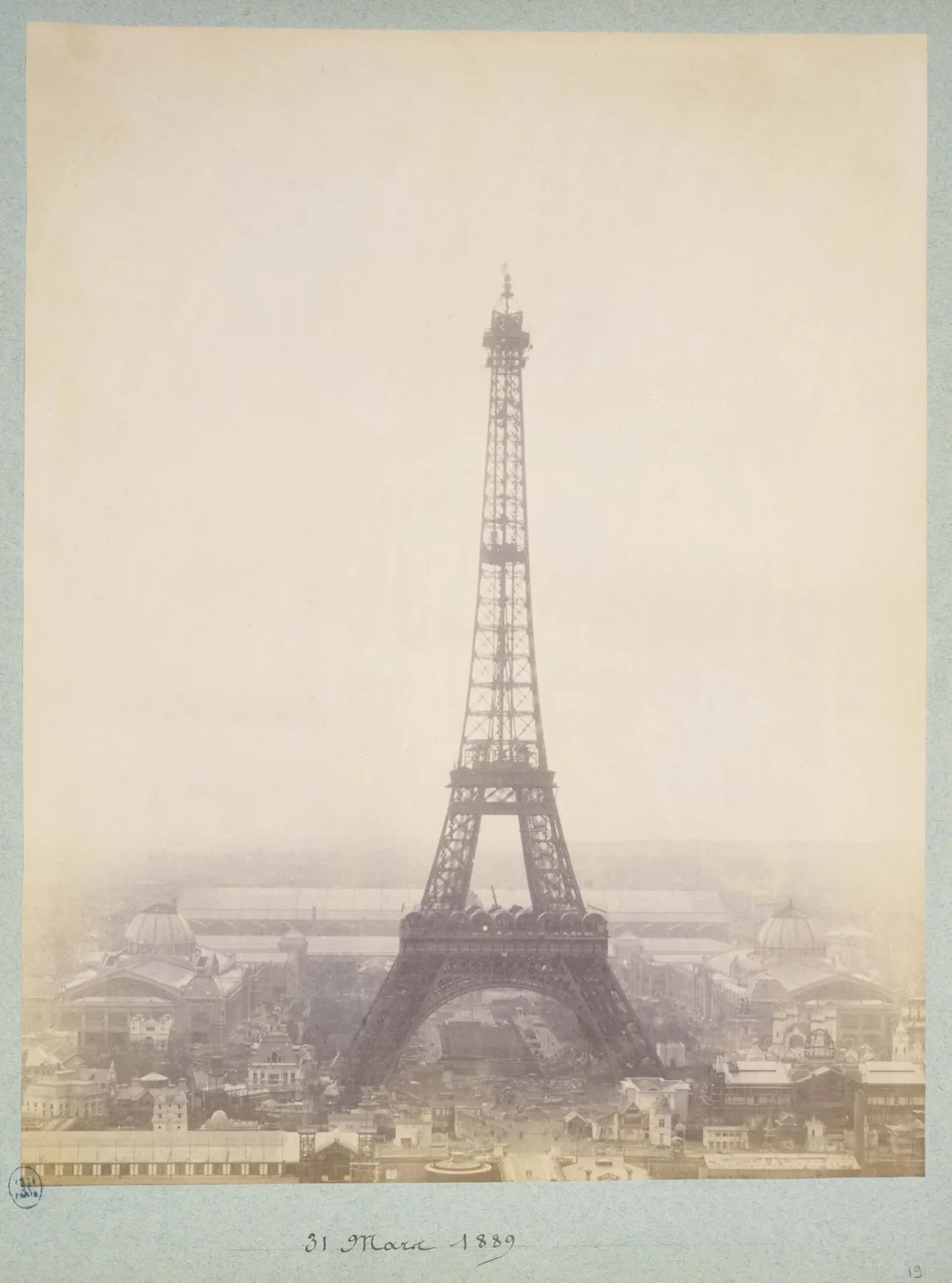
On 31 March 1889, two years, two months and five days after work began, the tower was finished. At 312 metres, it was the tallest tower in the world at the time. It opened to the public on 15 May, and over the course of the fair more than 1.95 million people went up.

A 20-year lease on life
Then came the catch. Eiffel had been given a permit to use the land for just 20 years. When it expired in 1910, the tower would pass to the City of Paris, and it might well have been demolished.
What saved it was not beauty but usefulness. Eiffel championed scientific experiments at the summit and paid for them himself. In 1903 he invited Captain Ferrié, who was in charge of the army's radio research, to use the tower for his work. The higher an antenna, the farther it can send a signal, and nothing in Paris was higher. That same year, a radio link was made over 400 kilometres.
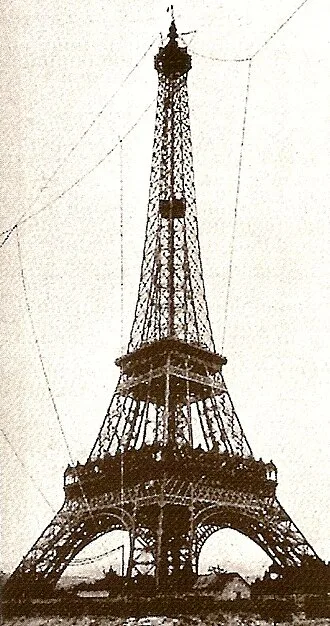

In 1909 an underground military radiotelegraph station was built beneath the Champ de Mars. Then, on 1 January 1910, the City of Paris extended Eiffel's concession for another 70 years. The tower's official website tells the story under a fitting headline: "How radio saved the Eiffel Tower from destruction."
Music on the airwaves
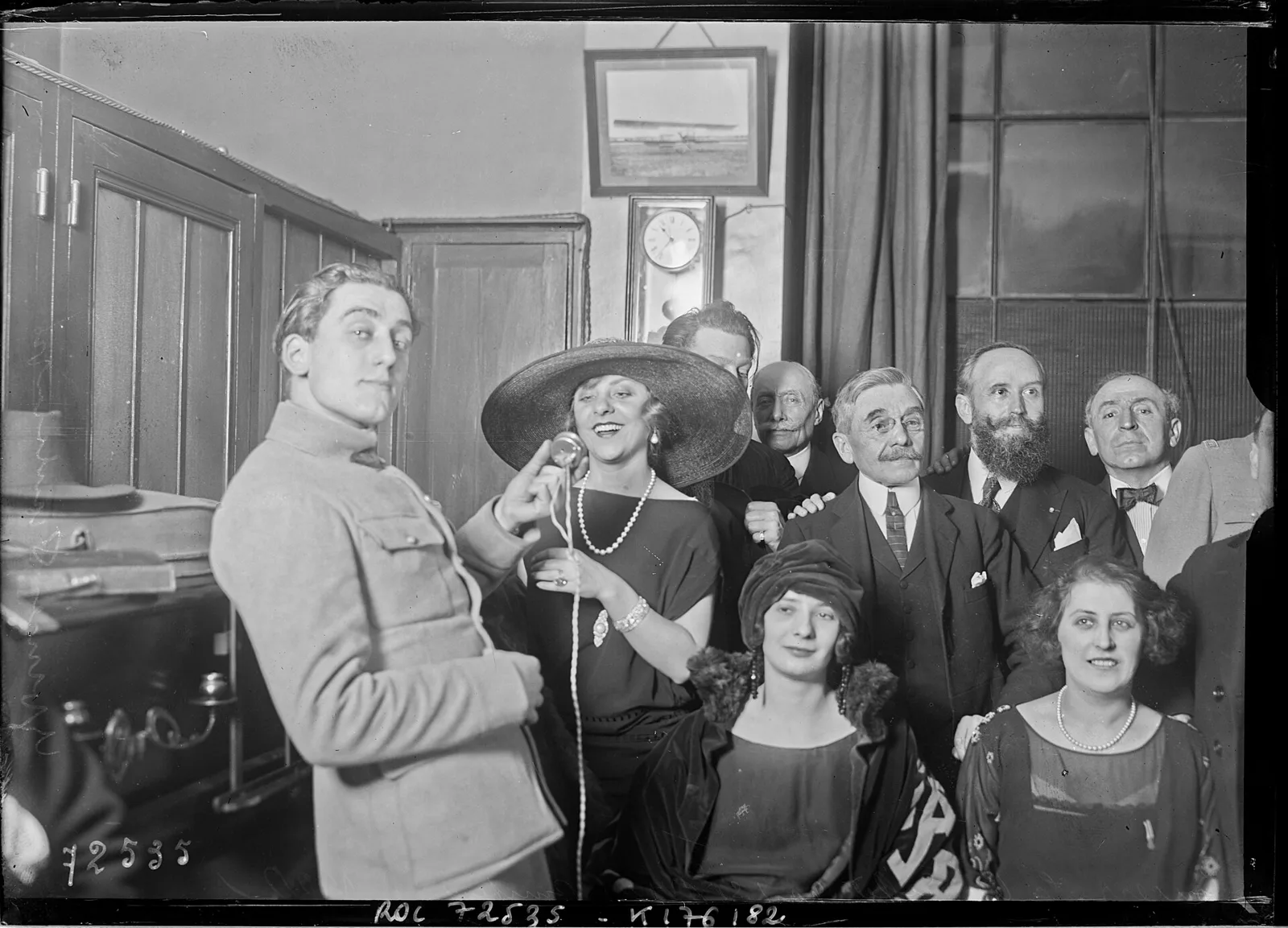
The tower kept broadcasting long after that. On 7 March 1922, a concert went out over the airwaves from its radio station.

Today, with the antenna at its tip, the Eiffel Tower stands 330 metres tall. The "factory chimney" the artists dreaded has been part of the Paris skyline for more than 130 years, and it has become the city's defining landmark.
Find the Eiffel Tower on Wooriyeojido
A furious protest, a 20-year permit and the antennas that rescued it: the Eiffel Tower is pinned on the Wooriyeojido map. Find the Eiffel Tower in the Wooriyeojido app, and if you go, leave your photos and stories from the day right beside it.
View this place in the Wooriyeojido appVideos of nearby places
 A Helicopter Lifted the Antenna in 39 Pieces? The CN Tower, Toronto, 1975
 A 102-Story Building in 410 Days? The Empire State Building, 1931
 The Venus de Milo: What Did Her Missing Arms Once Hold?
Sources
- Eiffel Tower official site — History, architecture, design and construction
- Eiffel Tower official site — The Eiffel Tower during the 1889 Exposition Universelle
- Eiffel Tower official site — The artists who protested the Eiffel Tower
- Eiffel Tower official site — How radio saved the Eiffel Tower from destruction
- Eiffel Tower official site — The Eiffel Tower and science
- Le Temps, February 14, 1887 — Protest of the artists against M. Eiffel's tower (Wikisource)
- Le Temps, February 14, 1887 — Gustave Eiffel's reply to the artists' protest (Wikisource)