Najeong, Gyeongju: the well where Silla's first king hatched from an egg
Legend says Park Hyeokgeose, the founding king of Silla, was born from an egg beside the Najeong well in Gyeongju. Here is the story from Korea's old chronicles and what archaeologists found in the ground, in video and photos.
Korean legend says that Park Hyeokgeose, the first king of Silla, hatched from an egg, and that the egg was found beside a well called Najeong in Gyeongju. Today the spot is a quiet lawn ringed by pines, but digging beneath it revealed just how sacred the people of Silla once held it. Start with the short video.

 Watch the one-minute video on YouTube
A low rise below Namsan
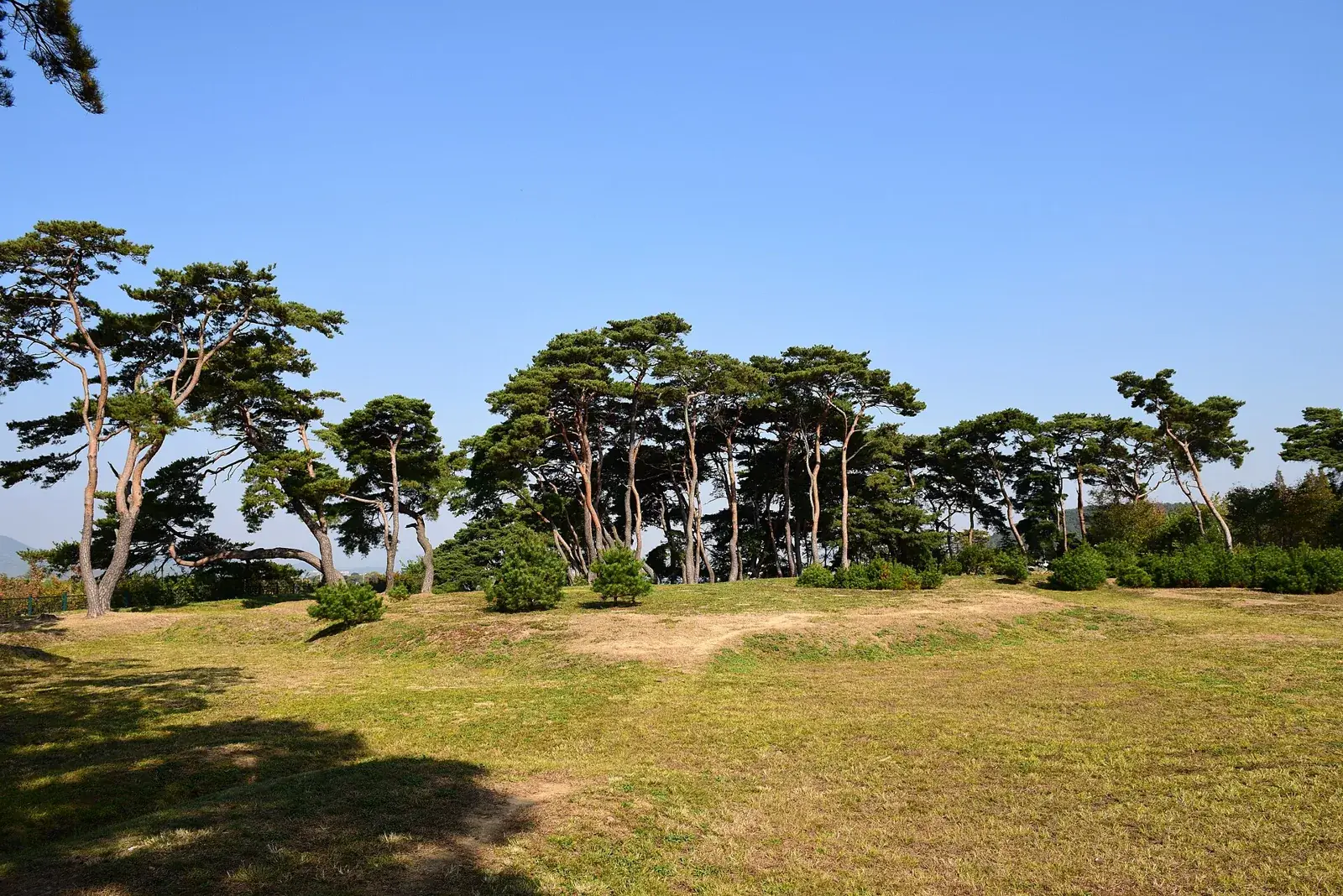
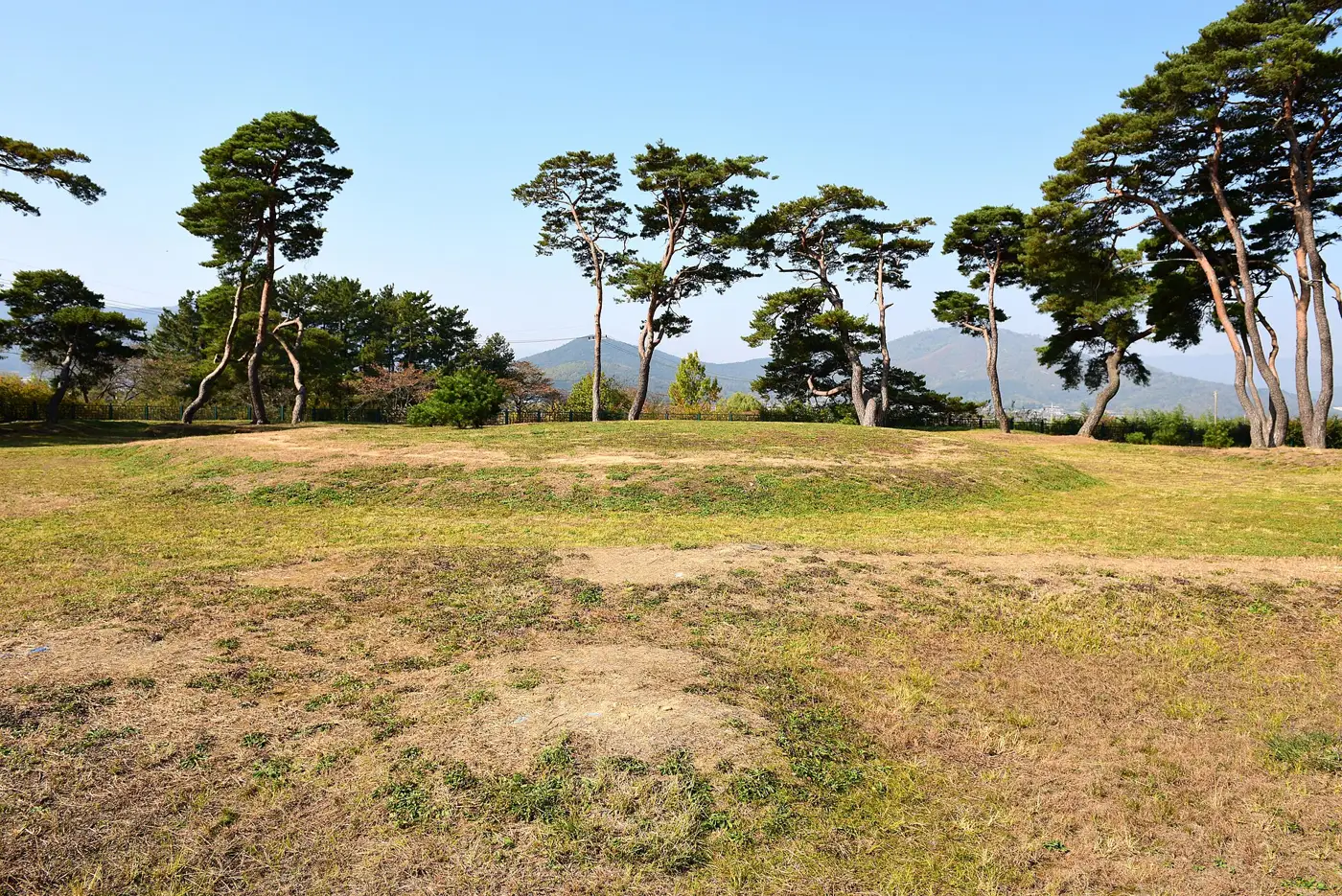
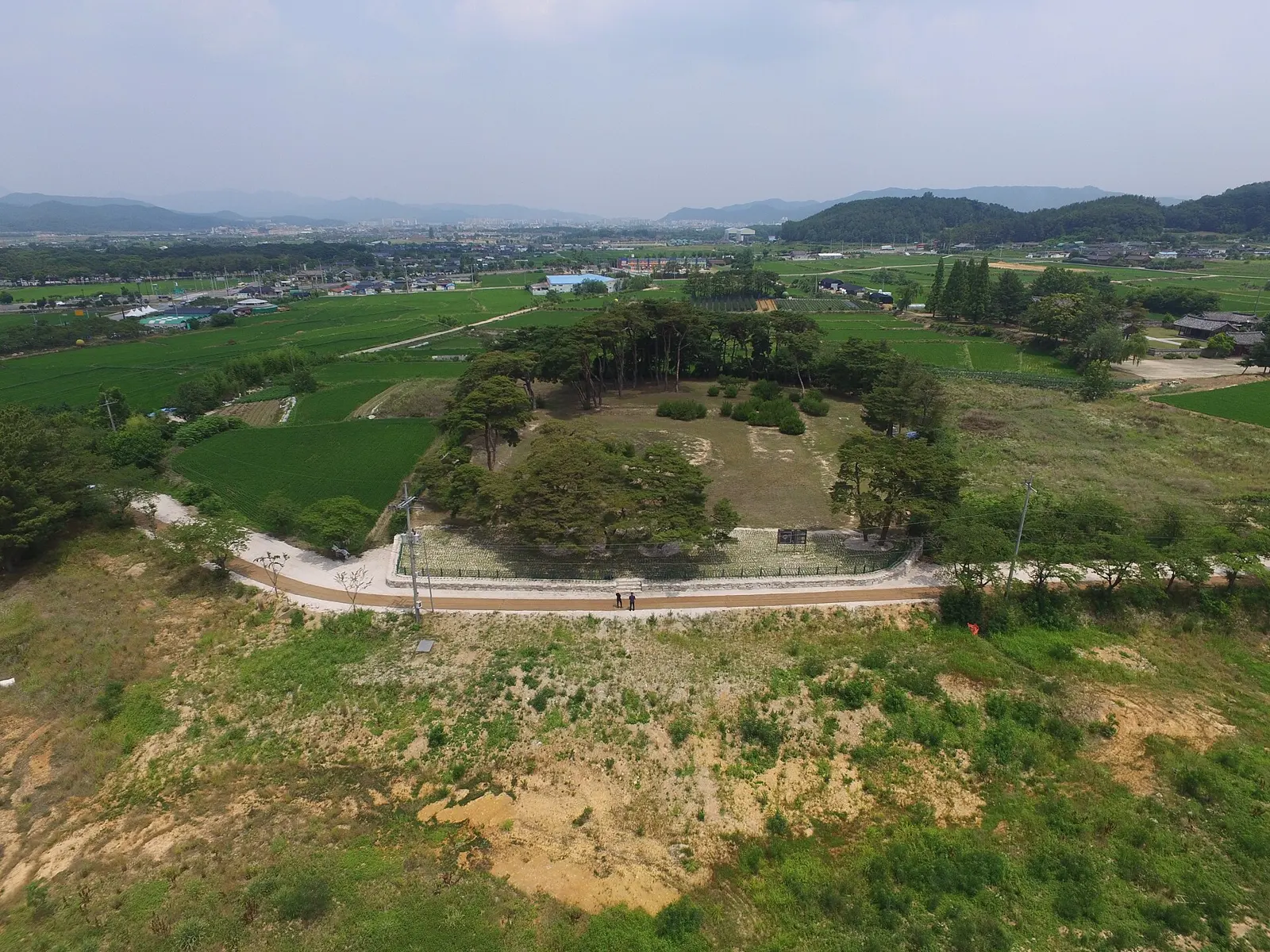
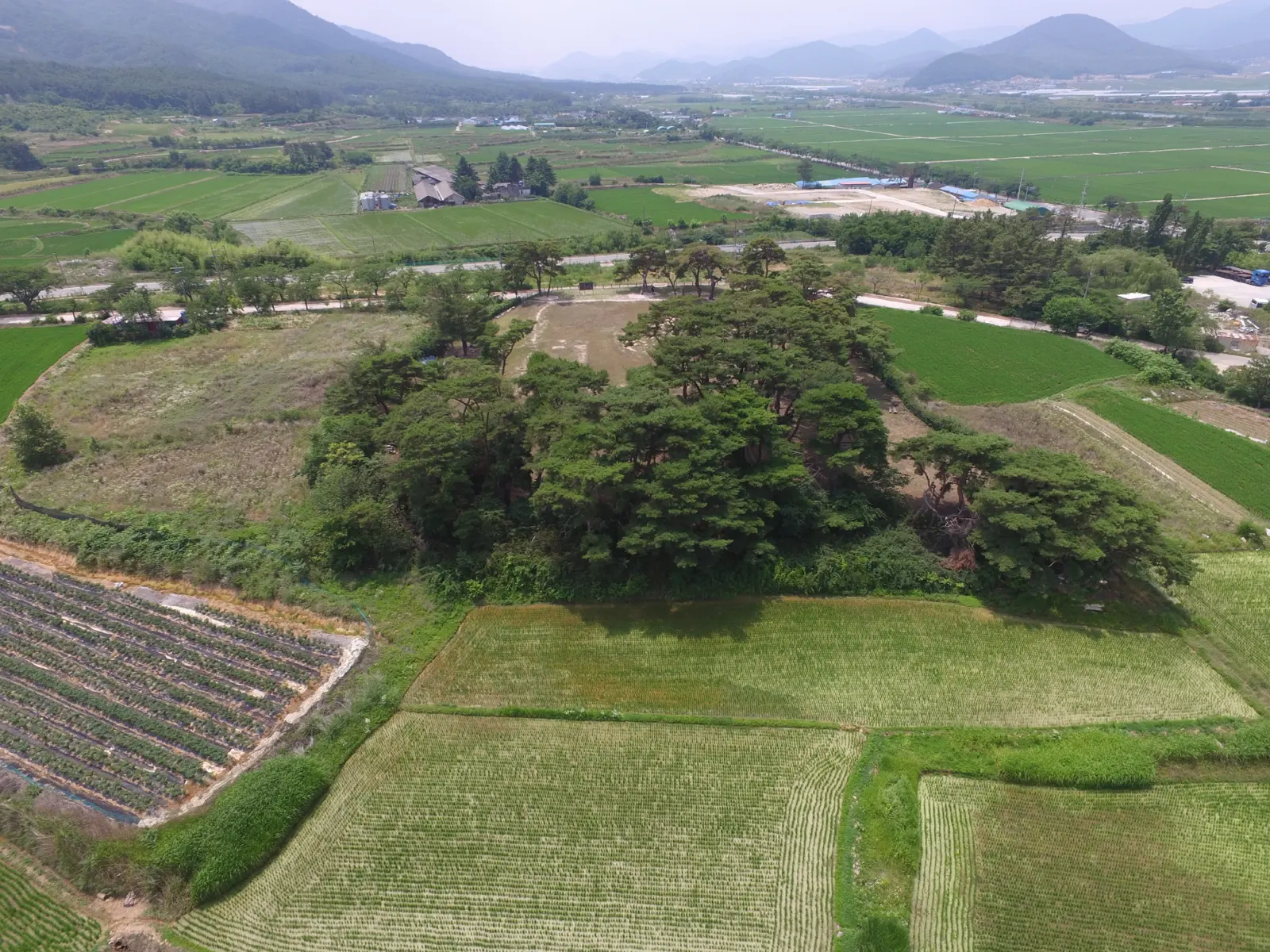
Najeong lies in Tap-dong, Gyeongju, in South Korea's North Gyeongsang Province. It occupies a broad, gently rounded rise between two valleys at the foot of Mount Namsan. It was designated a national Historic Site on 20 November 1975.

A kneeling horse and a giant egg
Before Silla existed, the land was home to six villages, each with its own chief. According to the Samguk Sagi, the History of the Three Kingdoms, the chief of Goheo village, Sobeolgong, looked toward the foot of Mount Yang one day and saw a horse kneeling and crying in the woods beside the Najeong well. When he went closer, the horse had vanished. All that remained was a huge egg. The Samguk Yusa, another early chronicle, tells it slightly differently: a white horse saw the people approaching, let out a long cry and rose into the sky, leaving the egg behind.
When the egg was split open, a baby boy came out. Because the egg looked like a gourd, which the people of the region called bak, he was given the surname Park, and he was named Hyeokgeose, meaning "one who brightens the world." He became king at 13, in 57 BC, and named his realm Seorabeol. All of this, of course, comes down to us as legend recorded in the old books.
A monument from the Joseon era
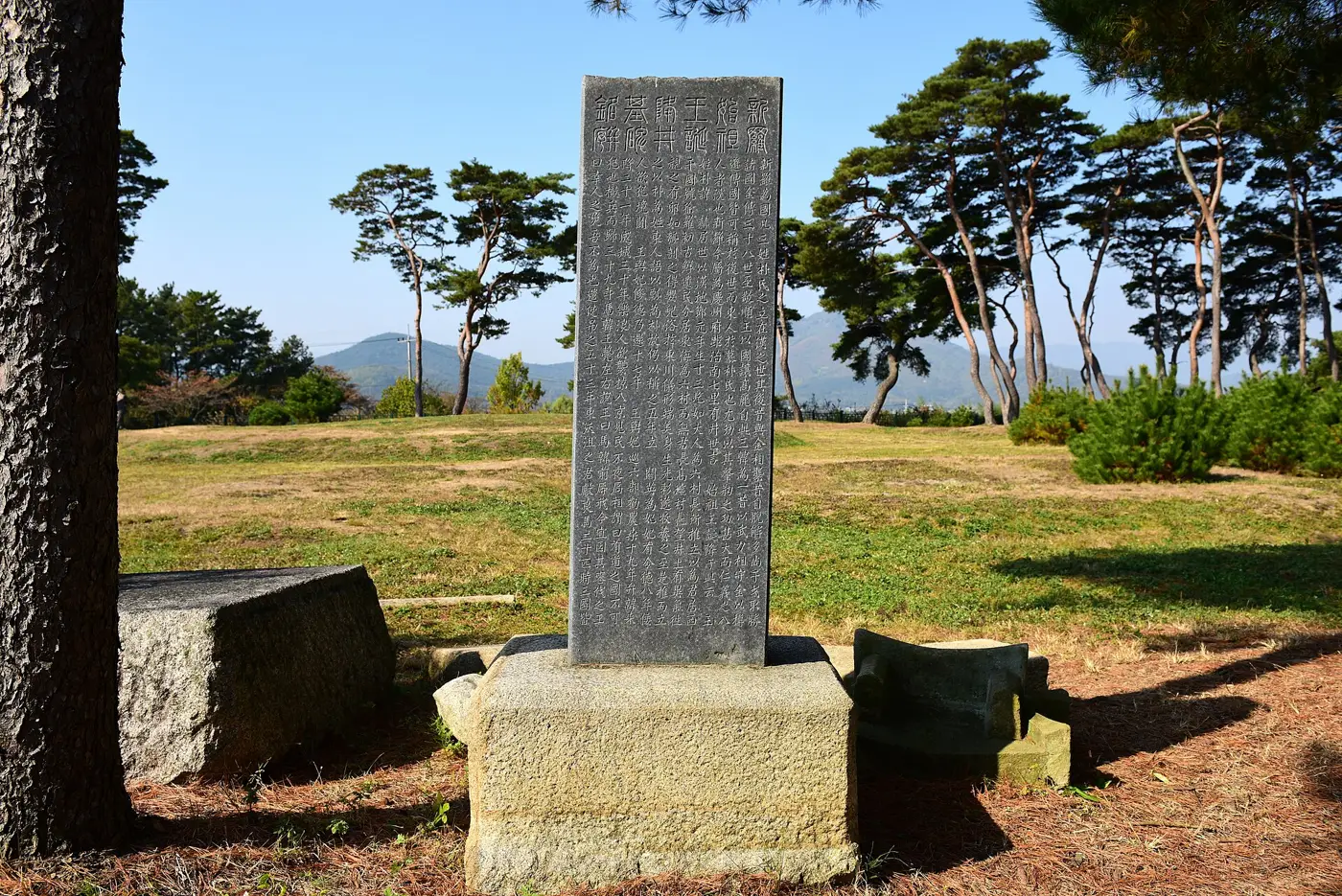
Beside a pine at the edge of the lawn stands a stone monument. According to the Korea Heritage Service's signboard, it was set up in 1803, in the third year of King Sunjo of the Joseon dynasty, and records the origins of Silla's founder. Centuries after Silla had fallen, people still remembered this as the place where its story began.

An octagon in the earth
Between 2002 and 2005, archaeologists excavated the site four times. Besides the monument, they uncovered the foundations of an octagonal building along with traces of other structures. Each side of the octagon's platform is about 8 metres long, and the whole footprint measures roughly 20 metres across. Roof tiles found there bear an inscription dated to the fourth year of the Uibong era, which suggests the building went up around 679, the 19th year of King Munmu's reign.
The building is thought to have been either a shrine connected with Hyeokgeose's birth legend or a site for state rituals. Najeong is the first place in Korea where an octagonal building of this kind has been found on a low hill rising from level ground. For Silla, too, it seems, this was special ground: the place where the nation's story began.


A walk among the pines
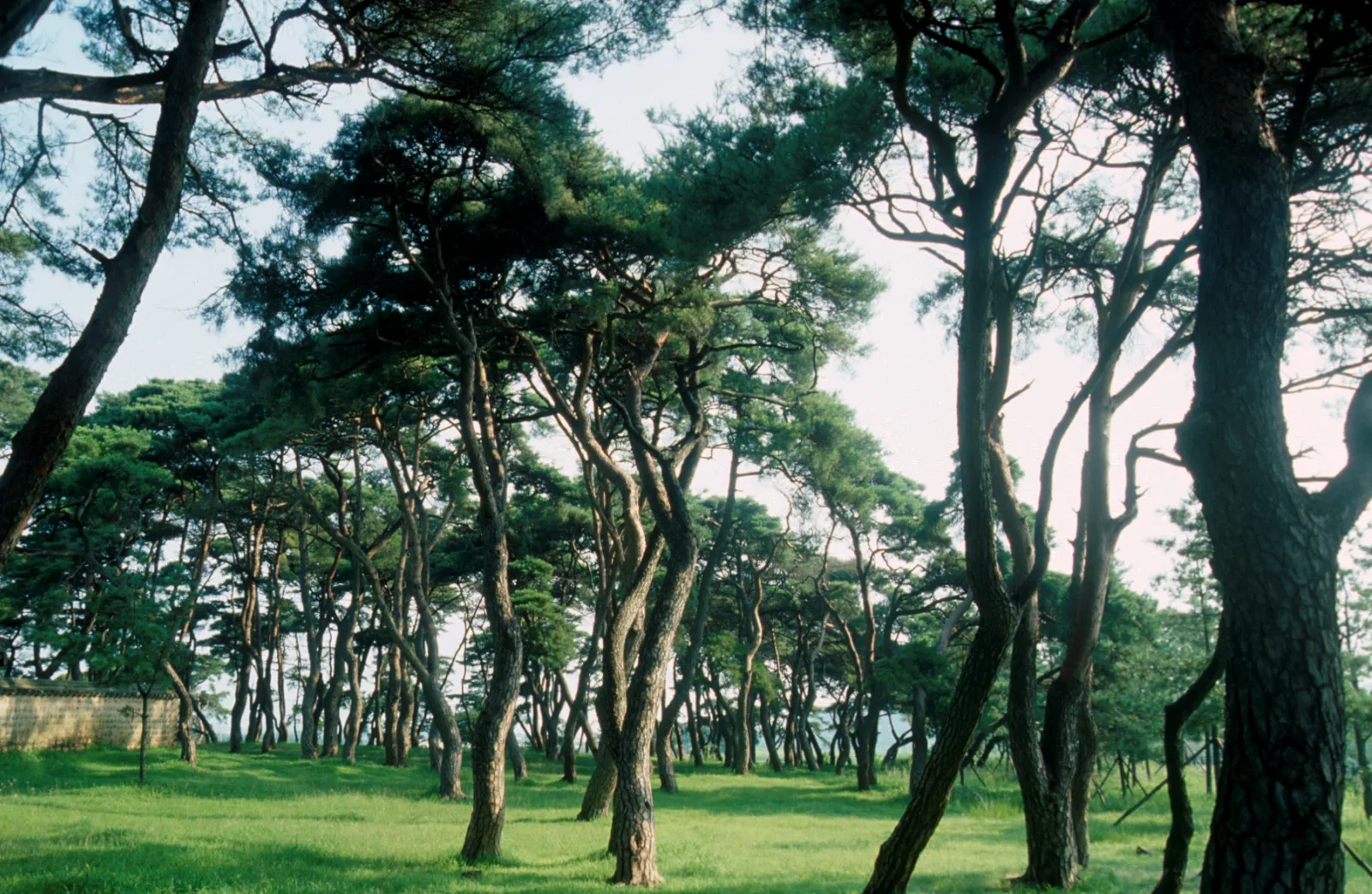
Red-trunked pines crowd around Najeong. The "well" lives on as a name in the legend; what you actually see is open grass, the pine grove, the monument and the outline of the octagonal building. Walk the site with the ridges of Namsan in view and a story more than two thousand years old feels surprisingly close.

Find Najeong on Wooriyeojido
Najeong, where legend says Silla's first king came into the world, is pinned on the Wooriyeojido map. Find Najeong in the Wooriyeojido app, and if you go, leave your photos and stories from the day right beside it.
View this place in the Wooriyeojido appVideos of nearby places
 Did Silla Kings Really Wear Gold Crowns? The Cheonmachong Crown
 The Temple with a Floating Rock: Buseoksa, Yeongju
 Born from the Earth? The Jeju Samseonghyeol Legend
Sources
- Korea Heritage Service — Najeong, Gyeongju (Historic Site)
- Korea Heritage Portal — Najeong Well, Gyeongju
- Korea Heritage Portal on-site sign — Najeong (individual, 2022)
- Korea Heritage Portal on-site sign — Najeong (overview, 2022)
- Samguk Sagi (History of the Three Kingdoms), vol. 1, Silla annals
- Samguk Yusa (Memorabilia of the Three Kingdoms), vol. 1