The Liberty Bell: How a Cracked Bell Became an American Symbol
A bell that can no longer ring hangs across from Independence Hall in Philadelphia. The building where the Declaration of Independence was debated and signed, and how the bell earned its name and became a national symbol, in a short video and photos.
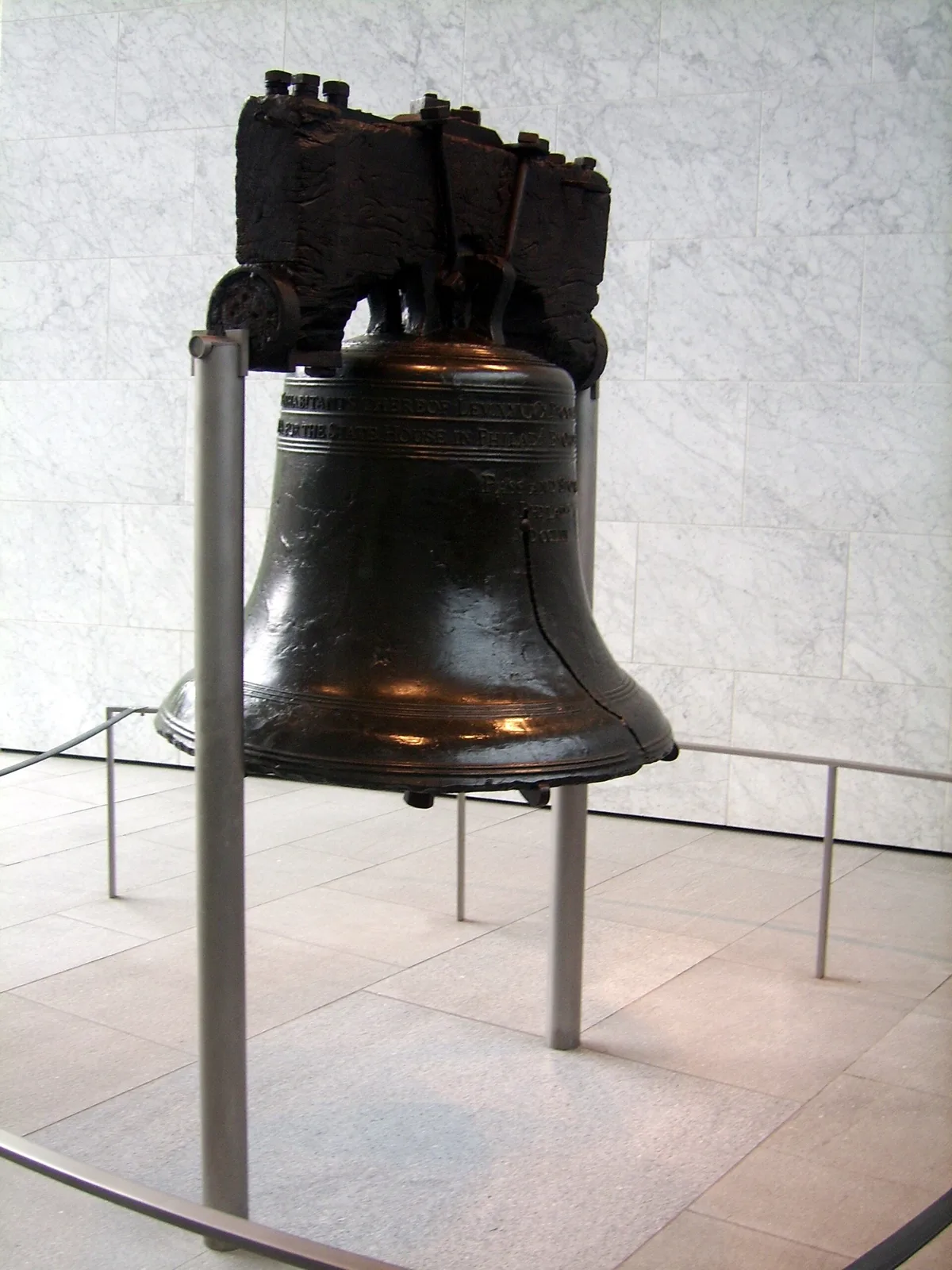
Across from Independence Hall in Philadelphia, a bell hangs inside a glass-walled building. A long crack runs up its side, and it can no longer be rung. So how did it become a symbol of American liberty? Start with the short video.

 Watch the one-minute video on YouTube
A historical park in Philadelphia
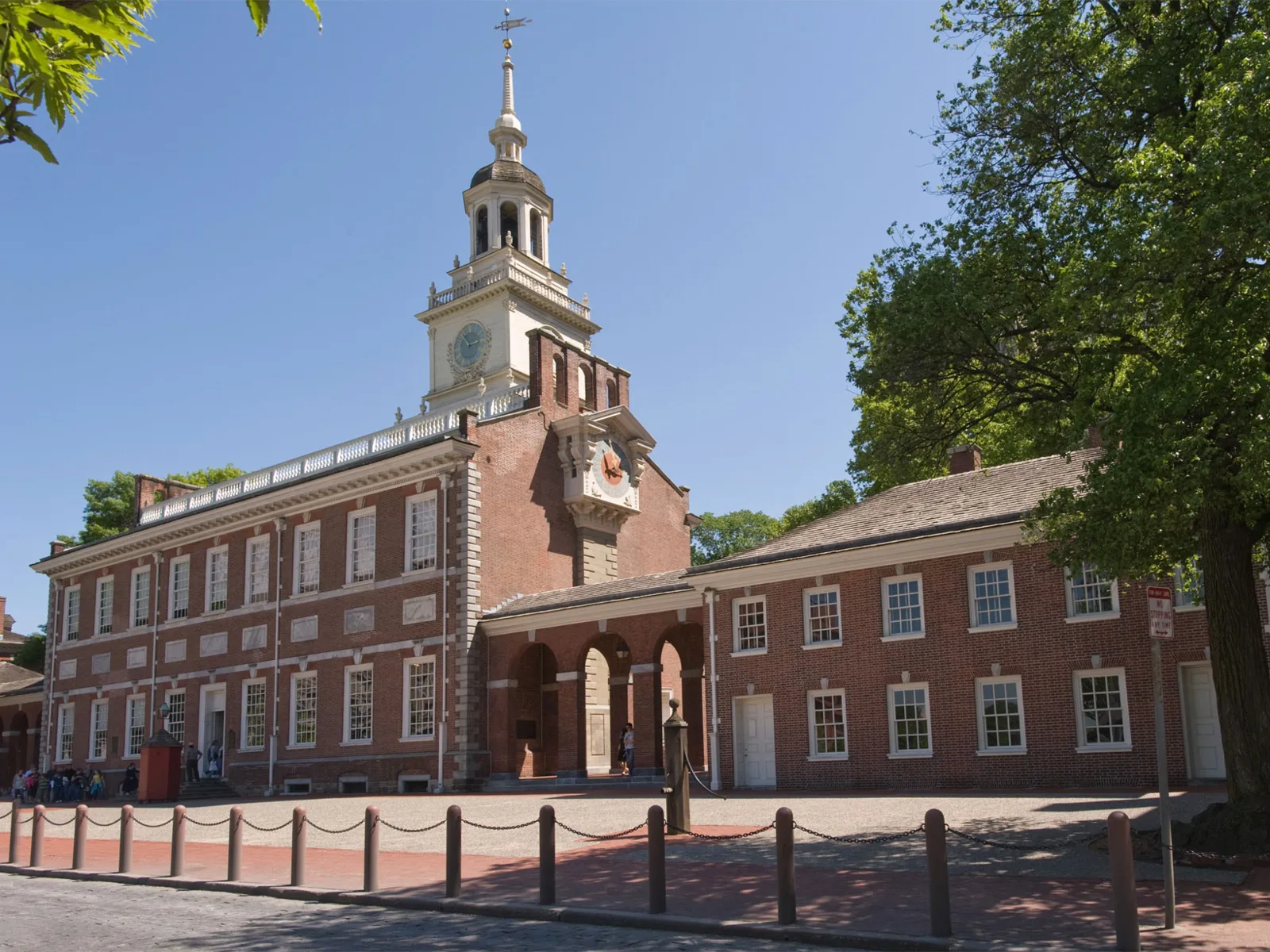
The Liberty Bell is in Independence National Historical Park in Philadelphia, Pennsylvania. Today it hangs in the Liberty Bell Center, across the way from Independence Hall, which became a UNESCO World Heritage Site in 1979.
The building where the Declaration was born
Construction of Independence Hall began in 1732. It was built as the Pennsylvania State House, the seat of the colonial legislature. The Second Continental Congress, the gathering of colonial delegates standing up to Britain, borrowed its Assembly Room. According to the National Park Service, both the Declaration of Independence and the U.S. Constitution were debated and signed inside this building.

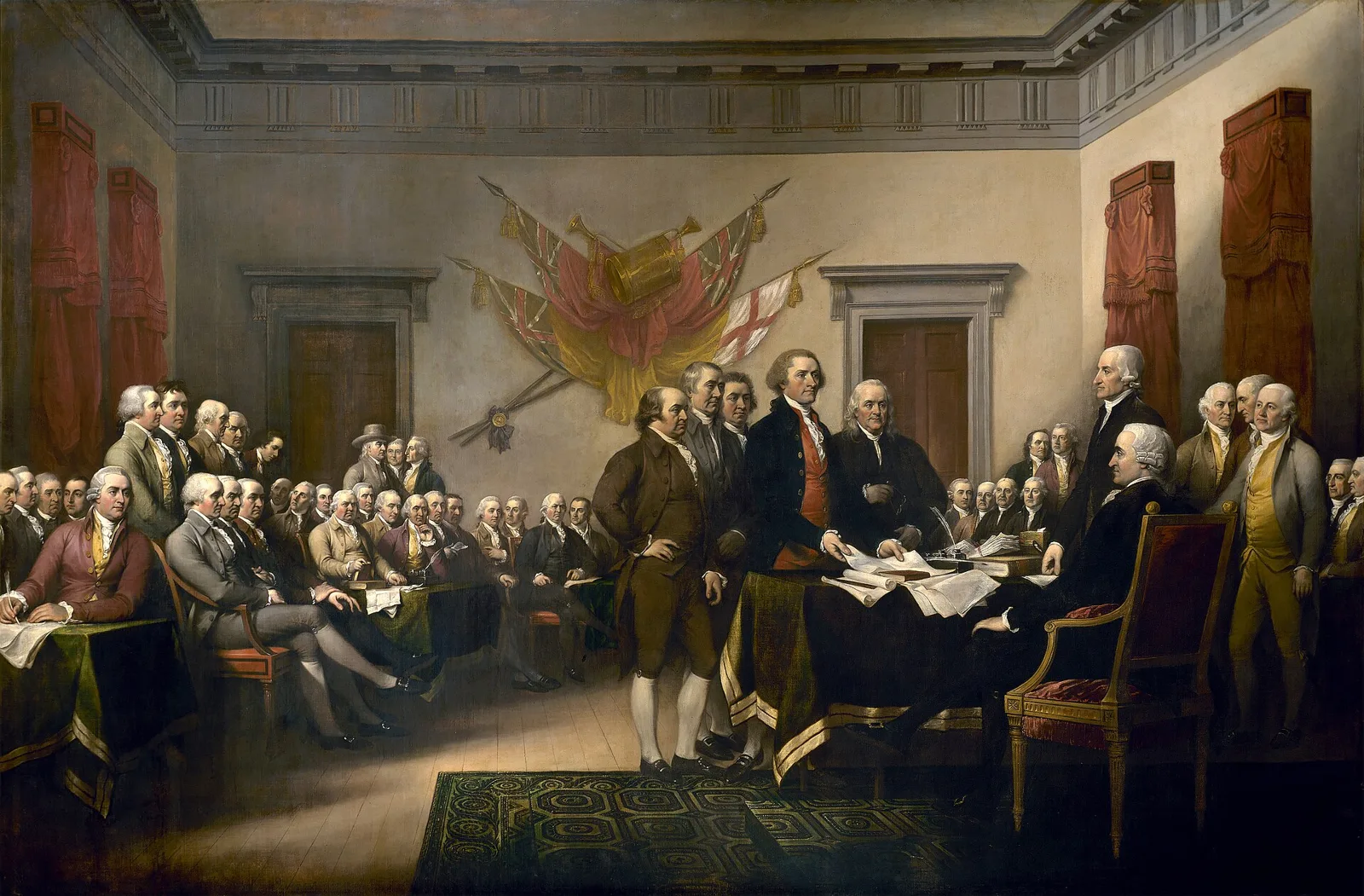
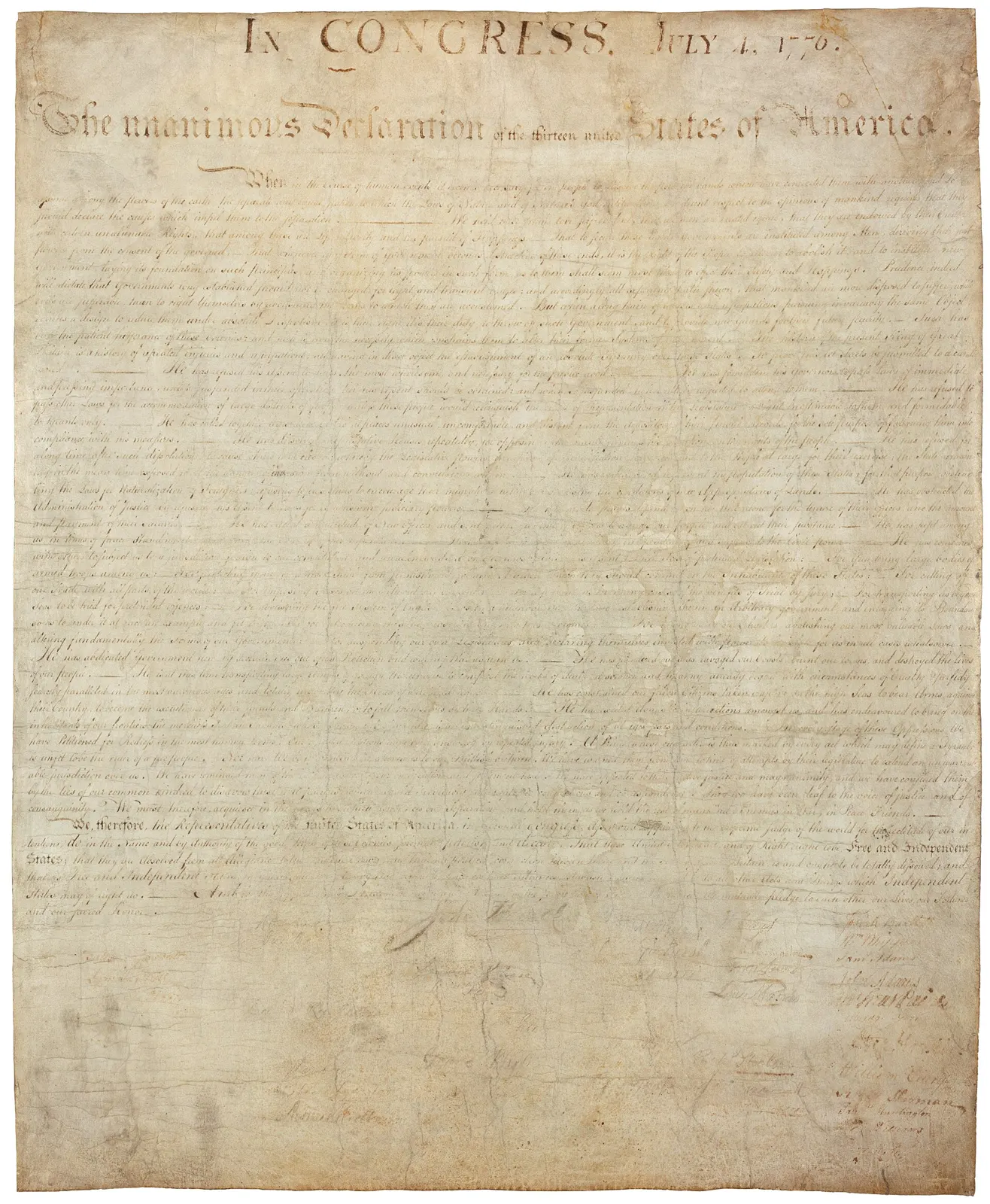
On June 11, 1776, five men were appointed to a committee to draft the declaration: Adams, Franklin, Jefferson, Sherman and Livingston. Jefferson took the lead in writing it. On July 2, twelve colonies voted for independence, and on July 4 the text of the Declaration was adopted. Most of the signing took place on August 2, and 56 men signed in all. The original document is now kept by the U.S. National Archives.


A bell that cracked on its first ring
The bell's story begins a quarter of a century before the Declaration. In 1751, Isaac Norris, speaker of the Pennsylvania Assembly, ordered a bell for the State House tower from a foundry in London. When it was first tested, it cracked.
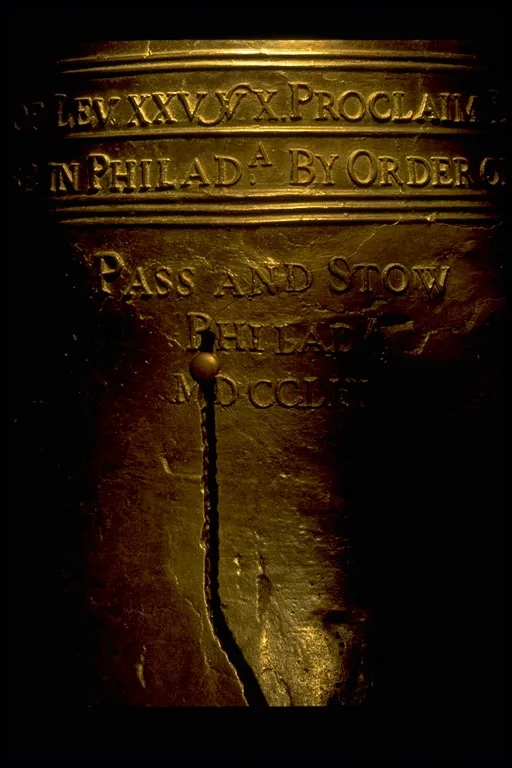
Two Philadelphia craftsmen, John Pass and John Stow, melted it down and recast it. Their names and the year 1753 are still cast into the bell.
The bell also carries a line from the Book of Leviticus: "Proclaim Liberty Throughout All the Land Unto All the Inhabitants thereof." When it was ordered, it weighed 2,080 pounds, about 940 kilograms.

Did it ring for independence?
Many people believe the bell rang out to announce the Declaration. The National Park Service, however, says there is no evidence that it rang on either July 4 or July 8, 1776. The Declaration was first read aloud in public on July 8, in the State House yard.
The people who gave it a name
The name "Liberty Bell" first appeared in 1835, in The Anti-Slavery Record, an abolitionist publication. Campaigners against slavery took up the bell's inscription, "Proclaim Liberty," as their rallying cry, and from the 1830s onward the bell became a symbol of freedom.
And the famous crack? The wide gap you see today is actually a repair. A thin crack appeared in the early 1840s; no one recorded exactly when or why. In 1846, ahead of George Washington's birthday, it was deliberately widened to fix it, but a second crack opened up and the bell fell silent for good.
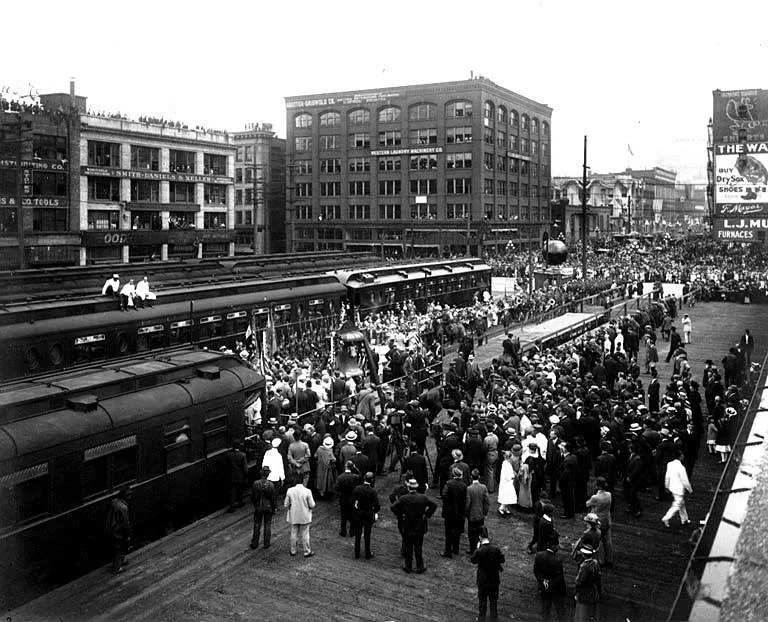
The following year, in 1847, the writer George Lippard published a made-up tale called "Ring, Grandfather, Ring," which spread widely. From the late 1800s, the bell travelled across the country for display at expositions and fairs. The photo below shows its stop in Seattle in 1915.

The yard where it was first read
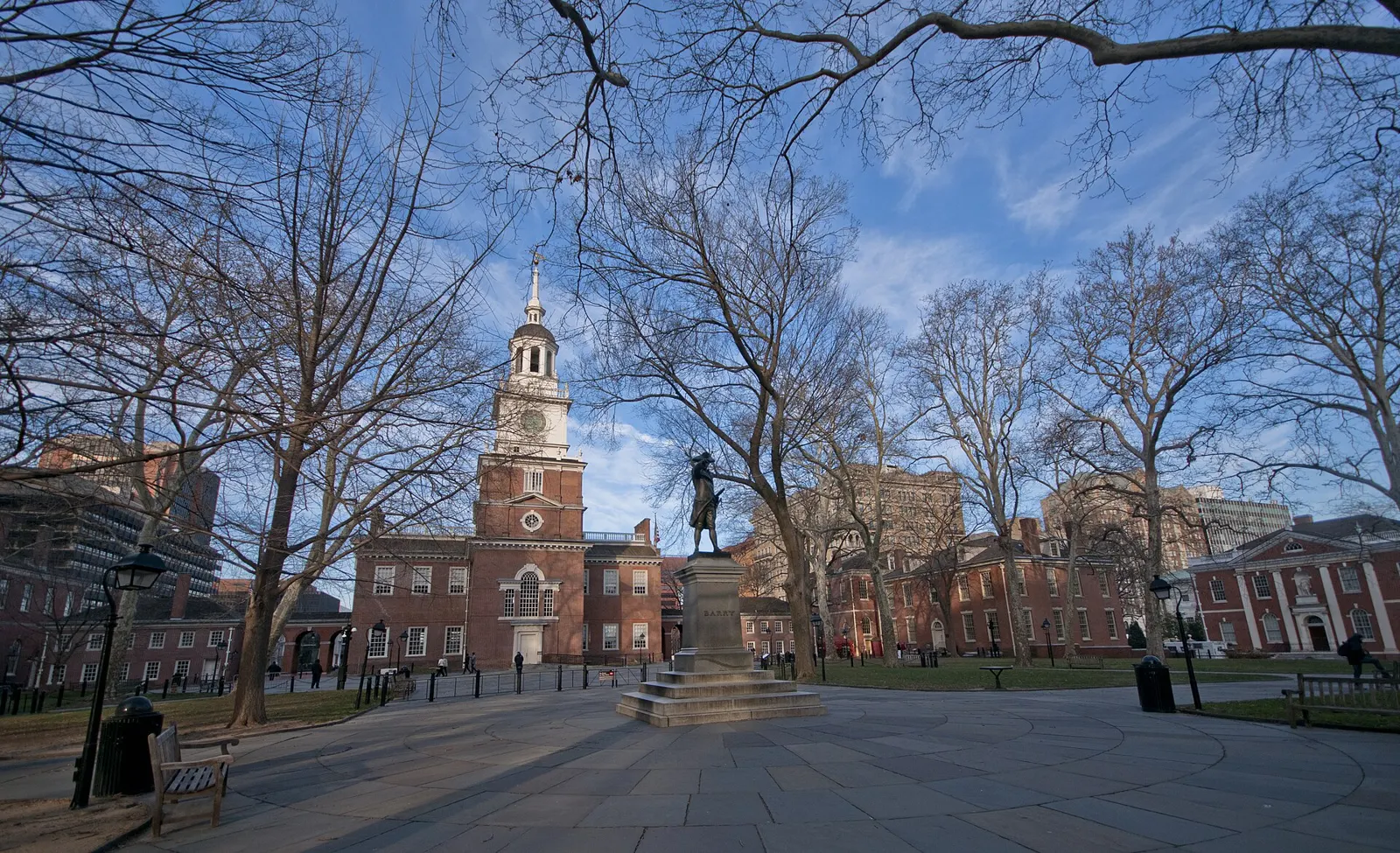
South of Independence Hall lies Independence Square, a broad, tree-filled green. This is where the Declaration of Independence was first read in public on July 8, 1776. Look up from beneath the trees and you will see the hall's tower.

Find the Liberty Bell on Wooriyeojido
Not because it rang, but because of the words cast into it, its cracked face and the stories people told about it, this bell became a national symbol. The Liberty Bell is pinned on the Wooriyeojido map. Look it up in the app, and if you go, leave your photos and stories from the day right beside it.
View this place in the Wooriyeojido appVideos of nearby places
 The 'shot heard round the world': was it really fired at this bridge? Old North Bridge, Concord
 The last spike joining two railroads was made of gold? The Golden Spike, 1869
 A glint in a stream that changed the West: the California Gold Rush, 1848
Sources
- National Park Service (Independence National Historical Park) — The Liberty Bell
- National Park Service (Independence National Historical Park) — Declaration of Independence
- National Park Service (Independence National Historical Park) — Independence Hall
- UNESCO World Heritage Centre — Independence Hall (78)