Golden Spike: Was the Last Spike of America's Transcontinental Railroad Really Gold?
In 1869, rails laid from the east and the west finally met at Promontory Summit, Utah. The people who built the line, the golden last spike and where it ended up, in a short video and photos.
In 1869, two railroads building toward each other from the east and the west of the United States finally met. The last spike driven to join them is said to have been made of gold. Was it? Start with the short video of what happened at Promontory Summit, Utah.
 Watch the one-minute video on YouTube
A high spot in northern Utah
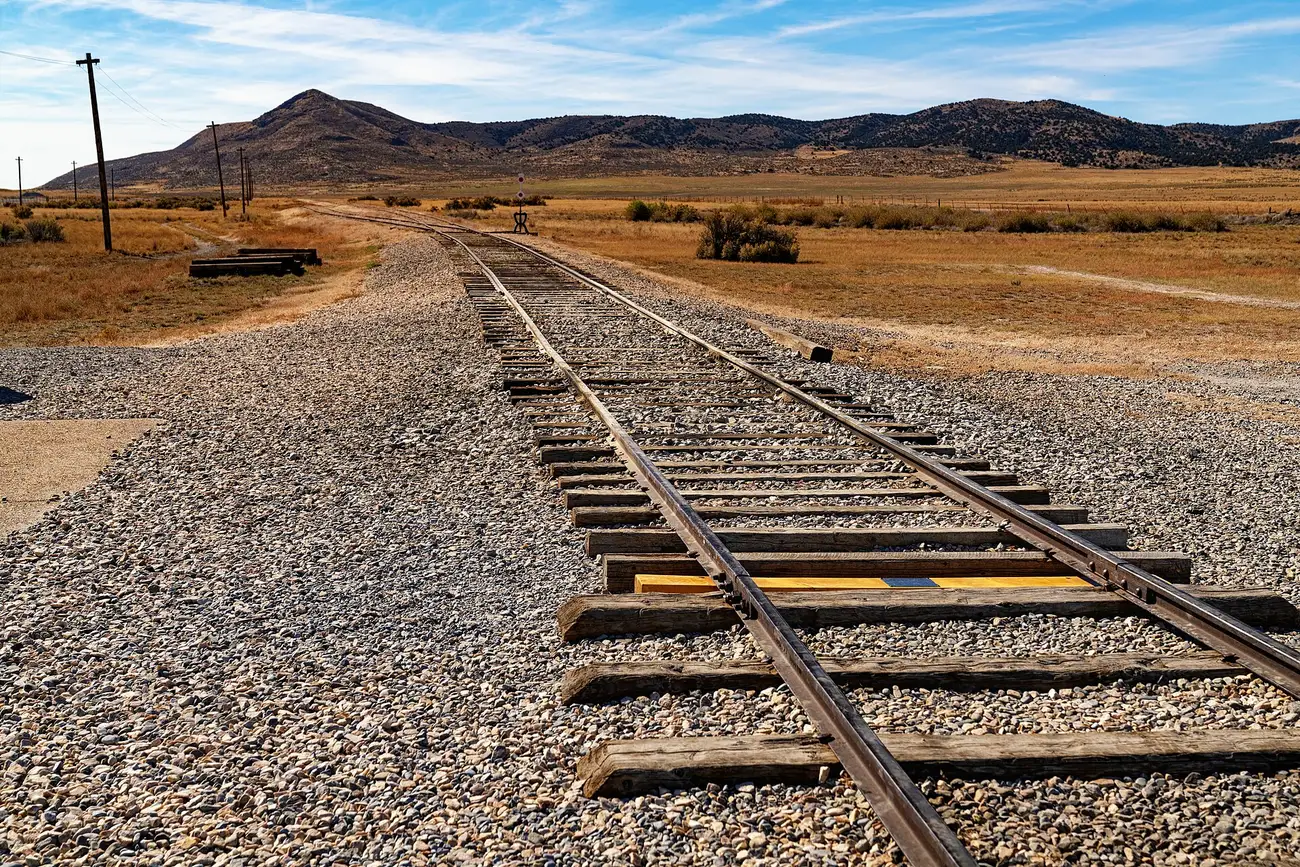
Promontory Summit sits on a dry, sagebrush-covered upland in northern Utah. Today it is Golden Spike National Historical Park, run by the National Park Service. It became a national historic site in 1965 and was redesignated a national historical park on March 12, 2019. The spot where the last spike was driven was recorded at the time and is marked in the park.
Two companies racing toward each other
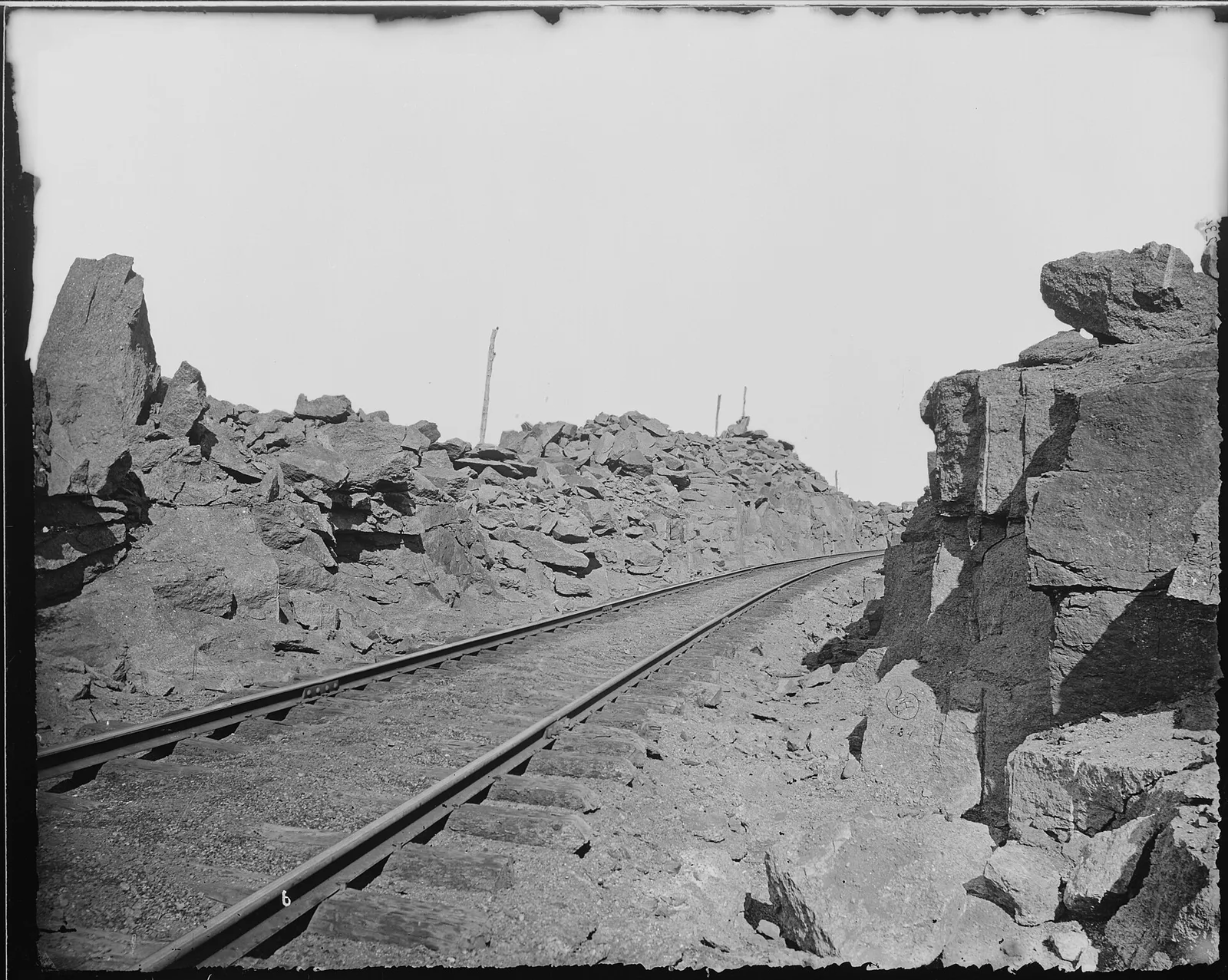
In 1862 Congress authorized the Central Pacific to build a railroad eastward from Sacramento, California, and in the same act chartered the Union Pacific, which built westward from Omaha.
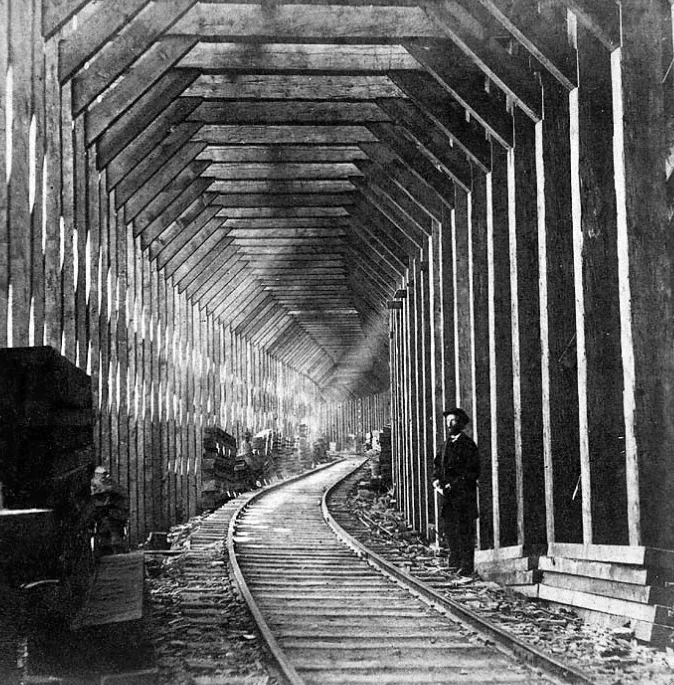
The Central Pacific had the Sierra Nevada in its way. Its crews blasted 15 tunnels through the granite and built 37 miles of peaked snow sheds to keep winter drifts off the track.
The people who built it
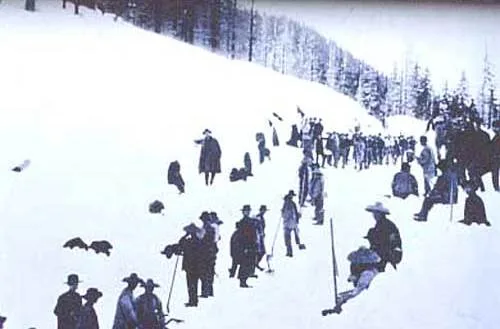
According to the National Park Service, the Central Pacific hired more than 10,000 Chinese workers, who formed the backbone of its workforce. They were paid on average 30 percent less than their white counterparts. More than a thousand are thought to have died on the job, though no exact count survives.
The Union Pacific drew 8,000 to 10,000 workers from Irish, German and Italian immigrants, Civil War veterans from both sides, formerly enslaved people and even Native Americans.
The two companies raced to grade more miles and claim more land subsidies. At one point their crews passed each other and kept going, grading parallel lines in opposite directions for more than 200 miles. In the end Congress stepped in and declared the meeting place to be Promontory Summit.
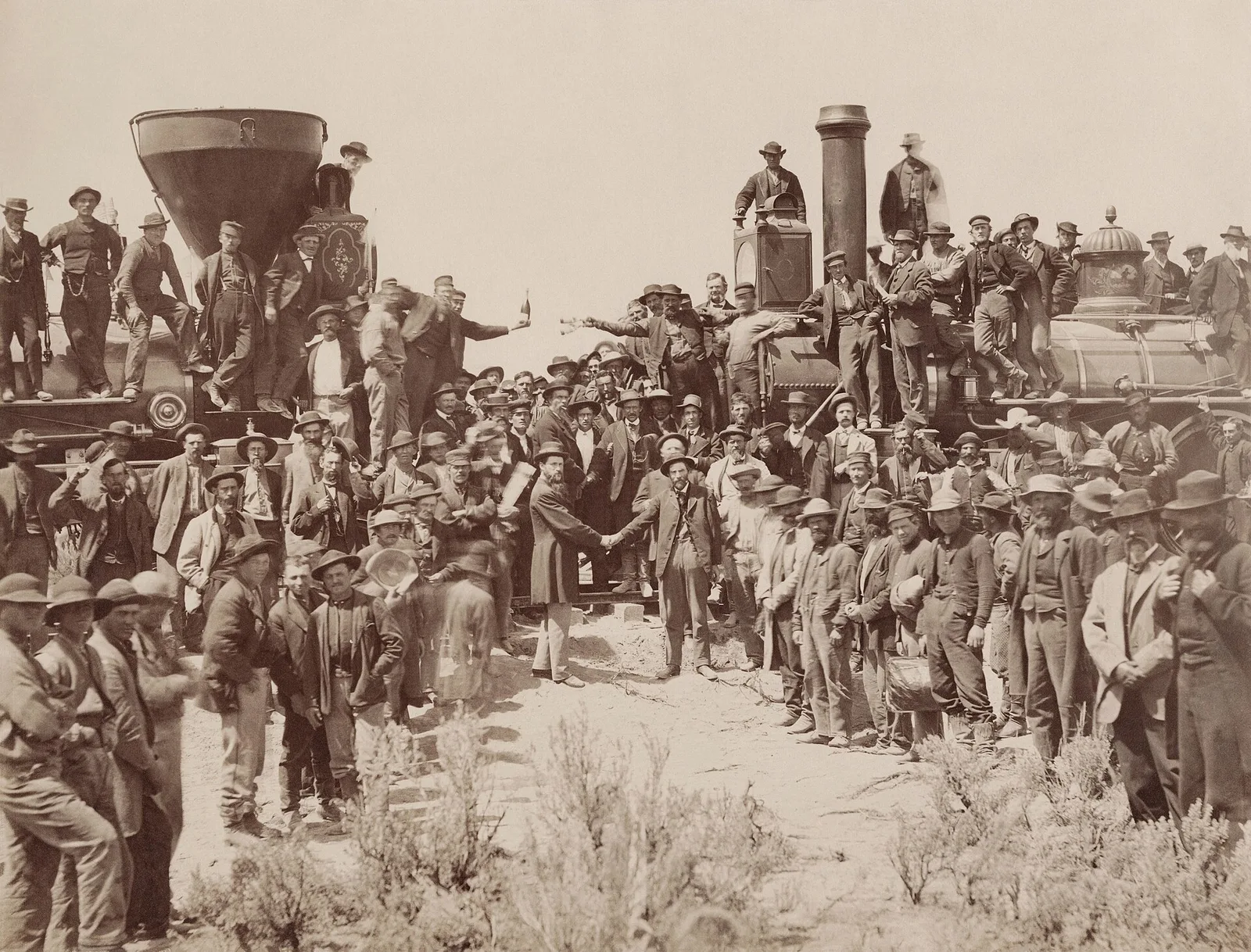
May 10, 1869: one rail missing
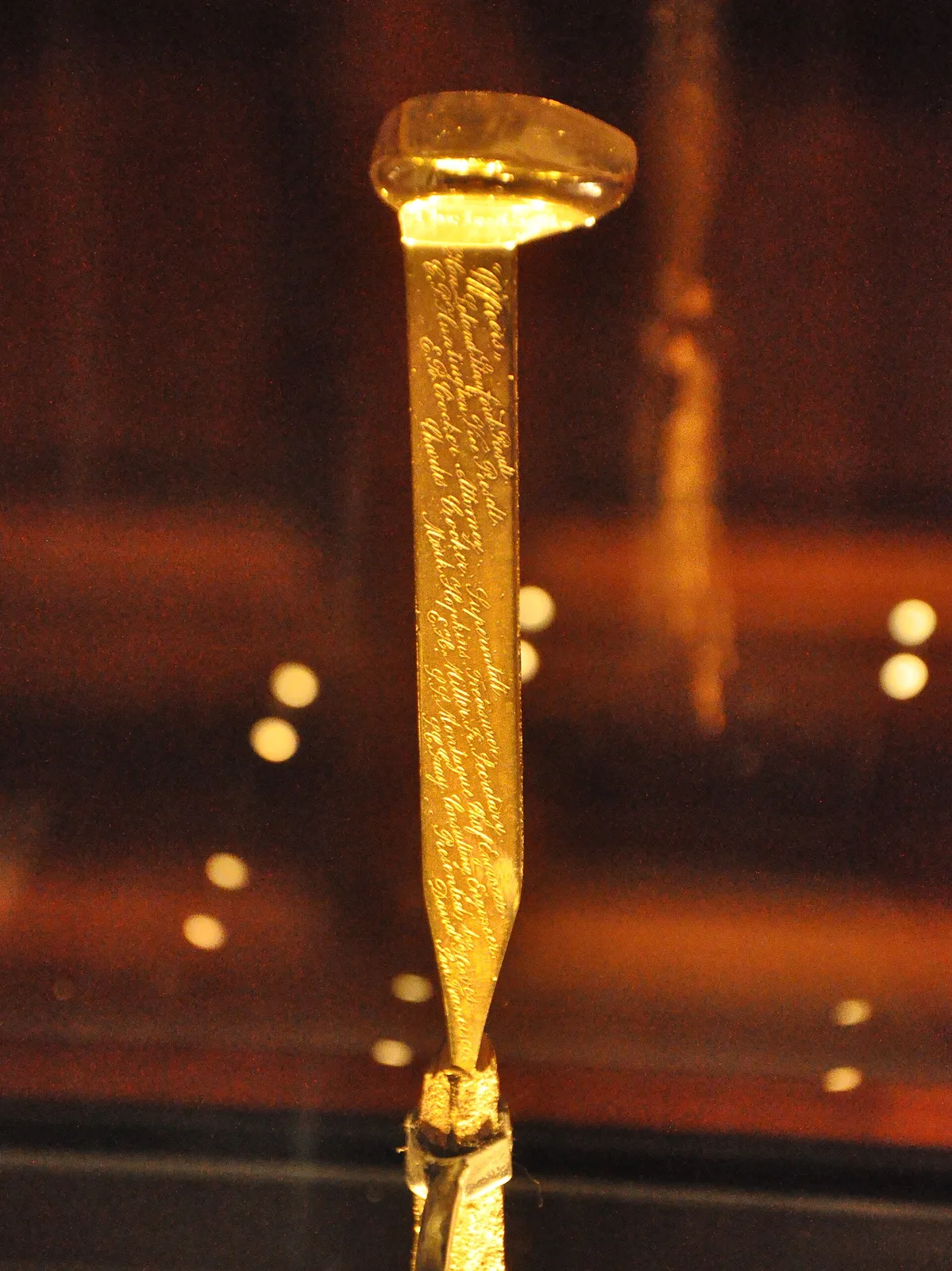
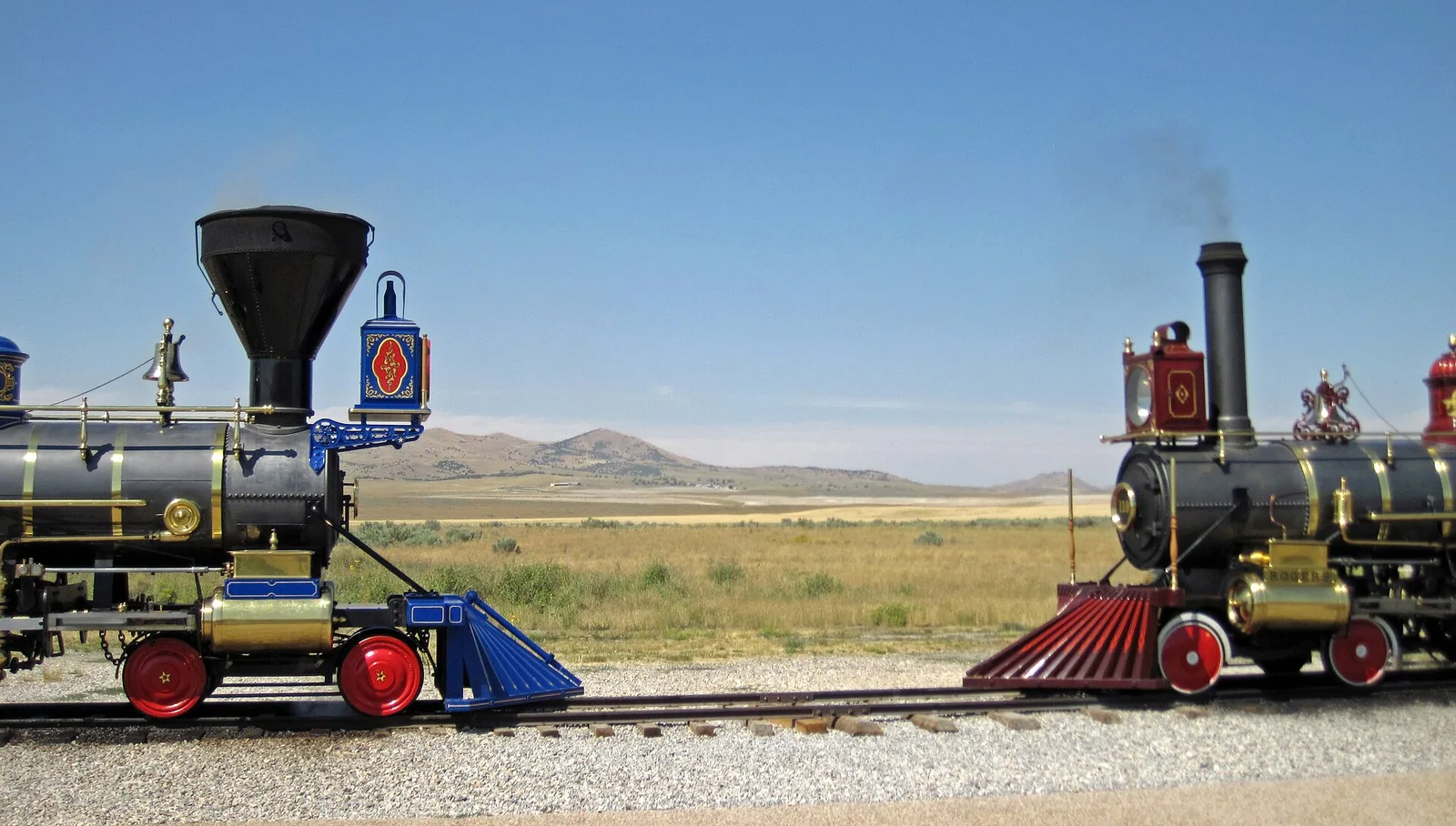
That day the Central Pacific's locomotive Jupiter and the Union Pacific's No. 119 pulled up to face each other across a gap of a single rail. Four special spikes were used in the ceremony, and one of them was cast from 17.6-carat gold. Its head was engraved "The Last Spike," and one side carried a prayer: "May God continue the unity of our Country as this Railroad unites the two great Oceans of the world." It was set into a polished California laurel tie and tapped gently with a silver-plated maul so as not to mark it.
Real gold, but iron did the work
So yes, the golden spike was real gold. But it was pulled out as soon as the ceremony was over. The special spikes and the laurel tie were swapped for an ordinary pine tie and standard iron spikes. What actually joined the rails was plain iron.
The final iron spike and the maul were wired to the telegraph. When the spike went in, at 12:47 p.m., a single word flashed across the country: "DONE."
The Central Pacific had laid 690 miles of track and the Union Pacific 1,086, a total of 1,776 miles. A journey that took six months by ox-drawn wagon now took six or seven days by train.
Where is the golden spike now?
In 1892 the golden spike was donated to the Stanford University museum, and today it belongs to Stanford's Cantor Arts Center in Palo Alto, California. There was a second gold spike, too, cast at the same time and kept hidden for generations by the descendants of David Hewes, the man behind the first. It is now at the California State Railroad Museum in Sacramento.
The original Jupiter and No. 119 were sold for scrap long ago. In their place, exact replicas built in 1979 run at the park every day from May 1 to October 14.
Find Golden Spike on Wooriyeojido
The place where rails from east and west finally met, built by the sweat of countless workers. Golden Spike is pinned on the Wooriyeojido map. Look it up in the Wooriyeojido app, and if you go, leave your photos and stories from the day right beside it.
View this place in the Wooriyeojido appVideos of nearby places


Sources
- National Park Service — Golden Spike National Historical Park brochure (2021)
- National Park Service — Four Special Spikes
- National Park Service — Chinese Labor and the Iron Road
- National Park Service — Frequently Asked Questions
- National Park Service — Everlasting Steam: The Story of Jupiter and No. 119
- National Park Service — Golden Spike National Historical Park Facts
- Union Pacific — The Original Golden Spike and its Promontory Summit Companions