Janggyeong Panjeon at Haeinsa: The Wooden Halls That Saved the Tripitaka Koreana
How have more than 80,000 woodblocks carved in medieval Korea survived at Haeinsa Temple on Mount Gaya? The scriptures recarved during the Mongol invasions, and the plain wooden depositories built to tame wind and damp, in a short video and photos.
More than 80,000 wooden printing blocks, every one of them densely carved with Buddhist scripture, still sit in Haeinsa Temple on Mount Gaya in South Korea. The last of them was finished over 770 years ago. How have they survived without rotting away? Start with the short video.

 Watch the one-minute video on YouTube
Haeinsa, halfway up Mount Gaya
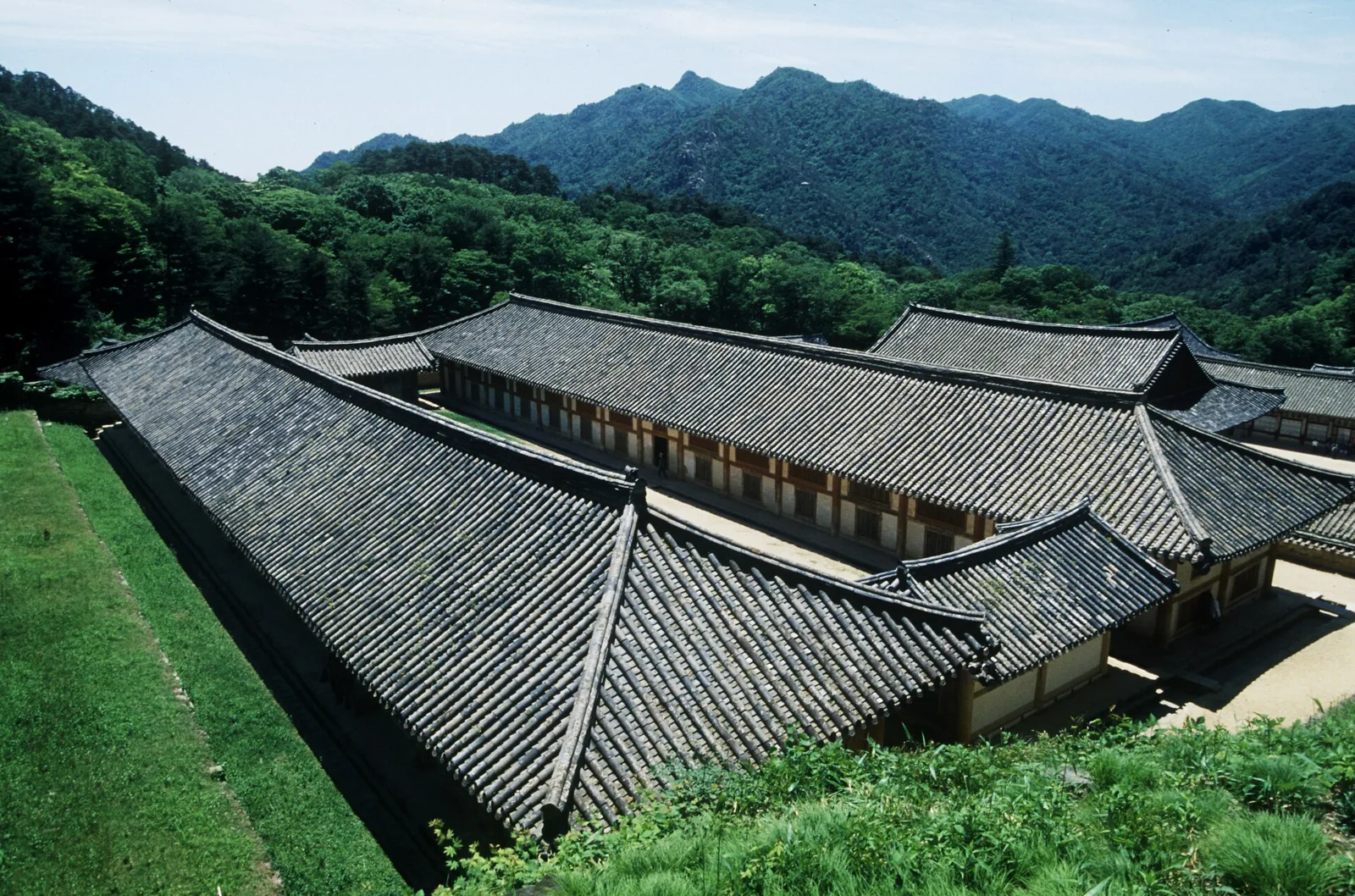
The Janggyeong Panjeon stands within Haeinsa Temple, halfway up Mount Gaya in Hapcheon County, South Gyeongsang Province. Haeinsa itself was founded in 802, during the Unified Silla period. The Janggyeong Panjeon is the oldest surviving building at the temple, and it was inscribed as a UNESCO World Heritage Site in December 1995.
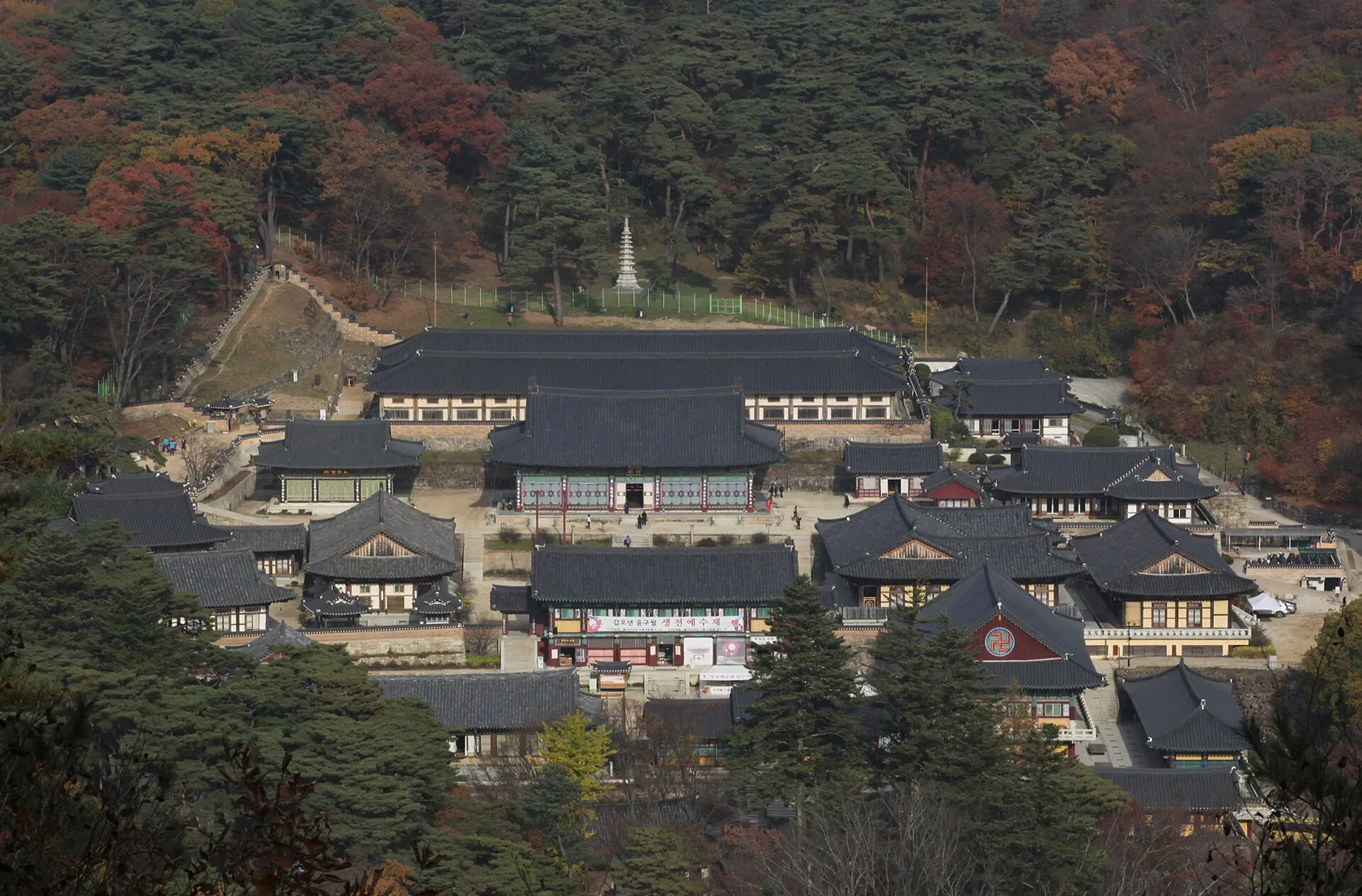

Recarved under Mongol attack
A tripitaka is a complete collection of Buddhist scripture, and in the Goryeo kingdom it was carved onto wooden blocks for printing. Goryeo's first set, carved under King Hyeonjong, went up in flames in 1232 when the Mongols invaded. In response, the court set up a temporary office, the Daejang Dogam, and carved the entire canon again, hoping to call on the authority of the Buddha to defend Korea against the Mongols. The work ran from 1237 to 1248.
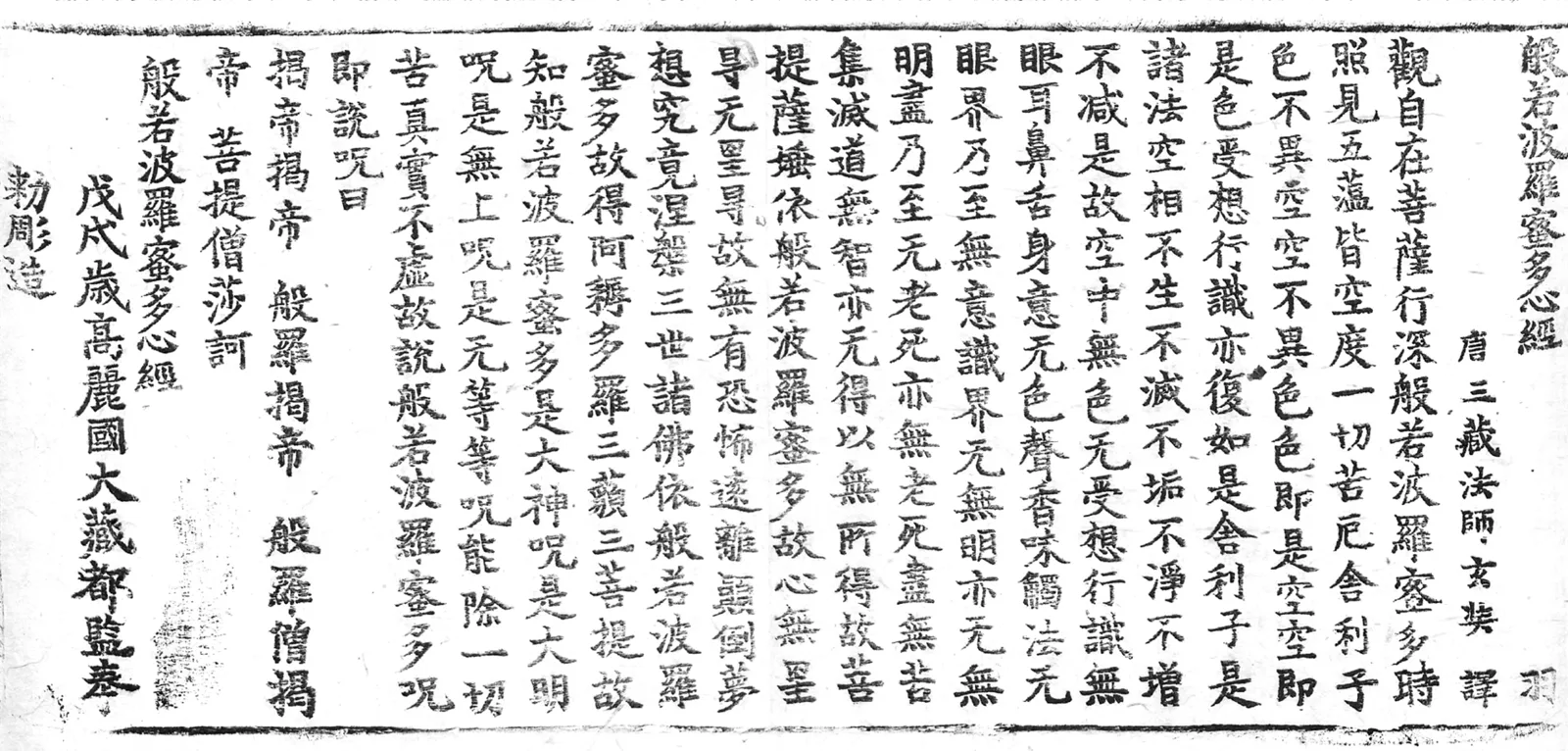

This is the Heart Sutra, printed from those blocks. Its last line states that the Daejang Dogam of the Goryeo kingdom carved it by royal command. UNESCO notes that the characters are so regular they look as if a single hand carved them all.
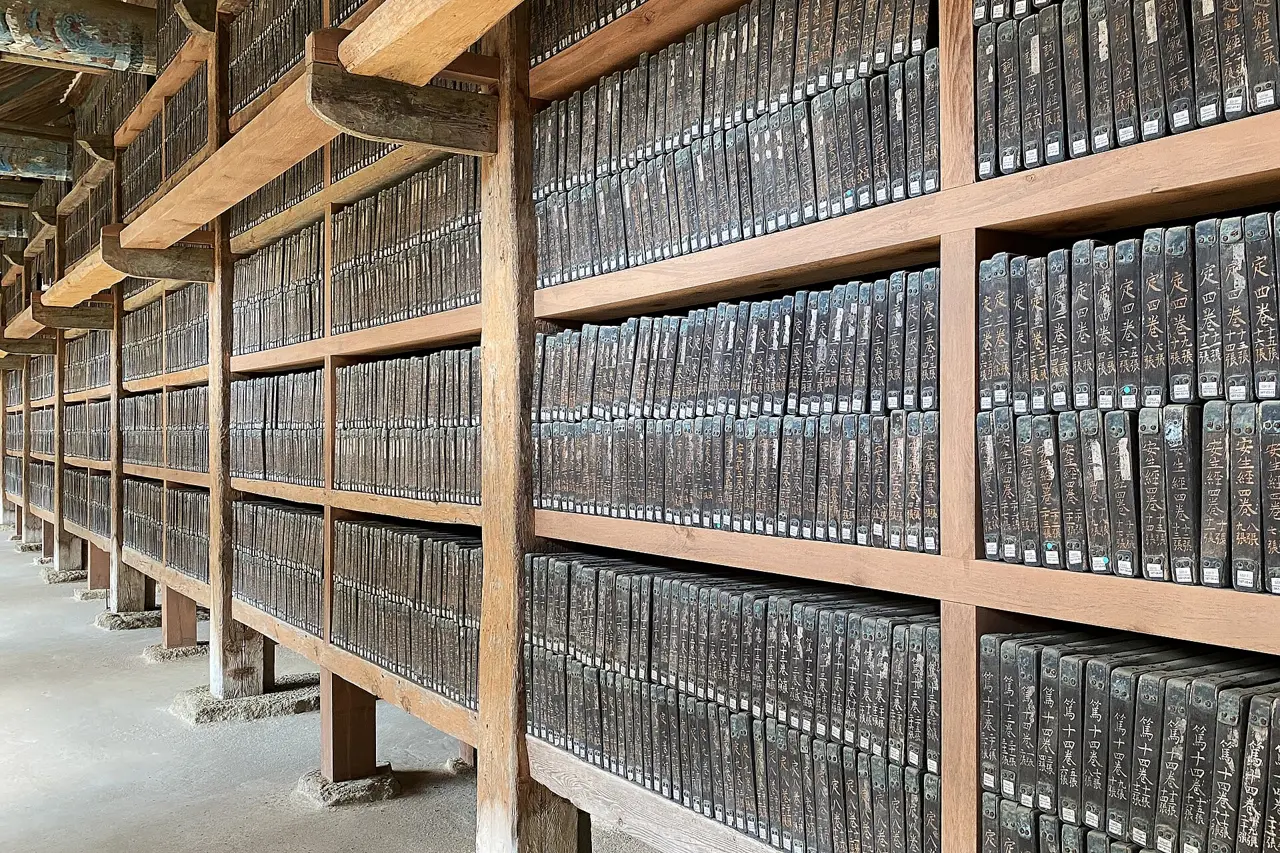
Each block measures roughly 70 by 24 centimetres and weighs 3 to 4 kilograms. A count made during the Japanese colonial period came to 81,258 blocks, a figure that includes some recarved during the Joseon dynasty. Together they hold 1,496 titles in 6,568 volumes, and in 2007 they were added to UNESCO's Memory of the World Register. The blocks were first kept on Ganghwa Island and moved, by way of Seonwonsa Temple, to Haeinsa in 1398.
Is the secret in the building?
Many put the blocks' survival down to the building that houses them. According to UNESCO, the depositories sit higher up the slope than the hall of the main Buddha. They date from the 15th century; the original construction date is unknown, but records say they were largely rebuilt in 1457 and rebuilt again in 1488 by the monk Hakjo with royal support. They are the only buildings in the world made specifically to store a tripitaka in woodblocks.

The halls are almost entirely without decoration. The ingenuity went into airflow instead. To keep air moving, the windows on the south and north walls were made different sizes, and every bay has its own windows. The floor hides another trick: beneath the earthen surface, layers of charcoal, lime powder and salt were laid down with sand to regulate humidity.
UNESCO describes the depositories as designed for natural ventilation, keeping temperature and humidity in balance, and credits them with protecting the blocks from rodents and insects for more than 500 years. Tucked deep in the mountains, they also escaped damage during the Japanese invasions of the 1590s. Korea's national heritage agency likewise credits their rational, scientific design, which works with the natural conditions, for keeping the woodblocks intact to this day.
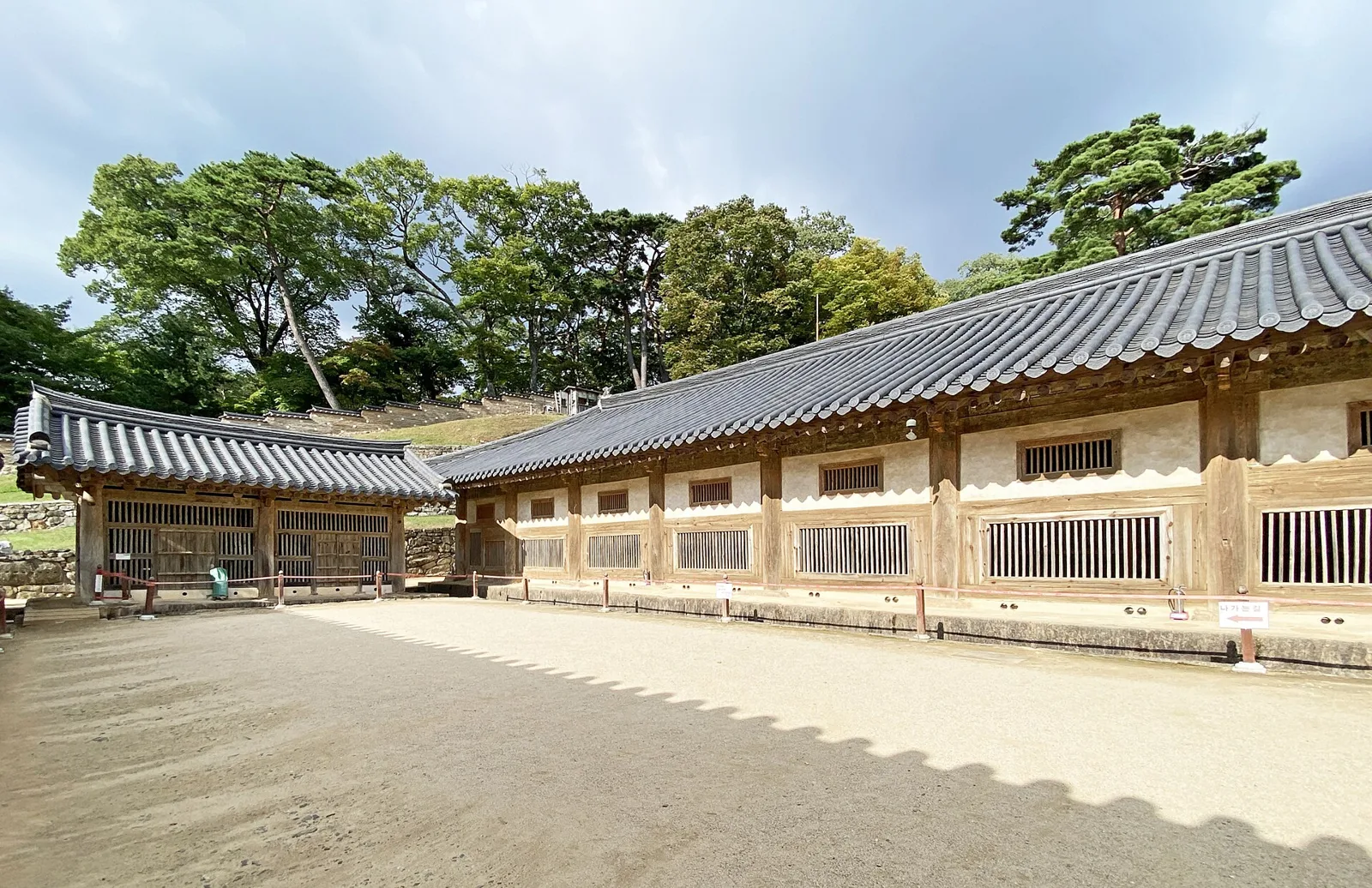

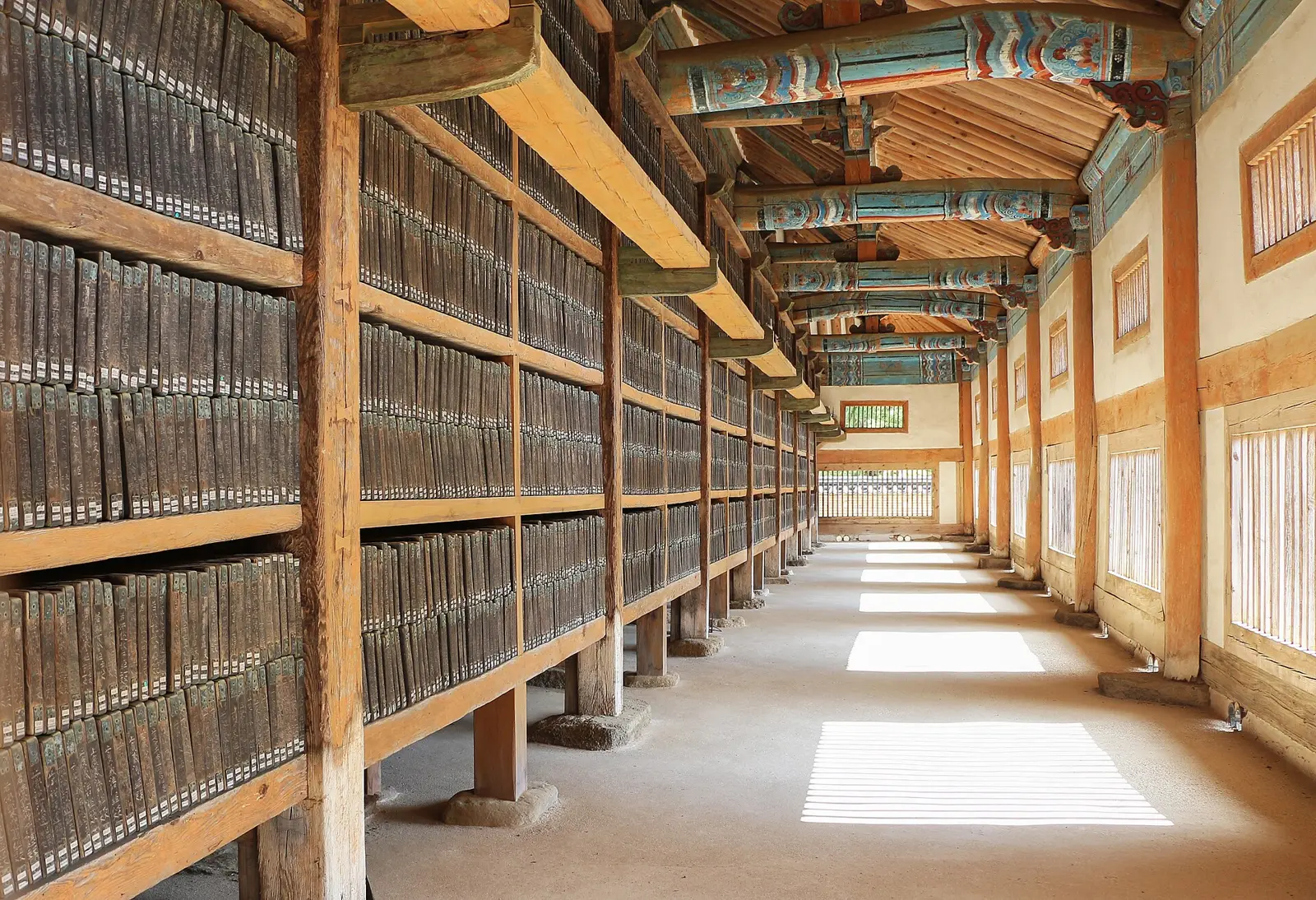

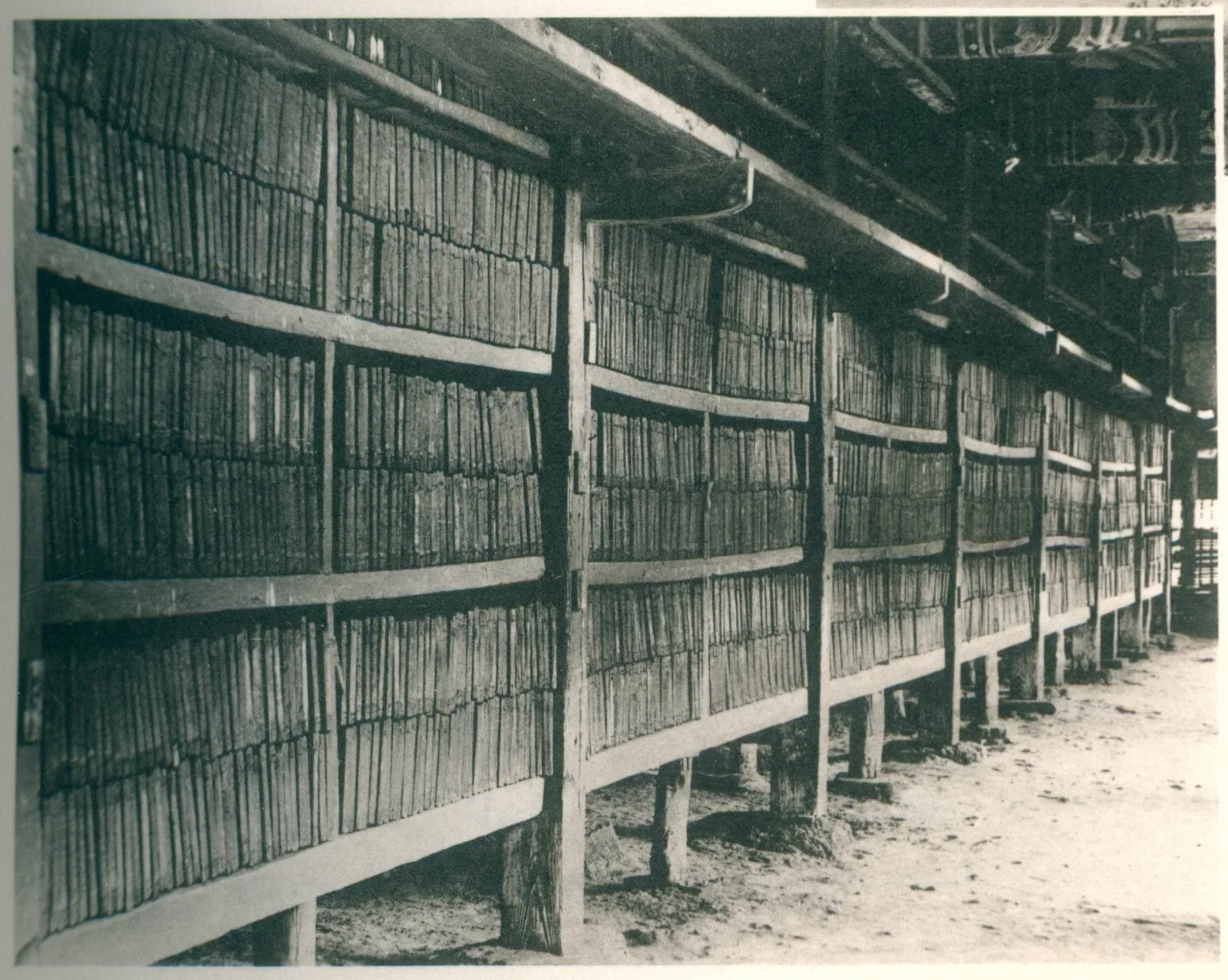
Below is a photograph from 1915. More than a century later, the blocks stand on their racks almost exactly as they do now.

Find the Janggyeong Panjeon at Haeinsa on Wooriyeojido
Carved more than 770 years ago, these blocks have been kept safe for over five centuries by plain wooden halls that tame wind and damp. The Janggyeong Panjeon at Haeinsa is pinned on the Wooriyeojido map. Look it up in the Wooriyeojido app, and if you go, leave your photos and stories from the day right beside it.
View this place in the Wooriyeojido appVideos of nearby places
 Fifteen months to copy one Bible: what changed? The Gutenberg Bible
 The temple with a floating rock: Buseoksa in Yeongju
 Where did the nine dragons of the pond go? The legend of Tongdosa