Ha Long Bay: The Vietnamese Sea Where Dragons Spat Out Islands
Nearly two thousand islands rise from Ha Long Bay in Vietnam's Quang Ninh Province. The legend of a mother dragon and her young who came down to stop an invading fleet, and how limestone and sea really shaped the bay, in a short video and photos.
Off the coast of northeastern Vietnam, countless rocky islands rise out of the sea. An old story says they were once pearls and jewels spat out by dragons. Is there any truth to it? Start with the short video, which tells both the legend and the real story of Ha Long Bay.
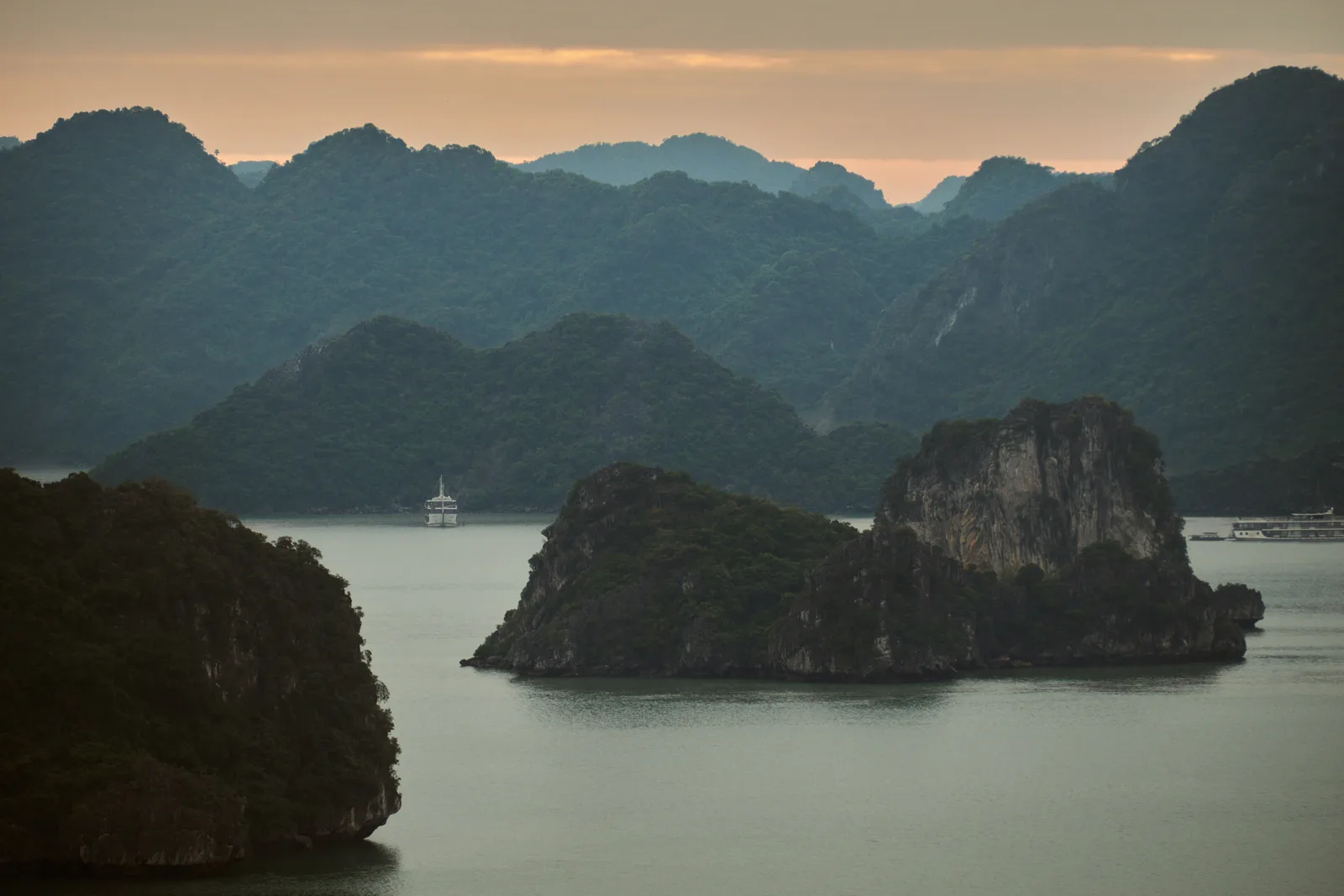

 Watch the one-minute video on YouTube
A sea of 1,969 islands
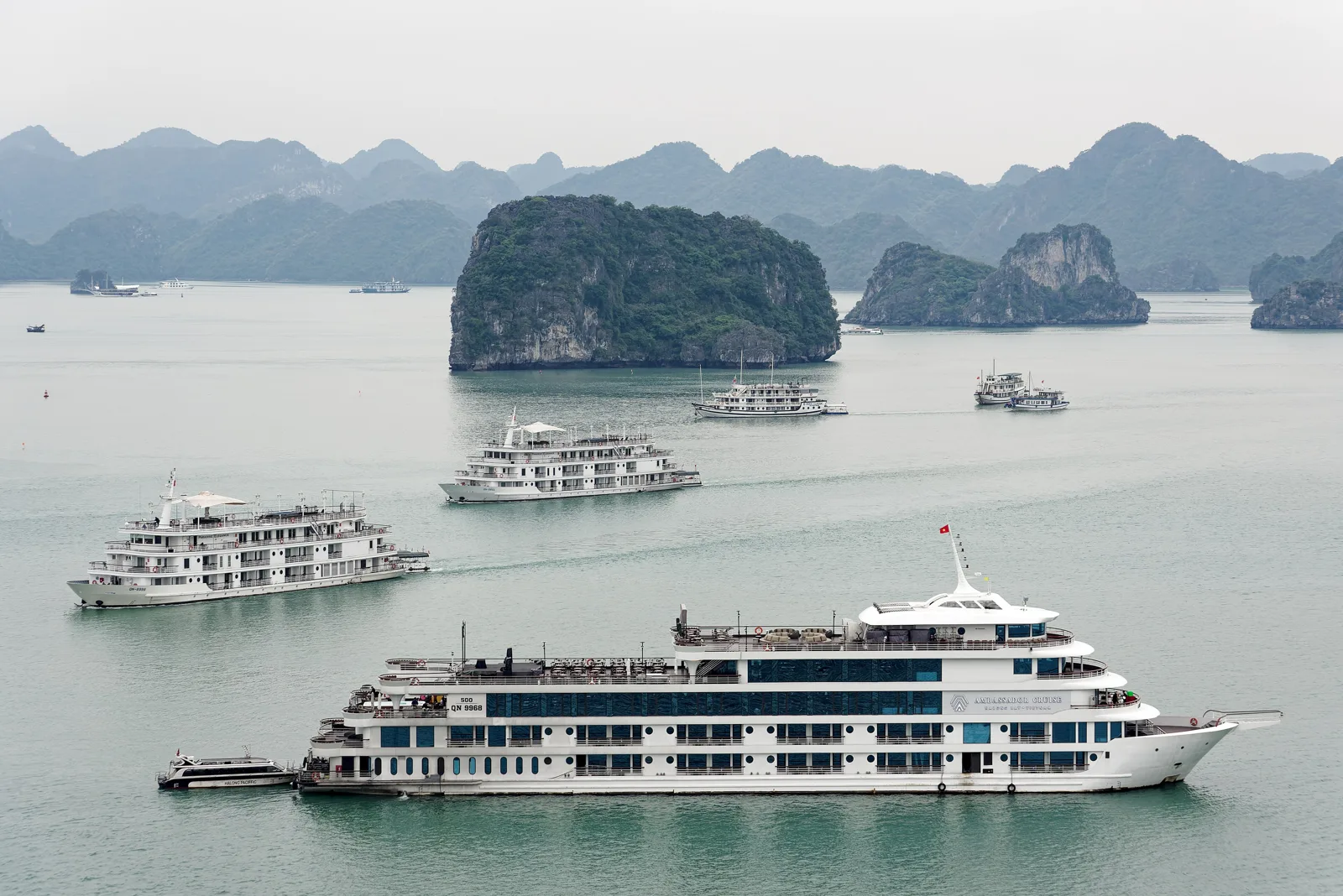
Ha Long Bay lies in Quang Ninh Province in northeastern Vietnam, about 165 kilometres from Hanoi. According to the Ha Long Bay Management Board, its 1,553 square kilometres of water hold 1,969 islands.
UNESCO inscribed it as a World Heritage Site for its natural beauty in 1994, then recognised it again in 2000 for its geology and landforms. In 2023 the site was extended to take in the Cat Ba Archipelago near Hai Phong, becoming Ha Long Bay – Cat Ba Archipelago. The protected area alone includes 1,133 islands.

Where the dragon came down
Ha Long means "descending dragon," and in Quang Ninh they tell a story to go with the name.
Long ago, when the Vietnamese people were first founding their nation, an enemy fleet came sweeping in from the sea. Heaven sent down a mother dragon and her young to defend the land. The dragons spat out a flood of pearls and jewels, which turned into countless stone islands, strung across the water like a great wall. The invading ships, unable to stop, smashed into the islands and into each other.
When it was over, the dragons chose not to return to the sky. The place where the mother dragon landed became Ha Long; where her young came down is Bai Tu Long. And the spot where the dragon's tail churned the sea white is Long Vi, said to be today's Tra Co Peninsula.

What really made the islands
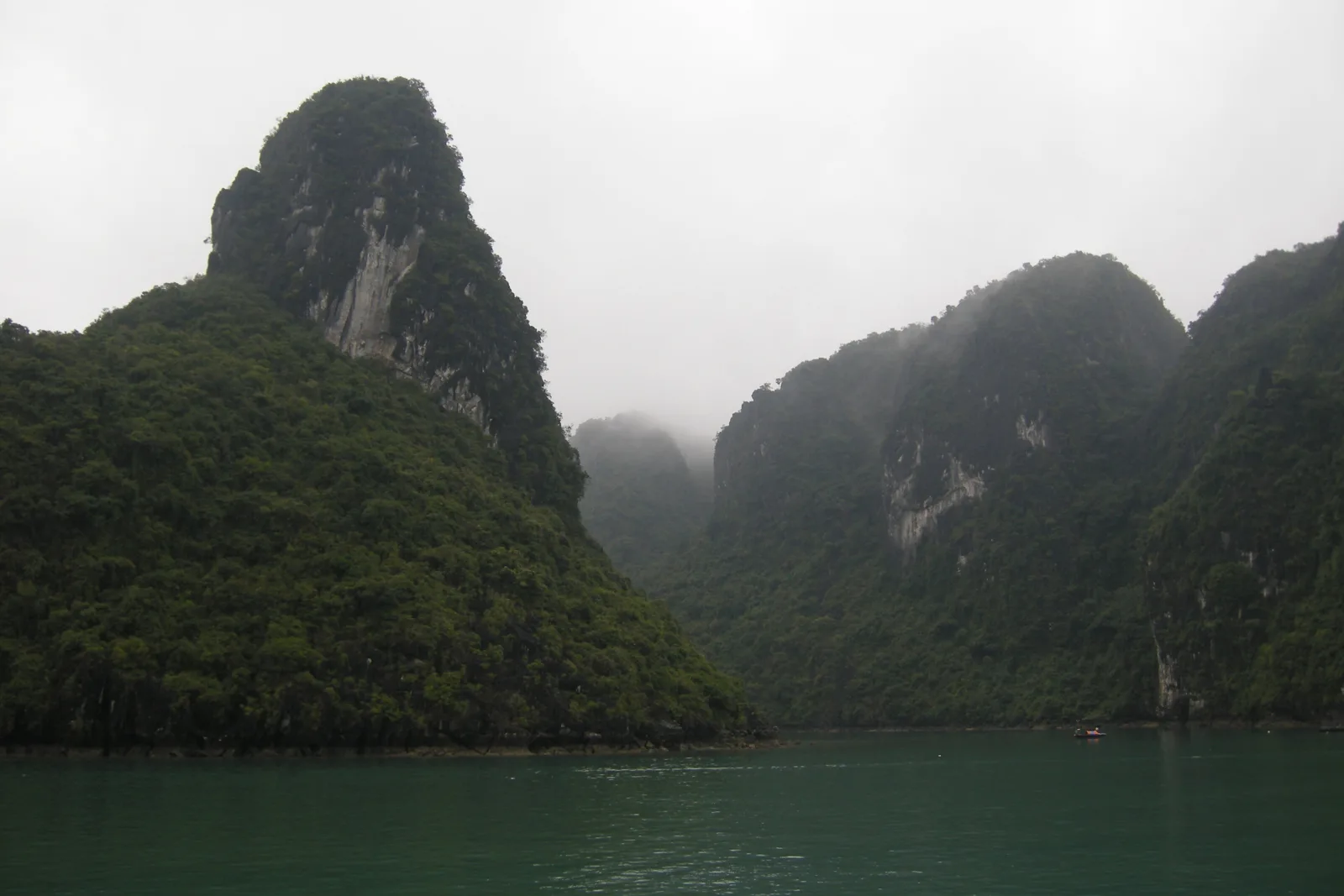
The real origin story is written in stone. UNESCO calls Ha Long Bay the largest and best-known example of marine-invaded tower karst: steep limestone pillars drowned by the sea.
According to the management board, the limestone here is up to 1,000 metres thick. Over an immense span of time, the hot, humid climate dissolved and wore it away until only towers and peaks were left. Then the sea flooded in around them, leaving the islands standing in open water.
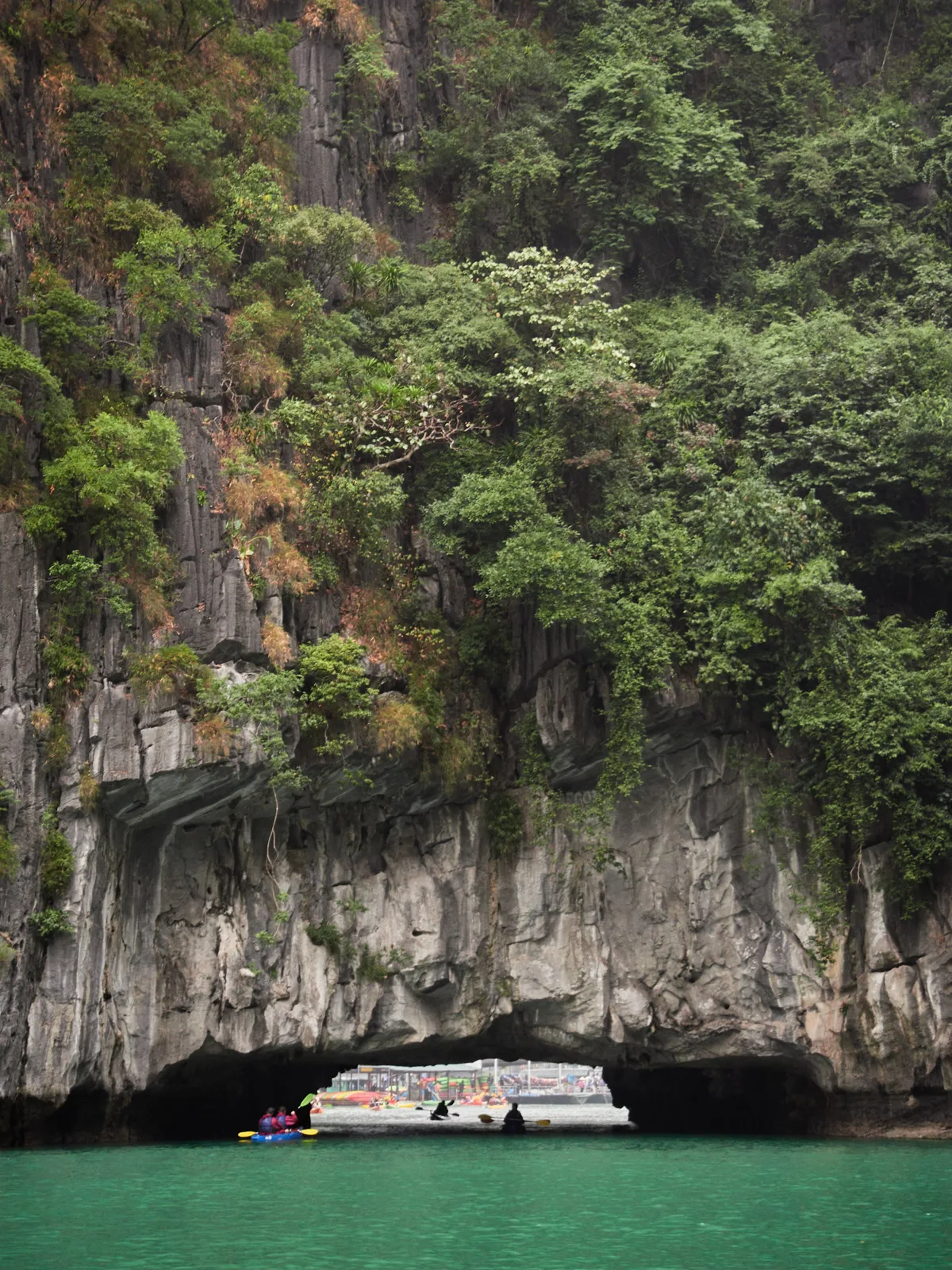

Get close in a boat and you will see notches carved into the base of the cliffs, and caves cut right through them. They were gnawed out by the sea, and they record where sea level stood in the distant past.
A name, and a sea serpent
The name Ha Long first appears on French nautical charts in the late 19th century; older Vietnamese books don't mention it. The management board offers one colourful explanation for how it caught on. In 1898, the story goes, the crew of a French ship reported seeing a pair of giant sea serpents, and a French-language newspaper in Hai Phong ran the news that a dragon had appeared in Ha Long Bay.
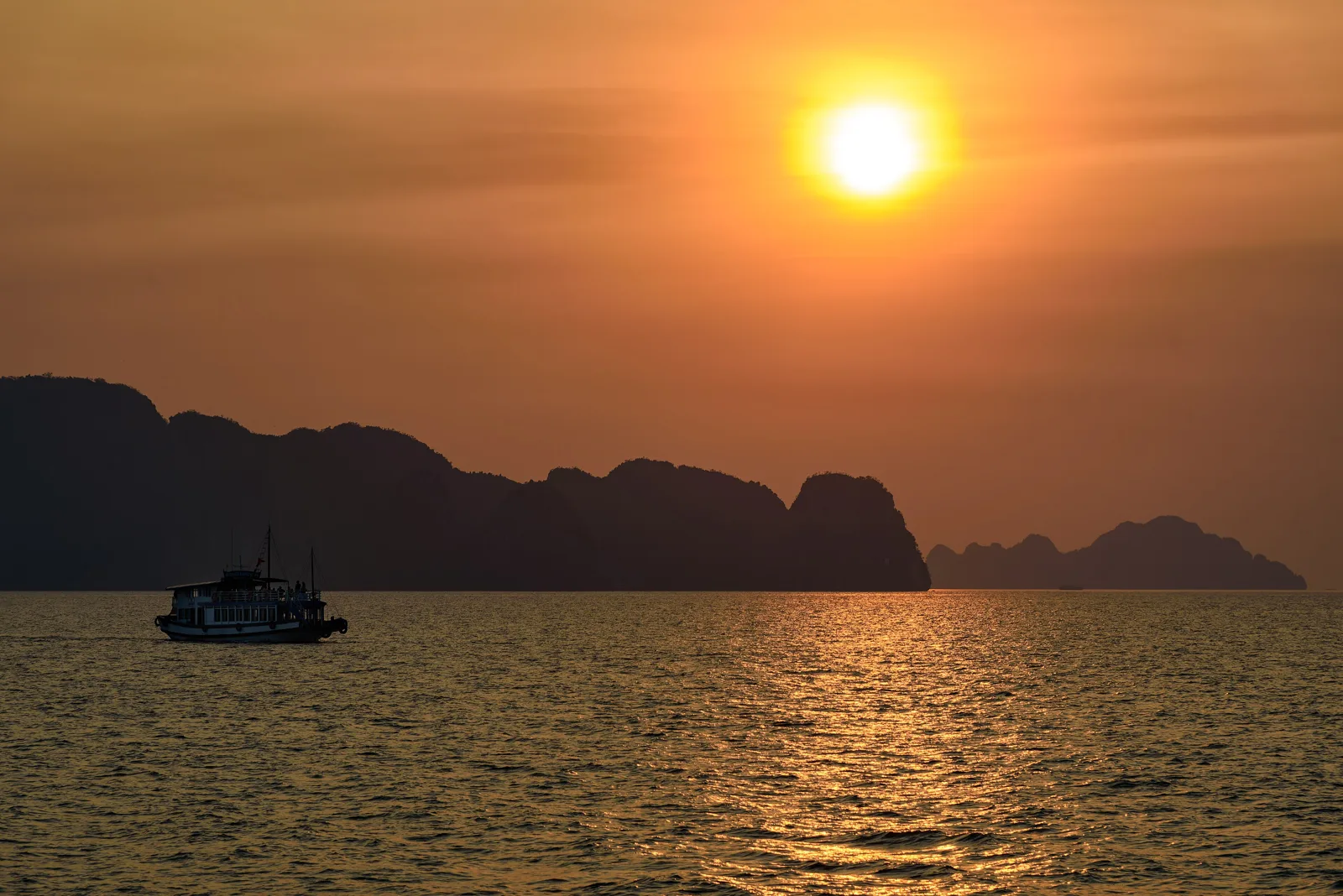

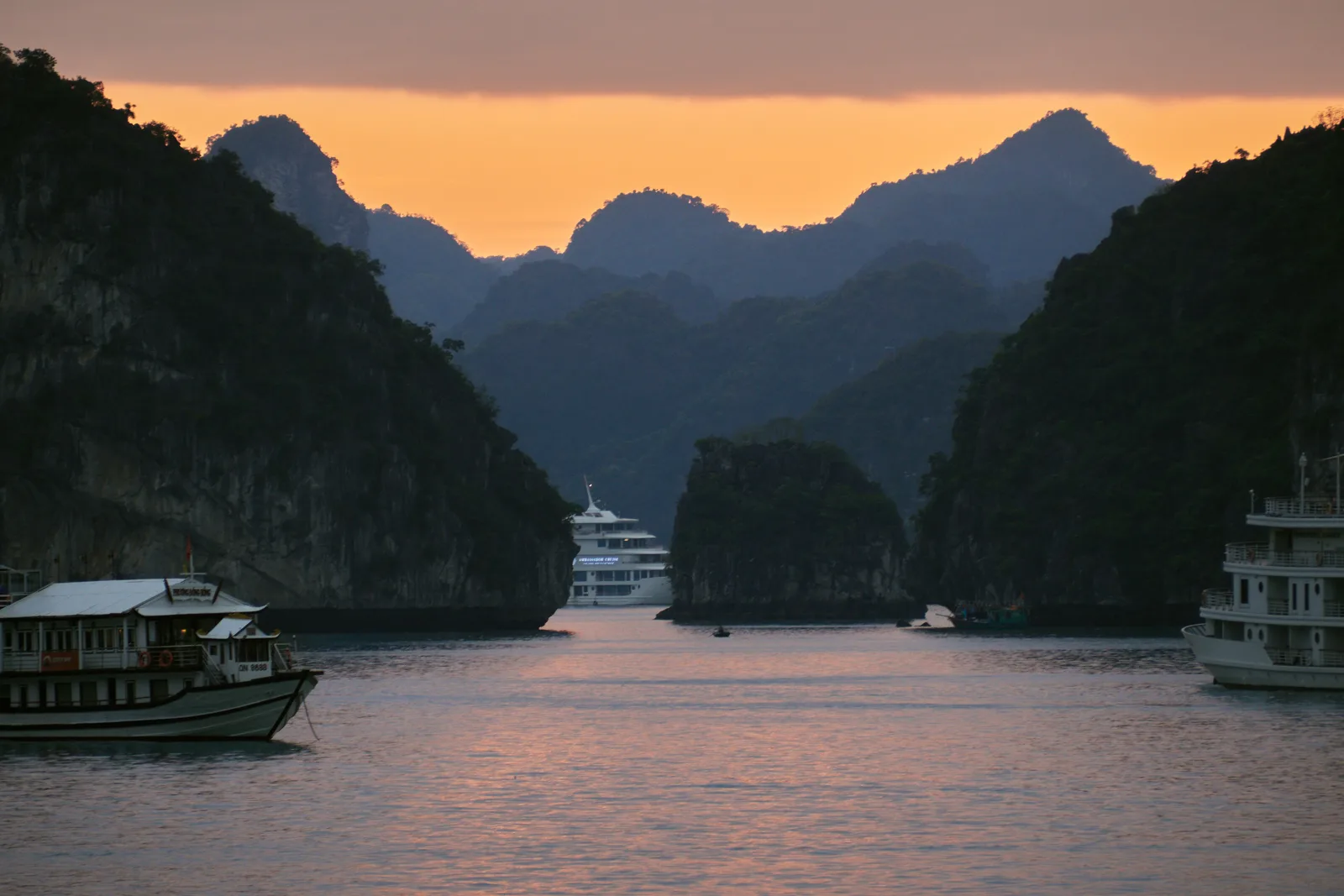

Dragons spitting out jewels is legend. The islands are the work of limestone and sea over a very long time. Still, watch the islands turn to silhouettes at dusk and it is easy to see why people imagined dragons.
Find Ha Long Bay on Wooriyeojido
Nearly two thousand islands scattered across the sea like a dragon's pearls. Ha Long Bay is pinned on the Wooriyeojido map. Look it up in the Wooriyeojido app, and if you go, leave your photos and stories from the day right beside it.
View this place in the Wooriyeojido appVideos of nearby places
 Who guards the temple on the sea? Tanah Lot, Bali
 A temple said to be built by gods: who really built Angkor Wat?
 Where does the giant's stone road lead? The Giant's Causeway
Sources
- UNESCO World Heritage Centre — Ha Long Bay - Cat Ba Archipelago (672)
- Ha Long Bay Management Department — The origin of the name
- Ban quản lý vịnh Hạ Long — Nguồn gốc tên gọi
- Ban quản lý vịnh Hạ Long — Vị trí địa lý
- Ban quản lý vịnh Hạ Long — Các danh hiệu của vịnh Hạ Long
- Ha Long Bay Management Department — Geological - Geomorphological values