Glastonbury Tor: The Hill of Avalon Where the Holy Grail Was Said to Be Hidden
A lone hill rises above the flat Somerset Levels. How the Isle of Avalon, a 1191 grave discovery, the Holy Grail and a red-water spring all came to settle on this one hill, in a short video and photos.
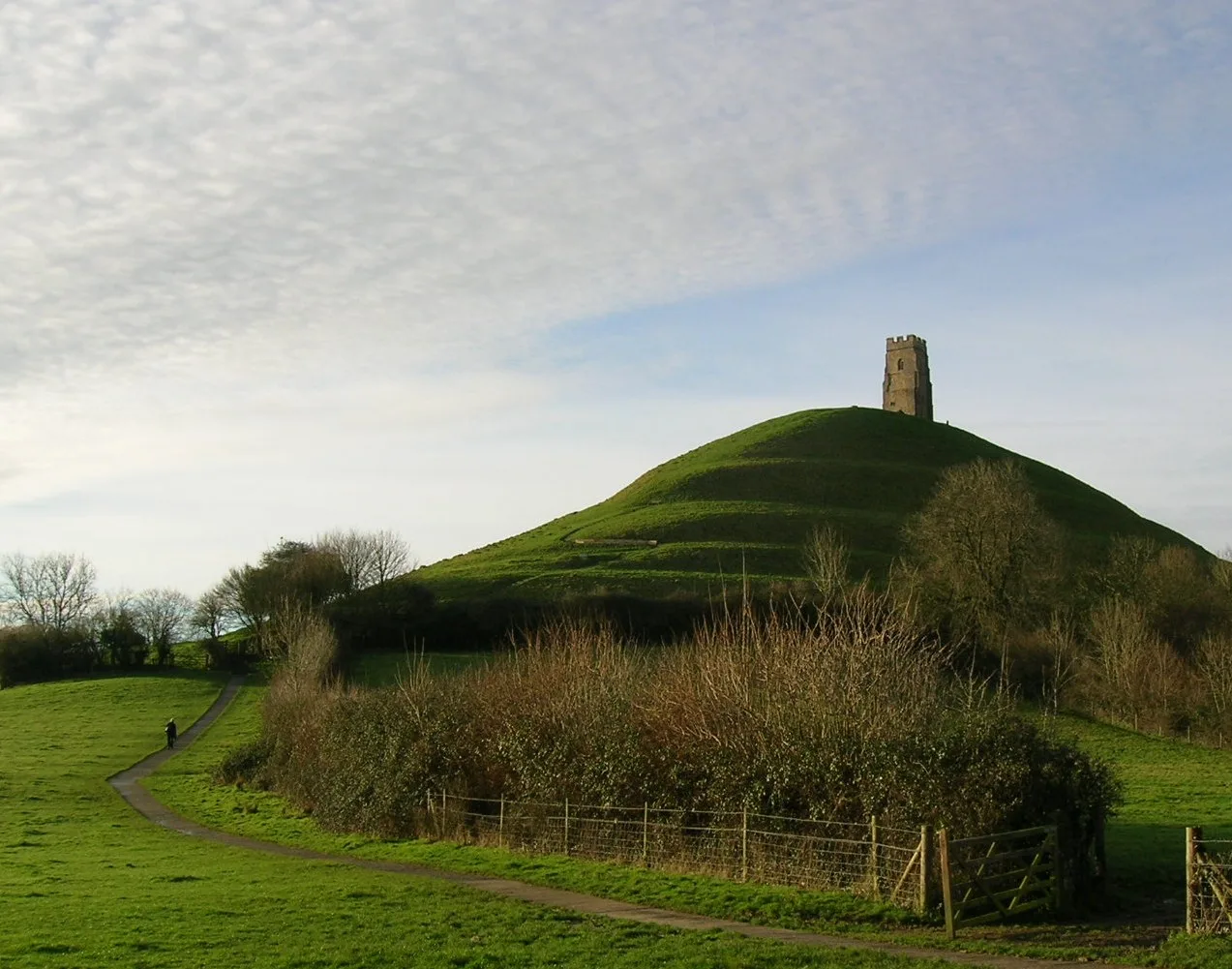
In the middle of the flat Somerset Levels in south-west England, a single rounded hill shoots up out of the fields, topped by a lone tower. This is Glastonbury Tor. Legend says the Holy Grail of King Arthur's stories lies hidden at its foot. Is there any truth to it? Start with the short video.
 Watch the one-minute video on YouTube
A lone hill above the Levels
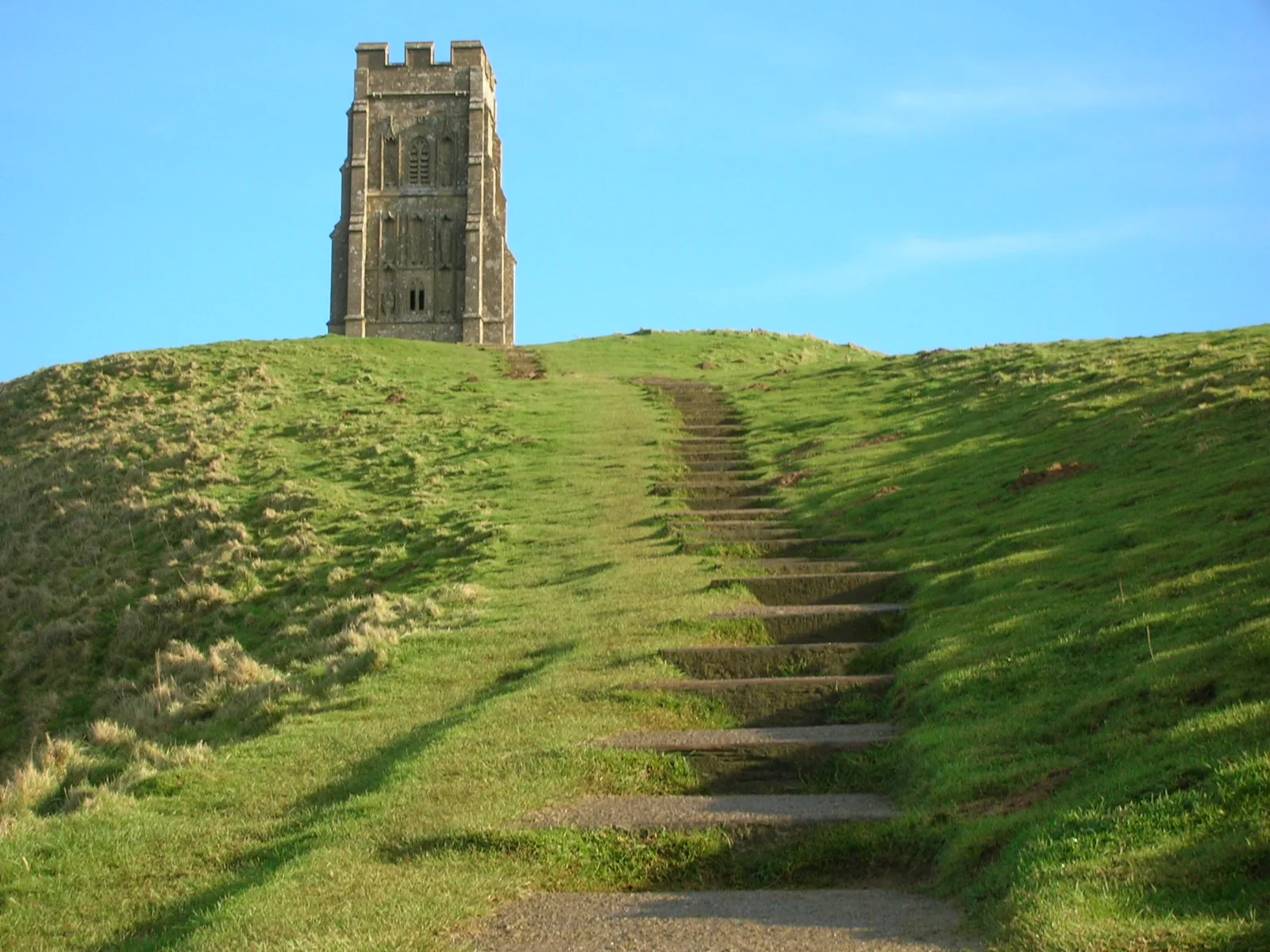
Glastonbury Tor rises right beside the small Somerset town of Glastonbury and is cared for by the National Trust. From the top, the Somerset Levels spread out below you, and on a good day the view reaches all the way to Wales.
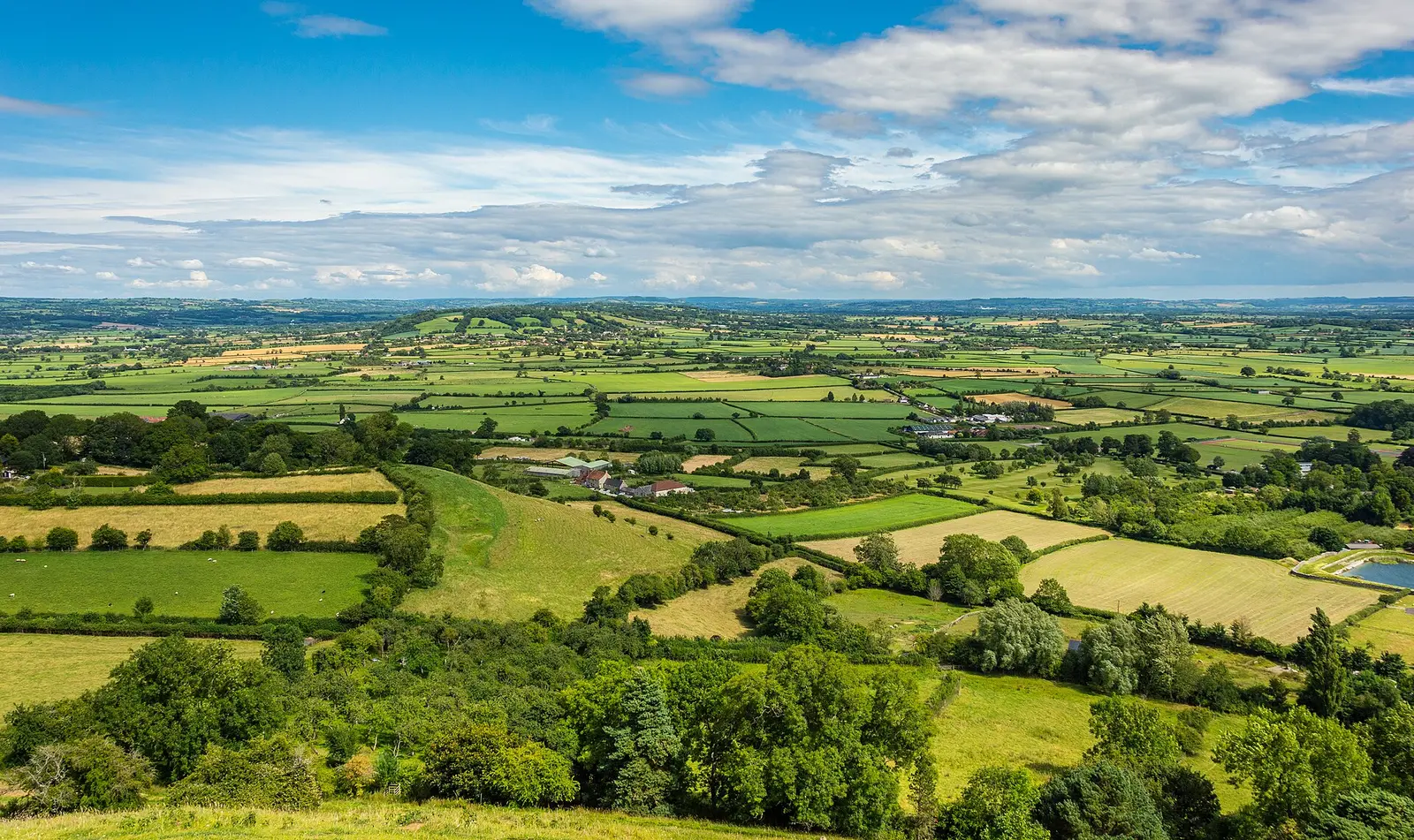
The National Trust describes the Tor as a hill "overlooking the Isle of Avalon." Long ago this whole area was waterlogged marsh, and the hill is said to have looked like an island rising out of the water.
An island no one could find
Avalon is the island of the Arthurian legends. The 12th-century writer Geoffrey claimed that Arthur was carried there to die. Where Avalon actually was, however, nobody knew.
1191: the monks' announcement
At the foot of the Tor stood Glastonbury Abbey. According to the University of Reading, whose researchers have re-examined the abbey's excavation records, the monks announced in 1191 that they had found the grave of King Arthur and his queen. The earliest account of the dig comes from Gerald of Wales, writing in 1193.
In the grave, the story goes, was a lead cross. Its Latin inscription declared that the renowned King Arthur lay buried in the Isle of Avalon. It was the first apparent evidence that Glastonbury was Avalon.
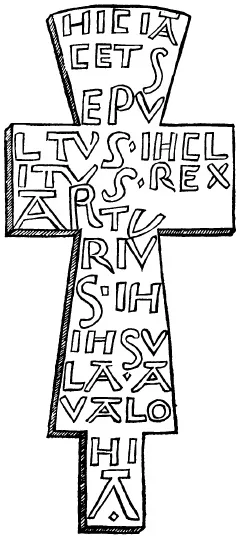
Today the cross is believed to have been a forgery, modelled on an earlier artefact. The original has vanished, and only an engraving published in 1607 shows what it looked like.
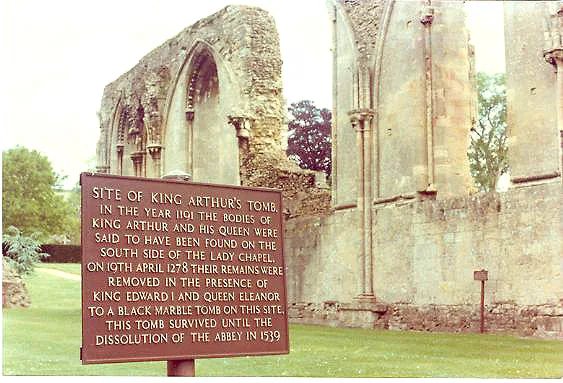
A sign still marks the "Site of King Arthur's Tomb" in the abbey grounds. It says the bodies of Arthur and his queen were said to have been found in 1191, and that on 19 April 1278, in the presence of King Edward I and Queen Eleanor, their remains were moved to a black marble tomb on this spot.
Joseph of Arimathea and the Grail
The Holy Grail is the cup said to have been used by Jesus at the Last Supper. The University of Reading notes that by the late 12th or early 13th century, people were claiming that Joseph of Arimathea, the man who in the Gospels arranged Jesus's burial, had brought the Grail to western Europe. Later came a further story: that Joseph had arrived in Glastonbury in AD 63.
Chalice Well, the Blood Spring
At the foot of the Tor, in the valley between the Tor and Chalice Hill, lies Chalice Well. The trust that looks after it calls it Britain's oldest holy well. It is also known as the Blood Spring, for its red water and for the legend that Joseph brought two cruets holding the blood and water from Christ's wounds.
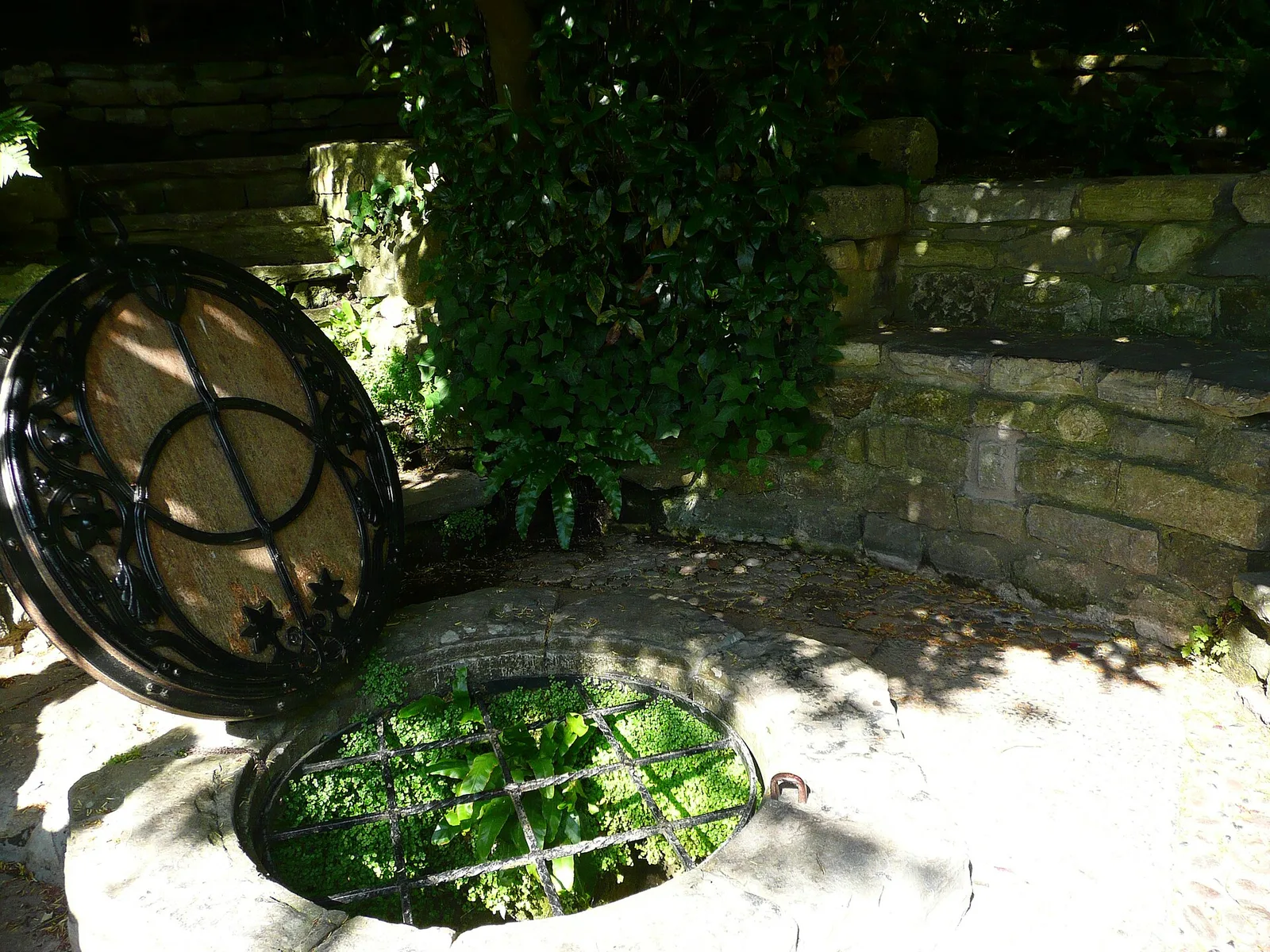
Another tale says the Grail was hidden beneath the spring, and that the water has run red ever since. The real reason is iron. As the Chalice Well Trust explains, the spring is so rich in iron that it stains the water an orangey red.
The tower on the summit
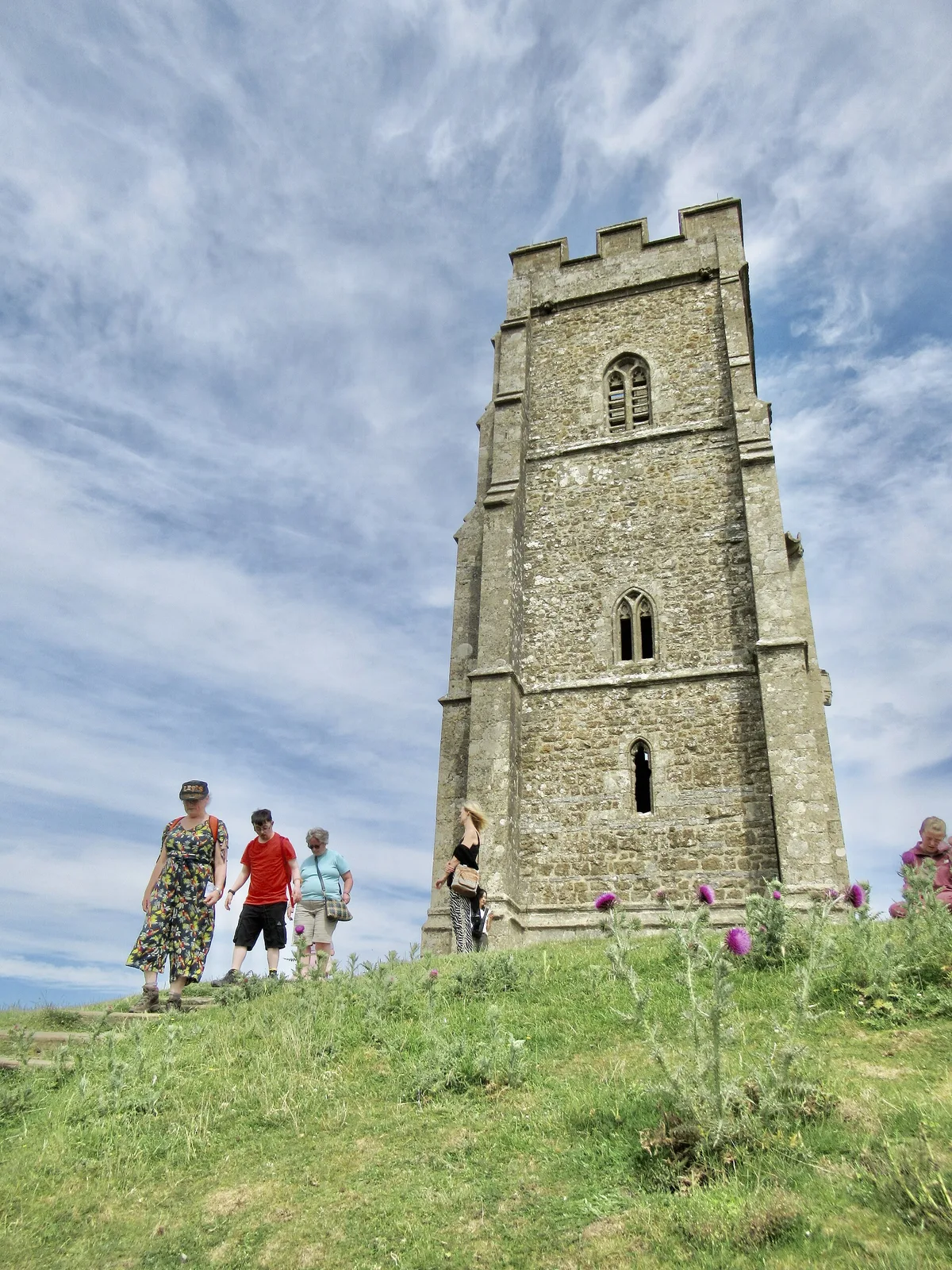
The tower on the summit belonged to the church of St Michael. Excavations at the top, the National Trust says, uncovered the plans of two churches of St Michael, one on top of the other. The first was destroyed by an earthquake in 1275, and of the church that replaced it, only the tower survives.
So is the Grail here?
In short, the idea that the Grail lies hidden on this hill is a legend that built up layer by layer over the centuries after the 1100s. No record or excavation has ever confirmed it. Still, as the National Trust puts it, the Tor has been "a spiritual magnet for Pagans and Christians for centuries." Whether or not the stories are true, people keep climbing it.
Find Glastonbury Tor on Wooriyeojido
The Isle of Avalon, King Arthur's grave, the Grail and a spring that runs red: layer upon layer of story rests on this one hill. Glastonbury Tor is pinned on the Wooriyeojido map. Look it up in the Wooriyeojido app, and if you go, leave your photos and stories from the day right beside it.
View this place in the Wooriyeojido appVideos of nearby places





Sources
- National Trust — Glastonbury Tor
- National Trust — History of Glastonbury Tor
- University of Reading — Glastonbury Abbey Archaeology: Myths
- University of Reading — Glastonbury Abbey Archaeology: Arthurian Myth
- University of Reading — Glastonbury Abbey Archaeology: Joseph of Arimathea
- Chalice Well Trust — About