Dejima: The Fan-Shaped Island That Was Japan's Only Window on the West for Over 200 Years
For 218 years from 1641, the tiny artificial island of Dejima in Nagasaki was Japan's only opening to the West. Why a fan-shaped island built by local merchants took on that role, how it vanished, and how it is being brought back.
For more than two centuries, while Japan kept the West almost entirely at arm's length, a single window stayed open: a small, fan-shaped island in Nagasaki harbour called Dejima. Why this island, of all places? Watch the short video first.

 Watch the one-minute video on YouTube
A national historic site in Nagasaki
Dejima is in the city of Nagasaki, in Nagasaki Prefecture. It was designated a National Historic Site on 12 October 1922 and is preserved today as the Site of the Dutch Trading Post at Dejima.
An island made by hand
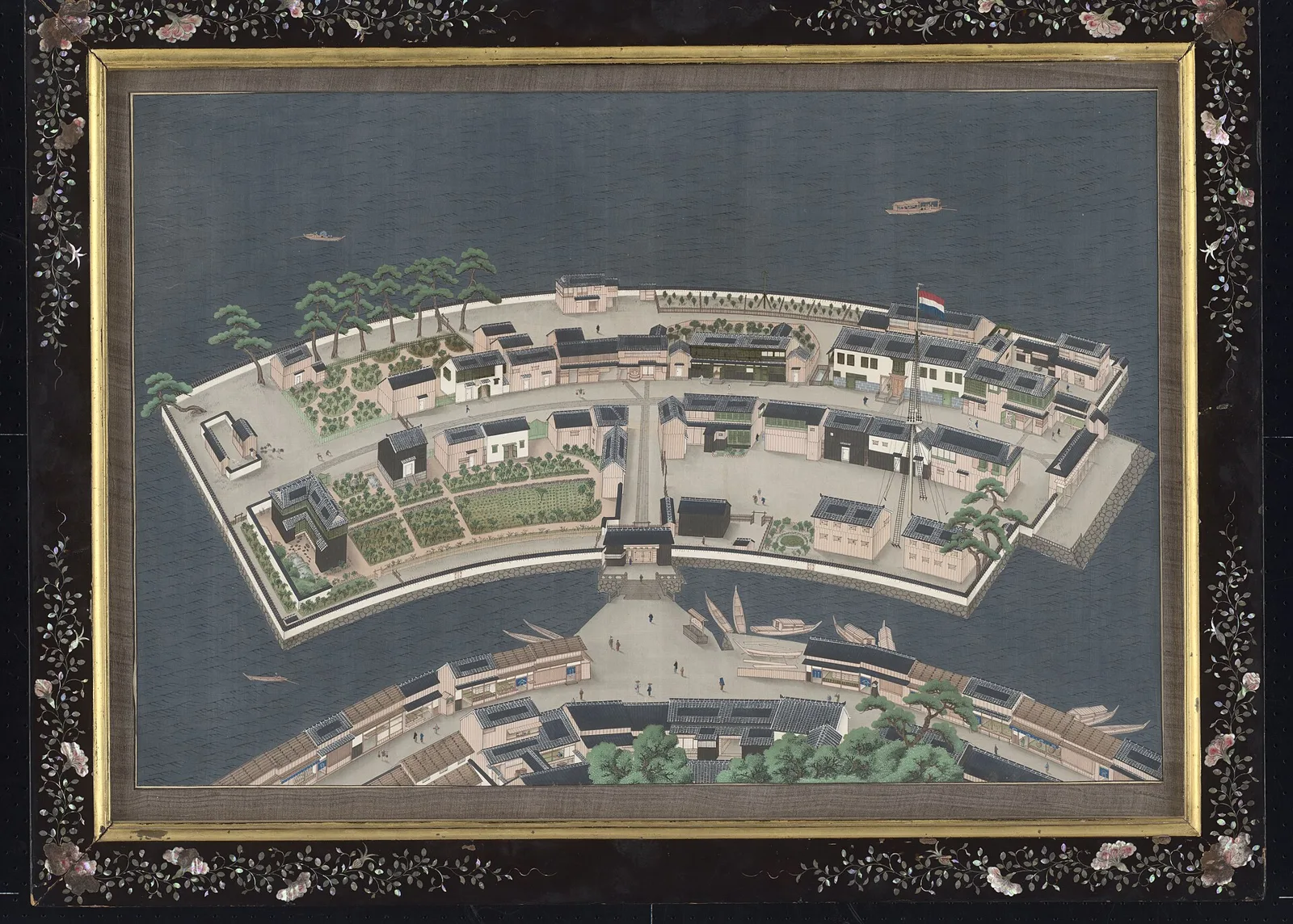
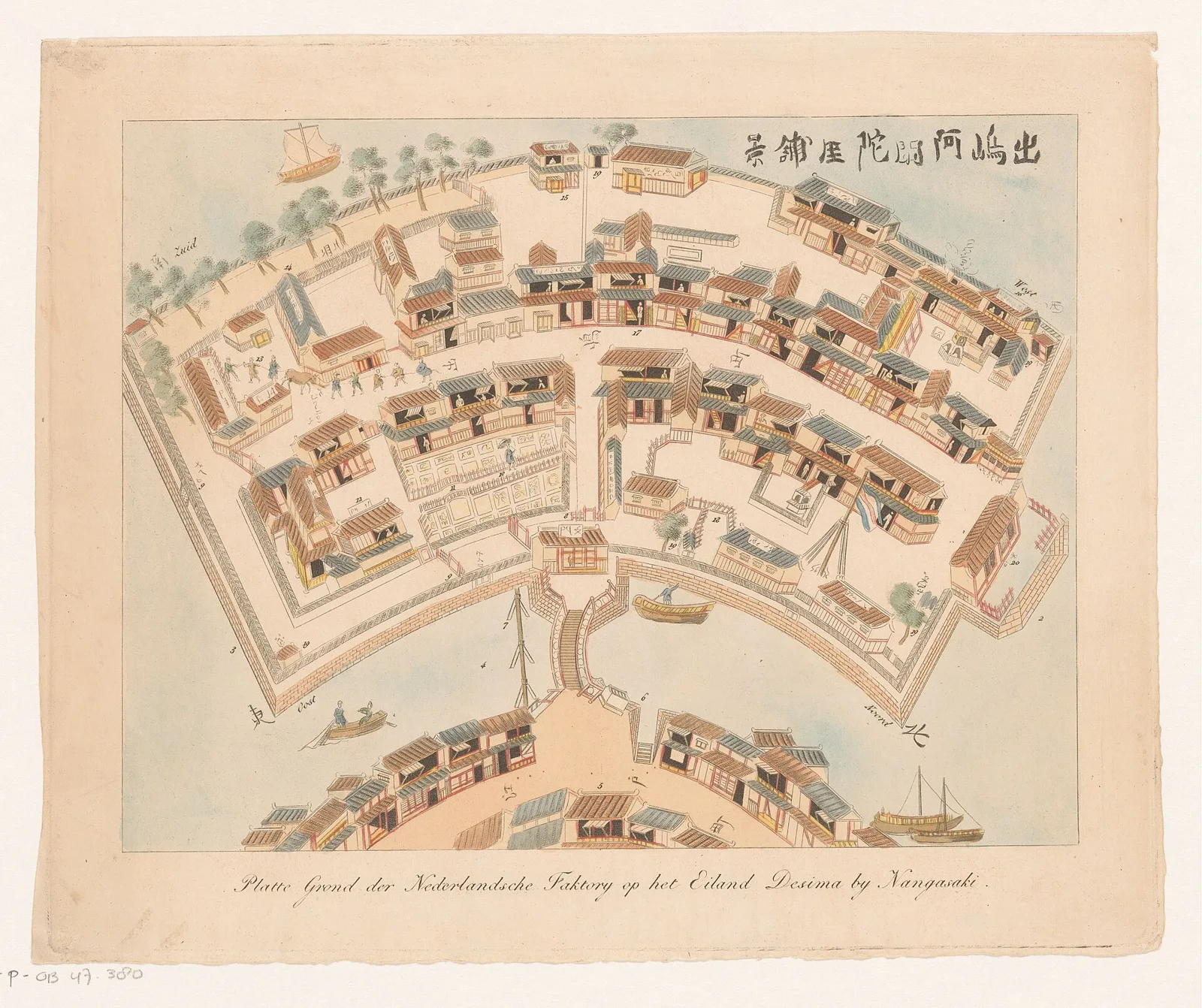
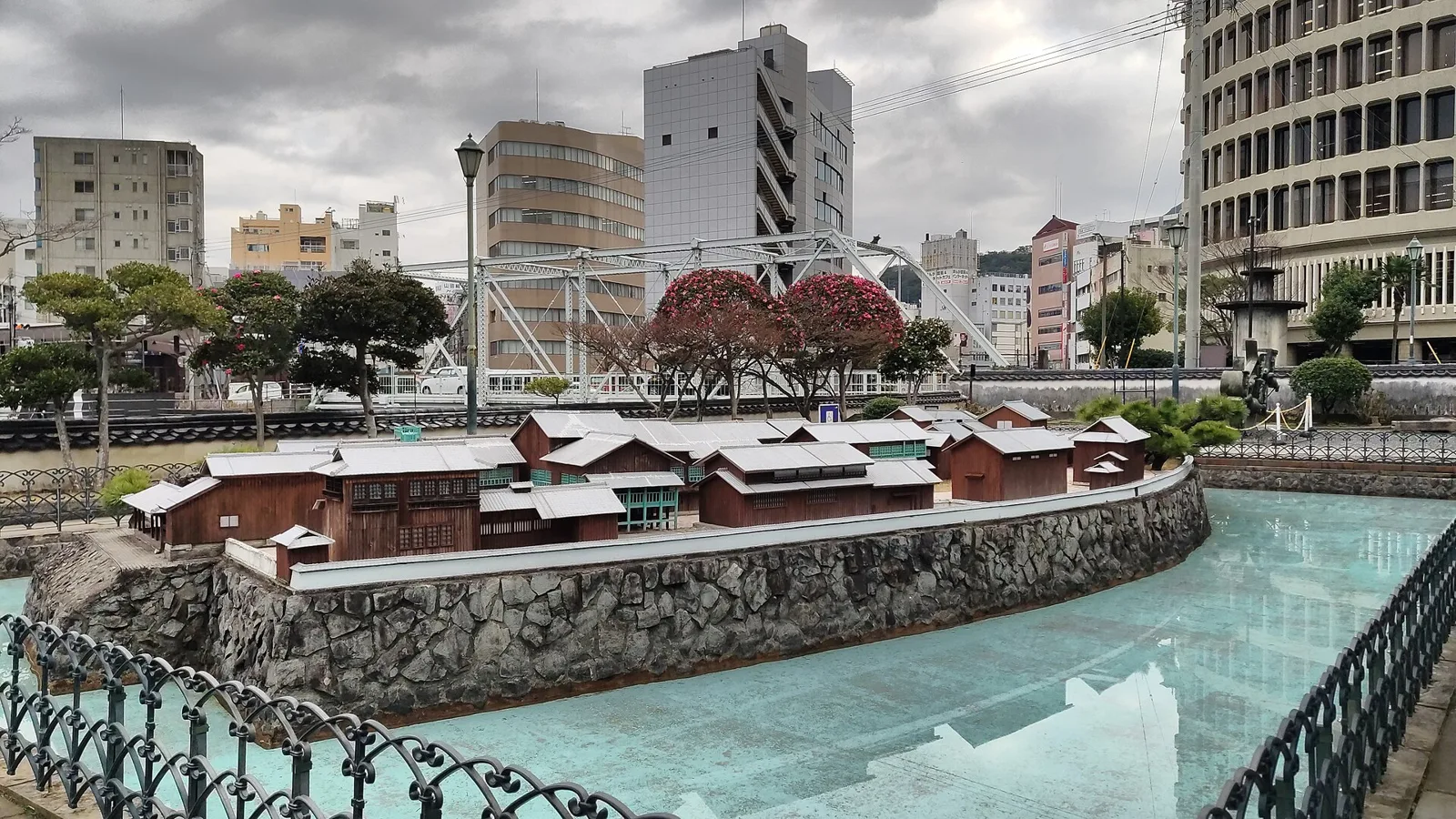
Dejima is entirely man-made. Twenty-five Nagasaki merchants pooled their money to build it out into the harbour, and it was completed in 1636. Its shape earned it the nickname Ogishima, "fan island." Who first proposed it, and exactly how it was built, remain a mystery to this day.
The island covered only about 15,000 square metres, roughly two football pitches, and was joined to the mainland by a single stone bridge.

Built for the Portuguese
Dejima was a solution to a problem. The shogunate wanted to stop the spread of Christianity but still keep trading with the Portuguese. The answer was to confine the Portuguese merchants to one isolated spot, where their cargoes could be checked carefully.
Then came the Shimabara Rebellion of 1637, and in 1639 Portuguese ships were banned altogether, leaving the island empty. In 1641 the Dutch trading post at Hirado was moved in. The Dutch were accepted because they were seen as pragmatic, willing to put trade ahead of religion.
Life behind the bridge
The head of the trading post was known as the kapitan, and only about 10 to 15 Dutchmen lived on the island at a time. They could not leave freely, and Japanese visitors were strictly limited. Trade was squeezed tighter over the years; from 1790, just one ship a year was allowed in.
Imports included raw silk, sugar, woollen cloth, glass and books. Exports were silver at first, later copper, porcelain and lacquerware. Whenever a ship arrived, the kapitan reported on events in the wider world, and interpreters translated his account and sent it on to Edo. These reports were known as the Oranda fusetsugaki, the "Dutch news reports."
Learning the West from Dutch books
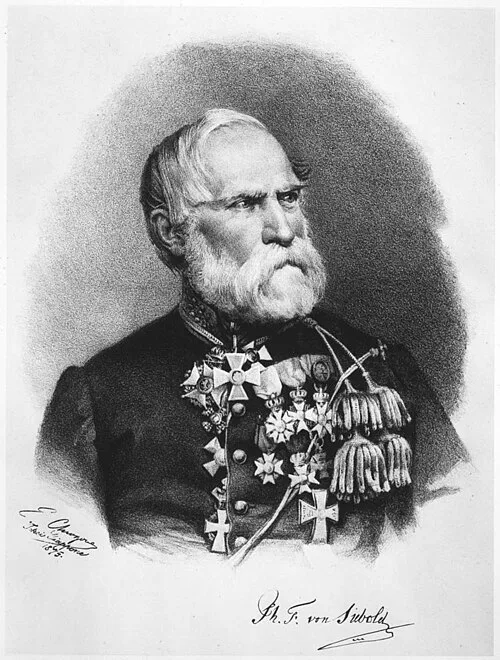
Goods were only part of the story. Through Dutch books, Japanese scholars studied Western learning, a field that became known as Rangaku, or "Dutch learning." In 1823 the German physician Philipp Franz von Siebold arrived on Dejima. The following year he opened the Narutaki school, where he taught many Japanese students and helped raise the level of Dutch learning in Japan.

The window closes and the island disappears
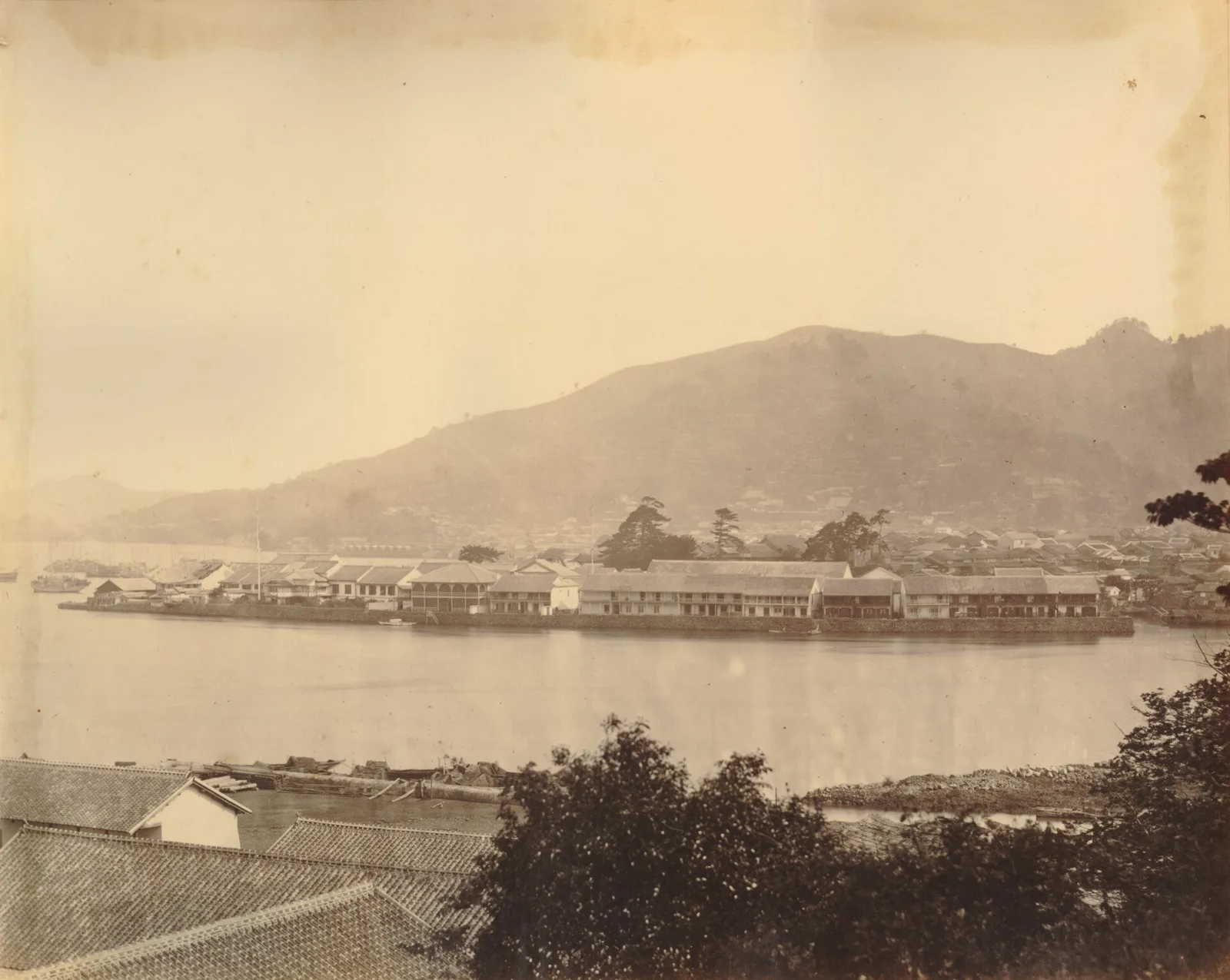
When Japan opened its ports in 1859, the Dutch trading post closed, 218 years after it had arrived in 1641. Over the following decades the water around Dejima was filled in, and harbour works in 1904 erased the fan-shaped island completely, swallowing it into the city.
Bringing the fan back
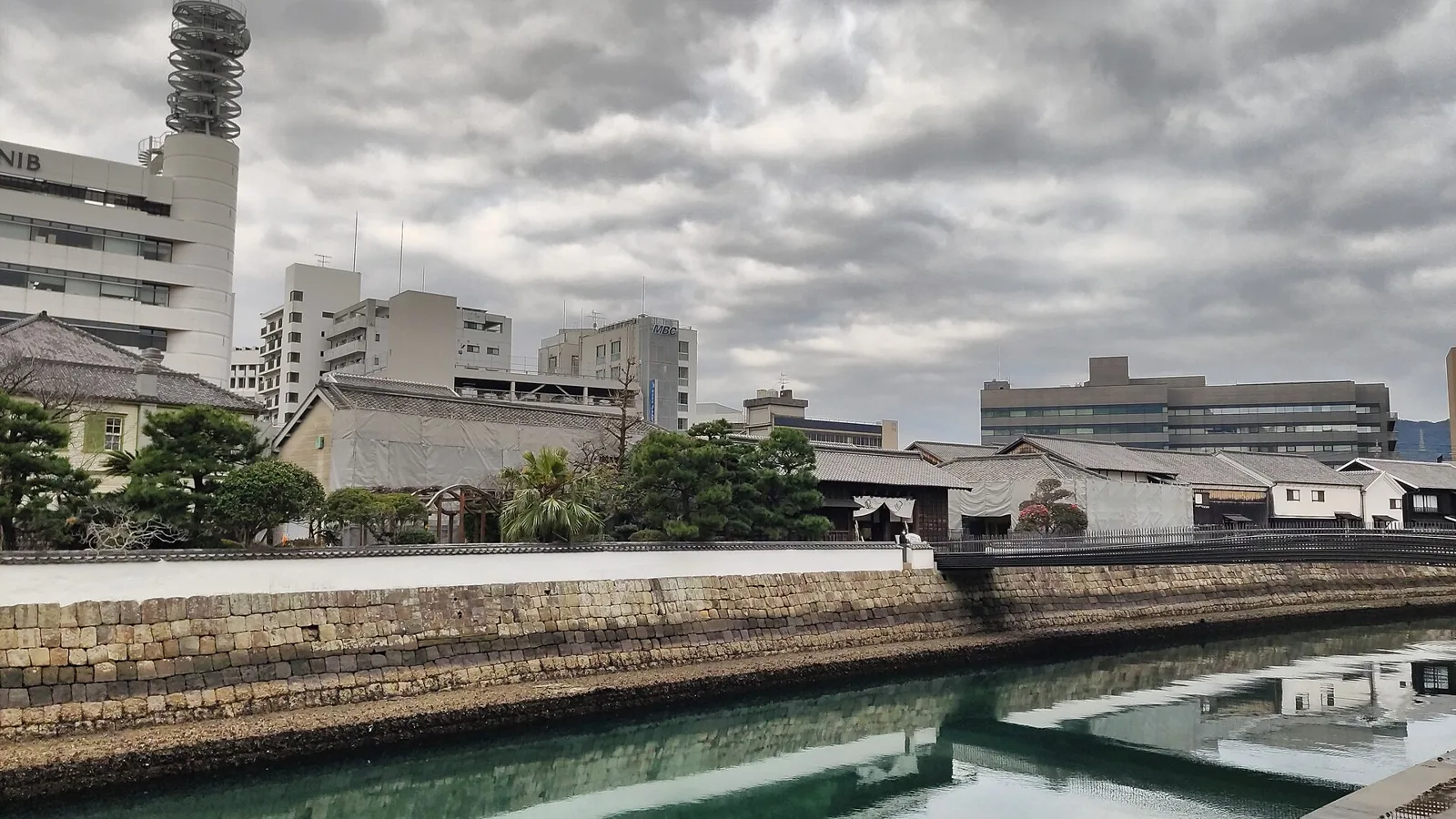
Full-scale restoration began in 1996. So far, 16 buildings, including the Chief Factor's Residence, have been rebuilt to look as they did around 1820.

On the site, a 1:15 scale model called Mini Dejima shows the whole fan-shaped island at a glance.

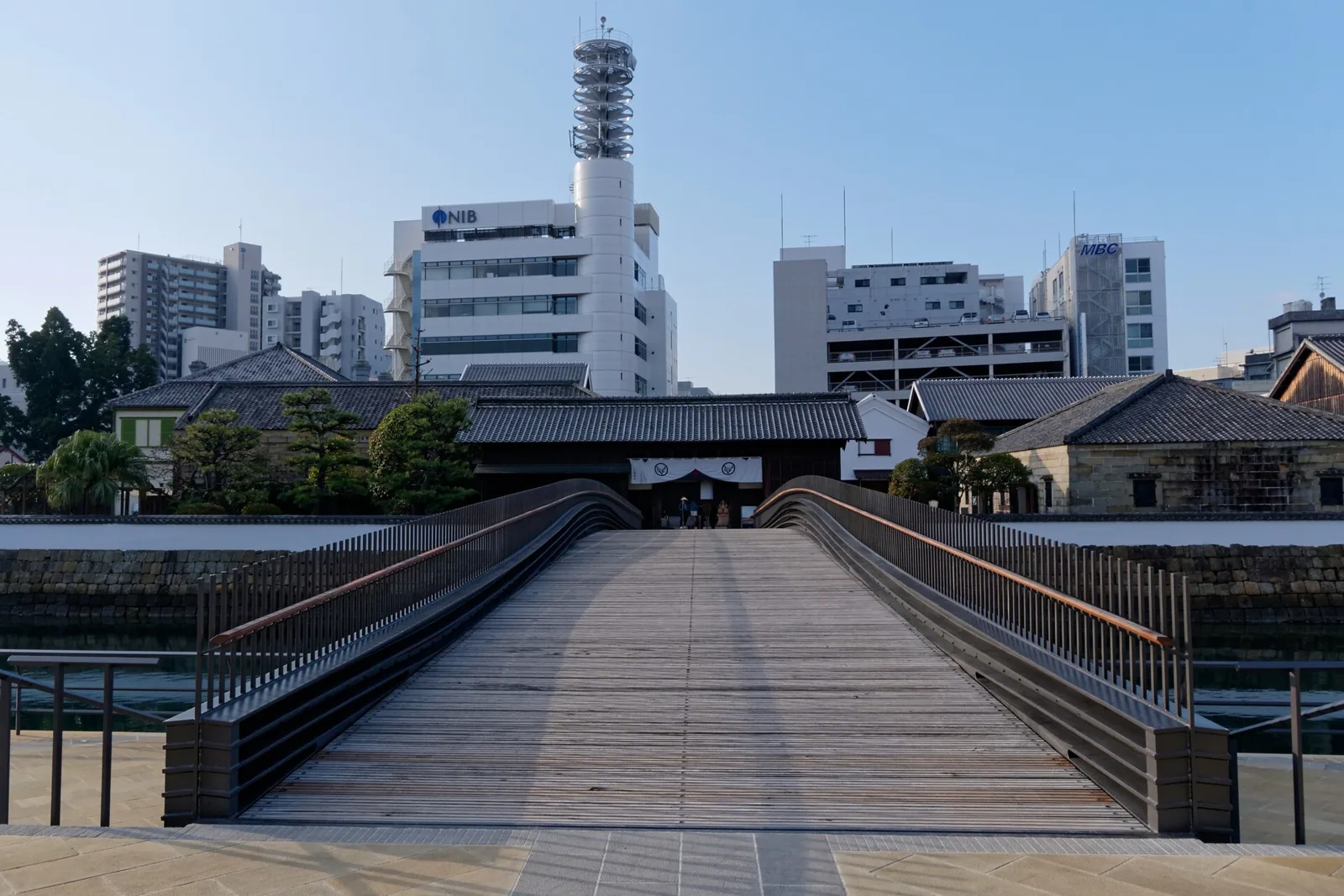
In 2017 the Dejima Omotemon Bridge was built, leading to the main gate. The long-term plan is to restore the water on all four sides and revive the fan-shaped island in full.

Find Dejima on Wooriyeojido
For more than 200 years, this little fan of land was Japan's window on the West. Dejima is pinned on the Wooriyeojido map. Look it up in the app, and when you visit, add your own photos and stories right beside it.
View this place in the Wooriyeojido appVideos of nearby places
 The one-day battle that shaped 260 years of Japan: Sekigahara, 1600
 Why does the torii stand in the sea? Itsukushima Shrine on Miyajima
 Why deer are messengers of the gods: Kasuga Taisha in Nara
Sources
- Dejima official site (Nagasaki City) — 出島の歴史
- Dejima official site — History
- Dejima official site — Restoration Work
- Dejima official site — Guide to Dejima
- Nagasaki City — 出島和蘭商館跡 (National Historic Site)
- Japan Tourism Agency (MLIT) — Dejima multilingual commentary database, R2-00456
- National Diet Library, Japan — Japan-Netherlands Exchange in the Edo Period, 1-2
- National Diet Library, Japan — Japan-Netherlands Exchange in the Edo Period, 1-3