Sekigahara: The Battlefield Where One Day in 1600 Shaped Japan's Next 260 Years
In 1600, the armies of Tokugawa Ieyasu and Ishida Mitsunari met on the plain of Sekigahara in Gifu, Japan. Here is how a battle decided in about half a day opened the way to more than 260 years of Tokugawa rule.
Sekigahara, in Gifu Prefecture, is a plain on the old route between Nagoya and Kyoto, where eastern and western Japan meet. The battle fought here in 1600 is said to have been over in roughly half a day. Yet that single day set the course of Japanese history for the next 260-plus years. What happened? Start with the short video.
 Watch the one-minute video on YouTube
A protected battlefield
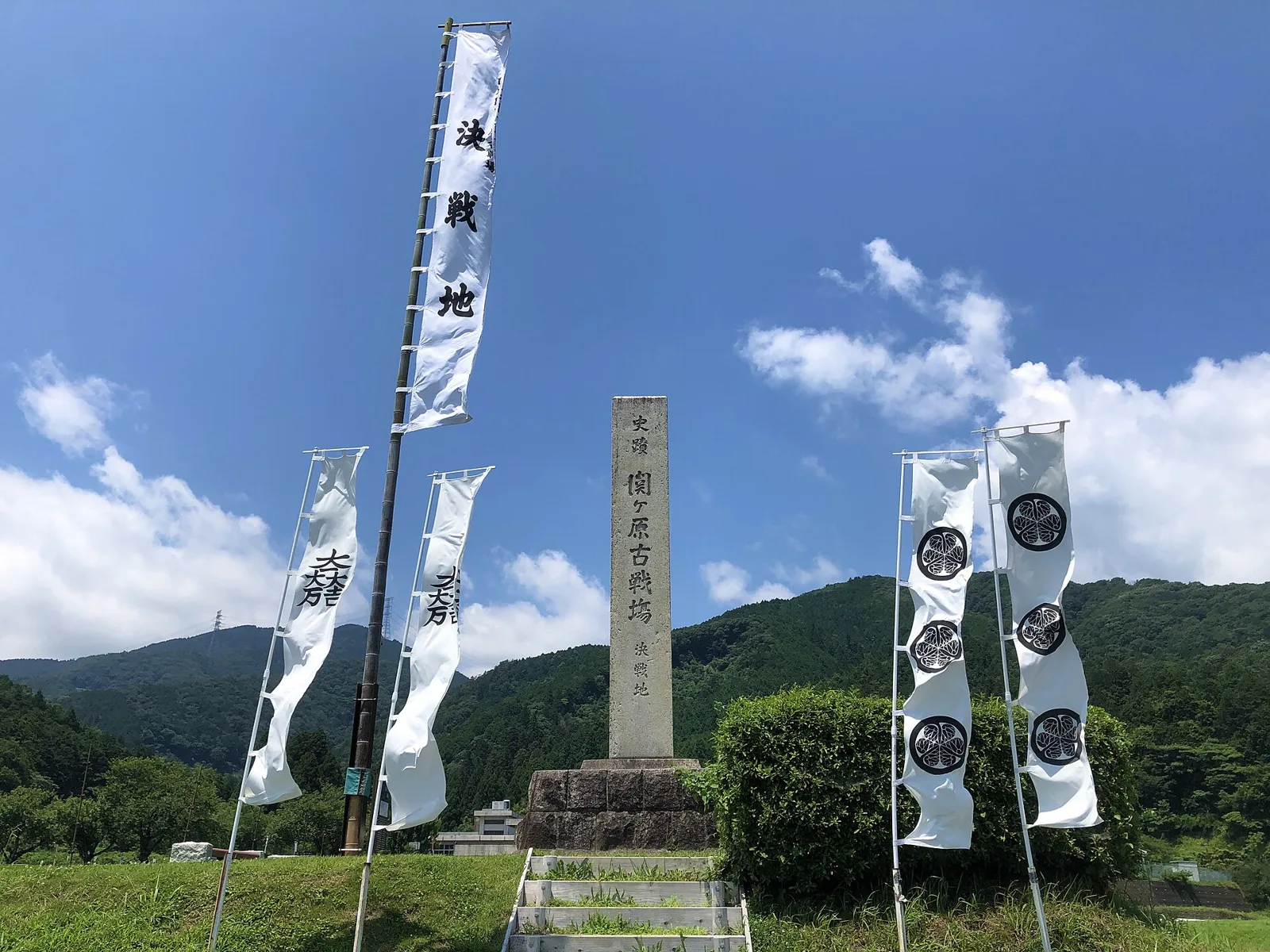
The Sekigahara Battlefield, in the town of Sekigahara in Gifu's Fuwa District, is a designated National Historic Site. According to Japan's Agency for Cultural Affairs, the decisive fighting took place on the fields below Mount Sasao. The protected area also includes the spot where the battle opened and the first and final camps of Tokugawa Ieyasu.
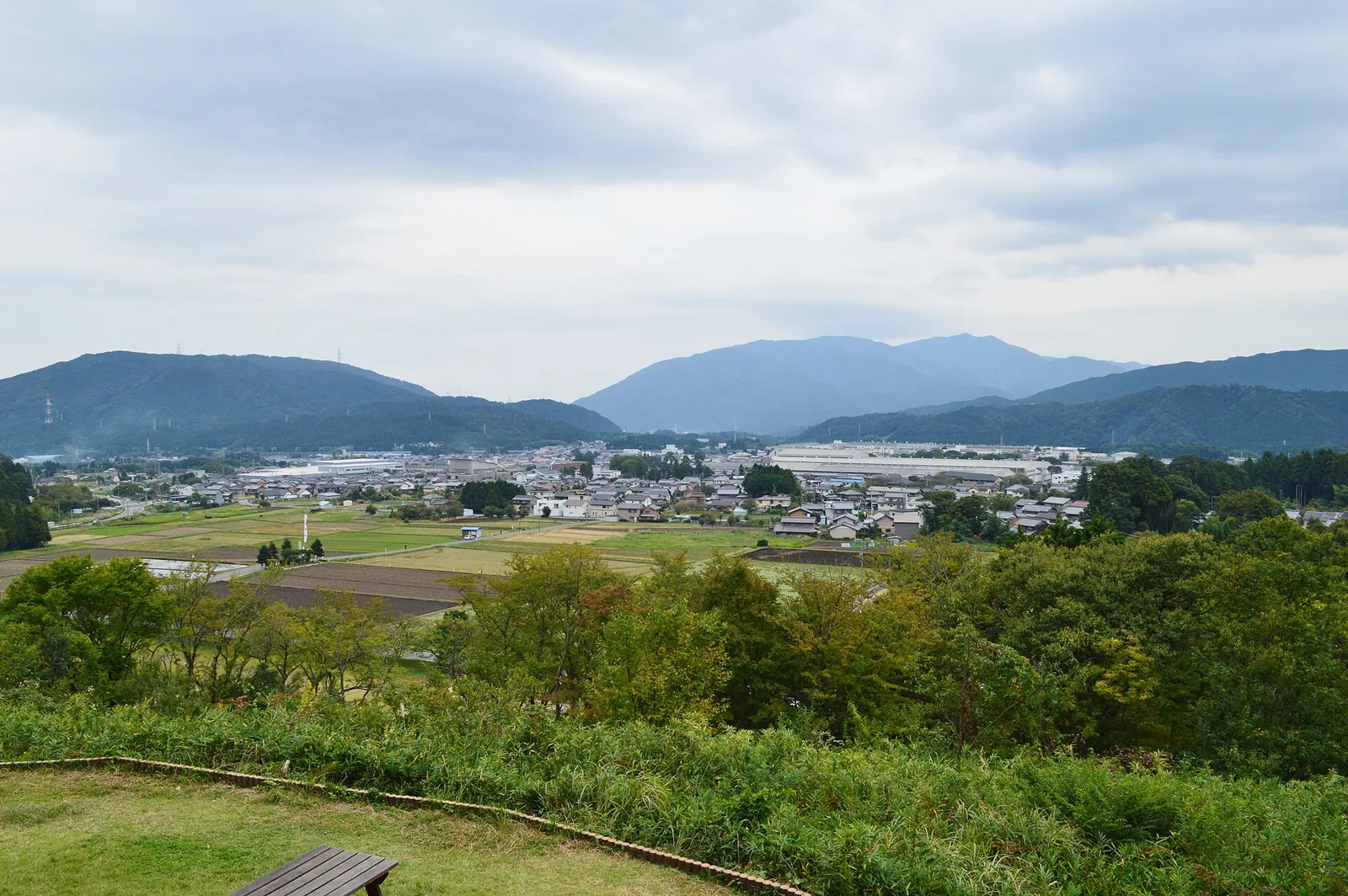
Mount Sasao is where Ishida Mitsunari, leader of the Western Army, made his camp. From the top you can take in the whole plain, the town and the mountains beyond.
A realm split in two
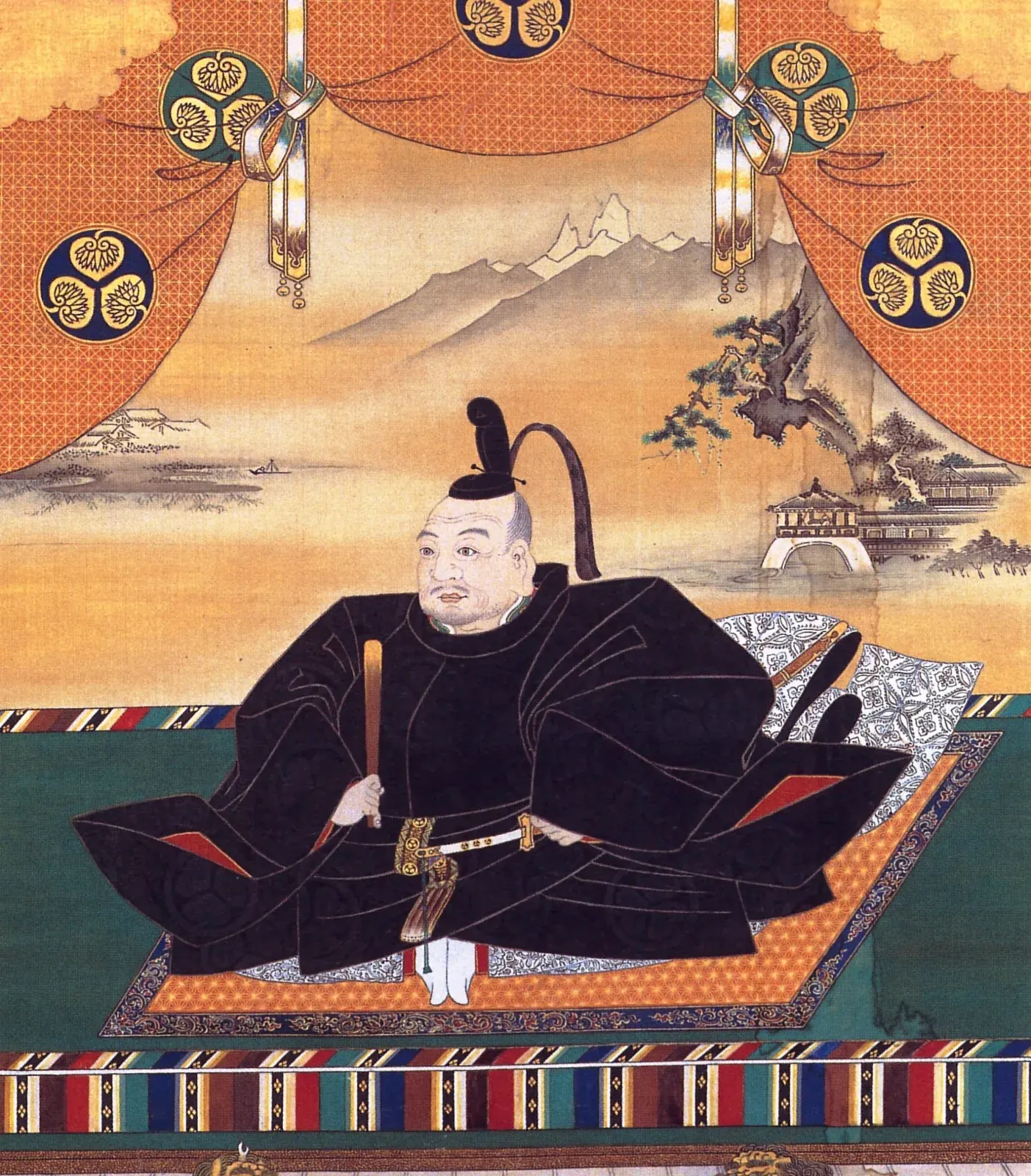
Toyotomi Hideyoshi, the warlord who had unified Japan, died in 1598. In the years that followed, the country's feudal lords drifted into two camps. One was the Eastern Army, led by Tokugawa Ieyasu.
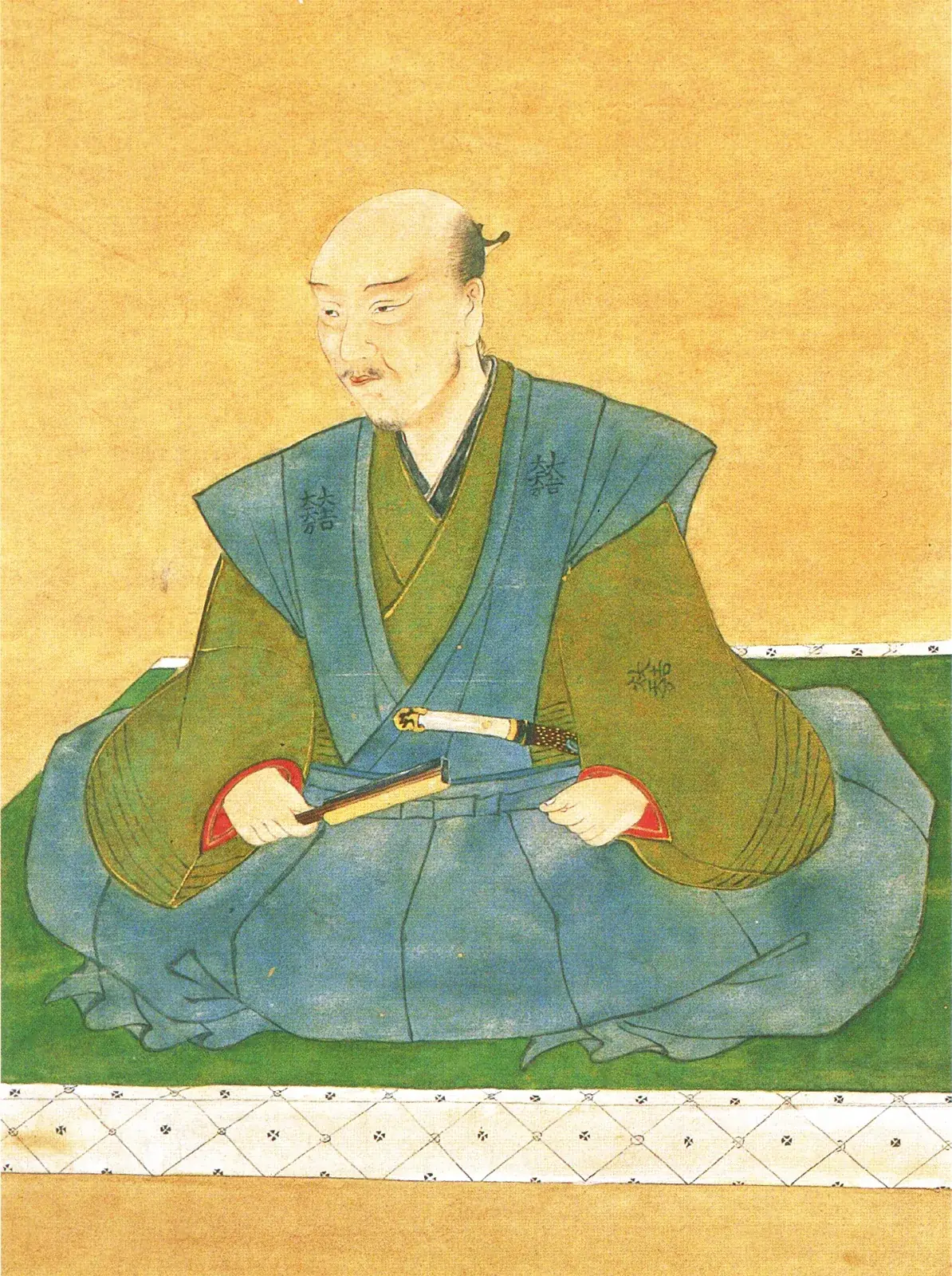
The other, the Western Army, rallied around Ishida Mitsunari, who had served as Hideyoshi's strategist and helped him bring the country under one rule.
More than 150,000 men
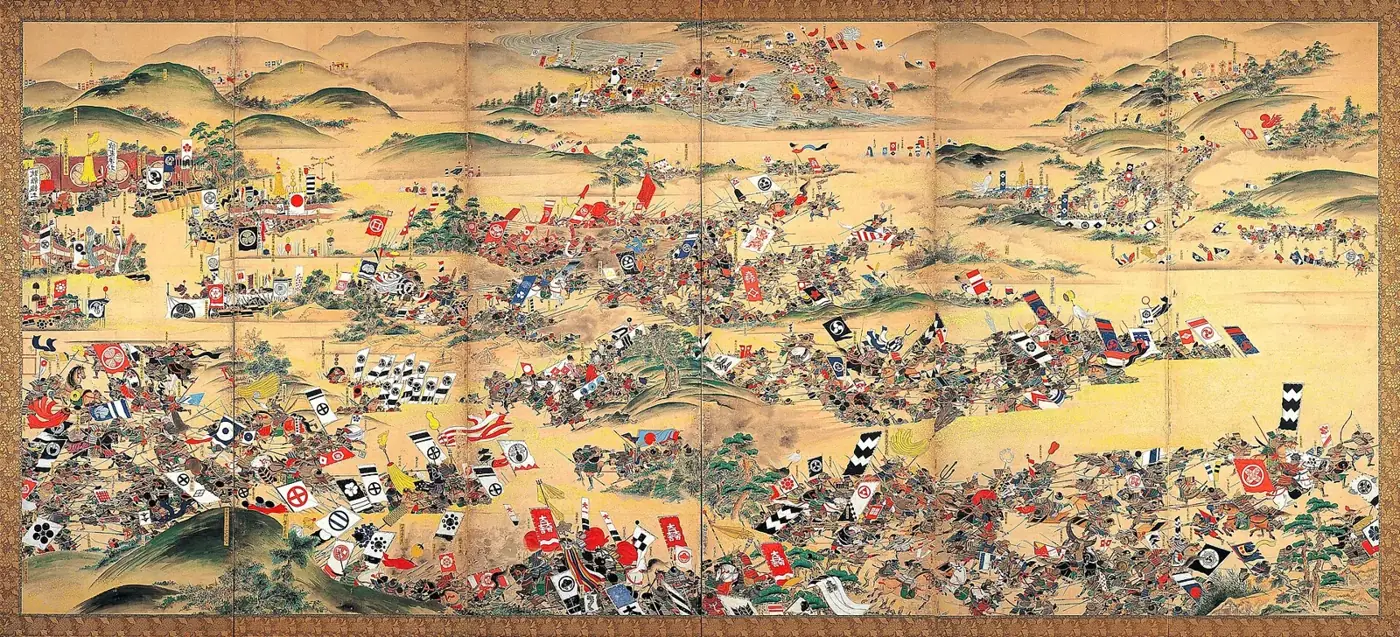
The fighting began on the morning of the 15th day of the 9th month of Keichō 5, which on today's calendar is 21 October 1600. Together the two sides are said to have fielded more than 150,000 troops. Records disagree on the exact numbers, so this figure follows Gifu Prefecture's official account.
It was not a walkover. The memorial museum notes that the Western Army fought far better than expected, and Ieyasu moved his headquarters down from Mount Momokubari toward the main battlefield.
A 19-year-old holds the balance
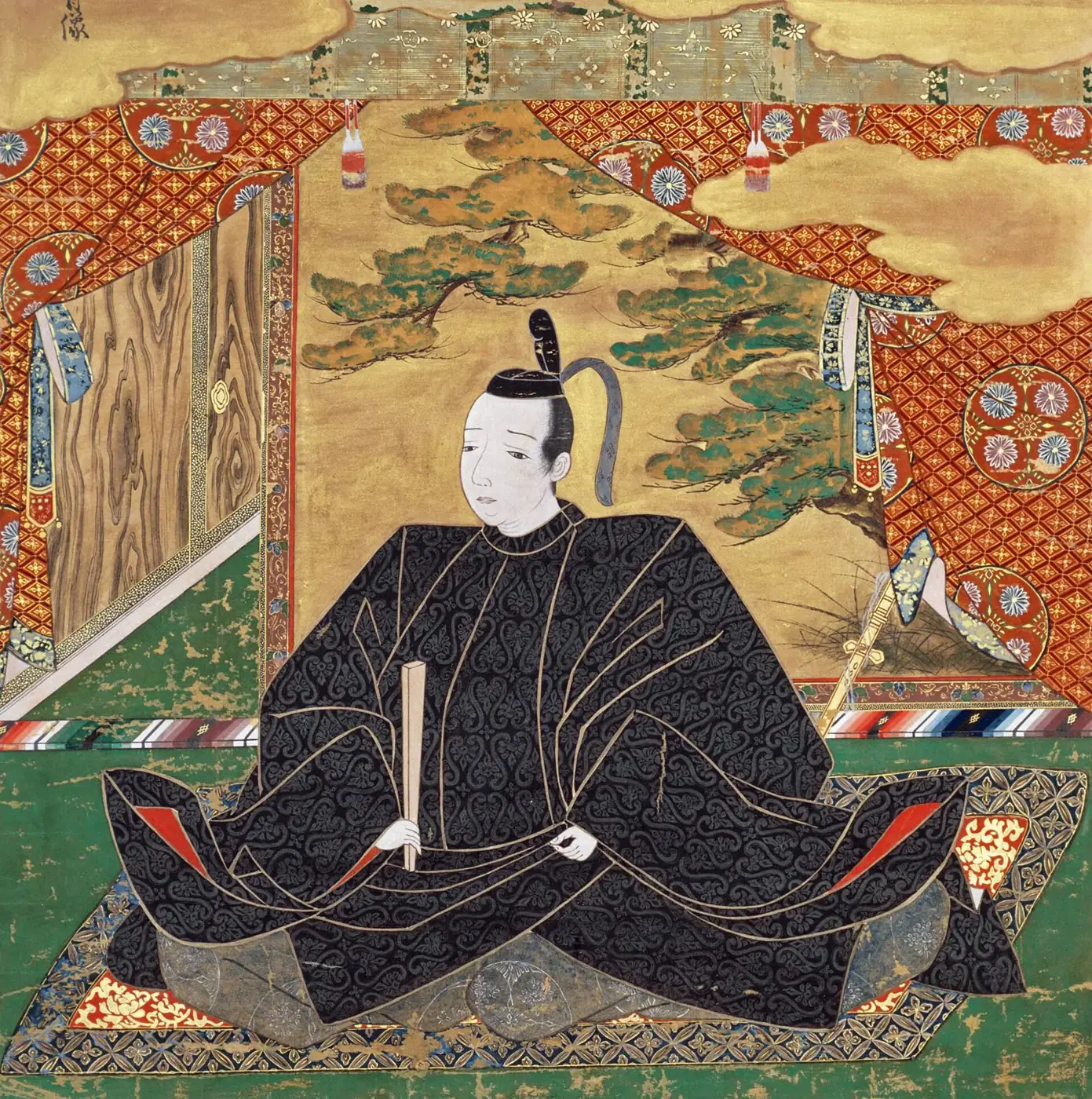
The man who held the outcome in his hands was Kobayakawa Hideaki. He had 15,000 troops waiting on Mount Matsuo, and he was just 19 years old, a young commander remembered for wavering between Mitsunari and Ieyasu until the very end. In the end he left the Western Army and fought on the Eastern side. Exactly when and how he switched, though, is still debated by historians.
The battle was decided in about half a day. As the Western Army collapsed, the decisive field is said to have filled with Eastern units pressing in on the forces of Ishida and Shimazu.
Two and a half centuries of Tokugawa rule
Victory cleared Ieyasu's path. In 1603 he was named shogun and founded the Edo shogunate. The Edo period lasted until 1867, when the fifteenth shogun, Tokugawa Yoshinobu, announced that he would return governing power to the emperor. That adds up to more than 260 years. Because that long era rested on a single day's victory, Sekigahara is remembered as the battle that decided the realm.
A museum on Ieyasu's last camp
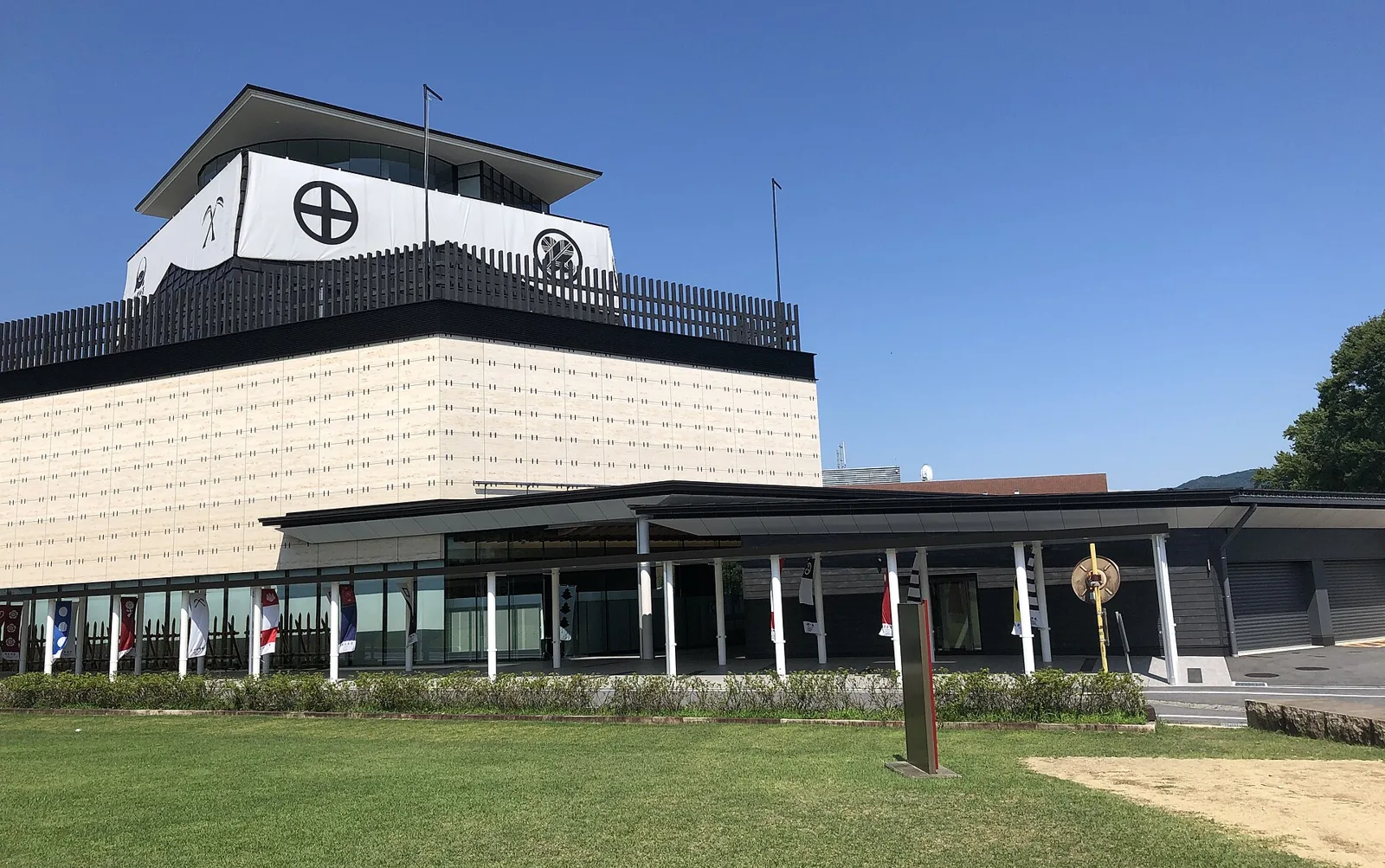
The Gifu Sekigahara Battlefield Memorial Museum stands on the site of Ieyasu's final camp. It opened on 21 October 2020, timed to the anniversary of the battle. On the ground floor, a giant screen set into the floor and a theatre retell the fighting. Upstairs, a fifth-floor observation room glazed on all sides looks out over the plain, where banners mark the camps of each commander.
Find Sekigahara on Wooriyeojido
A battle settled in half a day opened an era of more than 260 years. Sekigahara is pinned on the Wooriyeojido map. Find it in the Wooriyeojido app, and if you go, leave your photos and stories from the day right beside it.
View this place in the Wooriyeojido appVideos of nearby places


Sources
- Gifu Sekigahara Battlefield Memorial Museum — About the museum
- Gifu Sekigahara Battlefield Memorial Museum — Battlefield and historic sites tour
- Gifu Prefecture Tourism Federation — Sekigahara Battlefield learning trip
- Agency for Cultural Affairs — Sekigahara Battlefield (National Historic Site), Bunka Isan Online
- Kyoto City — Nijo Castle landscape and preservation plan
- Encyclopaedia Britannica — Battle of Sekigahara