The Battle of Hastings: did one fight really put French into English?
On 14 October 1066, two armies fought for the English crown on a ridge in Sussex. Here is the battlefield and the abbey built on it, and the slower story of how French words found their way into English.
English is full of words borrowed from French. You may have heard that it all goes back to a single battle fought in southern England in 1066. But can one afternoon of fighting really change a language? Start with the short video.

 Watch the one-minute video on YouTube
A town called Battle
The fighting didn't happen in Hastings itself but seven or eight miles inland, at the spot now occupied by the East Sussex town of Battle. Today English Heritage looks after the site as "1066 Battle of Hastings, Abbey and Battlefield."
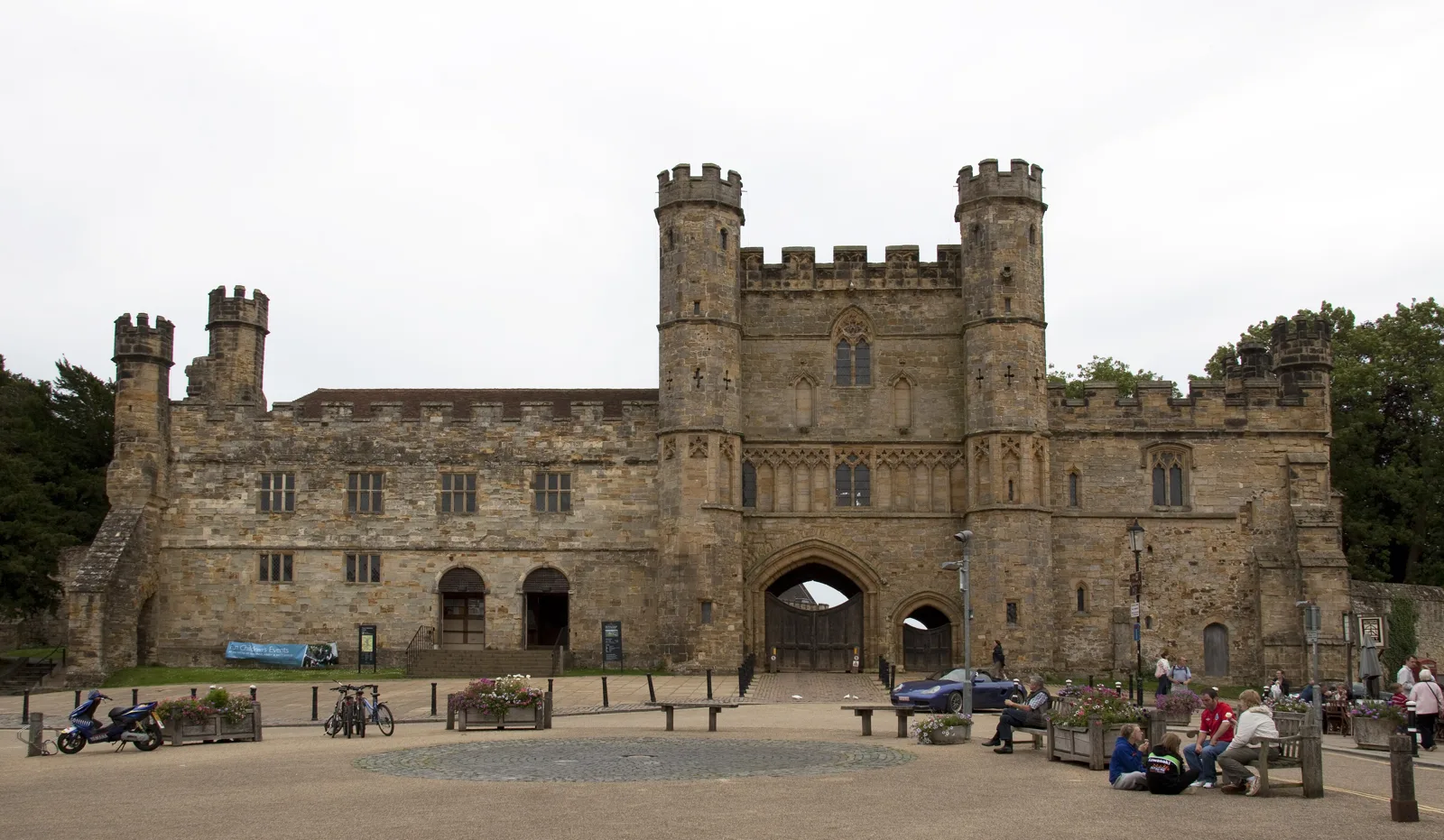
The first thing you see is the great gatehouse of Battle Abbey, built in 1338. With its battlements and arrow slits it looks like a fortress, but it was probably more about ceremony and administration than defence. It still dominates the town, just as it was meant to.
A crown worth crossing the sea for
On the morning of 28 September 1066, the invasion fleet of Duke William of Normandy appeared off the Sussex coast. William and King Harold of England were about to fight for the English throne.


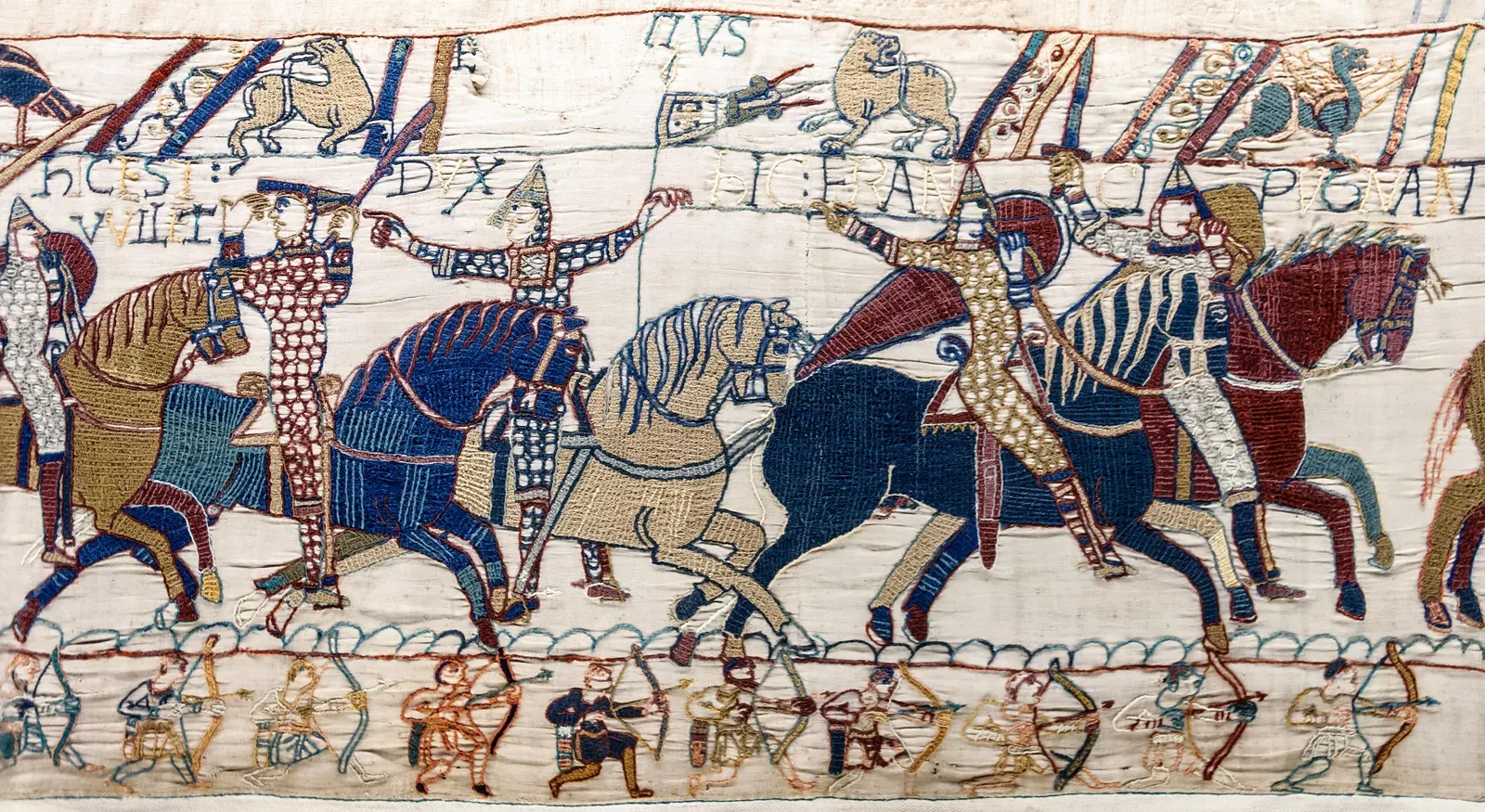
The best-known record of what followed is the Bayeux Tapestry, an 11th-century embroidery in wool on linen that runs to about 70 metres.
14 October: a fight that lasted all day
The battle was fought on 14 October 1066. Harold drew up his army along the ridge where Battle Abbey now partly stands, and William's men attacked up the slope from the south. The two sides were fairly evenly matched, and the fighting went on for most of the day. In the last attack Harold was killed, and the victory went to William.

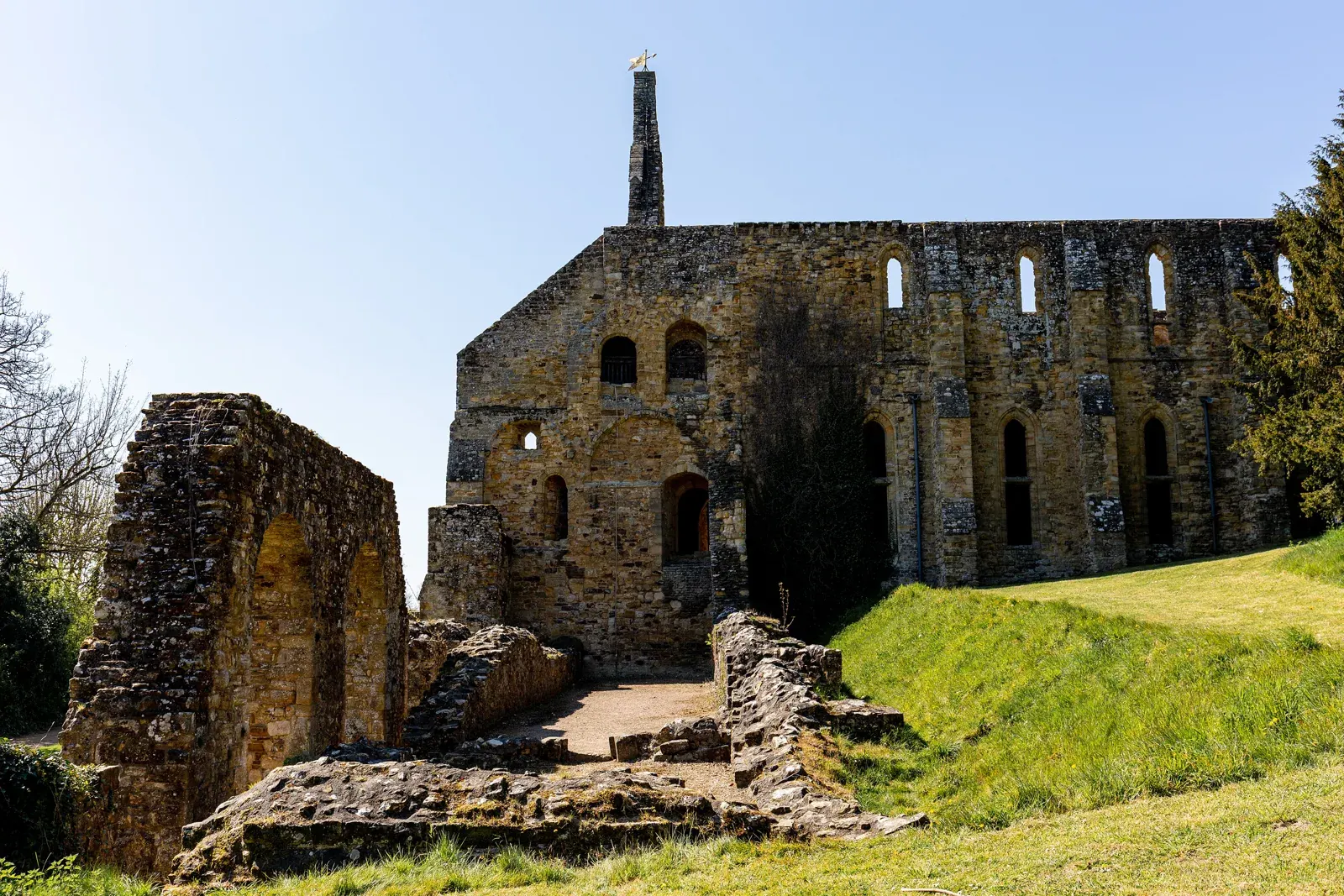
William was crowned in Westminster Abbey that Christmas. Around 1071 he founded an abbey on the battlefield and endowed it generously, as a memorial to those who died there.
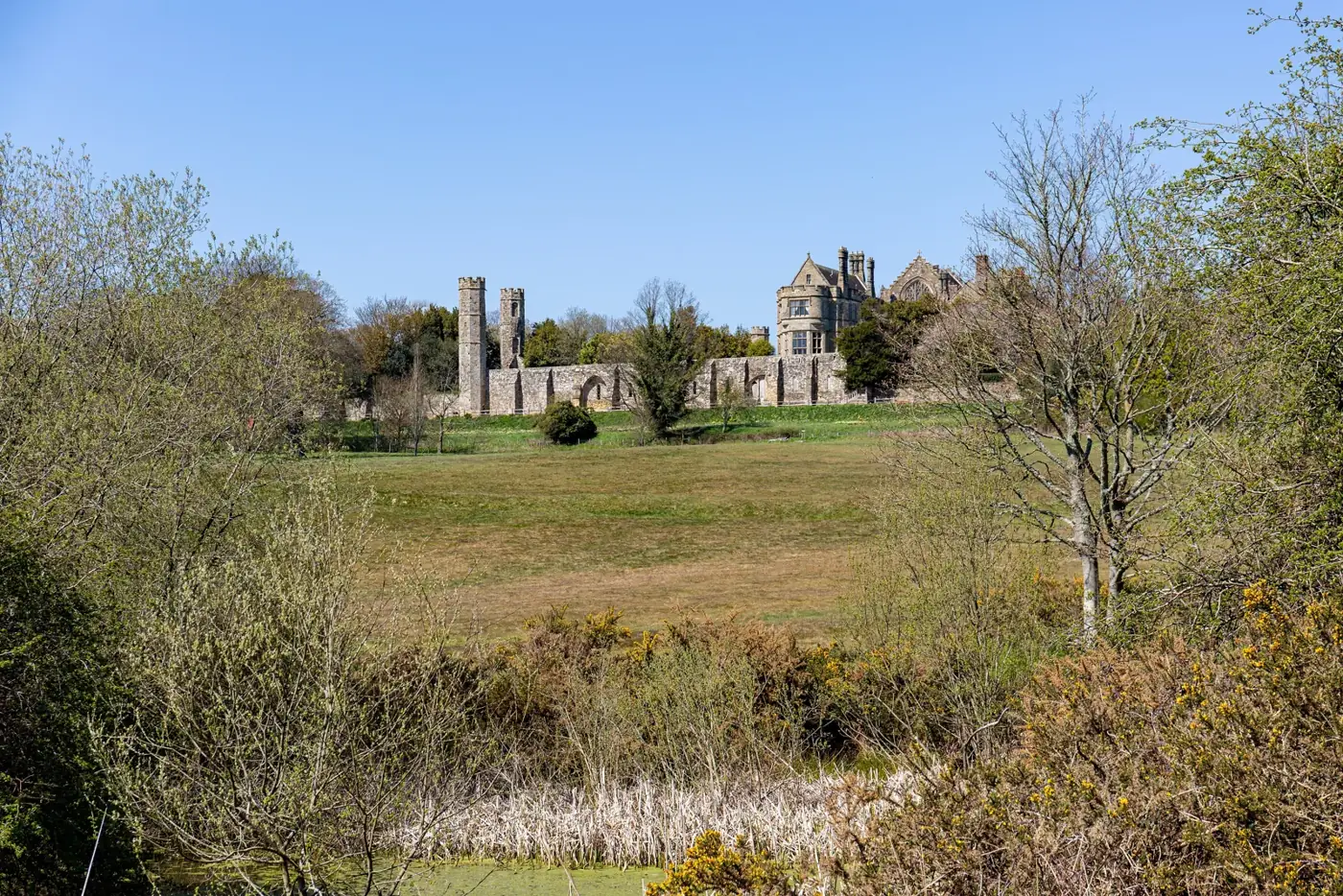

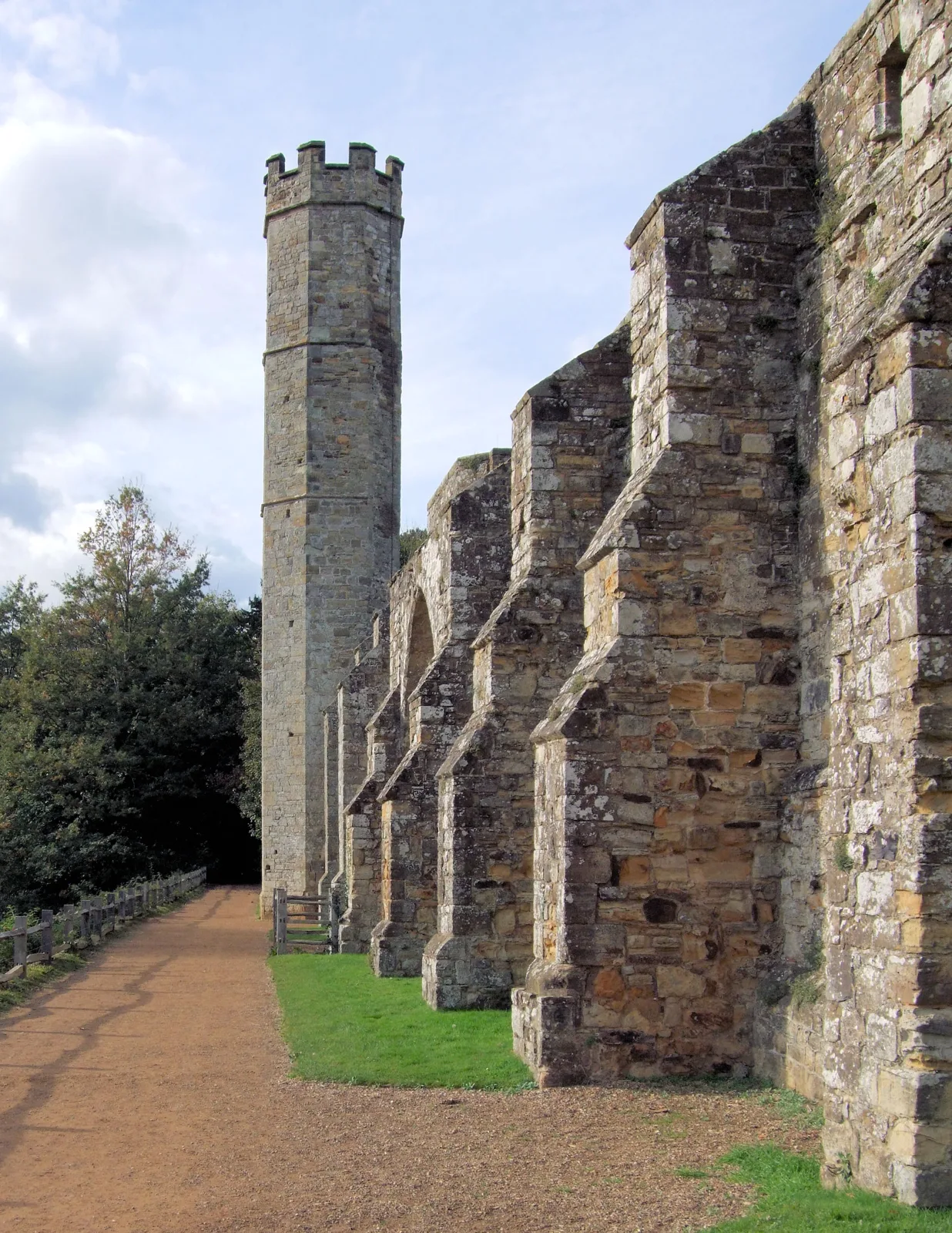

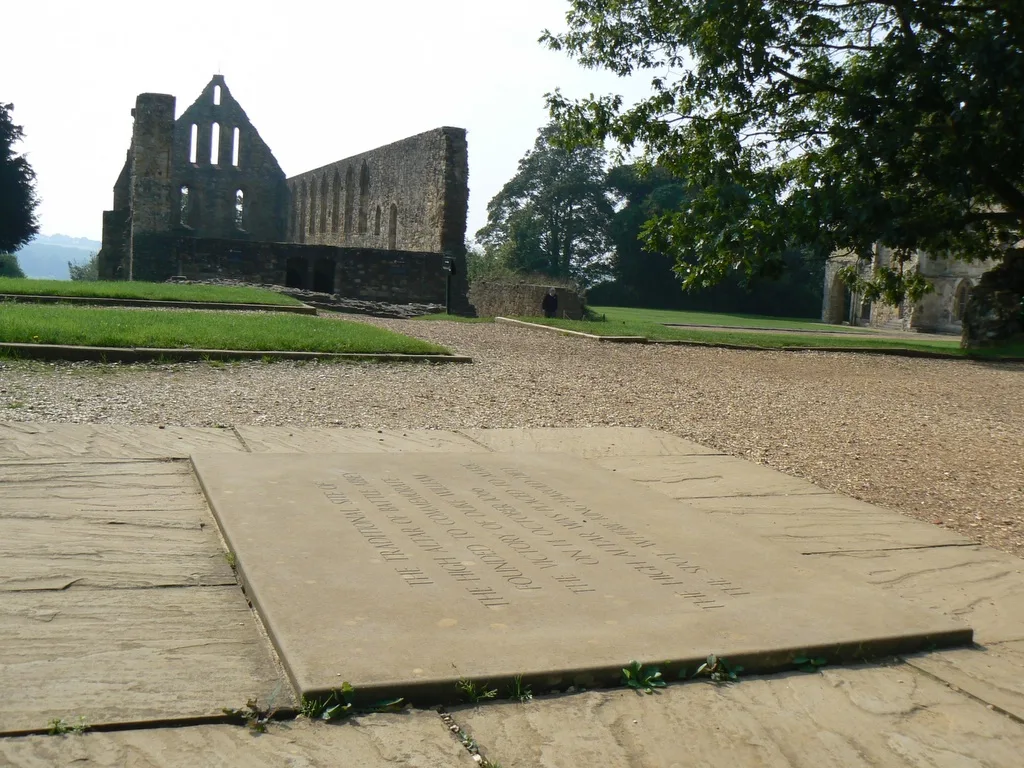
Inside the abbey grounds, a flat stone set in the grass marks the traditional site of the old abbey church's high altar, which tradition also places where Harold fell. English Heritage describes the field as one of the least altered medieval battlefields anywhere.

A French-speaking ruling class
According to English Heritage, the Norman victory imposed a Norman ruling class on England and led to the introduction of the common law. Almost everything changed, from how the country was organised and governed to its language and customs. The king and the great lords were now Normans, and they spoke French. English, though, didn't disappear. Most people simply went on speaking it.
Pork, poor, letter, age
*Pork*, *poor*, *letter*, *age*: all came into English from Norman French. So did the fashion for names like William, Robert and Henry.
But none of it happened overnight. Philip Durkin, deputy chief editor of the Oxford English Dictionary, counts well over 10,000 words borrowed from French during the Middle English period, mostly from Anglo-Norman, the French spoken in the British Isles. The borrowing peaked in the decades either side of 1400, more than three centuries after the battle.

So the claim that the battle put French into English is only half right. The Norman victory opened the door; the mixing of the two languages took hundreds of years.
Find the Battle of Hastings on Wooriyeojido
The ridge where the fighting happened is still there, with the abbey William built standing on it. Battle Abbey and the battlefield of Hastings are pinned on the Wooriyeojido map. Find the Battle of Hastings in the Wooriyeojido app, and if you go, leave your photos and stories from the day right beside it.
View this place in the Wooriyeojido appVideos of nearby places
 Napoleon's last battle: how many hours did it last? Waterloo 1815 and the Lion's Mound
 Nelson's flagship is still a warship today? HMS Victory
 Stones carried across the sea by a wizard? Stonehenge
Sources
- English Heritage — History of Battle Abbey and Battlefield
- English Heritage — Description of Battle Abbey
- English Heritage — Why Battle Abbey Matters
- English Heritage — 1066 and the Norman Conquest
- English Heritage — 8 Facts about 1066
- Philip Durkin (Oxford English Dictionary) — Minding the Gap, Anglo-Norman Dictionary (2017)
- Westminster Abbey — William I (the Conqueror)