Tomb of Nefertari: Why Are These 3,200-Year-Old Paintings Still So Vivid?
In the Valley of the Queens near Luxor lies Nefertari, the beloved queen of Ramesses II. How her tomb paintings kept their brilliant color for 3,200 years, told through a battle against salt and the chemistry of mineral paint, in a video and photos.
On the west bank of the Nile at Luxor, in a sunbaked desert valley, lies a tomb about 3,200 years old. Its walls are covered in paintings from floor to ceiling, and the colors look almost freshly applied. How have paintings that old held on to colors like these? Start with the short video.
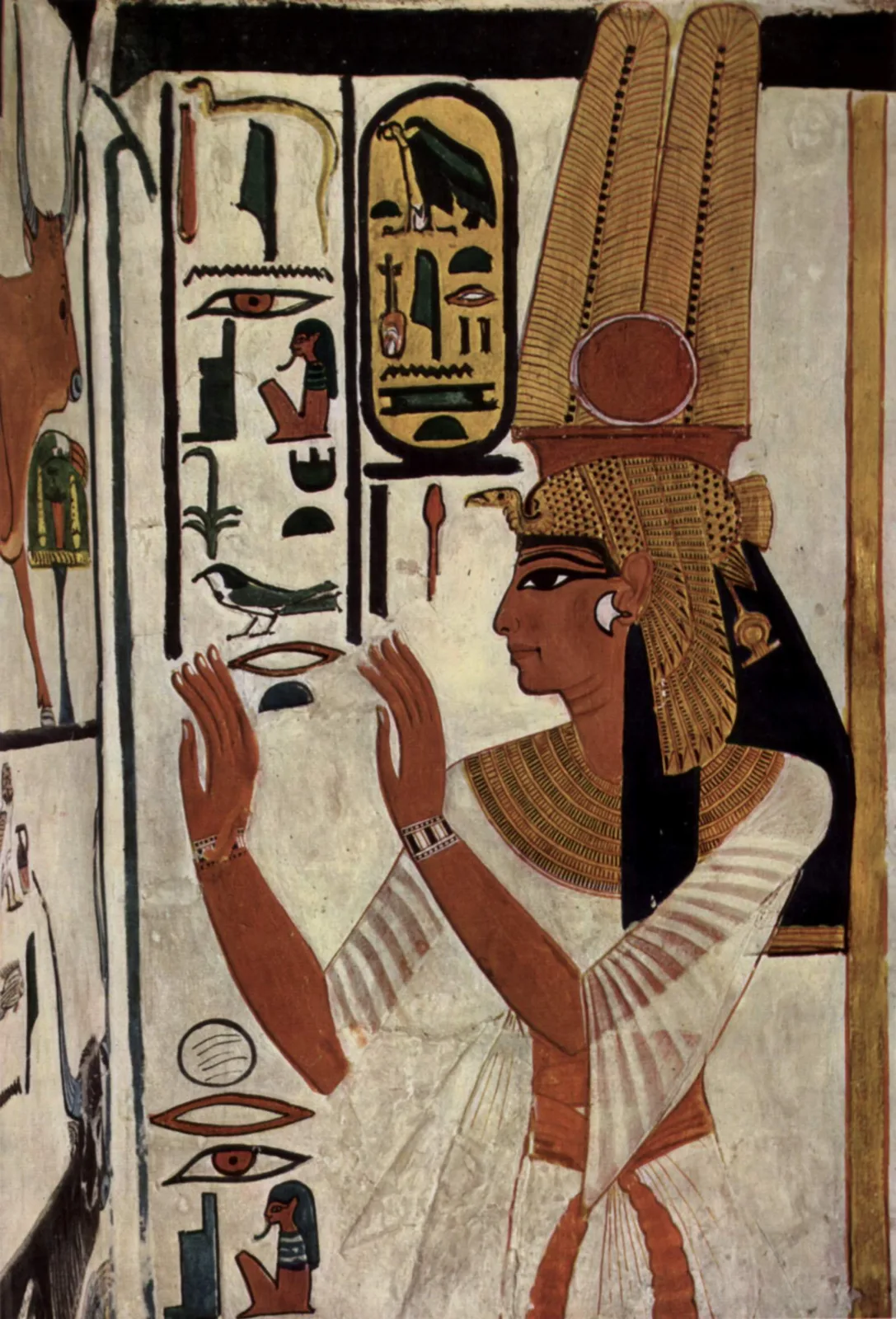

 Watch the one-minute video on YouTube
The Valley of the Queens
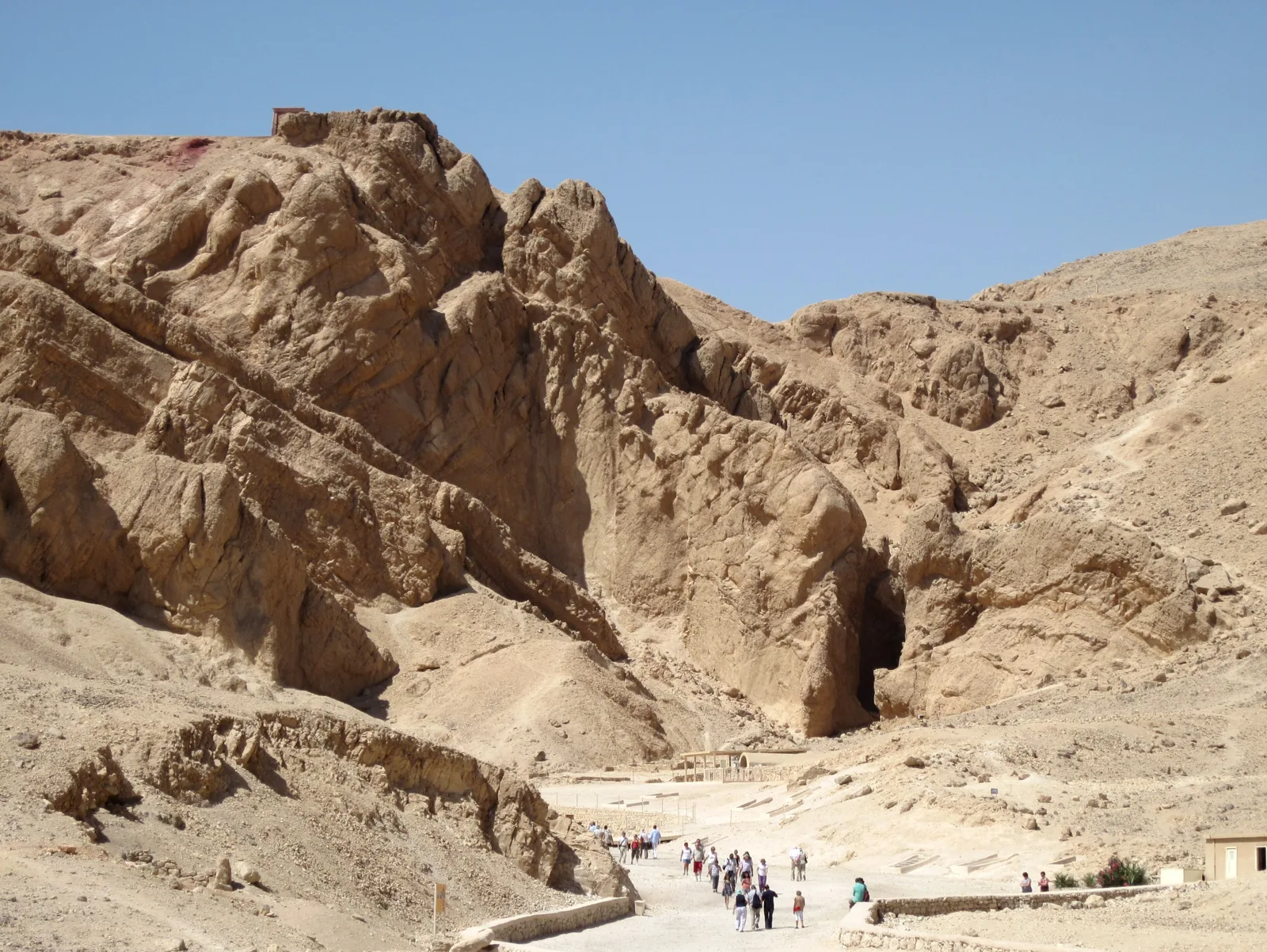
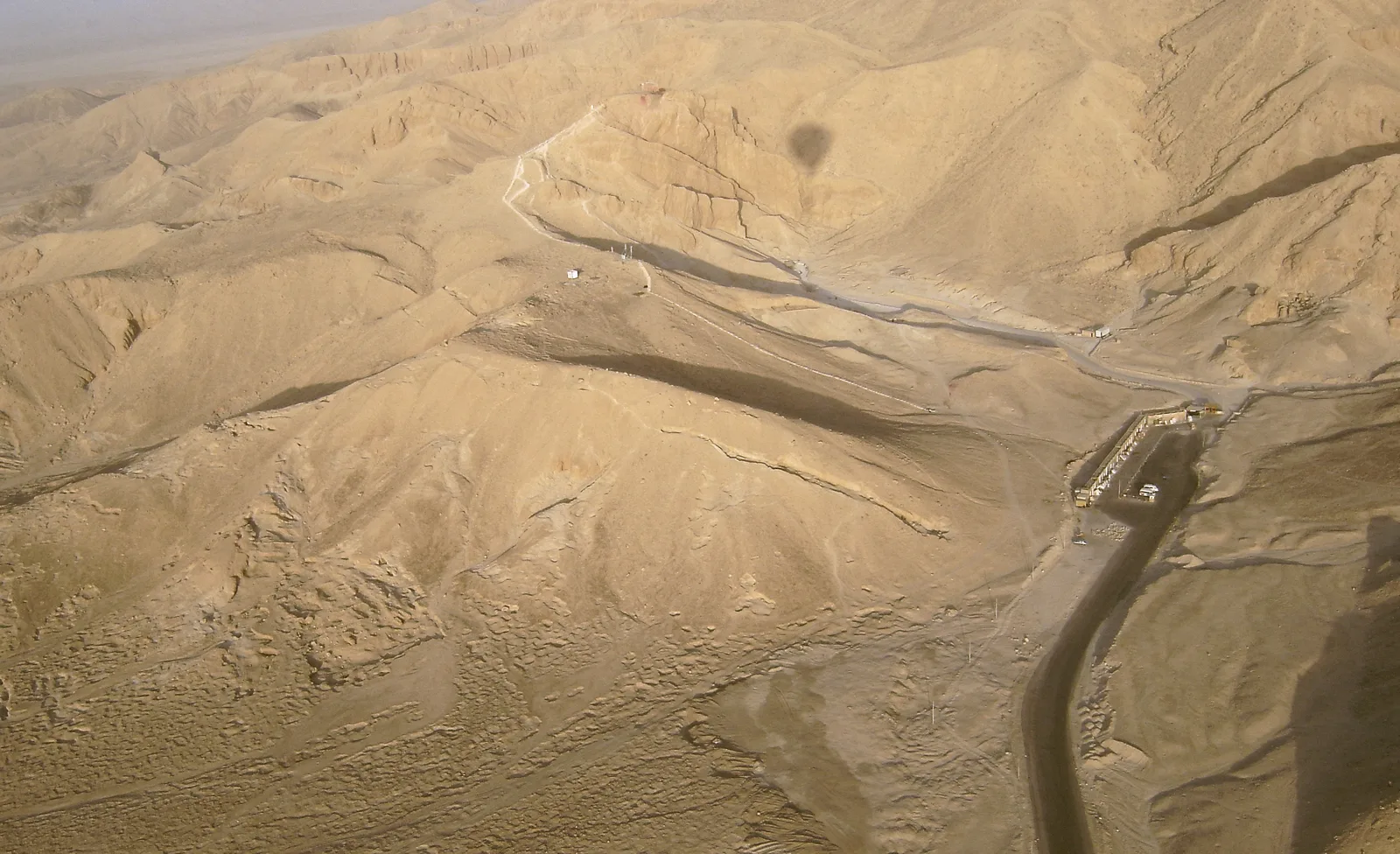
The tomb of Nefertari, known to archaeologists as QV66, lies in the Valley of the Queens, across the Nile from Luxor in the western desert. It is a bare, tawny limestone gorge where almost nothing grows. Together with the rest of ancient Thebes and its necropolis, the valley was inscribed as a UNESCO World Heritage Site in 1979. UNESCO notes that it is the burial place of, among others, Nefertari, the wife of Ramesses II.

The queen "for whom the sun does shine"
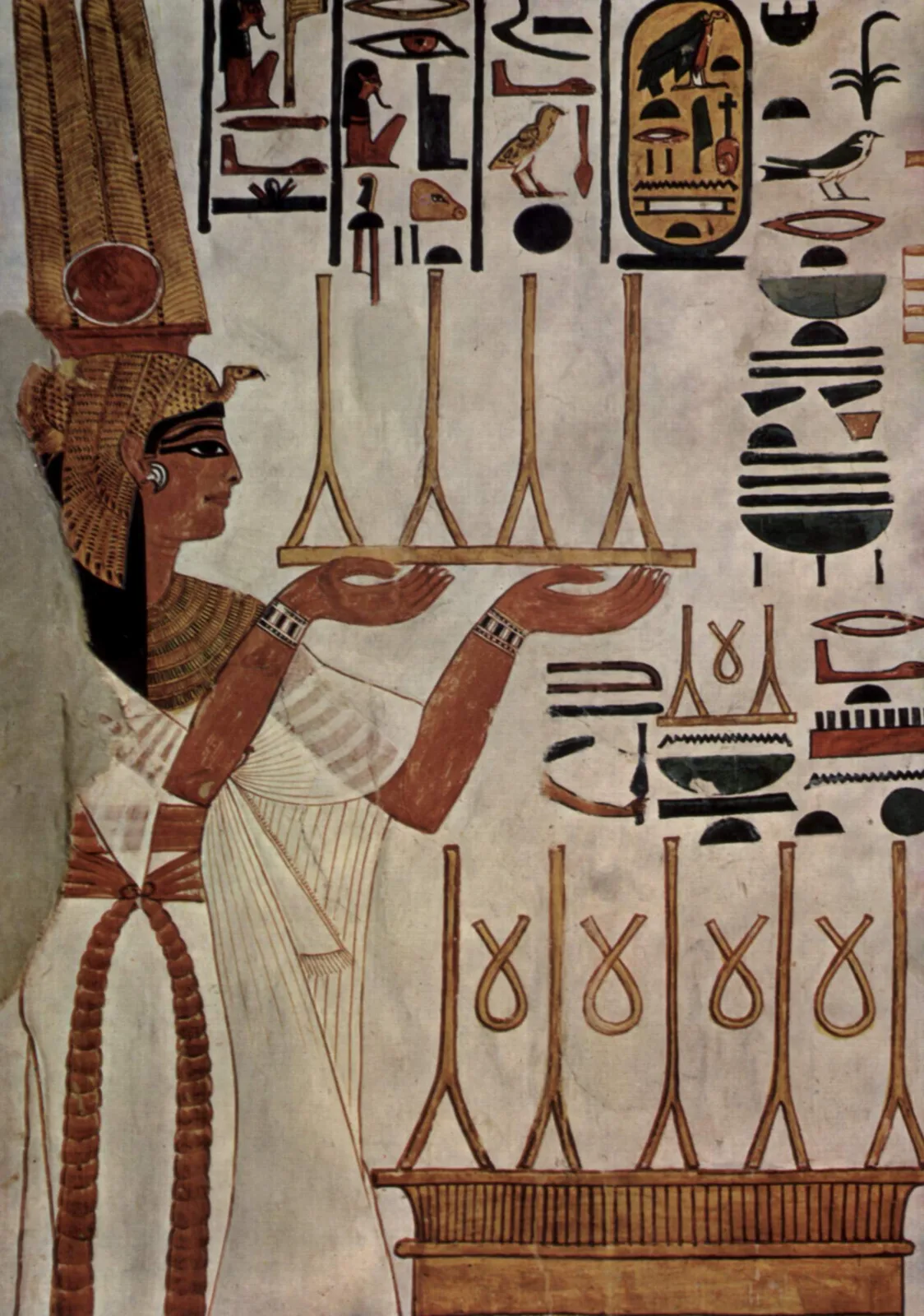
Nefertari was the principal wife of Ramesses II. A guide published by the Getty Conservation Institute calls her his "first and favorite queen." On the facade of the smaller temple at Abu Simbel, an inscription honors "the king's great wife Nefertari … for whom the sun does shine," and her colossal statues there are as tall as the king's.
Her tomb was decorated with the same care. The paintings and texts along its walls follow the queen on her journey to eternal life, and the ceiling is painted as a night sky, scattered with five-pointed yellow stars on a blue ground.

Already damaged in 1904
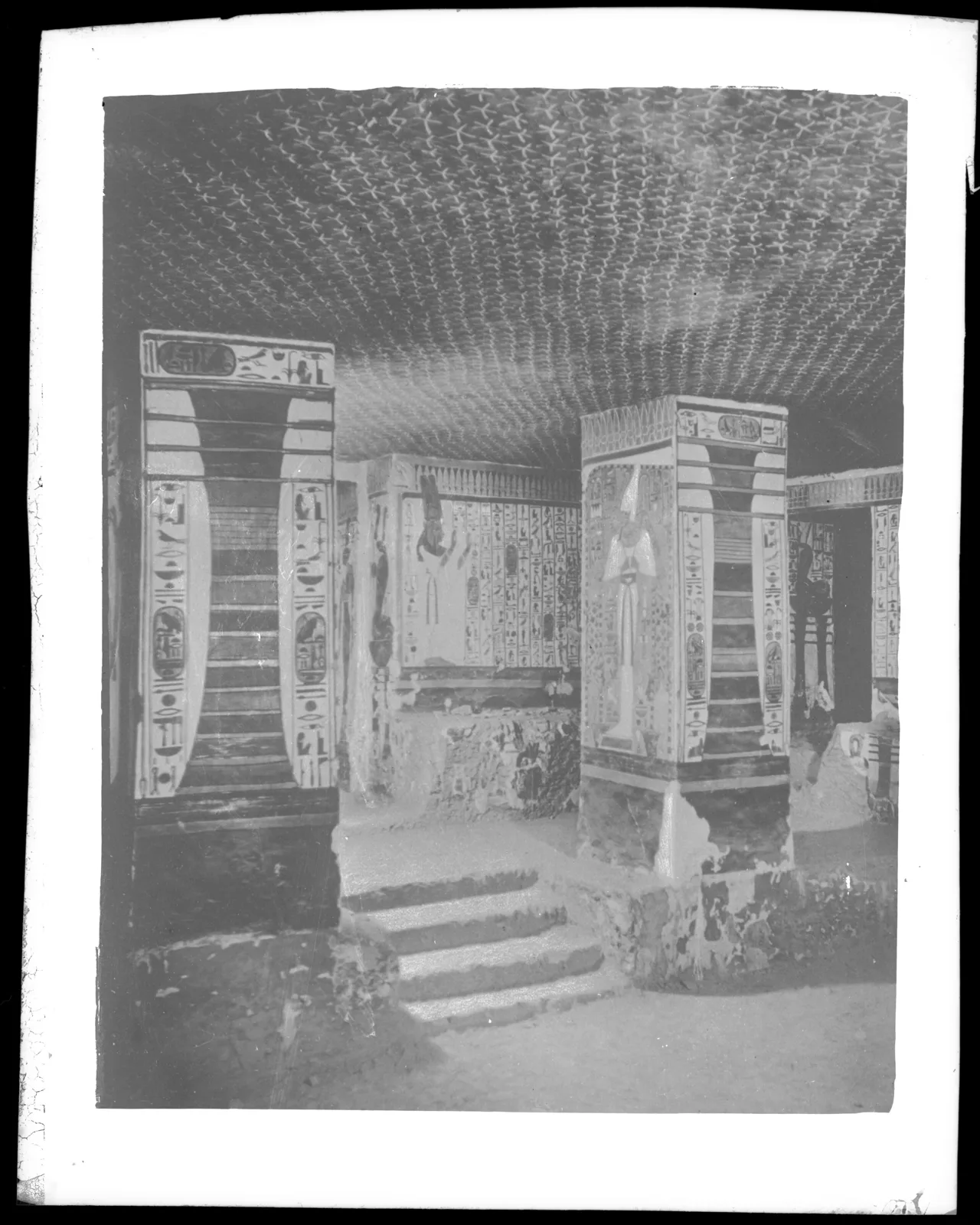
The tomb was found in 1904 by an Italian expedition led by Ernesto Schiaparelli. By the time he opened it, the paintings were already badly damaged. The Getty guide thinks the tomb was probably robbed in antiquity, perhaps as early as 1109 BCE.
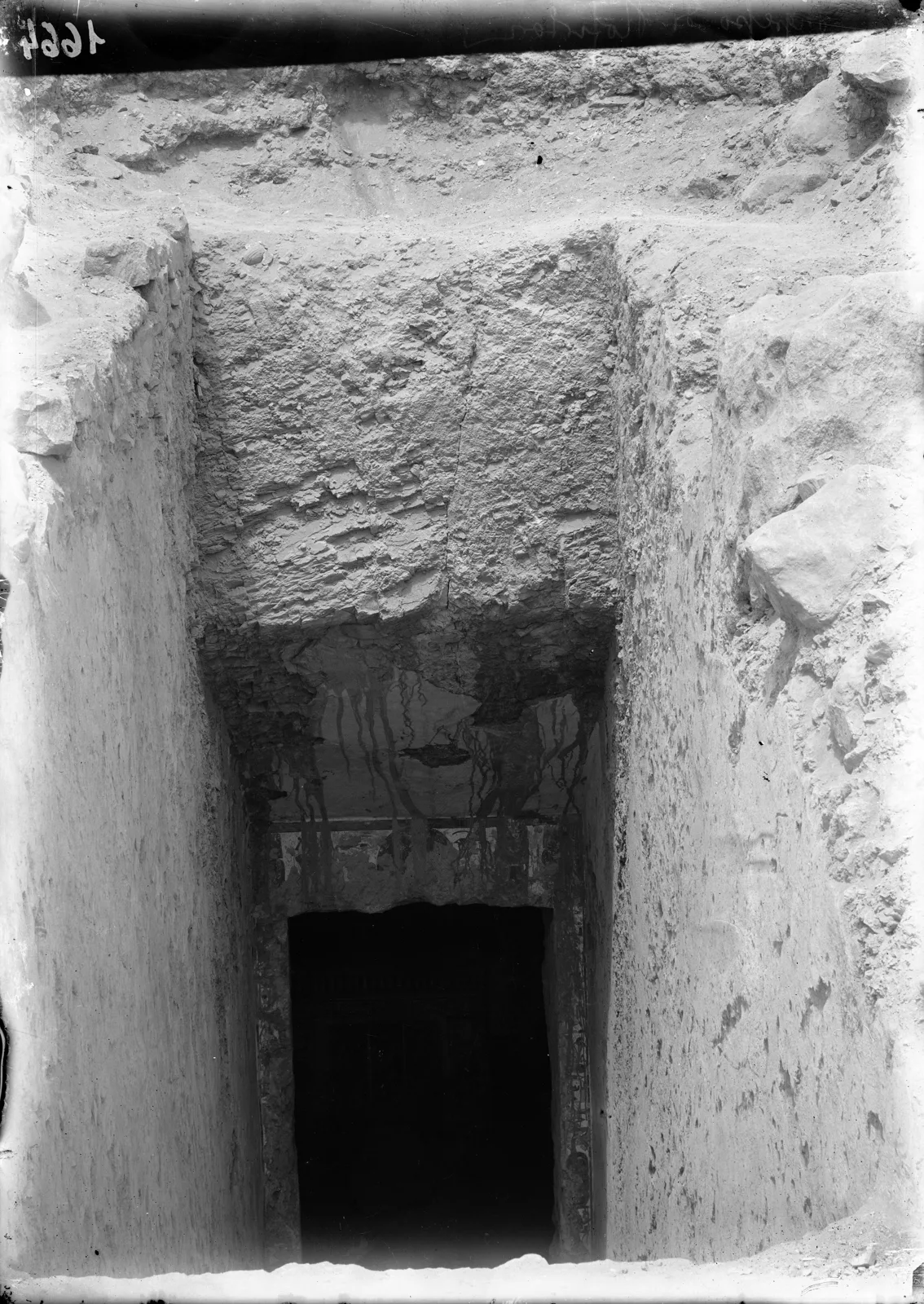

But the real enemy was not thieves. It was salt. The limestone the tomb is cut into is soft and weak, and it is full of sodium chloride and gypsum. When moisture gets in, the salt dissolves and moves; as it dries, it migrates to the surface and crystallizes again. Those growing crystals push the plaster and paint off the wall from behind. The Getty team identified salt crystallization as the main cause of the damage. By the 1980s, at least a fifth of the wall paintings had been lost.

Not one drop of new paint
In 1986, Egypt's Antiquities Organization and the Getty Conservation Institute launched a six-year conservation campaign. The first job was to stop loose fragments from falling. Conservators cut fine paper made from Japanese mulberry bark into strips and pressed them over the flaking areas, about 10,000 strips across the ceiling and walls. Then came the slow work of removing salt and grime and reattaching loose fragments.
The most remarkable part is what they didn't do. As the project's report puts it, "not one drop of new paint was added to any of the surfaces." There was no repainting, only cleaning and stabilizing, and yet the paintings recaptured their original magnificence.

Color from stone
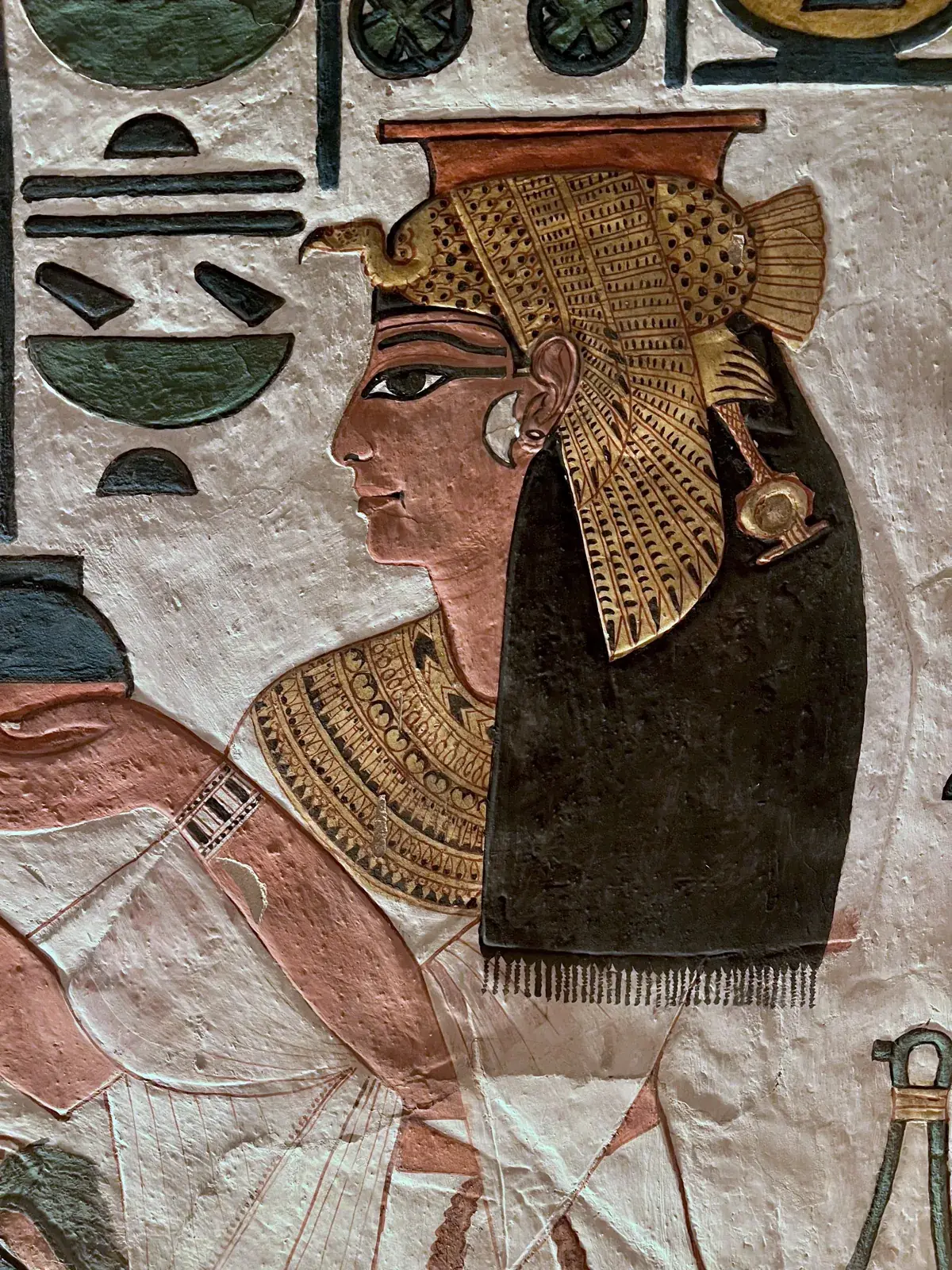
So why did the colors last so long in the first place? The answer is in the paint. Egyptian pigments were mineral. Reds and yellows came from iron oxide, while blues and greens were made from natural copper ores. Analysis showed these pigments are stable against most environmental influences.
Put the two together and you have the answer: paint that barely fades, and modern conservators who brought back the original colors by drawing out the salt rather than painting over it.
A tomb where every breath counts
In this tomb, even visitors are a risk. According to the Getty guide, a single person breathes out and sweats between half a cup and two cups of water an hour. That moisture can wake the salt again, so visits have always been tightly limited. In March 2024, Egypt's Ministry of Tourism and Antiquities closed the tomb to monitor humidity and said it was studying whether it could reopen under controlled conditions. Check the official information before you go to see whether it is open.

Find the Tomb of Nefertari on Wooriyeojido
Colors that have survived 3,200 years owe their life to durable paint and careful hands. The Tomb of Nefertari is pinned on the Wooriyeojido map. Look it up in the app, and if you go, leave your photos and the story of your day right beside it.
View this place in the Wooriyeojido appVideos of nearby places
 Abu Simbel: the temple moved whole, like a mountain
 The Great Pyramid of Giza: how were 2.3 million blocks stacked?
 Pakal's tomb: the secret stairway under a temple floor
Sources
- Egyptian Ministry of Tourism and Antiquities — The anniversary of the discovery of Queen Nefertari's tomb
- UNESCO World Heritage Centre — Ancient Thebes with its Necropolis (87)
- Getty Conservation Institute — Tomb of Nefertari
- Getty Conservation Institute and Egyptian Antiquities Organization — Art and Eternity: The Nefertari Wall Paintings Conservation Project, 1986–1992 (1993)
- Getty Conservation Institute — House of Eternity: The Tomb of Nefertari (1996)
- Museo Egizio, Turin — Photographic Archive, QV 66, Tomb of Nefertari