The Great Pyramid of Giza: Who Stacked 2.3 Million Stones, and How?
King Khufu's tomb on Egypt's Giza Plateau, built more than 4,500 years ago. Where its stones came from, who really built it, and what we still don't know, drawn from official sources and archaeological research, in a short video and photos.
A mountain of stone rises out of the desert. Each block weighs about 2.3 tonnes on average, and there are thought to be more than 2.3 million of them. How did people stack them all more than 4,500 years ago? Start with the short video.
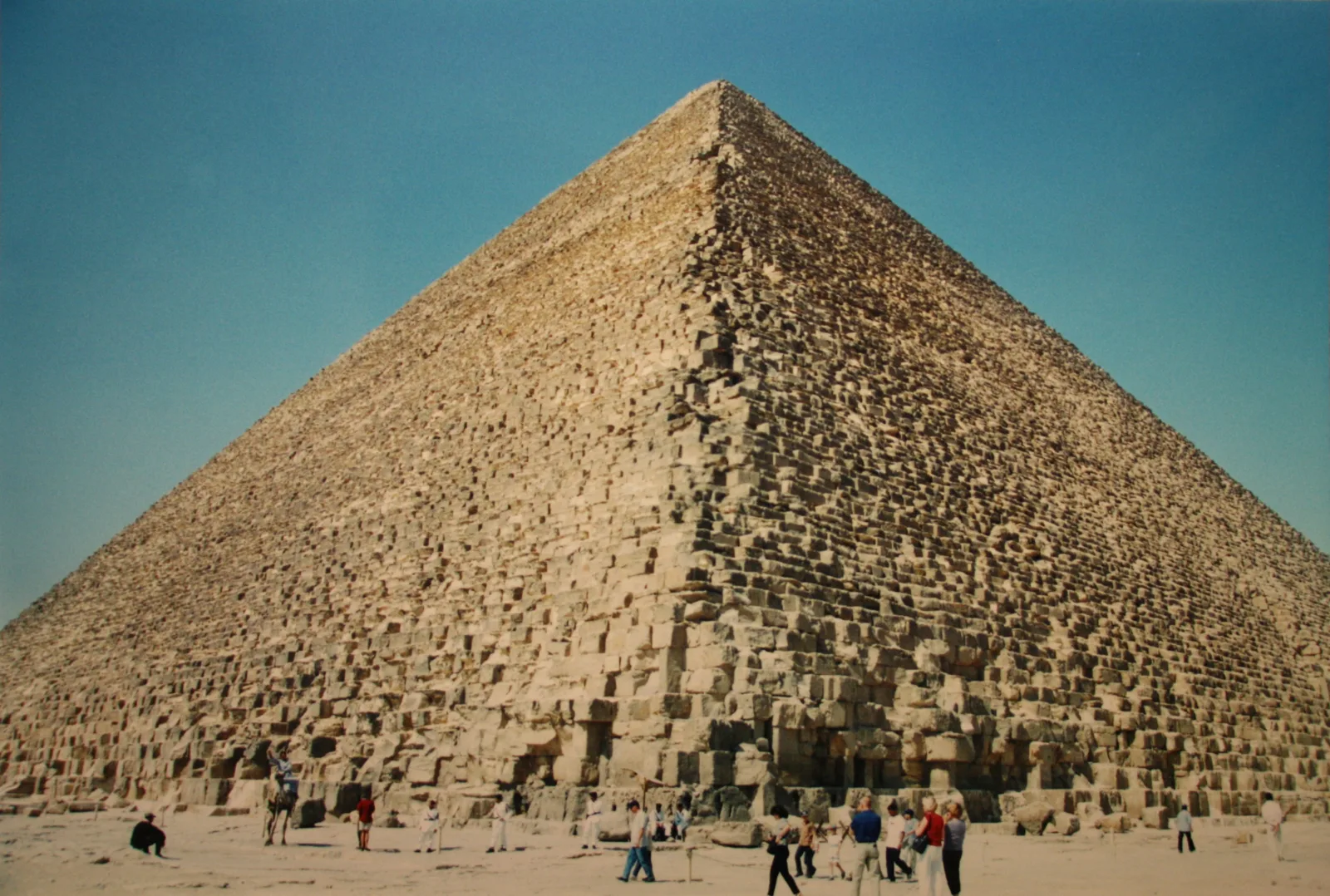

 Watch the one-minute video on YouTube
The eldest of Giza's three
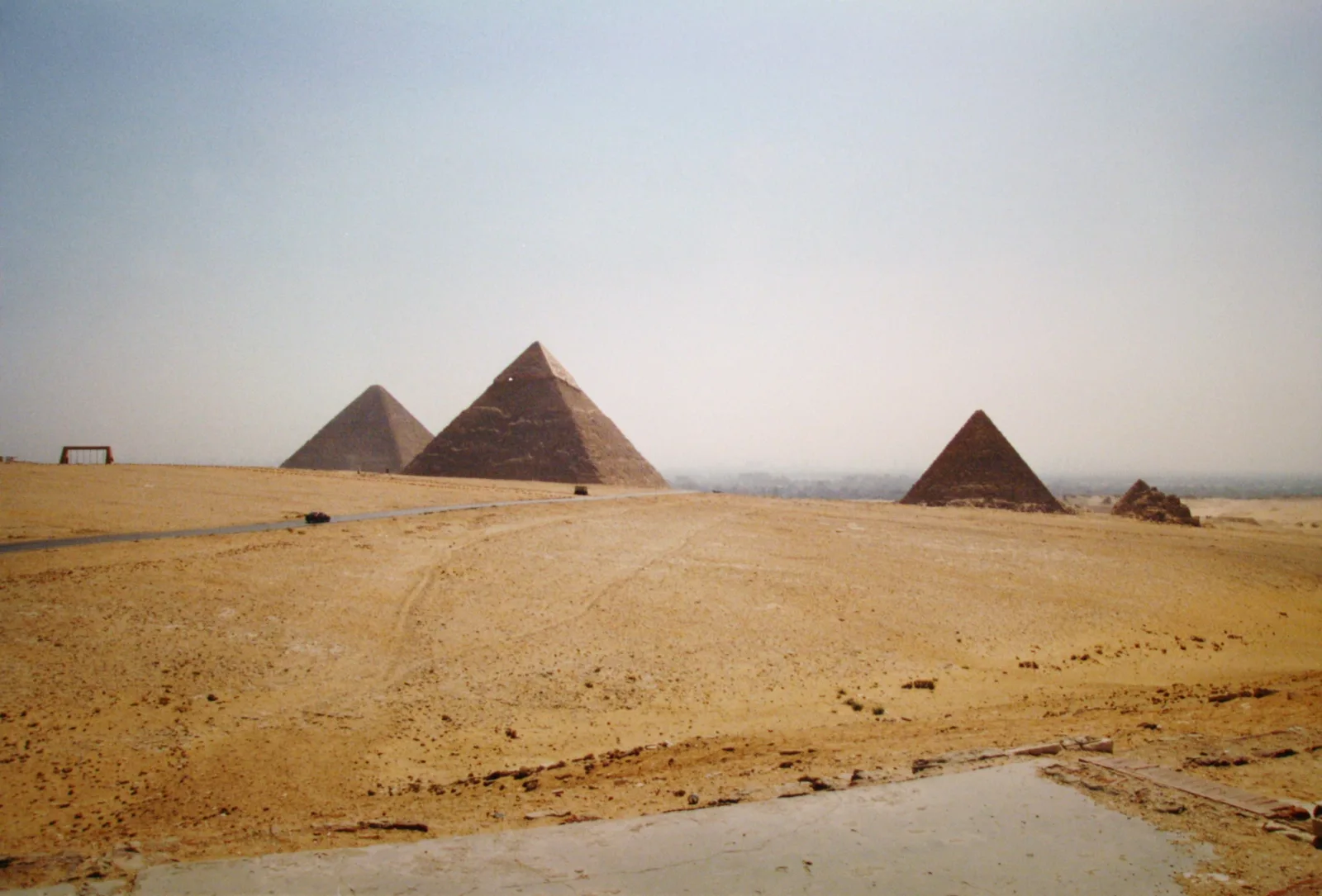
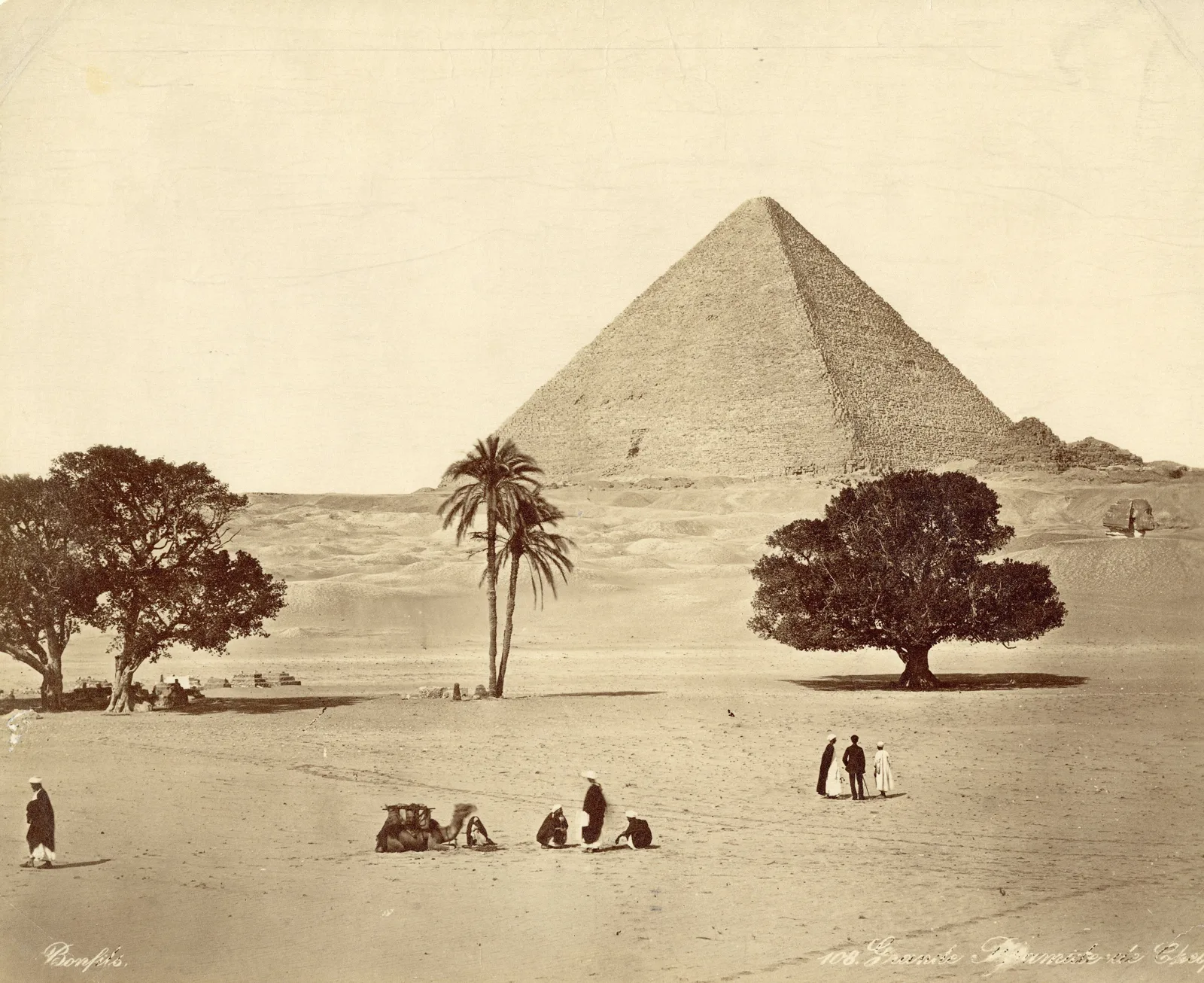
The Great Pyramid stands on the Giza Plateau, on the edge of Cairo. Egypt's Ministry of Tourism and Antiquities describes it as the tomb of King Khufu, who reigned around 2589–2566 BC, and the oldest and largest of the three pyramids at Giza. It was built more than 4,500 years ago.

A king remembered in miniature
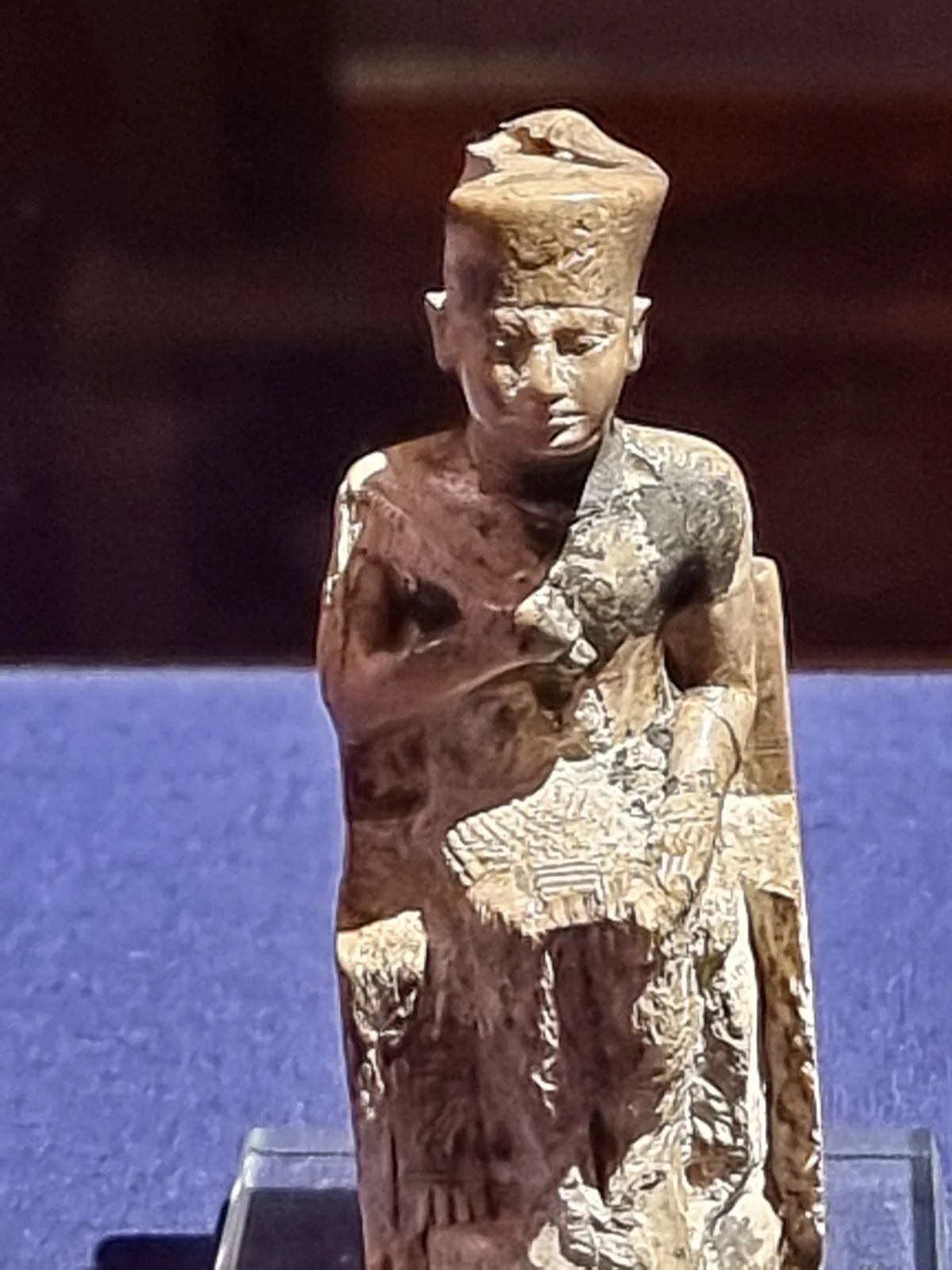
Khufu was a king of Egypt's Fourth Dynasty. For a man who left behind the largest pyramid of all, his surviving likeness is astonishingly small. In 1903 the British archaeologist Flinders Petrie found an ivory statuette inscribed with Khufu's name in the temple area at Abydos. It is only about 7.5 centimetres tall, no bigger than a finger, and is now in the Egyptian Museum in Cairo.

Tallest for 3,800 years
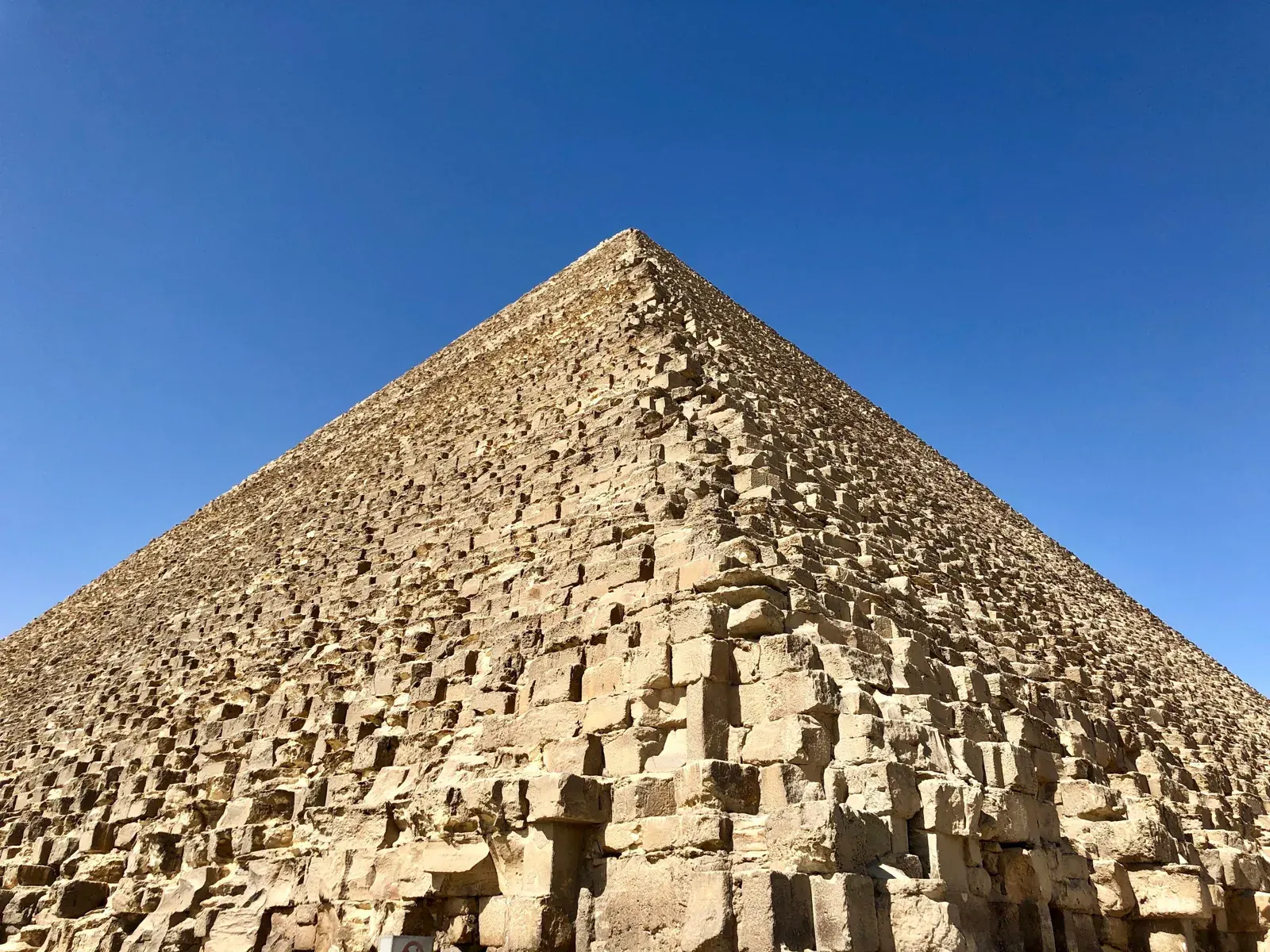
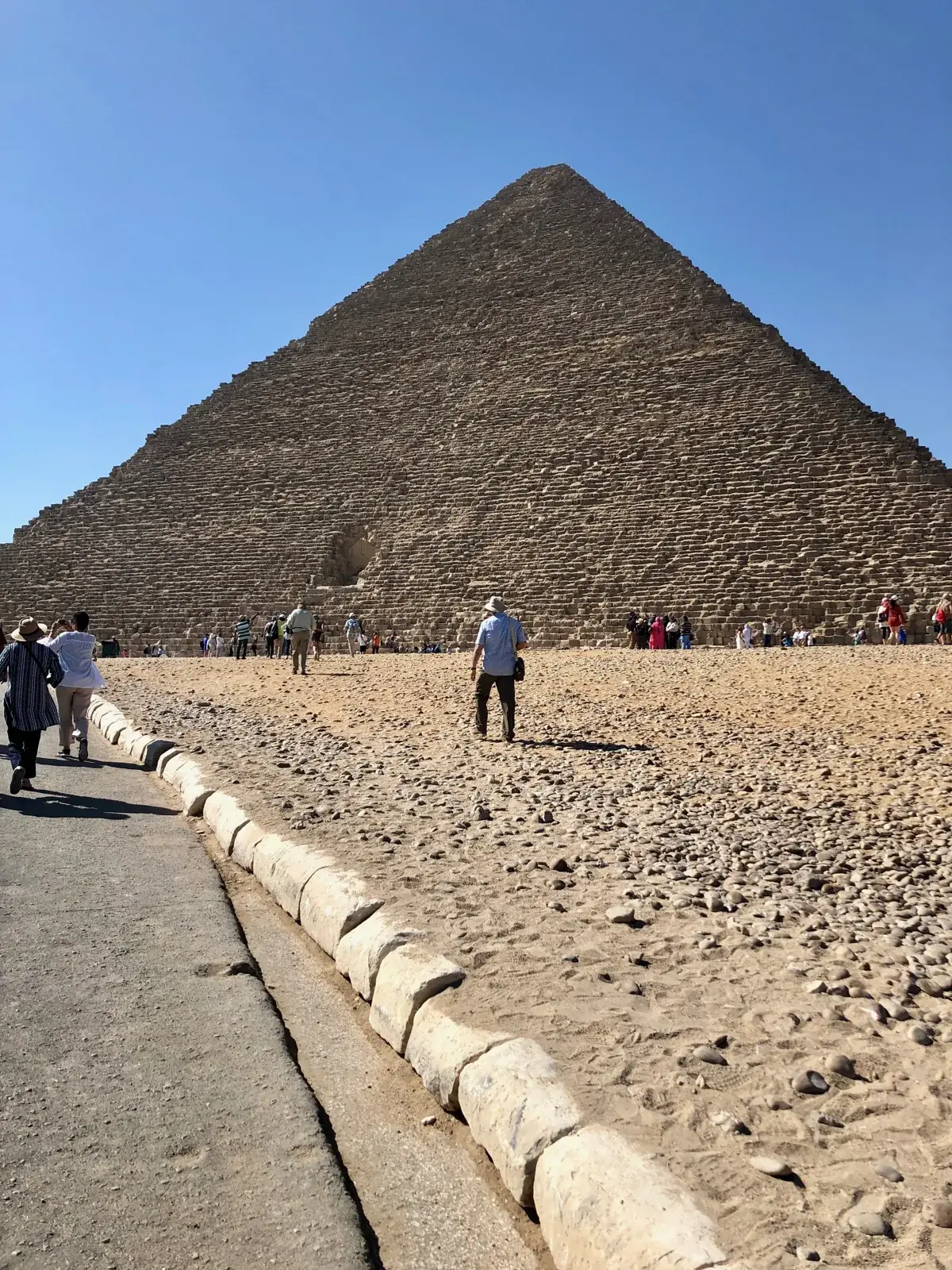
When it was finished, the pyramid stood 146.5 metres tall. According to the ministry, no taller building would rise for another 3,800 years. It is estimated to contain more than 2.3 million blocks, though nobody can count them exactly because part of the core is natural bedrock. Of the Seven Wonders of the Ancient World, it is the only one still standing.

Where did the stone come from?
Most of it is limestone quarried right here on the plateau. The pyramid was once sheathed in smooth, high-quality limestone, and those casing stones were shipped in from Tura, south of Cairo. The reason the pyramid looks stepped and rough today is that, over the centuries, people stripped away the casing to use in other buildings.

In 2013, at Wadi al-Jarf, an ancient harbour on the Red Sea coast, archaeologists found the oldest inscribed papyri known. Among them is the logbook of a minor official named Merer, which records the transport of building materials for the Great Pyramid. Written by an eyewitness, it is an extraordinarily rare source.
Was it built by slaves?
Many people picture the pyramids being built by slaves. Archaeologists see it differently. "Certainly they weren't slaves," says Egyptologist Mark Lehner of the University of Chicago, who explains that Egyptians appear to have worked in rotating shifts as part of a labour obligation owed to the state.
Southeast of the plateau, excavations have uncovered the town and cemetery of the workers who built the Giza pyramids. The Ancient Egypt Research Associates report that the state used royal grain to make bread and beer for them, and the town has yielded large numbers of animal bones, including cattle and fish. The workers' skeletons show plenty of signs of hard labour, but also many broken bones that healed straight, evidence that they received proper medical care.

Estimates of the workforce vary too. The Greek historian Herodotus wrote that more than 100,000 men worked on it, but that was a guess based on hearsay. Modern scholars put the figure closer to 20,000.
How long did it take, and how was it done?
The ministry estimates that construction took 10 to 20 years. Exactly how the blocks were raised, however, is still not certain. What we can say is that stone was quarried nearby, the rest was brought in by boat, and a large, fed and rewarded workforce built it together over many years.
Find the Great Pyramid of Giza on Wooriyeojido
More than 4,500 years on, the Great Pyramid still stands in the desert of the Giza Plateau. It is pinned on the Wooriyeojido map. Look it up in the Wooriyeojido app, and if you go, leave your photos and stories from the day right beside it.
View this place in the Wooriyeojido appVideos of nearby places
 What did the Sphinx promise in a dream? The Great Sphinx of Giza and the Dream Stele
 Why are 3,000-year-old murals so vivid? The Tomb of Nefertari
 A temple as big as a hill, moved whole? The relocation of Abu Simbel
Sources
- Ministry of Tourism and Antiquities (Egypt) — The Great Pyramid
- Ministry of Tourism and Antiquities (Egypt) — Giza Plateau
- Ministry of Tourism and Antiquities (Egypt) — Workers' Town and Cemetery
- IFAO — Ouadi el-Jarf
- AERA — The Lost City of the Pyramids
- University of Memphis Institute of Egyptian Art & Archaeology — The Pyramid of Khufu
- PBS NOVA — Who Built the Pyramids?
- PBS NOVA — Pyramids: The Inside Story, blocks