The Taj Mahal: Who Was This White Marble Tomb Built For?
The Taj Mahal rises in white marble on the banks of the Yamuna in Agra, India. Find out, through video and photos, whom the Mughal emperor Shah Jahan built it for and how it took some 22 years to complete.
On the banks of the Yamuna River in Agra, northern India, stands a tomb built entirely of white marble. From the first foundations to the last of its gardens, it took around 22 years. Who could deserve a tomb like this? Start with the short video.

 Watch the one-minute video on YouTube
A white tomb on the Yamuna
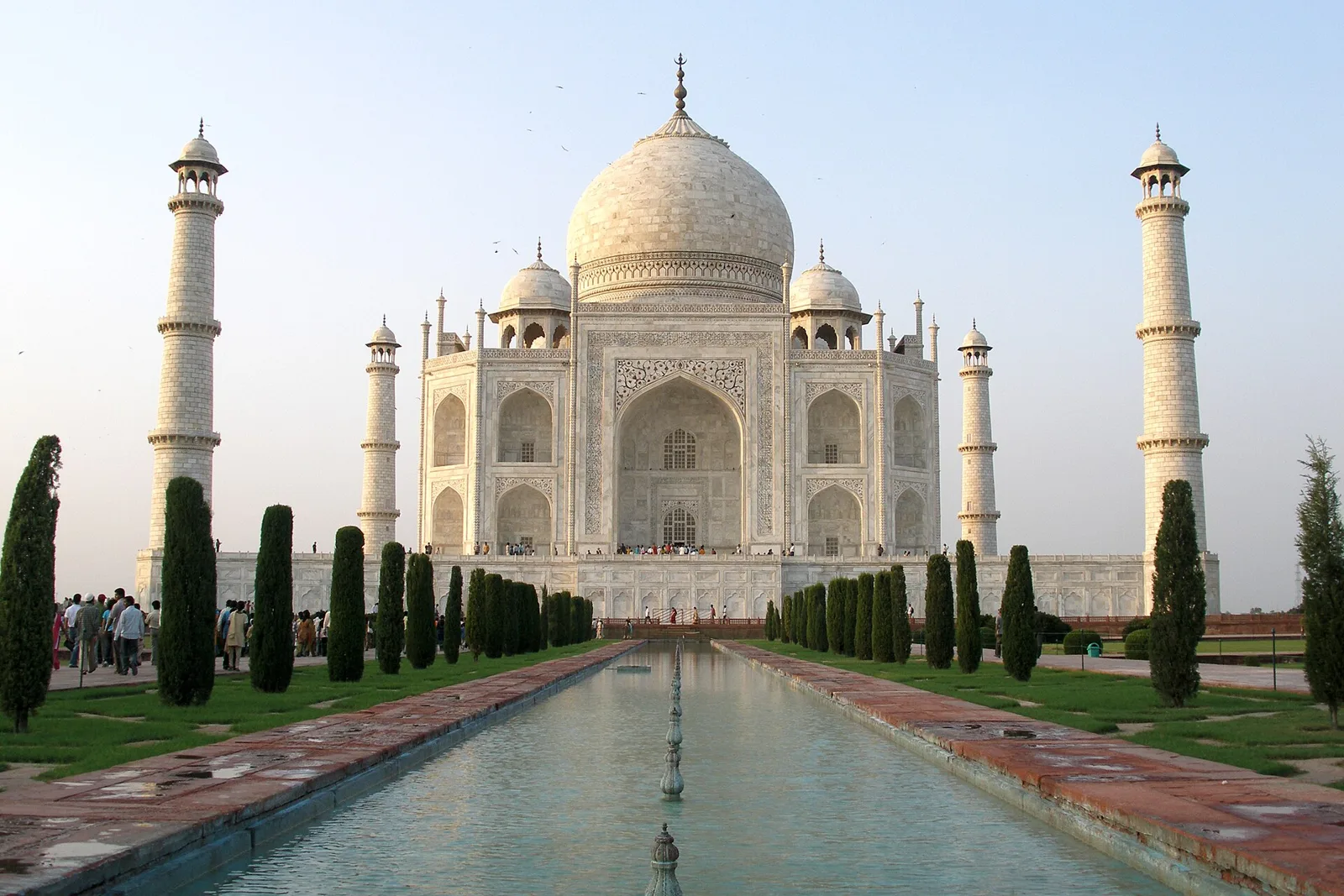
The Taj Mahal stands beside the Yamuna in Agra, in the state of Uttar Pradesh. It became a UNESCO World Heritage Site in 1983. UNESCO describes it as an immense mausoleum of white marble, built in Agra between 1631 and 1648 by order of the Mughal emperor Shah Jahan in memory of his favourite wife, and calls it "the jewel of Muslim art in India."
The emperor and the empress
Shah Jahan was the fifth emperor of the Mughal dynasty, ruling from 1628 to 1658.
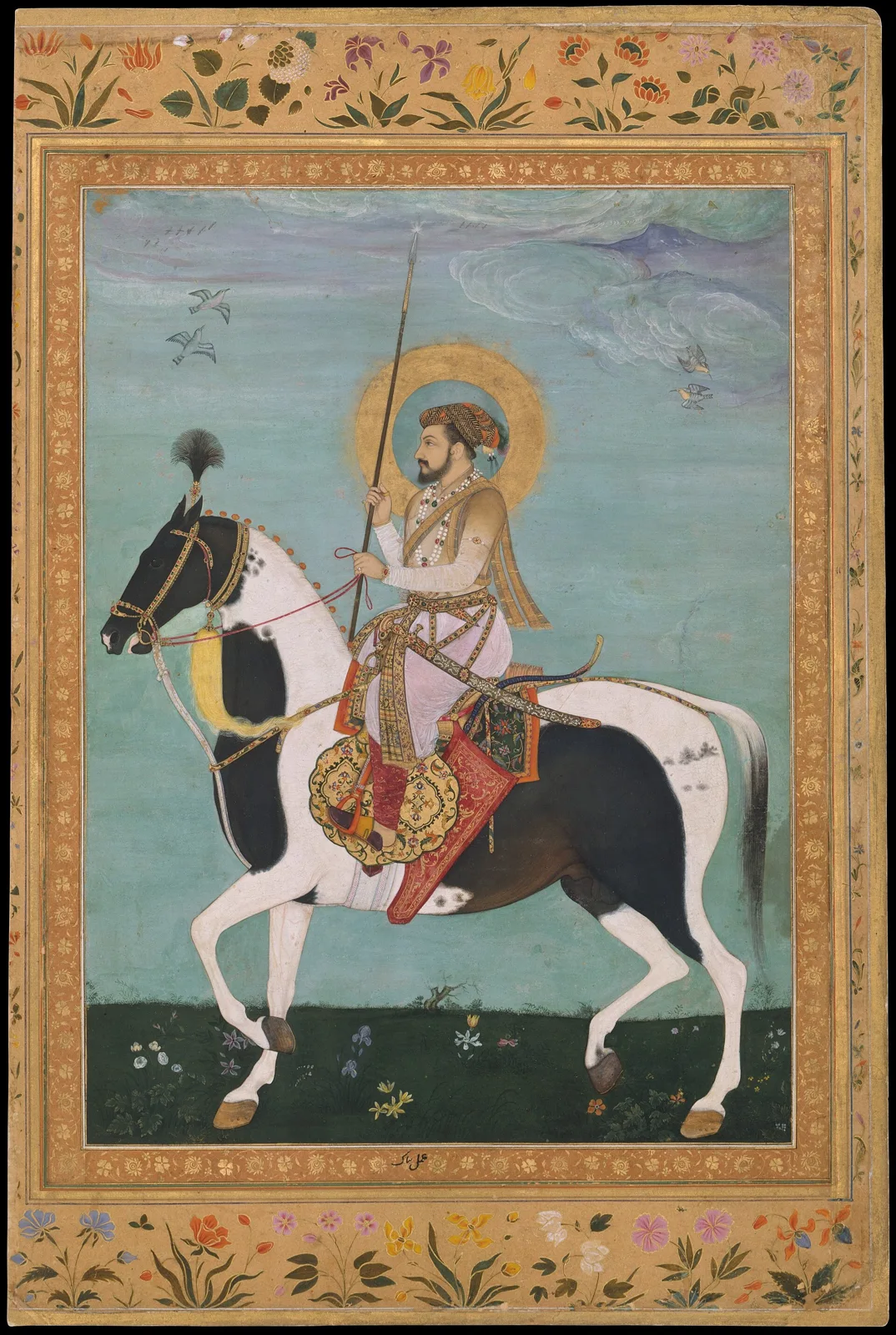

The tomb was built for his empress, Mumtaz Mahal. Born Arjumand Banu Begum, she married Shah Jahan in 1612 and travelled with him all over the empire. On 17 June 1631, in Burhanpur to the south, she died giving birth to their fourteenth child. According to the Taj Mahal's official website, work on her tomb beside the Yamuna in Agra began around that time.
Twenty thousand workers and Makrana marble
The main mausoleum was built of white marble brought from Makrana in Rajasthan. The official site says a workforce of around 20,000 was recruited from across northern India. The design came from a team of architects, and history does not let us name any single one of them as its creator.
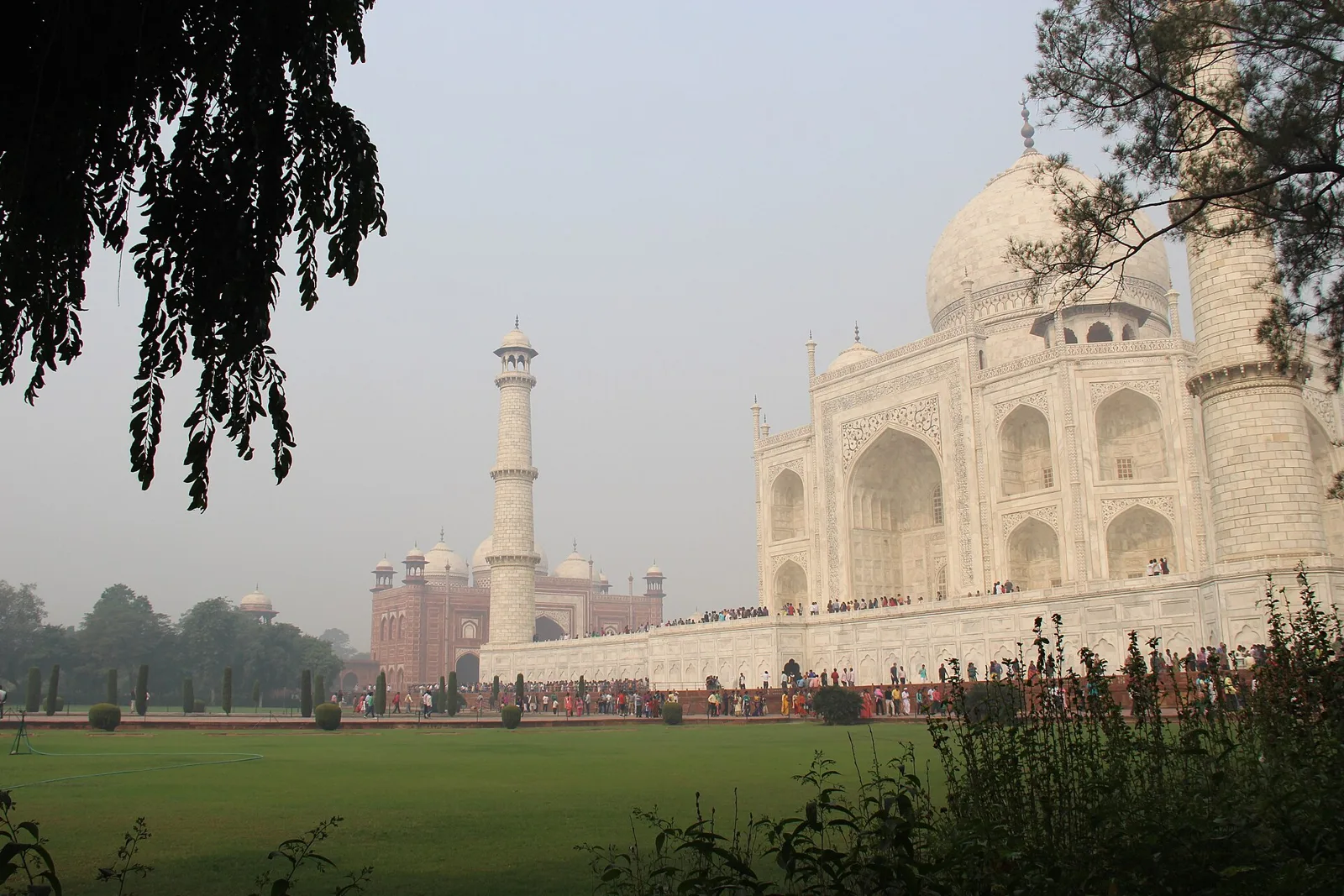
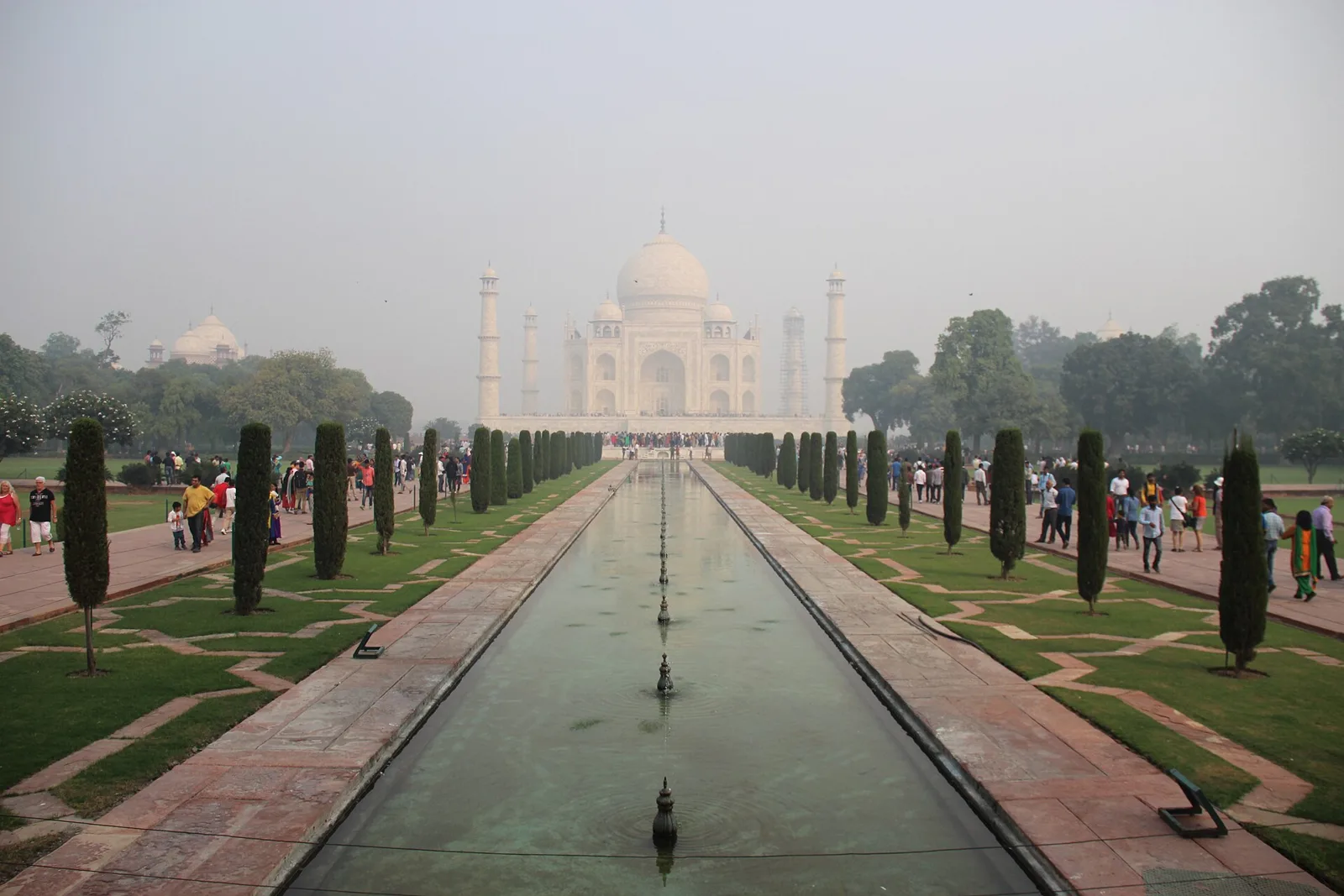
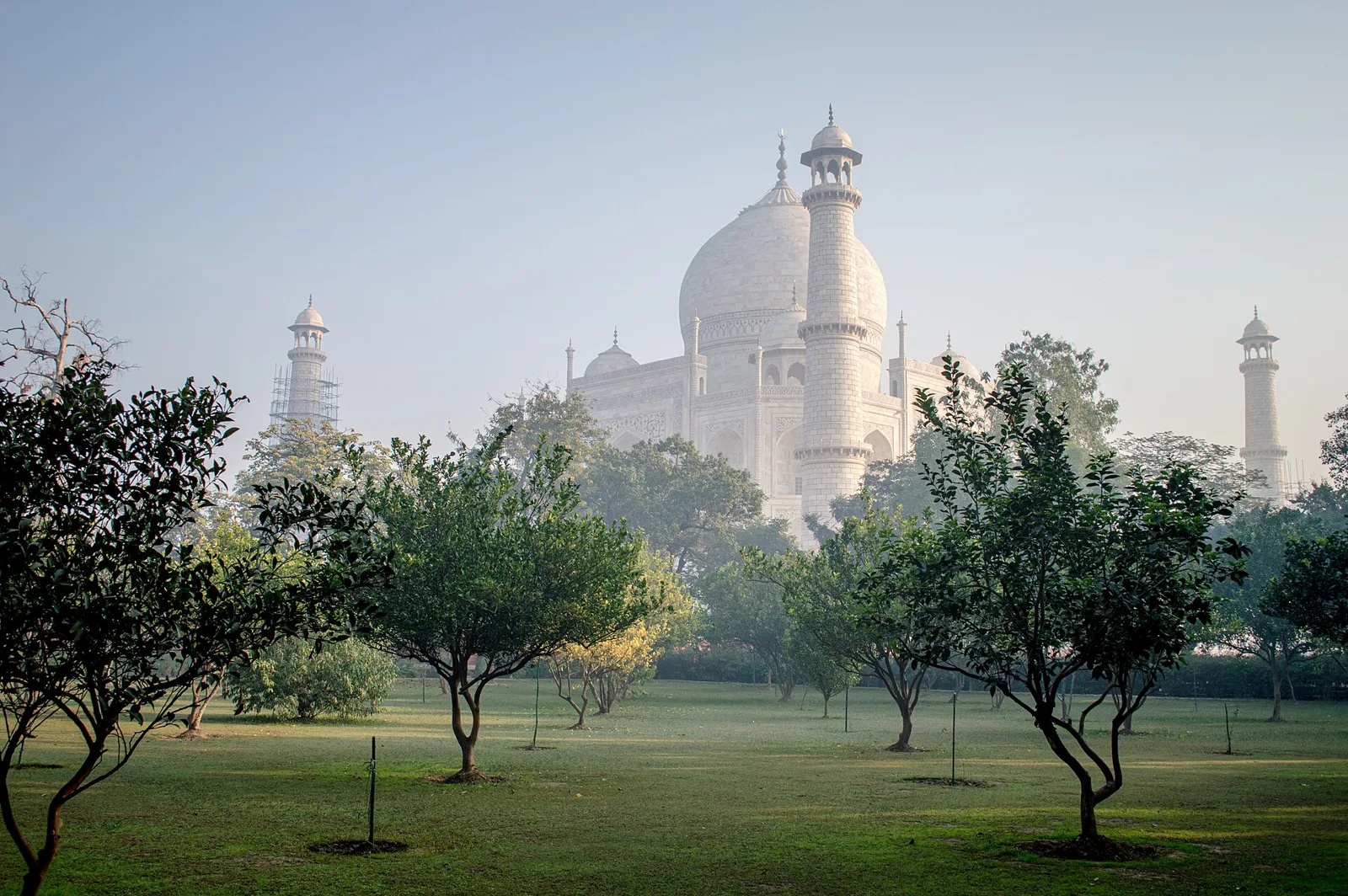
Look closely at its form. On a square white marble platform sits the main building, its corners cut away. A great arched portal opens in the middle of each face, and a huge onion dome swells from the centre of the roof. A slender minaret rises at each corner of the platform, while red sandstone buildings on either side make the white tomb stand out all the more.

Flowers and words set in stone
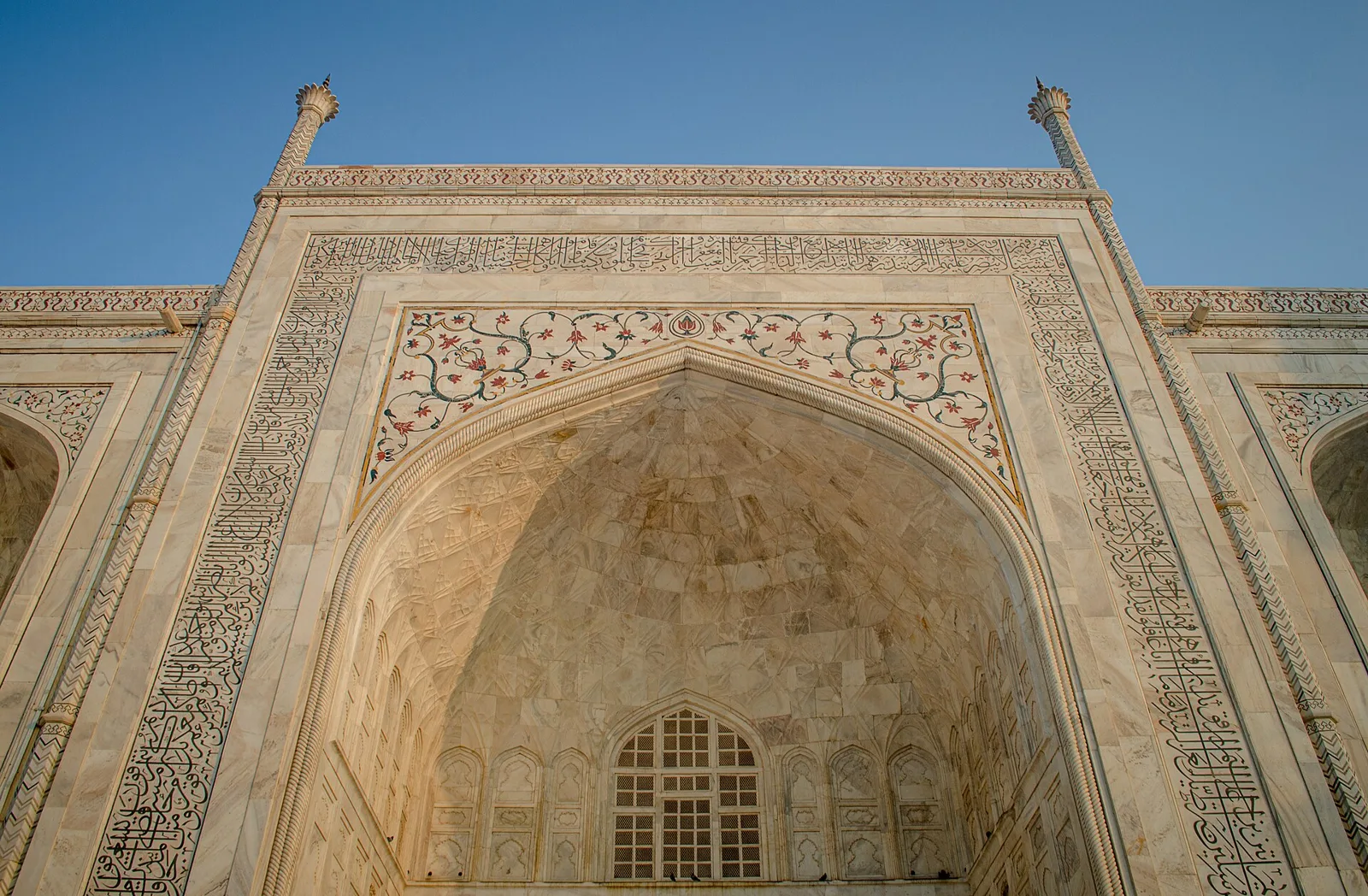
Up close, the white walls turn out to be covered in ornament. Craftsmen carved flowers into the marble and inlaid them with yellow marble, jasper and jade.
Around the great arches runs a band of black lettering: verses from the Quran, inlaid in black marble into the white. The calligrapher was Amanat Khan of Shiraz. Look carefully and you may notice that the letters placed higher up are slightly larger than those below.

Twenty-two years, from start to finish
According to the official site, construction began around 1631. The mausoleum itself was finished in 1648, and the surrounding buildings and gardens five years later, in 1653: some 22 years in all.
Paradise on earth
In front of the tomb lies a charbagh, a garden divided into four. Two broad walkways split it into quarters, and each quarter is divided again, making sixteen beds in all. At the centre, a raised white marble platform holds a pool with fountains, fed by water channelled from the Yamuna. The official site explains that the whole complex was conceived as an earthly replica of Mumtaz Mahal's house in paradise.


Inside: the one thing out of balance
In the central chamber, a screen of pierced marble surrounds the cenotaphs of Mumtaz Mahal and Shah Jahan. These are not the real graves, though: the actual tombs lie on a lower level beneath them.
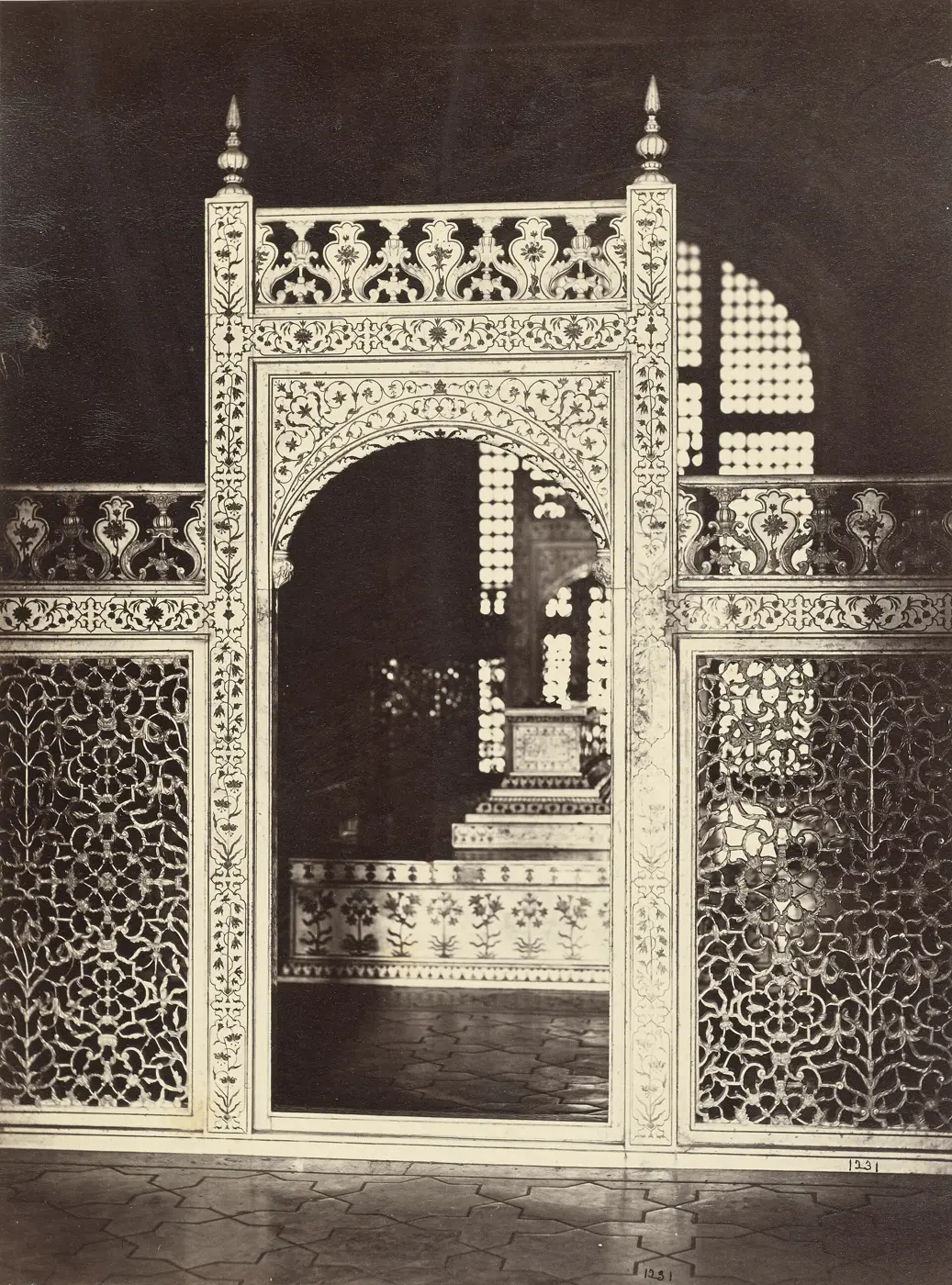

The larger cenotaph beside the empress's belongs to Shah Jahan, who died in Agra on 22 January 1666. It was added later, on the western side. According to the official site, in a building designed with perfect symmetry, the emperor's casket is the only thing out of balance.
Find the Taj Mahal on Wooriyeojido
The emperor spent 22 years building a tomb for his empress, and in the end he came to rest beside her. The Taj Mahal is pinned on the Wooriyeojido map. Find the Taj Mahal in the Wooriyeojido app, and if you go, leave your photos and stories from the day right beside it.
View this place in the Wooriyeojido appVideos of nearby places
 Where did the Buddha first teach? Sarnath and the Dhamek Stupa
 Why are 3,000-year-old murals so vivid? The Tomb of Nefertari
 A hidden stairway beneath the temple floor: the Tomb of King Pakal
Sources
- Taj Mahal (official website, Government of Uttar Pradesh / ASI) — Creation History
- Taj Mahal (official website) — The Cause of the Taj
- Taj Mahal (official website) — Maker of the Taj
- Taj Mahal (official website) — Architecture
- Taj Mahal (official website) — Taj Garden
- Taj Mahal (official website) — The Taj Interiors
- Taj Mahal (official website) — Calligraphy
- UNESCO World Heritage Centre — Taj Mahal (252)