The Sleeping Giant: A Ridge on Lake Superior and the Legend of Nanabosho
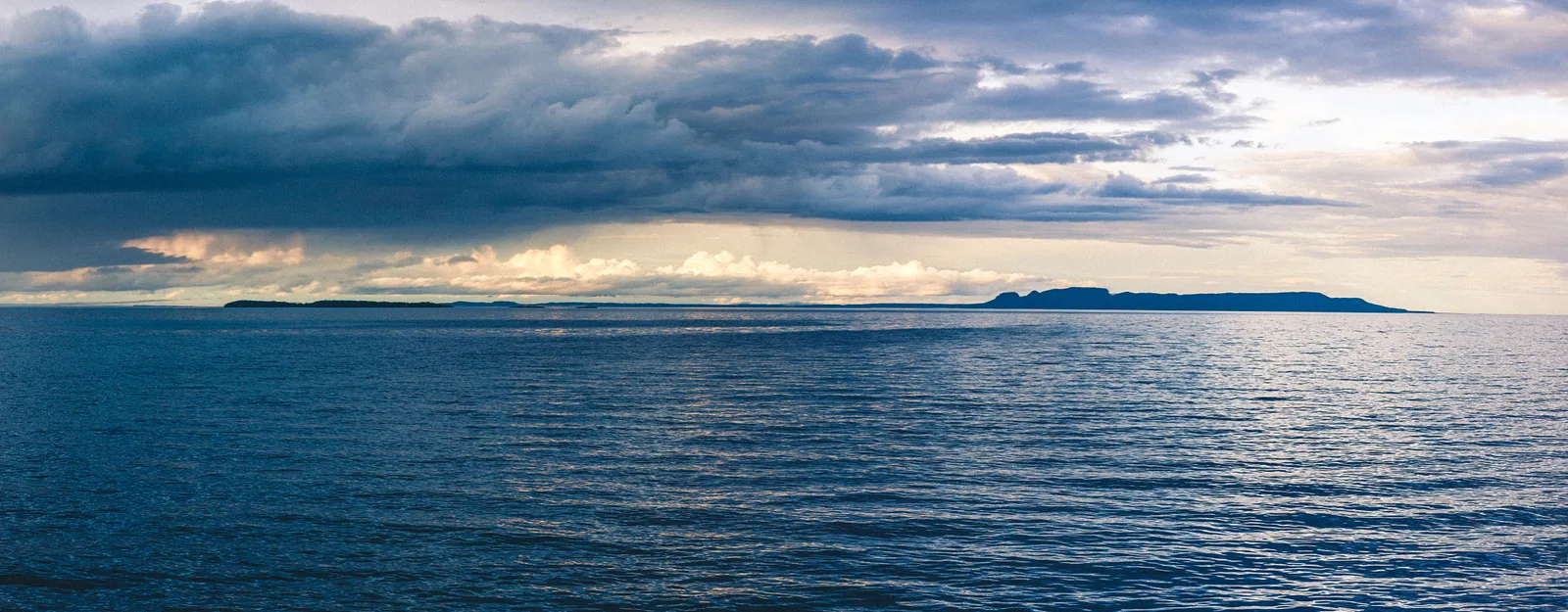
Look out across the water from Thunder Bay, Ontario, and a long ridge on the horizon resembles a figure lying on its back. Discover the Anishinawbe legend of a giant turned to stone, the silver that really was there, and the 1.1-billion-year-old rock beneath it all.
Stand on the waterfront in Thunder Bay, Ontario, and look out across Lake Superior. On the horizon lies a long, dark ridge shaped uncannily like a person stretched out on their back. Its name says it all: the Sleeping Giant. But how did this giant come to be turned to stone? Start with the short video.

 Watch the one-minute video on YouTube
Forty kilometres across the bay
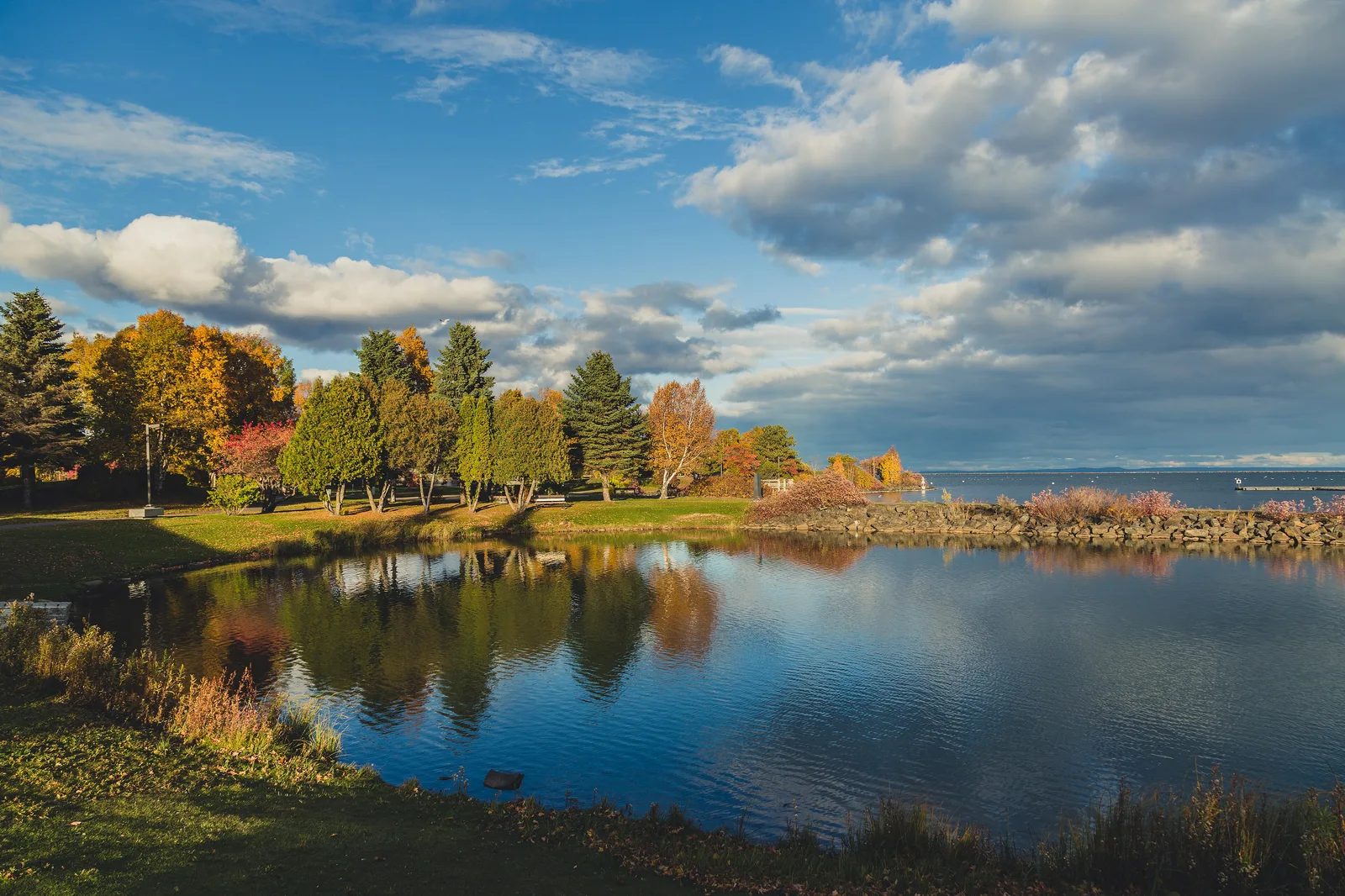
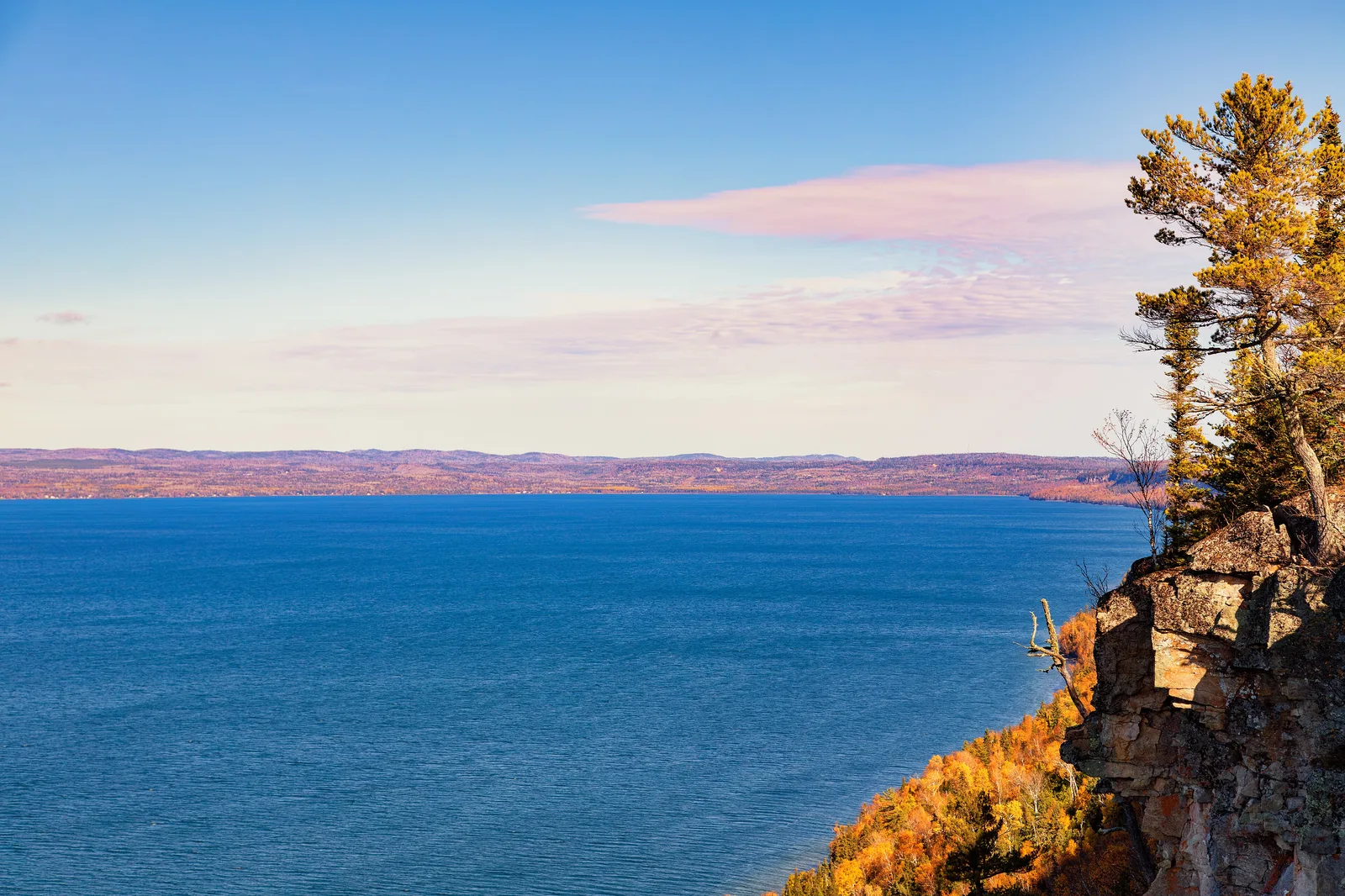
The Sleeping Giant forms part of the Sibley Peninsula, on the north shore of Lake Superior, about 40 kilometres east of the city of Thunder Bay. Most of the peninsula is protected as Sleeping Giant Provincial Park. It was established in 1944 as Sibley Provincial Park and renamed in 1988, and it now covers more than 24,000 hectares.
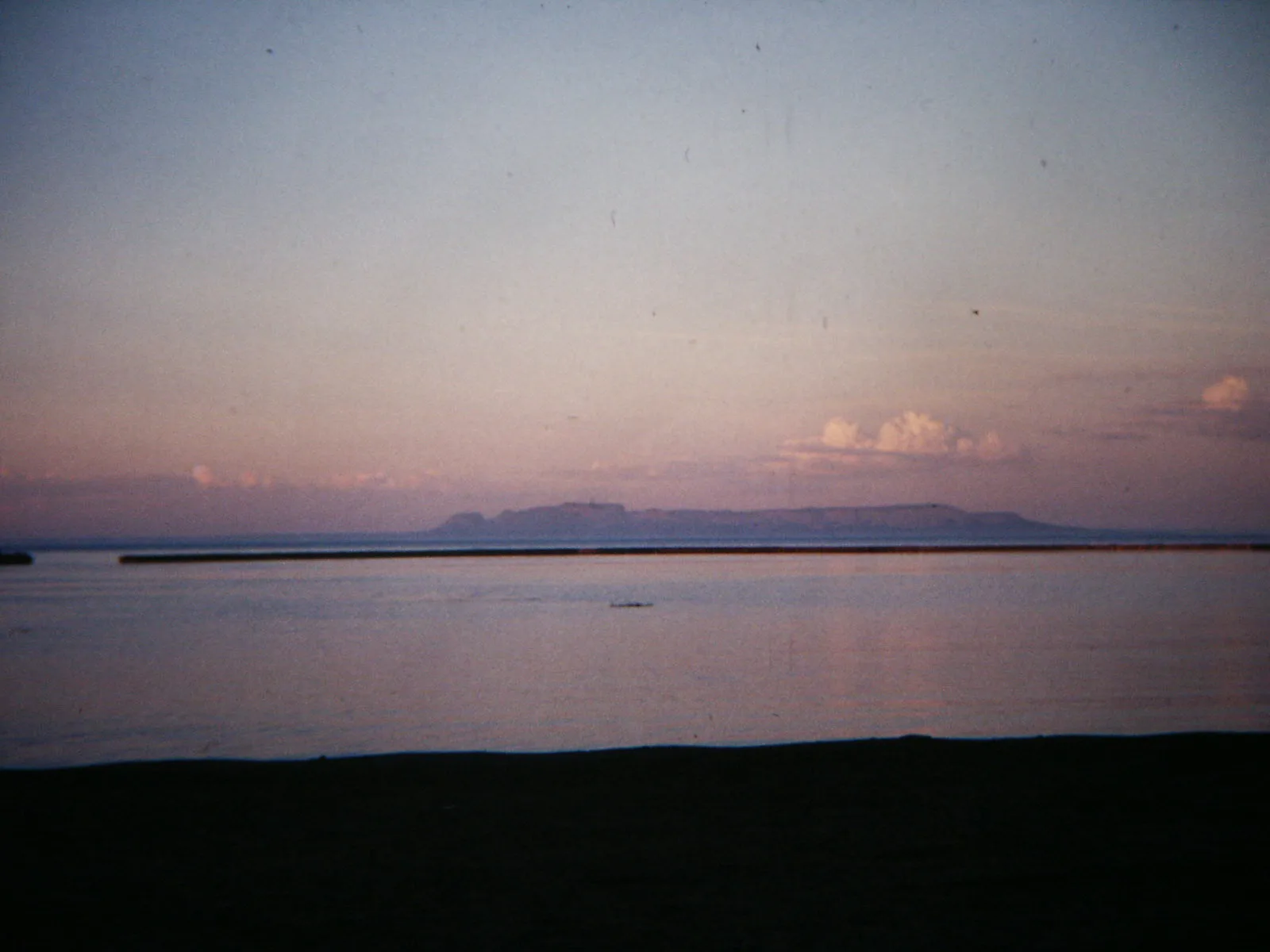
Oddly enough, the best view of the giant is from somewhere else entirely. From the Thunder Bay waterfront, the whole figure is laid out across the water.


A mountain with a head and a chest
The park's management plan, published by the Ontario government, describes the landform as five flat-topped mesas which, seen from across the waters of Thunder Bay, resemble the profile of a reclining human figure. The trail names play along: there is a Head trail, a Chest trail and the Top of the Giant trail, which climbs onto the giant itself.

Nanabosho and the hidden silver
The same plan, in telling the history of the Anishinawbe of the area, includes the legend of the Sleeping Giant. The giant's name is Nanabosho. His people, the story goes, had hidden silver on a small island called Silver Islet. When outsiders' boats came looking for it, Nanabosho raised a great storm and sank them to protect the secret. But in doing so he disobeyed the Great Spirit, and as punishment he was turned to stone, where he still lies today.
The story is told with other names and other twists, too. This version follows the one the Ontario government included in its official plan.
The silver was real
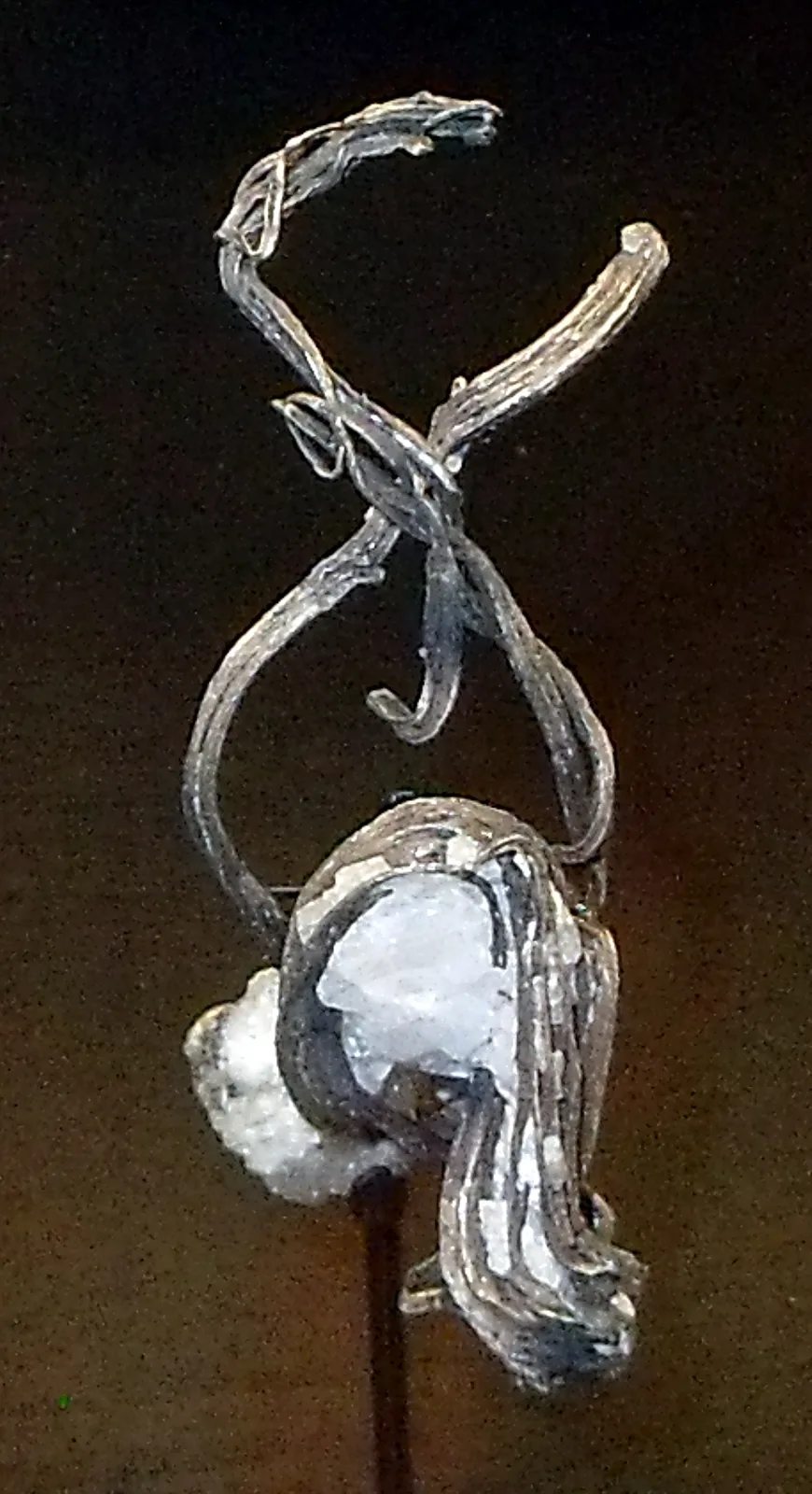
Remarkably, the silver in the story was real. In 1868, silver was discovered on Silver Islet, and a thriving mining community sprang up. Most of its historic buildings are now used as summer homes and sit just outside the park boundary. In the park's visitor centre, you can see a model of the Silver Islet mine.

A giant carved over a billion years
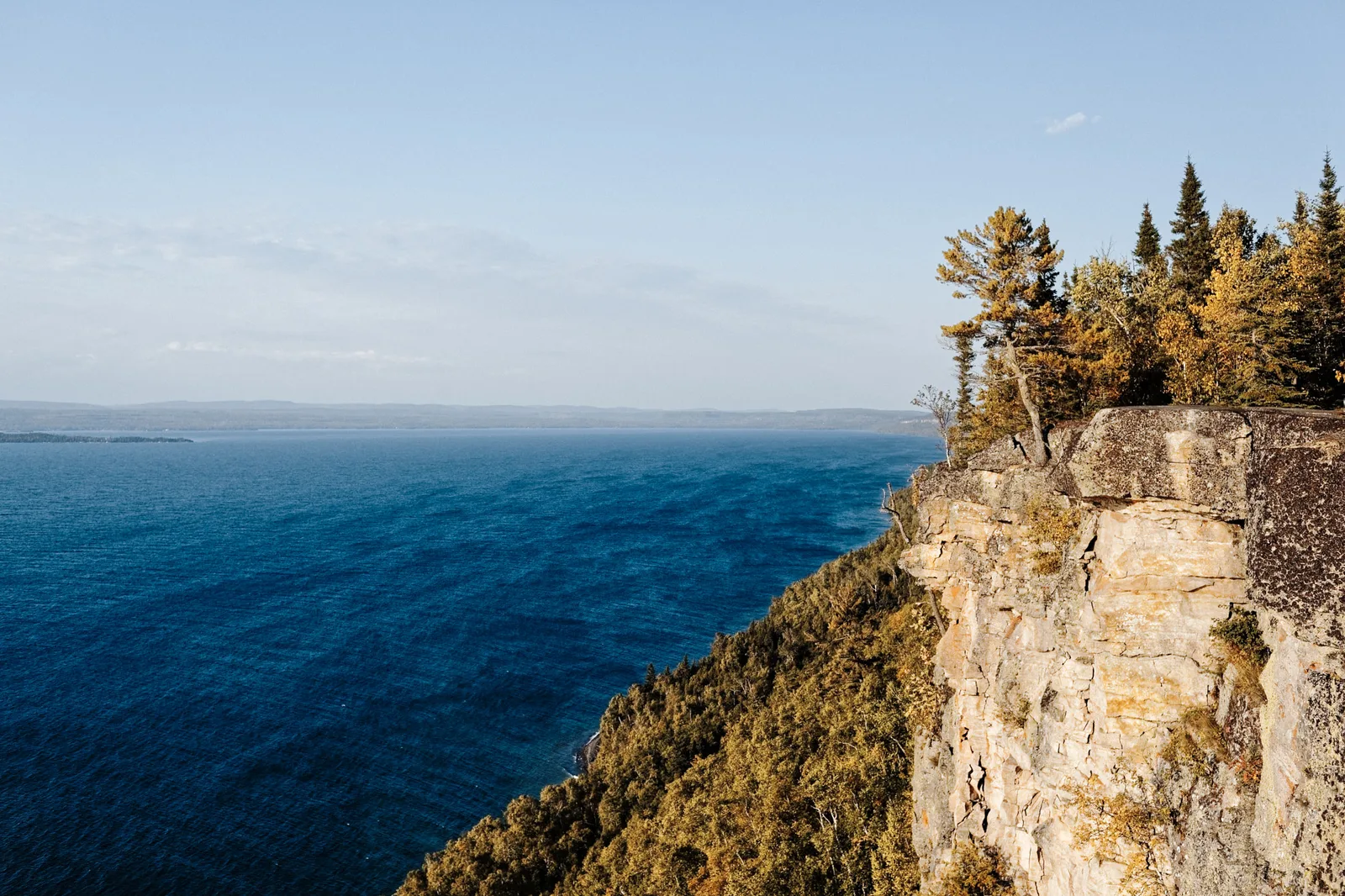
The land has a story of its own. According to the management plan, soft sedimentary rocks were laid down here about 1.3 billion years ago. Around 1.1 billion years ago, molten rock forced its way between those layers in a flat sheet and cooled into diabase, a very dark, hard igneous rock.
Over the ages that followed, the softer sediments wore away faster, while the tougher diabase held its ground. What remained were five flat-topped mesas, lined up in a row, that from across the bay look like a sleeping giant.

A traditional homeland
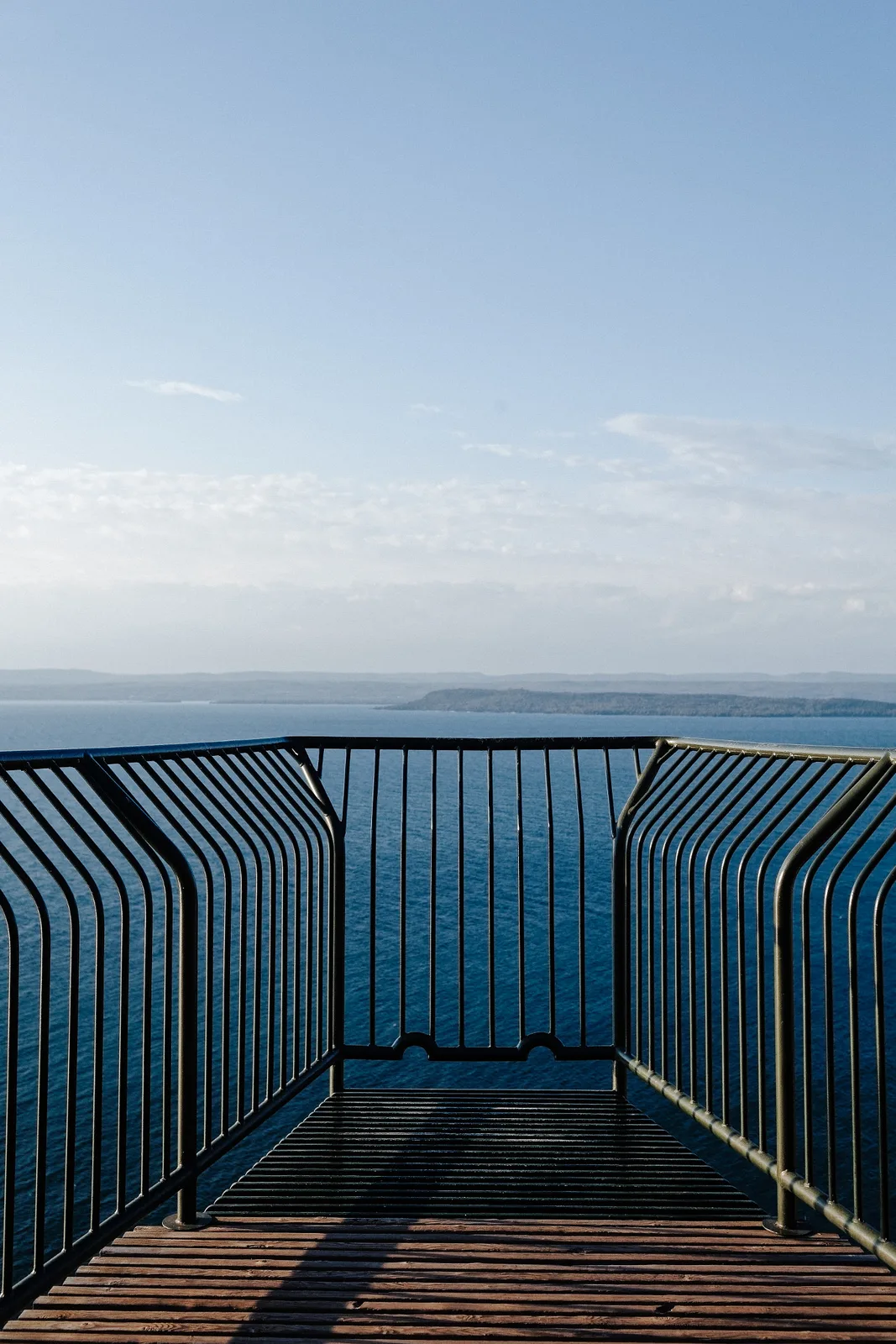
The management plan notes that Sleeping Giant Provincial Park lies within the traditional use area of Fort William First Nation. Today the park is laced with more than 100 kilometres of hiking trails, including the Nanabosho Lookout Trail.

Find the Sleeping Giant on Wooriyeojido
Why did the giant turn to stone? Legend points to Nanabosho guarding his people's silver; geology points to rock that hardened 1.1 billion years ago. The Sleeping Giant is pinned on the Wooriyeojido map. Find it in the Wooriyeojido app, and if you go, leave your photos and stories from the day right beside it.
View this place in the Wooriyeojido appVideos of nearby places
 A rock tower scored by bear claws? Devils Tower, Wyoming
 Where does the giant's stone road lead? The Giant's Causeway, Northern Ireland
 Why did the rock bound for Mount Geumgang sit down in Seoraksan? The legend of Ulsanbawi