Ulsanbawi Rock: Why a Boulder Bound for Mount Geumgang Stayed in Seoraksan
A vast granite wall on the edge of Seoraksan National Park, South Korea. Discover the legend of a rock that arrived too late, the three stories behind its name, and the 18th-century paintings it inspired.
On the edge of Seoraksan, in South Korea's Gangwon Province, a colossal wall of granite unfolds like a painted screen between the towns of Sokcho and Goseong. Its name is Ulsanbawi, "Ulsan Rock." The odd thing is that Ulsan is a port city far to the south. So why does a mountain in the northeast carry its name? The local legend has an answer. Start with the short video.

 Watch the one-minute video on YouTube
One giant block of granite
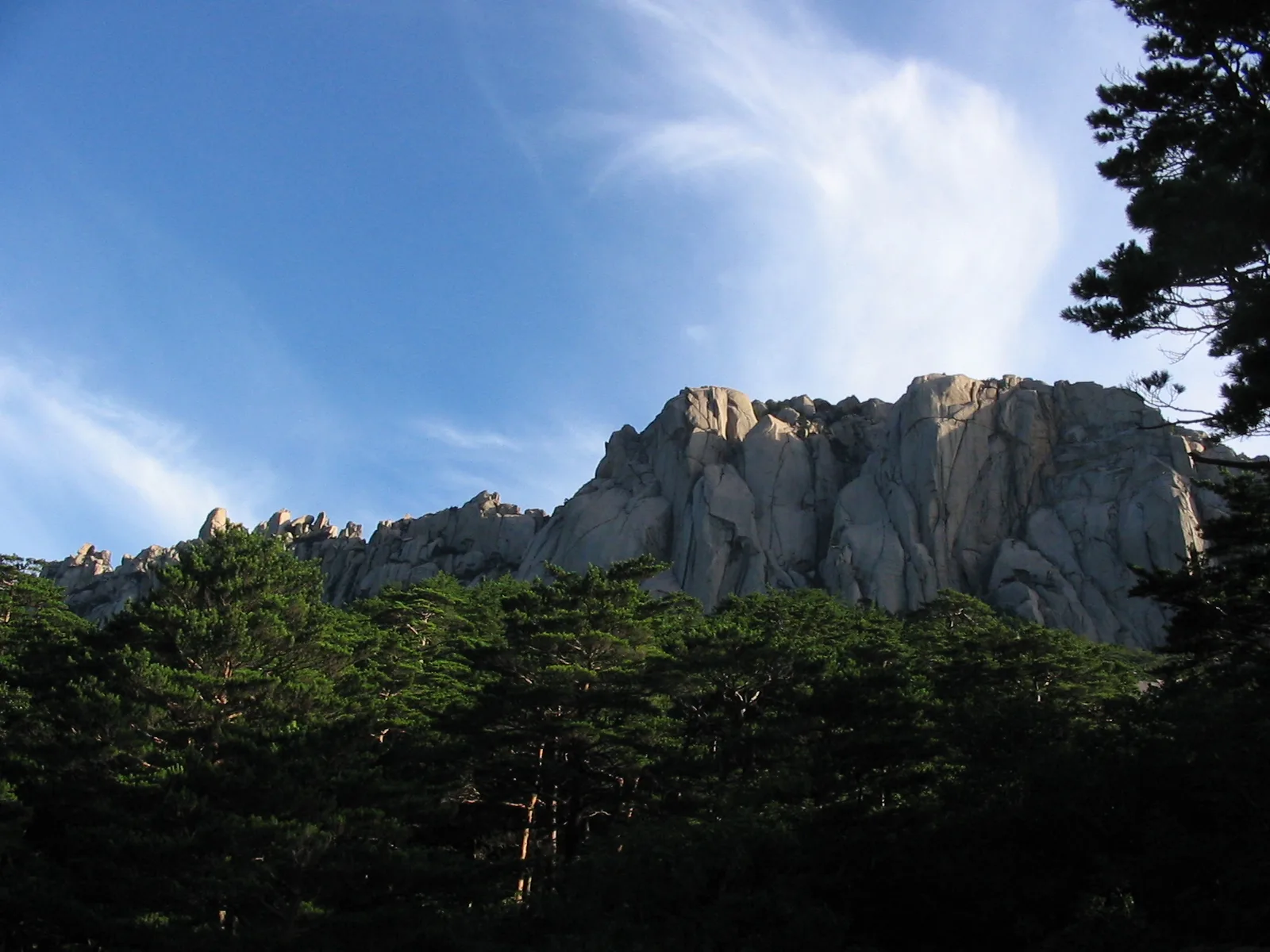
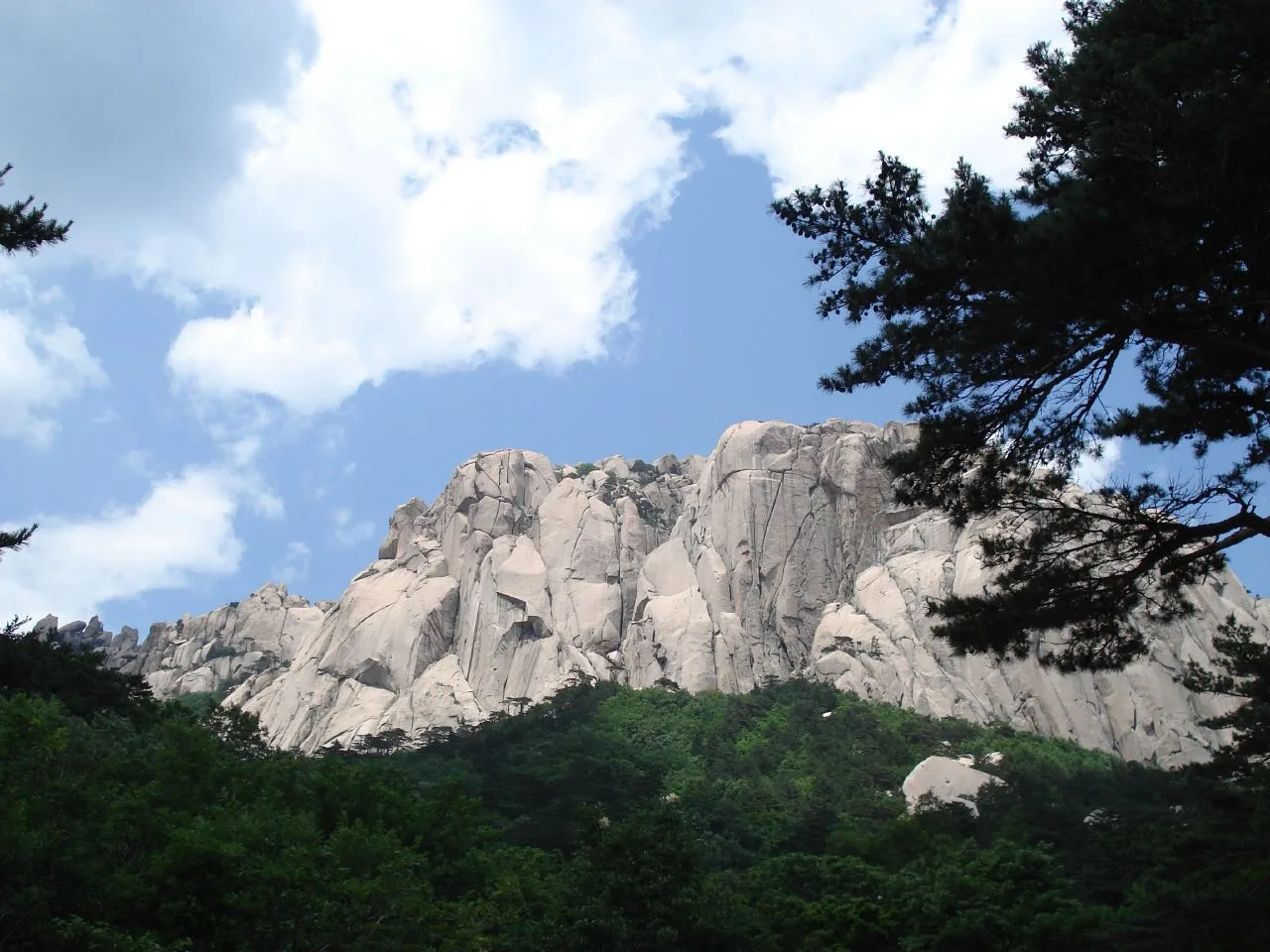
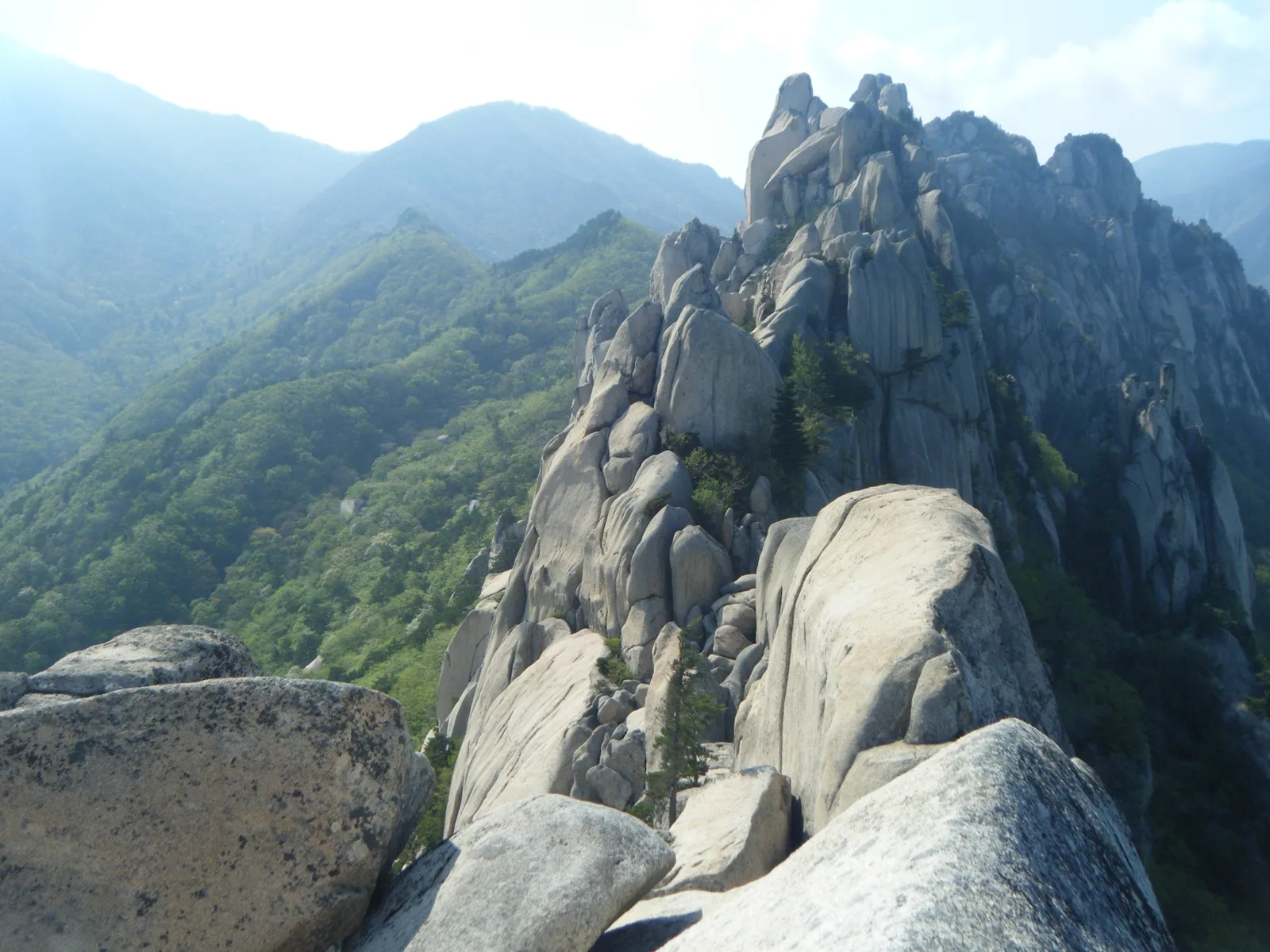
Ulsanbawi straddles the border of Seorak-dong in Sokcho and Toseong-myeon in Goseong, in the outer part of Seoraksan National Park known as Oeseorak. The whole formation is a single immense mass of granite, about 4 kilometres around, crowned with six peaks. South Korea named it a national Scenic Site in March 2013.
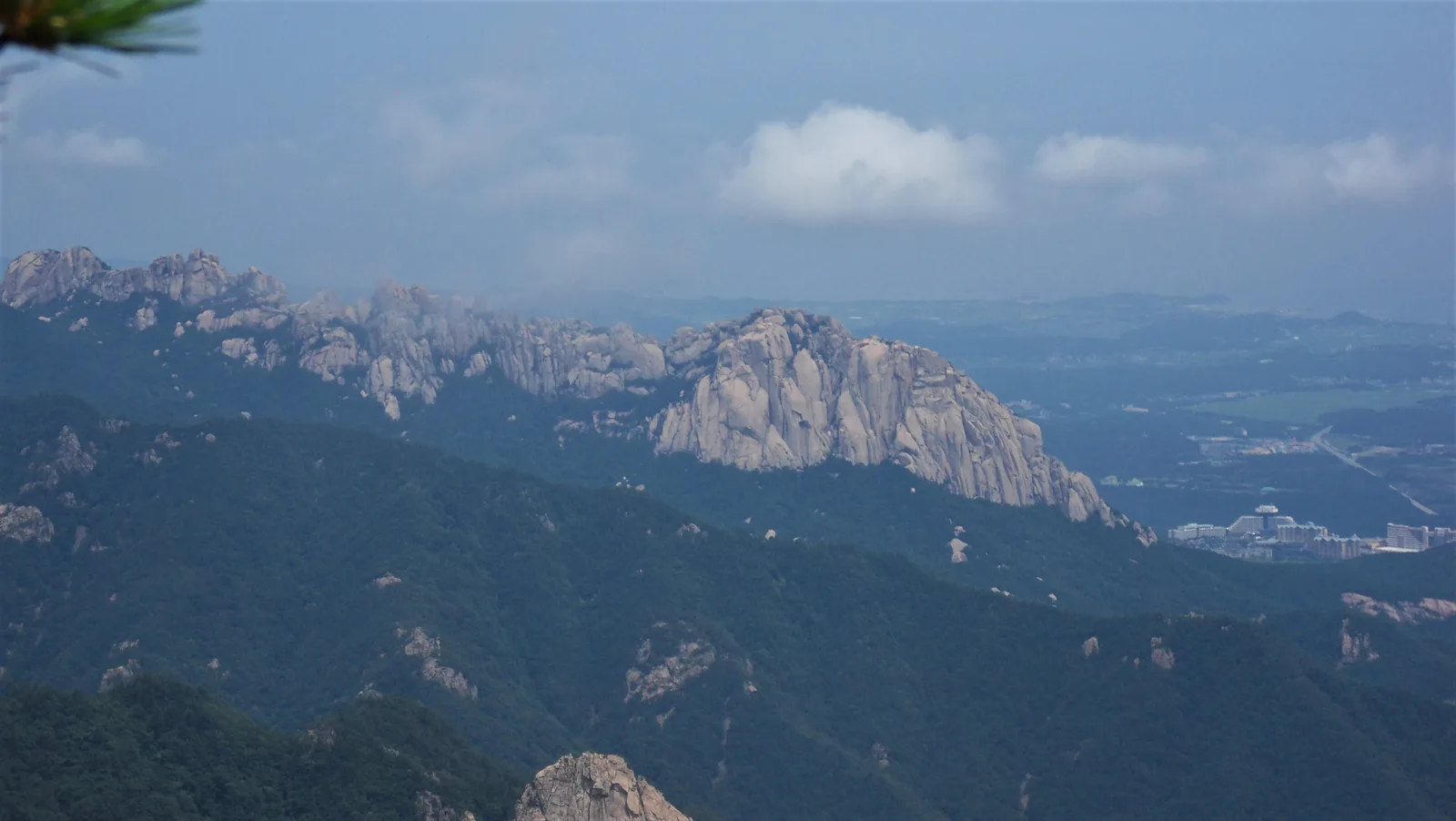

From the trail below, the pale gray cliffs, scored by deep vertical cracks, seem to fill the sky. Pines and broadleaf trees crowd around their base. Up near the summit, the rock is pitted with five hollows shaped like storage jars.


The rock that missed its chance
As the story is told around here, the Creator once set out to make Mount Geumgang, to the north, the most magnificent mountain in the world. He sent word that every handsome rock in the land should gather there. A great rock in Ulsan heard the call and set off, hoping to become one of Geumgang's famed Twelve Thousand Peaks.
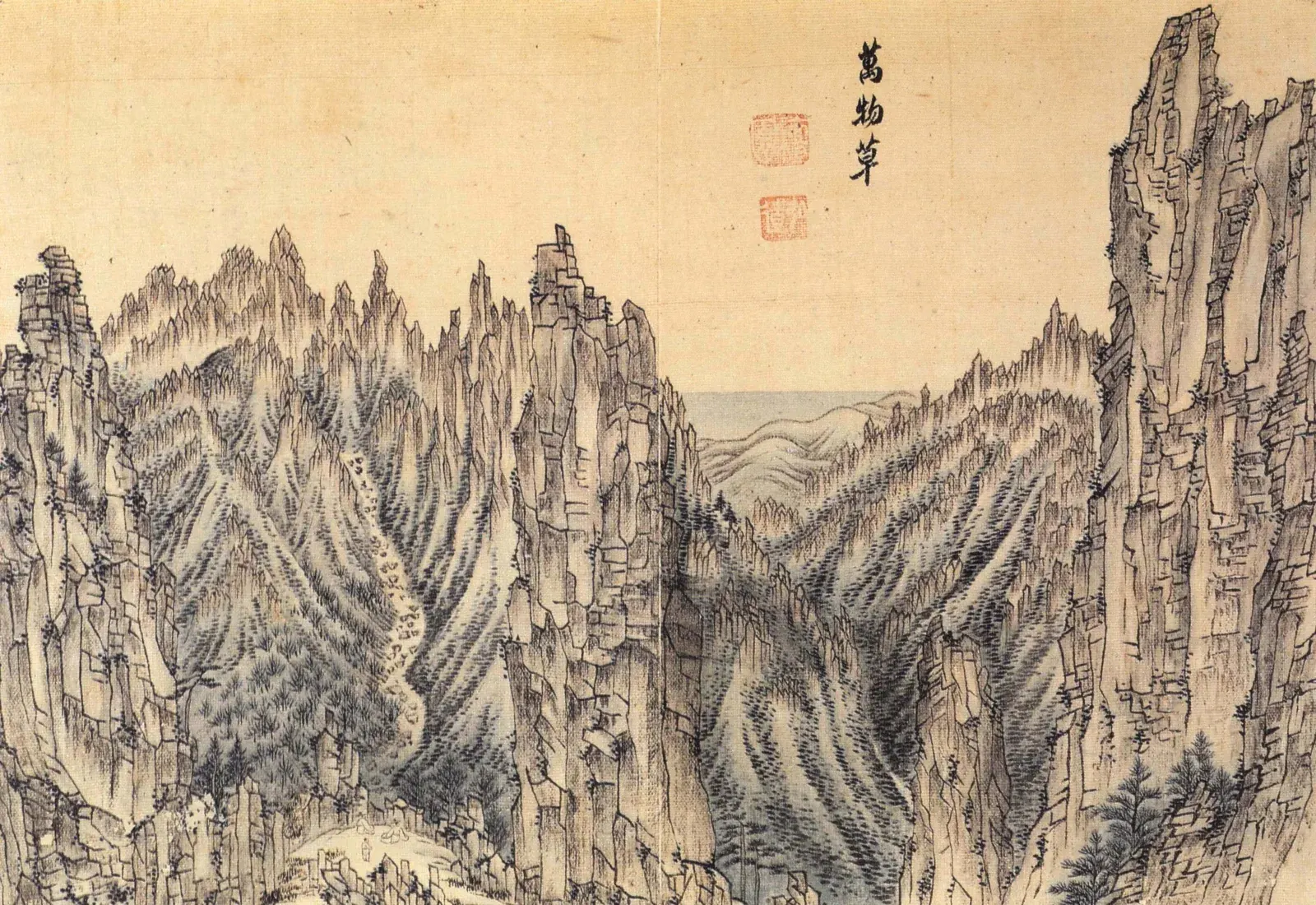

The trouble was its size. The rock was so big and so heavy that it could only plod along. With Geumgang almost in sight, it sat down at Misiryeong Pass for a short rest. By the time it reached Seoraksan, Geumgang had already been finished. Going home to Ulsan would have meant losing face, so the rock simply stayed put, and it has been called Ulsanbawi ever since.
Three stories behind one name
The legend is only one explanation. Some say the cliffs wrap around like a fence, or ultari in Korean. Others say that when the wind picks up, the mountain howls, earning it the name "the weeping mountain." In fact, it was once also called Cheonhusan (天吼山), "the mountain where the great wind roars." And then, of course, there is the tale of the rock from Ulsan.
Nobody can say which version is true. What we do know is that an old Korean geographical record, the Joseon Jiji Jaryo, lists the rock as Ulsan-am (蔚山巖), "Ulsan Rock."
A muse for poets and painters
Ulsanbawi has captivated visitors for centuries. Many Joseon-era scholars, among them Ju Se-bung, Choe Yeon and Heo Jeok, wrote poems about its grandeur. The late-Joseon painter Kim Hong-do painted several landscapes of the scenery around it from life. The painting below, Gyejogul, is one of them; it belongs to an album he painted in 1788, the Geumgang Sagun Cheop.
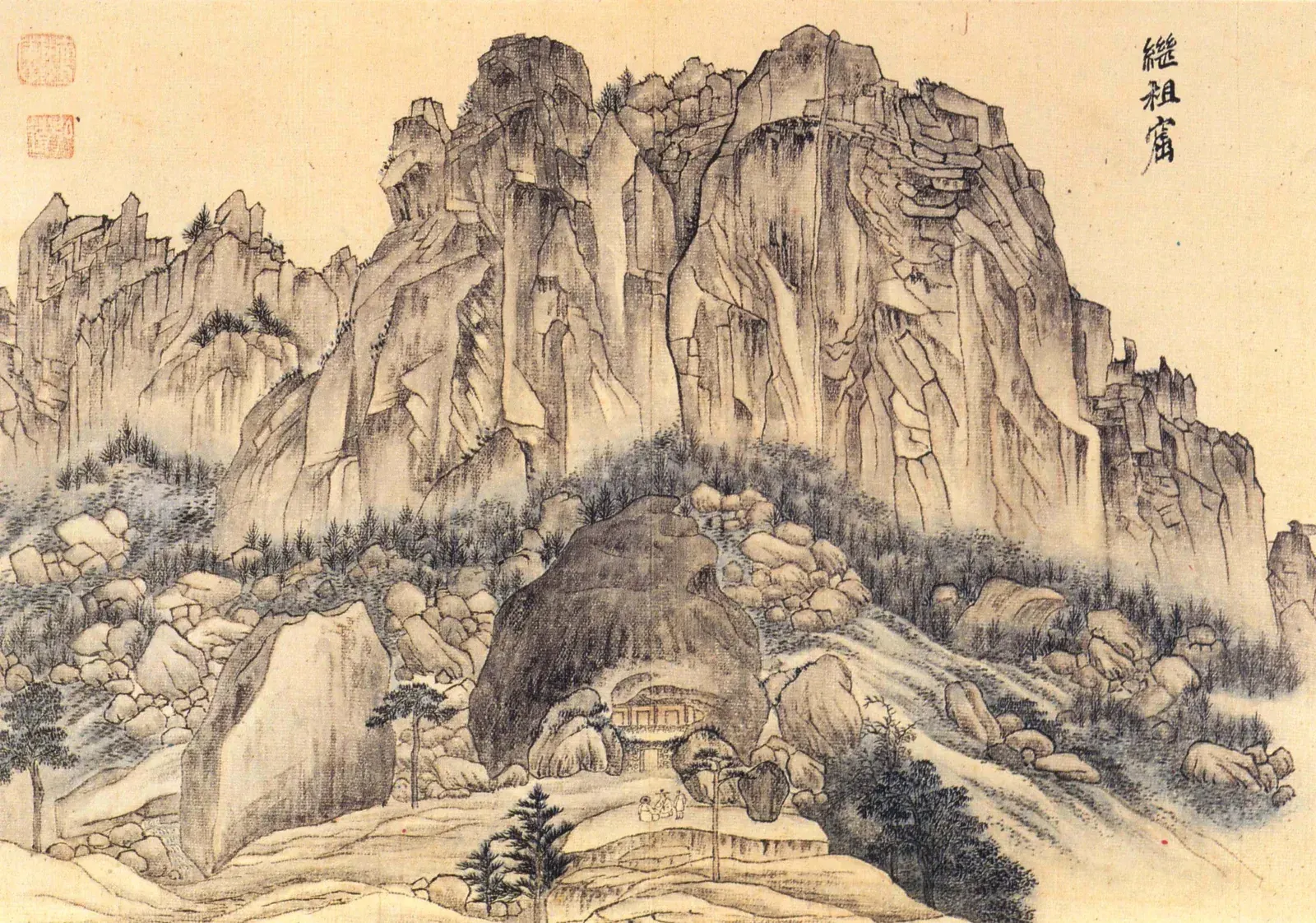

At the foot of Ulsanbawi you can still visit Gyejoam, a small hermitage belonging to Sinheungsa Temple, and next to it Heundeulbawi, the famous "Rocking Rock." For the full sweep of the cliffs, the view from the old Misiryeong road is said to be the most impressive.
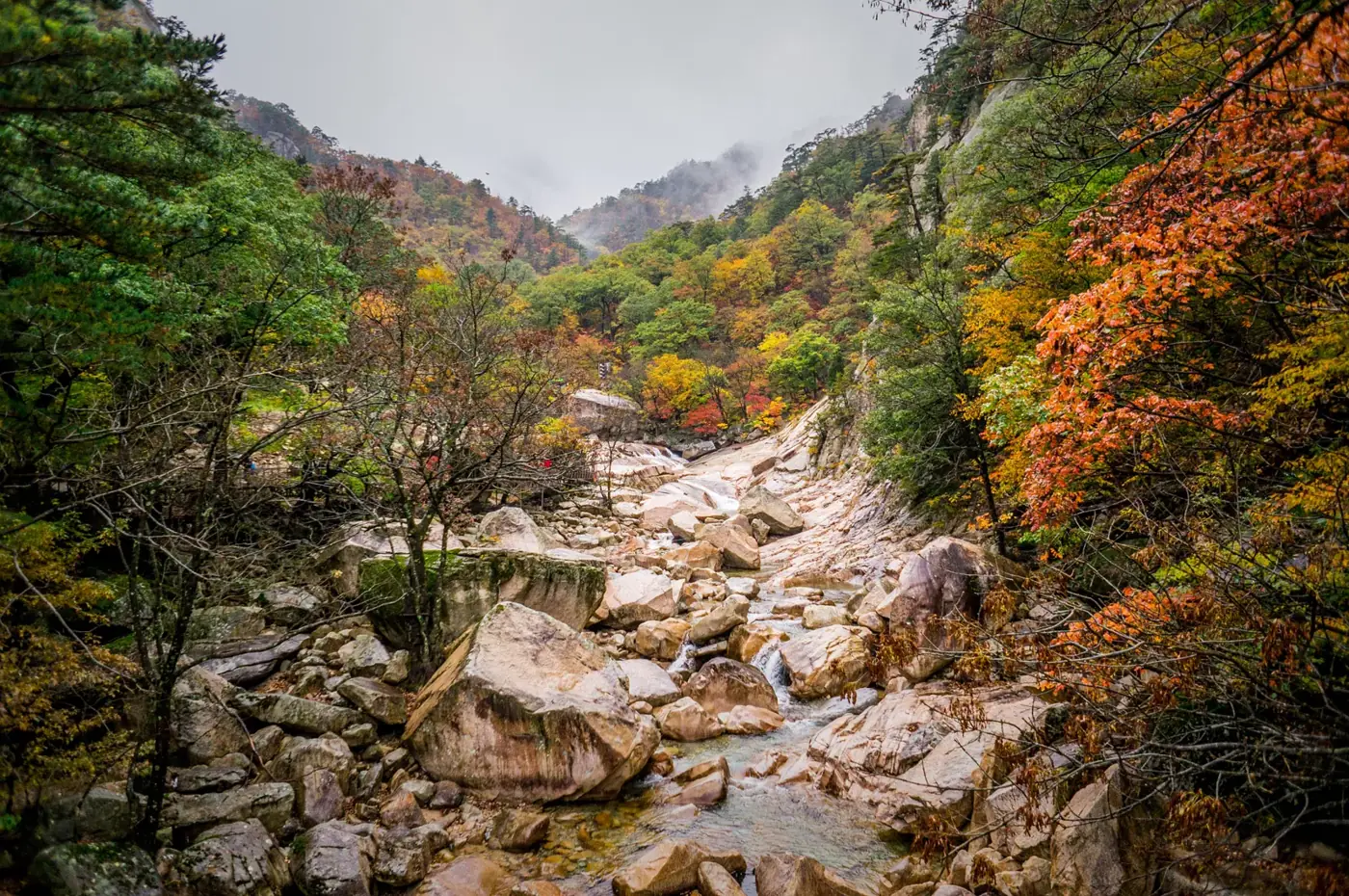
In autumn, the forests of Seoraksan blaze red and gold. Green pines, fiery leaves and gray granite come together like a living landscape painting.

Find Ulsanbawi on Wooriyeojido
The rock that was too late for Mount Geumgang and settled in Seoraksan instead is pinned on the Wooriyeojido map. Look it up in the Wooriyeojido app, and if you visit, leave your photos and stories from the day right beside it.
View this place in the Wooriyeojido appVideos of nearby places
 Dodamsambong: the peaks that floated downriver and sparked a tax dispute
 Samseonghyeol on Jeju: the people who believed they were born from the ground
 Seolmundae Halmang: the giant grandmother who made Hallasan
Sources
- Korea Heritage Service — Ulsanbawi Rock, Mt. Seoraksan (Scenic Site, open data)
- Korea Heritage Service, monthly magazine — Rocky mountain rising up, leaning on its scenery (2017-01-03, Korean)
- Goseong County tourism — Ulsanbawi, fifth of the Eight Views of Goseong (Korean)
- Encyclopedia of Korean Culture — Ulsanbawi Rock, Mt. Seoraksan (Korean)