Serifos, Greece: The Island Where the Frogs Fell Silent
Ancient writers claimed the frogs of Serifos, in Greece's Cyclades, never croaked. Explore the Perseus legend the islanders boasted of, the more down-to-earth explanation of a Greek scholar, and the white hilltop town of Chora.
An island where even the frogs don't croak? That's exactly what ancient books written nearly 2,000 years ago say about Serifos, in the Cyclades of the Aegean Sea. The islanders gave the credit to the hero Perseus. A Greek scholar had a very different explanation. Start with the short video.

 Watch the one-minute video on YouTube
A white town built against pirates
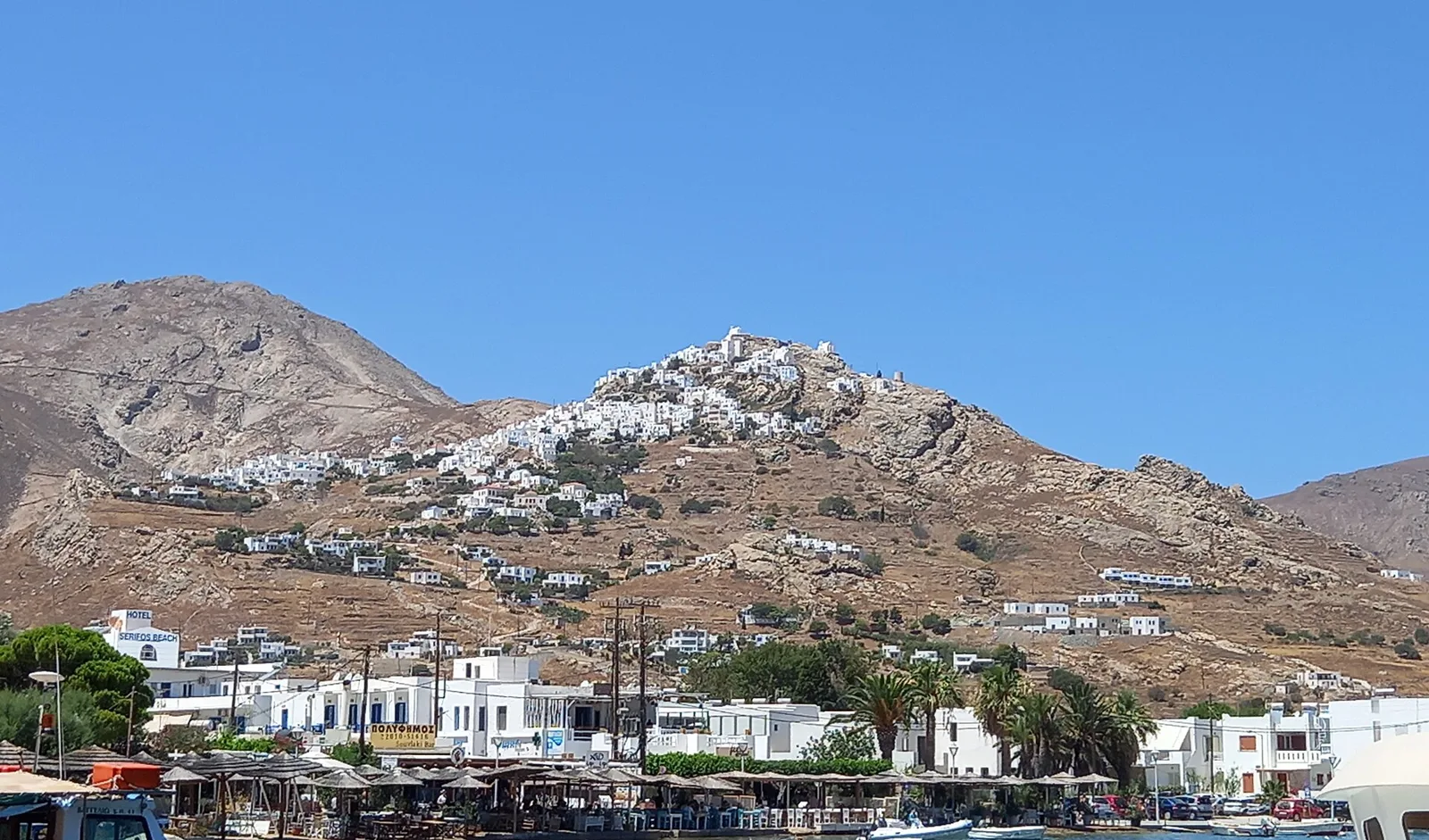
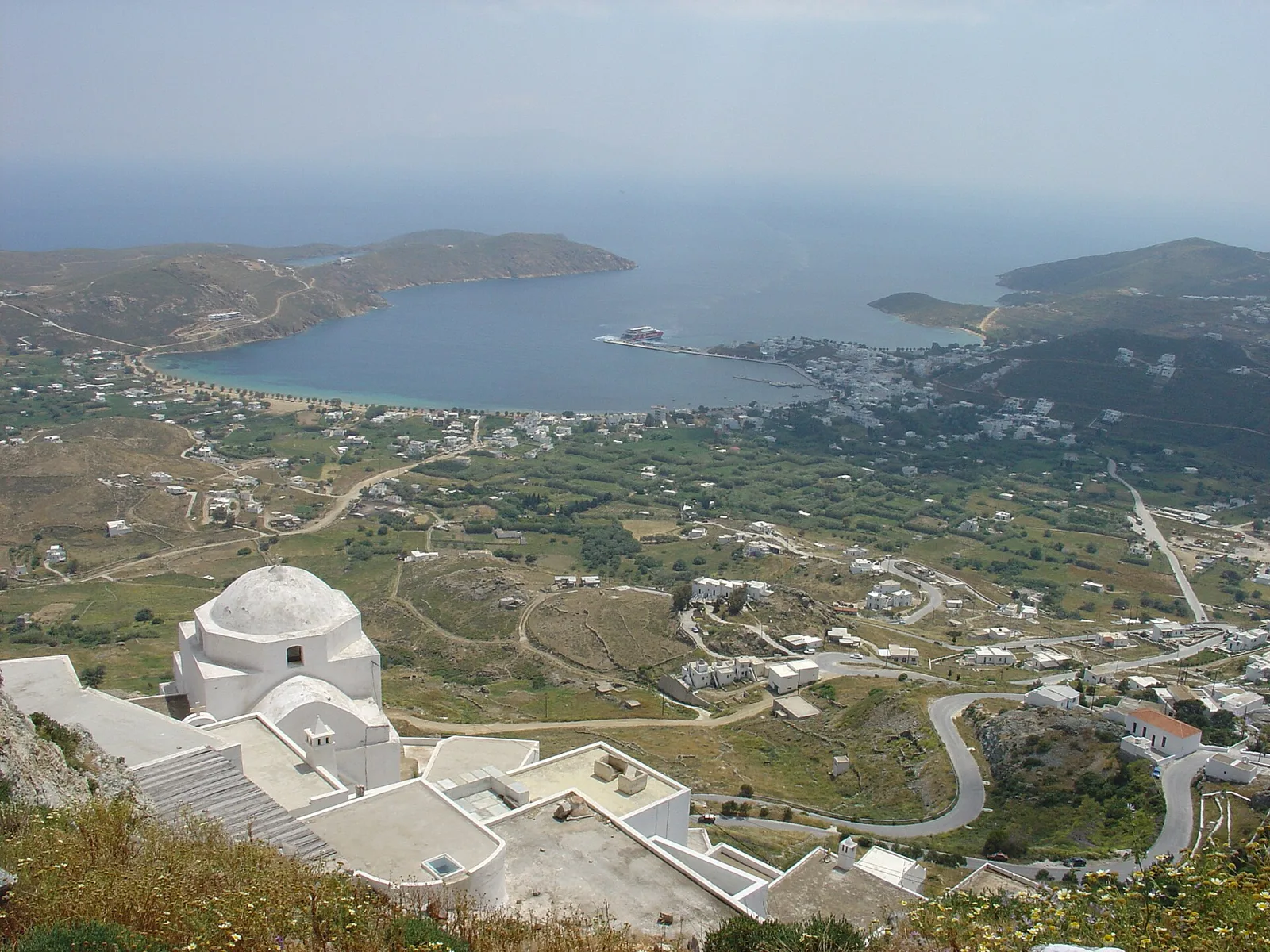
Serifos is one of Greece's Cyclades islands, about 75 square kilometres in area with 83 kilometres of coastline. Its main town is Chora. According to the Greek National Tourism Organisation, Chora was built like a fortress on a rocky hill to guard against pirates, its white houses rising in tiers like the seats of an amphitheatre. At the very top stands the castle that watched over the island for centuries.
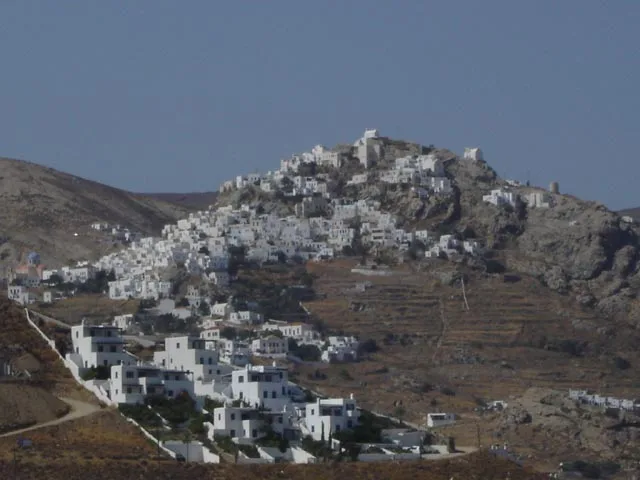

Greece's Ministry of Culture notes that an ancient city of the historical era was founded on the site of today's Chora, 200 metres above sea level, and that people have lived there ever since.

An island of mines
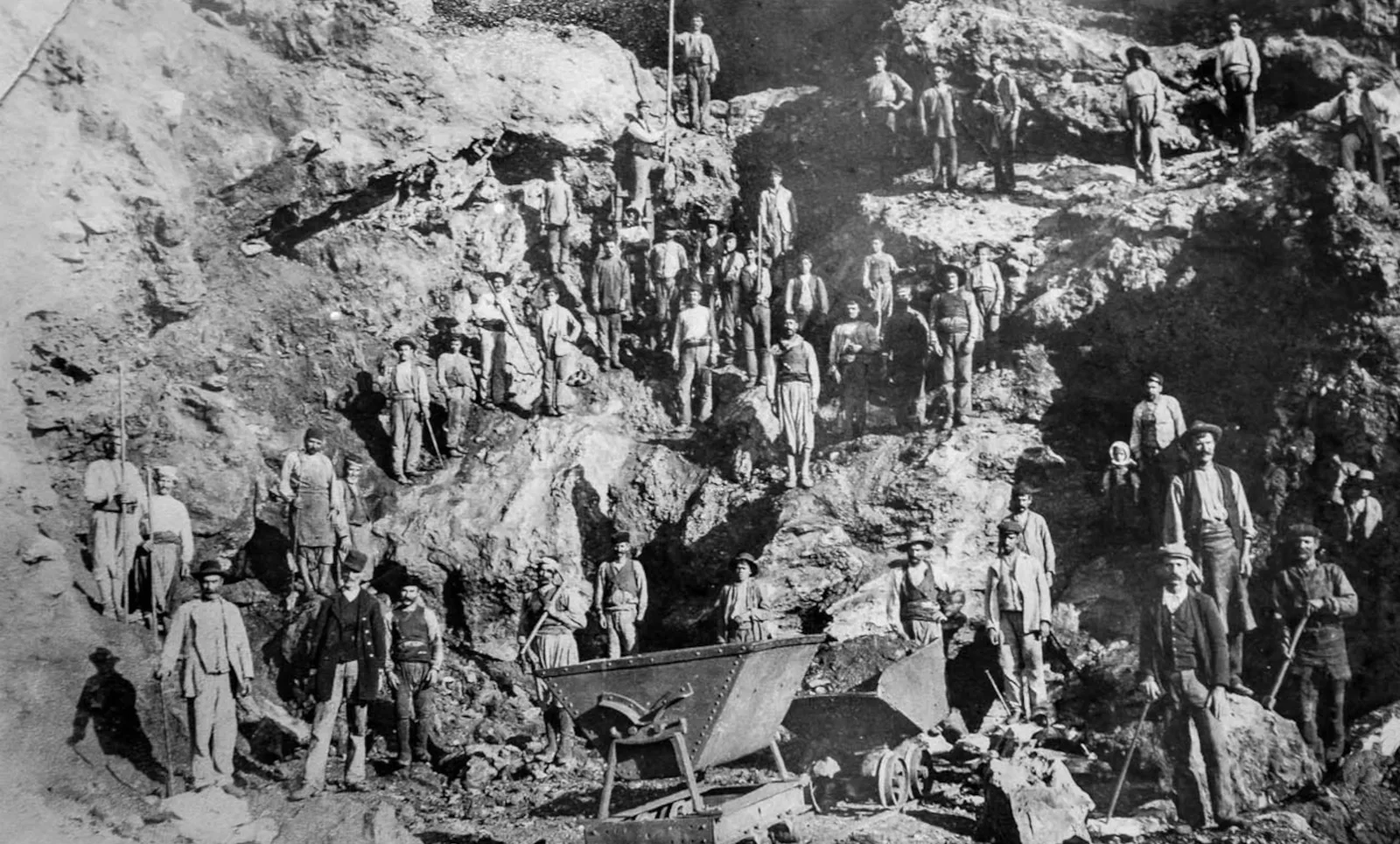
Below ground, Serifos is rich in iron ore, and its history is bound up with mining: mostly copper in antiquity, then iron and other minerals in the 19th century.

Perseus washes ashore
In Greek myth, Serifos is Perseus's island. As the municipality of Serifos tells it, Danaë and her baby son Perseus were shut in a wooden chest and cast adrift, until it washed up on the island's shore. A local man named Dictys found the chest and opened it.
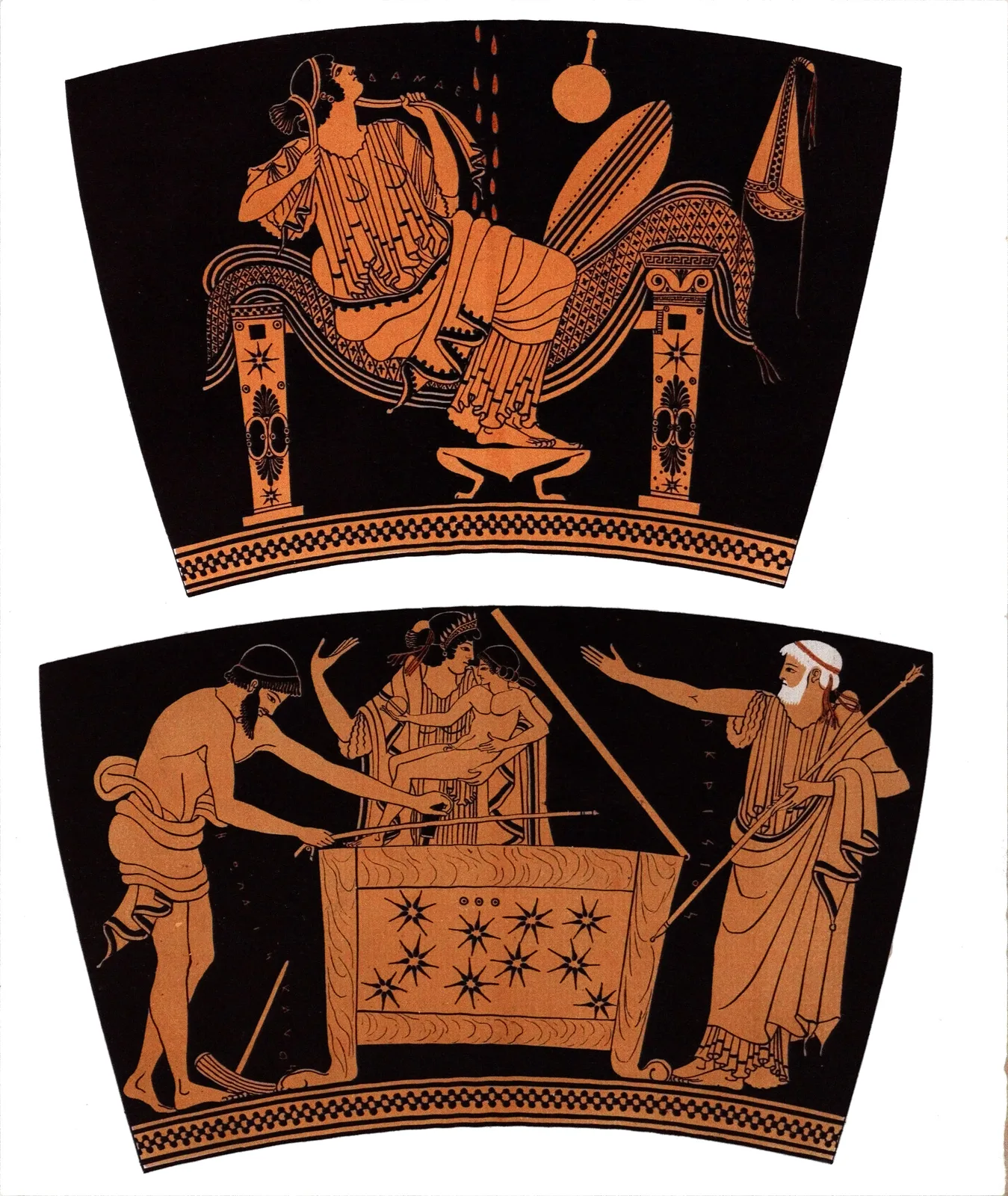

The island's tyrant, Polydectes, fell for Danaë. To get the young Perseus out of the way, he sent him off on a seemingly hopeless errand: bring back the head of Medusa.
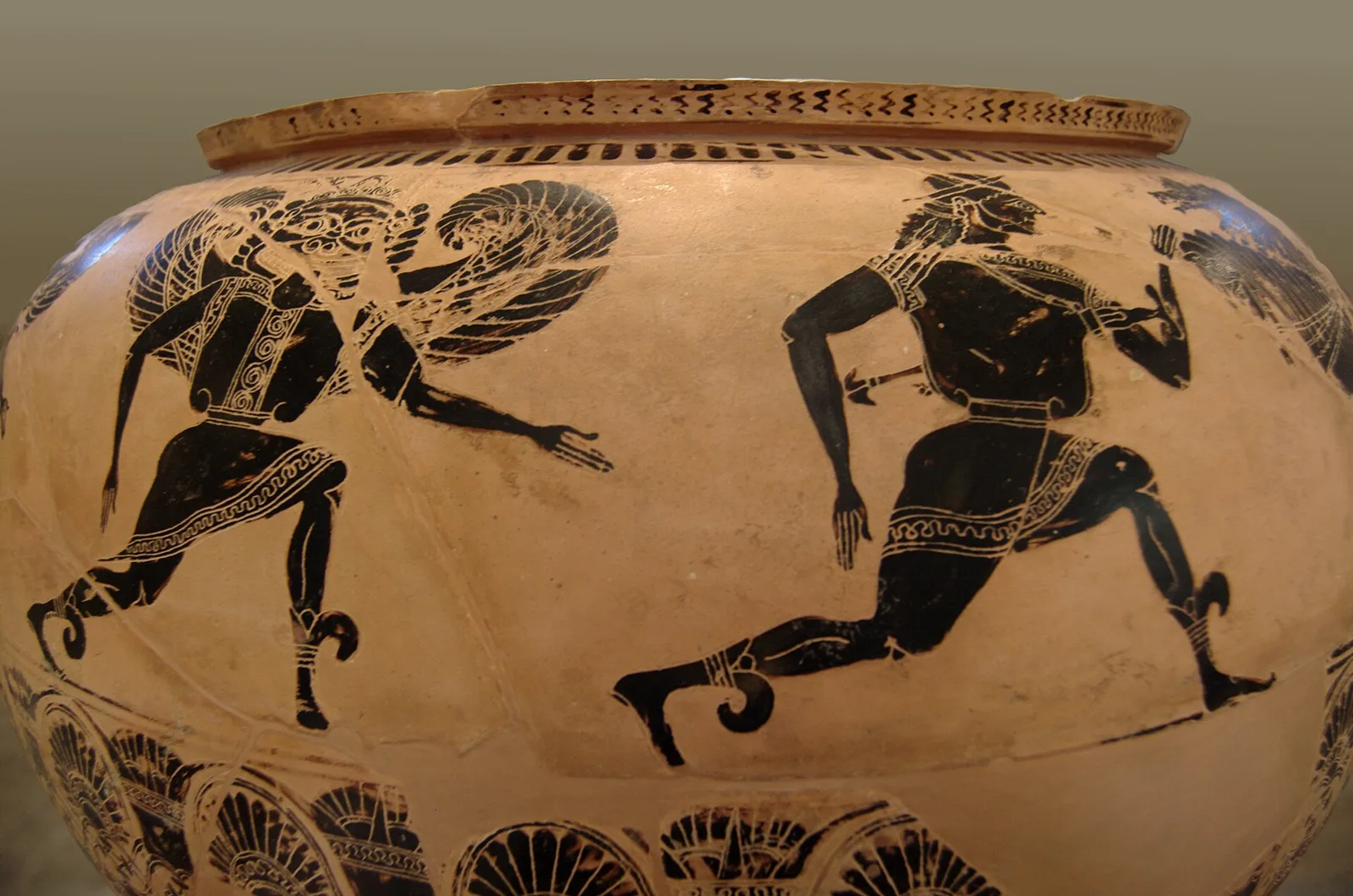

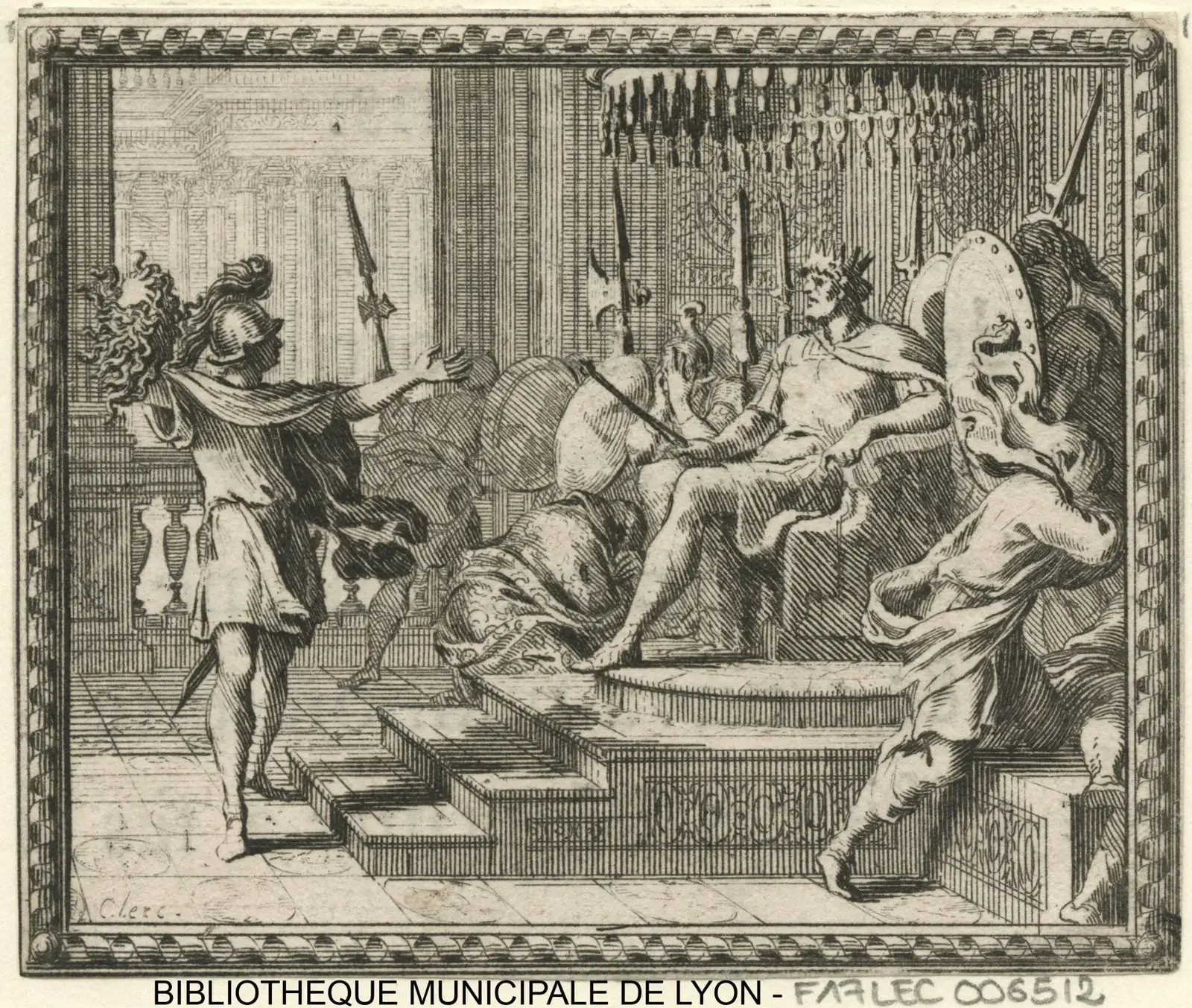
Perseus did return with the head. When he held it up, Polydectes turned to stone, and Dictys became king of the island.
Why the frogs went quiet
In the 1st century AD, the Roman writer Pliny the Elder recorded in his Natural History that the frogs of Serifos are silent, yet croak when taken somewhere else. In the early 3rd century, Aelian, a Roman author writing in Greek, repeated the claim in his book on animals and added the story the islanders loved to boast about.
After slaying Medusa and wandering far and wide, Perseus was worn out. He lay down beside a lake to sleep, but the frogs kept croaking and woke him. Perseus prayed to his father, Zeus, to silence them, and Zeus granted the frogs of the island eternal silence.
Aelian also passed on the view of the Greek scholar Theophrastus, who dismissed the tale as island bragging. The frogs were mute, he said, because the water was cold. Ancient Greeks even had a saying for a person who never spoke up: "a frog from Serifos."
Whether the frogs on Serifos actually croak today is not something this story tries to settle. Everything here comes from ancient books and myth.
Find Serifos on Wooriyeojido
Ancient records of silent frogs and the myth of Perseus meet on this one island. Chora, the heart of Serifos, is pinned on the Wooriyeojido map. Find it in the Wooriyeojido app, and if you go, leave your photos and stories from the day right beside it.
View this place in the Wooriyeojido appVideos of nearby places
 The Venus de Milo: What Did Her Missing Arms Once Hold?
 Why Is a Marathon 42.195 km? The Battle and the Messenger
 Who Held a Narrow Pass for Three Days? Thermopylae
Sources
- Aelian, On the Characteristics of Animals, Book 3, ch. 37 (Loeb Classical Library)
- Pliny the Elder, Natural History, Book 8, 227 (Loeb Classical Library)
- Suda On Line — "A frog from Seriphos"
- Municipality of Serifos — Mythology
- Hellenic Ministry of Culture, Ephorate of Antiquities of the Cyclades — Seriphos
- Visit Greece (Greek National Tourism Organisation) — Serifos
- Stanford Encyclopedia of Philosophy — Theophrastus