Pompeii: The Roman City Vesuvius Buried in a Day
In AD 79, Mount Vesuvius buried the Roman city of Pompeii. What happened that day, how the city was found again, and what the ash preserved, told through a short video and photos.
A short drive from Naples, at the foot of Mount Vesuvius, lies a Roman city that vanished under volcanic debris almost overnight. What did that sudden burial leave behind? Start with the short video.

 Watch the one-minute video on YouTube
Beneath Vesuvius, on the Bay of Naples
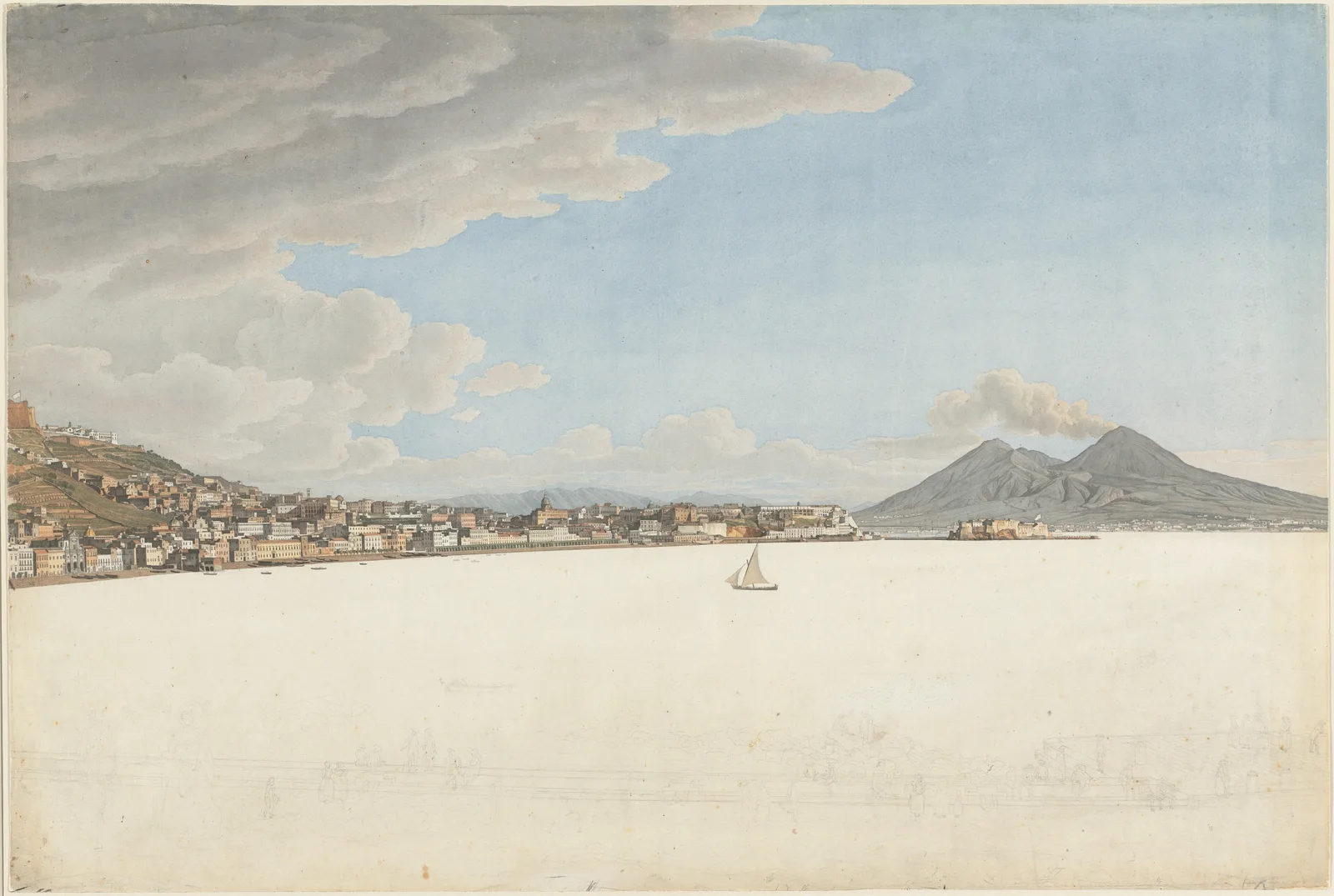
Pompeii was a Roman town in Campania, in southern Italy, near present-day Naples. When Vesuvius erupted in AD 79, it engulfed Pompeii and its neighbour Herculaneum, along with the many wealthy villas scattered around them. Since 1997 the archaeological areas of Pompeii, Herculaneum and nearby Torre Annunziata have been a UNESCO World Heritage Site.

Market, courthouse and temple in one square
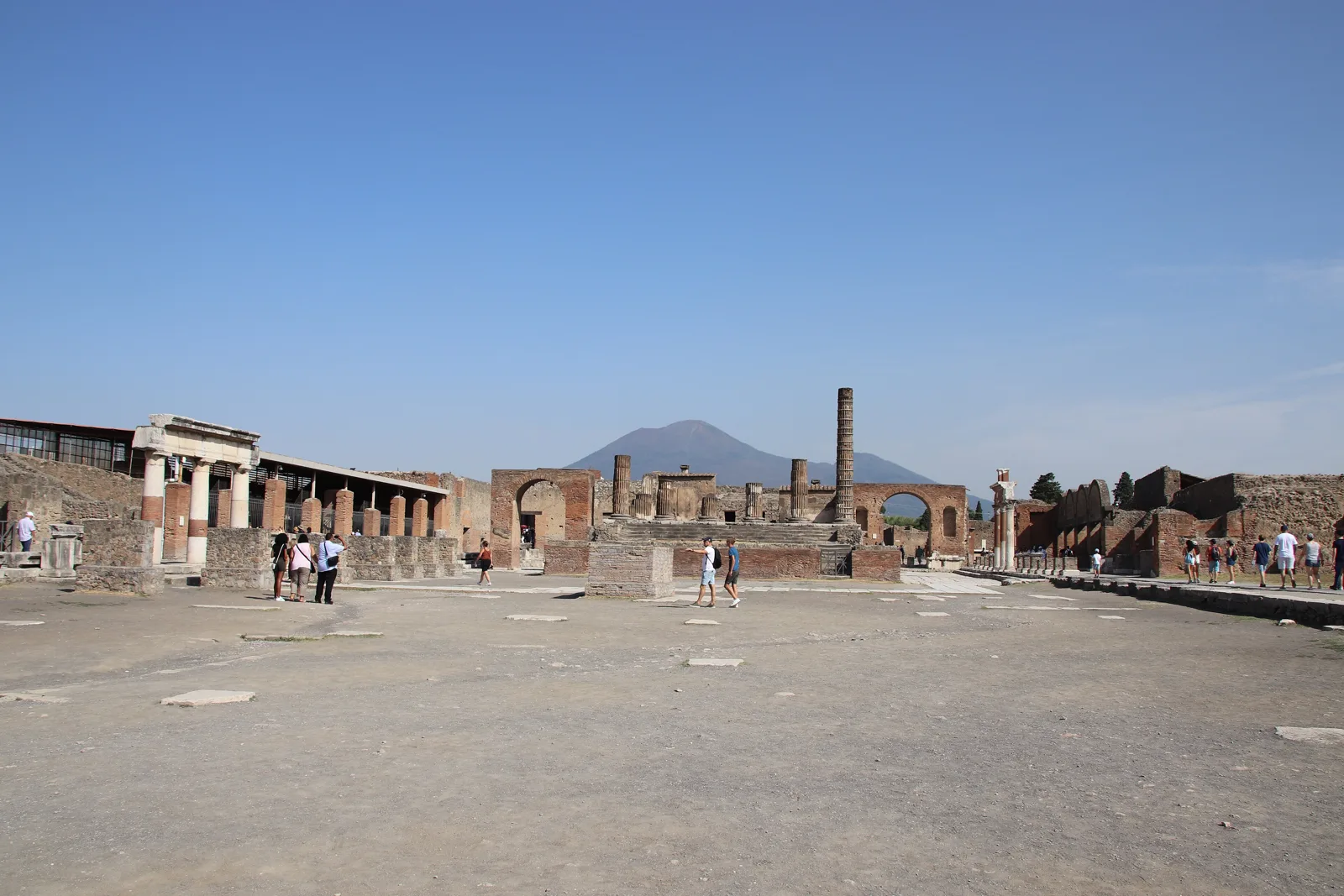
Most visitors soon find themselves in the Forum, a long open square at the centre of town. The Pompeii Archaeological Park calls it the heart of the city's daily life. Every major public building faced onto it: the offices that ran the town, the courts, the places where business was done, the markets, and the principal temples.
At the north end stand the remains of the Capitolium. The temple was set on the square's long axis, lined up with Vesuvius itself, so if you stand in the Forum today and look toward it, the volcano fills the view behind.
August or October?
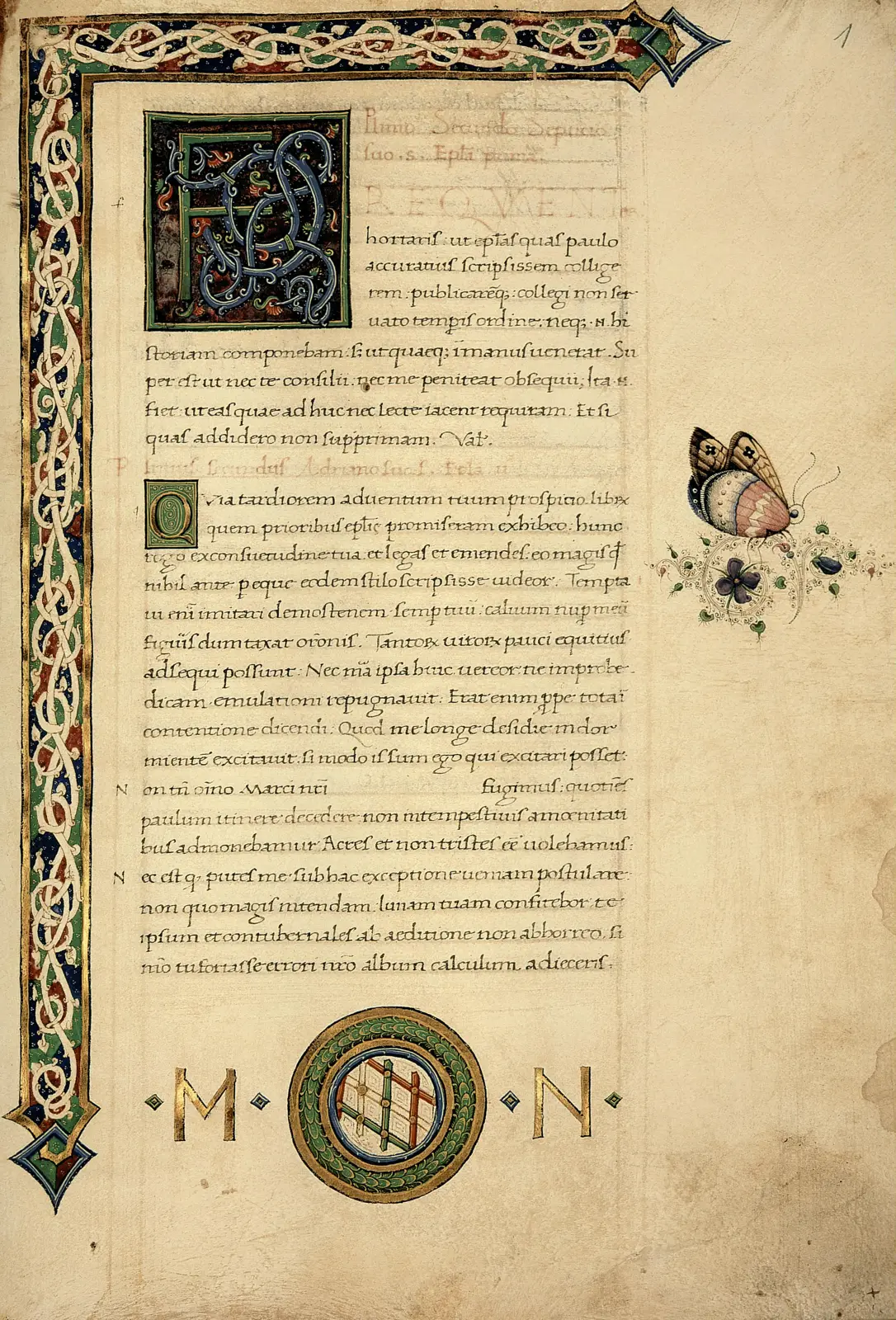
Only one ancient writer recorded the exact date: Pliny the Younger, in a letter. The oldest surviving manuscripts all give "the ninth day before the Kalends of September," or 24 August. UNESCO uses that date too.

In 2018, however, excavators found an inscription scrawled in charcoal on a Pompeii wall, and the Archaeological Park announced that it supports an eruption in October instead. The park itself describes the date as an "open debate," and for now nobody can say for certain which month it was.
The day stones fell from the sky
The Archaeological Park describes the eruption in two stages. First came a hail of pumice and small volcanic pebbles called lapilli, which piled up nearly three metres deep. Under that weight, some roofs gave way.
Then a pyroclastic flow, a scorching cloud of gas and ash, swept over Pompeii at tremendous speed. Some residents had not managed to leave in time. Excavations have so far found the remains of more than a thousand victims.
Waking a buried city
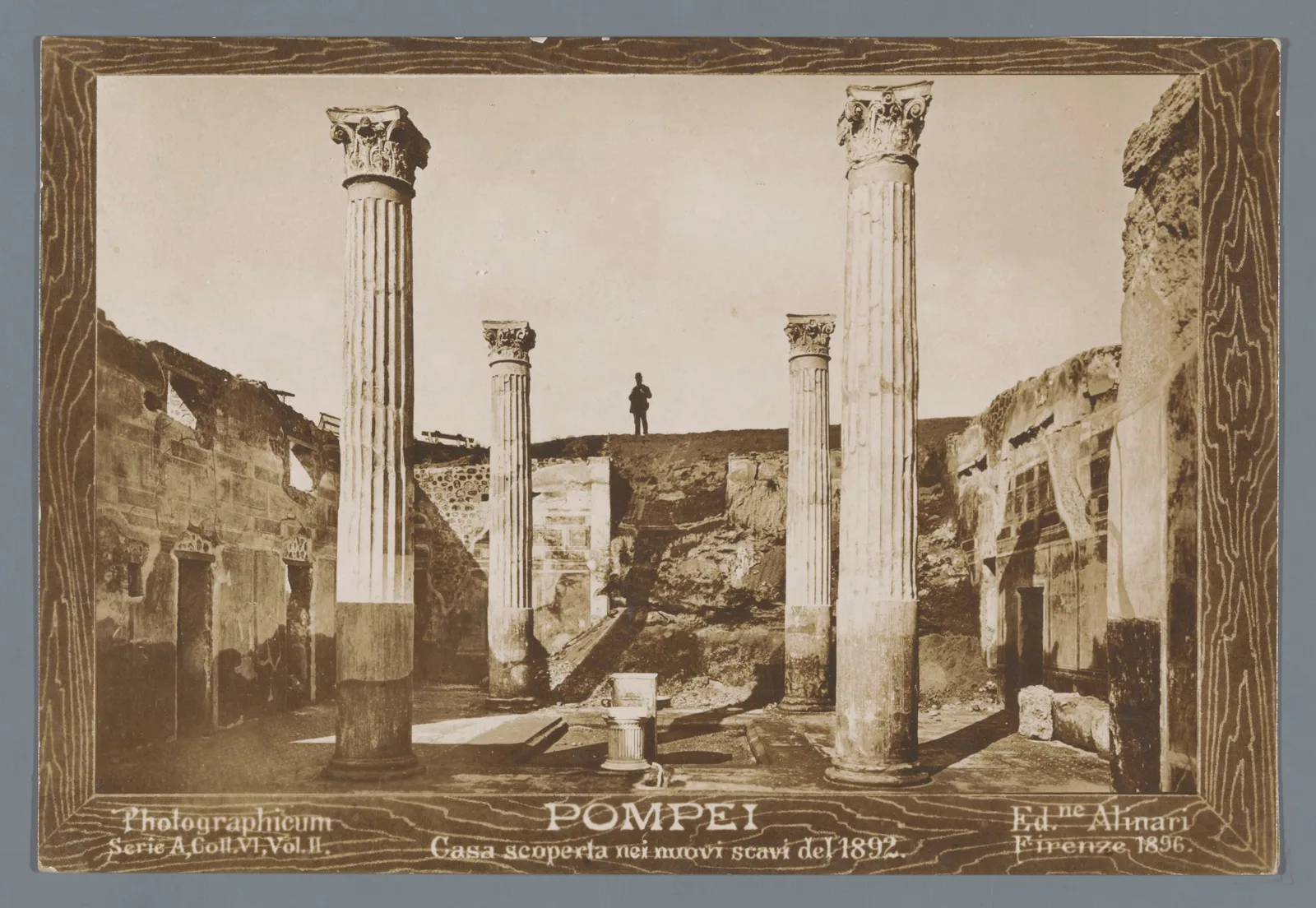
For centuries Pompeii lay forgotten underground. Digging began on 23 March 1748, when Charles III of Bourbon, after ten years of exploring Herculaneum, turned to a hill known as the Civita. At first the ruins were thought to belong to Stabiae, another nearby town. Only in 1763 did it become clear that this was Pompeii.

Streets, snack bars and painted walls
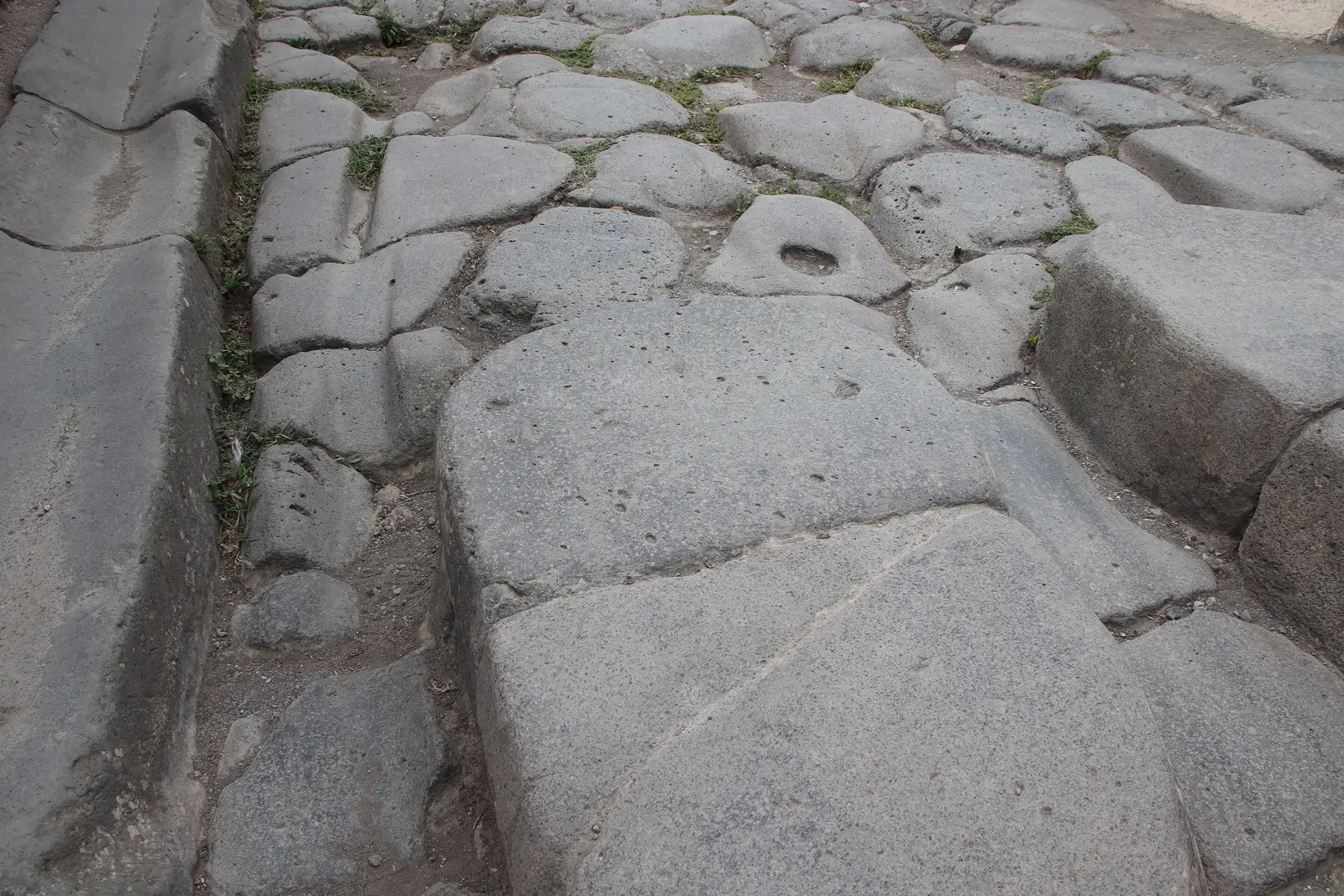
Clear away the debris and the streets reappear, paved with big stone slabs and crossed by rows of round stepping stones.

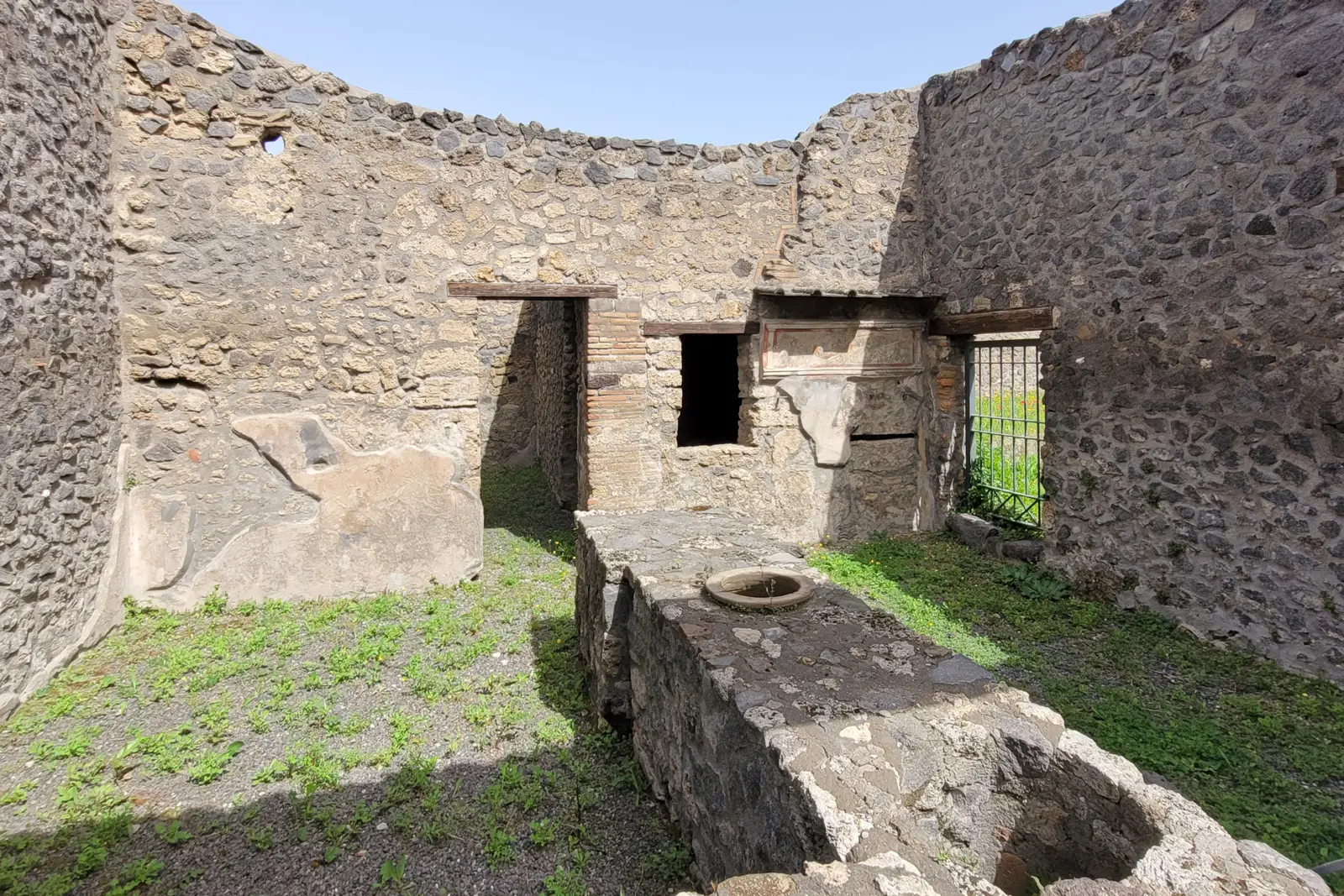
Shops line them too. A thermopolium was the Roman version of a snack bar: a masonry counter with large jars sunk into it, selling hot food and drinks. Pompeii alone had at least eighty of them.

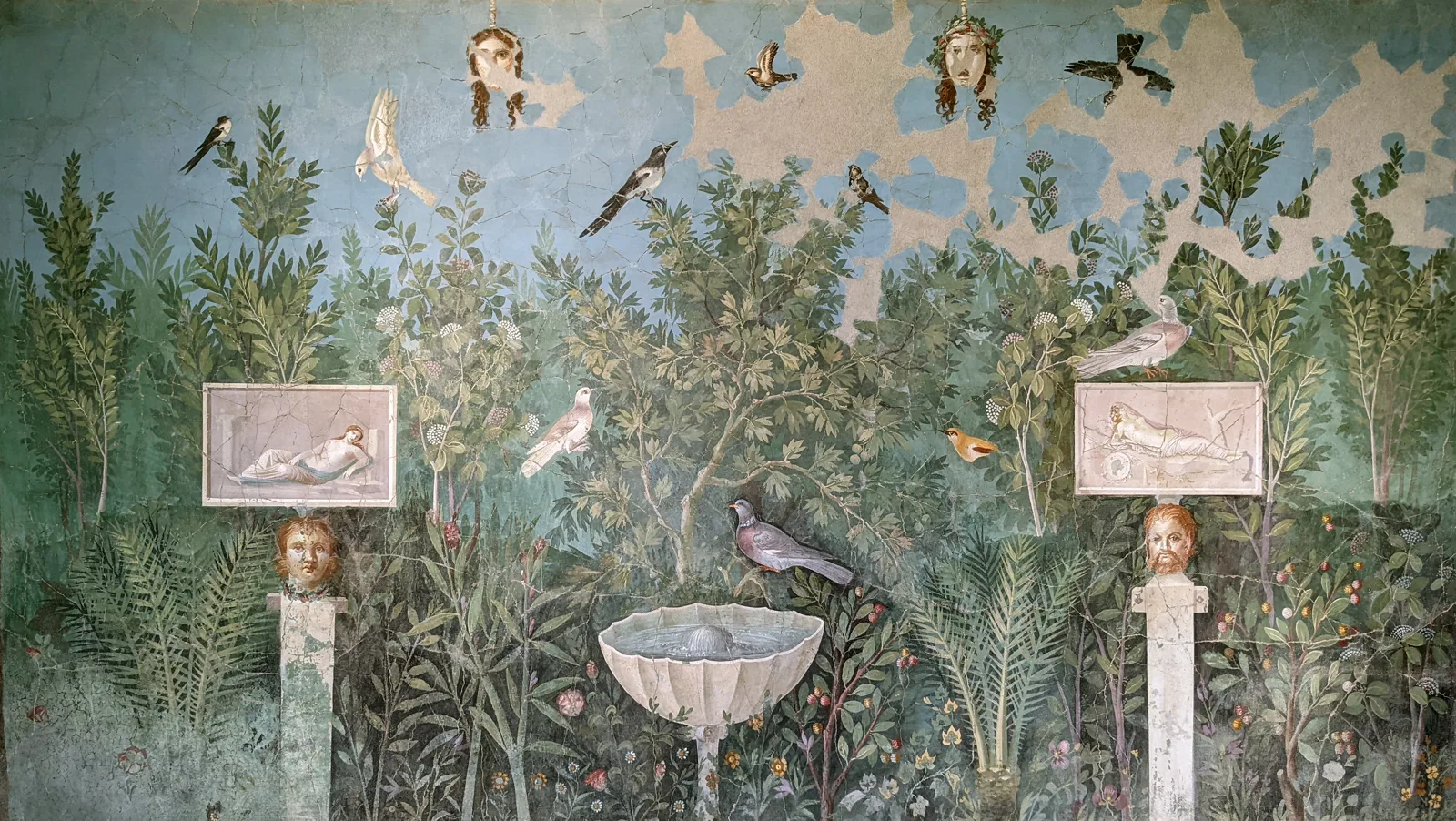
Inside, homes were decorated with paintings. A garden wall in the House of the Golden Bracelet shows birds among the trees and a basin of water, its colours still vivid.

What the ash kept
The eruption destroyed Pompeii suddenly, yet the same ash and pumice preserved not only its buildings and streets but traces of the people who lived there. That is why UNESCO calls the site "complete and living evidence of a society and everyday life at a precise moment in time," with no parallel anywhere else in the world.
The story isn't finished. In 2018 the Archaeological Park reported that about 22 hectares of the city had yet to be excavated, and digging continues.
Find Pompeii on Wooriyeojido
You can still walk the streets that the ash preserved. Pompeii is pinned on the Wooriyeojido map. Look it up in the Wooriyeojido app, and if you visit, leave your photos and stories from the day right beside it.
View this place in the Wooriyeojido appVideos of nearby places
 Was legendary Troy real? Schliemann and the nine layers
 How has Hagia Sophia's collapsed dome stood to this day?
 Why was the red rock city forgotten for 600 years? Petra rediscovered, 1812
Sources
- UNESCO World Heritage Centre — Archaeological Areas of Pompei, Herculaneum and Torre Annunziata (829)
- Parco Archeologico di Pompei — Foro
- Parco Archeologico di Pompei — I calchi
- Parco Archeologico di Pompei — La data della distruzione di Pompei: premesse per un dibattito aperto
- Parco Archeologico di Pompei — Pompei dopo l'eruzione
- Parco Archeologico di Pompei — New excavations in Regio V
- Parco Archeologico di Pompei — Unesco Office