Hagia Sophia: How a Dome That Once Collapsed Has Stood for Nearly 1,500 Years
Hagia Sophia (Ayasofya) in Istanbul: a church raised in five years on the ashes of an older one, a dome that seemed to hang from heaven, fell, and rose again, and nearly 1,500 years as church, mosque, museum and mosque again, in a short video and photos.
In Istanbul stands a building nearly 1,500 years old, crowned by an enormous dome. That dome once came crashing down, was rebuilt, and has stood ever since. How did it manage it? Start with the short video.

 Watch the one-minute video on YouTube
At the heart of old Istanbul
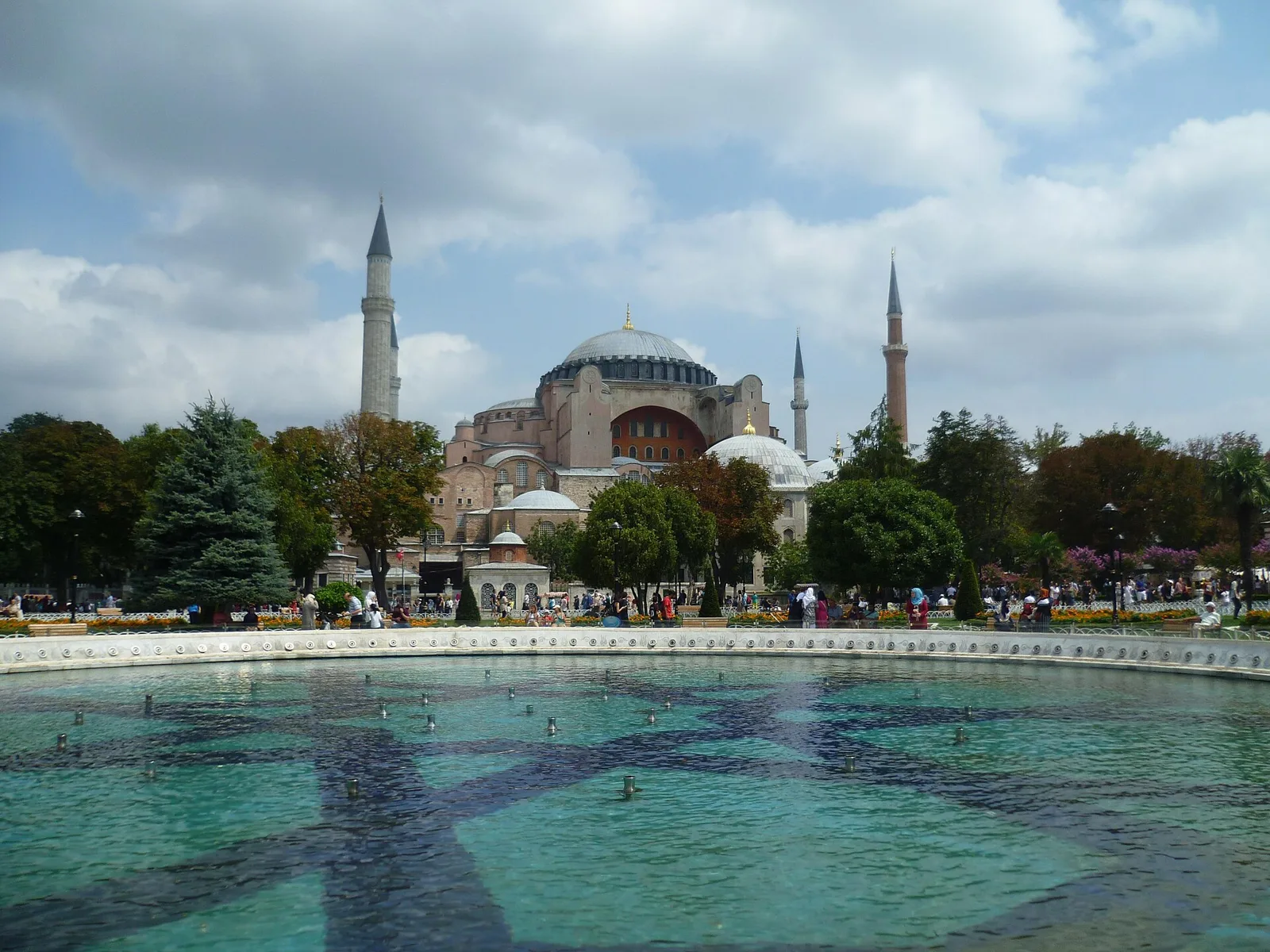
Hagia Sophia, known in Turkish as Ayasofya, stands right beside Sultanahmet Square in Istanbul's old city. The surrounding district was inscribed as a UNESCO World Heritage Site in 1985 as the Historic Areas of Istanbul, and Hagia Sophia sits at its center. Today it is a working mosque, so check visiting hours and dress requirements with official Turkish sources before you go.

Rising from the ashes in five years
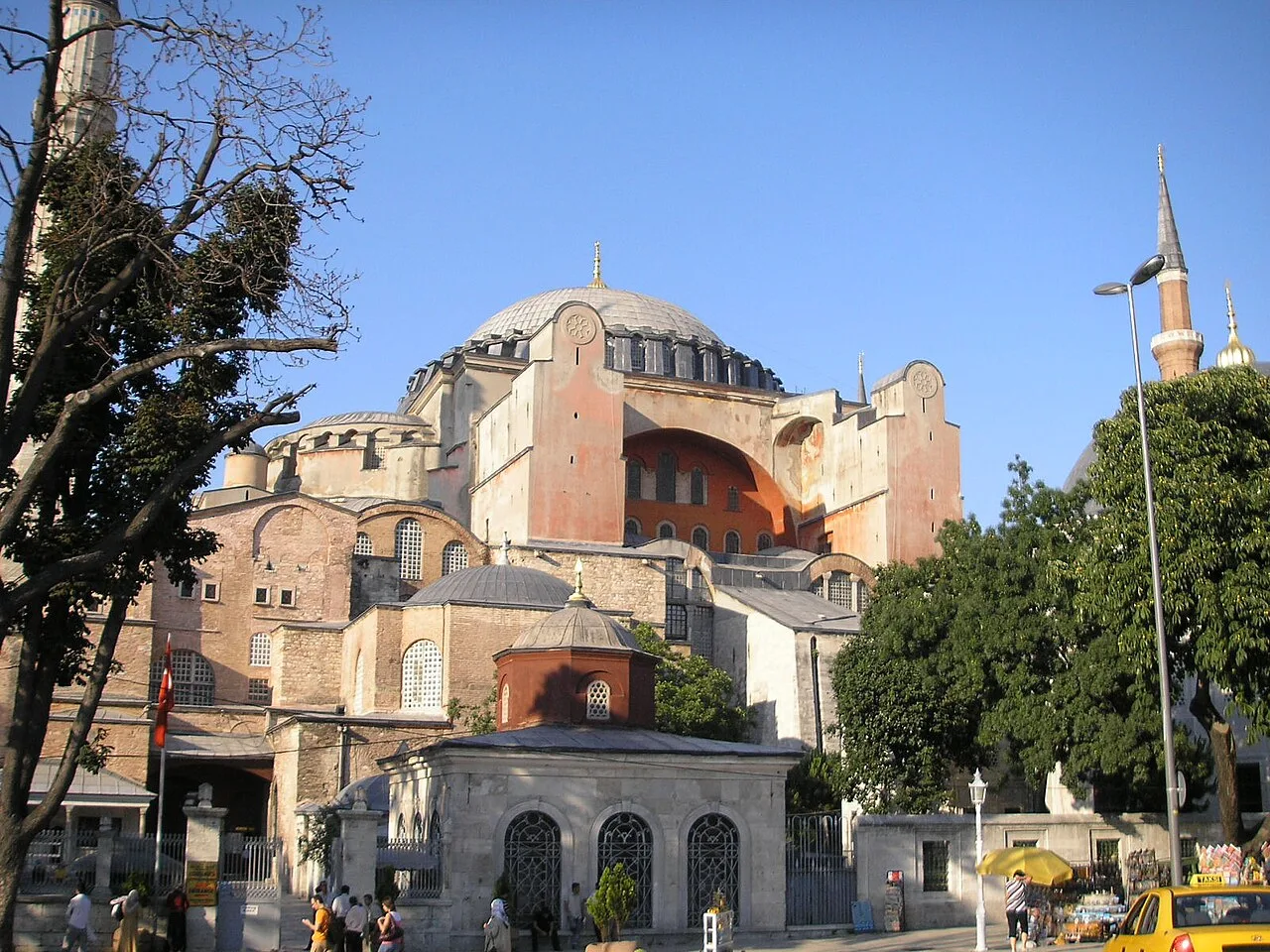
The building wasn't always this grand. A smaller church once stood here, and it was destroyed in January 532 during the Nika riots. The 6th-century historian Procopius wrote that the rioters set the church on fire.
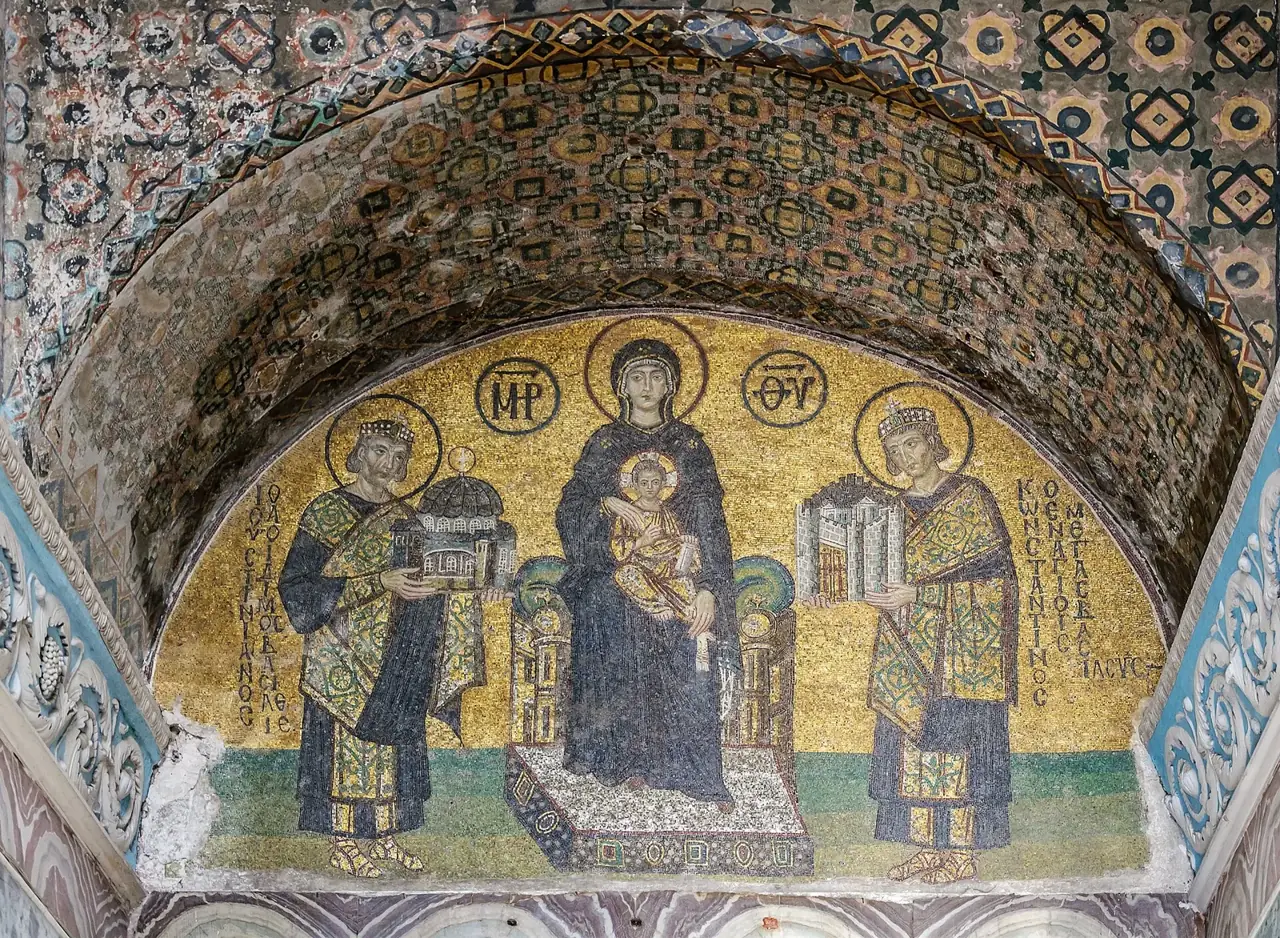
Emperor Justinian I ordered a new church at once, and entrusted the design to Anthemius of Tralles and Isidore of Miletus. Construction took just five years, and the church opened on 27 December 537. A mosaic over the southwestern entrance shows Justinian presenting a model of the building, though the mosaic itself was made centuries later.

A dome hung from heaven
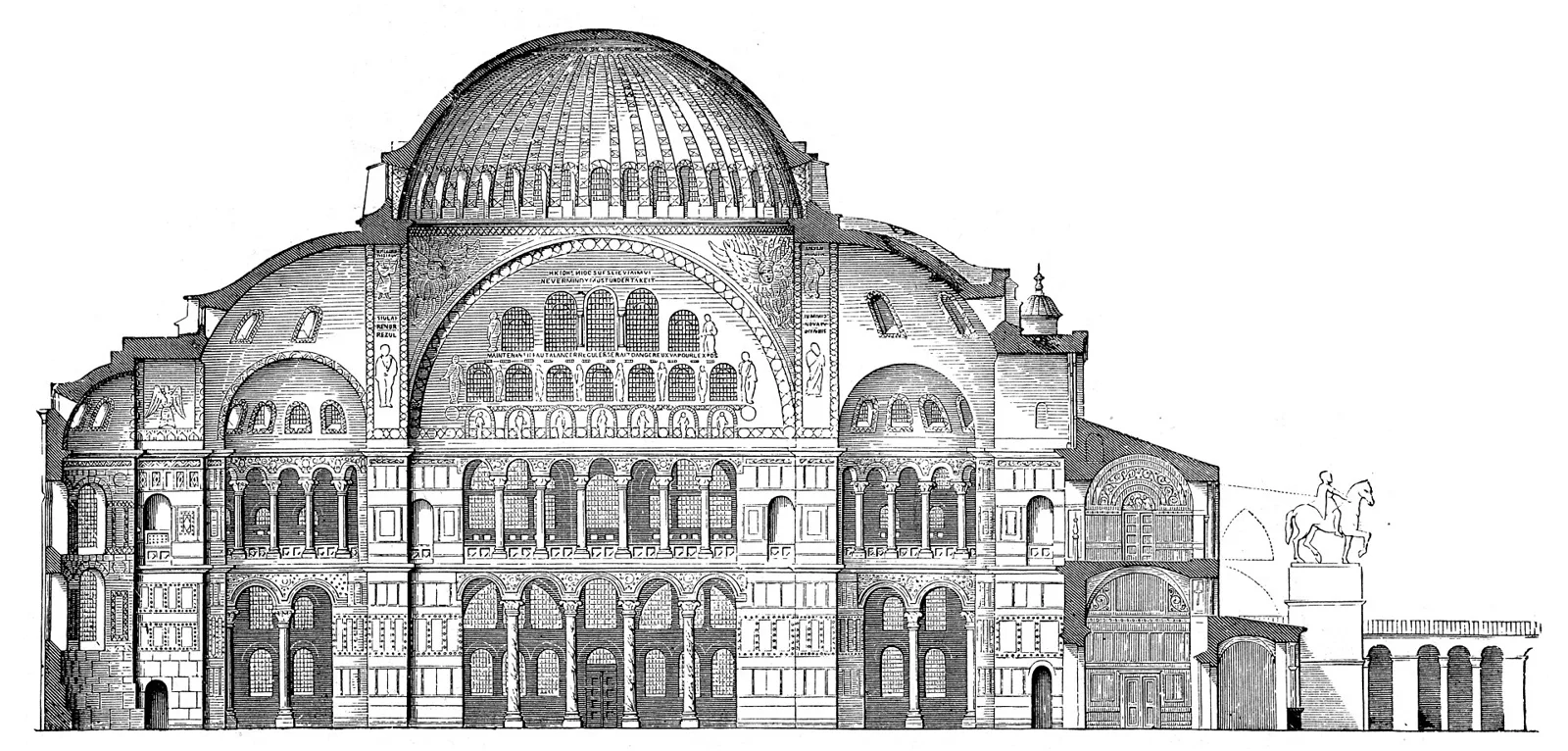
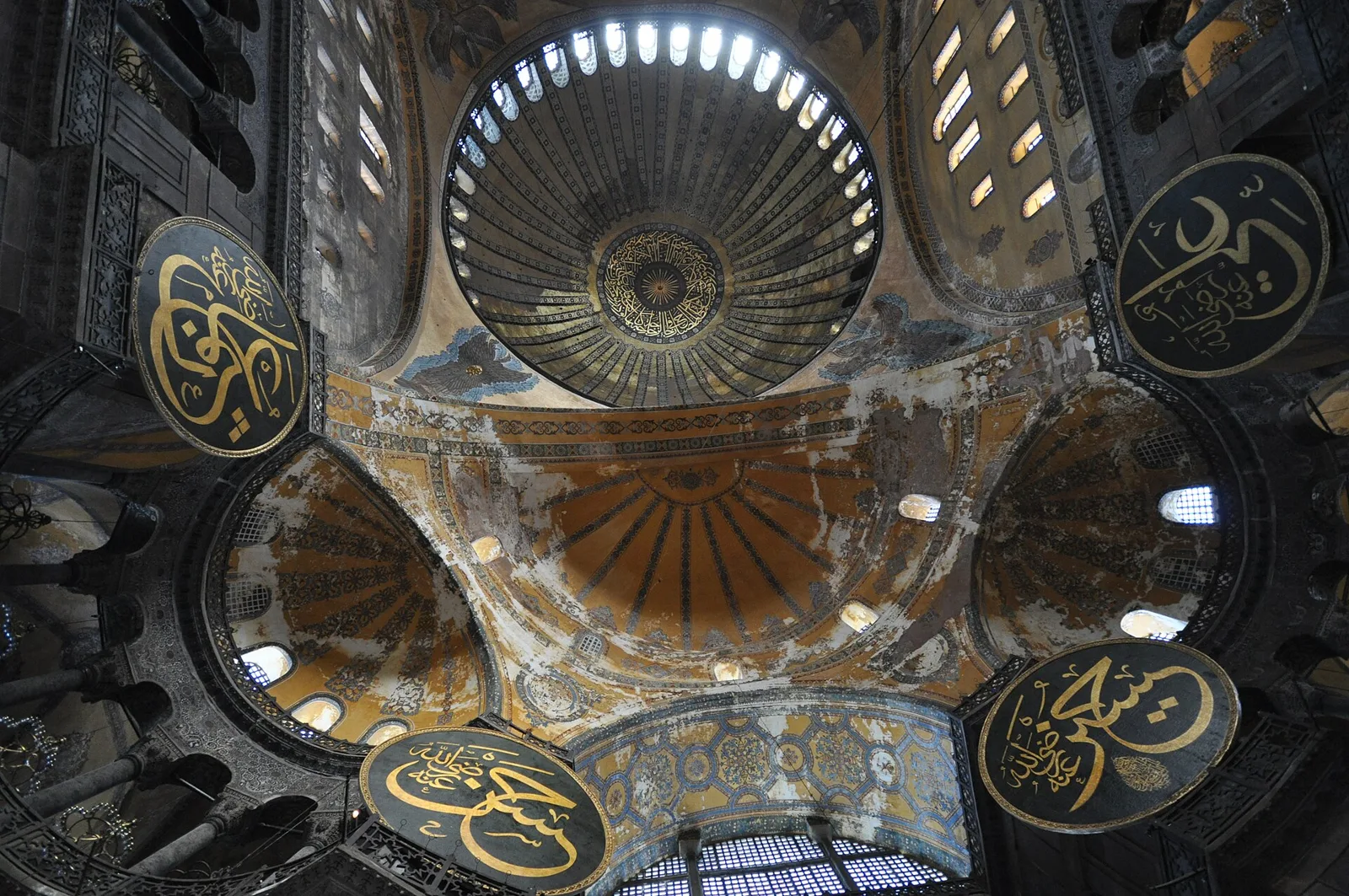
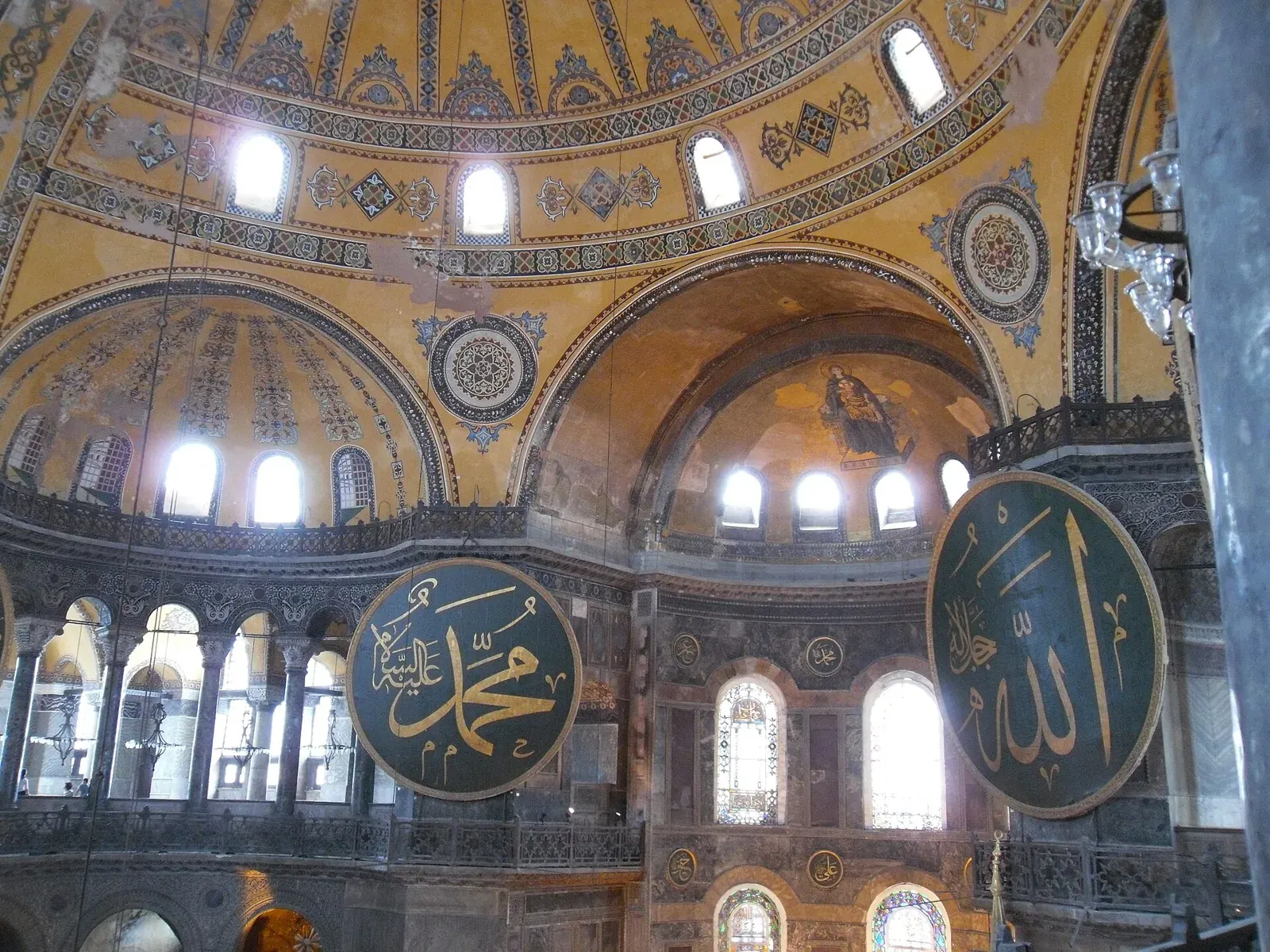
The great dome is about 31 metres across, and its crown rises about 56 metres above the floor. Forty windows ring its base. Procopius was awed. The church, he wrote, "seems not to rest upon solid masonry, but to cover the space with its golden dome suspended from Heaven."
The trick was to lighten the load and spread it out. The dome was built from light bricks mixed with volcanic earth, and semi-domes on either side share its weight. Setting a round dome over a square space leaves gaps at the four corners; to fill them, the builders made pendentives, curved triangles of masonry, on a scale no building had attempted before.



The day the dome fell
Even so, it wasn't invincible. In 558, some twenty years after the church opened, an earthquake brought the dome down. The task of rebuilding it went to Isidore the Younger, nephew of the original architect, who raised the new dome higher than the first and completed it on 24 December 562. The dome visitors see today descends from that rebuilding.
Church, mosque, museum, mosque
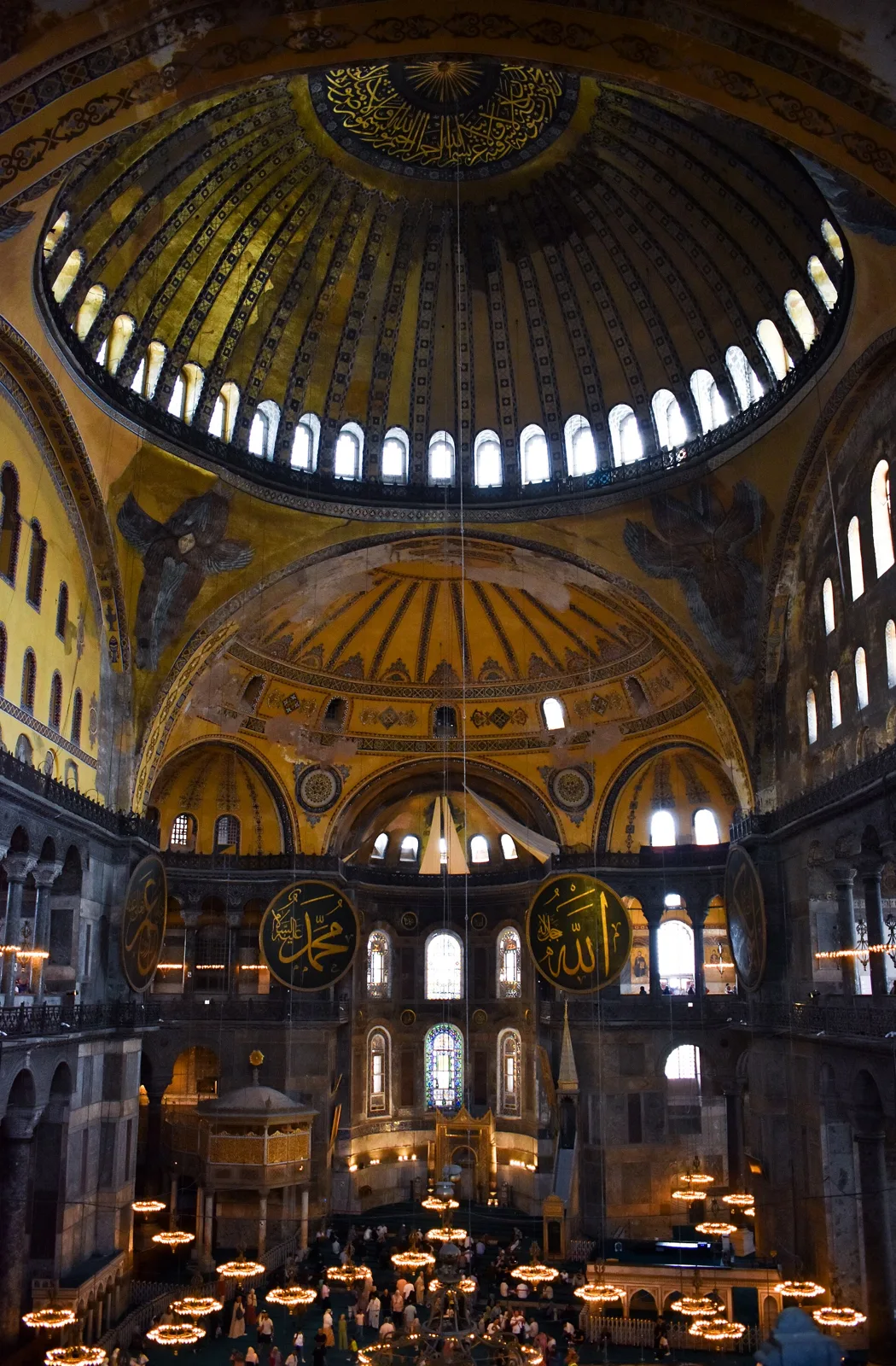
After Mehmed II took Istanbul in 1453, Hagia Sophia became a mosque, and over the following centuries minarets were added around it one by one. In 1934 a government decision turned it into a museum. In 2020 a court annulled that decision, and it reopened as a mosque for worship.

Repaired after every great quake
After major earthquakes in the 9th, 10th, 14th, 16th and 19th centuries, the building was repaired again and again. UNESCO describes Hagia Sophia as the model for a whole family of churches and, later, mosques. Light bricks and semi-domes to spread the weight, a fallen dome rebuilt even higher, and repairs after every great quake: that is how it has lasted for nearly 1,500 years.
Find Hagia Sophia on Wooriyeojido
A dome that fell and rose again, higher than before, still crowns the Istanbul skyline. Hagia Sophia is pinned on the Wooriyeojido map. Look it up in the Wooriyeojido app, and if you go, leave your photos and stories from the day right beside it.
View this place in the Wooriyeojido appVideos of nearby places
 1453: the ships dragged over a hill. The fall of Constantinople
 Göbekli Tepe: who raised stone pillars 7,000 years before the pyramids?
 Was legendary Troy real? Schliemann's dig and its nine layers
Sources
- UNESCO World Heritage Centre — Historic Areas of Istanbul (356)
- UNESCO — UNESCO statement on Hagia Sophia, Istanbul (2020-07-10)
- Istanbul Metropolitan Municipality, Büyük İstanbul Tarihi — Ayasofya (Turkish)
- Procopius, The Buildings, Book I (tr. H. B. Dewing, Loeb 1940)
- Resmî Gazete (Official Gazette of Türkiye), 10 July 2020, No. 31181 (repeated), Presidential Decision 2729 (Turkish)
- Ayasofya official website