Neuschwanstein Castle: A King's Dream of the Swan Knight
In the foothills of the Alps in southern Germany, Neuschwanstein looks like something out of a fairy tale. A video and photos, and the legend that inspired it.
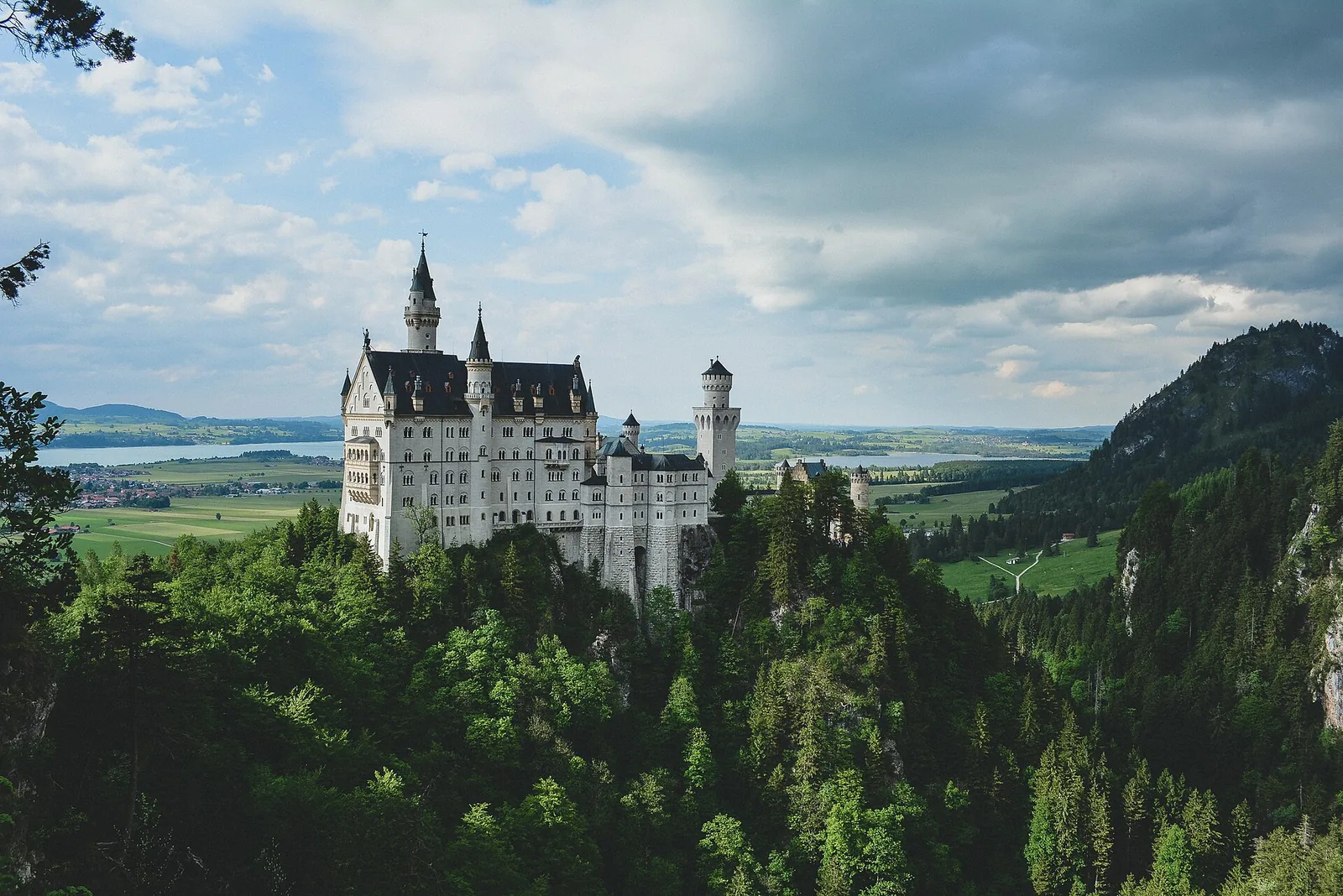
In the foothills of the Alps in southern Germany, a cluster of white towers rises from a forested ridge. This is Neuschwanstein, which the Bavarian Palace Administration calls "the castle of the fairy-tale king," and it really does look as if it stepped out of a storybook. But which legend gave birth to it? Start with the short video.
 Watch the one-minute video on YouTube
Where is it?
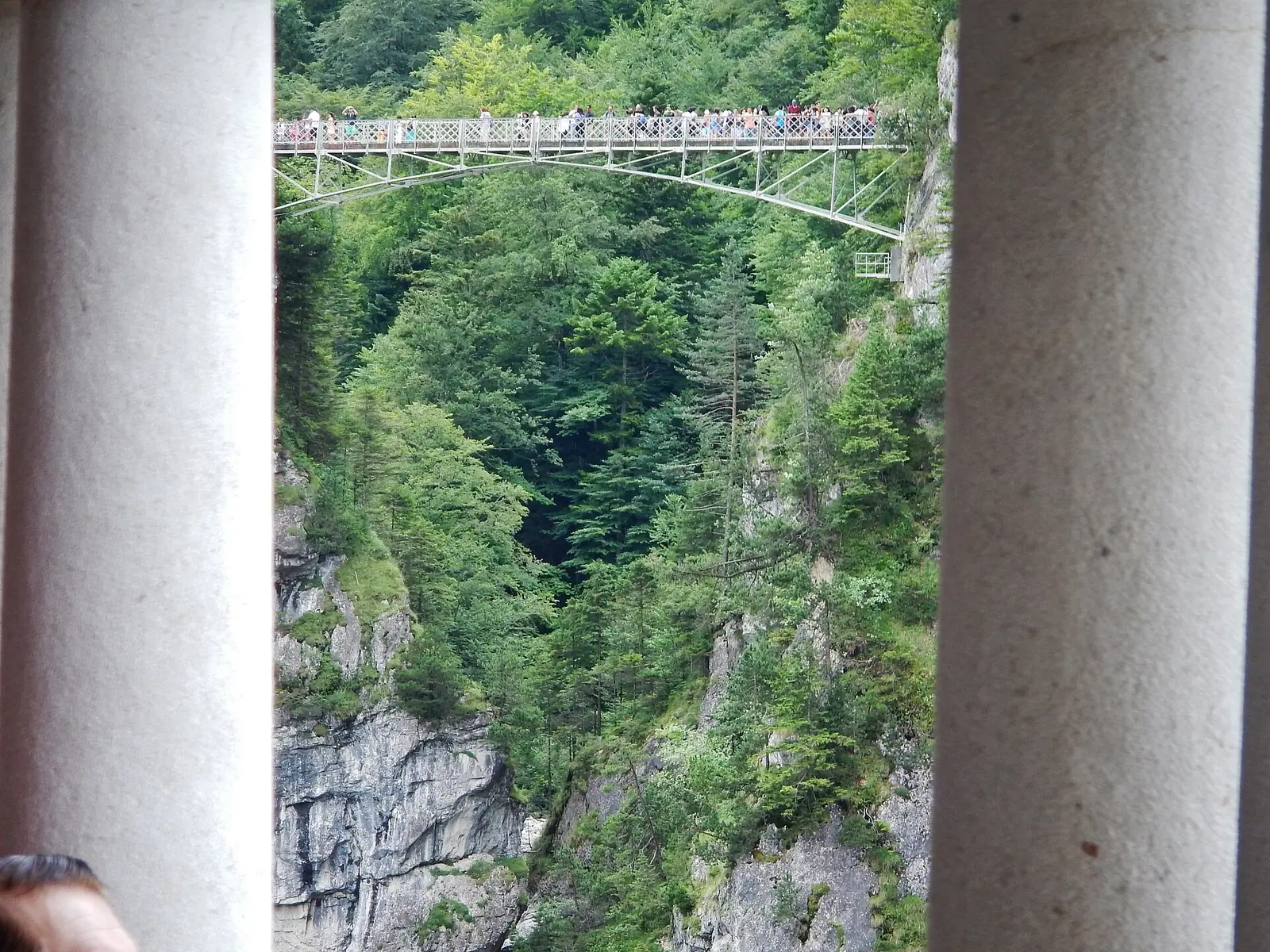
Neuschwanstein stands in Schwangau, in the German state of Bavaria. Close by, the Marienbrücke (Mary's Bridge) hangs high above the deep Pöllat Gorge, and from that side the whole castle comes into view.
The king who built it
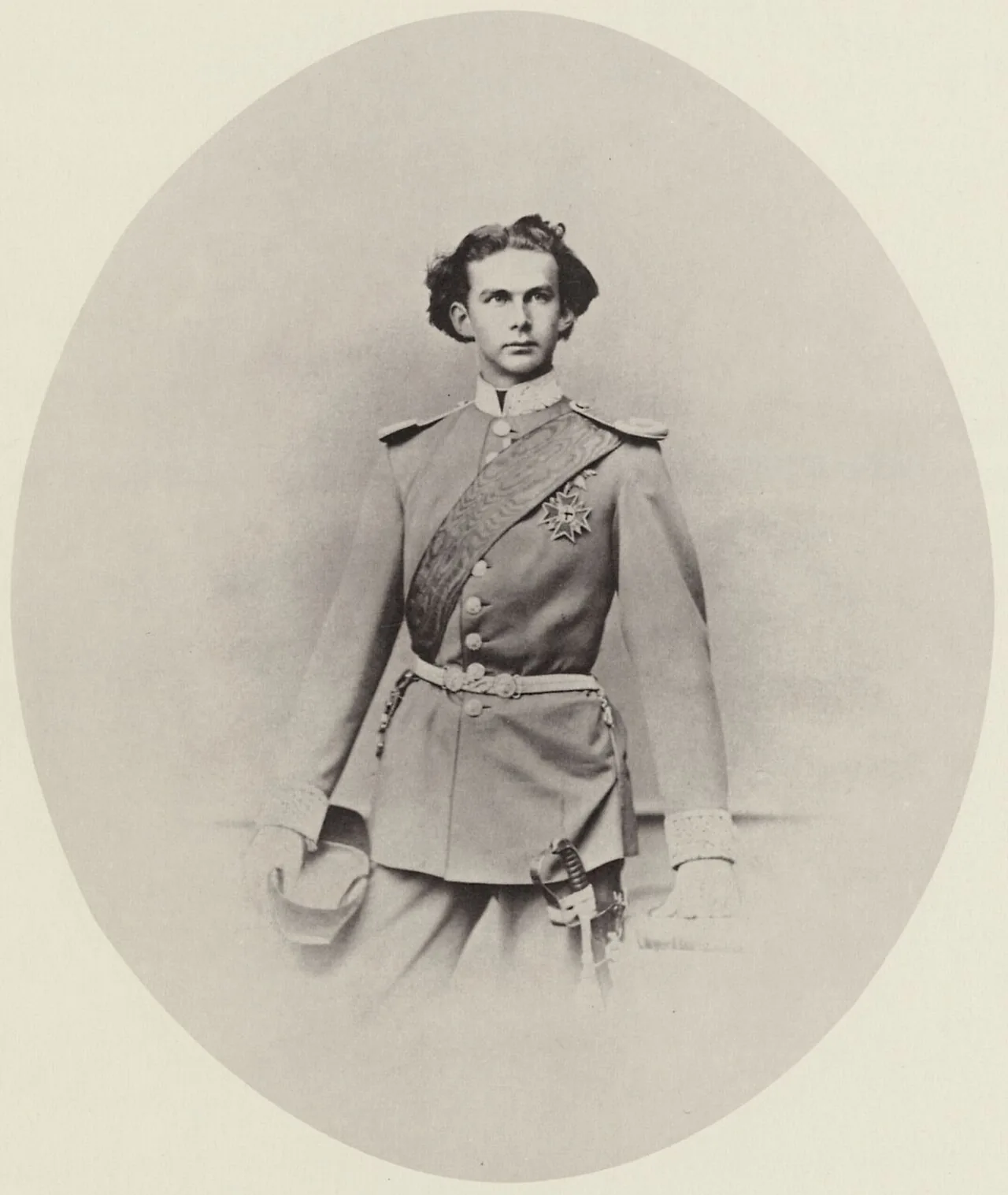
The castle was built by King Ludwig II of Bavaria. Born in 1845, he came to the throne in 1864 at the age of 18. The foundation stone of Neuschwanstein was laid on 5 September 1869.
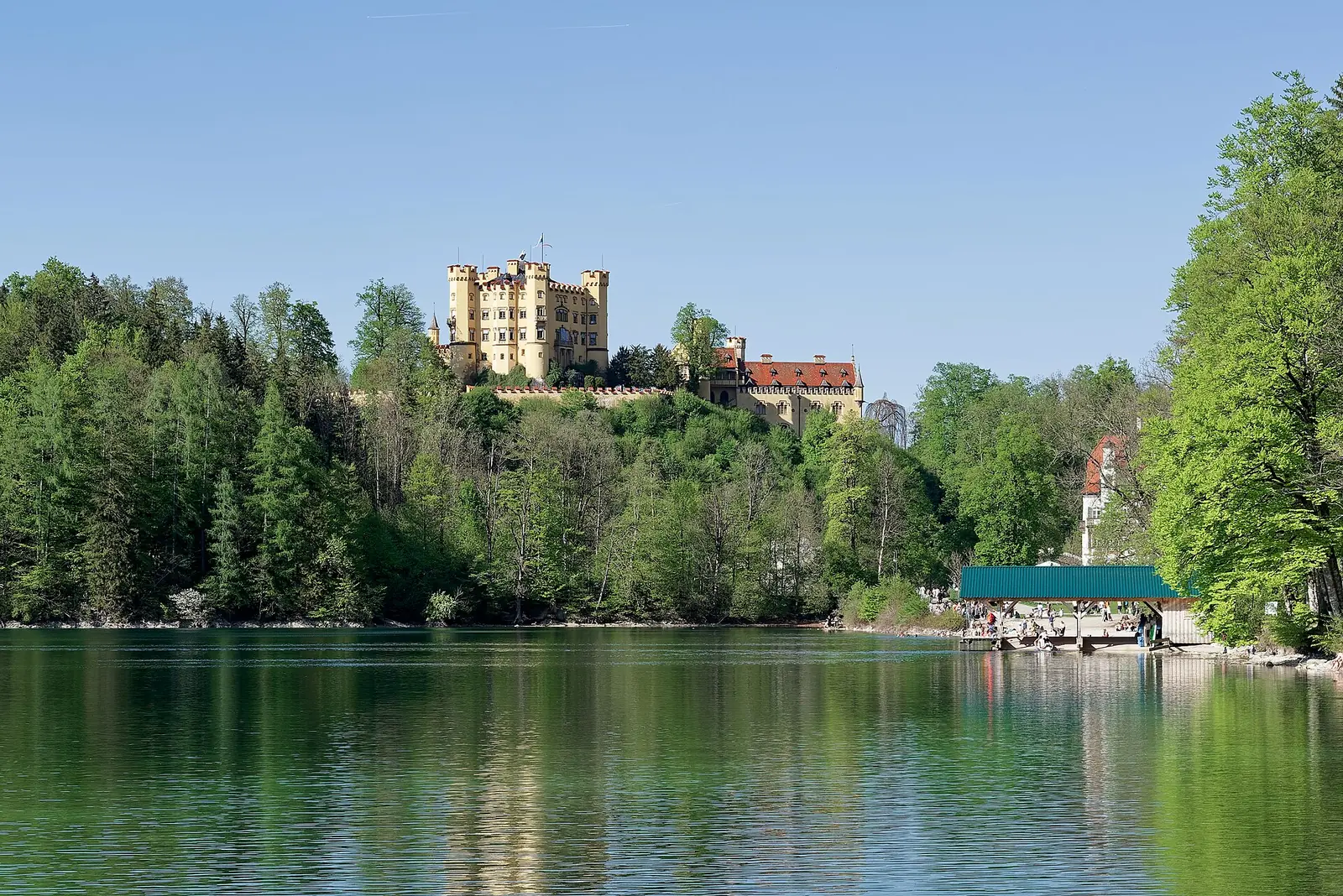
Ludwig spent the summers of his childhood at nearby Hohenschwangau Castle, which his father, Maximilian II, had rebuilt from a ruin starting in 1832. Its walls were painted with scenes from medieval legends and poetry, among them the legend of Lohengrin, the Swan Knight. Even as a boy, Ludwig identified with Lohengrin.
The legend of the Swan Knight
Lohengrin is the hero of the German version of the Swan Knight legend. It first appears in the closing verses of Parzival, by the medieval poet Wolfram von Eschenbach. Sent from the castle of the Grail, the knight arrives in a boat drawn by a swan to help the young Duchess of Brabant. He marries her on one condition: she must never ask where he came from. Years later she breaks that promise, and the knight departs.
The composer Richard Wagner followed the outline of the story closely in his opera Lohengrin, which premiered in 1850.
A crown prince captivated
Ludwig already knew Lohengrin from the murals, but on 2 February 1861, at the age of 15, he saw Wagner's opera for the first time at the Munich Court Opera House and was spellbound. According to the Bavarian Palace Administration, he came to see himself as both a true knight of Schwangau and the Swan Knight Lohengrin, while always remaining fully conscious of being king.
The design of the new castle began with drawings by the stage painter Christian Jank. In 1868 Ludwig wrote to Wagner that he intended to rebuild the old castle ruin of Hohenschwangau, adding that it would remind Wagner of Tannhäuser and Lohengrin.
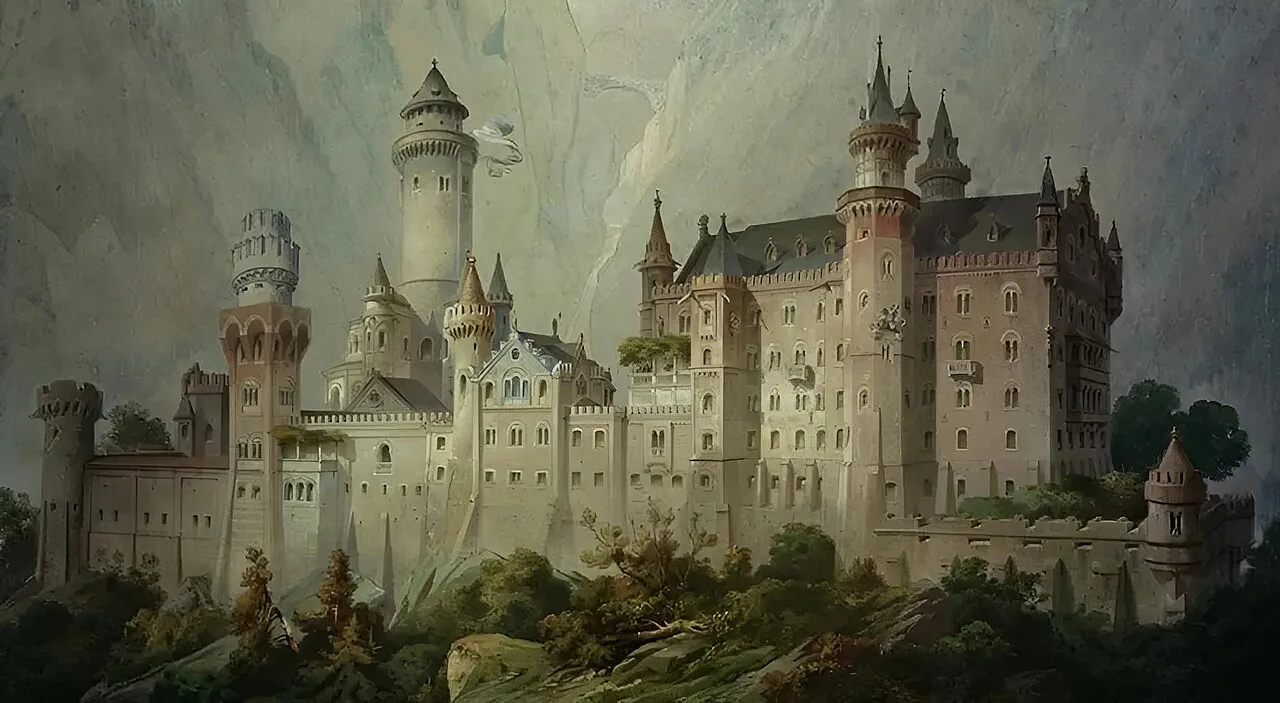
Swans everywhere
The swan was also the heraldic animal of the old knights of Schwangau. Ludwig's father adopted their coat of arms, Ludwig followed suit, and so swans appear all over Neuschwanstein. The murals inside were inspired by Wagner's operas, and the walls of the Salon tell the story of Lohengrin.
Yet Ludwig himself only ever saw his castle as a building site. He first stayed in its finished rooms in May 1884, and he died on 13 June 1886. Seven weeks after his death the castle opened to the public; the Bower and the Square Tower were not completed until 1892. Even the name came later. In Ludwig's lifetime it was called New Hohenschwangau Castle, and only after his death did it become Neuschwanstein.
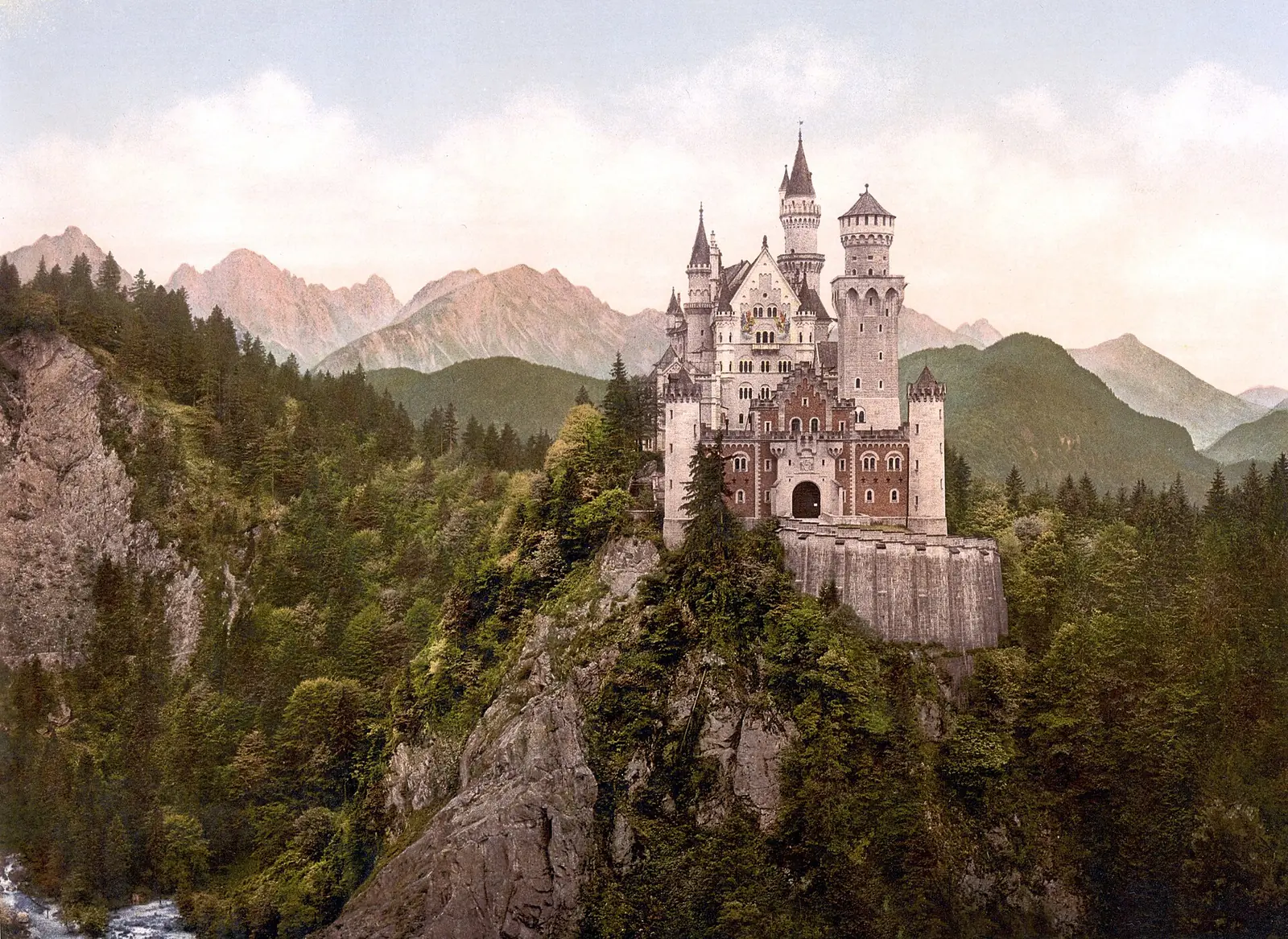
Neuschwanstein today
The interior can be visited only on a guided tour at a set time, and private photography and filming are not allowed inside. Taking pictures of the outside for private use needs no permit. Some 1.4 million people visit every year, and on 12 July 2025 Neuschwanstein was inscribed on the UNESCO World Heritage List together with Linderhof, Schachen and Herrenchiemsee as the castles of King Ludwig II of Bavaria.
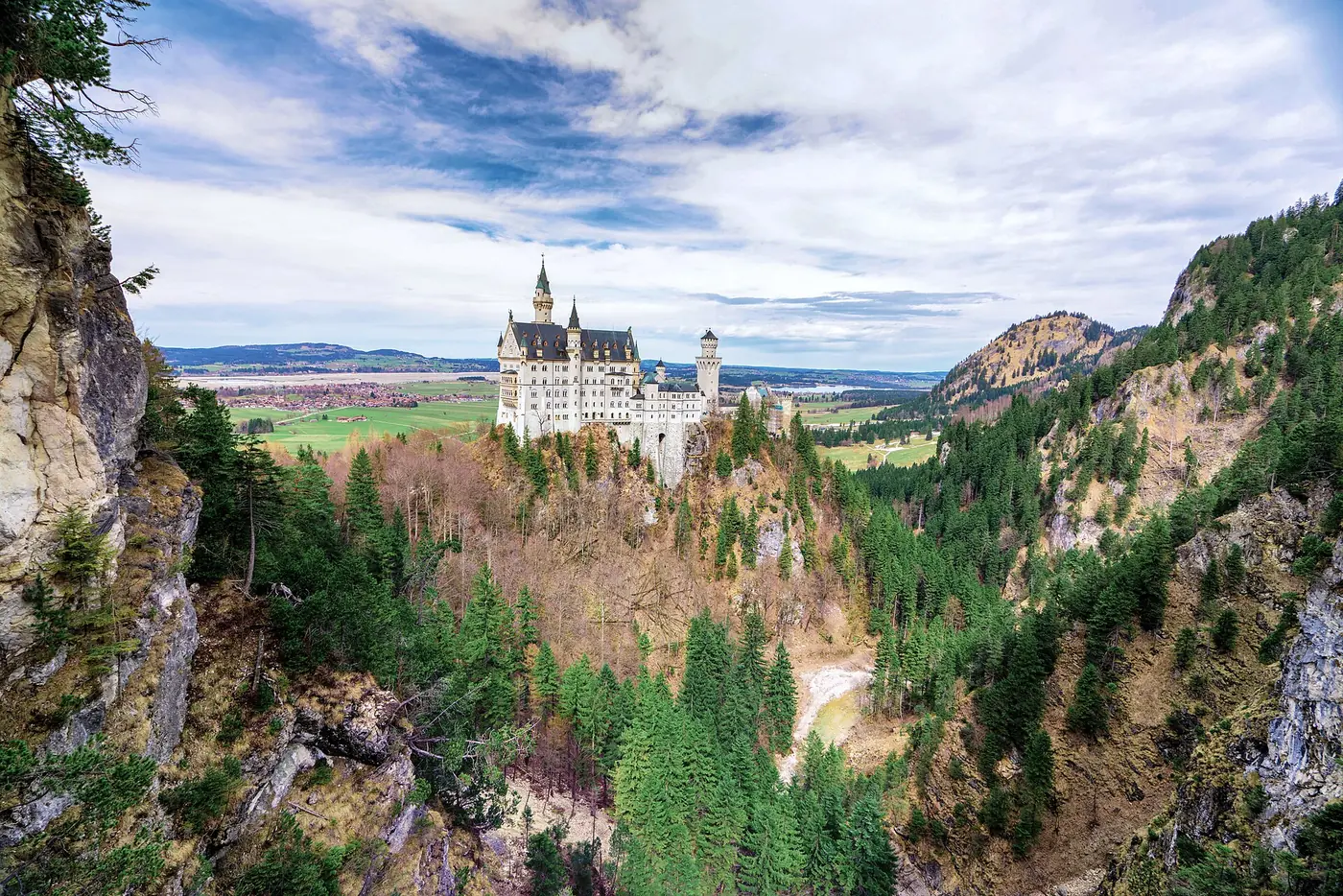
Find Neuschwanstein Castle on Wooriyeojido
Neuschwanstein was born from a German legend, Lohengrin the Swan Knight, and from the dream of the king who loved it. Neuschwanstein Castle is pinned on the Wooriyeojido map. Find it in the Wooriyeojido app, and if you go, leave your photos and stories from the day right beside it.
View this place in the Wooriyeojido appVideos of nearby places




Sources
- Bayerische Schlösserverwaltung — Neuschwanstein: The Swan Knight
- Bayerische Schlösserverwaltung — Neuschwanstein: History of the origins
- Bayerische Schlösserverwaltung — Neuschwanstein: Building history
- Bayerische Schlösserverwaltung — Neuschwanstein today
- Bayerische Schlösserverwaltung — King Ludwig II: Biographical data
- Bayerische Schlösserverwaltung — Neuschwanstein: General information for visitors
- Permanent Delegation of Germany to UNESCO — Inscription of the castles of King Ludwig II of Bavaria to the List of UNESCO World Heritage Sites (2025-07-12)
- Encyclopædia Britannica (1911) — Lohengrin (Wikisource)