Mount Etna: Was There Really a God's Forge Inside the Volcano?
Mount Etna in Sicily is the highest active volcano in Europe. A short video and photos set the ancient poems of a blacksmith god forging thunderbolts beneath the mountain beside what science says is really burning there.
On the east side of Sicily rises an enormous volcano. Ancient Greek and Roman poets sang that a god kept his forge deep inside it. Was someone really hammering away under the mountain? Start with the short video.

 Watch the one-minute video on YouTube
Europe's highest active volcano
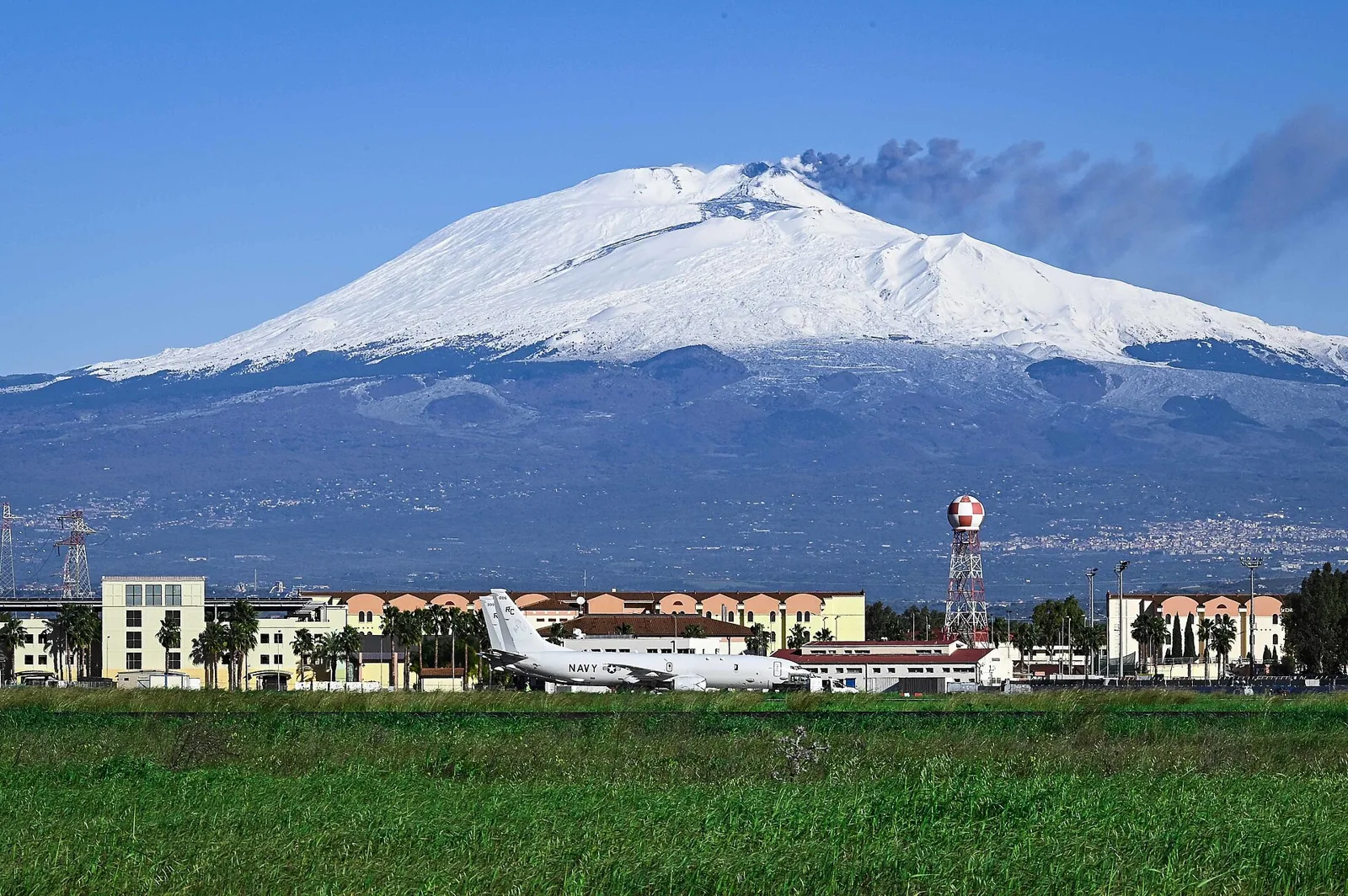
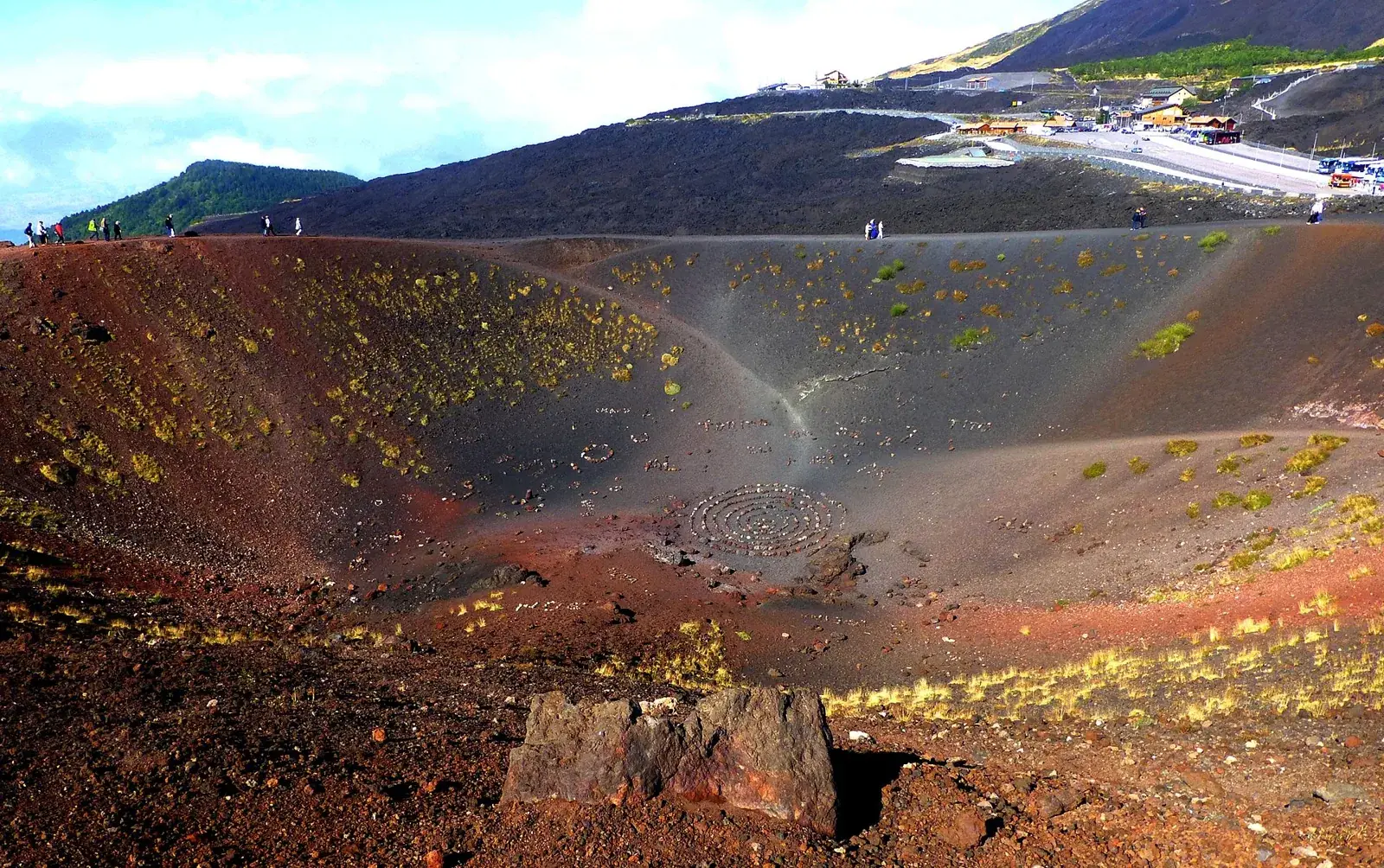
Mount Etna stands on the eastern side of Sicily, northwest of Catania. It is the highest active volcano in Europe and the tallest mountain on any Mediterranean island. Locals also call it Mongibello.
Its height is a moving target, because every eruption reshapes the summit. When Italy's National Institute of Geophysics and Volcanology (INGV) surveyed the top by drone in July 2024, the highest point stood at about 3,369 meters (roughly 11,050 feet) above sea level, the highest figure ever measured on Etna. The volcano was added to the UNESCO World Heritage List in 2013, and at least 2,700 years of its activity have been documented.

A blacksmith god under the mountain
When the mountain smoked and the ground rumbled, how did the ancients explain it? Their poets said a smith god was at work inside.
The Greek playwright Aeschylus wrote in Prometheus Bound that Hephaestus sits on Etna's highest summit, hammering molten metal. The Roman poet Virgil, in the Aeneid, sang of the one-eyed Cyclopes in Etna's caverns, forging thunderbolts for Jupiter. Every blow on the anvil, he wrote, made the caves thunder and Etna groan.

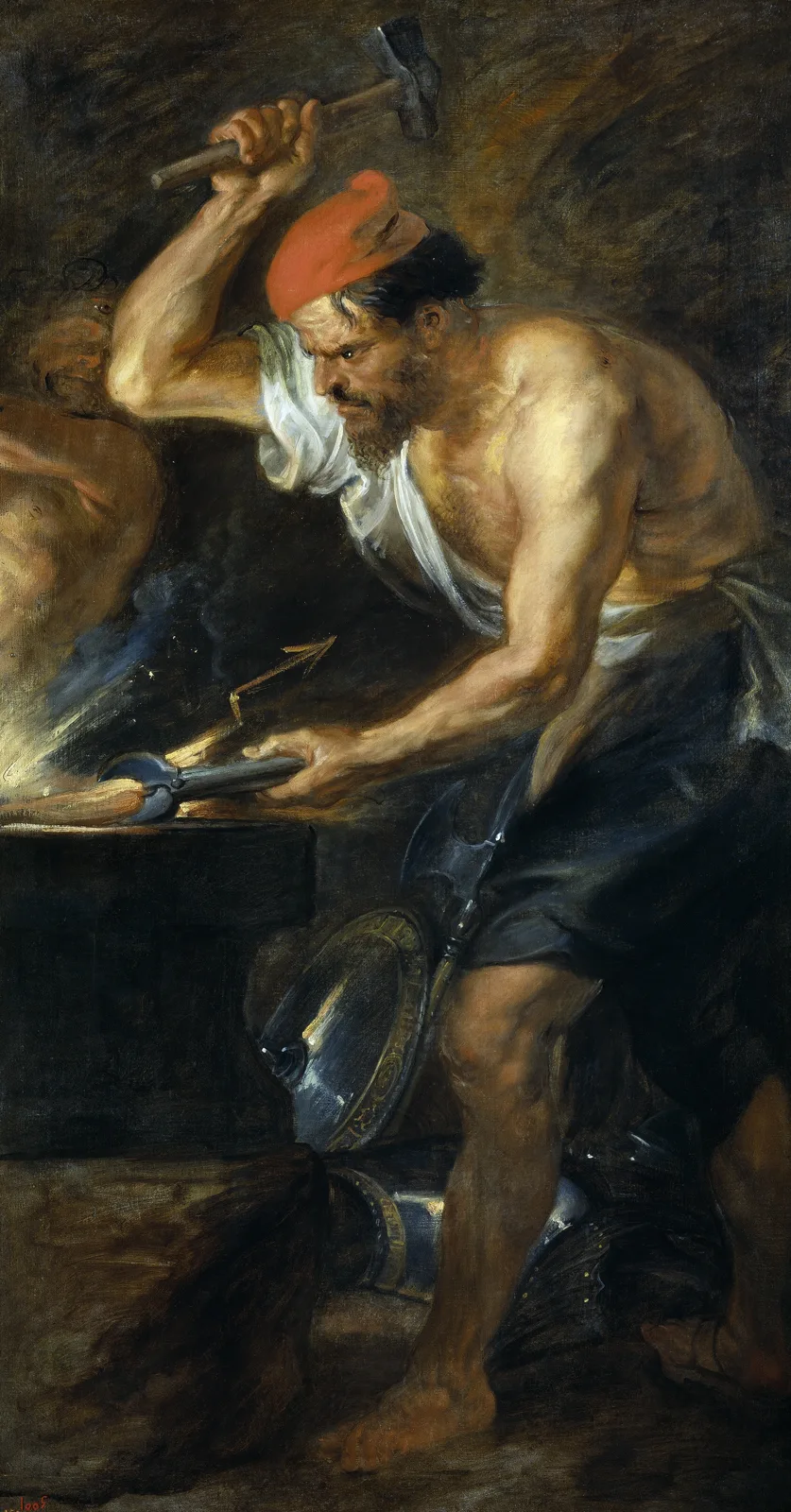
The Romans called Hephaestus Vulcan. In the Prado in Madrid hangs a painting by Rubens of Vulcan forging those thunderbolts.

A god's name in an everyday word
The myth left its mark on a word we still use. "Volcano" comes from Vulcan. According to the U.S. Geological Survey, it derives from Vulcano, a small island off Sicily. Centuries ago, people in the area believed the island was the chimney of Vulcan's forge. So the word was born not on Etna, but on a neighboring island.
The real fire is magma
What actually burns inside Etna is magma: rock melted deep underground that rises and bursts out as lava and ash. The forge fire belonged to the poets. Etna itself is very much a living volcano.
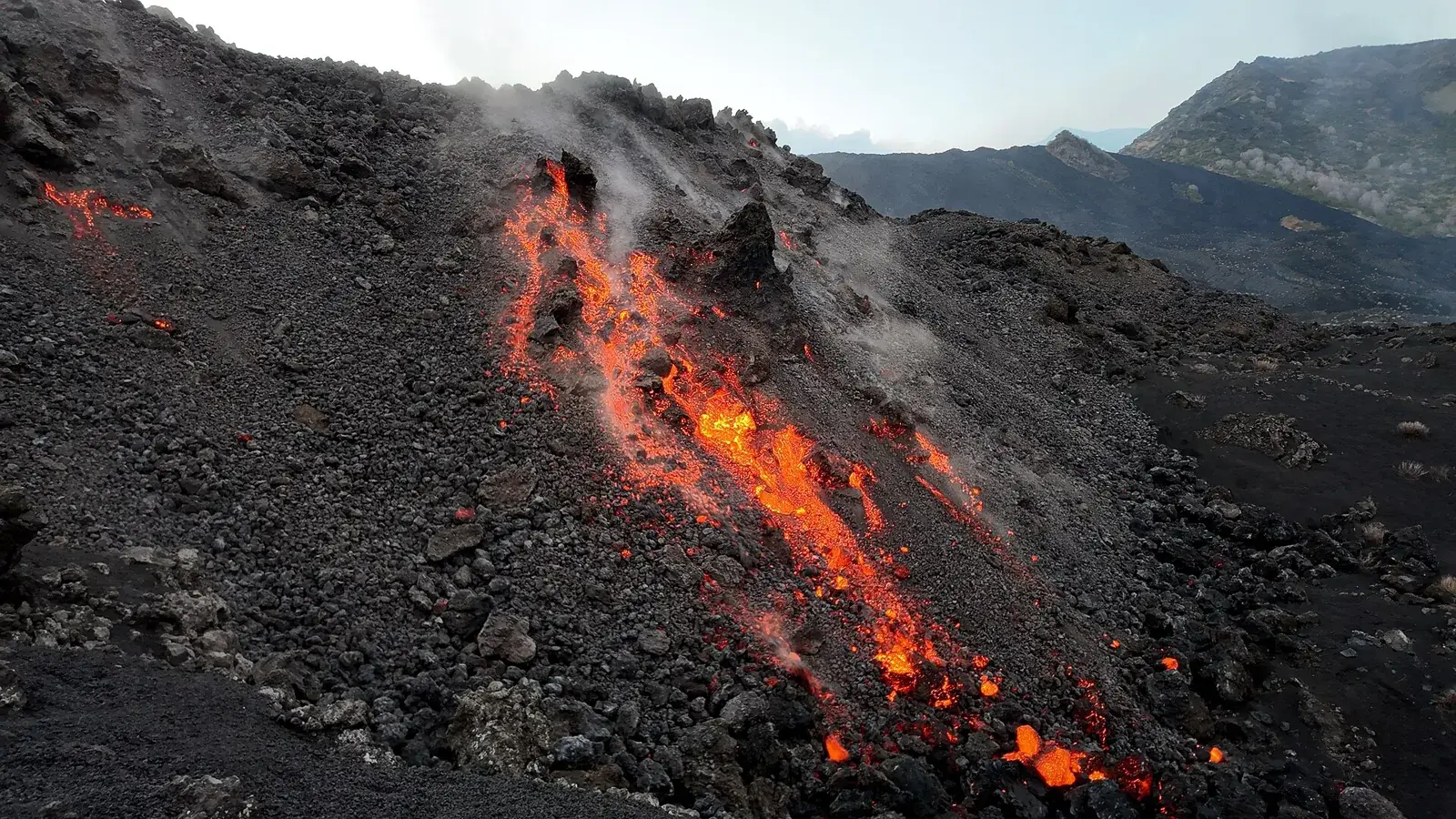

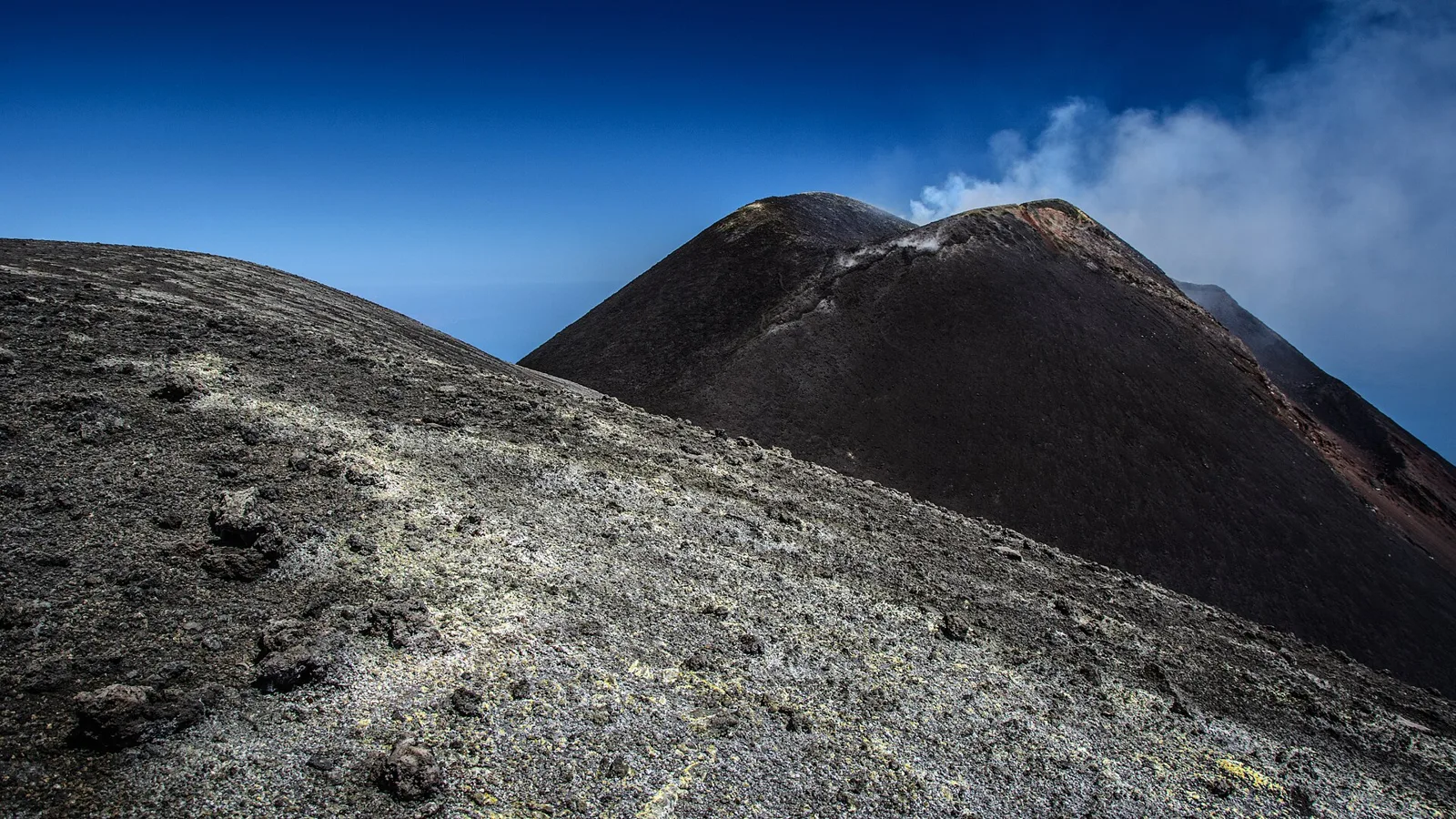
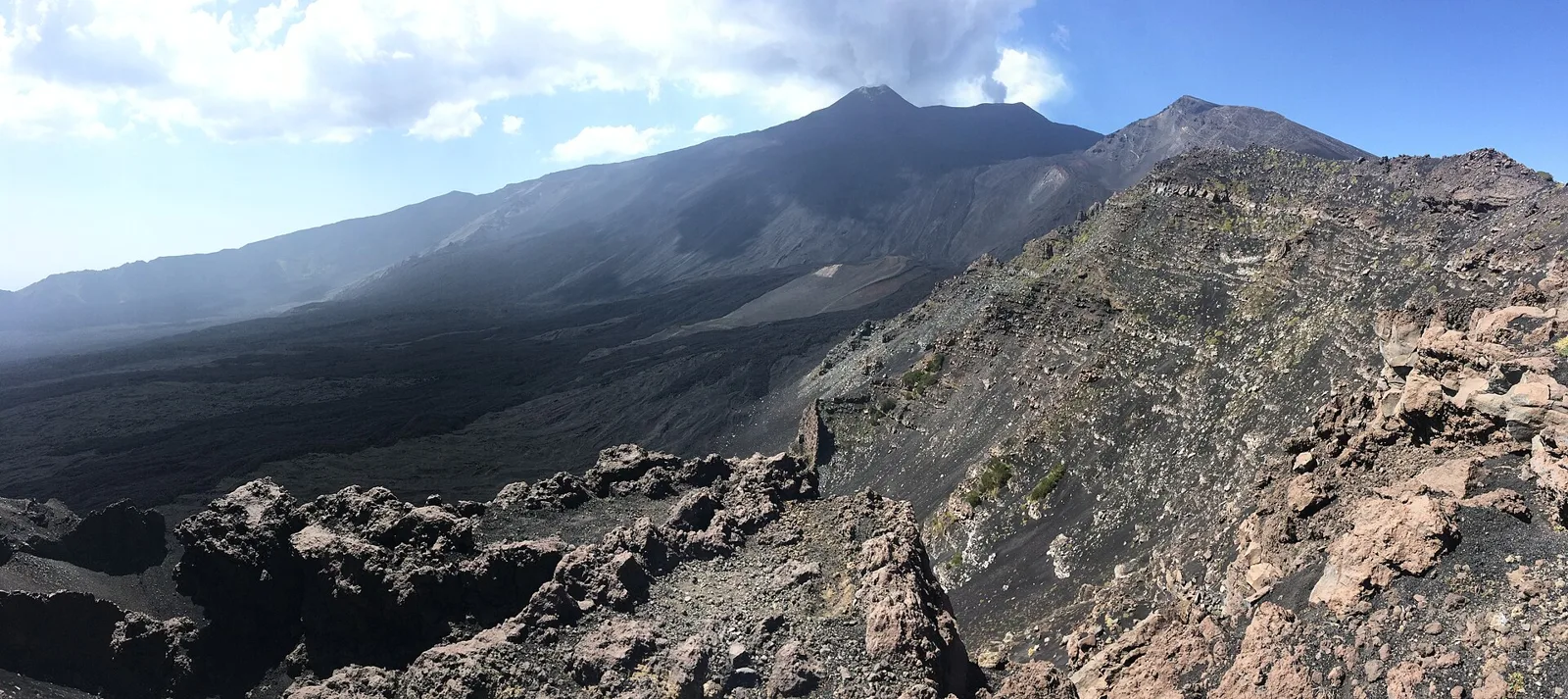
INGV watches the volcano around the clock and issues bulletins as soon as an eruption begins. The summit has four craters, and in 2026 the highest point of the volcano is the Voragine crater.
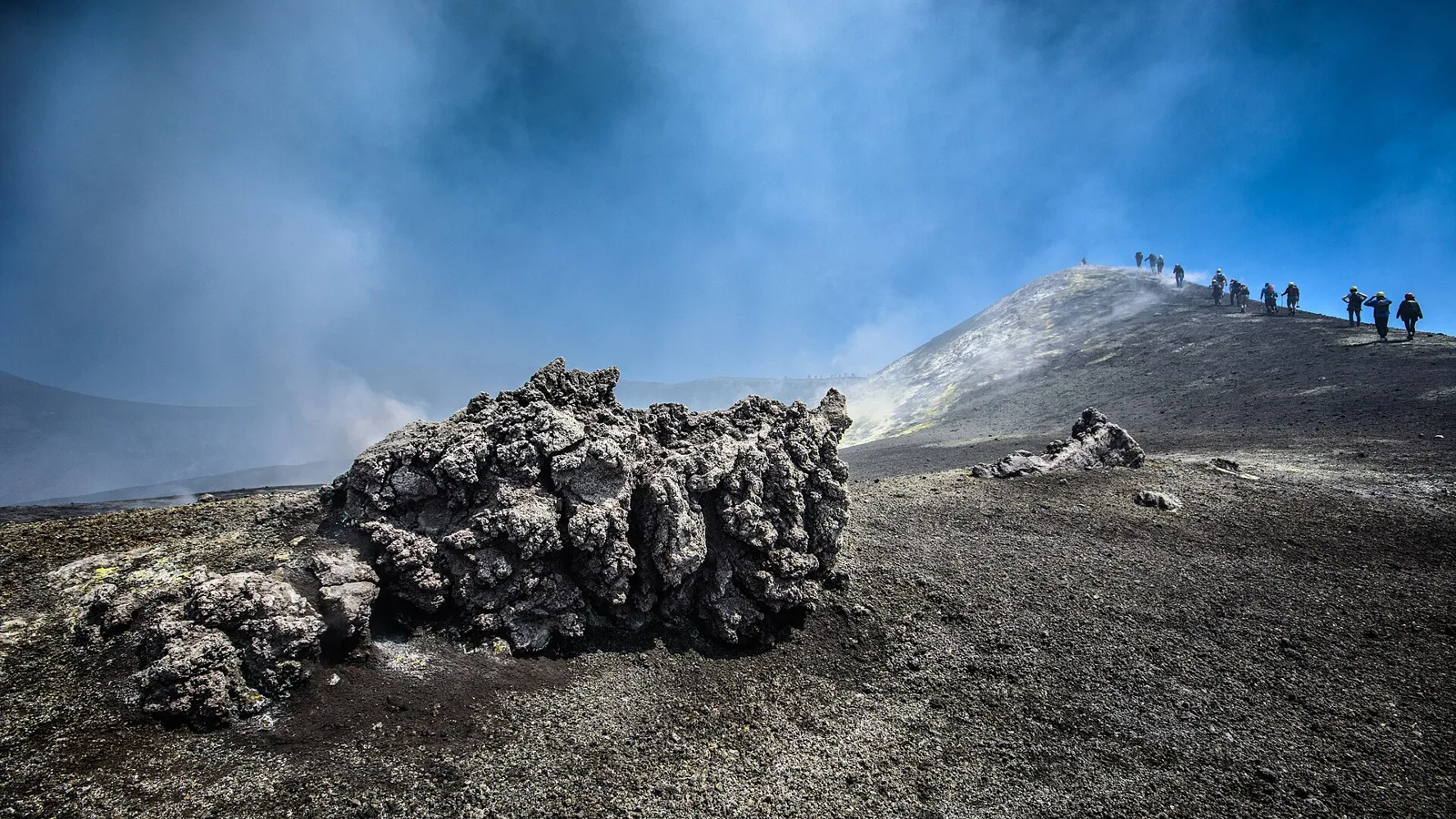

Before you go
Since 1987 the mountain has been protected by Etna Park, the first regional park created in Sicily. Depending on volcanic activity, the surrounding towns may close the summit area by local ordinance. Independent hikers can only go up to set altitudes, and some areas are open only with a licensed guide. Check the official notices for the day before you set out.

Find Mount Etna on Wooriyeojido
The forge inside the volcano was a poets' tale, and the real fire is magma. Still, the story lives on in the word "volcano." Mount Etna is pinned on the Wooriyeojido map. Find it in the Wooriyeojido app, and if you go, leave your photos and your story right beside it.
View this place in the Wooriyeojido appVideos of nearby places
 What did a city buried in volcanic ash overnight leave behind? Vesuvius and Pompeii
 What became of the moon princess's elixir? The Tale of the Bamboo Cutter and Mount Fuji
 An island where even the frogs stay silent? Serifos, Greece
Sources
- UNESCO World Heritage Centre — Mount Etna (1427)
- INGV Vulcani — Etna: come varia la quota di un vulcano attivo (2024-07-15)
- INGV Vulcani — Etna, 30 anni dopo: La vendetta della Voragine (2026-07-17)
- Parco dell'Etna — Il Parco
- Parco dell'Etna — Ordinanze Sindaci
- USGS — Where did the term volcano come from?
- Aeschylus, Prometheus Bound, ll. 363-369 (H. W. Smyth transl., 1926), Perseus Digital Library
- Virgil, Aeneid, Book 8 (Latin text), The Latin Library