Mount Fuji, where a moon princess's elixir went up in smoke
Japan's oldest surviving tale ends with an elixir of immortality burned on the summit of Mount Fuji. Here is the story, the real volcano behind its smoke, and the view from Lake Kawaguchi, in video and photos.
A princess returns to the Moon and leaves behind an elixir of immortality. Who drinks it? According to the Tale of the Bamboo Cutter, often called Japan's oldest surviving story, nobody does. It is carried to the top of Mount Fuji and burned. Start with the short video.

 Watch the one-minute video on YouTube
Japan's highest peak
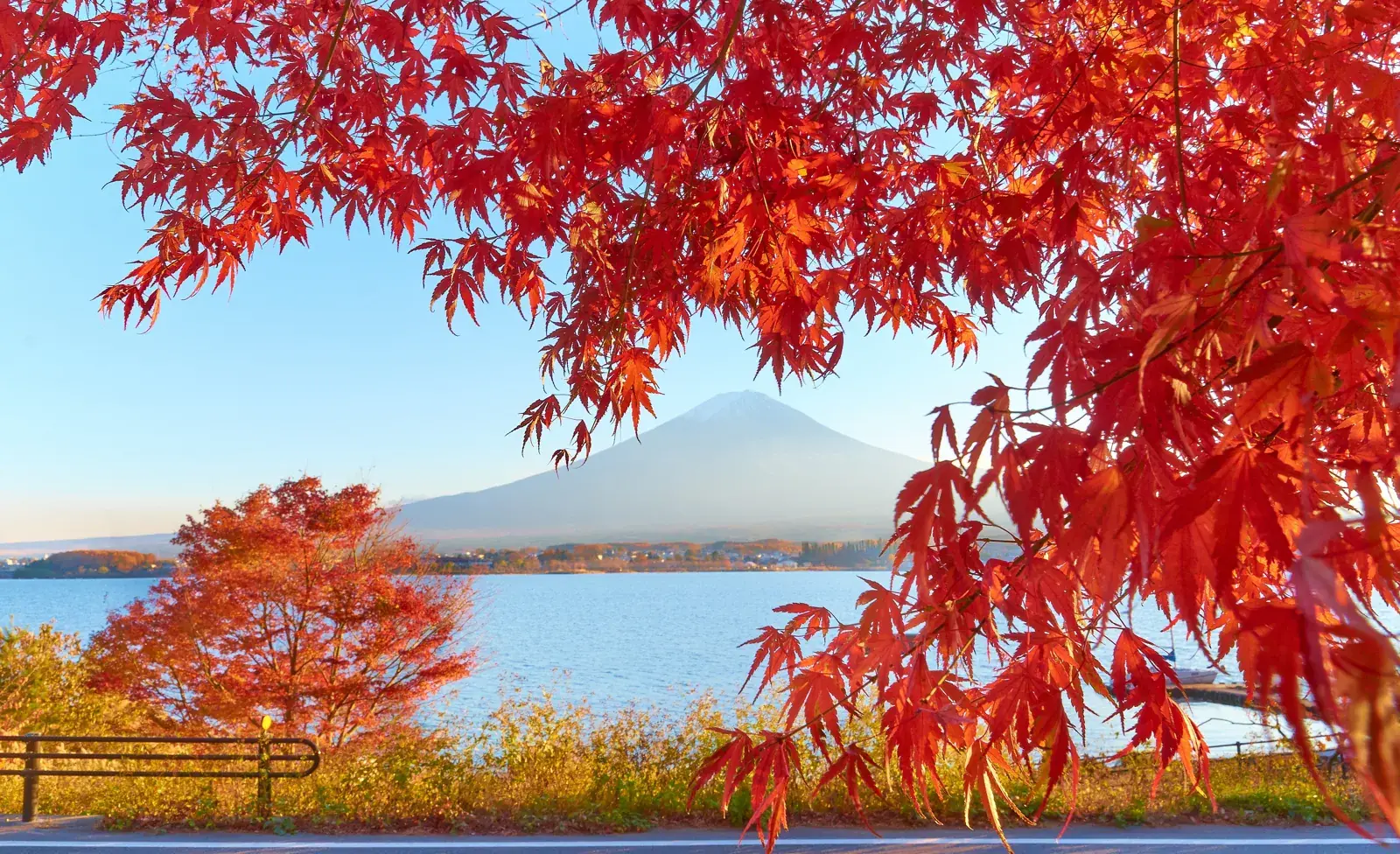
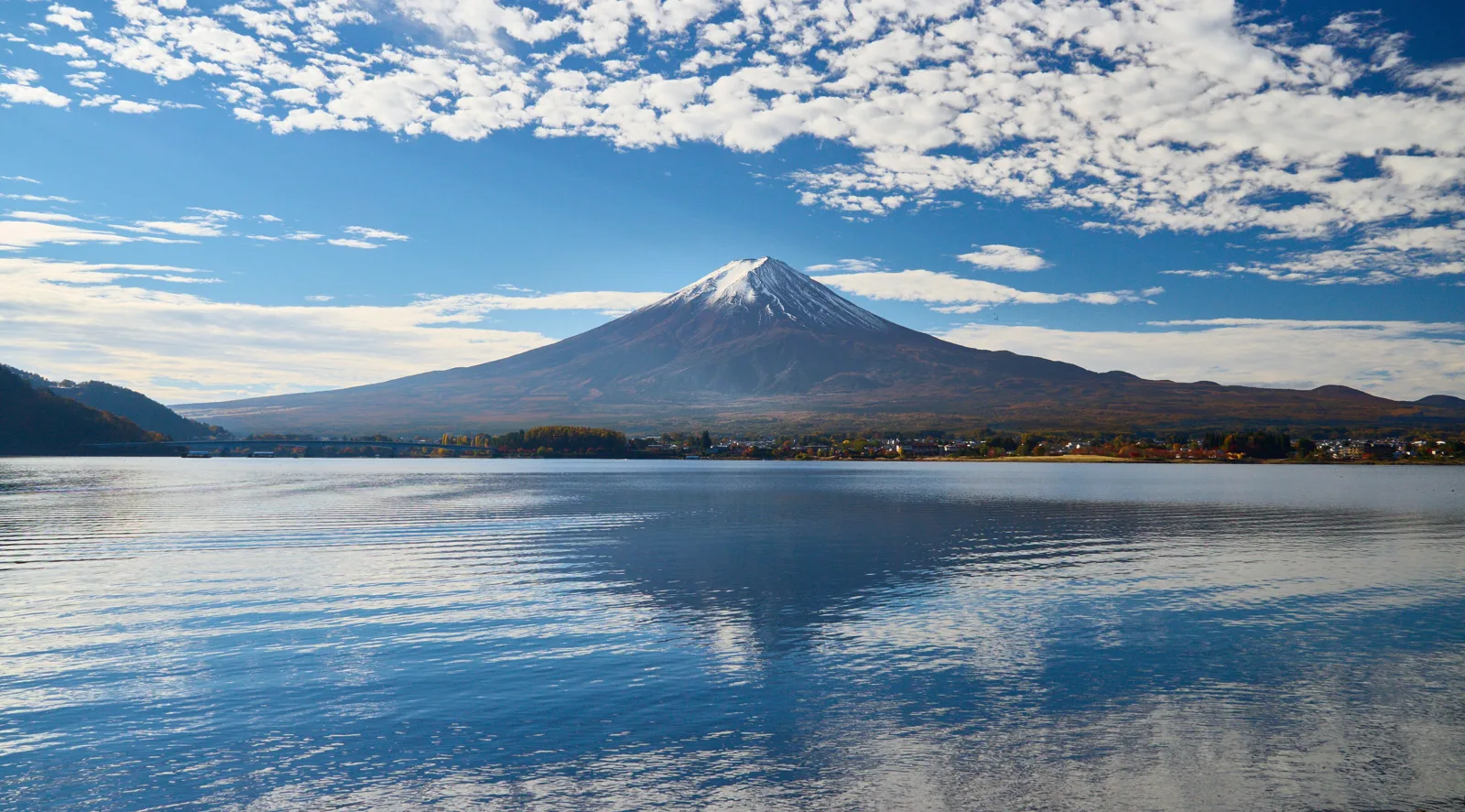
Mount Fuji rises on the border of Yamanashi and Shizuoka prefectures. At 3,776 metres it is the tallest mountain in Japan, and in 2013 it joined the UNESCO World Heritage List as Fujisan, Sacred Place and Source of Artistic Inspiration.
On its northern foot lies Lake Kawaguchi, one of the Fuji Five Lakes. Stand on the shore and the whole cone fills the far side of the water.

A child in a shining bamboo
The Tale of the Bamboo Cutter, or Taketori Monogatari, dates from the early Heian period, and no one knows who wrote it. It opens with an old bamboo cutter who spots a stalk glowing at its base. Inside he finds a tiny child, just three sun tall, or about nine centimetres.
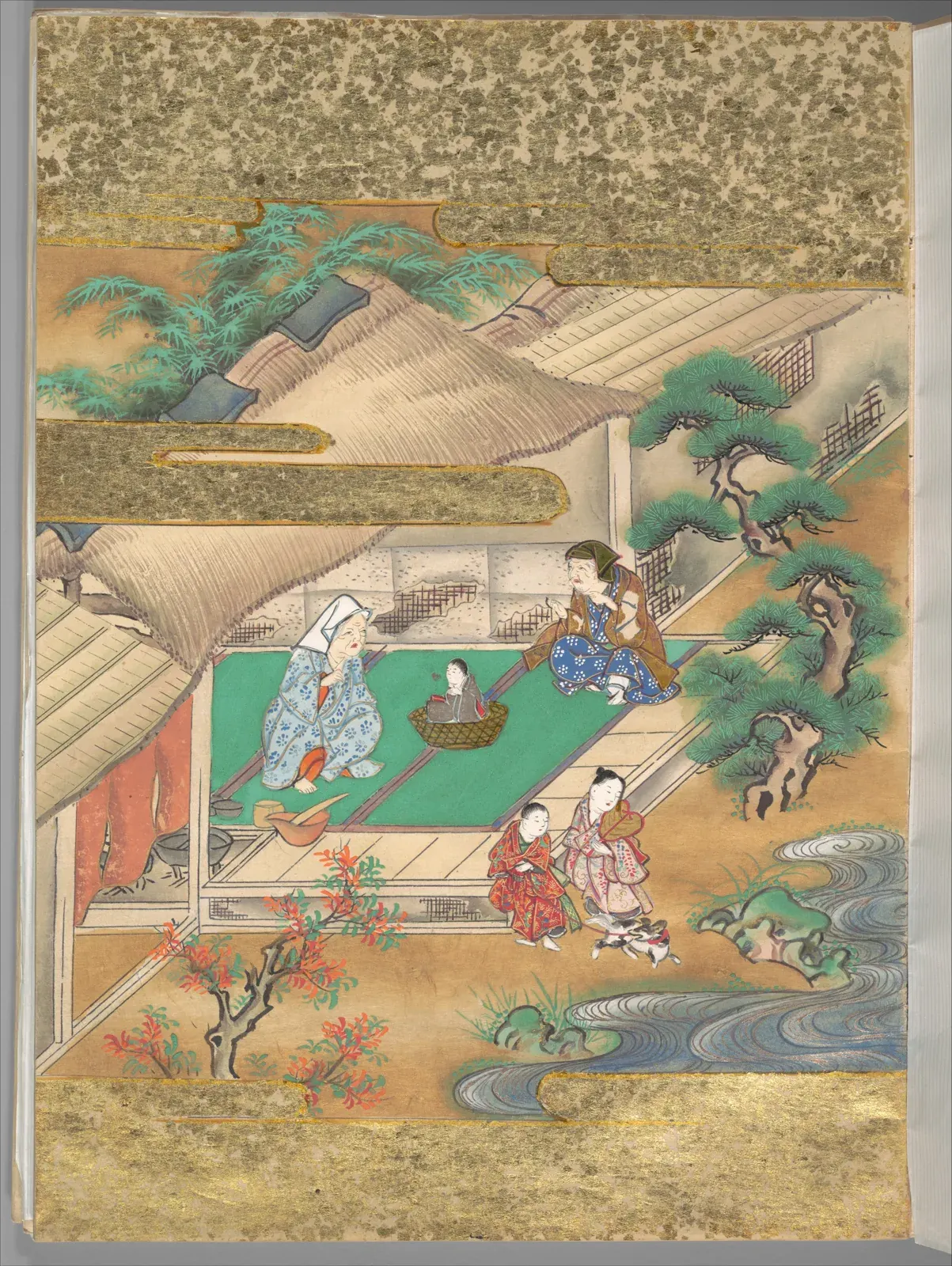

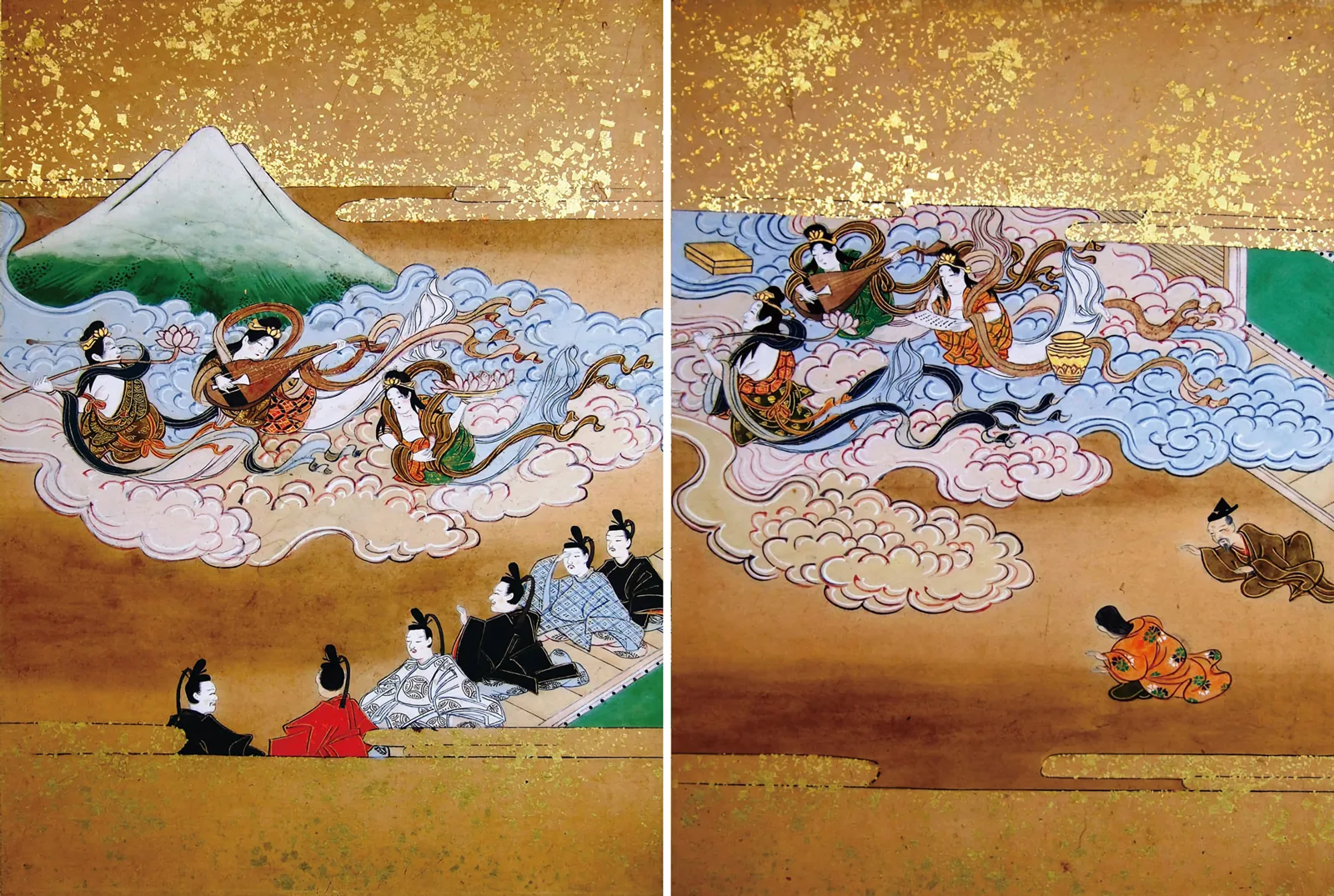
The child grows into a beautiful princess. When her time on Earth is up, some hundred heavenly beings come down in a flying carriage and take her back to the Moon.

The mountain closest to heaven
Before she goes, the princess leaves the emperor a letter and a jar holding the elixir of immortality. The emperor wants none of it and orders both burned. He asks his court which mountain stands closest to heaven. The answer: a mountain in the province of Suruga, near the capital and near the sky.
So the emperor sends a large company of soldiers up that mountain to burn the letter and the elixir on its summit. The tale's last line says that the smoke, it is told, still rises into the clouds.
A pun in the name
The story even explains the mountain's name. Because the climbers were a crowd of soldiers, it says, the peak became Fuji, written with characters meaning "rich in warriors". It is essentially a pun. Some people hear another echo, since fushi means "immortal" in Japanese, but the explanation the tale itself gives is the soldiers.
Was the smoke real?
When the tale took shape, Fuji was an active, smoking volcano. Records from the Japan Meteorological Agency describe a major eruption on the north-western flank between 864 and 866. Lava from that eruption cut a large lake called the Senoumi in two, leaving the lakes now known as Saiko and Shojiko. The encyclopedia Nihon Daihyakka Zensho notes that old texts such as the Bamboo Cutter tale suggest Fuji went on smoking well into recorded history.
The last eruption on firm record is the Hoei eruption of 1707, which burst from the south-eastern flank and showered heavy ash as far as Edo, today's Tokyo. Smoke curling from the summit was something people of the time could actually see.
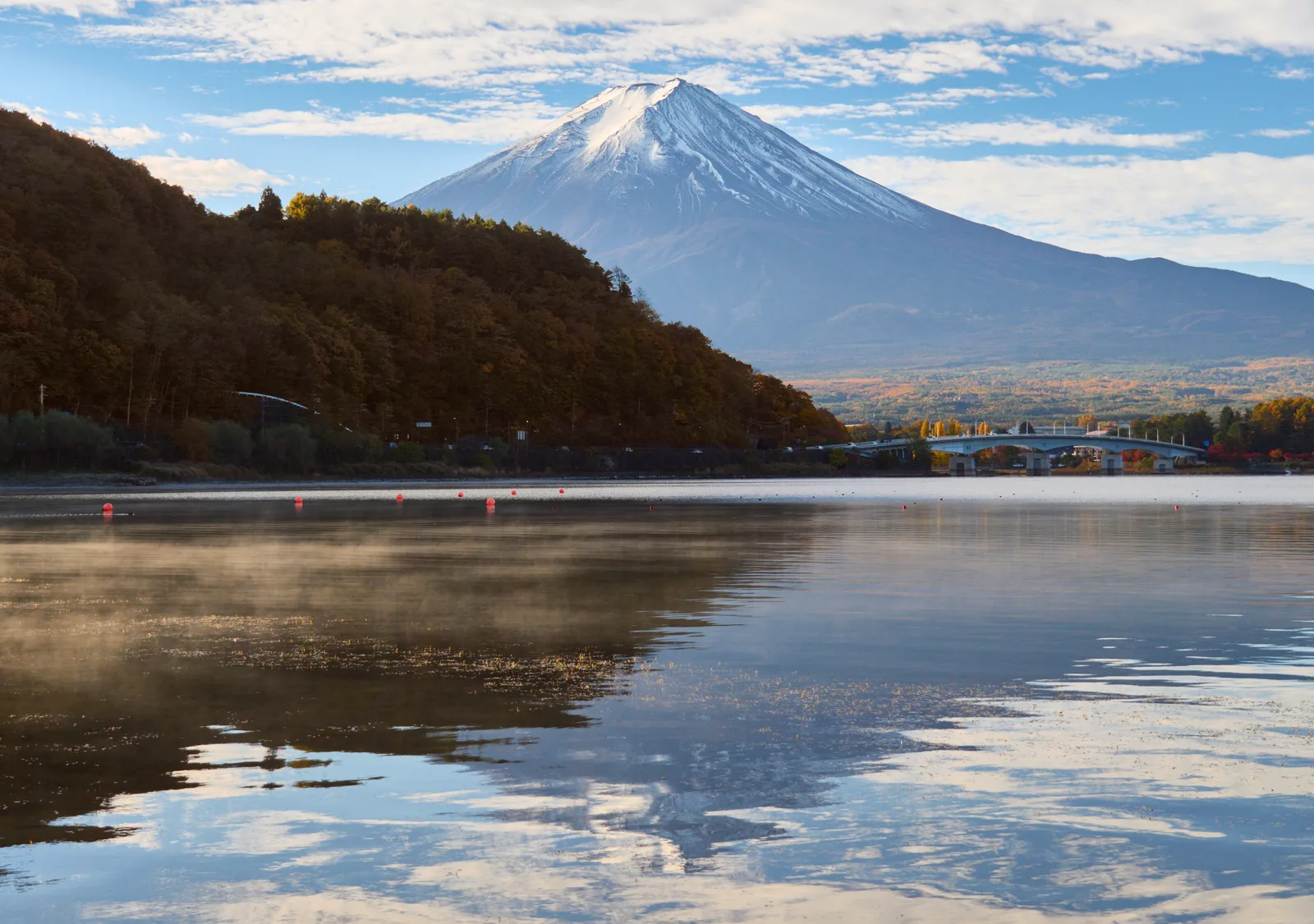

A mountain made for artists
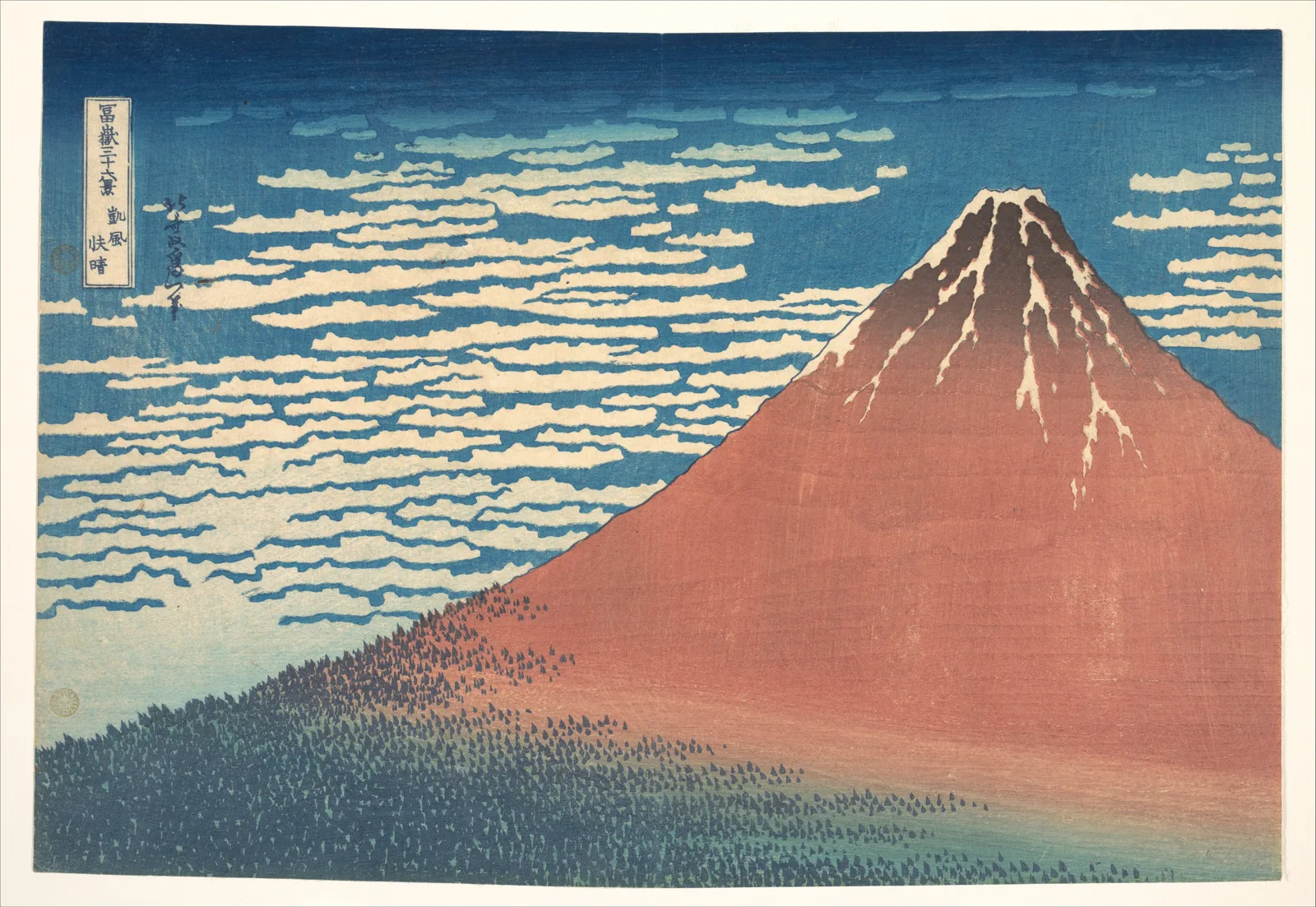
Long after it fell quiet, Fuji kept turning up in art. Katsushika Hokusai devoted a whole series of prints, Thirty-six Views of Mount Fuji, to the peak seen from different places. One of them, South Wind, Clear Sky, shows the mountain flushed red and is widely known as Red Fuji. It is a good picture of why "source of artistic inspiration" made it into the World Heritage title.

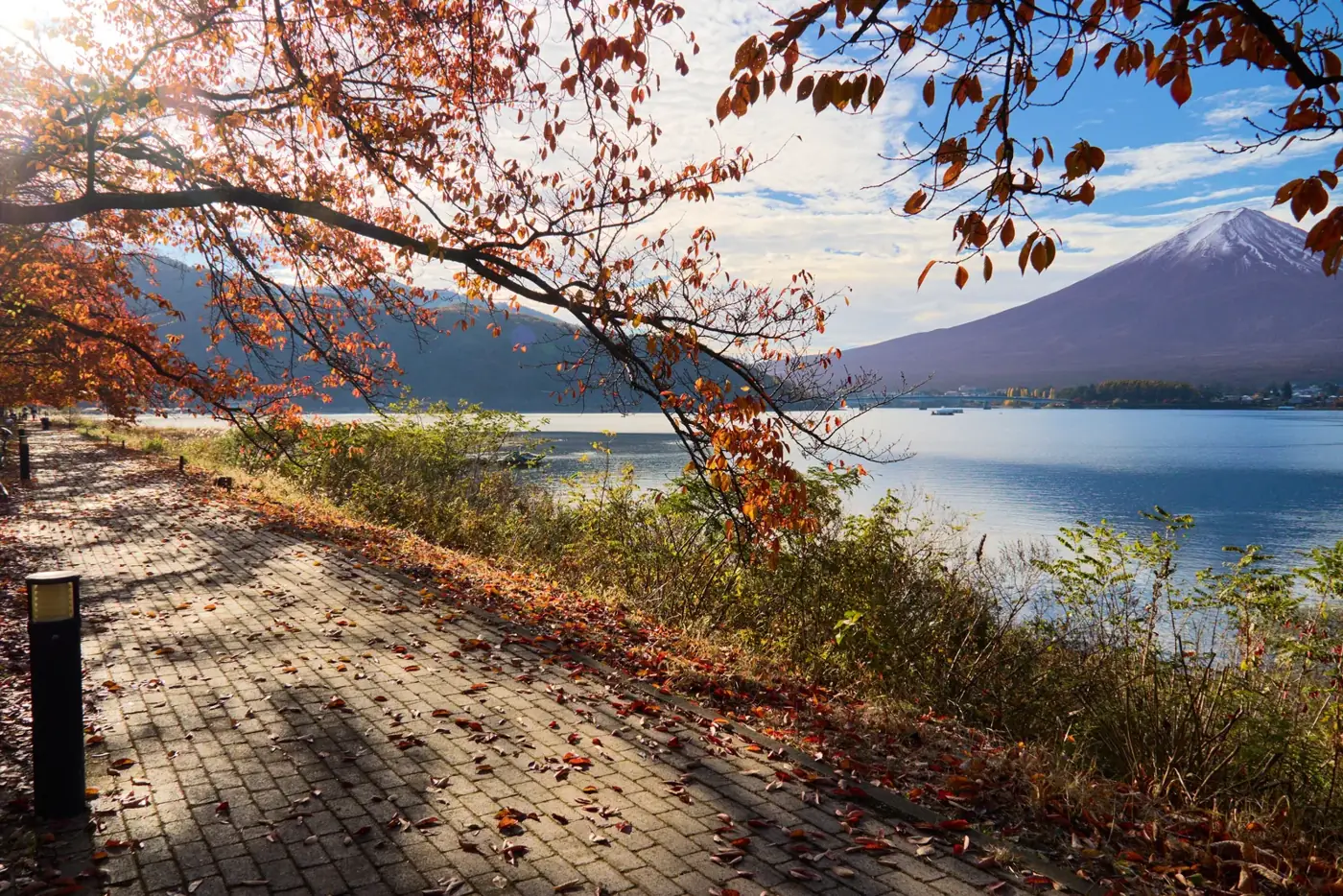
A path follows the shore of Lake Kawaguchi with the mountain in view. In autumn the maples turn scarlet against Fuji's white summit.

Find Mount Fuji on Wooriyeojido
A mountain where a moon princess's elixir went up in smoke, and a real volcano that smoked for centuries. Mount Fuji is pinned on the Wooriyeojido map. Find Mount Fuji and Lake Kawaguchi in the Wooriyeojido app, and if you go, leave your photos and stories from the day right beside it.
View this place in the Wooriyeojido appVideos of nearby places
 Izumo Taisha, where the gods of Japan gather
 Why foxes are messengers of the gods: Fushimi Inari Taisha in Kyoto
 Why deer are messengers of the gods: Kasuga Taisha in Nara