The Moai of Rapa Nui: Did Easter Island's Giants Really Walk?
The giant stone moai of Rapa Nui, Chile's Easter Island. A short video and photos on the island's tradition that the statues walked to their platforms, and on the experiments and fieldwork that have put that story to the test.
Some 3,700 kilometers (2,300 miles) off the coast of mainland Chile, in the middle of the Pacific, lies Rapa Nui, better known as Easter Island. Hundreds of colossal stone figures called moai stand across it. And the island has an old story about them: the moai walked to their places on their own. Start with the short video.

 Watch the one-minute video on YouTube
Ancestors carved in stone
Rapa Nui belongs to Chile. According to UNESCO, a Polynesian society built ceremonial sites across the island between the tenth and sixteenth centuries and raised the moai there. The moai are giant stone figures representing ancestors, and the stone platforms they stand on are called ahu. Rapa Nui National Park was named a UNESCO World Heritage Site in 1995.
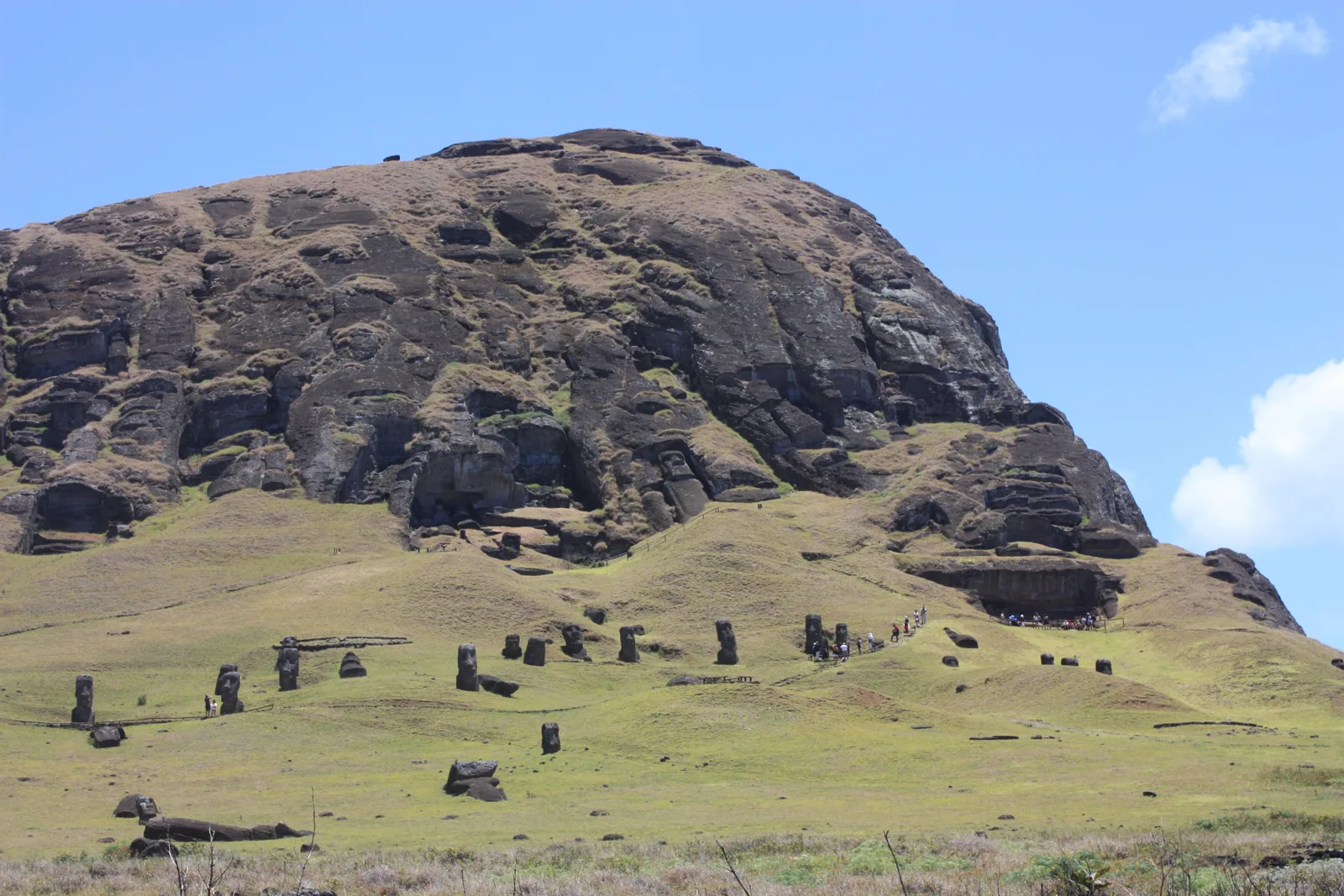
Rano Raraku, the moai quarry
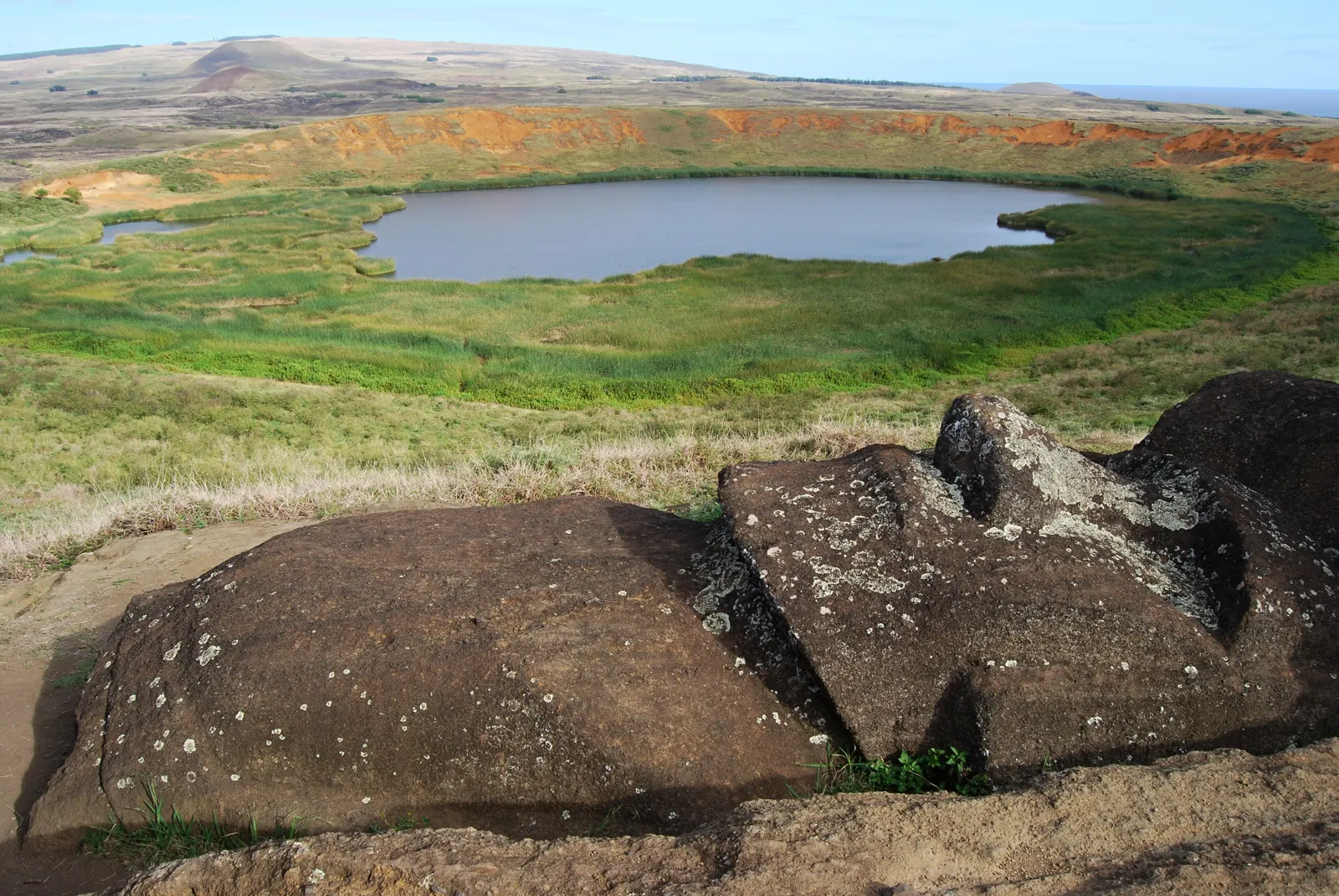
Rano Raraku, on one side of the island, was the main quarry where the moai were carved. Of the more than 900 moai on the island, around 400 are still here, in every stage from finished figure to rough outline in the rock. UNESCO notes that most were cut from the quarry's volcanic tuff using basalt stone tools called toki.

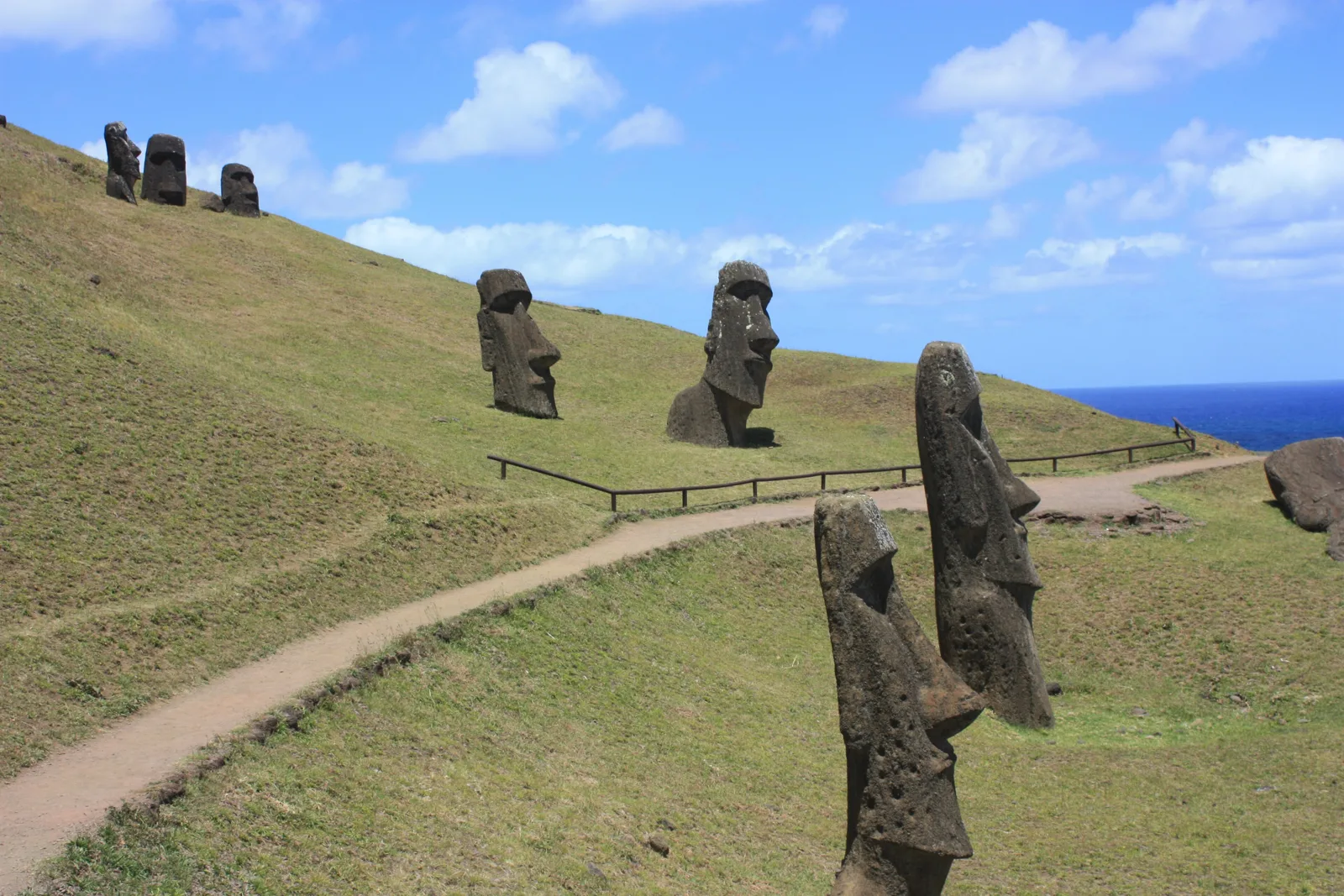
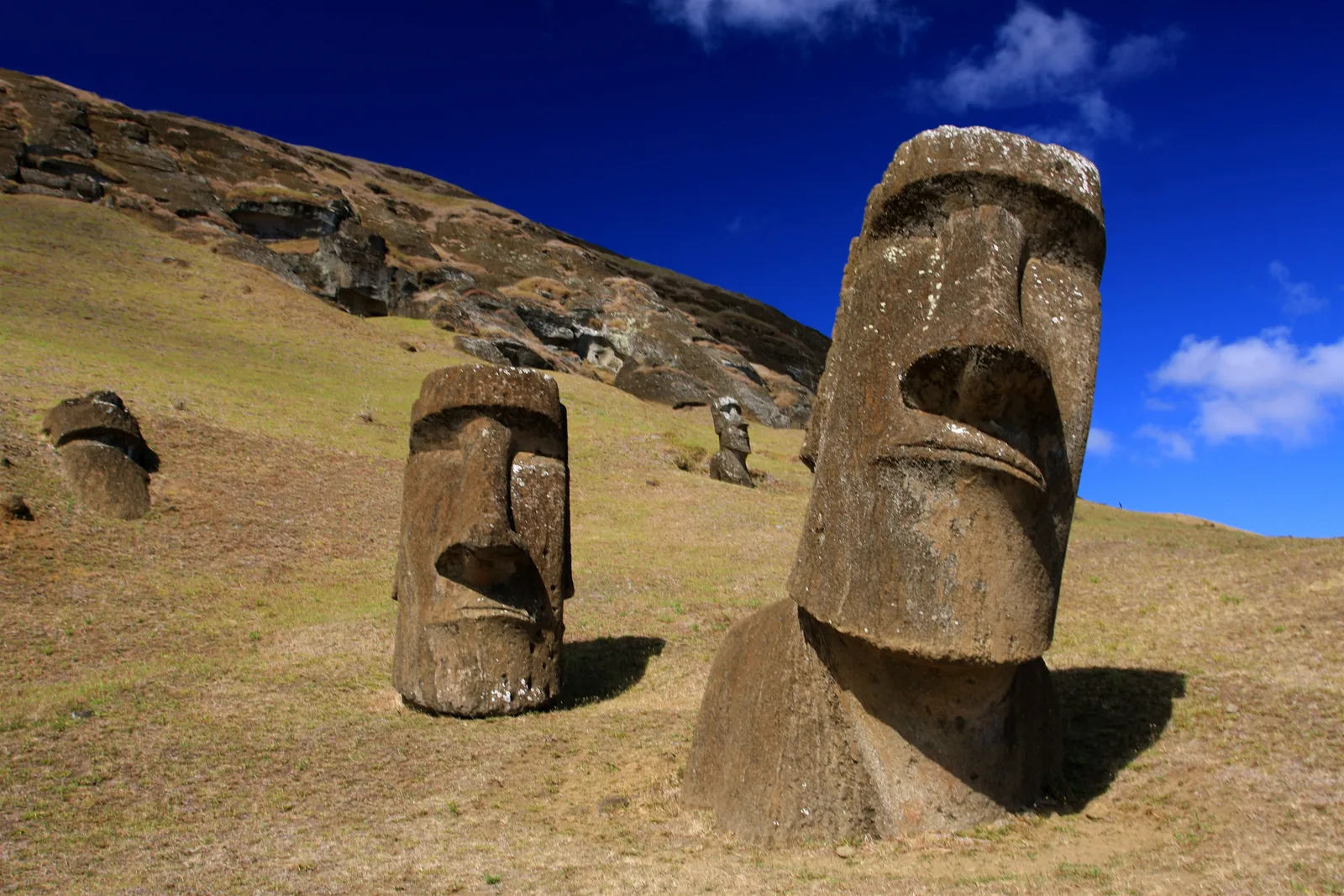
A path winds up the slope past figures standing in the grass. Many are buried so deep that little more than their great heads show.



The statues that walked
So how did these massive statues get from the quarry to platforms all over the island? Rapa Nui tradition has an answer: they walked. Chile's national tourism board notes that several myths say the moai made their own way to their sites. Some versions center on mana, a mystical or divine power. Whoever held mana could command the moai to walk to their appointed places, though accounts differ widely on who that was.
What the researchers say
For a long time, scholars treated the walking story as nothing more than myth. But some researchers took the oral tradition seriously.
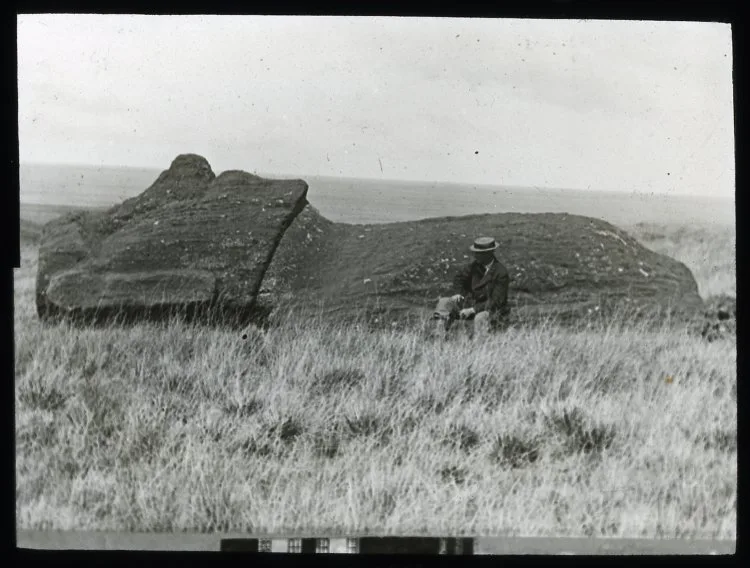
In a 2011 experiment, 18 people with three ropes moved an upright replica, about 3 meters (10 feet) tall and weighing about 5 tons, by rocking it from side to side so that it inched forward. In 2025 a team from the University of Arizona examined 62 of the island's 962 moai, the ones left lying along ancient roads. These statues lean slightly forward and have wide bases, a shape the researchers say suits being "walked" upright. It is one explanation, not the final word. Others still argue that the moai were laid down and dragged on sledges or rolled over logs.

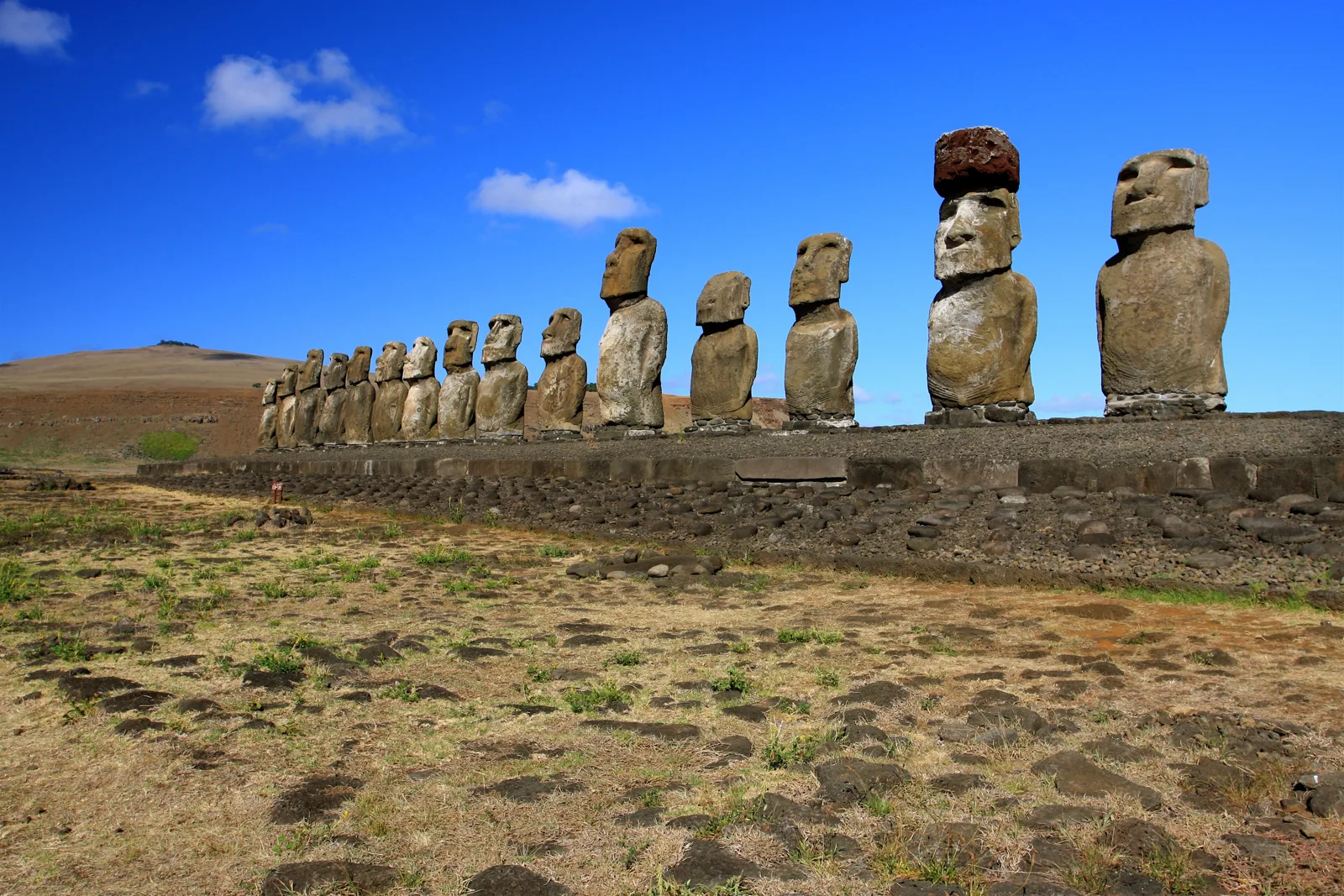
Fifteen giants by the sea
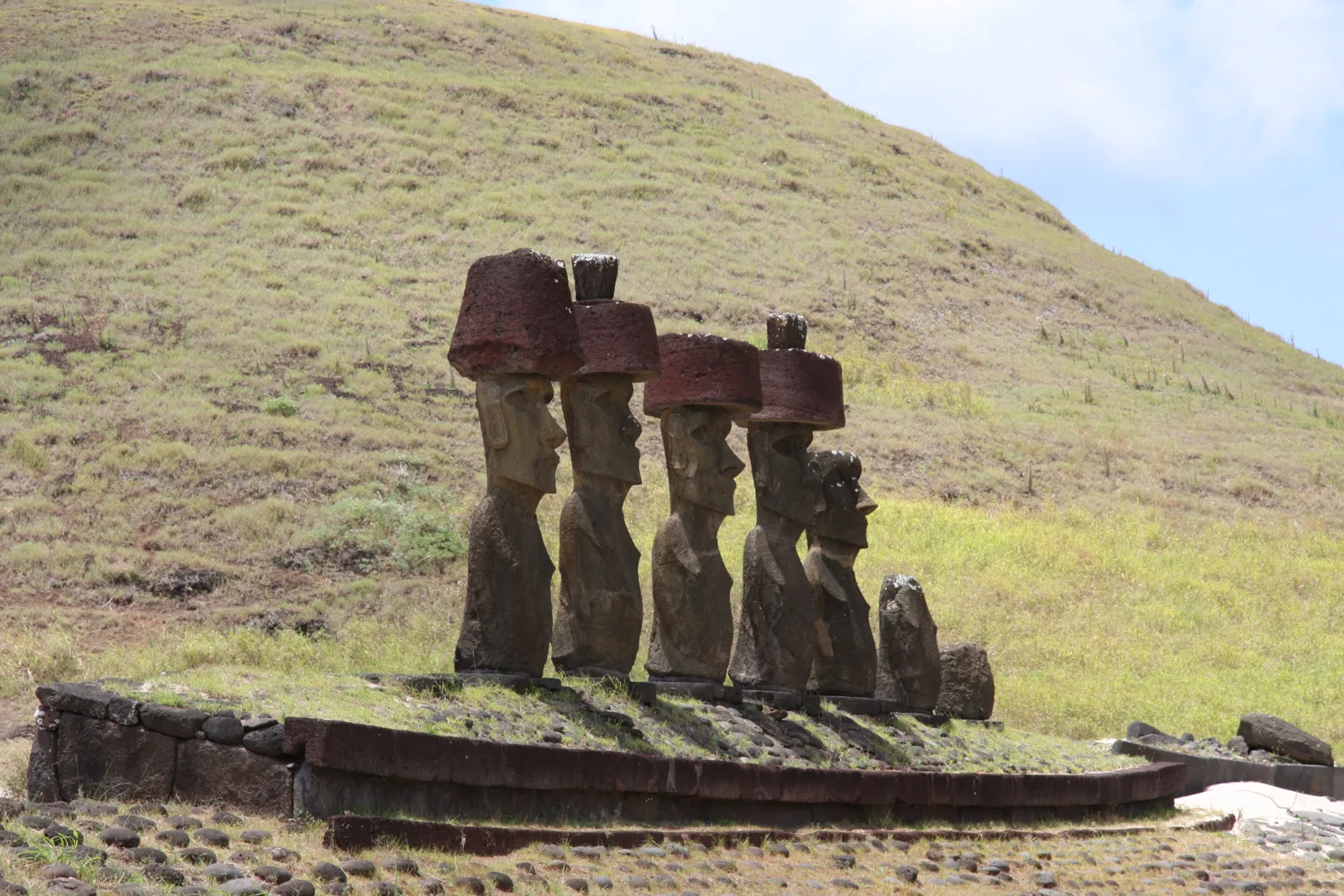
At Ahu Tongariki, on the coast, fifteen moai stand side by side on a single long platform. One of them wears a red stone topknot on its head. Other platforms on the island also have rows of moai crowned with red stone.

Before you visit
Since November 2017, Rapa Nui National Park has been managed by the Ma'u Henua indigenous community, working together with Chile's forestry agency, CONAF. Climbing on, walking on, or touching the moai and ahu is not allowed.
Find the Moai on Wooriyeojido
Did the moai really walk? No one can say for sure. Tradition and science tell the story differently, but the stone giants still stand all over the island. The moai of Rapa Nui are pinned on the Wooriyeojido map. Find them in the Wooriyeojido app, and if you go, leave your photos and your story right beside them.
View this place in the Wooriyeojido appVideos of nearby places
 Nazca Lines: drawings you can only see from the sky
 Machu Picchu: the mountaintop city forgotten for nearly 400 years
 Armor with no metal at all: coconut-fiber armor from Kiribati
Sources
- UNESCO World Heritage Centre — Rapa Nui National Park (715)
- Chile Travel — 5 Fun Facts about the Moai of Rapa Nui
- Chile Travel — Five curiosities about the Moai of Rapa Nui
- PBS NOVA — Easter Island: Moving the Moai, Past Attempts
- Rapa Nui National Park (official website, Ma'u Henua community)
- CONAF — Parque Nacional Rapa Nui
- Smithsonian Magazine — How Easter Island Statues 'Walked' To Their Stations (2012)
- University of Arizona, School of Anthropology — Walking Statues: Oral History Meets Archaeology (2025)