Kiribati Coconut-Fibre Armour: How Warriors Fought Without Metal
Warriors in Kiribati, a Pacific island nation, wore armour woven from coconut fibre. Patterns made of human hair, a helmet made from a porcupine fish, and the shark-tooth weapons it was built to stop, with photos from a Stockholm museum collection.
Here is a suit of armour without a single scrap of metal in it. Warriors in Kiribati, an island nation in the Pacific, went into battle wearing armour twisted and woven from the fibre of coconut husks. So what exactly was it meant to stop? Start with the short video.
 Watch the one-minute video on YouTube
Nineteenth-century armour from Kiribati
Kiribati is made up of islands scattered across the central Pacific. It used to be known as the Gilbert Islands. The armour shown here was in use there around the 19th century and now belongs to the Museum of Ethnography in Stockholm, Sweden.
According to *Fighting Fibres*, a study by a team of British museum researchers, armour was made in large numbers during the large-scale wars of the 1800s. Production declined in the early 1900s.
Te kora: string rolled on the thigh
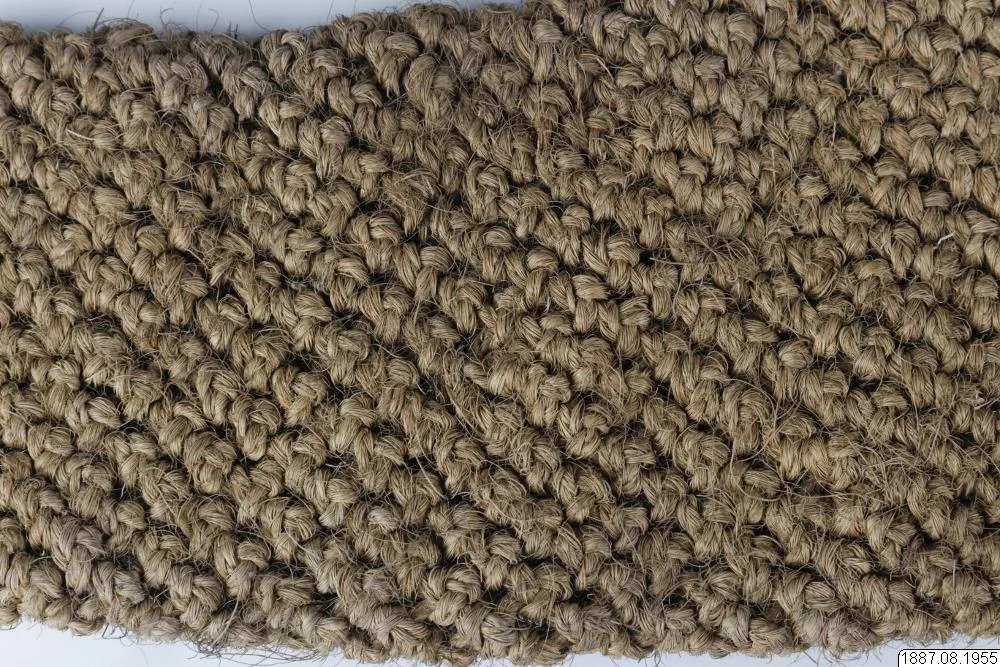
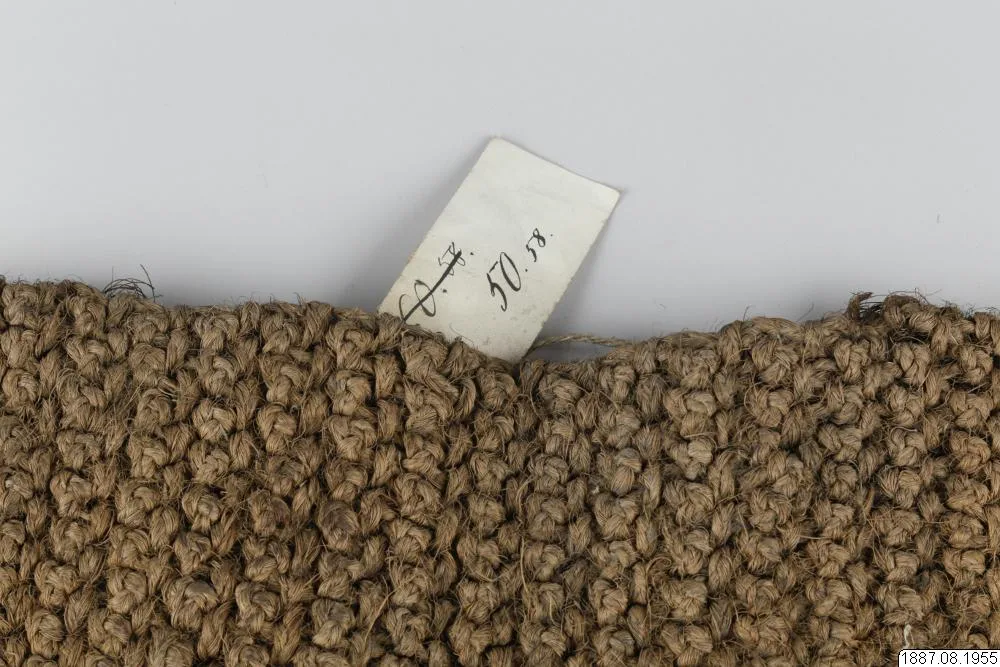
The basic material is string spun from coconut fibre, known as te kora. Women made it by rolling the fibre against their thighs to twist it into cord. Both men and women had a hand in making a suit of armour.
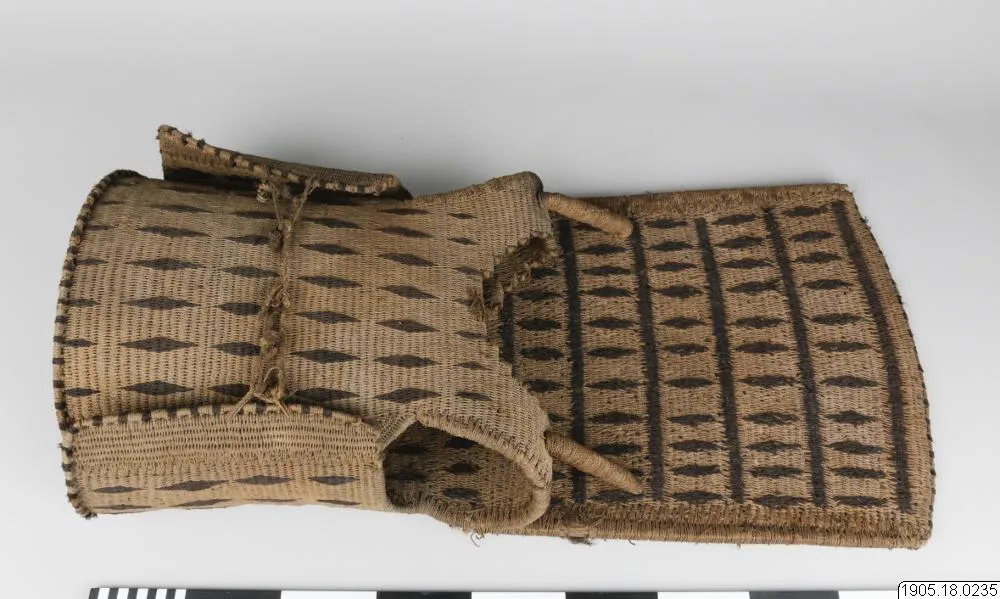
The Stockholm museum describes the armour as finely woven coconut fibre covering the whole body. The neck protector carries rows of black diamonds on a dark brown ground.
Overalls, jacket, cuirass and helmet
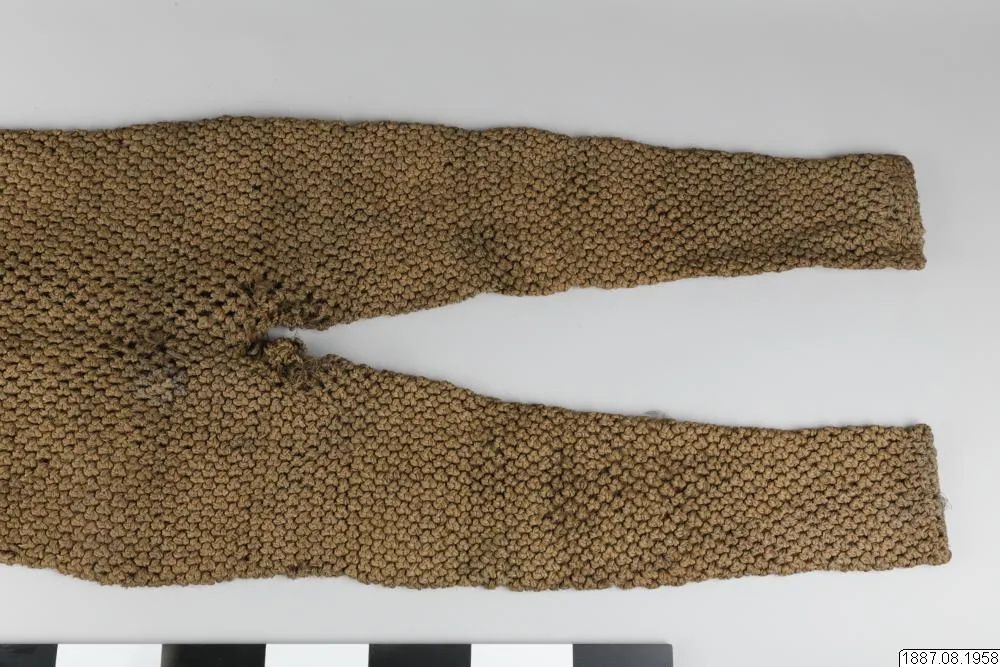
A full suit was built up in layers. First came a pair of overalls reaching to the chest, held up by two shoulder straps. Next was a jacket covering the torso and arms, and over that a stiff cuirass. The last piece was a helmet made either of coconut fibre or from the skin of a porcupine fish. Not every warrior, though, wore all of these at once.
Patterns made of human hair
The black diamonds on the cuirass were woven with cords of human hair. The museum's record lists the materials of this cuirass as coconut fibre and human hair. The researchers note that only women's hair is believed to have been used, and that it always came from a relative of the warrior.
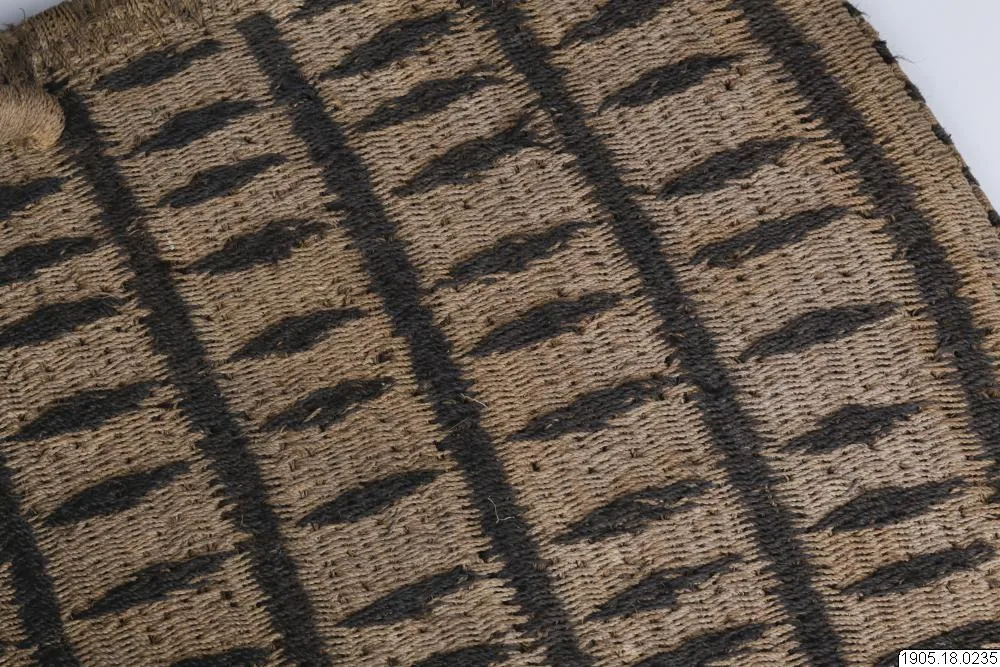
Making a single cuirass would have taken a communal effort, many weeks of work and several thousand coconuts.
Its most striking feature is the tall guard rising behind the head. Both the study and the Pitt Rivers Museum in Oxford explain that it protected the warrior from stones coming from behind. Those stones were not thrown by the enemy. They were hurled at the enemy by the warrior's own supporters, standing behind him. The Pitt Rivers Museum says it was the women of his side who threw them.
A helmet made from a puffed-up fish
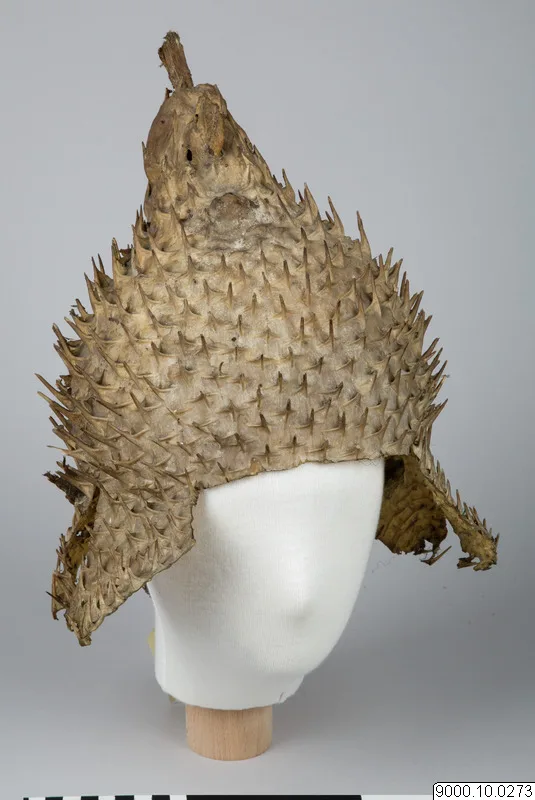
Some helmets were made from porcupine fish, and the method is remarkable. When startled, the fish gulps water and swells to several times its normal size, and it was caught in that inflated state. It was then buried in sand so that insects could clean out the inside, and left in the sun for about a week to dry.
The helmet pictured here stands 37 cm tall. The museum's record says it was collected in 1884 and is very probably one of the helmets brought back on the round-the-world voyage of the Swedish frigate Vanadis.
The threat: shark-tooth weapons
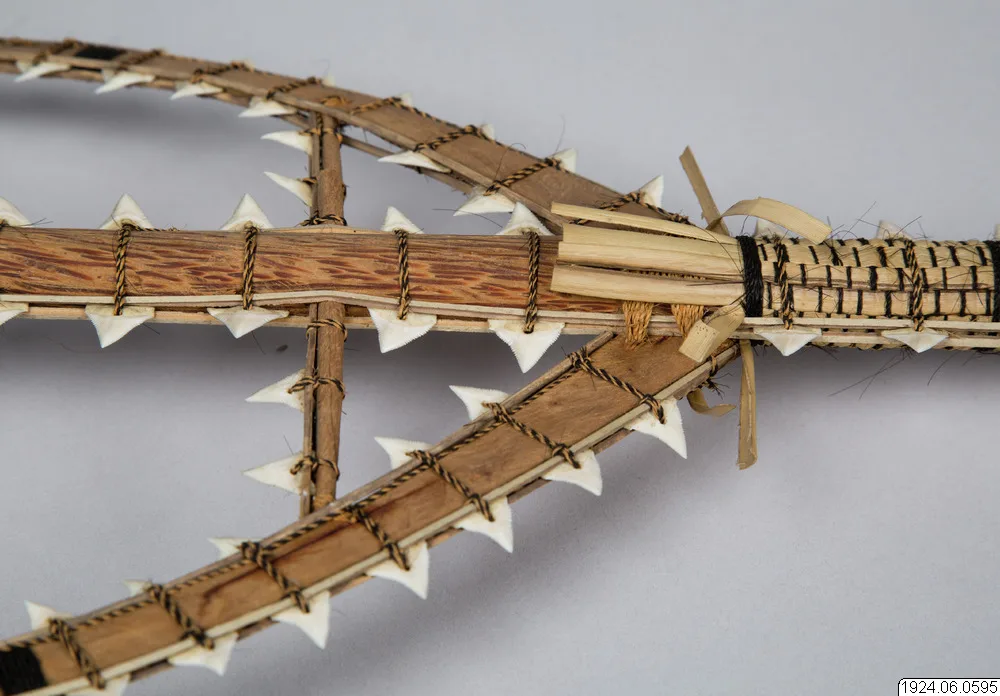
What was all this protection for? Shark-tooth weapons. In Kiribati, shark teeth were drilled and lashed in rows along wooden blades to make spears and swords. Te Papa, the Museum of New Zealand, notes that a wide range of long and short hand weapons with shark-tooth blades was made in Kiribati.
This spear in the Stockholm collection is 161 cm long and made of wood, shark teeth, coconut fibre and human hair. The armour was designed to shield every part of a warrior's body from blows like these.
The road to Stockholm
Much of this collection reached Sweden thanks to one man. The Swedish ethnographer Hjalmar Stolpe sailed on the Vanadis's voyage around the world from 1883 to 1885 and brought home 7,500 objects. The museum's overalls and jacket were bought during that voyage from a German trading company at Jaluit in the Marshall Islands, and entered the museum in 1887.
Find Kiribati on Wooriyeojido
An island nation whose warriors were protected by coconut cord, human hair and the skin of a fish. Kiribati is pinned on the Wooriyeojido map. Look it up in the app, and if you go, leave your photos and stories from the day right beside it.
View this place in the Wooriyeojido appVideos of nearby places


Sources
- Etnografiska museet (Statens museer för världskultur) — cuirass 1905.18.0235 (te tanga)
- Etnografiska museet — porcupine-fish helmet 9000.10.0273 (te barantauti)
- Etnografiska museet — shark-tooth spear 1924.06.0595
- Etnografiska museet — overalls 1887.08.1958 (te otanga)
- Etnografiska museet — upper-body armour 1887.08.1955 (te tuta)
- Adams, Bence & Clark (eds.), Fighting Fibres: Kiribati Armour and Museum Collections, Sidestone Press (2018)
- Pitt Rivers Museum, University of Oxford — Arms and armour, Oceania
- Museum of New Zealand Te Papa Tongarewa — Rere (knife or short sword)