Marathon: Where Did 26.2 Miles Really Come From?
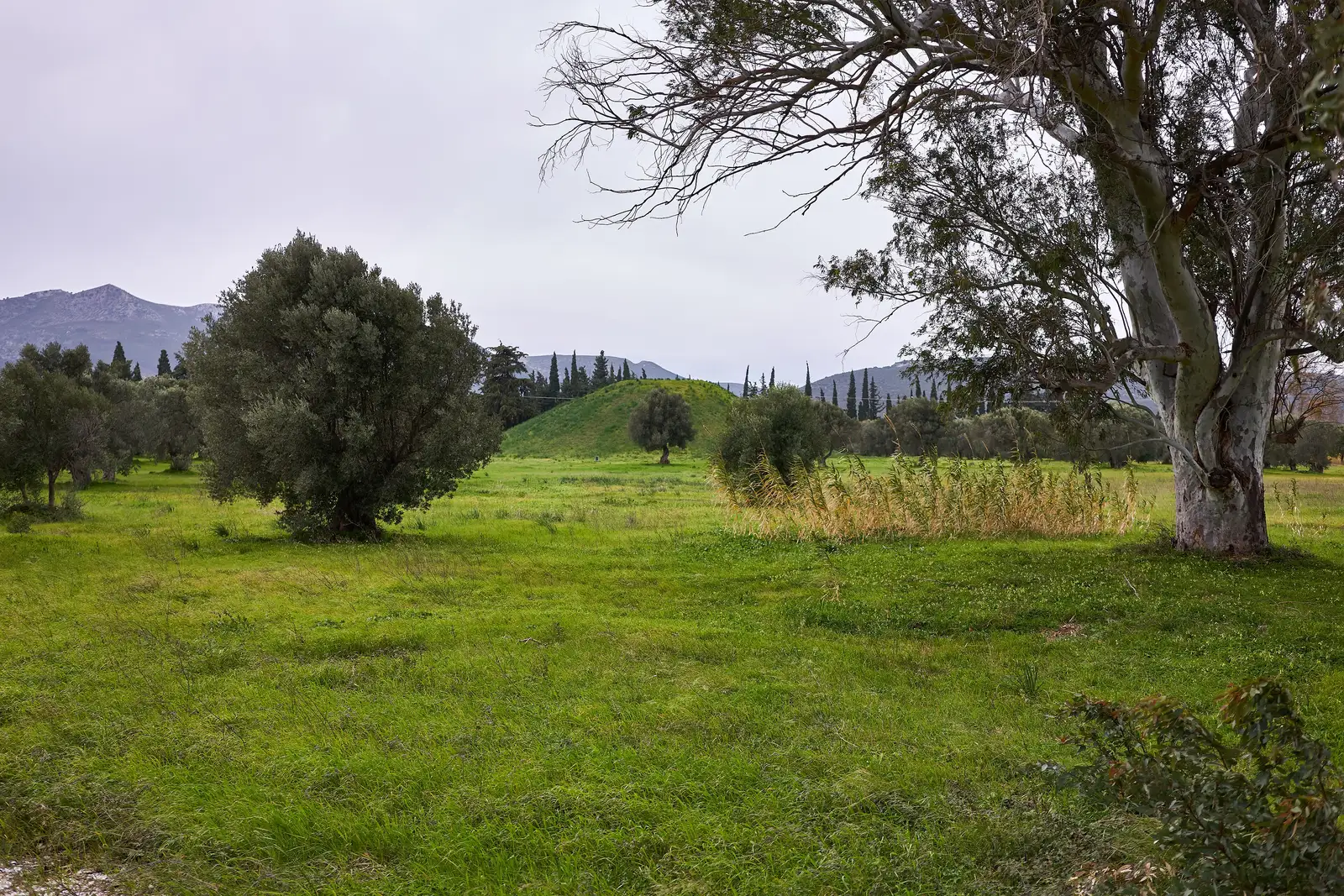
The burial mound of the Athenians on the plain of Marathon in Greece. A short video and photos on the battle of 490 BCE, the runner who really made a famous journey, and how the 42.195-kilometer distance was born in London in 1908.
A marathon is 42.195 kilometers, or 26.2 miles. Not 40, not 42, but a figure that oddly specific. Why? The story begins more than 2,500 years ago, with a battle on a coastal plain in Greece. Start with the short video.

 Watch the one-minute video on YouTube
A mound in the middle of the plain
Marathon is a plain beside the sea in Attica, the region around Athens. In the middle of it rises a large, round, grassy mound, long held to be the grave of the Athenians who fell in the battle. When it was excavated in 1890 and 1891, diggers found a layer of charcoal and bone inside.

490 BCE: the run to Sparta
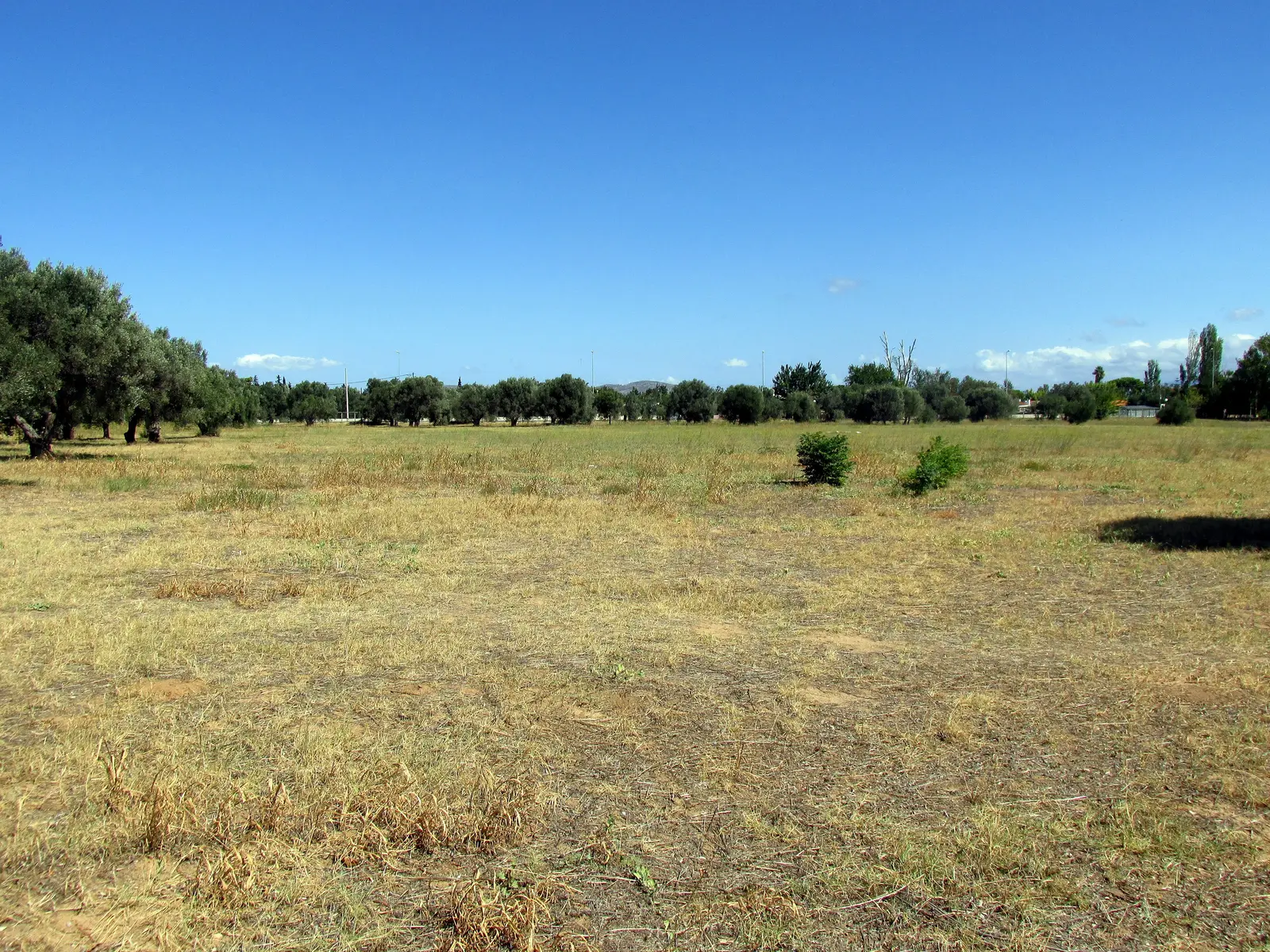
In 490 BCE a Persian army crossed the sea and landed on the plain of Marathon. Athens sent a runner to Sparta to ask for help. According to the Greek historian Herodotus, his name was Philippides (often given as Pheidippides), and running long distances was his profession. He reached Sparta the day after leaving Athens, a journey of well over 200 kilometers (more than 125 miles).
The Spartans replied that religious custom kept them from marching until the moon was full. The Athenians did not wait. They met the Persians at Marathon, and by Herodotus's count about 6,400 Persians died against 192 Athenians.
After the battle the Athenians hurried back to Athens as fast as their legs would carry them, and arrived before the Persian fleet could. That is where Herodotus's account of the episode ends.
The messenger who wasn't there
The version most people know is different: a soldier runs all the way from Marathon to Athens, announces the victory, and drops dead. Herodotus says nothing of the kind. That tale first turns up in writers of the Roman era, more than five centuries after the battle, and they do not even agree on the runner's name. Plutarch calls him Eucles; Lucian calls him Philippides.
How 42.195 kilometers became the rule
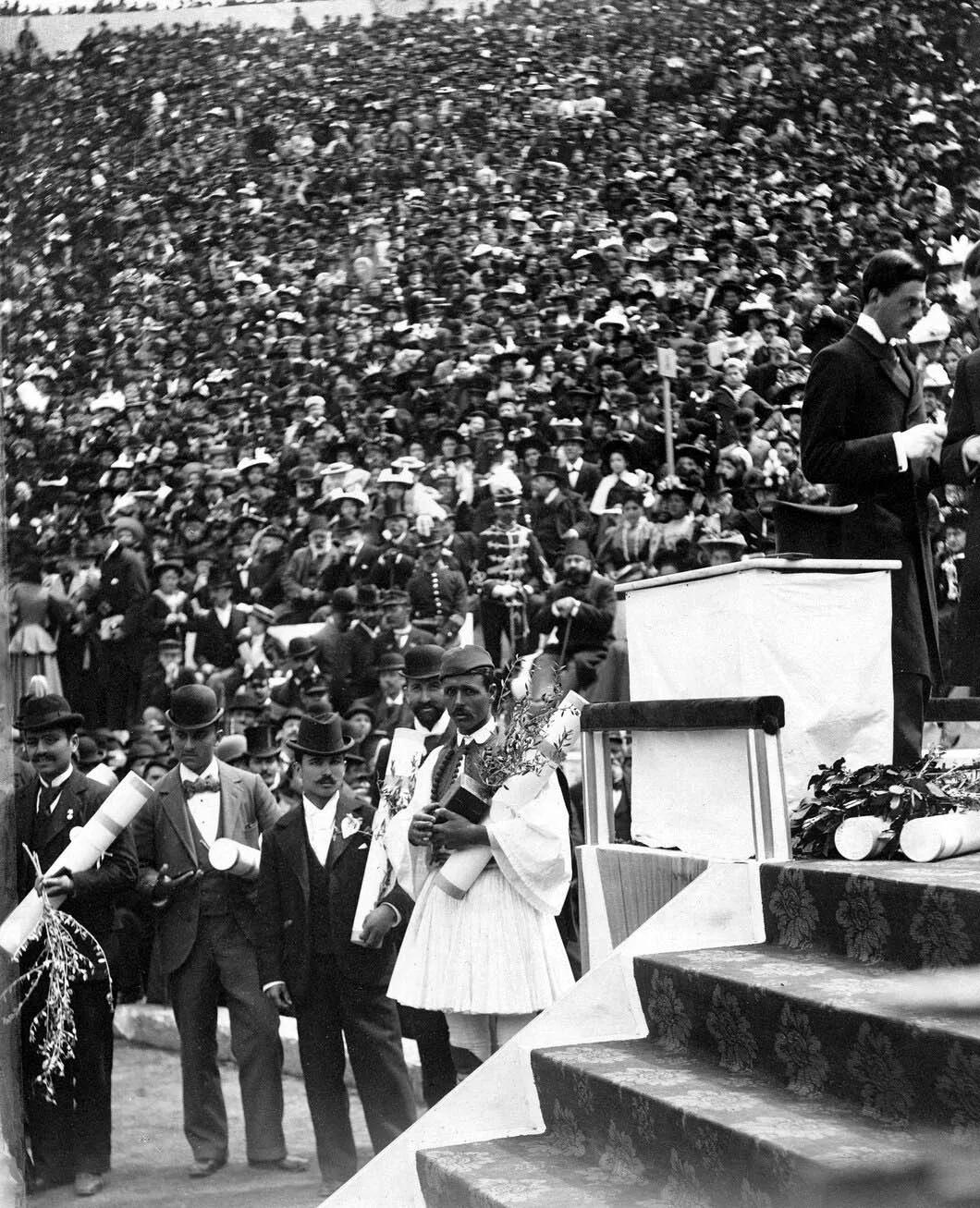
The marathon joined the Olympic program at the first modern Games, held in Athens in 1896. The course ran about 40 kilometers from the village of Marathon to Athens, and the winner was a Greek, Spyridon Louis.

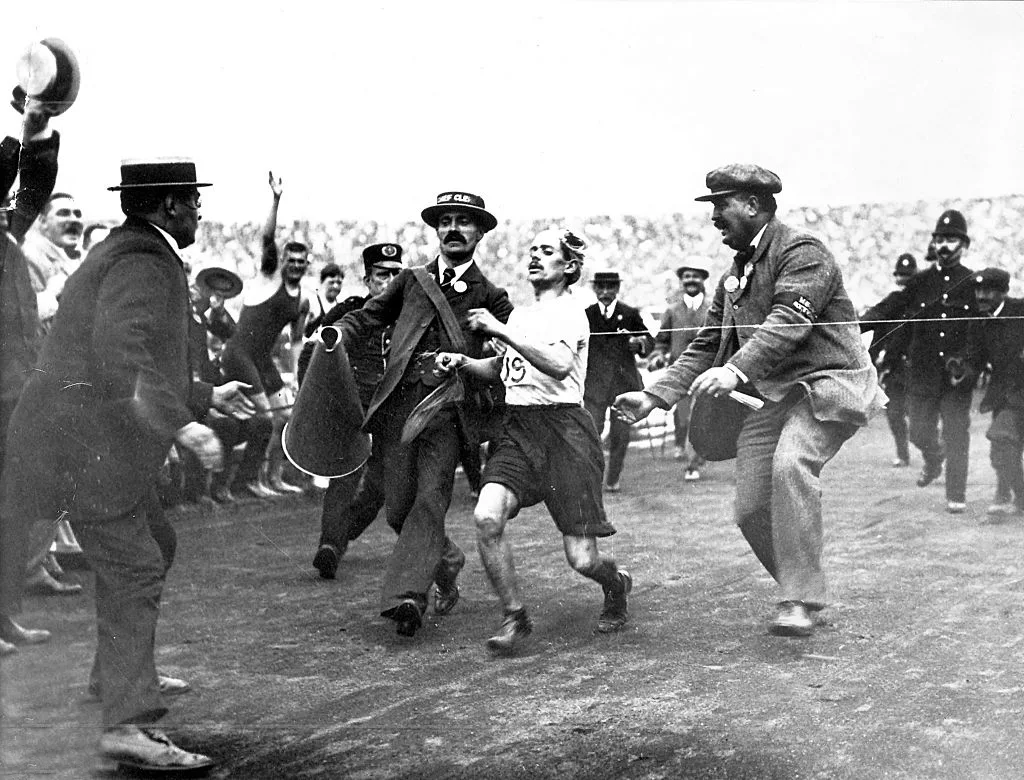
The distance of 42.195 kilometers was first used at the 1908 London Olympics, where the course ran from Windsor Castle to the finish line in the stadium, exactly 42,195 meters. Races still varied in length for some years afterward, until the International Amateur Athletic Federation adopted the London distance as the standard in 1921.

So the run the historical record actually supports is the one to Sparta. And the number 42.195 comes not from ancient Greece but from London in 1908.
Find Marathon on Wooriyeojido
The name went around the world as a footrace, but Marathon itself is a quiet plain where an ancient burial mound rises among the olive trees. It is pinned on the Wooriyeojido map. Find Marathon in the Wooriyeojido app, and if you go, leave your photos and your story right beside it.
View this place in the Wooriyeojido appVideos of nearby places
 Who held a narrow pass for three days? The Battle of Thermopylae, Greece
 Was legendary Troy real? Schliemann's dig and its nine layers
 Sardis: which kingdom minted the world's first coins? 2,600-year-old electrum coins of Lydia
Sources
- Herodotus, Histories 6.105-106 (Godley translation) — Perseus Digital Library
- Herodotus, Histories 6.115-117 (Godley translation) — Perseus Digital Library
- Olympedia — Marathon (definition)
- World Athletics — Early origins to 1930s
- IOC — The inaugural modern Olympic marathon
- IOC — Olympic marathon innovations
- Hellenic Ministry of Culture — 2500 years since the Battle of Marathon