Jagyeongnu: What Happened to the Puppets That Rang the Bell?
Joseon Korea's Jagyeongnu was a water clock whose wooden figures were said to strike a bell as the water rose. A short video and photos on the five bronze vessels that survive at the National Palace Museum of Korea, and the original clock of King Sejong's day.
In Joseon-era Korea, the story goes, there was a water clock whose wooden figures struck a bell all by themselves as the water rose. Go to see the Jagyeongnu in a museum today, though, and there are no figures and no bell, just a handful of bronze vessels. Where did the puppets go? Start with the short video.
 Watch the one-minute video on YouTube
Next door to Gyeongbokgung
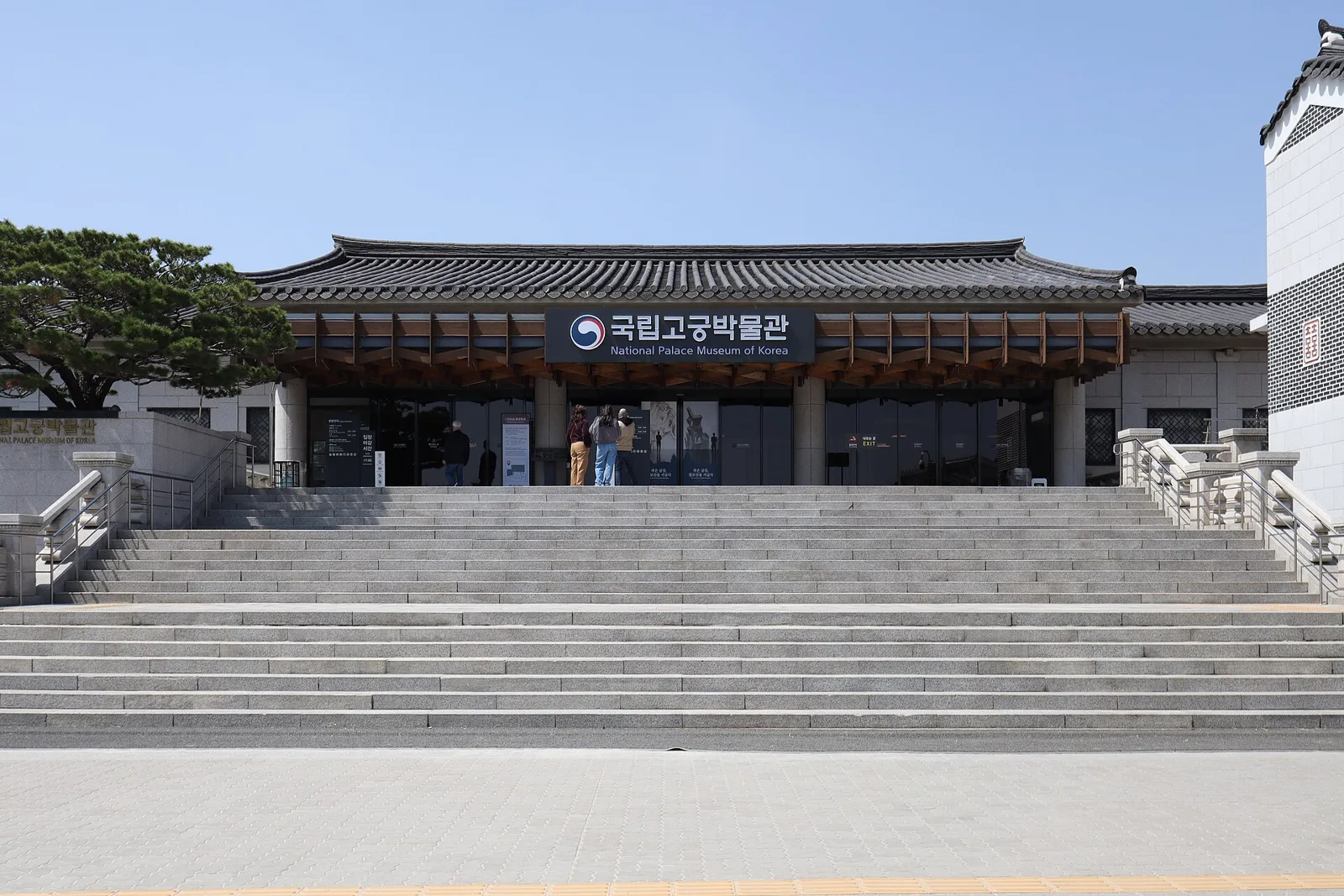
The surviving Changgyeonggung Jagyeongnu is in the National Palace Museum of Korea, at 12 Hyoja-ro in Seoul's Jongno district, right beside Gyeongbokgung Palace. It is part of the museum's permanent science gallery and was designated a National Treasure in 1985.
Five bronze vessels
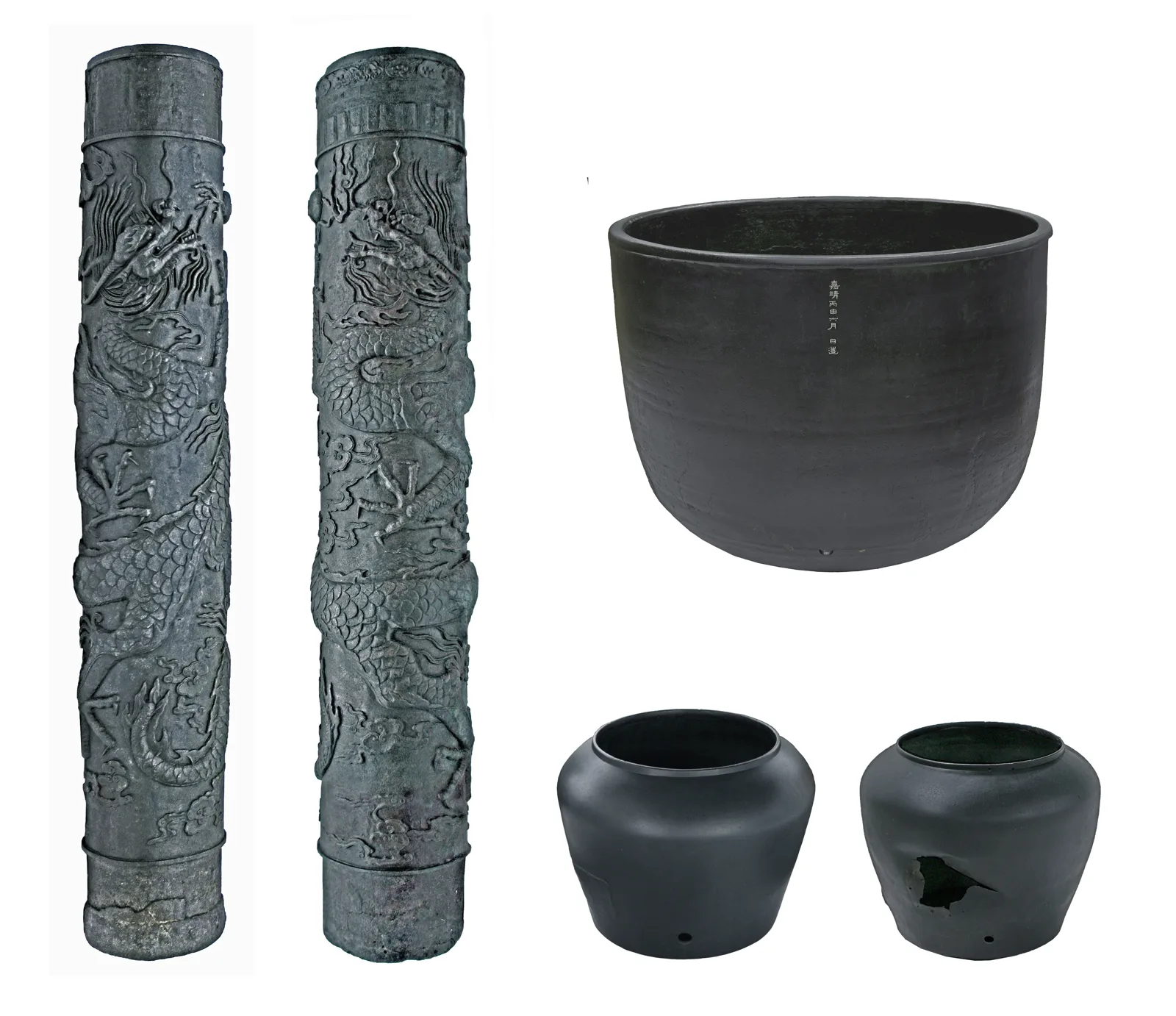
What you see are three bronze jars, called pasuho, that let the water flow out, and two cylindrical vessels, called susuho, that caught it. The machinery that sounded the bell, drum and gong is gone, and so are the figures. Only the water vessels remain.
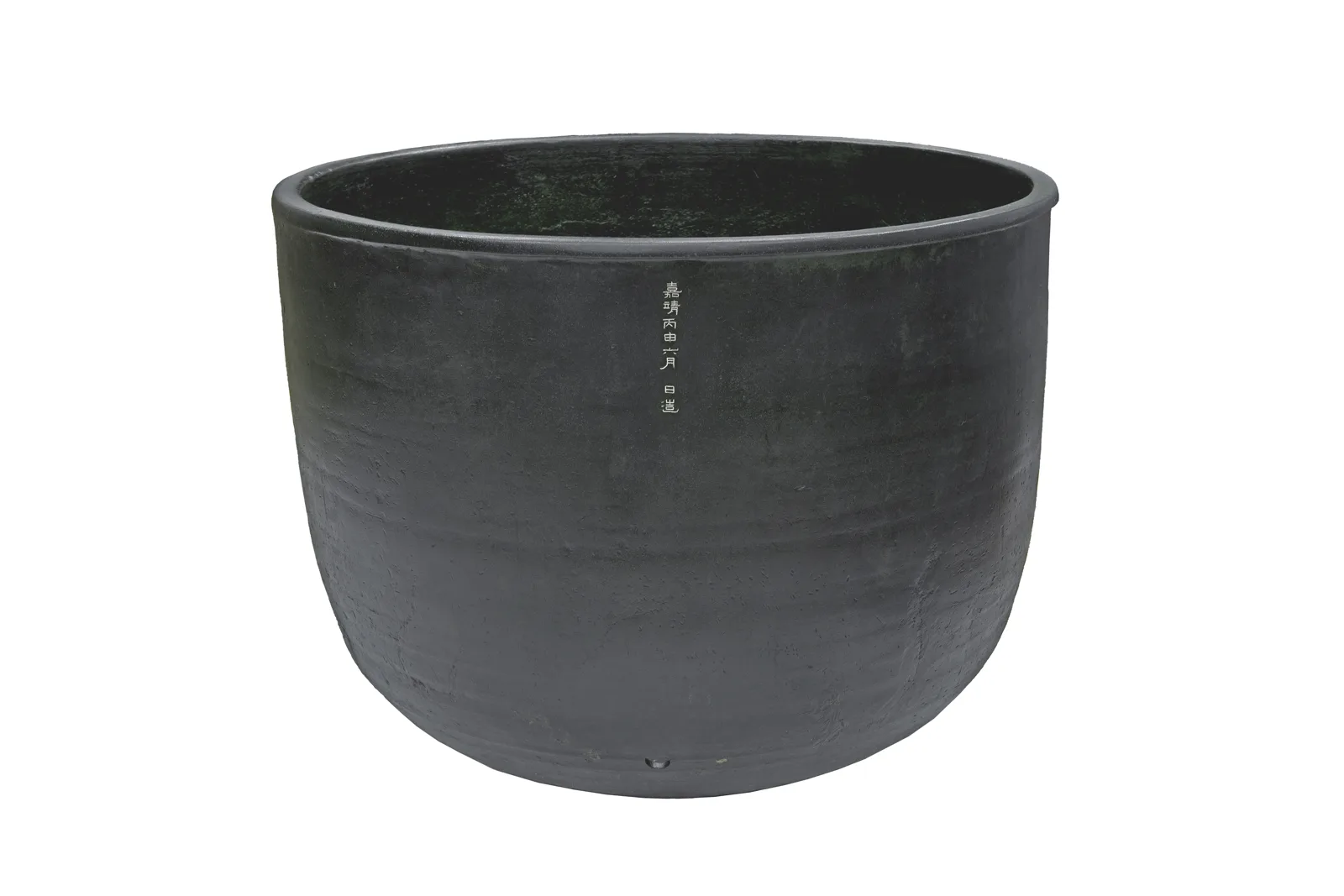
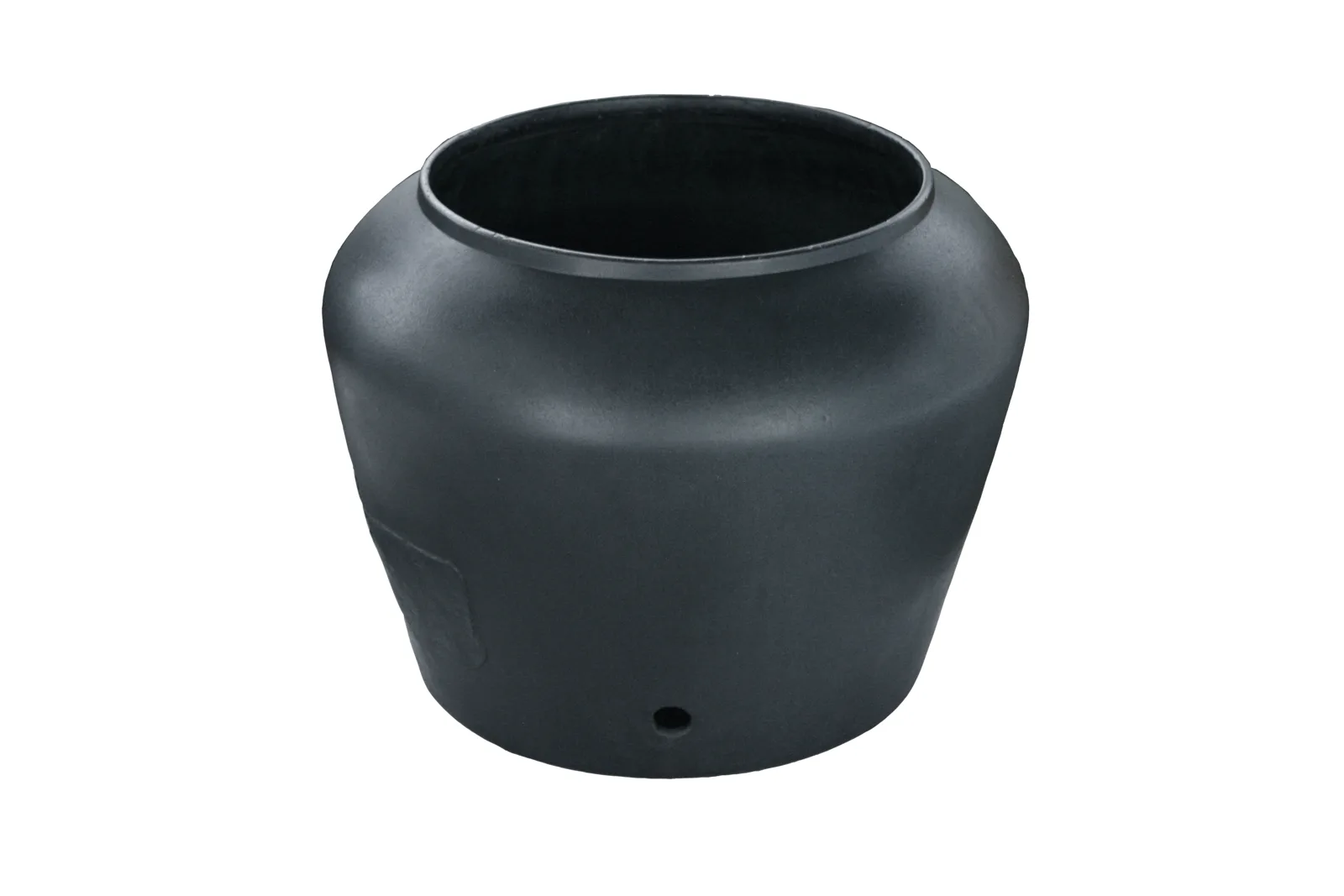
The large basin that sat at the top measures 93.5 centimetres across and 70 centimetres high. The smaller jars are 46 centimetres across and 40.5 centimetres high, each with a small hole near the base.
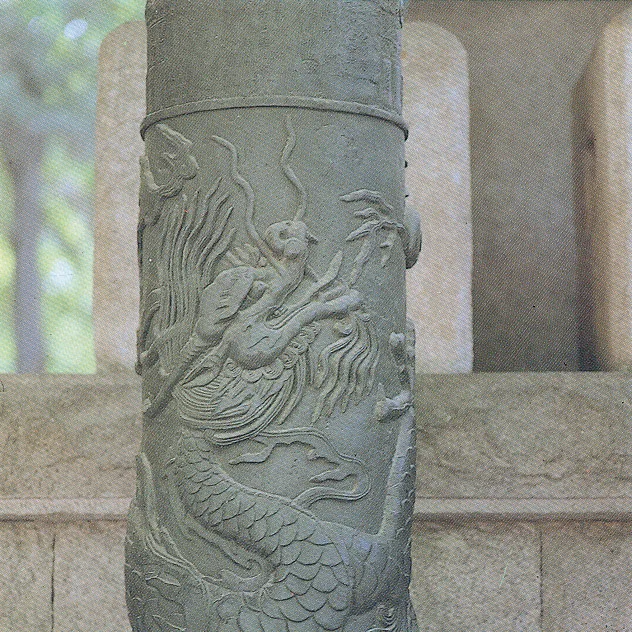
Dragons coil up the sides of the long receiving cylinders.
The puppets belong to King Sejong's clock
The first Jagyeongnu was built in 1434, in the 16th year of King Sejong's reign. On royal orders, Jang Yeong-sil, Yi Cheon, Kim Jo and others created a water clock that rang a bell, a drum and a gong automatically at set times.
According to old records cited by the Encyclopedia of Korean Culture, three wooden figures stood above the water vessels. Each marked a different unit of Joseon timekeeping: one struck the bell for the si, one beat the drum for the gyeong, and the third struck the gong for the jeom.
So the bell-ringing puppets come from written accounts of Sejong's original clock, not from the one in the museum.
What happens when the water rises
Korea Heritage Service explains how it worked. Water poured into the large basin at the top runs down through the smaller jar into the tall receiving vessel at the bottom. As the vessel fills, a floating rod rises little by little until it reaches a preset mark. There it trips a lever, which drops an iron ball into a hole. That ball sets another rolling, and one after another the balls strike a series of hammers that sound the bell, gong and drum.
A remake from 1536
Sejong's clock did not stay in use for long, and none of it survives. What the museum holds is part of a Jagyeongnu rebuilt in 1536, in the 31st year of King Jungjong's reign. The section where the iron balls rolled and set off the bell and drum has been lost. Only the water vessels are left.
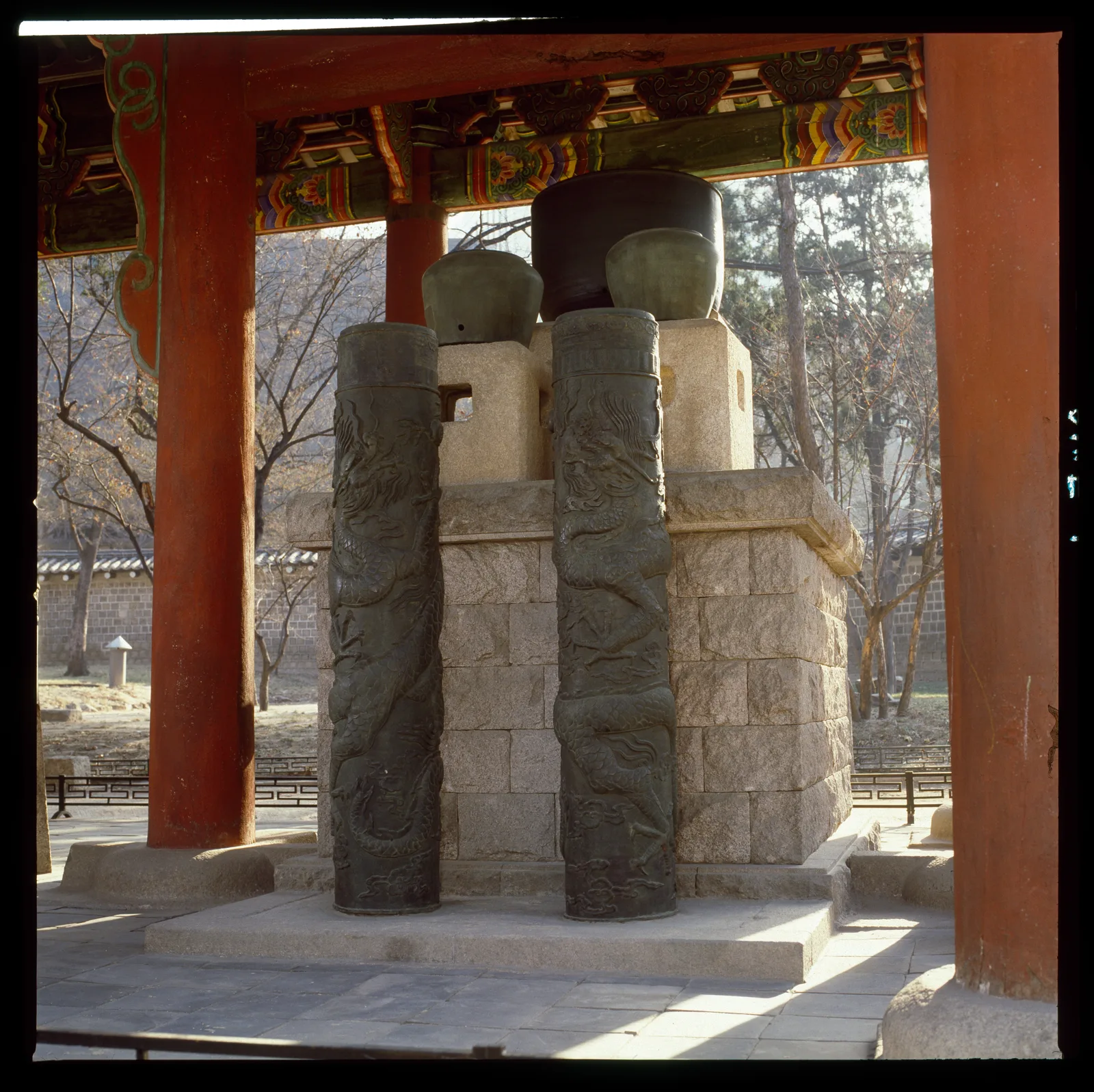
This photo shows how the five pieces were once displayed on a stone platform. Korea Heritage Service notes that the clock was made a little later than a Ming-dynasty water clock surviving in Guangdong, China, but rates it a highly valuable artifact for its size and fine workmanship.
Find the National Palace Museum of Korea on Wooriyeojido
The puppets live on only in the records, but the bronze vessels that once kept Korea's time are still here, nearly five centuries later. The National Palace Museum of Korea, home of the Changgyeonggung Jagyeongnu, is pinned on the Wooriyeojido map. Look it up in the app, and if you go, leave your photos and stories right beside it.
View this place in the Wooriyeojido appVideos of nearby places


Sources
- Korea Heritage Service, Heritage Portal — National Treasure: Water Clock Vessels of Changgyeonggung Palace (Jagyeongnu)
- Korea Heritage Service open API — Jagyeongnu Water Clock Vessels of Changgyeonggung Palace
- National Palace Museum of Korea — Permanent Exhibition: Science and Culture
- Encyclopedia of Korean Culture — Jagyeongnu
- Korea Heritage Service — Clepsydra of Changgyeonggung Palace (3D, Sketchfab)