The Head of Amenhotep III: A Pharaoh's Face in Cleveland
In a free museum in Cleveland, Ohio, a 3,400-year-old stone portrait shows Amenhotep III, the pharaoh believed to be Tutankhamun's grandfather. A video and photos on his blue crown, its vanished paint, the polished-and-rough carving of his reign, and the DNA study behind the family tree.
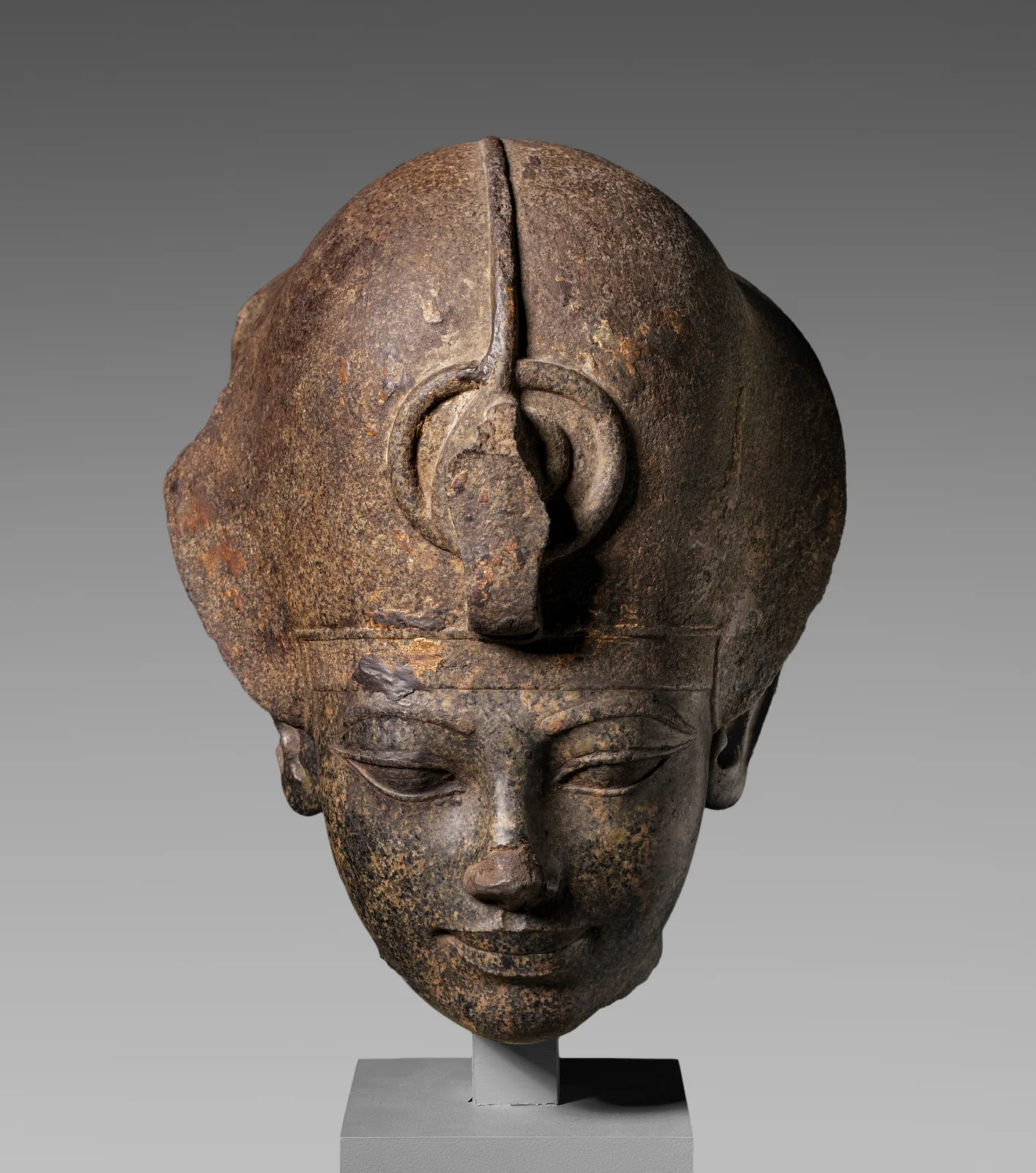
The faint smile belongs to Amenhotep III, who ruled Egypt about 3,400 years ago and is thought to have been Tutankhamun's grandfather. You won't find this portrait in Cairo or Luxor, though. It sits in a museum in Ohio. How close is a pharaoh's stone face to the man himself? Start with the short video.
 Watch the one-minute video on YouTube
A pharaoh you can visit for free
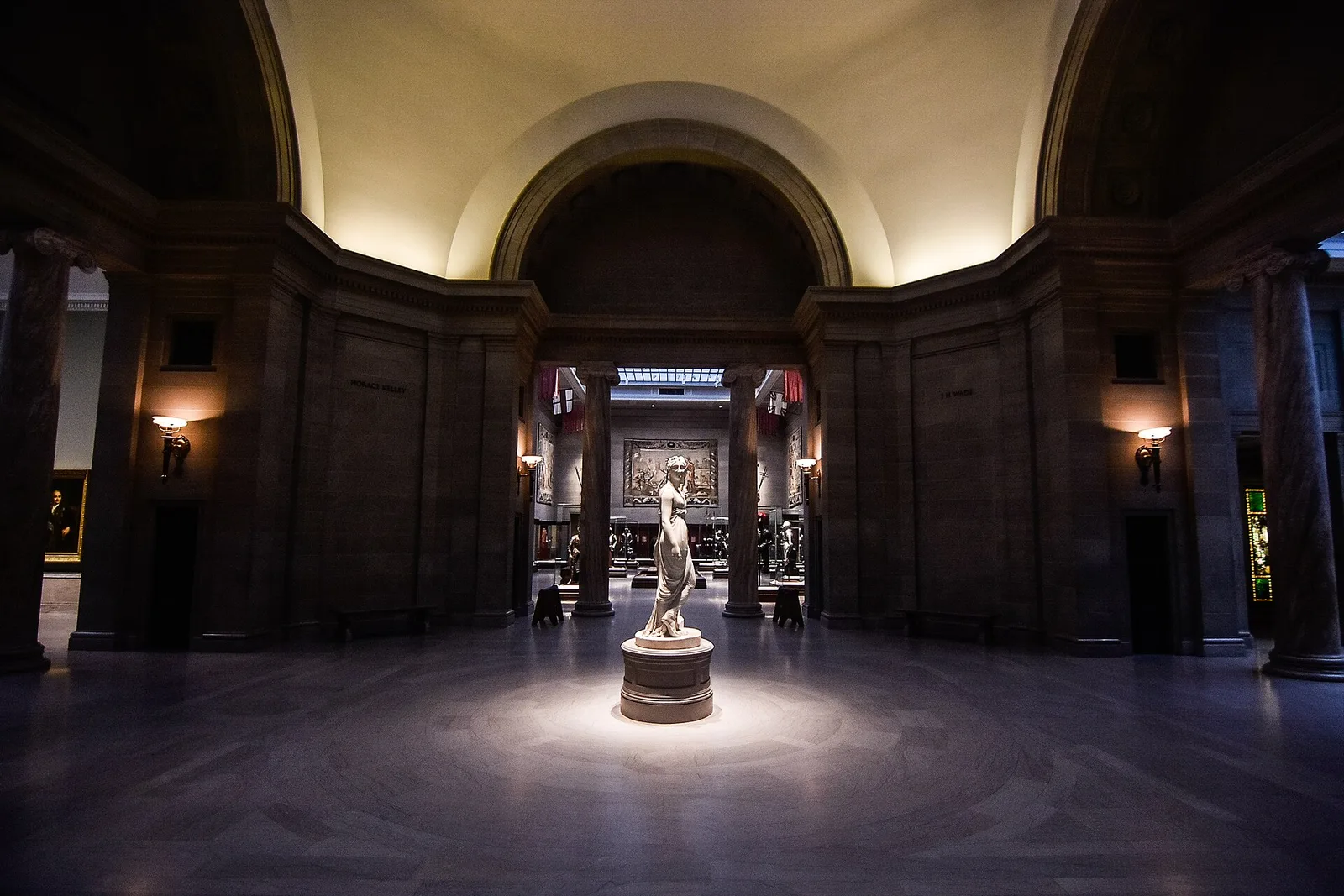
The head is on view in Gallery 107, the Egyptian gallery of the Cleveland Museum of Art at 11150 East Boulevard, Cleveland. General admission to the museum is always free, so meeting a king from the 14th century BCE costs nothing at all.
A king at Egypt's height
The museum's title for the piece is Head of Amenhotep III Wearing the Blue Crown. It dates to around 1391–1353 BCE, in the 18th Dynasty of Egypt's New Kingdom. Amenhotep III reigned for about 38 years, from roughly 1390 to 1352 BCE, and the museum notes that during his long, peaceful reign Egypt reached a pinnacle of wealth and splendour.
The head stands about 39 centimetres tall and is carved from dark granodiorite.
A crown worn into battle
On his head is the Blue Crown, known in Egyptian as the khepresh. New Kingdom pharaohs wore it in ceremonies and also into battle.
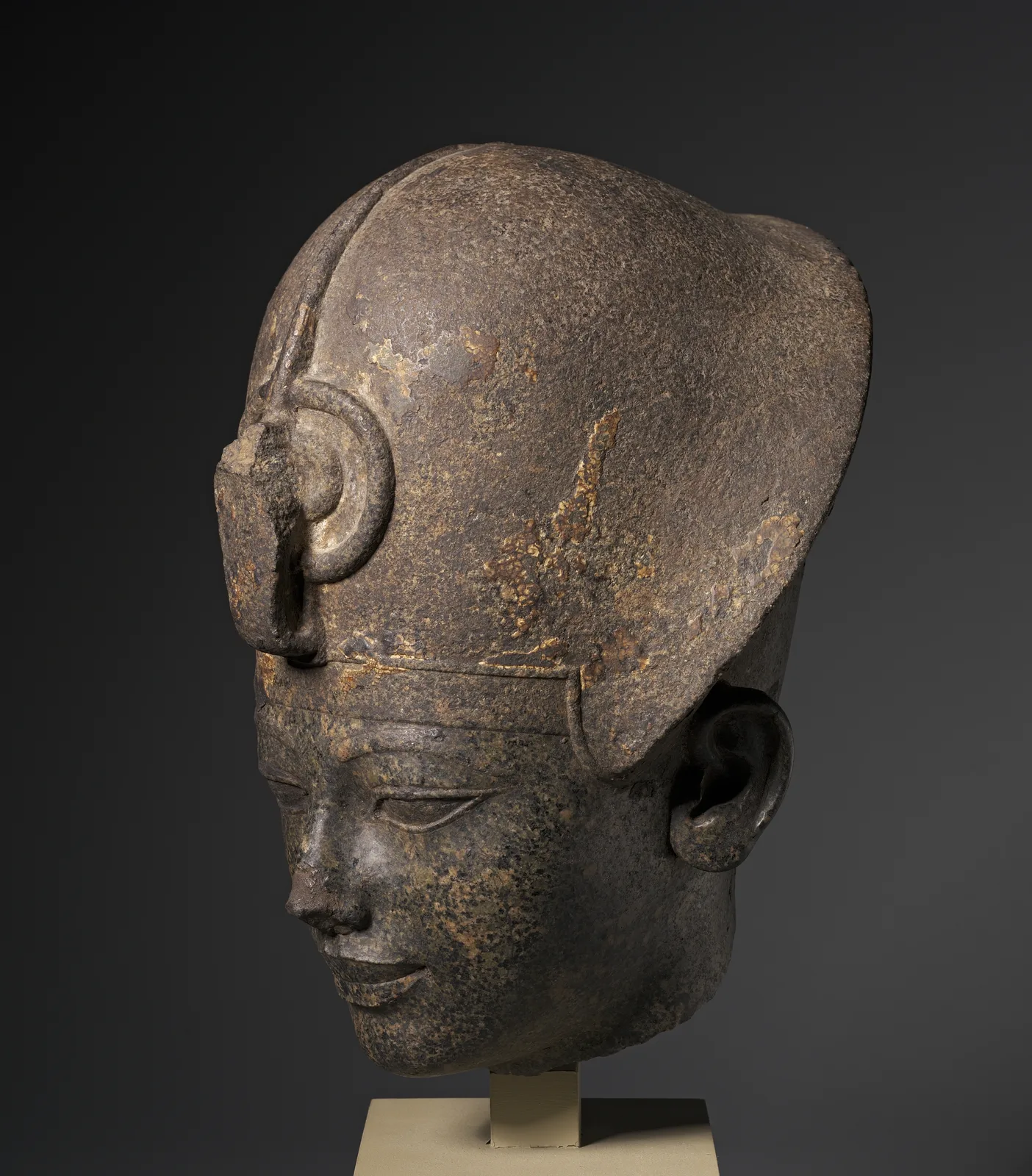
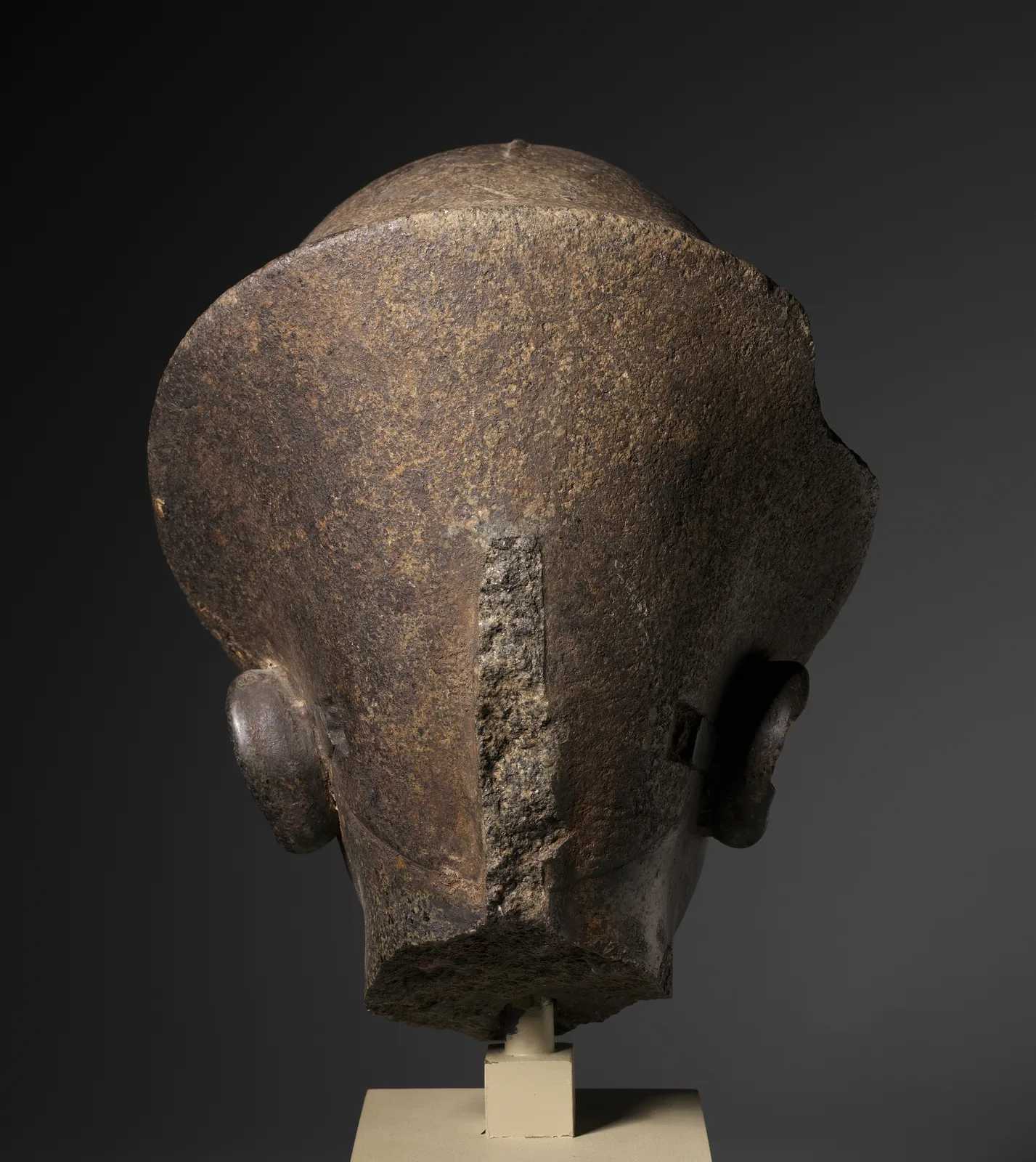
Today it is the colour of bare stone, but it was not always so. According to the museum, the upper part of the crown was painted blue and the band across the brow yellow. Those areas were deliberately left unpolished, because paint clung better to a rough surface.
Polished skin, rough crown
The contrast is easiest to see in profile. The skin was smoothed to a glistening sheen, while the eyeballs and the crown were left rougher. The museum calls this play of polished against roughened stone a hallmark of hard-stone images of Amenhotep III.
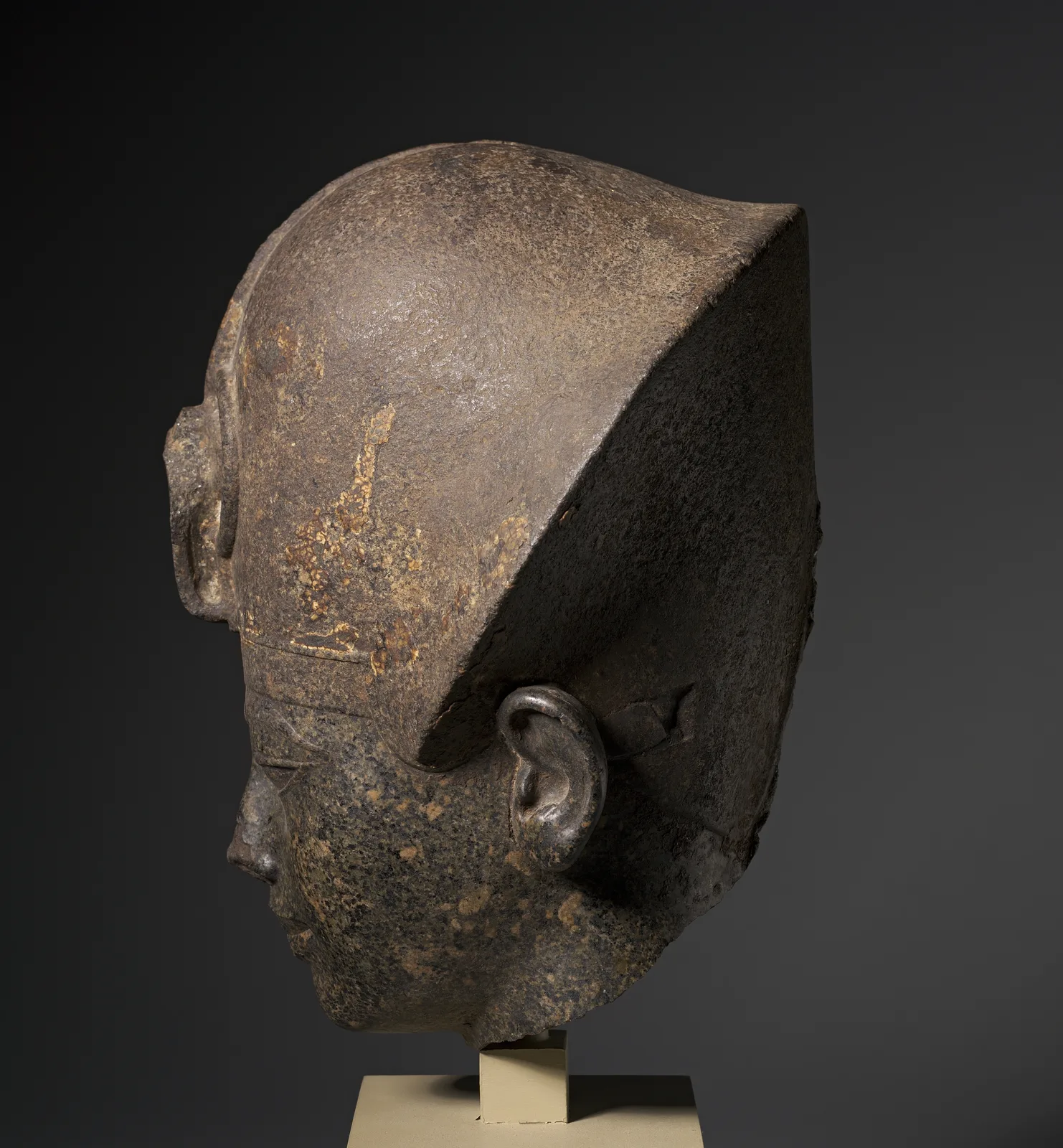
So does it look like him? The museum describes the portrait as capturing the king's features to perfection: large almond-shaped eyes, elegantly arched brows and a full mouth. Yet the face is youthful and without a blemish. It is a likeness, but an idealised one.
Was he really Tutankhamun's grandfather?
In 2010, a team from Egypt's Supreme Council of Antiquities studied the DNA of 11 royal mummies and pieced together Tutankhamun's family tree. In it, Amenhotep III appears as the boy king's grandfather. His Y chromosome matched those of Tutankhamun and of the mummy thought to be Tutankhamun's father.
That isn't the final word. The researchers themselves called it "the most plausible" five-generation pedigree, and only three of the 11 mummies had firmly established identities.
From France to Ohio
According to the museum's records, the head belonged to a collector in France before the Cleveland Museum of Art acquired it in 1952, as a gift of the Hanna Fund. Where it was before that is not recorded.
Find the Cleveland Museum of Art on Wooriyeojido
A place where you can stand face to face with a 3,400-year-old king without buying a ticket, the Cleveland Museum of Art is pinned on the Wooriyeojido map. Look it up in the Wooriyeojido app, and if you visit, leave your photos and stories from the day right beside it.
View this place in the Wooriyeojido app


