Gwangseongbo, Ganghwa: Where Korean Defenders Faced the US Navy in 1871
Gwangseongbo on Ganghwa Island saw the fiercest fighting of the 1871 US expedition to Korea. The battle at Sondolmok, General Eo Jae-yeon, and the commander's flag that crossed the Pacific, came home, and left again, in a short video and photos.
On a hill above the sea on Ganghwa Island sits a small fort ringed by a round stone wall. In 1871, Korean defenders stood here against American warships. What happened that day? Start with the short video.
 Watch the one-minute video on YouTube
Guarding a narrow strait
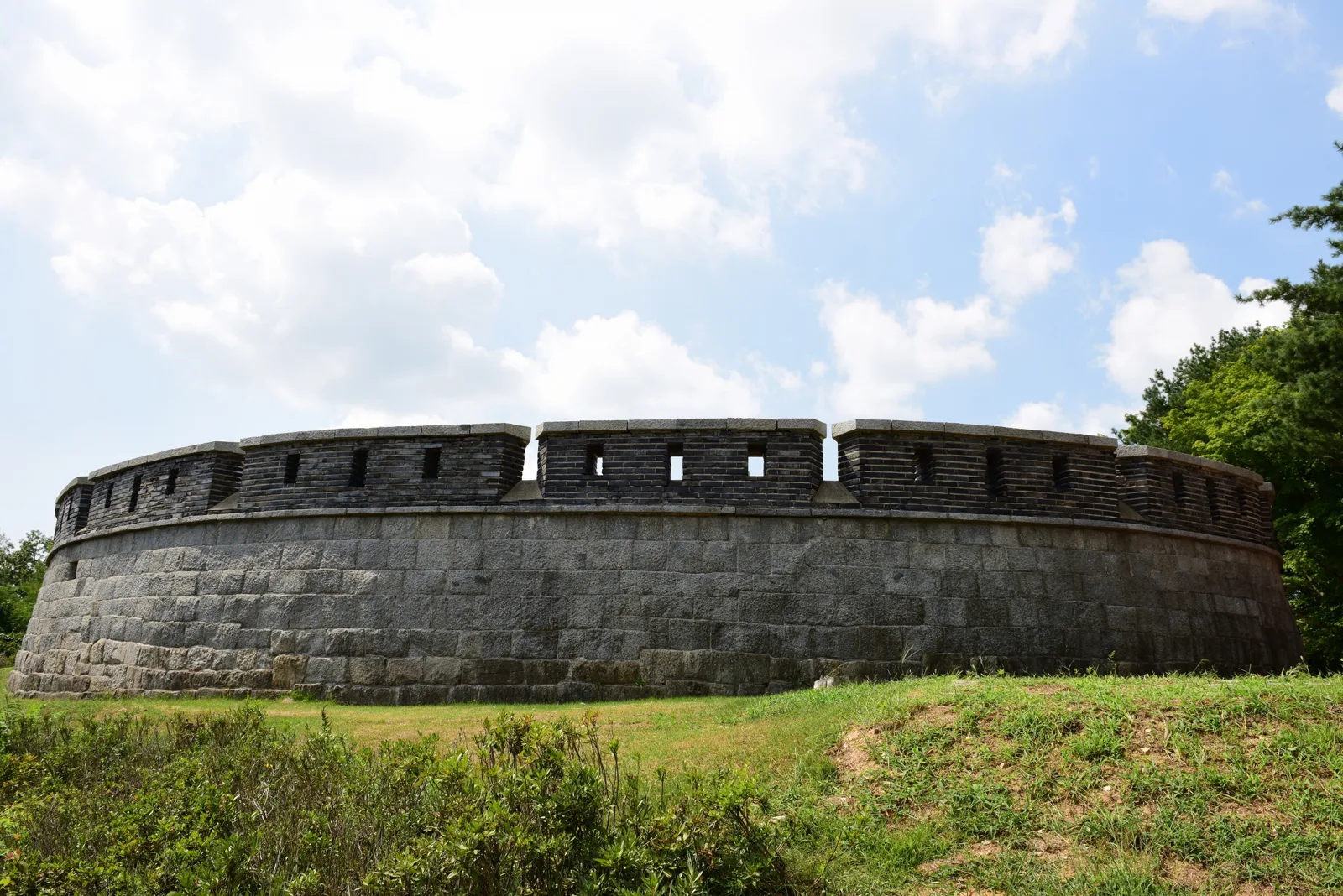
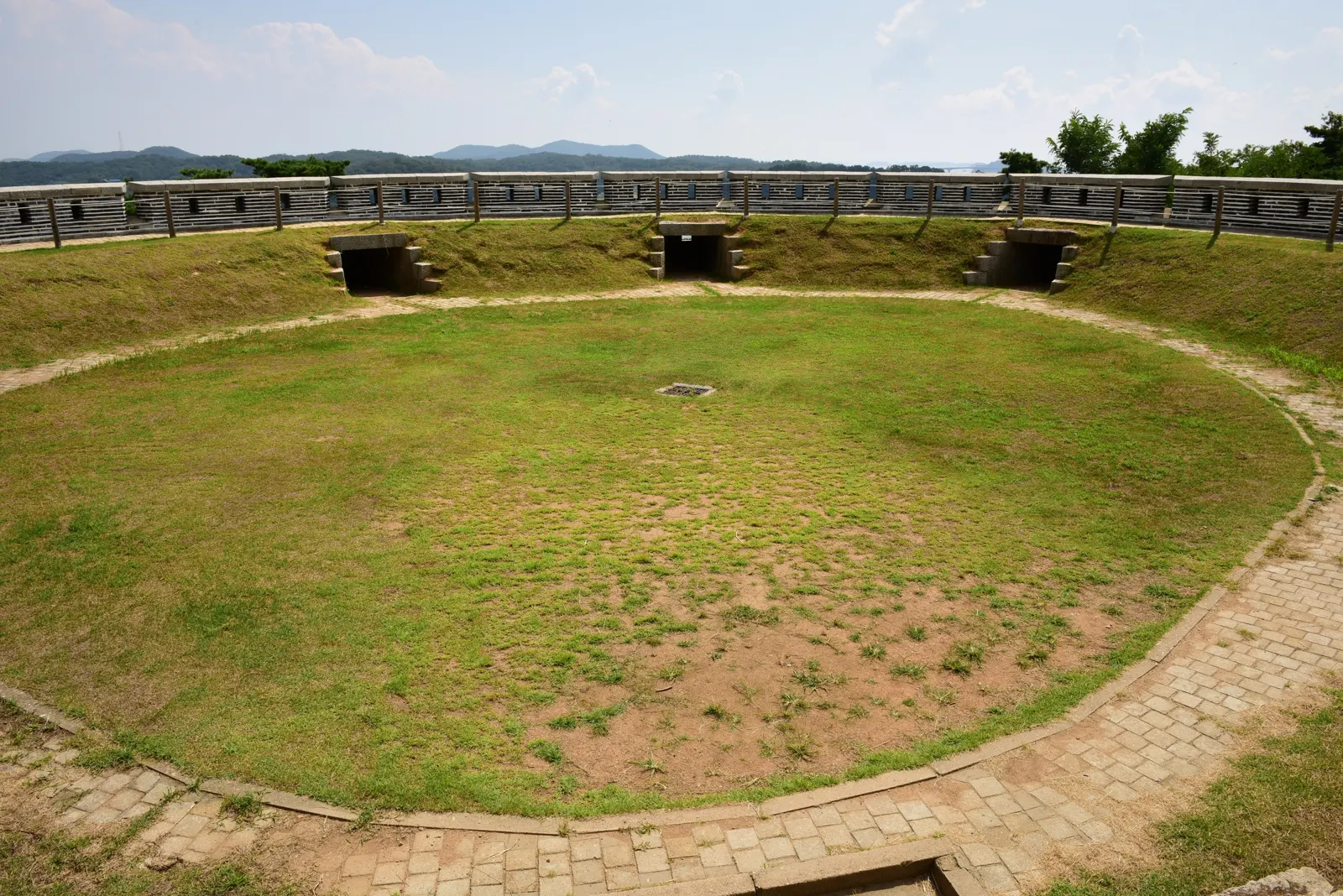
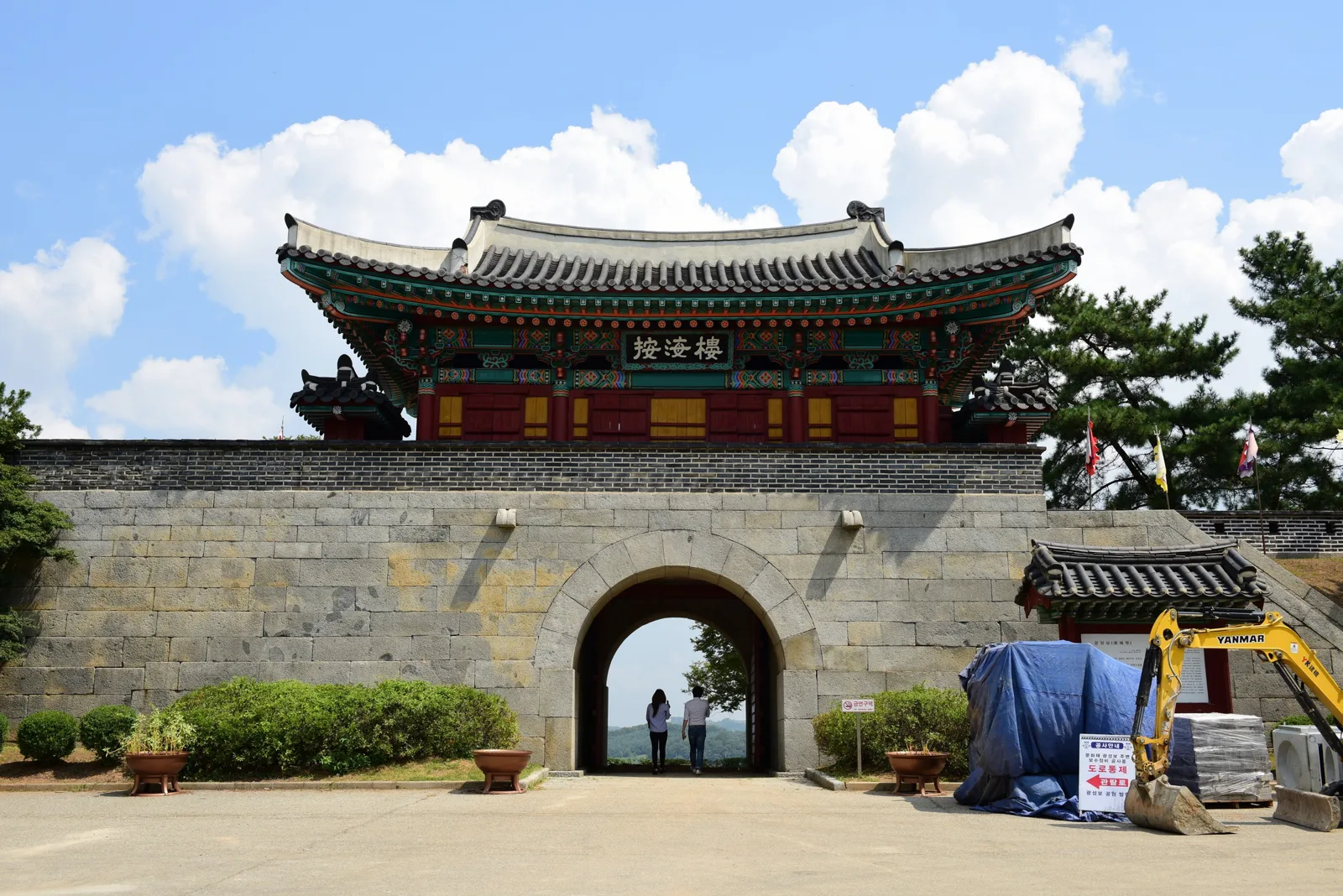
Gwangseongbo is in Deokseong-ri, Bureun-myeon, Ganghwa County, Incheon. It looks out over the Ganghwa Strait, known locally as Yeomha, the narrow channel between Ganghwa Island and the mainland. According to Korea's national heritage agency, the fort was established in 1658, and it is now a designated Historic Site. Inside the grounds are three dondae, Gwangseong, Sondolmok and Yongdu, along with the Anhaeru gate pavilion, the Ssangchungbi memorial and the Sinmi Sunuichong tombs. A dondae is a small stone-walled gun emplacement built on high ground along the coast.
The gateway to the Han River
Sail up this strait and you enter the Han River, which leads straight to the royal capital. That is why the Joseon kingdom lined the shores of Ganghwa with garrisons, forts and dondae. Sondolmok Dondae was built in 1679, on a hill that juts out toward Sondolmok, where the channel pinches narrow. Any ship passing below was in plain view.
1871: the American squadron arrives
On 16 May 1871, five warships of the US Asiatic Squadron under Admiral Rodgers set out for Korea. Citing the earlier General Sherman incident, the United States pressed Joseon to sign a trade treaty. Koreans remember the episode as Sinmiyangyo.
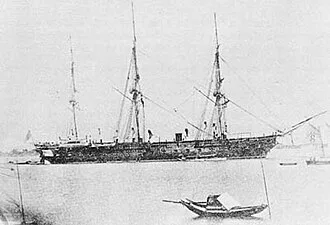

On 1 June, when American vessels pushed up toward Sondolmok without permission, the Korean batteries at Gwangseongbo, Deokjinjin and Deokpojin opened fire. Nine days later, on 10 June, American troops landed at Chojijin to the south and took it the next day, then captured Deokjinjin. The final objective was Gwangseongbo, held by commander Eo Jae-yeon.
On 11 June, backed by naval gunfire, the Americans stormed Gwangseongbo. Korea's heritage agency describes it as the fiercest battlefield of the whole campaign. The Korean troops were badly outgunned but refused to fall back, and all but a handful died. According to American records, three US servicemen were killed, while 243 Koreans died, among them Eo Jae-yeon and his brother Eo Jae-sun. Korean casualty figures vary from source to source. The squadron left Korean waters on 3 July.
A memorial to two brothers, and nameless graves
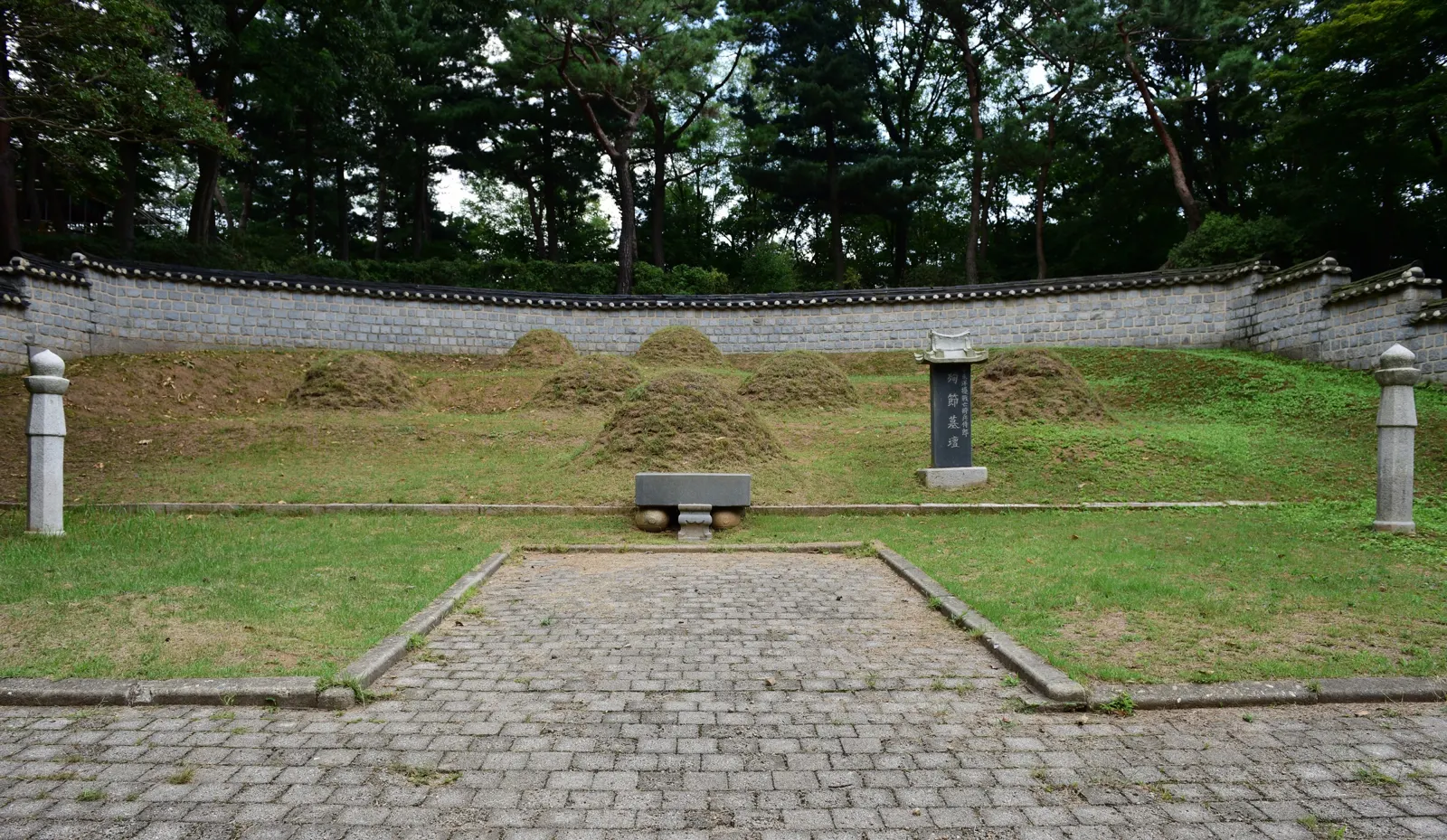
On the hill stands the Ssangchungbi, a pair of memorial stones raised in 1873 to honour the Eo brothers. Nearby, at Sinmi Sunuichong, soldiers whose names were never known are said to have been buried together in seven mounds.
Anhaeru, the gate on the sea
Near the entrance, a wooden pavilion called Anhaeru sits on top of a stone gateway. The gate was built in 1745 and given that name, and the signboard above it still reads 按海樓. Gwangseongbo was restored to its present form in 1976.
The flag that crossed the ocean
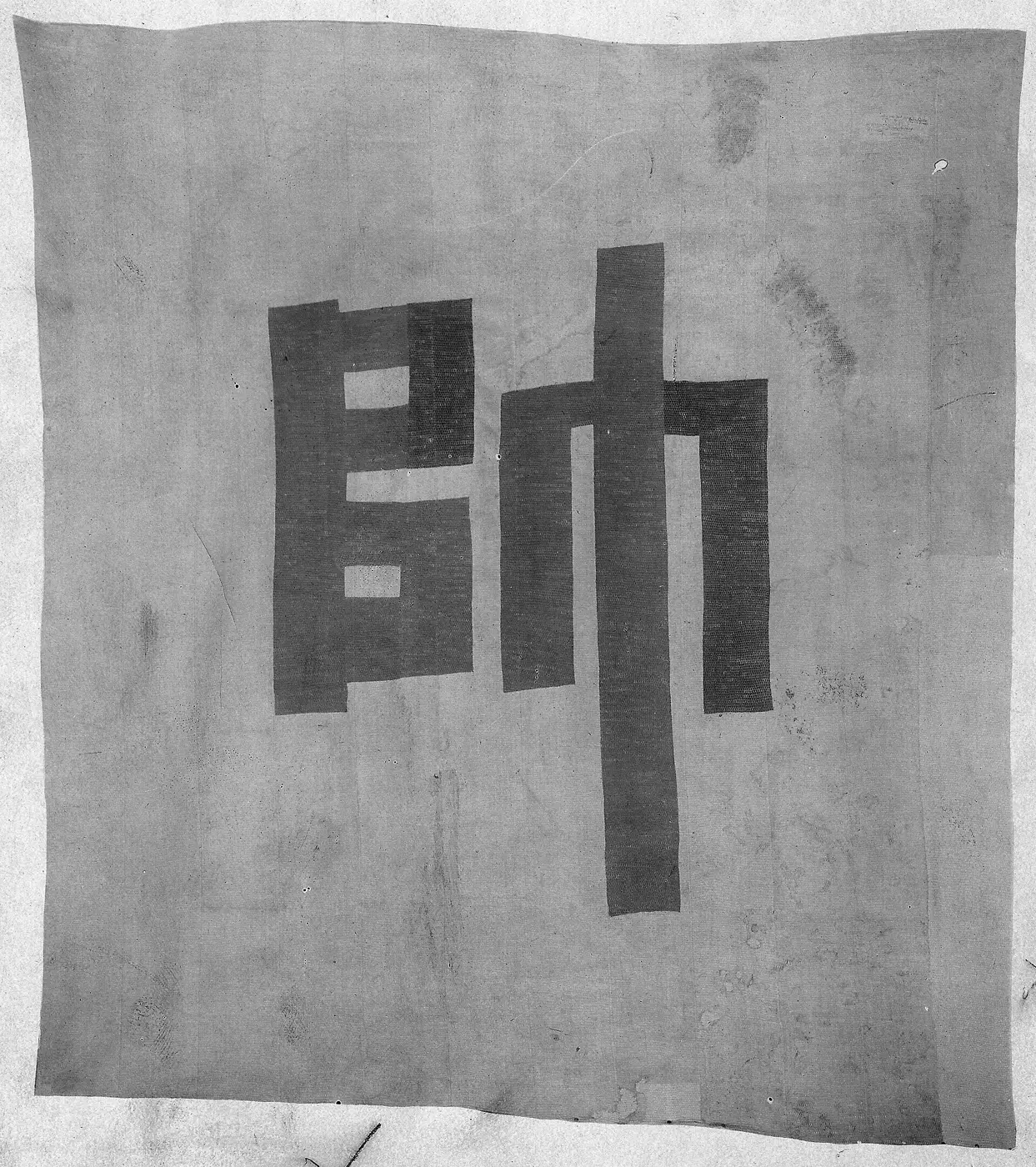
After taking Gwangseongbo, the Americans hauled down the sujagi and raised the Stars and Stripes. The sujagi was a commander's flag, bearing the character 帥, meaning "commander," at its center. Made of hemp, it measures 4.13 by 4.30 metres, and it is the only Joseon commander's flag known to survive.
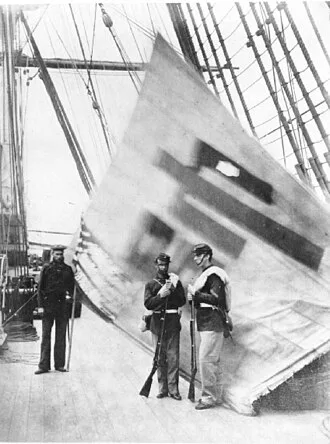

The flag ended up in the museum of the US Naval Academy. In 2007, 136 years after it was taken, it returned to Korea on a ten-year long-term loan, went on display on Ganghwa, and had its loan extended every two years. According to local press reports, it went back to the United States in March 2024. A replica is now on display on Ganghwa, and Korean heritage officials have said a new loan could be considered if the government requests one.

Find Gwangseongbo on Wooriyeojido
From a hilltop fort above Sondolmok, Korean defenders fought American warships to the last in 1871. Gwangseongbo on Ganghwa Island is pinned on the Wooriyeojido map. Look it up in the Wooriyeojido app, and if you go, leave your photos and stories from the day right beside it.
View this place in the Wooriyeojido appVideos of nearby places
 Tangeumdae: why did a general fight with a river at his back?
 Haengju, 1593: a civil official held off 30,000 troops?
 Seoul's burned National Treasure No. 1 gate, rebuilt: Sungnyemun