Can You Really See the Great Wall of China from Space?
A walk along the Badaling section near Beijing: when and how the Great Wall was joined and rebuilt, how long it really is, and whether astronauts can actually see it with the naked eye.
"The Great Wall of China is the only man-made structure you can see from space." You have probably heard it. But is it true? And was this enormous wall built in one go, or pieced together over centuries? Start with the short video.

 Watch the one-minute video on YouTube
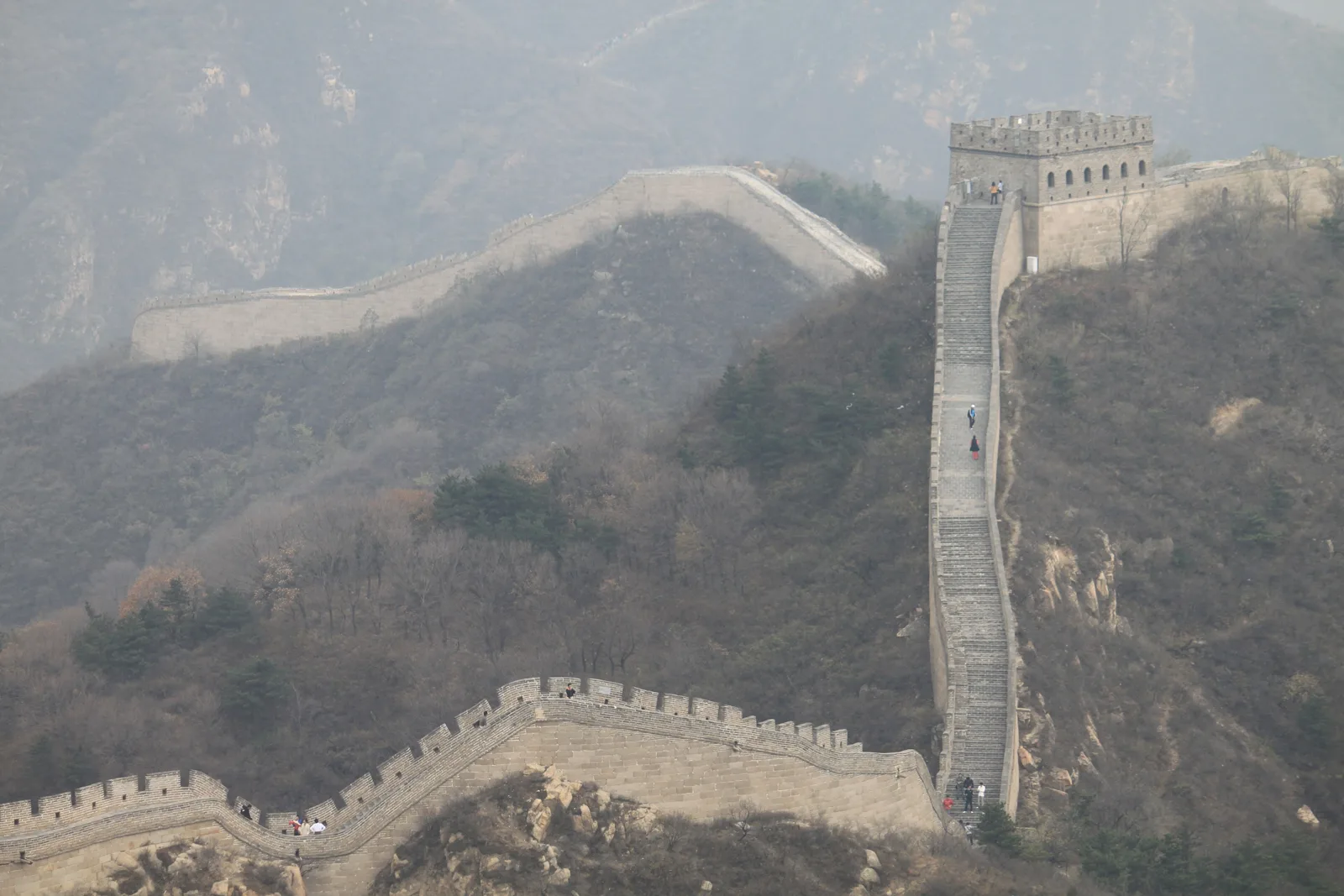
Badaling, northwest of Beijing
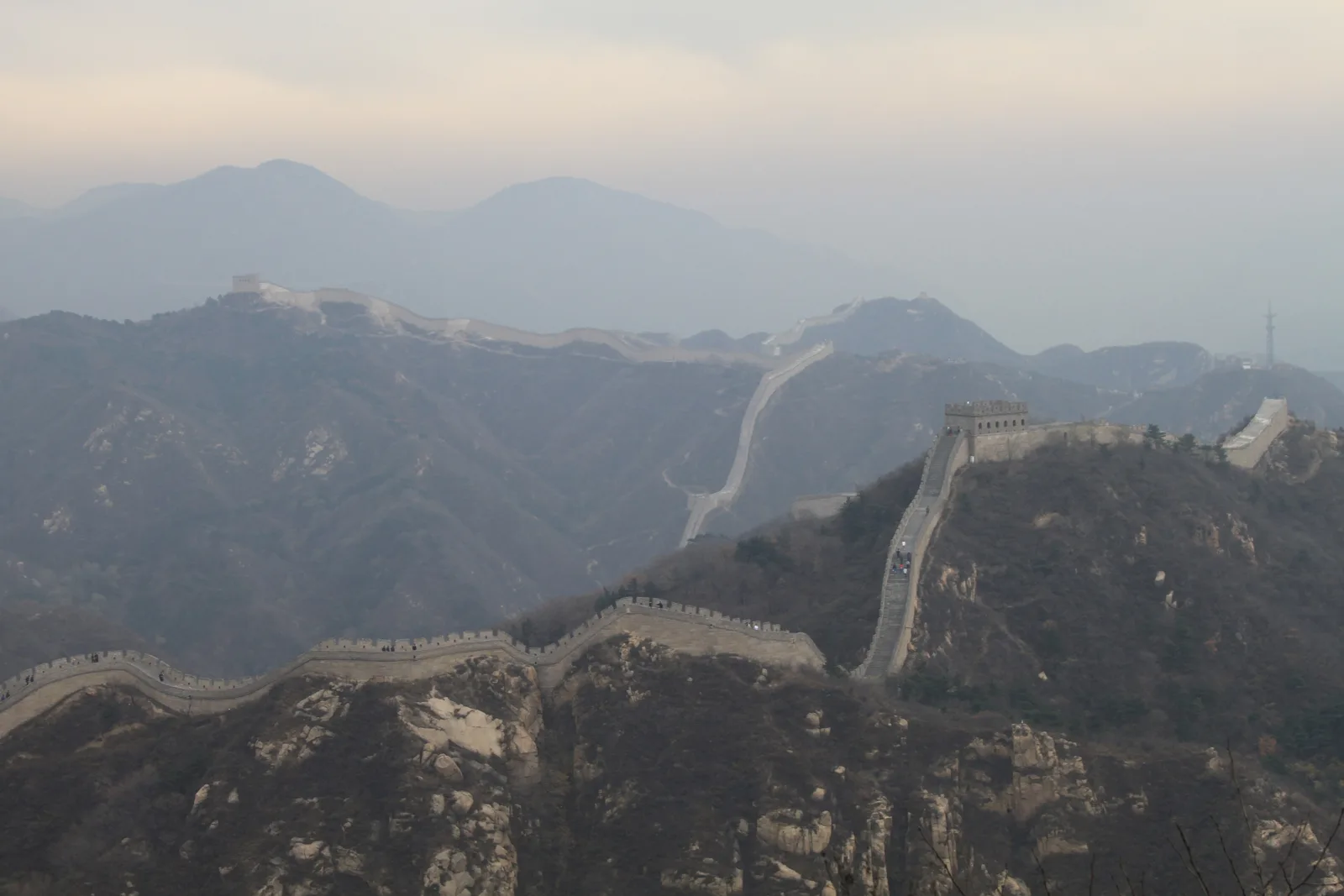
The Great Wall crosses the mountains and grasslands of northern China through many provinces. Its most visited stretch is Badaling, on the mountains northwest of Beijing, where the wall guarded a key pass on the approach to Juyongguan. The Great Wall was inscribed as a UNESCO World Heritage Site in 1987.
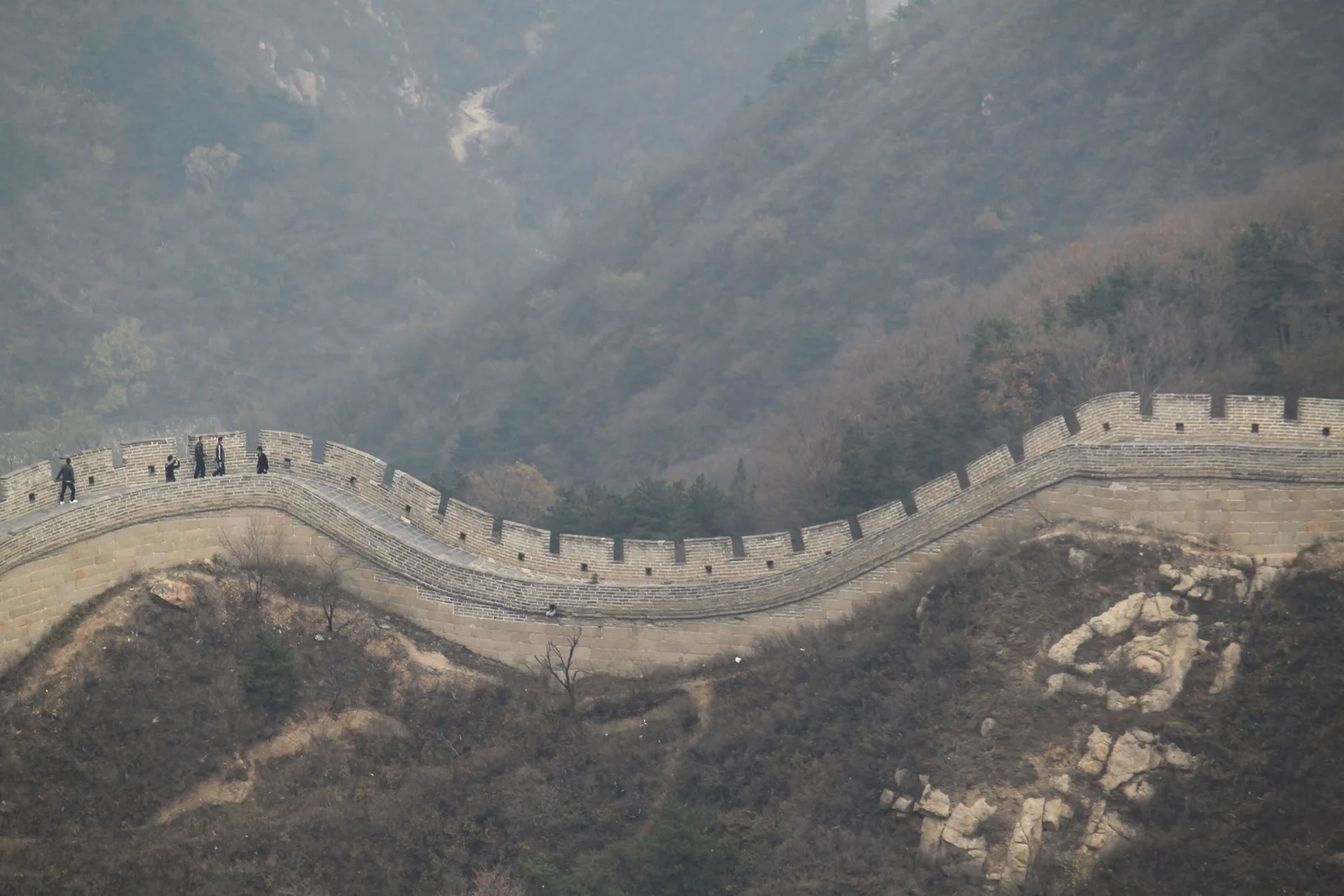

A Ming dynasty wall
The wall you walk at Badaling went up in 1505, the 18th year of the Hongzhi Emperor of the Ming dynasty, and was restored under the Jiajing and Wanli emperors. It stands 6 to 9 metres high, with a core of packed stone faced in brick and topped with stone slabs. Along the top it is 4.5 to 5.8 metres wide, room enough for several people to walk side by side.
Watchtowers and beacon towers punctuate the wall. Soldiers kept watch over enemy movements from the towers, and when raiders approached, they lit signal fires, passing the alarm from beacon to beacon until news from the frontier reached the capital.
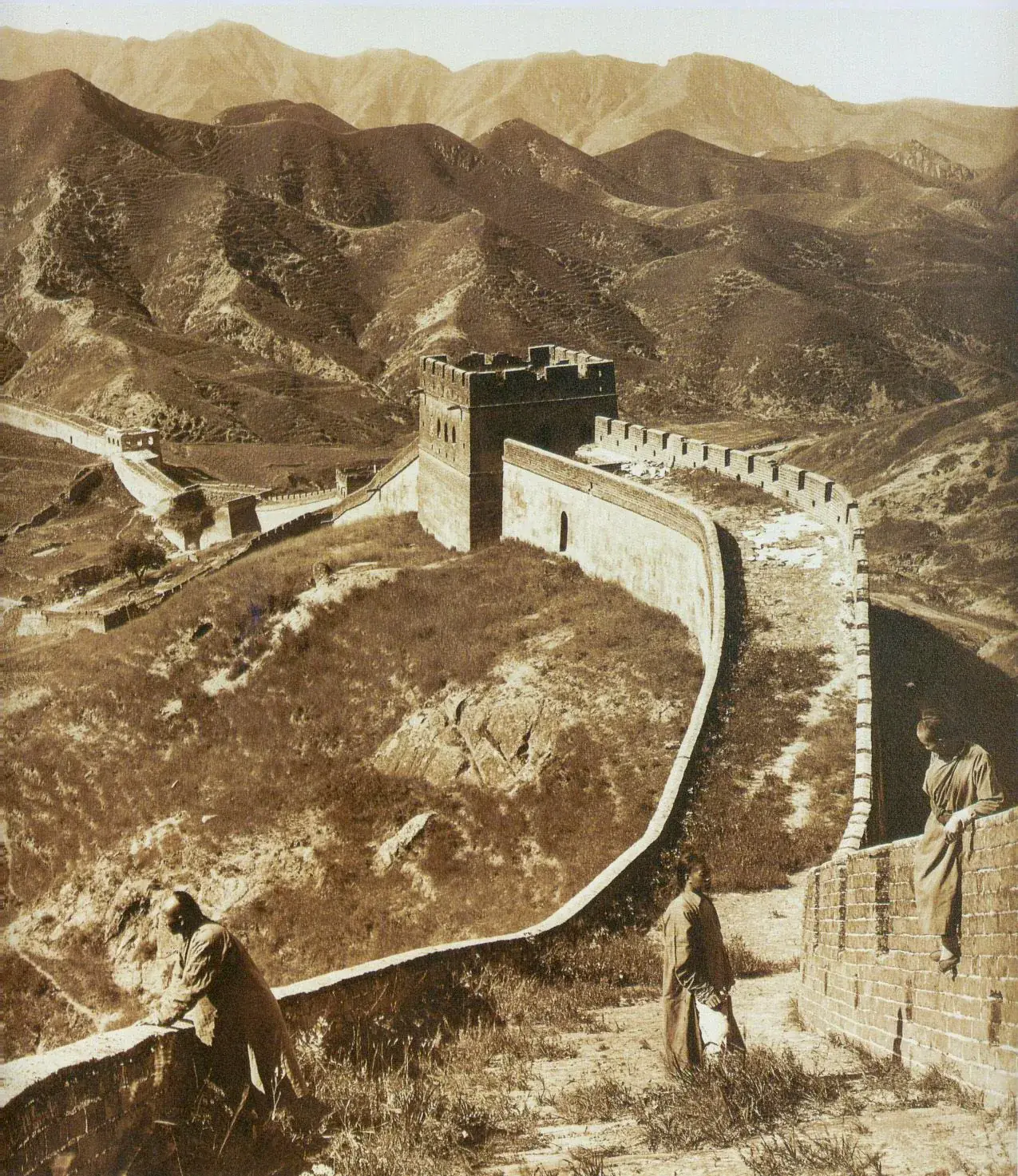

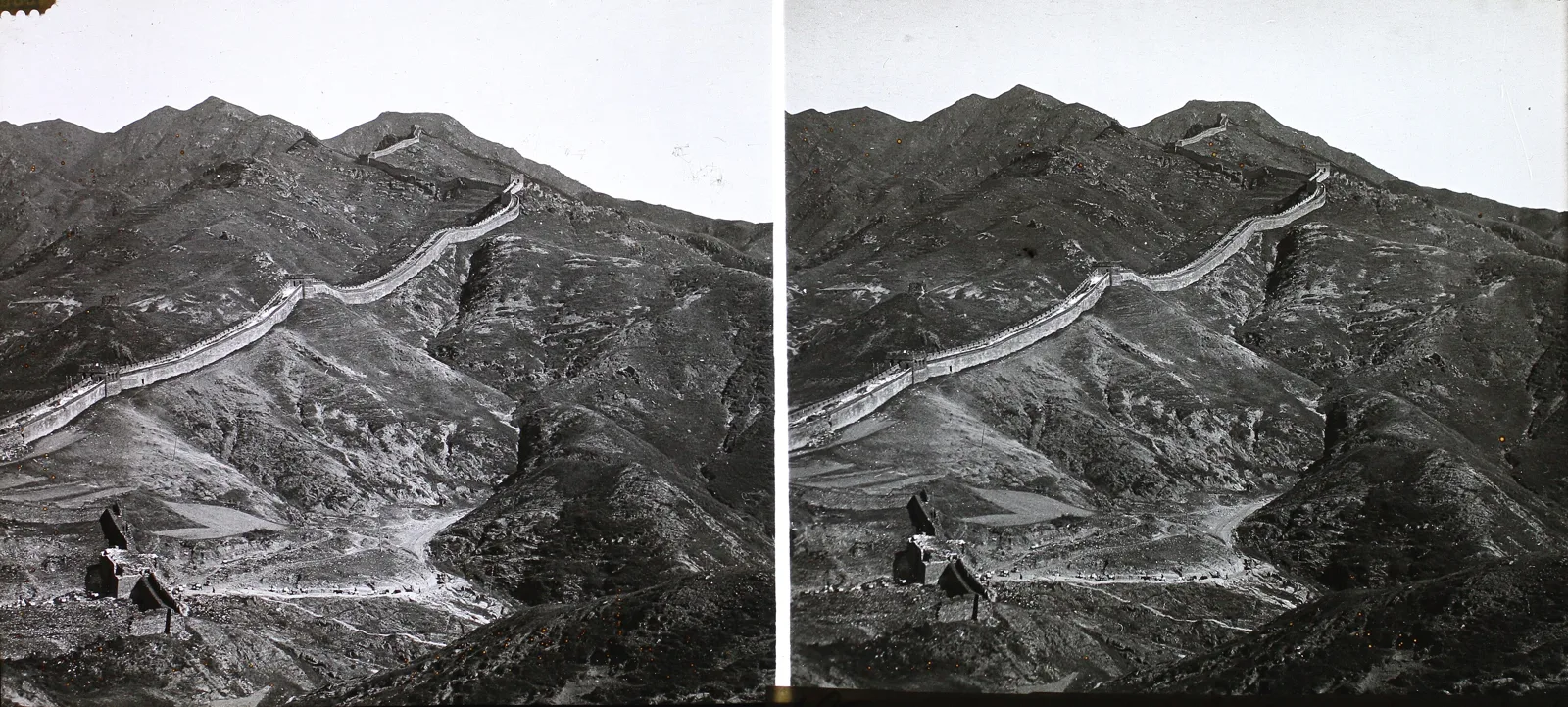

From the First Emperor to the Ming
So is the whole Great Wall a Ming creation? Not at all. Walls stood here long before. According to UNESCO, around 220 BC, under Qin Shi Huang, earlier fortifications were joined into a single defensive line against invasions from the north. He didn't start the wall; he connected what already existed.
Dynasty after dynasty repaired and extended it. Under the Ming (1368–1644) it became the largest military structure in the world, and most of what survives today dates from that era.
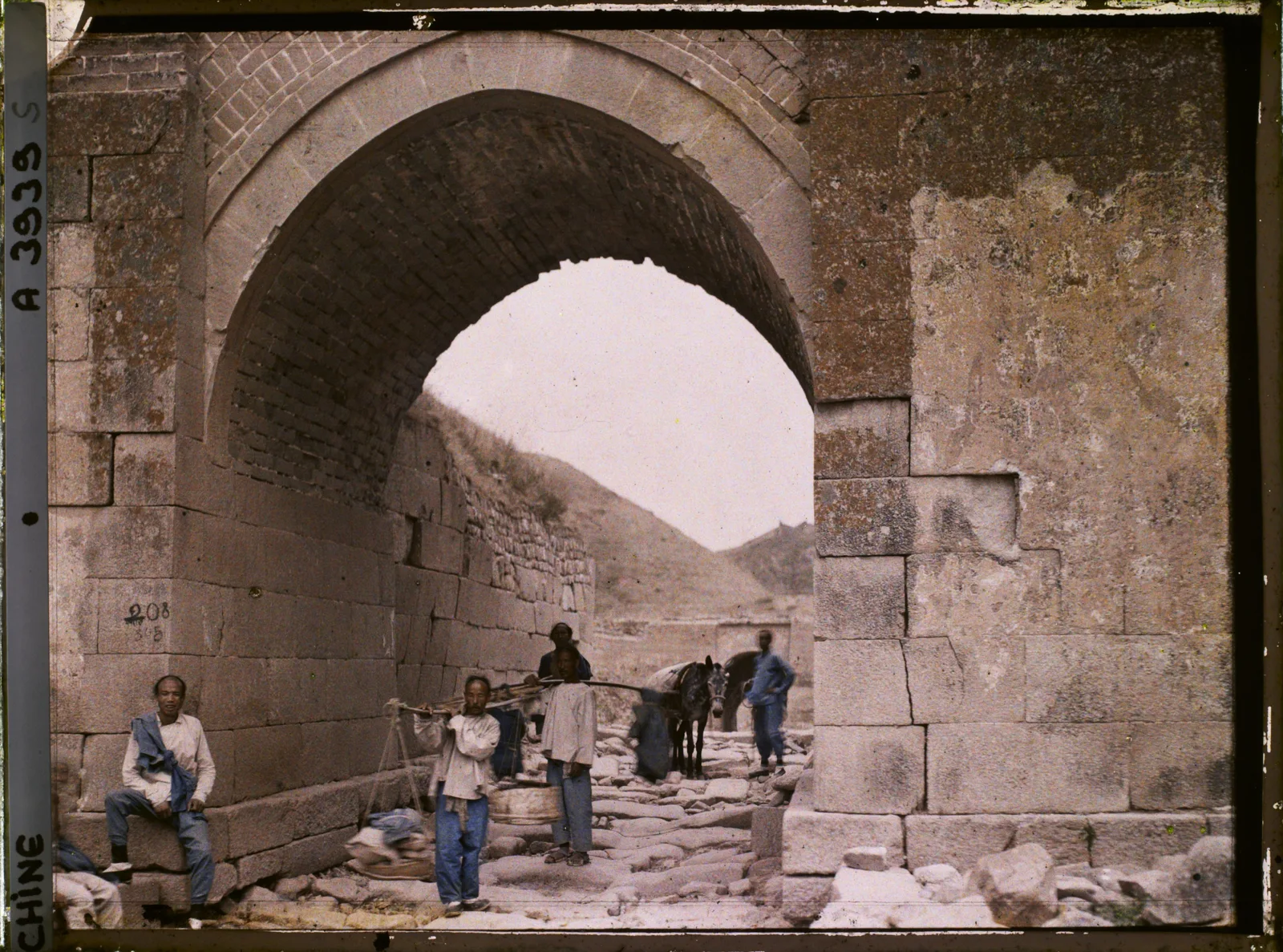
The Badaling gate even appears in a color photograph from 1913, an autochrome taken more than a century ago. The section was restored in the 1950s and became the first part of the Ming wall to open to tourists.

How long is it, really?
According to a survey released by China's National Cultural Heritage Administration in 2012, the walls of every era add up to 21,196.18 kilometres (about 13,170 miles). That is more than half the distance around the Earth at the equator. The figure includes trenches and other defenses as well as walls, spread across 15 provinces, autonomous regions and municipalities, Beijing among them.

Can you see it from space?
Something that long ought to be visible from orbit, surely. NASA says otherwise: from low Earth orbit the wall generally can't be seen with the unaided eye, and it certainly can't be seen from the Moon. The wall is only a few metres wide, and it is built from material much the same color and texture as the land around it. China's first astronaut, Yang Liwei, said he couldn't see it.
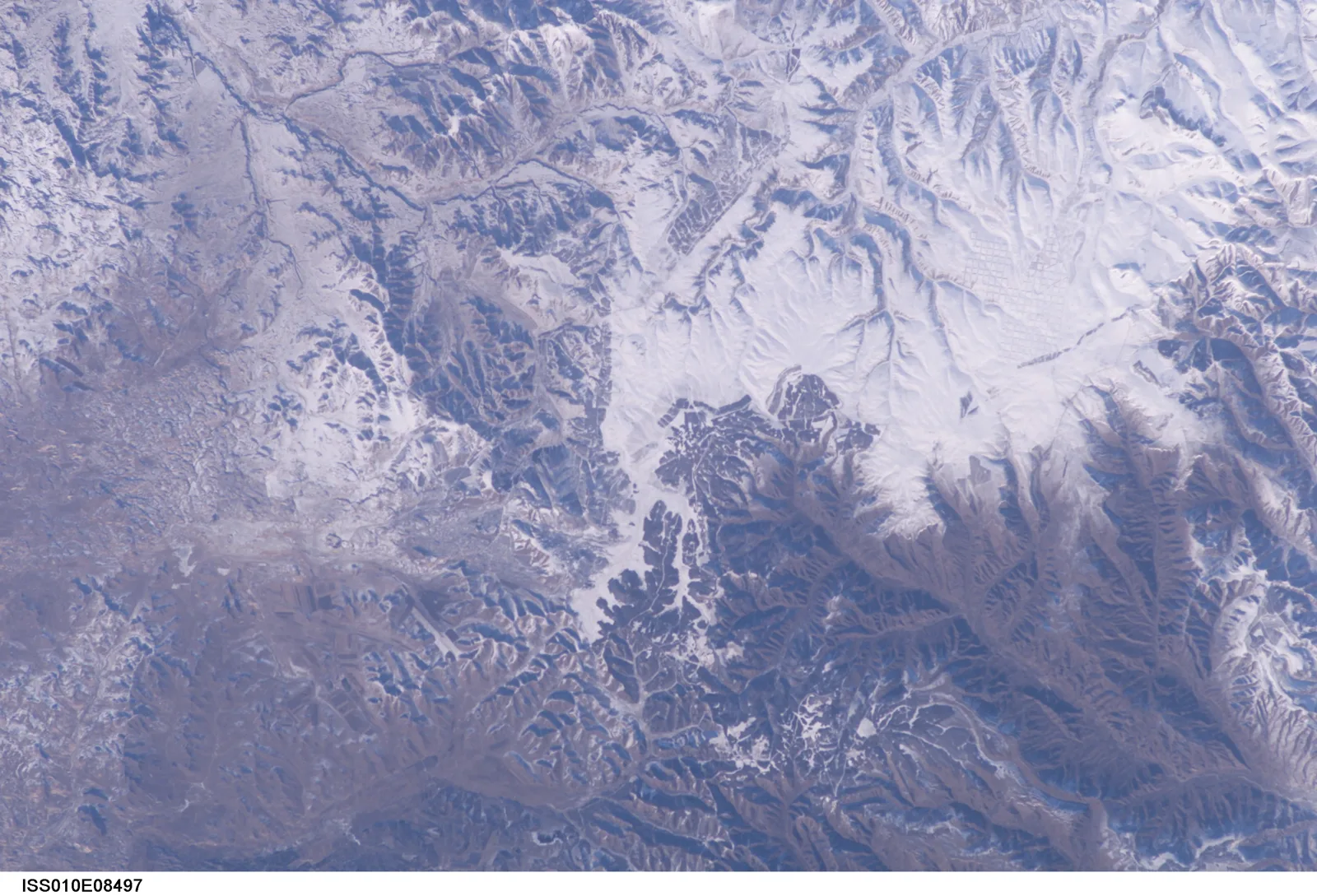
On 24 November 2004, astronaut Leroy Chiao, aboard the International Space Station about 348 kilometres up, photographed the mountains of northern China with a 180mm lens. It was a sunny day just after fresh snowfall, and part of the wall turned up in the picture. Yet Chiao himself said he hadn't seen the wall with his own eyes. The naked-eye claim, in other words, doesn't hold up.
Find the Great Wall of China on Wooriyeojido
You may not be able to spot it from orbit, but the Great Wall is the work of more than 1,800 years, joined and rebuilt from the age of the First Emperor to the Ming. The Great Wall of China is pinned on the Wooriyeojido map. Look it up in the Wooriyeojido app, and if you go, leave your photos and stories from the day right beside it.
View this place in the Wooriyeojido appVideos of nearby places
 Leshan Giant Buddha: why does a 71 m Buddha sit on a riverside cliff?
 Mount Tai: why did emperors climb it to sacrifice to heaven?
 The Great Pyramid of Giza: how were 2.3 million blocks stacked?
Sources
- UNESCO World Heritage Centre — The Great Wall (438)
- National Cultural Heritage Administration of China — Great Wall Protection Report: 43,721 sites (2016-12-05, Chinese)
- Xinhua — How long is the Great Wall, and why is it so hard to measure? (2023-12-02, Chinese)
- Beijing official tourism site — Must-visit Scenic Spots in Beijing: the Badaling Great Wall
- Beijing tourism portal — The Great Wall at Badaling (2019-09-27, Chinese)
- NASA — China's Wall Less Great in View from Space (2005-05-09)
- NASA Earth Observations — ISS010-E-8497