Cliff Palace: Who Built a Stone Village Under a Canyon Overhang?
Cliff Palace, in Colorado's Mesa Verde National Park, is the largest cliff dwelling in North America. Here is why the Ancestral Pueblo people built a 150-room village beneath a cliff, and where they went when they moved on, in a video and photos.
In southwestern Colorado, tucked into a deep hollow in a canyon wall, there is a village built entirely of stone. It has 150 rooms. Who built it in such a place, and where did they go? Start with the short video.
 Watch the one-minute video on YouTube
The largest cliff dwelling in North America
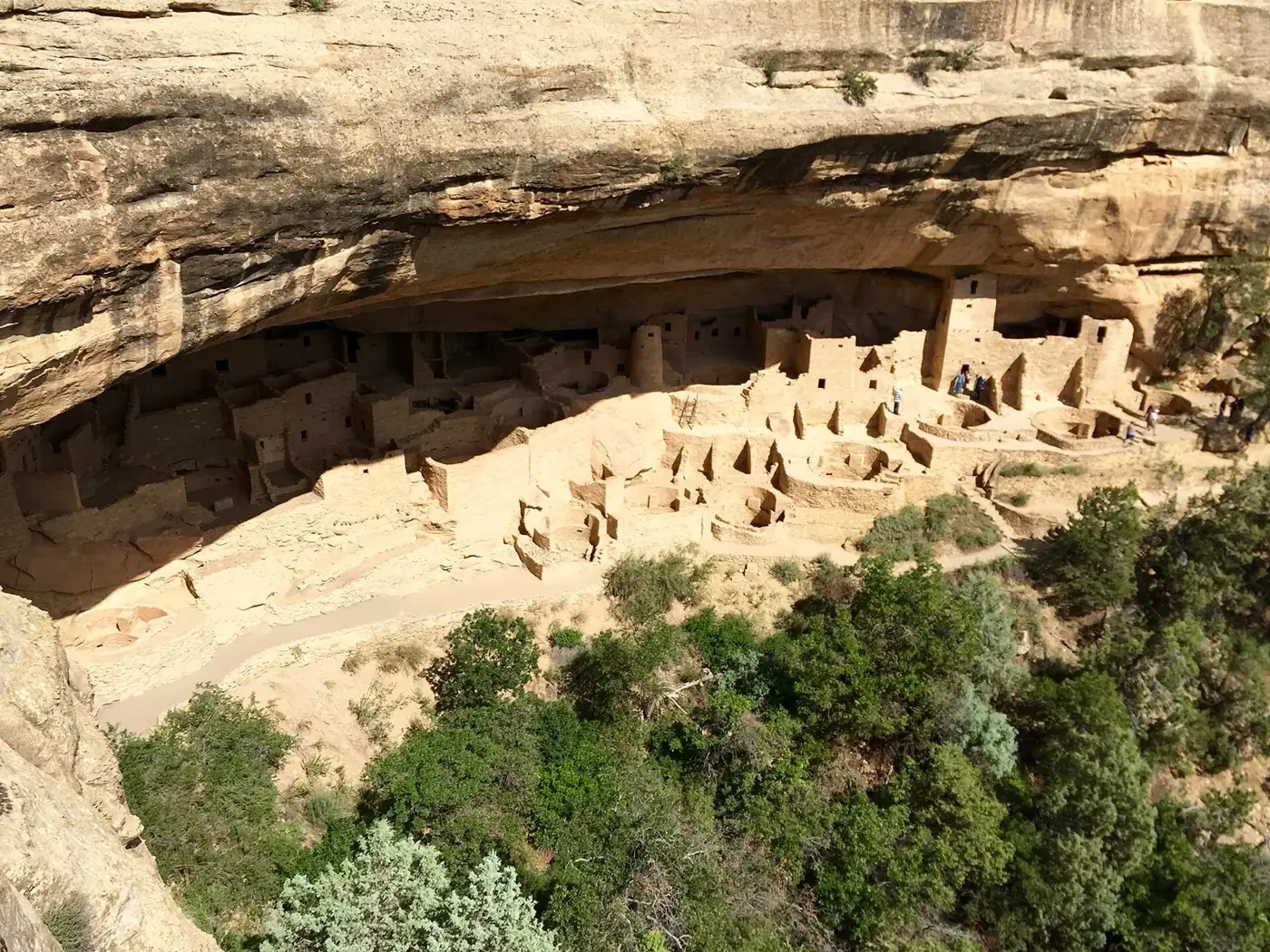
Cliff Palace is in Mesa Verde National Park, in the southwestern corner of Colorado. Its stone rooms fill a deep alcove in the canyon wall. The park contains more than 600 cliff dwellings, and three quarters of them have just one to five rooms. Cliff Palace is the largest of them all, and the largest cliff dwelling in North America.
Mesa Verde became a national park on June 29, 1906, and a UNESCO World Heritage Site in 1978.
The builders
Cliff Palace was built by the Ancestral Pueblo people. Between about AD 500 and 1300, tens of thousands of them lived across what is now the Four Corners region. Corn, beans and squash made up 90 percent of their diet, and they watered their fields with dams, terraces and reservoirs.
Most of Mesa Verde's cliff dwellings went up between 1180 and 1300. They were lived in for only about a century, but they were built to last.
No palace, just a busy village
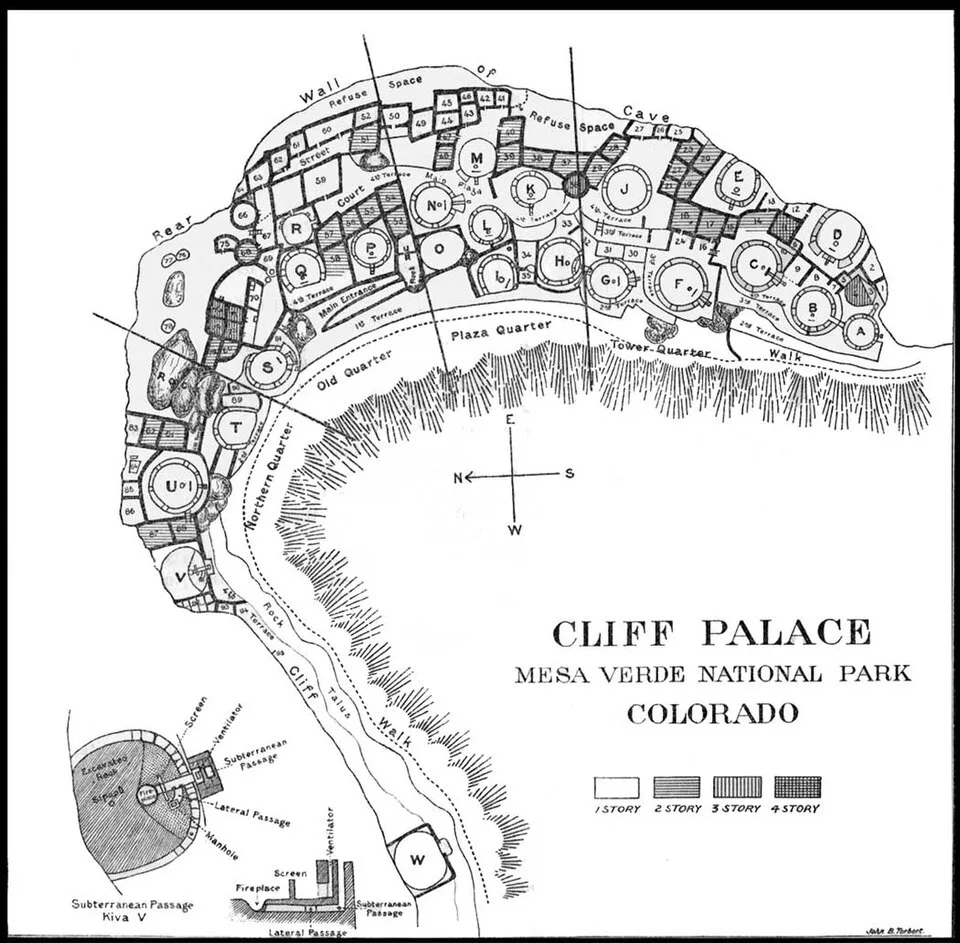
Despite the name, no king ever lived here. In the National Park Service's words, Cliff Palace "was no palace, but a village like any other, except for its size." It had 150 rooms and 23 kivas, and housed about 100 people.
Kivas were round rooms set aside for gatherings and ceremonies. Most villages had one kiva for every six rooms; Cliff Palace had one for every three. That suggests it grew into a public center for the surrounding settlements.
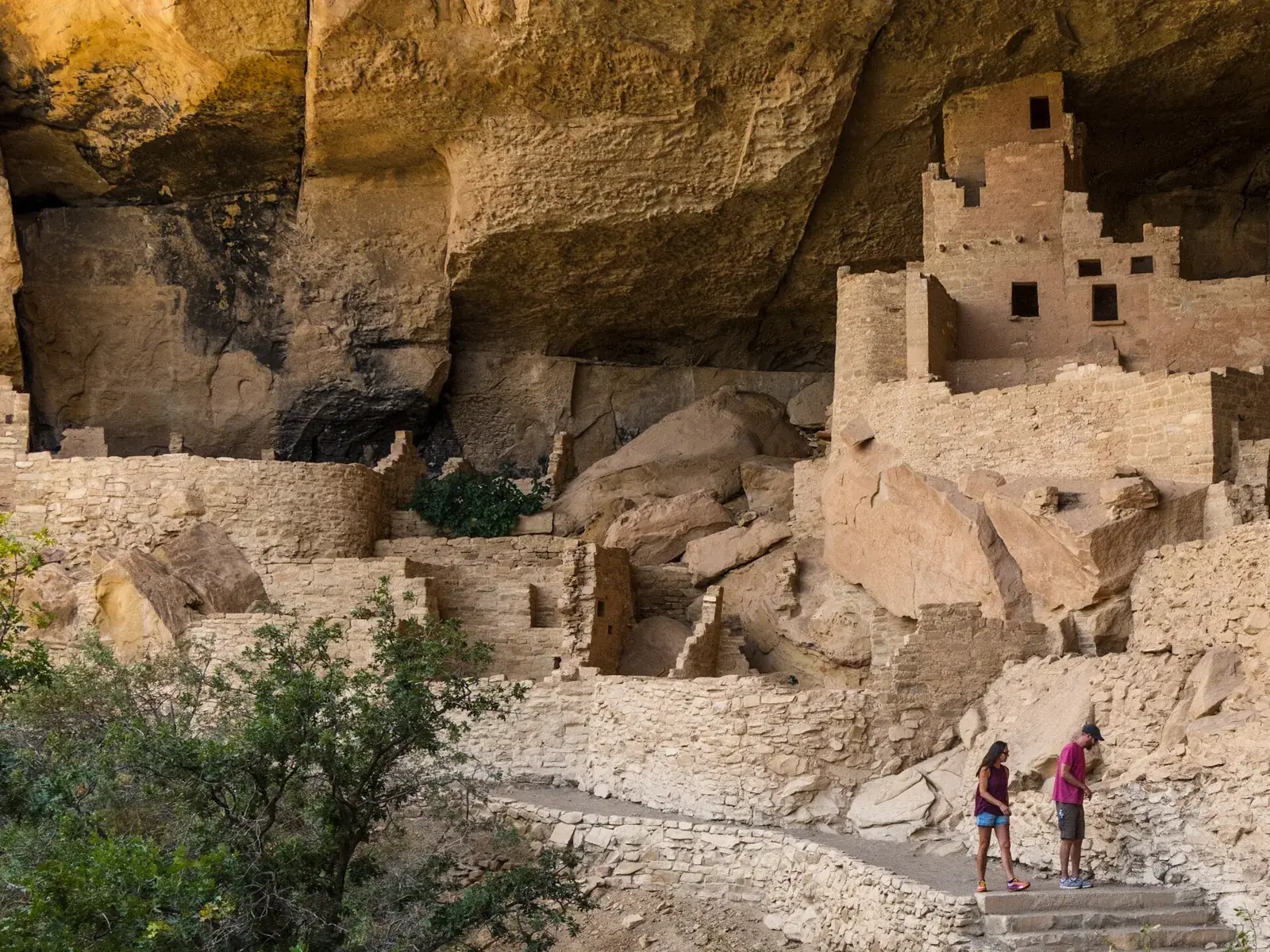
The builders worked with three main materials: sandstone, mortar and wooden beams. Each sandstone block was shaped with harder stones gathered from nearby riverbeds, and the mortar was a mix of local soil, water and ash. Some walls were finished with earthen plaster in pink, brown, red, yellow or white.
Visitors looking at the small doorways often wonder whether the people who lived here were unusually short. They weren't. The average man stood about 163 centimeters (5 feet 4 or 5 inches) and the average woman about 152 centimeters (5 feet), much like Europeans of the same period.
Why build under a cliff?
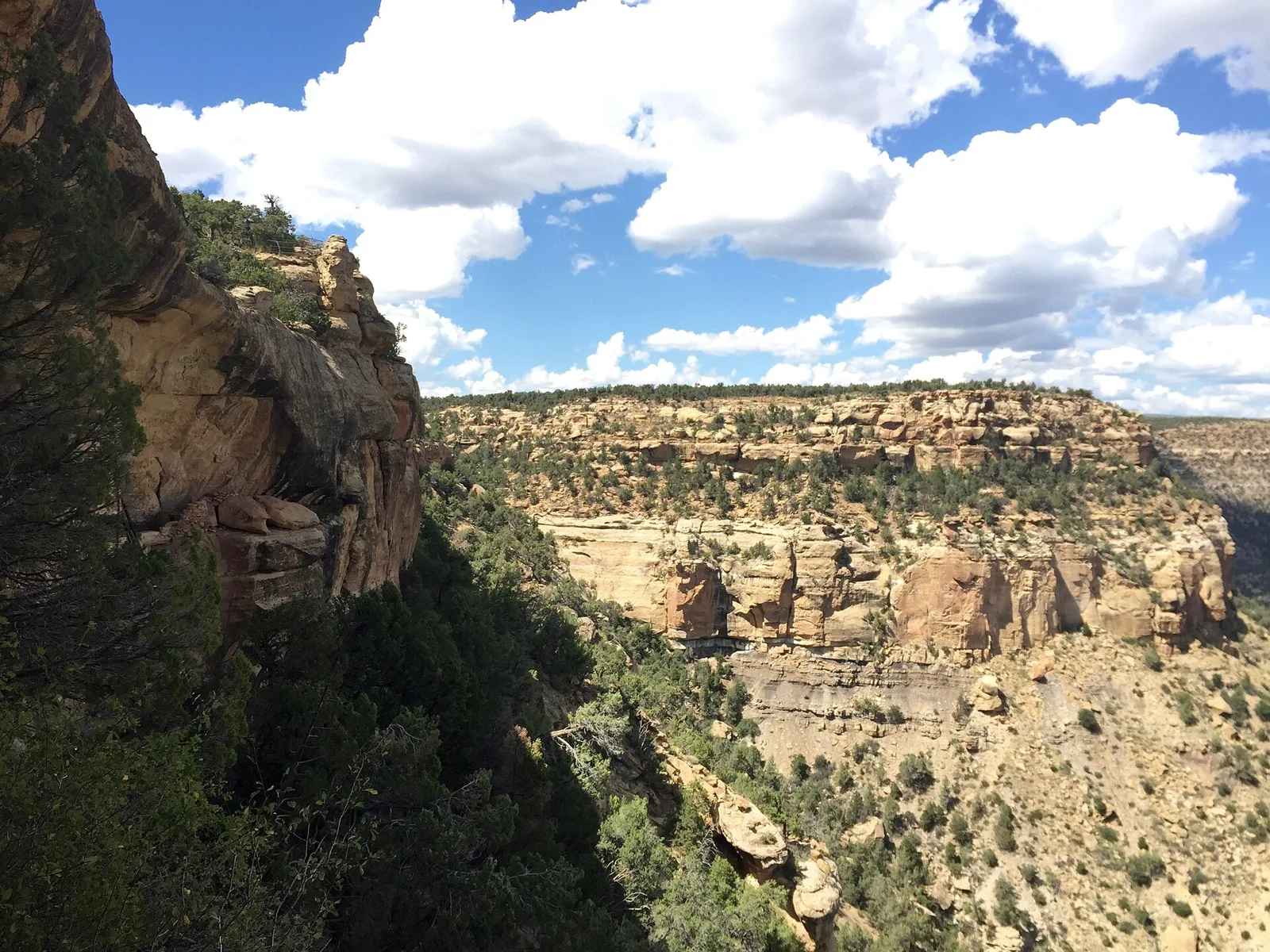
Most scholars come back to one answer: water. Most cliff dwellings were built near seep springs, where water trickles out of the rock. Wood samples show evidence of long droughts in this period, and the reservoirs on the mesa top were likely becoming less reliable. As water grew scarce, people moved their homes to where it was easier to reach.
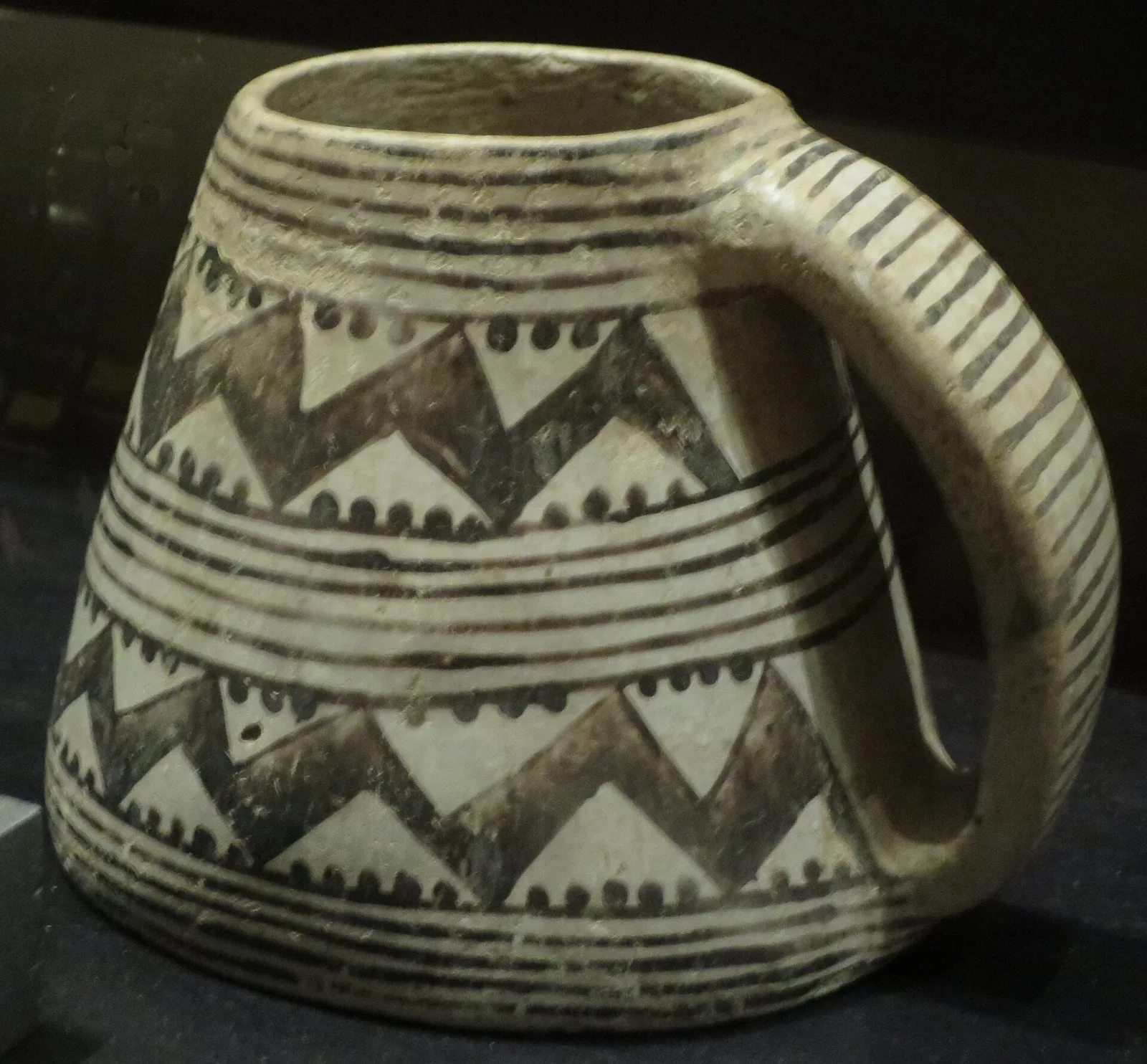
They didn't vanish; they moved
In the mid-1200s, people began moving south, and over several decades the Ancestral Pueblo people left Mesa Verde altogether. Their reasons likely varied from person to person. The evidence shows that the 1200s were a time of persistent drought, scarce resources and social change. And for Pueblo people, migration is itself an important cultural tradition.
They founded new villages or joined existing ones along the Rio Grande Valley, the Little Colorado River drainages and the Hopi Mesas. Today's Pueblo and Hopi peoples are the direct descendants of those who built and lived at Mesa Verde, and the park remains a special and sacred place for 27 associated Pueblos, Tribes and Nations. As TJ Atsye of Laguna Pueblo puts it: "Even though we physically moved away, the spirits of my ancestors are still here."
A snowy day in December 1888
On December 18, 1888, the rancher Richard Wetherill and his brother-in-law Charles Mason rode out looking for stray cattle with their Ute guide, Acowitz, and saw Cliff Palace. Afterward, sightseers and commercial collectors descended on the site. A village that had been slowly weathering for centuries now decayed rapidly, as people dug with everything from picks and shovels to dynamite.
In 1891 the Swedish researcher Gustaf Nordenskiöld excavated the site and photographed it.
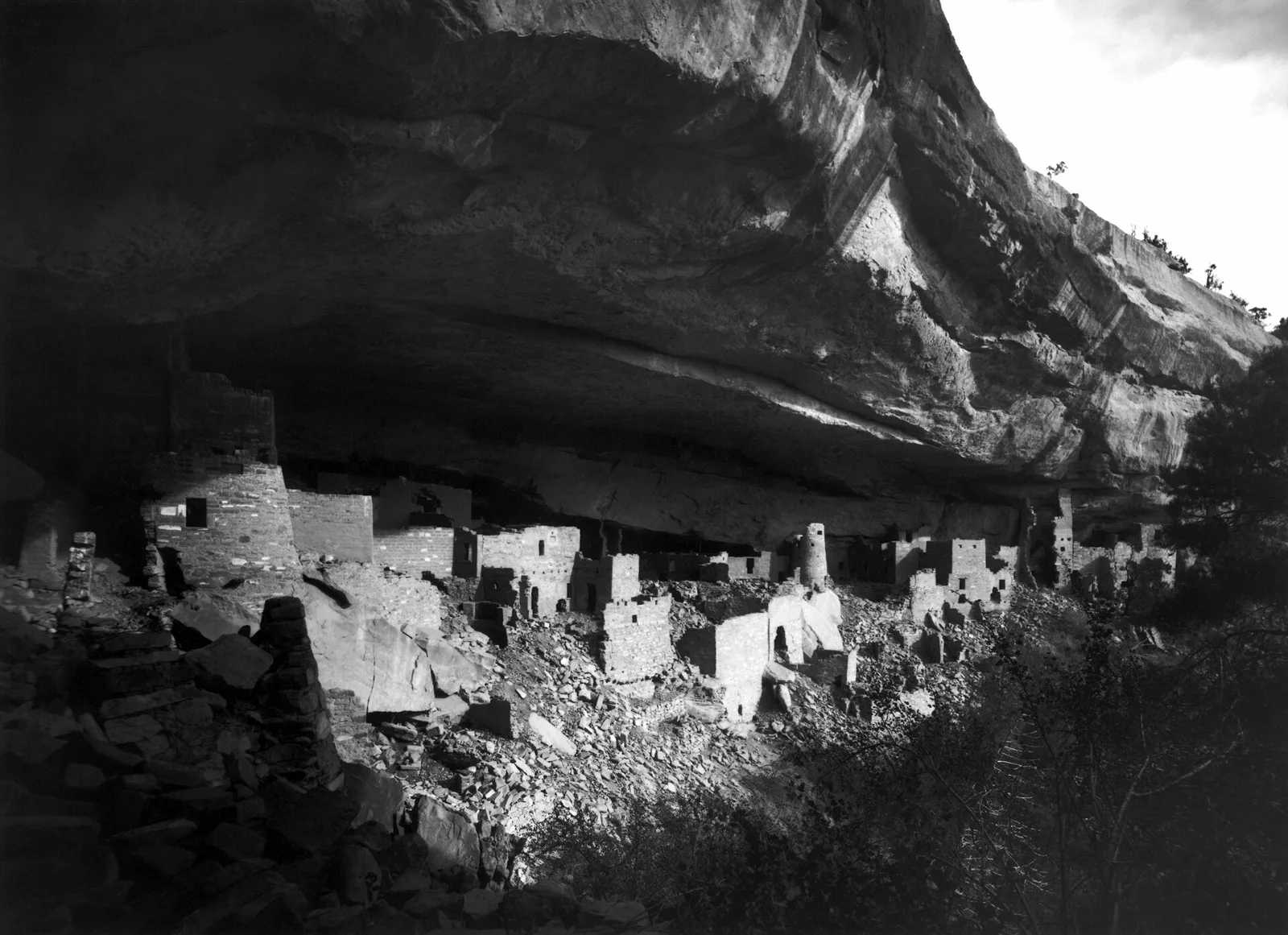
When Mesa Verde National Park was created in 1906, it was the first national park established to protect the works of people rather than nature. Today you can enter Cliff Palace only on a ranger-guided tour.
Find Cliff Palace on Wooriyeojido
The people who built this stone village under the cliff did not disappear. They moved south and carried their lives forward, and their descendants still hold this place sacred. Cliff Palace is pinned on the Wooriyeojido map. Look it up in the Wooriyeojido app, and if you go, leave your photos and stories from the day right beside it.
View this place in the Wooriyeojido appVideos of nearby places


Sources
- U.S. National Park Service, Mesa Verde — Cliff Palace
- U.S. National Park Service, Mesa Verde — Cliff Dwellings
- U.S. National Park Service, Mesa Verde — People
- U.S. National Park Service, Mesa Verde — Histories of Mesa Verde
- U.S. National Park Service, Mesa Verde — Education Packet
- UNESCO World Heritage Centre — Mesa Verde National Park (27)