Chichén Itzá's Temple of Kukulcán: The Serpent of Light on a Maya Pyramid
At Chichén Itzá in Mexico's Yucatán, a serpent of light slides down the stairway of El Castillo at sunset. Does it really appear only at the equinox? Here is the year-round sequence of light researchers describe, and the two views on whether the Maya planned it, in a video and photos.
Every year around the March equinox, thousands of people gather in front of a Maya pyramid on Mexico's Yucatán Peninsula. They come to watch a serpent creep down the stairway at sunset. What is this snake, and does it really show up only at the equinox? Start with the short video.

 Watch the one-minute video on YouTube
A city on the edge of the well
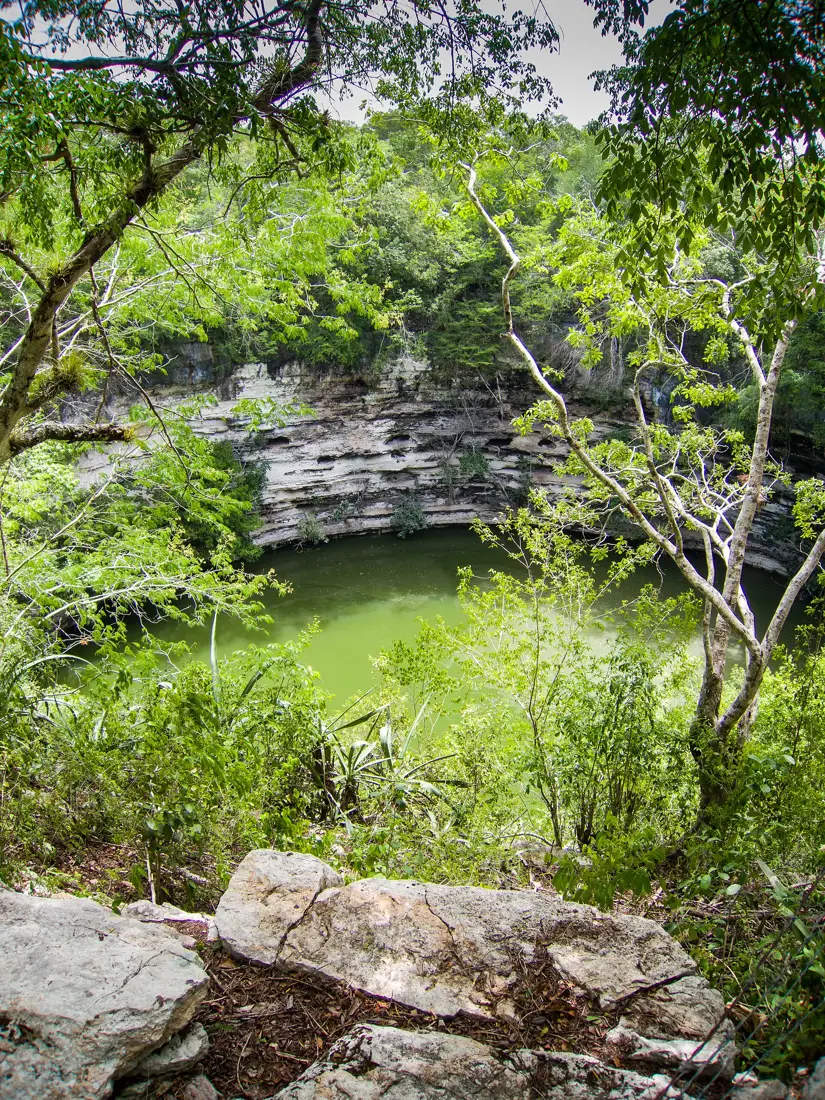
Chichén Itzá is the ruin of a Maya city in the municipality of Tinum, in the state of Yucatán, and has been a UNESCO World Heritage Site since 1988. The Maya built it beside two cenotes, natural sinkholes filled with water. The name itself means "at the edge of the well of the Itzá."

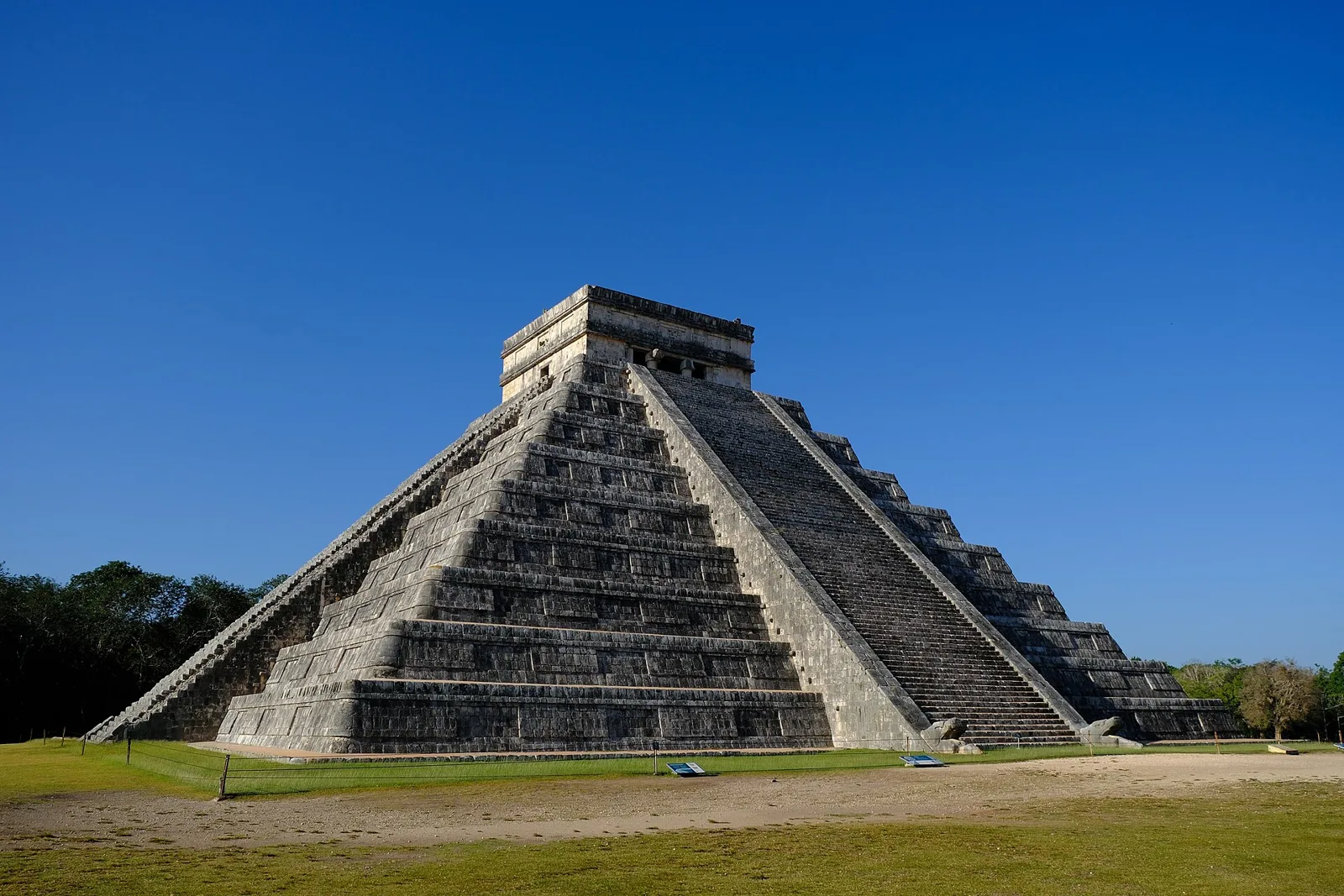
According to the explanation UNESCO describes as the most widely accepted, Toltec warriors migrated here from the Mexican plateau in the 10th century, and a new style blending Maya and Toltec traditions grew out of that encounter. Towering over the northern part of the site is El Castillo, also known as the Temple of Kukulcán.
The Feathered Serpent's temple
Kukulcán is the name of the Feathered Serpent. His pyramid rises 30 meters in nine stepped tiers, with a small temple on top. Each side measures 55.5 meters, and a stairway flanked by balustrades climbs every face.

A snake drawn by the sun
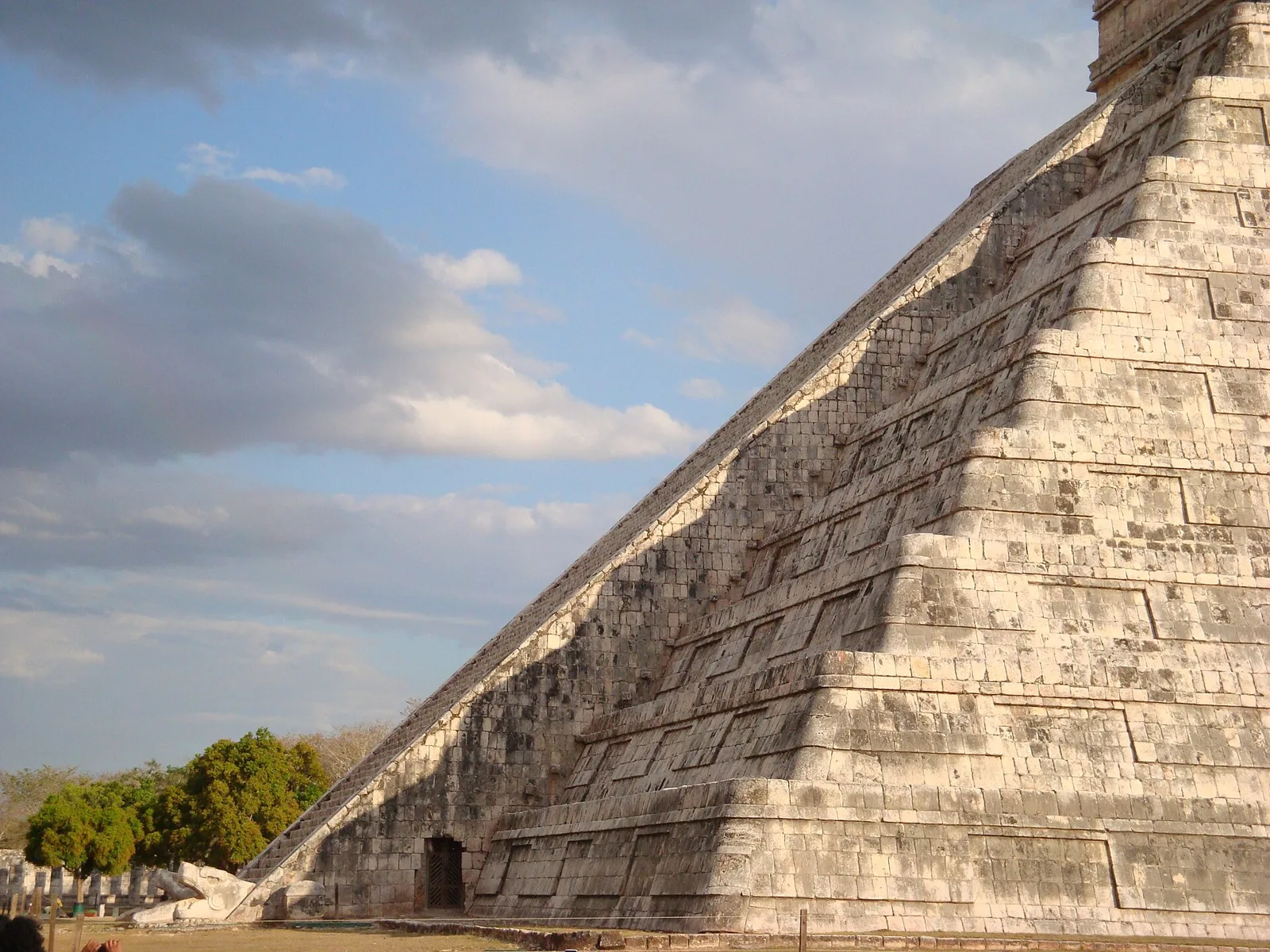
The snake is made of sunlight. As the sun sinks toward the western horizon, the stepped edge of the pyramid casts its shadow across the northwest balustrade, leaving a row of light triangles in between. Strung together, they look like the body of a serpent.
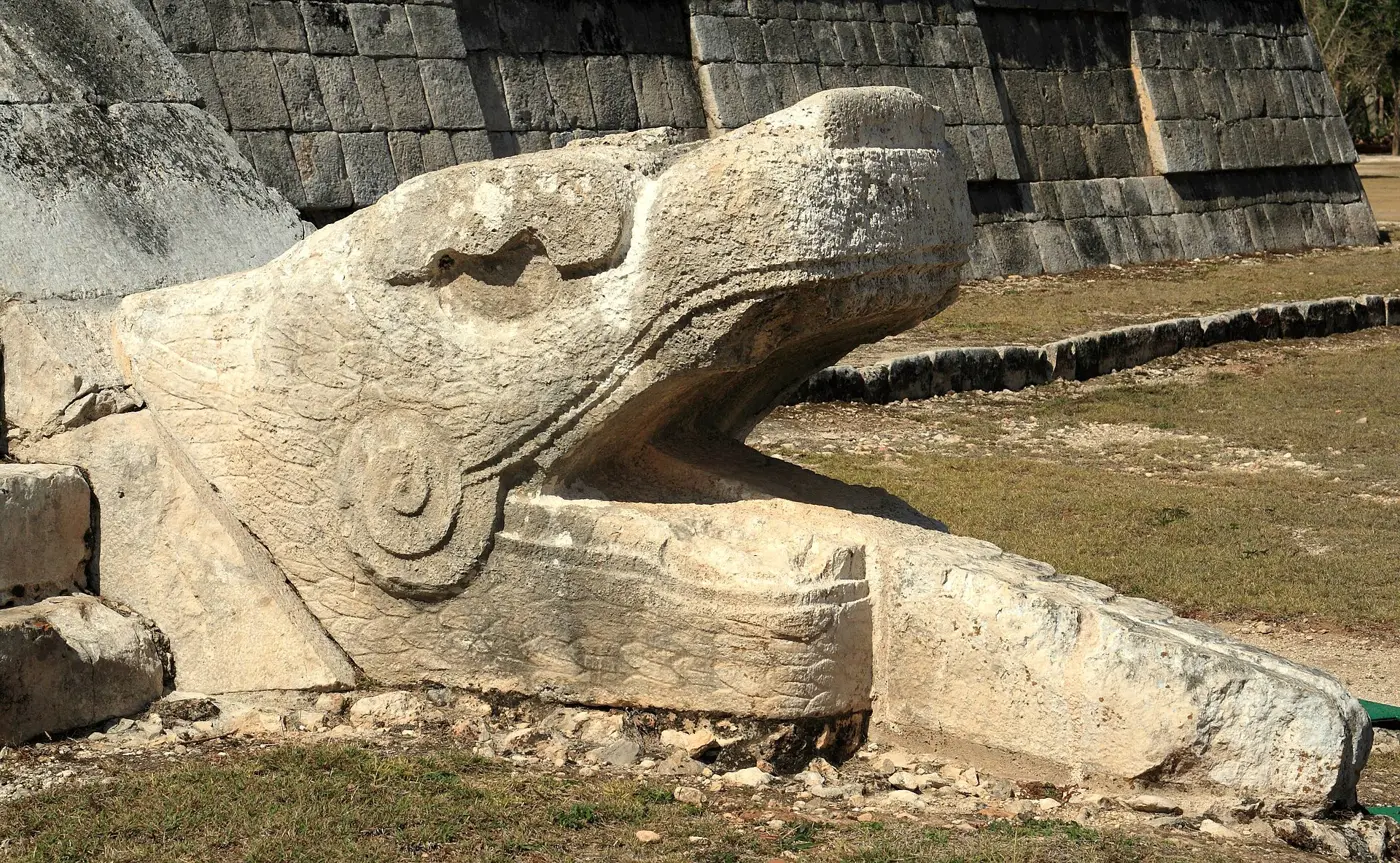
The band of light seems to slither down the balustrade until, at the very end, it lights up the stone serpent head at the foot of the stairs. This is known as the descent of Kukulcán.


Only at the equinox?
The effect was first described as something that happens on the equinoxes. But research presented in 2026 by Mexico's National Institute of Anthropology and History (INAH) argues that the light follows a set pattern all year round:
- Around February 12, the first sliver of light touches the top of the balustrade. It lasts only a few minutes. - From March 15 to 25, seven triangles appear and stay until sunset. The spring equinox falls right in the middle of that window. - Seven triangles return around the autumn equinox. - At the peak there are nine triangles, one for each tier of the pyramid. - Around May 24, the entire balustrade is lit. - The last glow comes around October 29. After that the balustrade sits in shadow for 52 days before the winter solstice and 52 days after it, until the light returns on February 12.
So if you go in the depths of winter, the balustrade is in shade and the serpent won't appear.
Did the Maya plan it?
INAH reports that researchers think watching for the seven triangles may have helped people pin down the equinox. It also notes that some scholars doubt the equinox was ever identified by ancient Mesoamerican observers. Whether the serpent of light was designed on purpose remains an open question.
Look, but don't climb
On the first day of the spring equinox opening in March 2025, 9,221 people visited the site, with the biggest crowd massing in front of the north face around 3:30 p.m. You can't climb the pyramid anymore, though. INAH has decided not to allow visitors onto pre-Hispanic structures, and the area around El Castillo is a restricted zone.
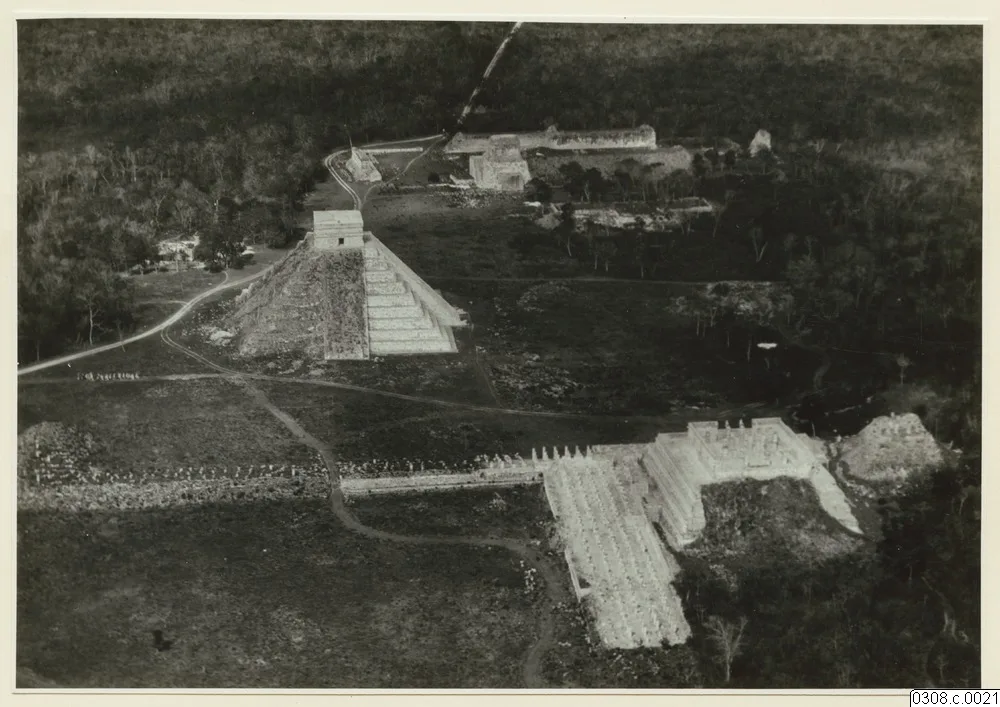
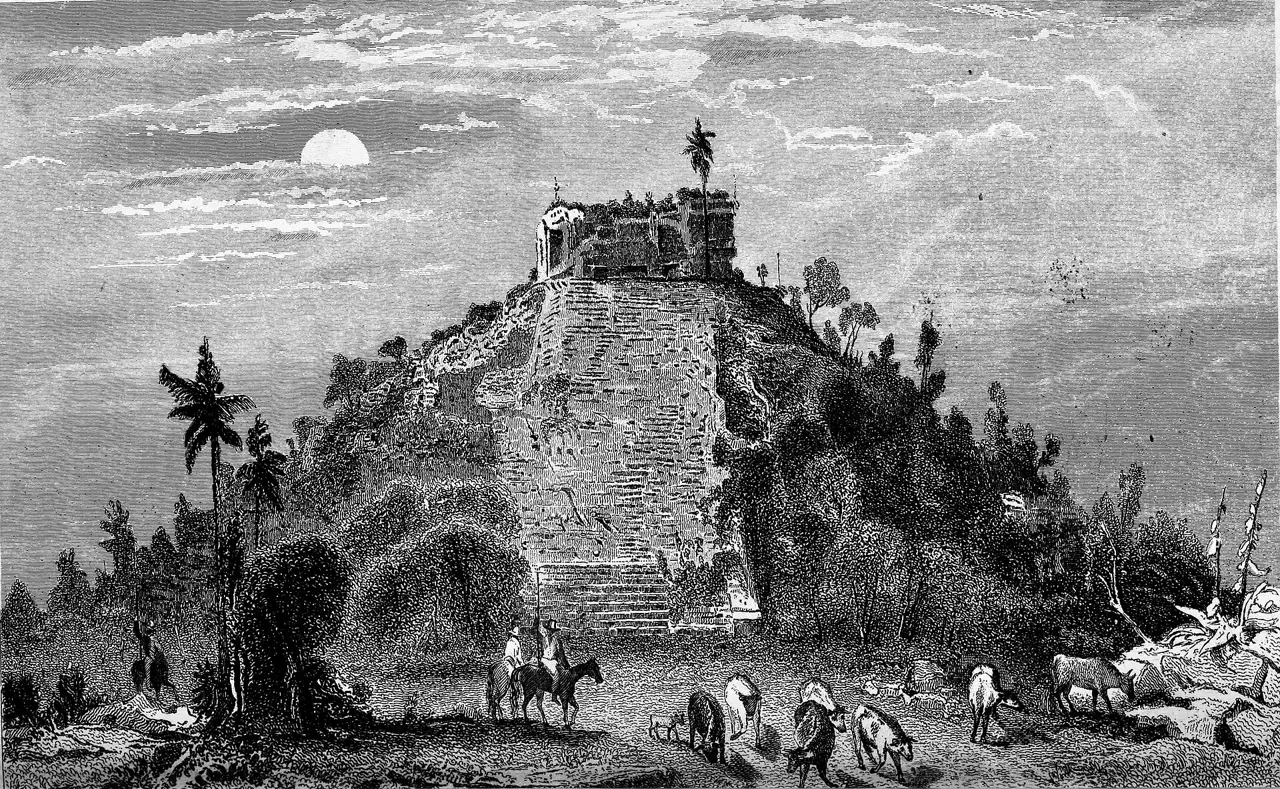
When the artist Frederick Catherwood drew it in 1843, the pyramid was still overgrown with grass and trees.

Find Chichén Itzá on Wooriyeojido
Every time the sun goes down, triangles of light still appear one by one on the balustrade of this nine-tiered pyramid. Chichén Itzá is pinned on the Wooriyeojido map. Look it up in the Wooriyeojido app, and if you go, leave your photos and stories from the day right beside it.
View this place in the Wooriyeojido appVideos of nearby places
 What lies at the end of the secret stairway under the temple floor? The Tomb of Pakal
 How did a city on a lake become Mexico City? The fall of Tenochtitlan, 1521
 Machu Picchu: how a mountaintop city was forgotten for nearly 400 years
Sources
- UNESCO World Heritage Centre — Pre-Hispanic City of Chichen-Itza (483)
- INAH — Boletín 180 (2026-04-28): Aspectos calendáricos y astronómicos de El Castillo de Chichén Itzá
- INAH — Comunicado (2025-03-20): Patrimonio de Chichén Itzá sin afectaciones tras ascenso indebido al Castillo
- Stephens and Catherwood, Incidents of Travel in Yucatan (1843) — El Castillo, Chichen Itza