The Battle of Waterloo: how long did Napoleon's last battle take?
On 18 June 1815, in fields south of Brussels, Napoleon fought his last great battle. How the day unfolded from the first attack at 11.30am, and the Lion's Mound that now stands over the battlefield.
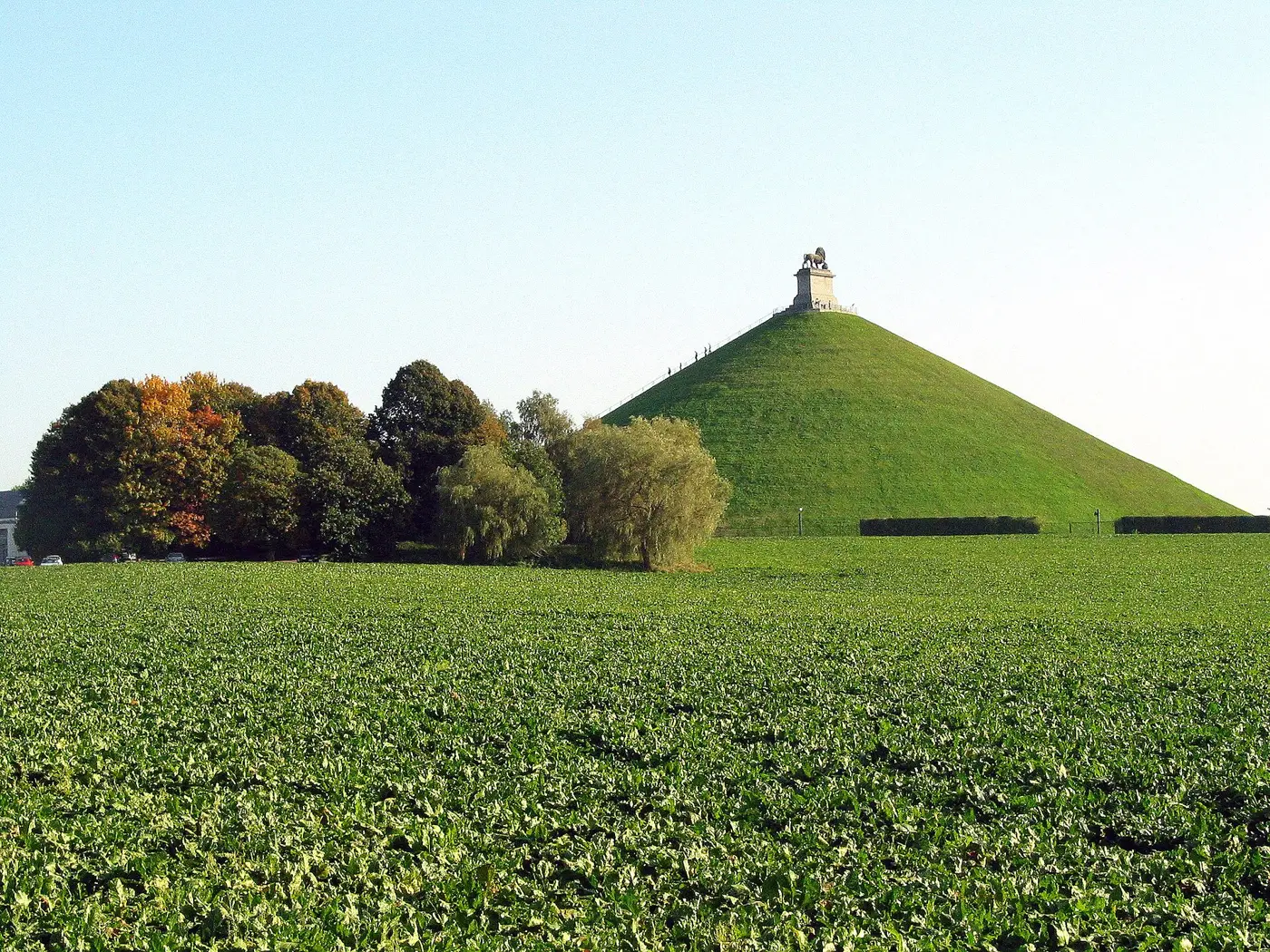
In the farmland south of Brussels, a grassy cone rises abruptly out of the fields, with an iron lion sitting on top. On 18 June 1815, in the fields around it, Napoleon fought his last great battle. How many hours did it take to decide? Start with the short video.

 Watch the one-minute video on YouTube
Farms and low ridges
The battle takes its name from the town of Waterloo, but the fighting happened in the fields around what is now Braine-l'Alleud, a landscape of scattered farms and gentle ridges. Today you can visit the Lion's Mound at the heart of the battlefield, the Memorial 1815 museum, and Hougoumont Farm, fought over from morning to night.
The emperor returns
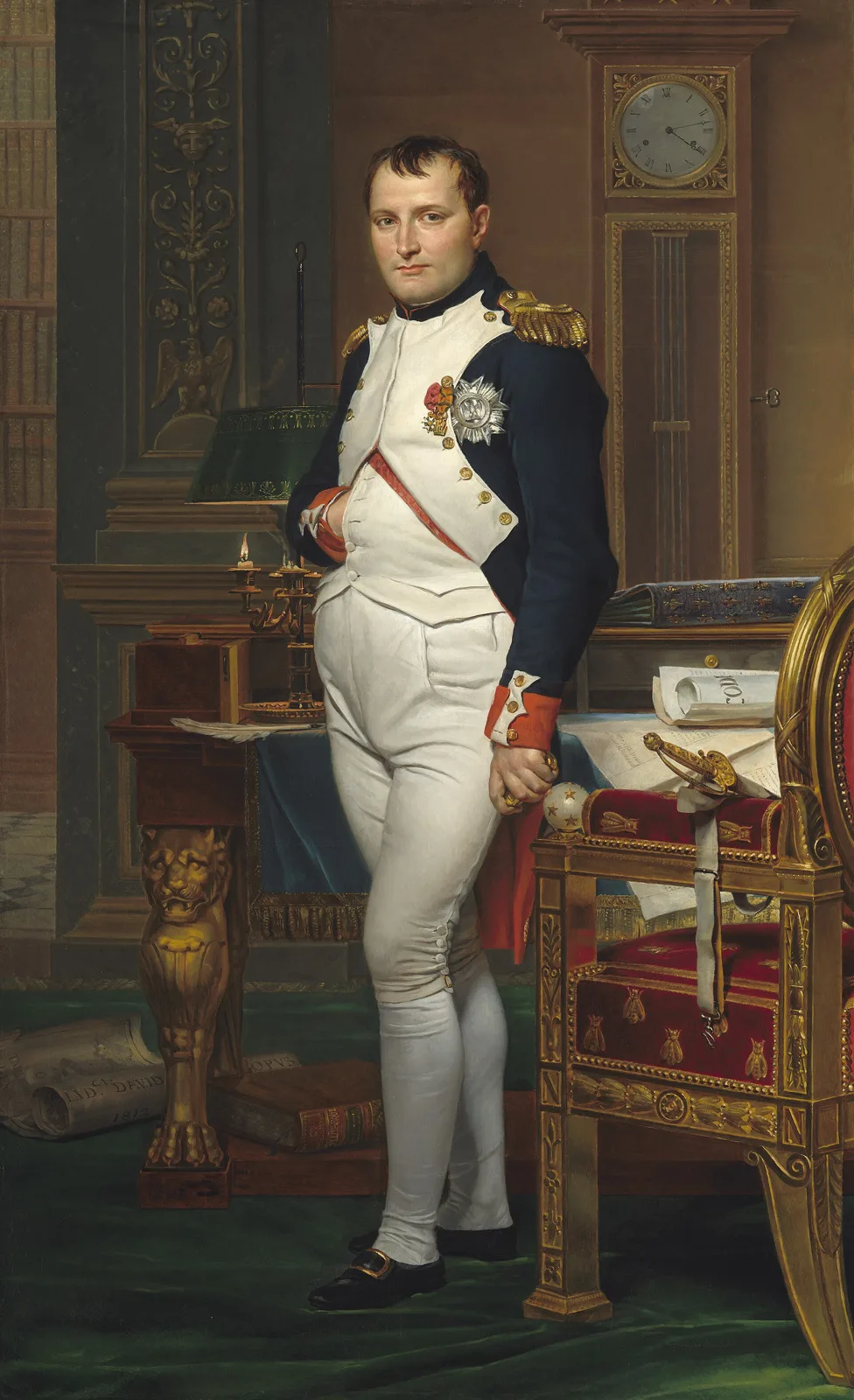
Napoleon had been forced to give up his throne and was living in exile on the island of Elba. In March 1815 he escaped, landed in France and took power again. The rest of Europe scrambled to raise armies. An Allied army under the Duke of Wellington, largely British, and a Prussian army under Blücher gathered in what is now Belgium. Together they outnumbered the French.

11.30am: Hougoumont
According to Britain's National Army Museum, Napoleon brought 72,000 men and 246 guns to Waterloo. Wellington had 68,000, and the Prussians, who would arrive later in the day, another 48,000. The ground was wet and heavy.
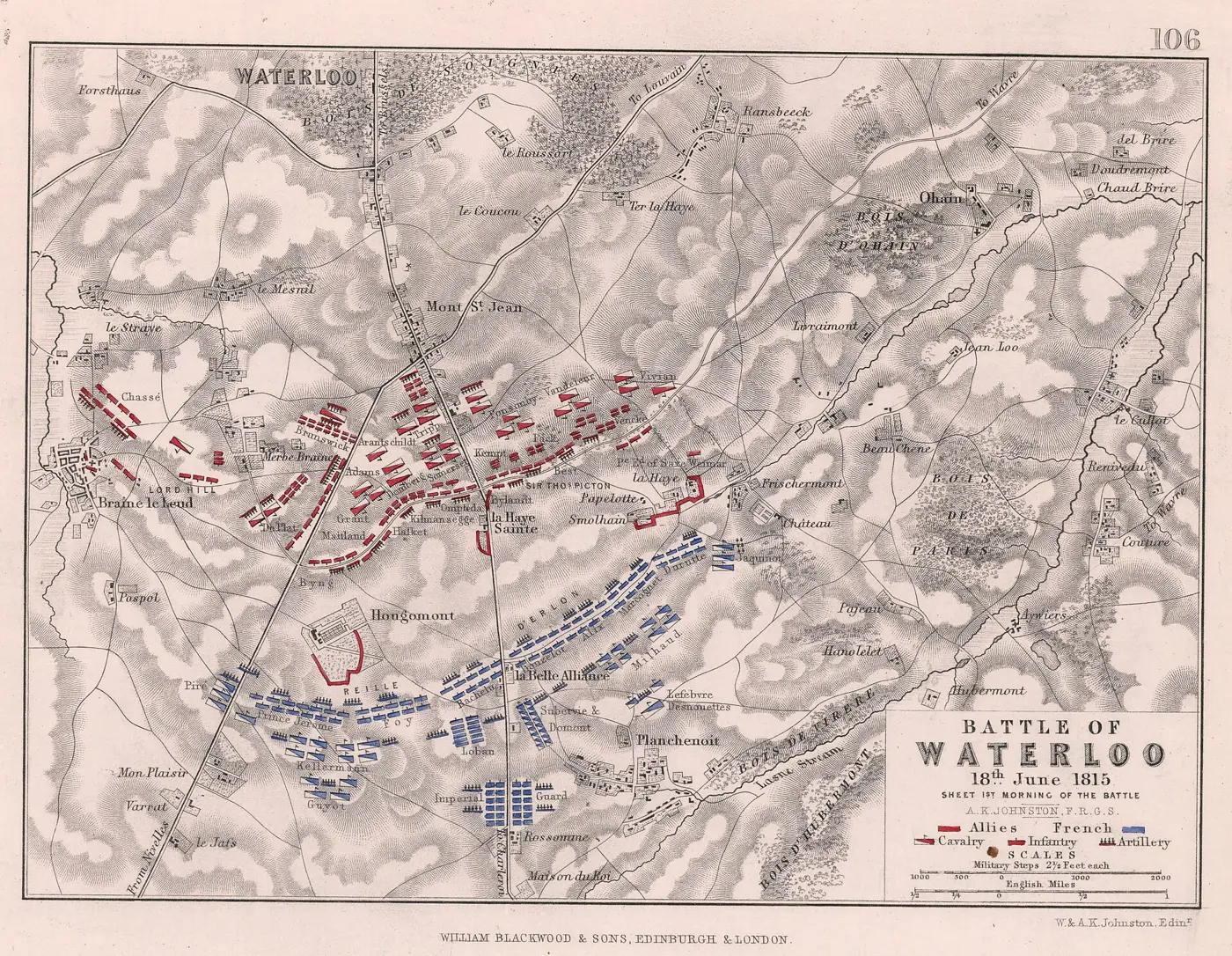

The battle opened at about 11.30am with a French attack on the farm and château of Hougoumont. The French took the woods around it, but the buildings stayed in British hands all day. The soft ground also blunted the French artillery.
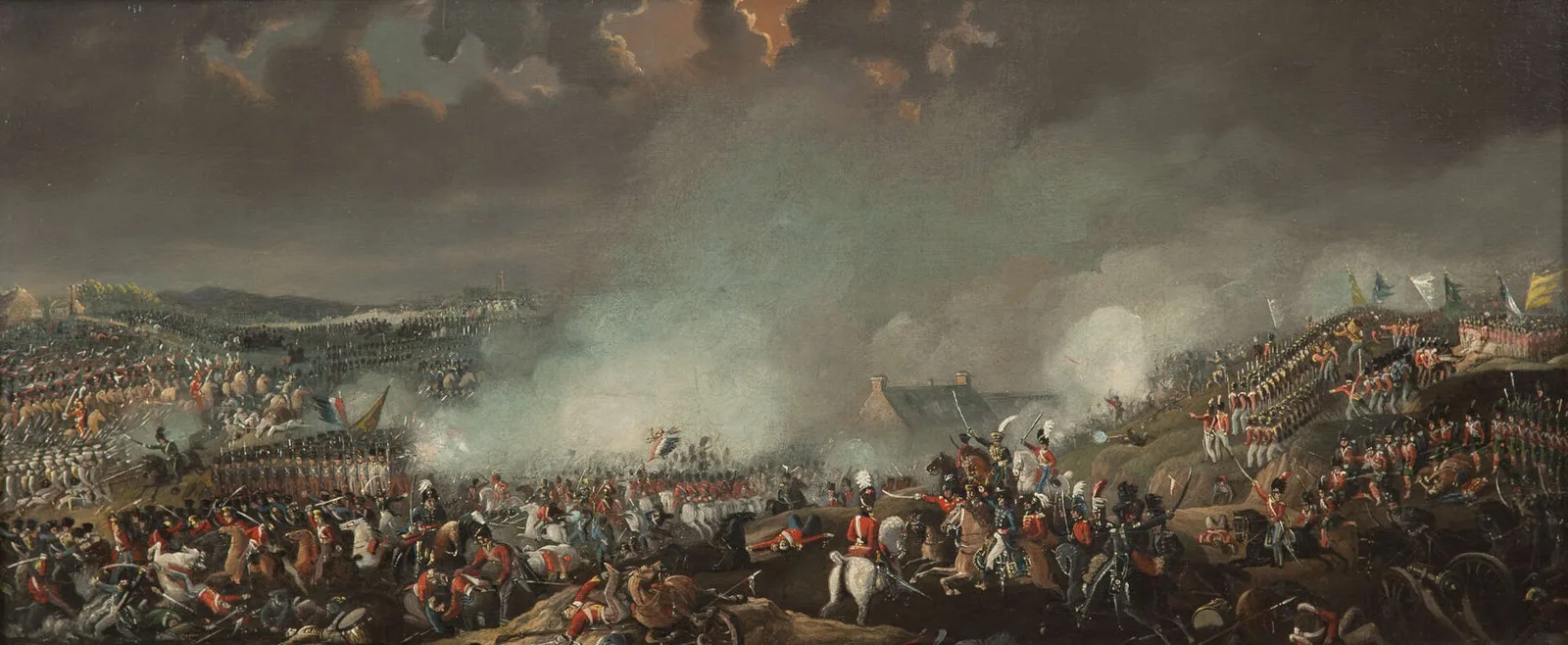
In the afternoon, wave after wave of French cavalry rode forward. The mud slowed them down, and the British infantry, formed into squares, held firm.

7pm: the Guard breaks
By mid-afternoon the Prussians were arriving on Napoleon's right, forcing him to peel off more and more troops to hold them back. Even so, at around 6pm the French captured the farm of La Haye Sainte, and Wellington's line was badly shaken.
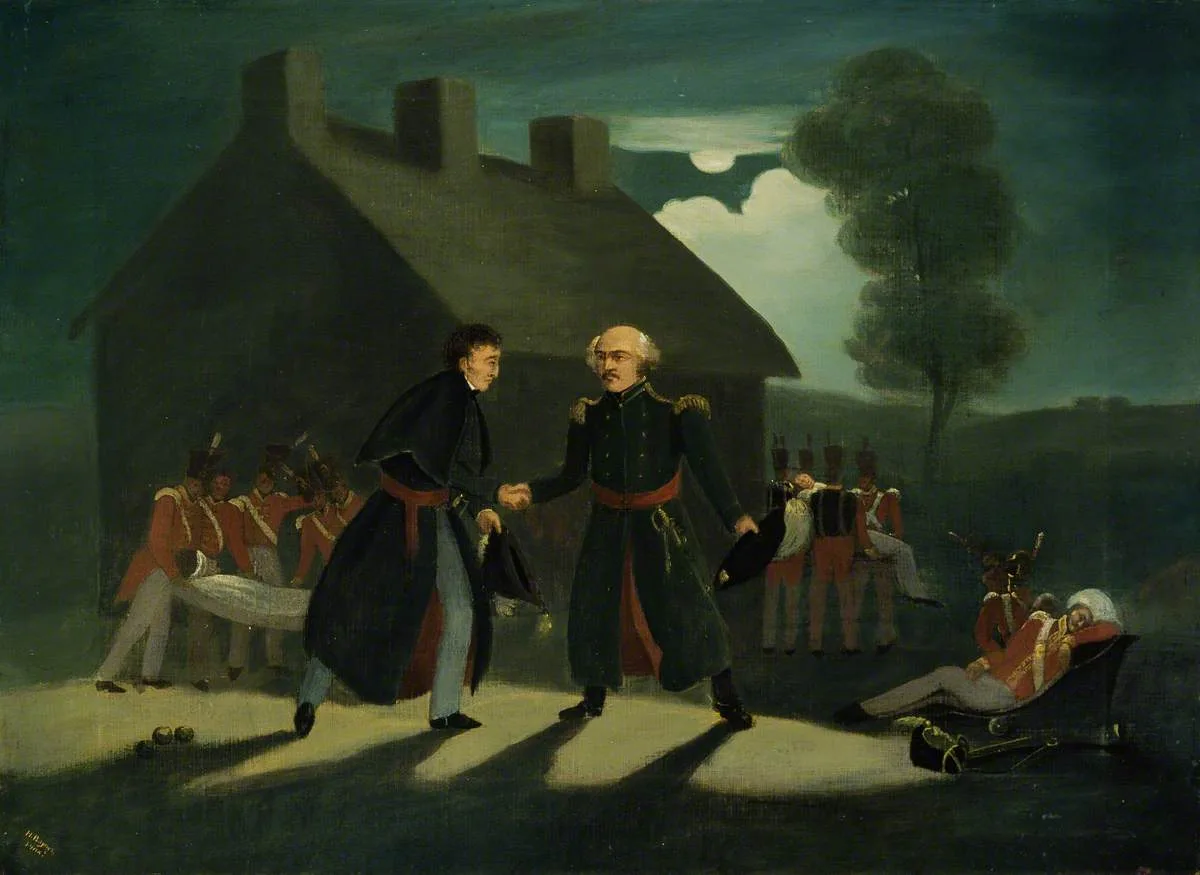
At about 7pm, in a last bid for victory, Napoleon sent in his finest troops, the Imperial Guard. Under British fire the Guard faltered, then broke. Panic spread through the French army, and the retreat went on all night. Between 9 and 10pm, Wellington and Blücher met near the farm of La Belle Alliance.

The answer: under eight hours
From the first attack at 11.30am to the collapse of the Guard around 7pm, the battle was decided in less than eight hours. In that time Napoleon lost nearly 40,000 men killed, wounded or captured. Allied losses came to 22,000.
Napoleon was forced to abdicate a second time, and spent the rest of his life in exile on St Helena, a remote island in the South Atlantic.

A lion at the top of 226 steps
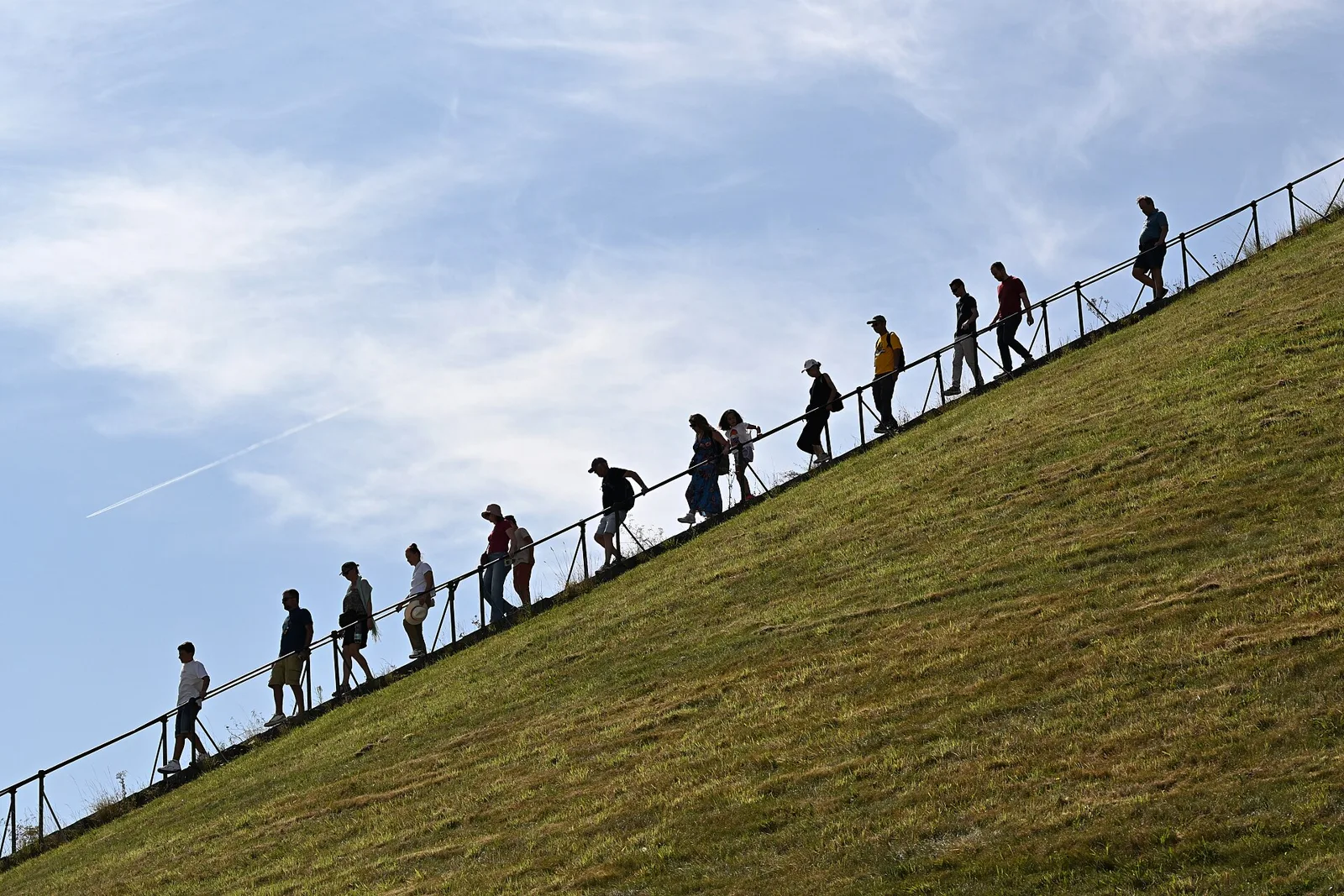
The Lion's Mound was raised on the orders of King William I, on the spot where his eldest son was believed to have been wounded during the battle. It was finished in 1826 and stands 40 metres high. Climb its 226 steps and the whole battlefield spreads out below you. The lion on top stands for the Allied victory.

Find the Battle of Waterloo on Wooriyeojido
Napoleon's last battle was over in less than a day, but the lion still keeps watch over the fields. The Lion's Mound at Waterloo is pinned on the Wooriyeojido map. Find the Battle of Waterloo in the Wooriyeojido app, and if you go, leave your photos and stories from the day right beside it.
View this place in the Wooriyeojido appVideos of nearby places
 167 scholars followed an army to the pyramids? Napoleon in Egypt and the Rosetta Stone
 Why is English full of French words? The Battle of Hastings, 1066
 The one-day battle that decided 260 years of Japan: Sekigahara, 1600