Aksum: The Ethiopian City Where the Ark of the Covenant Is Said to Rest
In the highlands of northern Ethiopia, a small fenced chapel is believed to hold the Ark of the Covenant. The Aksumite kingdom that ruled Red Sea trade, stelae taller than 23 metres, the tale of the Queen of Sheba and Solomon, and an Ark no one may see, in a video and photos.
In the highland town of Aksum, in northern Ethiopia, a small chapel stands behind a tall fence. The Ethiopian Orthodox Church believes that inside it rests the Ark of the Covenant, the chest described in the Bible. Is it really there? That almost nobody is allowed to check is part of the story. Start with the short video.

 Watch the one-minute video on YouTube
Capital of a Red Sea power
Aksum sits on the Tigray plateau in northern Ethiopia. It was the heart of the Aksumite kingdom, which lasted from the 1st to the 8th century AD, and it became a UNESCO World Heritage Site in 1980.
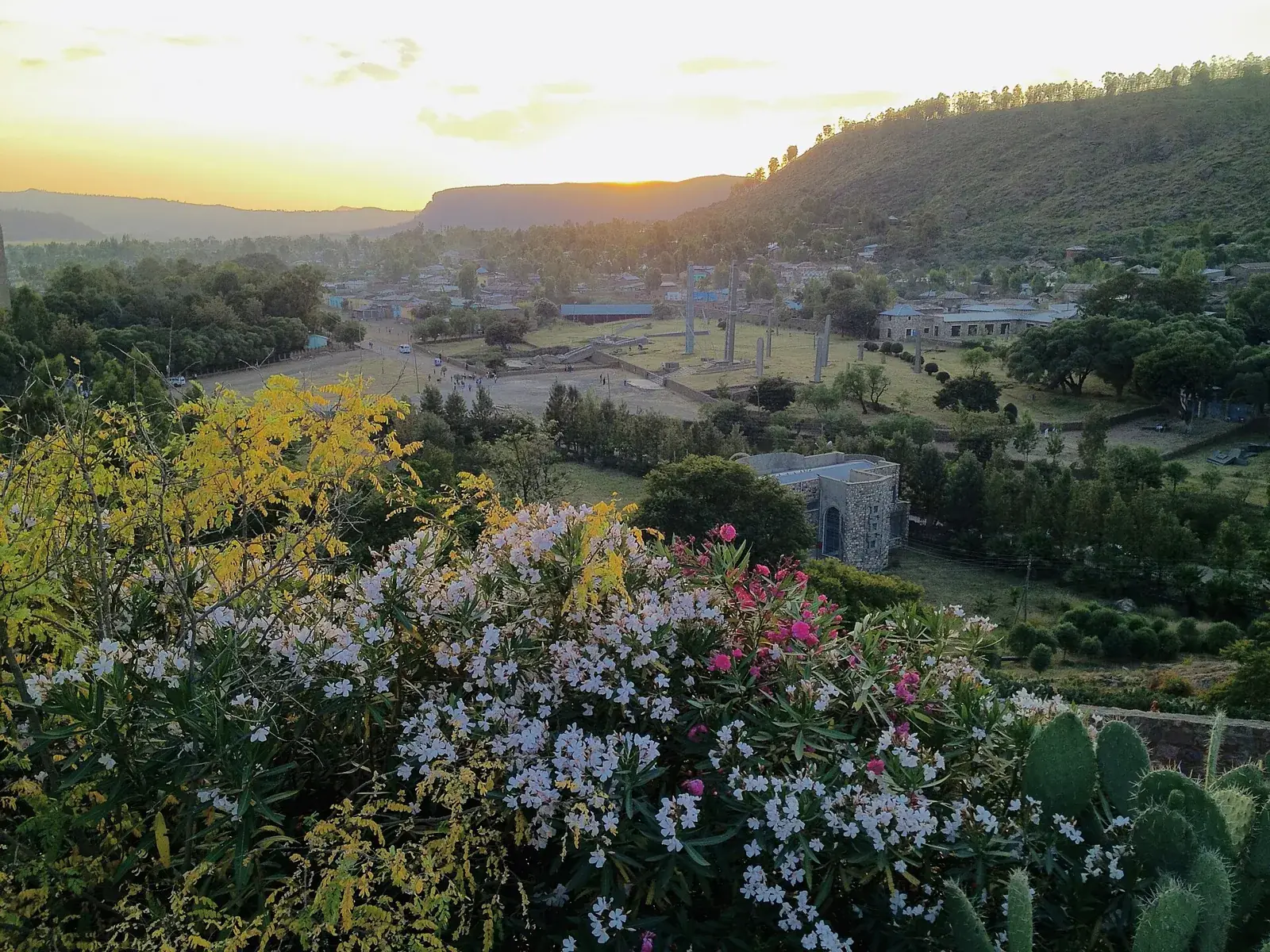

This was no minor realm. According to UNESCO, Aksum controlled the ivory trade with Sudan, and its fleets dominated Red Sea commerce through the port of Adulis. It is described as the most powerful state between the Eastern Roman Empire and Persia. When Christianity arrived in the 4th century, churches began to rise here too.
A nine-storey tower cut from one stone
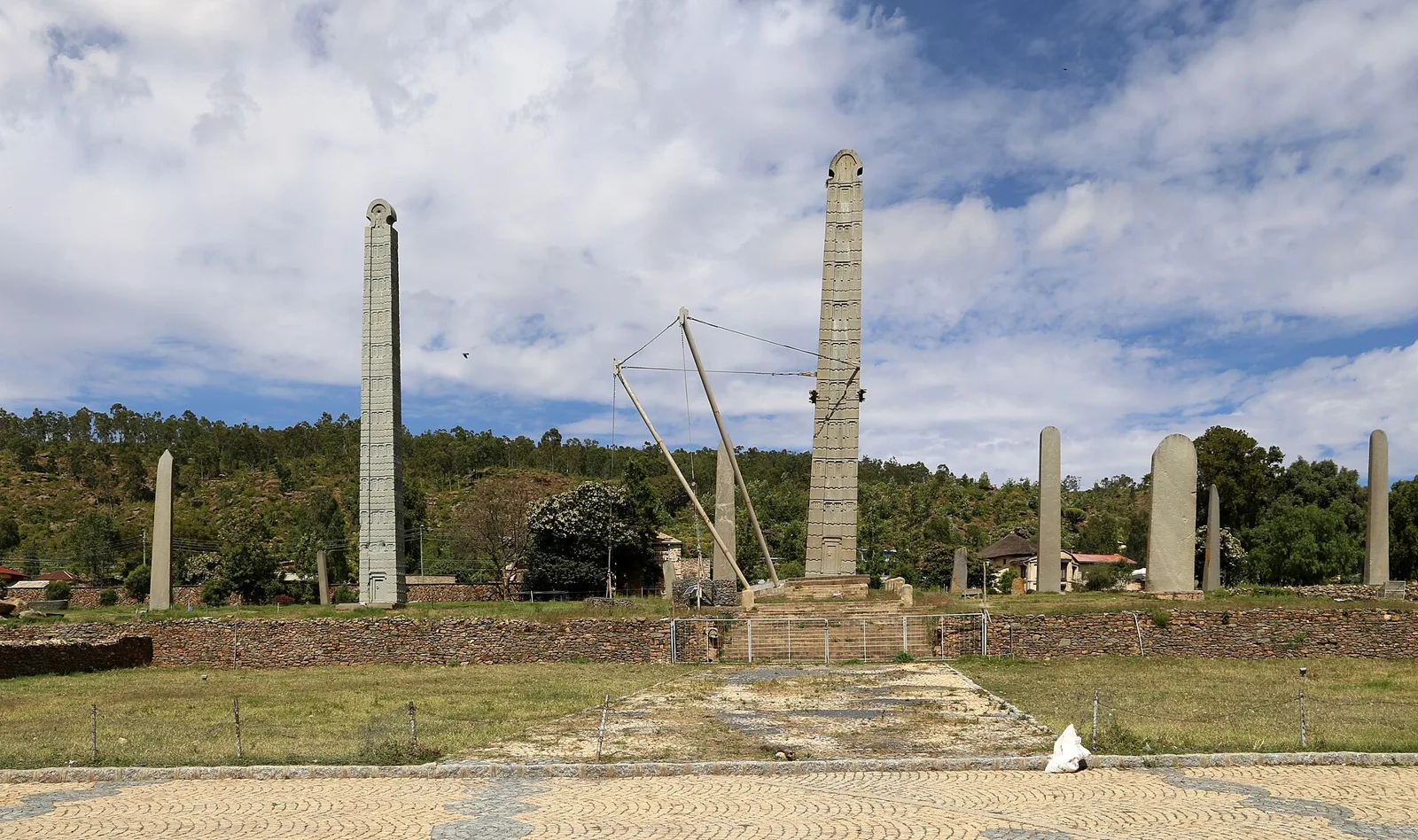
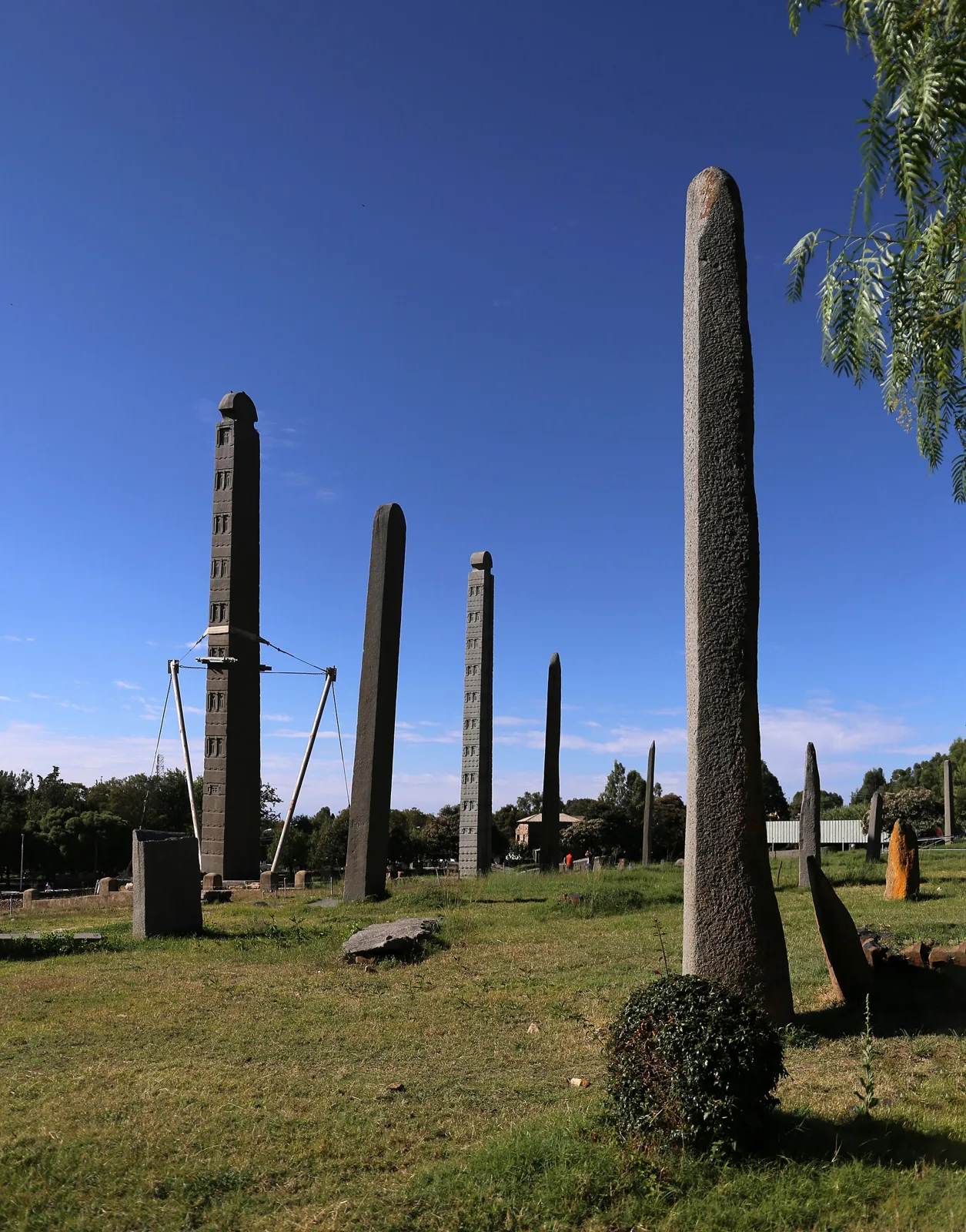
The first thing most visitors notice is the forest of stelae in the Northern Stelae Park. The tallest one still standing rises more than 23 metres. It was carved from a single block of stone and decorated with tier upon tier of windows and doors, so that it looks like a nine-storey building.

What is the Ark?
In the Bible, the Ark of the Covenant is the chest that held the two stone tablets inscribed with the Ten Commandments. The First Book of Kings says there was nothing inside it except the two tablets Moses had placed there at Horeb.
The Queen of Sheba, Solomon and their son
How could the Ark have ended up in Ethiopia? An old Ethiopian book has an answer: the Kebra Nagast, or Glory of the Kings. It tells how a queen from the south heard of King Solomon's wisdom and travelled to Jerusalem to meet him.
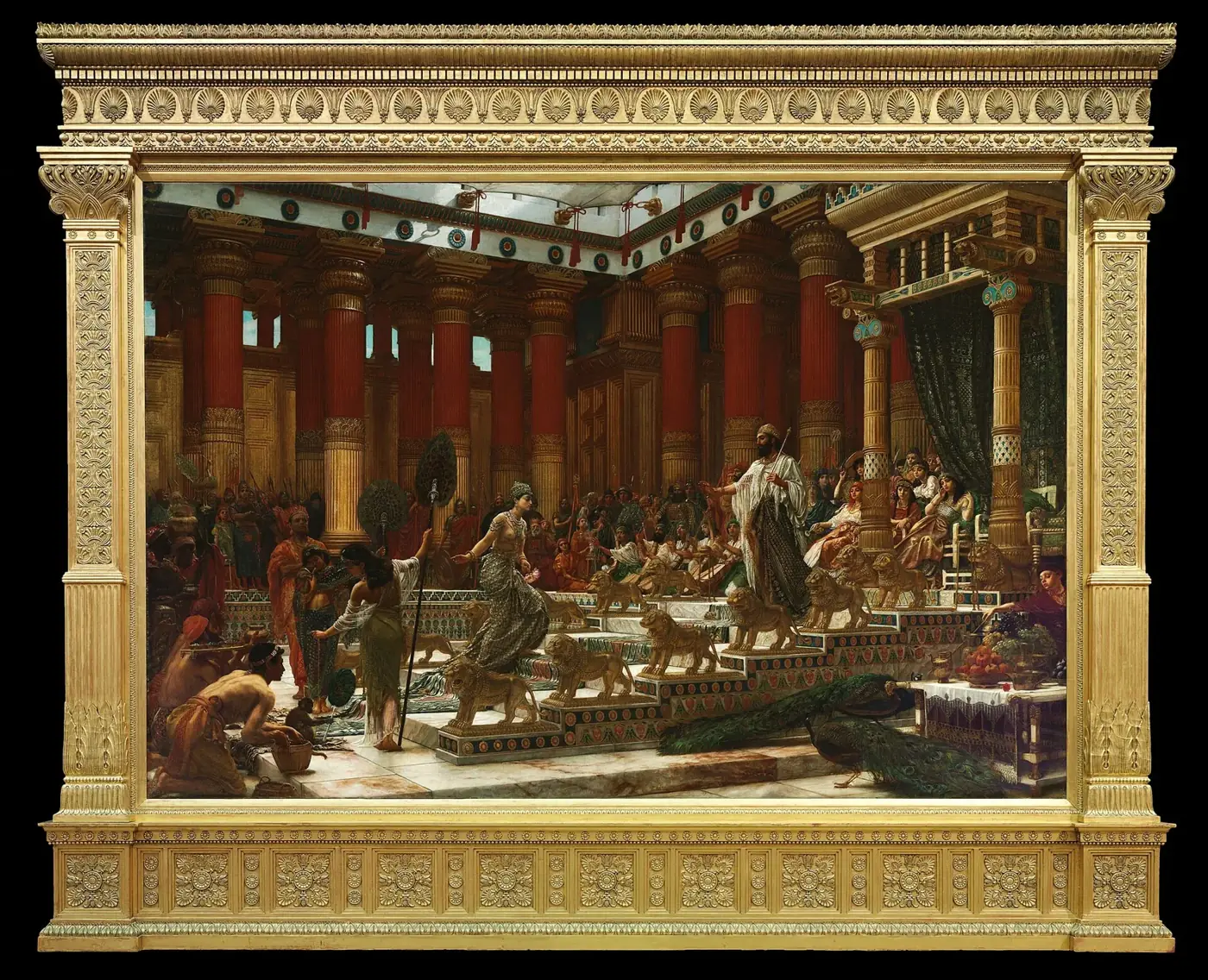

Back in her own country, the story goes, the queen gave birth to a son, who grew up and set off for Jerusalem to find his father. In Ethiopia he is known as Menelik. Solomon made him king of Ethiopia, and when the young man returned home, the companions who travelled with him carried the Ark out of the Temple. An angel, the book says, opened every door for them.
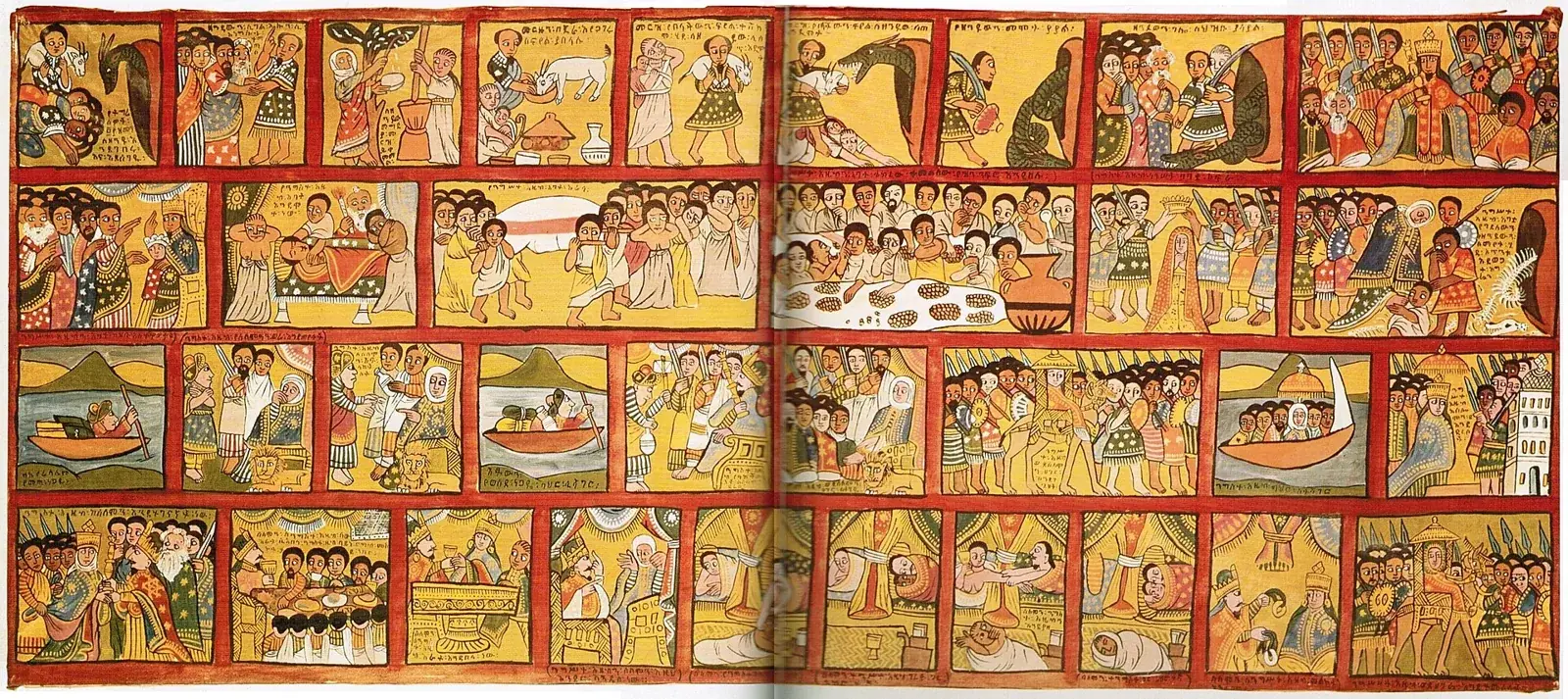

The Kebra Nagast probably took its present form in the first half of the 14th century. For at least a thousand years, Ethiopians have revered it as the true account of where their royal line came from.
The chapel behind the fence
The Ethiopian Orthodox Church holds that the Ark is kept in a small chapel within the compound of the Church of Our Lady Mary of Zion in Aksum, and UNESCO notes that the church is believed to hold it. This is the Chapel of the Tablet. A high iron fence surrounds it, and visitors can only look from the outside.
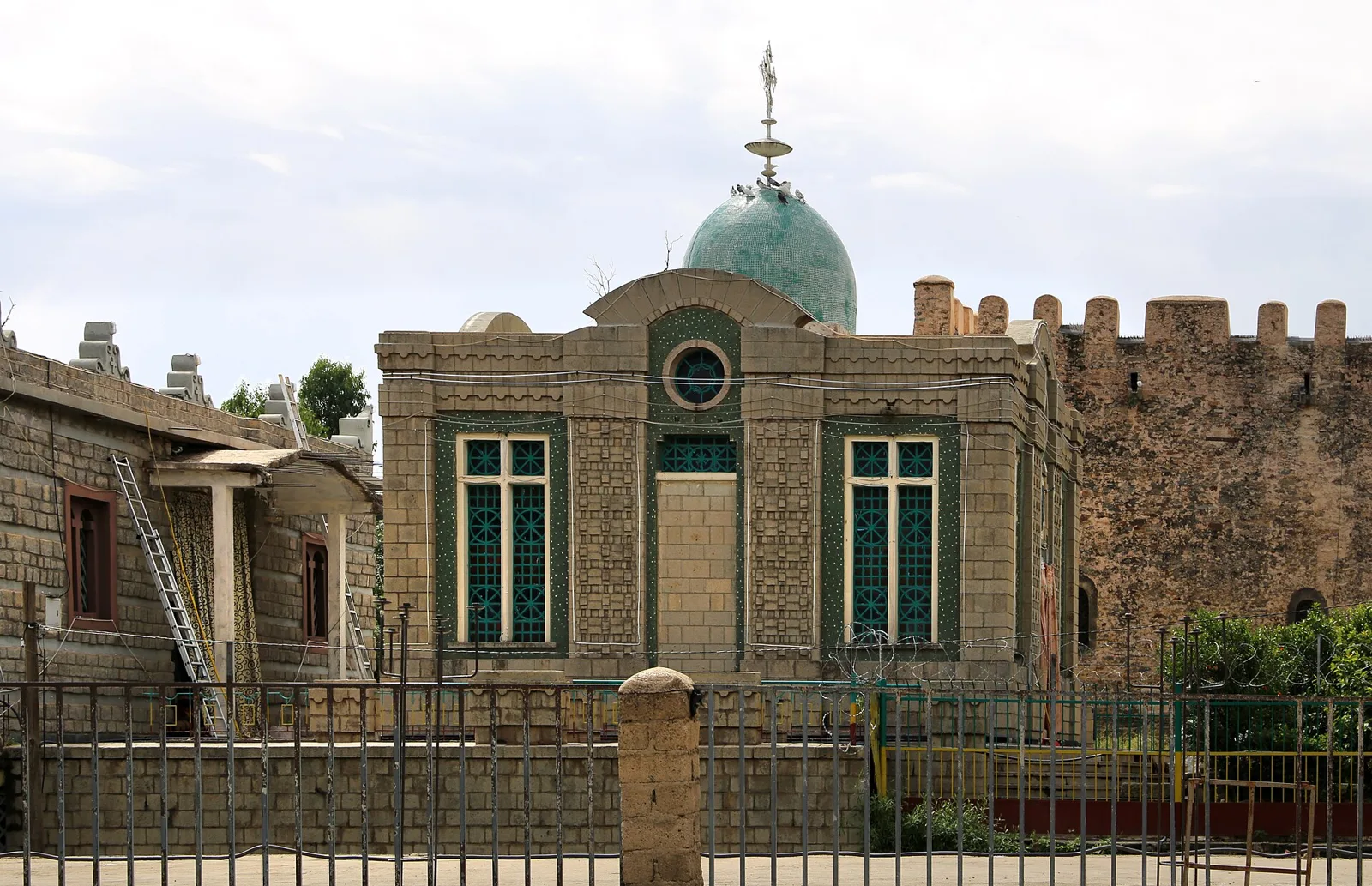

According to a 2007 article in Smithsonian magazine, only one person may see the Ark: the monk who guards it. He is said to pray beside it day and night, burning incense before it. Even the patriarch of the Ethiopian Orthodox Church at the time said he himself was not allowed to look at it.
An old church rebuilt in the 17th century
The same compound holds the Old Church of Our Lady Mary of Zion, rebuilt in the 17th century. UNESCO explains that churches like this one followed the arrival of Christianity in the 4th century. Set the Ark aside, and this is still a place where you can feel how long Christianity has been rooted in Ethiopia.
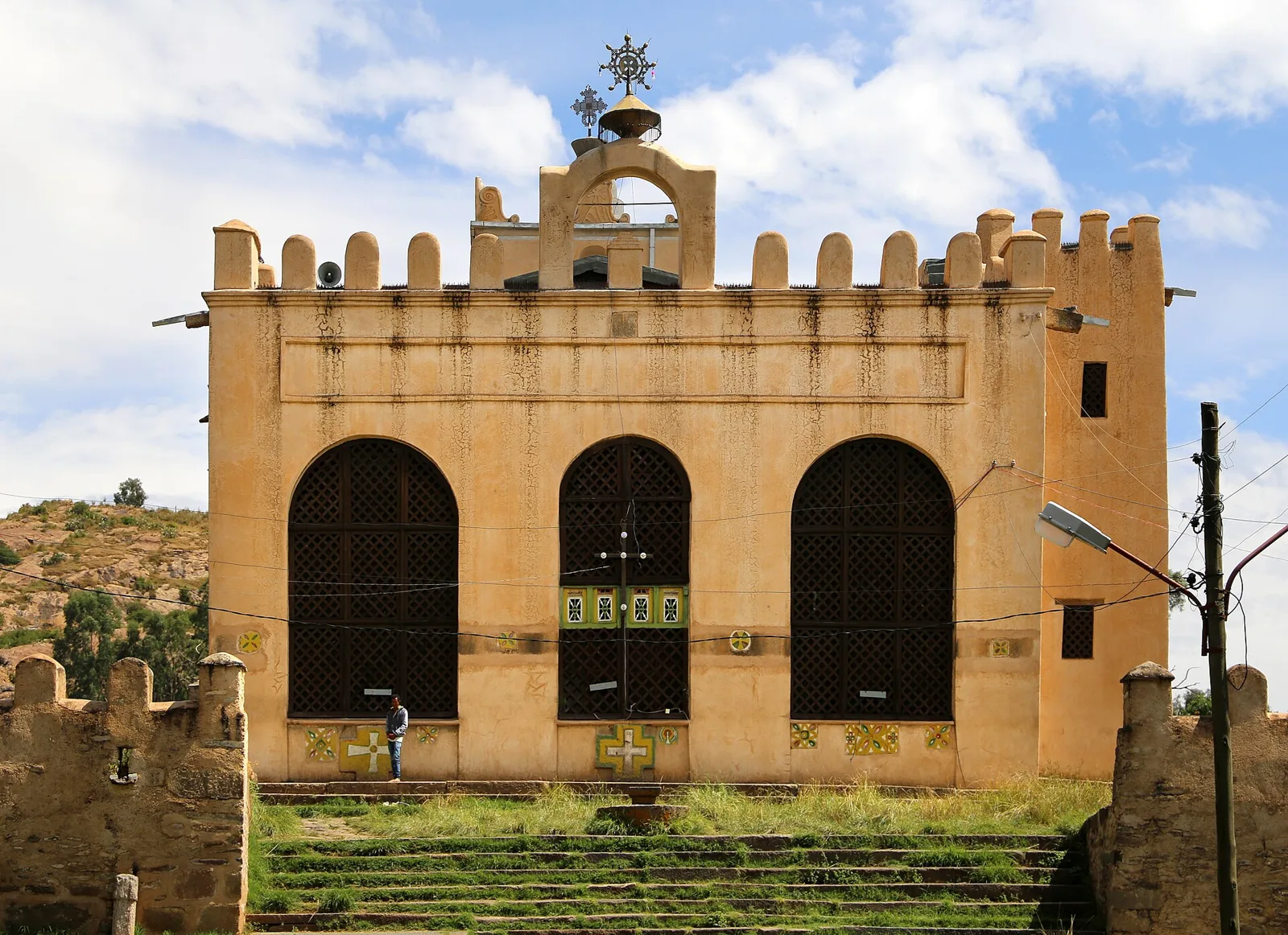

Since no one but the guardian may enter, nobody has ever confirmed that the Ark is really inside. The belief has been cherished for centuries all the same. Every Ethiopian church is said to keep a tabot, a replica of the tablets.
Find Aksum on Wooriyeojido
A chapel said to shelter the Ark, stone towers reaching for the sky, and a story told for more than a thousand years all meet in Aksum. It is pinned on the Wooriyeojido map. Look it up in the Wooriyeojido app, and if you make the trip, leave your photos and stories from the day right beside it.
View this place in the Wooriyeojido appVideos of nearby places
 Mount Sinai (Jebel Musa) in Egypt, where the Ten Commandments were received
 The Great Sphinx of Giza and the Dream Stele
 Göbekli Tepe, standing stones older than the pyramids
Sources
- UNESCO World Heritage Centre — Aksum (15)
- Smithsonian Magazine — Keepers of the Lost Ark? (2007-12)
- The Kebra Nagast (E. A. Wallis Budge translation) — Internet Sacred Text Archive
- The Kebra Nagast, chapter 48 — How they carried away Zion
- The Kebra Nagast, introduction
- King James Bible (Project Gutenberg) — 1 Kings 8, Exodus 25