The Fat Duck: Why Would a Restaurant Serve a Dish with the Sound of the Sea?
The Fat Duck, a three-Michelin-star restaurant in the Thames village of Bray, west of London. How an old pub won three stars, and why its Sound of the Sea is eaten while listening to waves, in a video and photos.
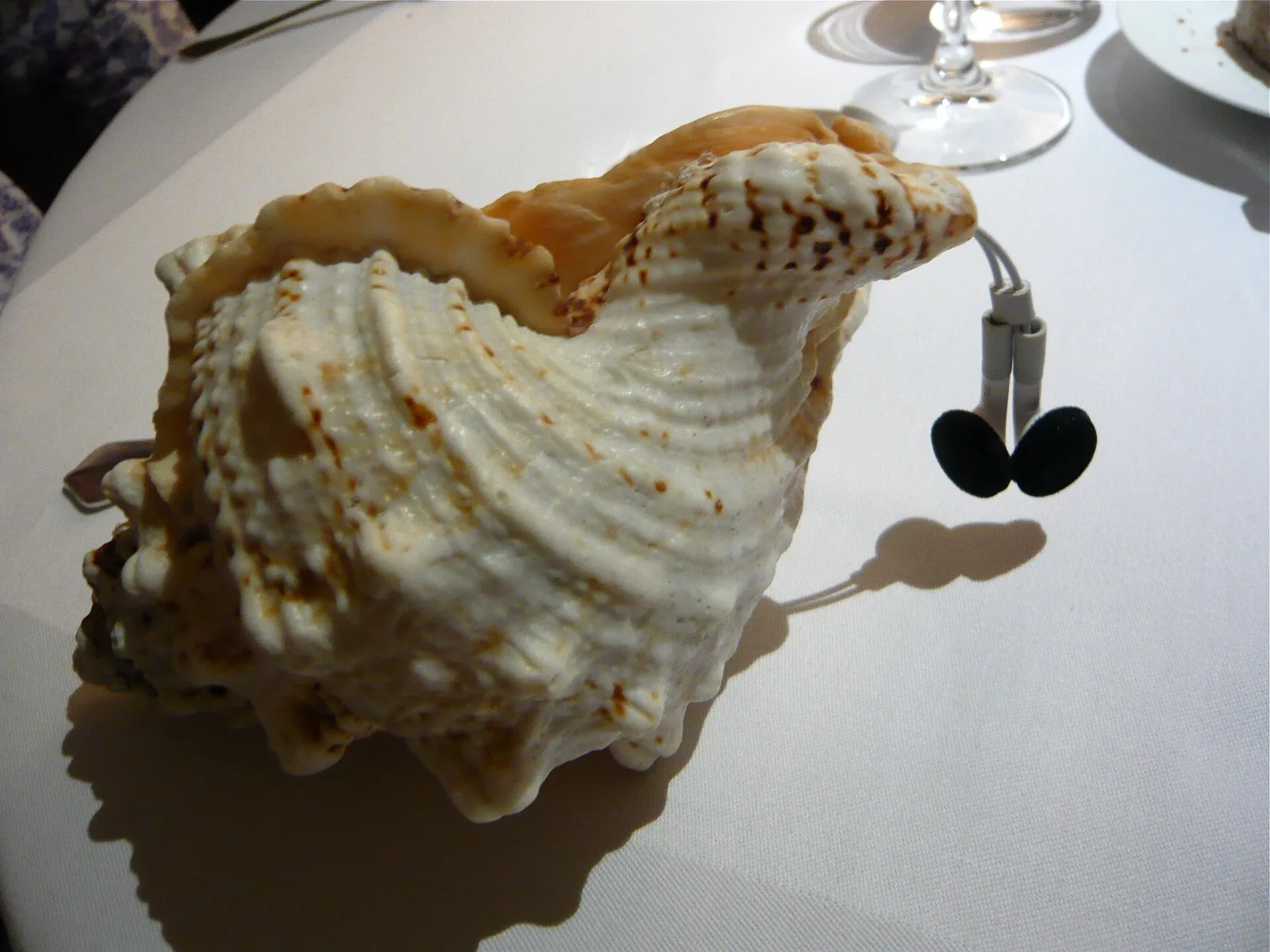
Hold a conch shell to your ear and you hear waves breaking and gulls crying, piped through earphones hidden inside. Then you eat a dish made to look like the seashore. This happens at a restaurant in a small English village. Why would a kitchen want you to listen to your food? Start with the short video.
 Watch the one-minute video on YouTube
A small village on the Thames
The Fat Duck is in Bray, a quiet Berkshire village on the River Thames, west of London. The restaurant sits on the High Street. The Michelin Guide also describes Bray as "home of the legendary Waterside Inn," which means this one small riverside village has two famous restaurants.

A pub with a bad reputation
The Fat Duck opened on August 16, 1995, in a 16th-century former pub. The chef Heston Blumenthal bought the place and turned it into a restaurant. The restaurant's own website admits the pub was "disreputable," and Michelin describes the early Fat Duck as "a very simple converted pub."
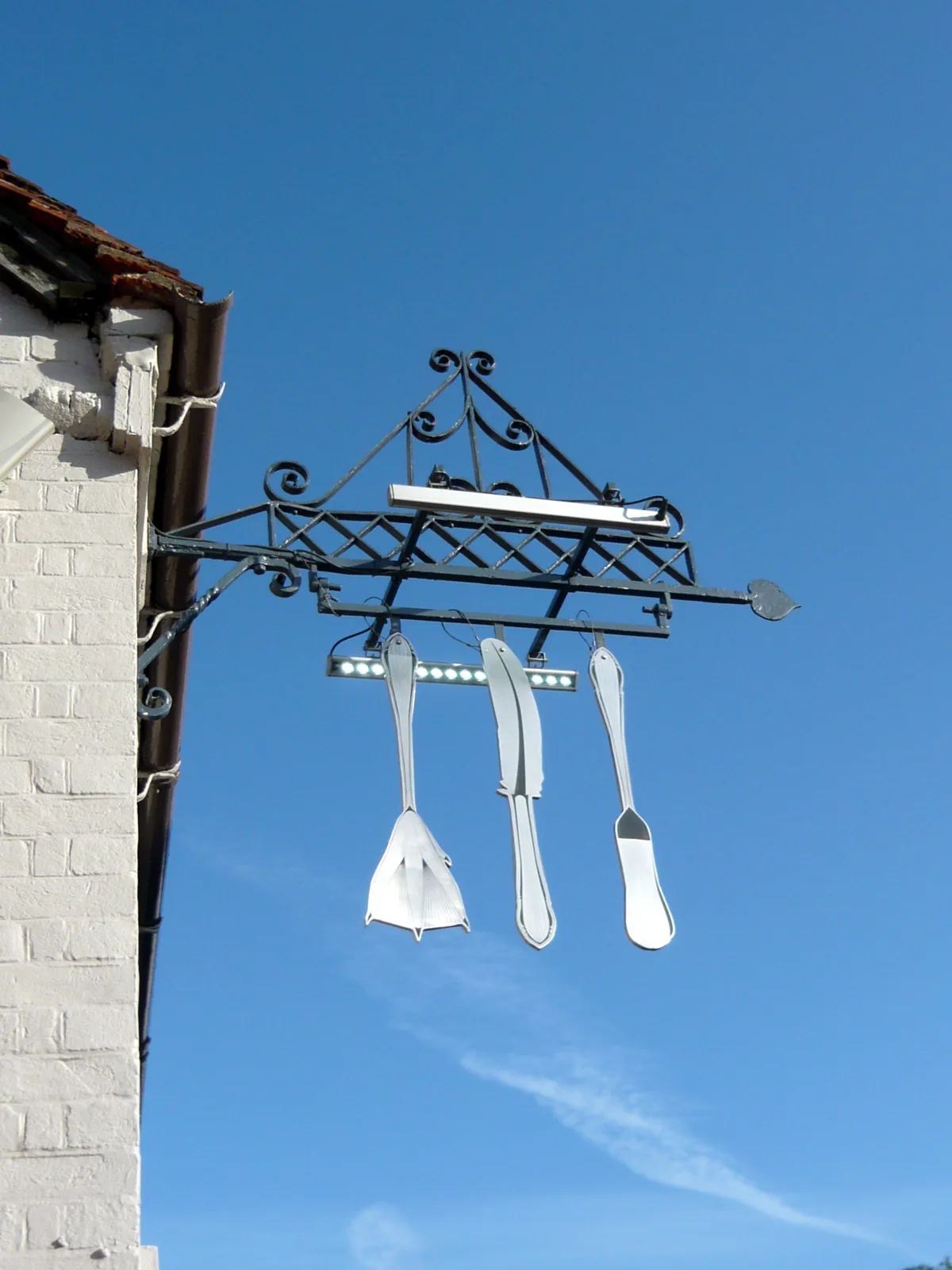
The playfulness starts with the sign. There are no words on it, just three pieces of silver cutlery hanging from an iron frame. Look closely, and the fork ends in a duck's webbed foot while the knife is shaped like a feather.
A self-taught chef and three stars in nine years
Blumenthal never went to culinary school. He is entirely self-taught, and the restaurant credits him with revolutionizing British gastronomy. The Fat Duck won its first Michelin star in 1999, its second in 2002 and its third in 2004, just nine years after opening. The restaurant calls itself one of the fastest ever to earn three stars, and the Michelin Guide still lists it with three today.
Dishes that play tricks
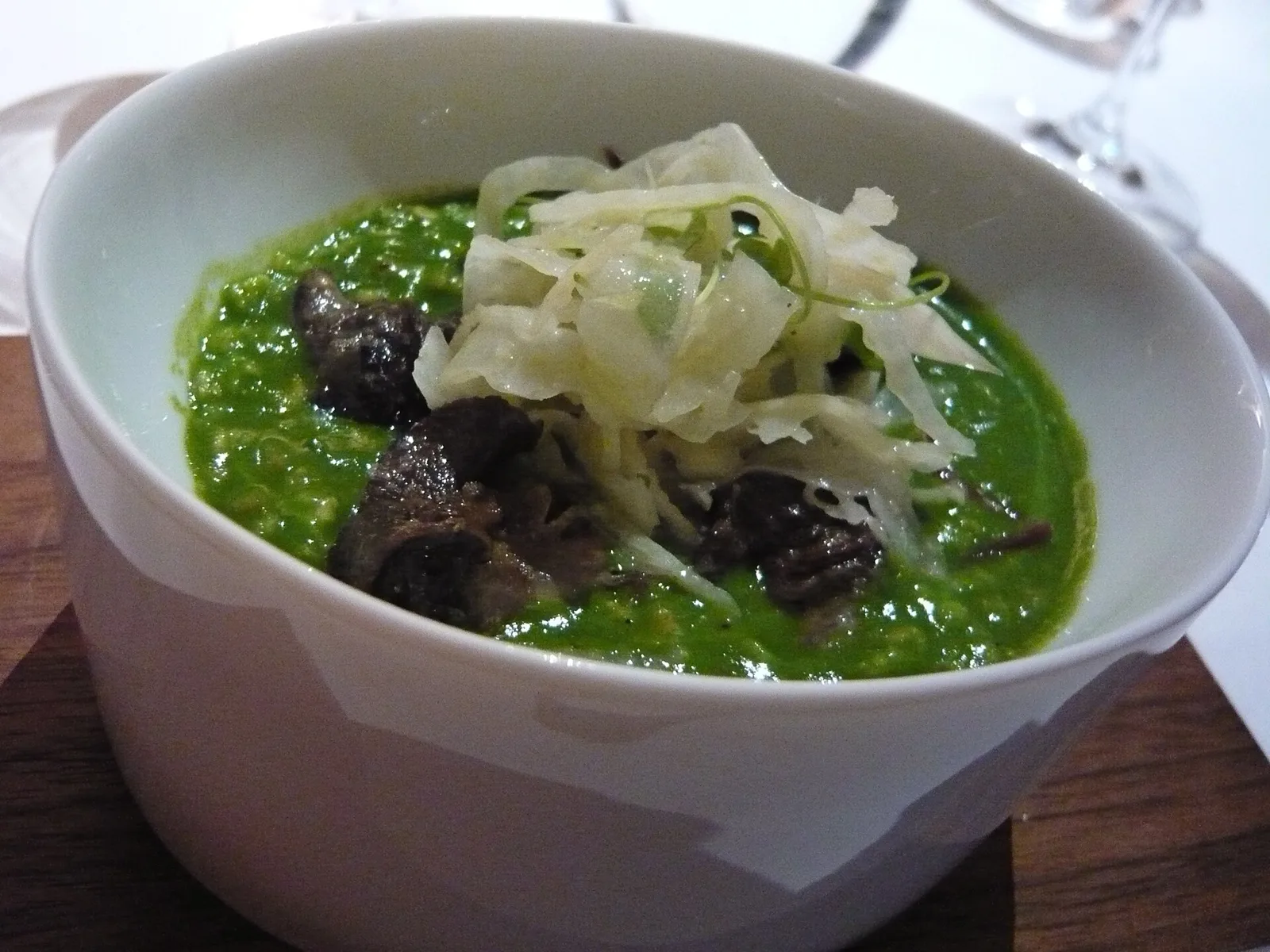
Food here is not just for the tongue. In 2001 the kitchen served a green tea and lime mousse poached in liquid nitrogen. In 2003 came snail porridge, a dish that, in Michelin's words, "plays with perception and reality."
The plate you can hear
The dish that made the Fat Duck famous arrived in 2007: Sound of the Sea. Seafood and sea vegetables are arranged on a box filled with real sand, and a light white foam laps against them like a wave reaching the shore. The "sand" you actually eat is made from tapioca.
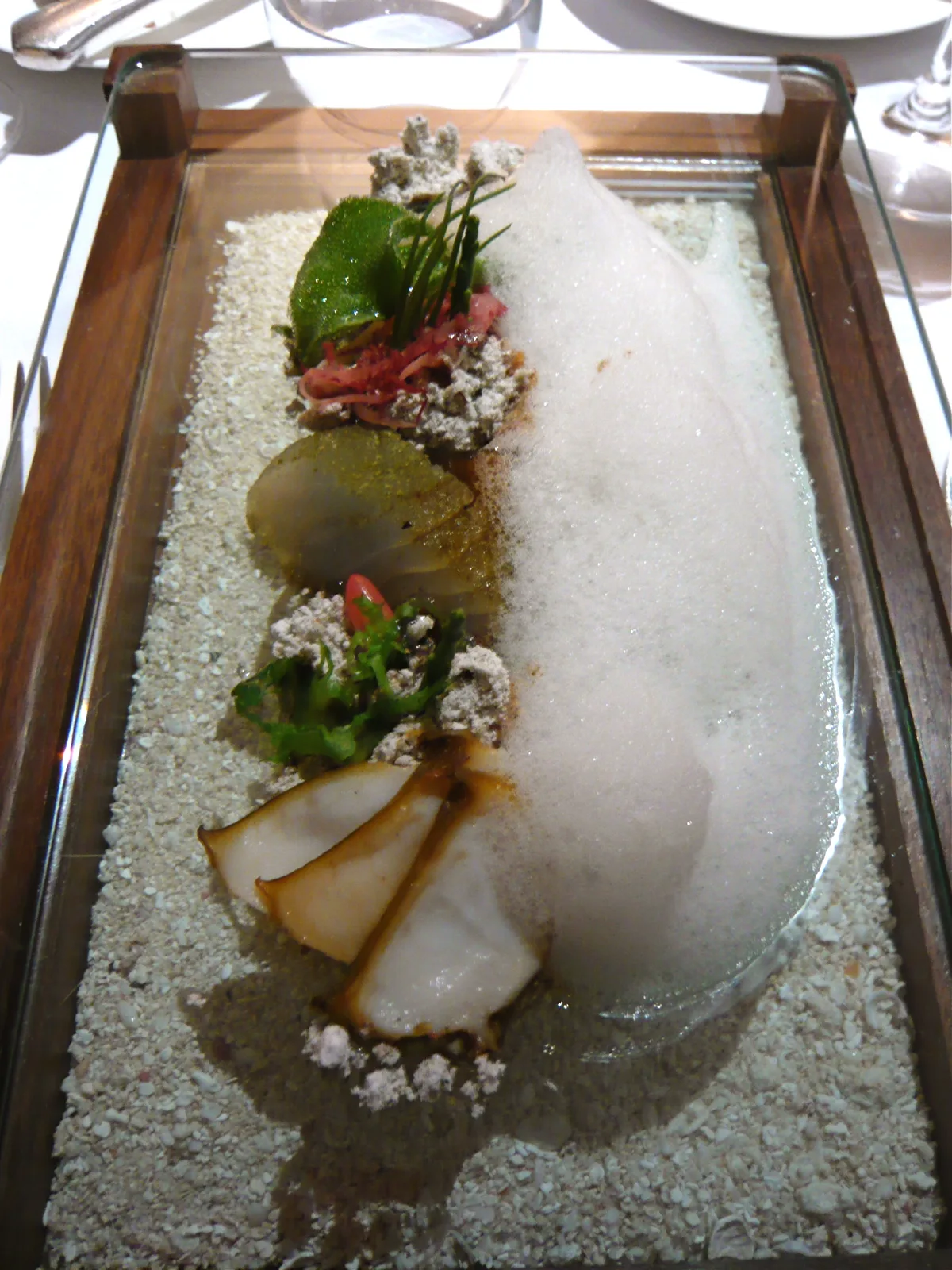
The dish came with an iPod and earbuds playing crashing waves and calling gulls. The conch shell with earphones in the photo at the top dates from 2012. According to the Michelin Guide, guests today wear headphones instead, listening to the sounds of the seaside as they eat.
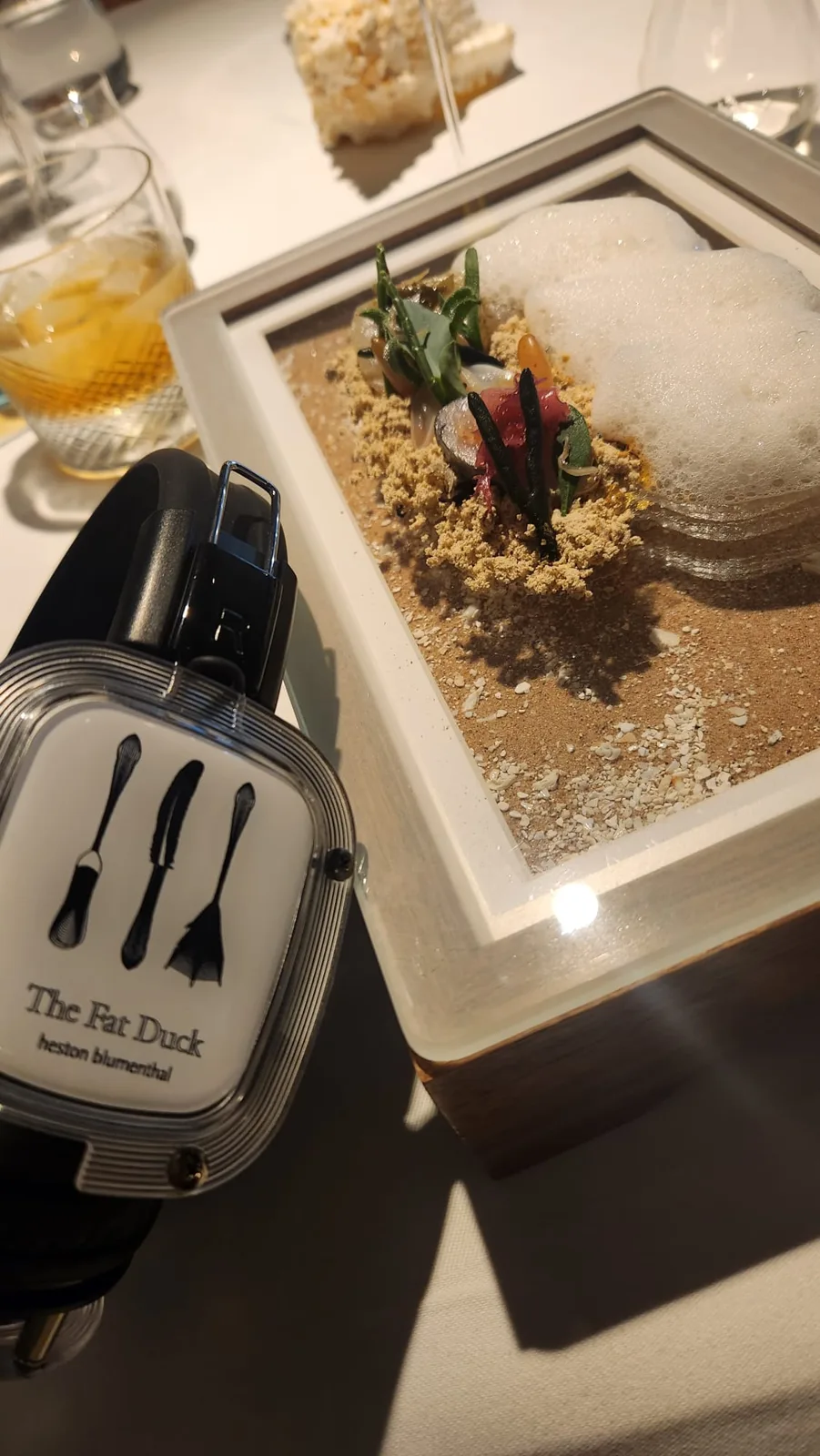
Why sound?
Michelin explains that the dish grew from the idea that sound can change how we experience food. The restaurant puts it more broadly: what we see, hear, taste, touch and smell all shape how we perceive flavor.
What makes the dish clever is that it doesn't tell you what to feel. As the restaurant describes it, the plate simply nudges you, and asks a question instead: which seaside memory does this take you to? Blumenthal has called it "the first truly multisensory dish."
Find The Fat Duck on Wooriyeojido
A pub with a poor reputation in a Thames village became a three-star restaurant, and it still serves a dish you eat while listening to the sea. The Fat Duck is pinned on the Wooriyeojido map. Look it up in the app, and if you go, leave your photos and the story of your day right beside it.
View this place in the Wooriyeojido app


